10 Simple & Delicious Food Swaps for a Healthier You
Unlock a healthier lifestyle with these incredibly easy and satisfying food substitutions. You don’t have to give up your favorite flavors; just swap them for more nutritious alternatives that taste so good, you won’t even notice the difference.
Embarking on a journey to healthier eating often feels like a monumental challenge. The mere thought of giving up beloved comfort foods, sweet treats, and quick convenience meals can be enough to deter even the most determined individuals. We envision a life devoid of flavor, filled with strict restrictions and endless cravings. But what if we told you that eating healthy doesn’t have to be an all-or-nothing endeavor? What if small, strategic changes could lead to significant improvements in your diet and overall well-being, all without feeling deprived?
The secret lies in the power of substitution. Instead of eliminating foods entirely, we can learn to replace less nutritious options with healthier alternatives that mimic the taste, texture, and satisfaction we crave. This approach fosters a sustainable lifestyle change, free from the stress and guilt often associated with traditional dieting. You’ll be amazed at how simple these food swaps are to incorporate into your daily routine and how much better you’ll feel – both physically and mentally. This article will guide you through 10 incredibly effective and delicious swaps that are designed to revolutionize your plate, making healthy eating not just achievable, but truly enjoyable.
1. Creamy & Light: Greek Yogurt for Mayonnaise
Mayonnaise, while undeniably creamy and delicious, often comes loaded with unhealthy fats and a hefty calorie count, making it a significant contributor to extra calories in many dishes. For those looking to lighten up their meals without sacrificing that rich texture and satisfying mouthfeel, Greek yogurt is an unparalleled game-changer.
Why Greek Yogurt is a Superior Swap:
- Protein Powerhouse: Greek yogurt is packed with protein, helping you feel fuller for longer and supporting muscle maintenance. This can significantly reduce snacking between meals.
- Gut-Friendly Probiotics: It contains beneficial probiotics that support a healthy gut microbiome, which is crucial for digestion and overall immunity.
- Lower Calorie & Fat: Compared to mayonnaise, Greek yogurt is significantly lower in calories and unhealthy saturated fats, making it a heart-healthier choice.
- Versatile Flavor Profile: When seasoned correctly, it offers a tangy, fresh flavor that can elevate your dishes, adding a bright note that mayo often lacks.
How to Make the Swap Seamlessly:
Simply mix plain Greek yogurt (full-fat or low-fat, depending on your preference) with a pinch of sea salt, a dash of garlic powder, a squeeze of fresh lemon juice, and your favorite fresh or dried herbs like dill, chives, parsley, or even a touch of smoked paprika. Use this vibrant blend as a healthier sandwich spread, a creamy base for salad dressings (think ranch or blue cheese alternatives), or a delightful dip for raw vegetables, chips, or crackers. You’ll be surprised at how similar the texture is, and often, the resulting flavor is even more vibrant and refreshing than traditional mayonnaise-based creations. This swap is particularly effective in chicken salad, tuna salad, or as a creamy sauce for grilled meats.
Try this: For a rich and flavorful accompaniment that’s both delicious and guilt-free, this Garlic Greek Yogurt Dip is perfect when you want a creamy dipping sauce or sandwich spread.

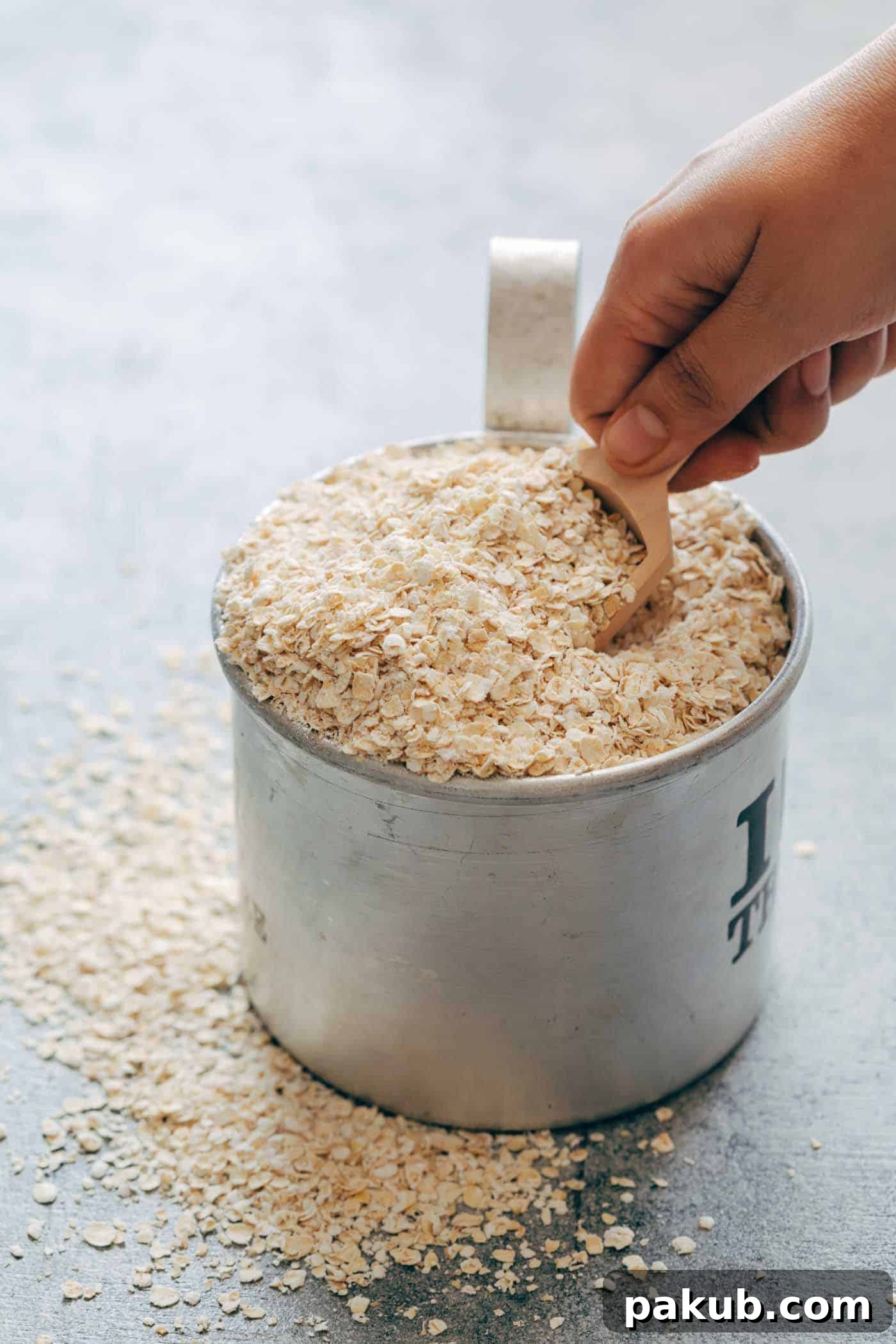
2. Sustained Energy: Oatmeal for Breakfast Cereal
Many breakfast cereals, despite clever marketing campaigns featuring cartoon characters and health claims, are little more than sugar bombs disguised as a healthy start to your day. They often contain high amounts of refined sugars, artificial ingredients, and processed grains that lead to quick energy spikes followed by inevitable crashes, leaving you hungry and sluggish soon after. It’s time to rethink your morning bowl and opt for a truly nourishing alternative.
Why Oatmeal Outperforms Cereal:
- Fiber Powerhouse: Oatmeal, especially rolled or steel-cut oats, is a powerhouse of soluble fiber (beta-glucan), which is fantastic for heart health, digestion, and maintaining stable blood sugar levels. This helps prevent energy slumps.
- Sustained Energy: As a complex carbohydrate, oatmeal provides a slow and steady release of energy, keeping you full and focused throughout your morning, unlike the quick burn of sugary cereals.
- Nutrient-Dense: Oats are rich in essential vitamins and minerals, including manganese, phosphorus, magnesium, copper, iron, and zinc.
- Customizable & Versatile: Oatmeal is incredibly adaptable, allowing you to control the sugar and fat content while experimenting with a vast array of flavors.
How to Make Your Morning Swap:
A warm bowl of oatmeal can be whipped up in less than 10 minutes, making it just as convenient as cereal. Cook it with water, milk (dairy or plant-based), or even a combination. The real magic happens with the toppings:
- Sweet Options: Add fresh fruits like berries, sliced bananas, or diced apples for natural sweetness. Sprinkle with nuts or seeds (chia, flax, hemp) for healthy fats and protein. A dash of cinnamon, nutmeg, or a few dark chocolate chips can elevate the flavor. A drizzle of honey or maple syrup adds a touch of controlled sweetness.
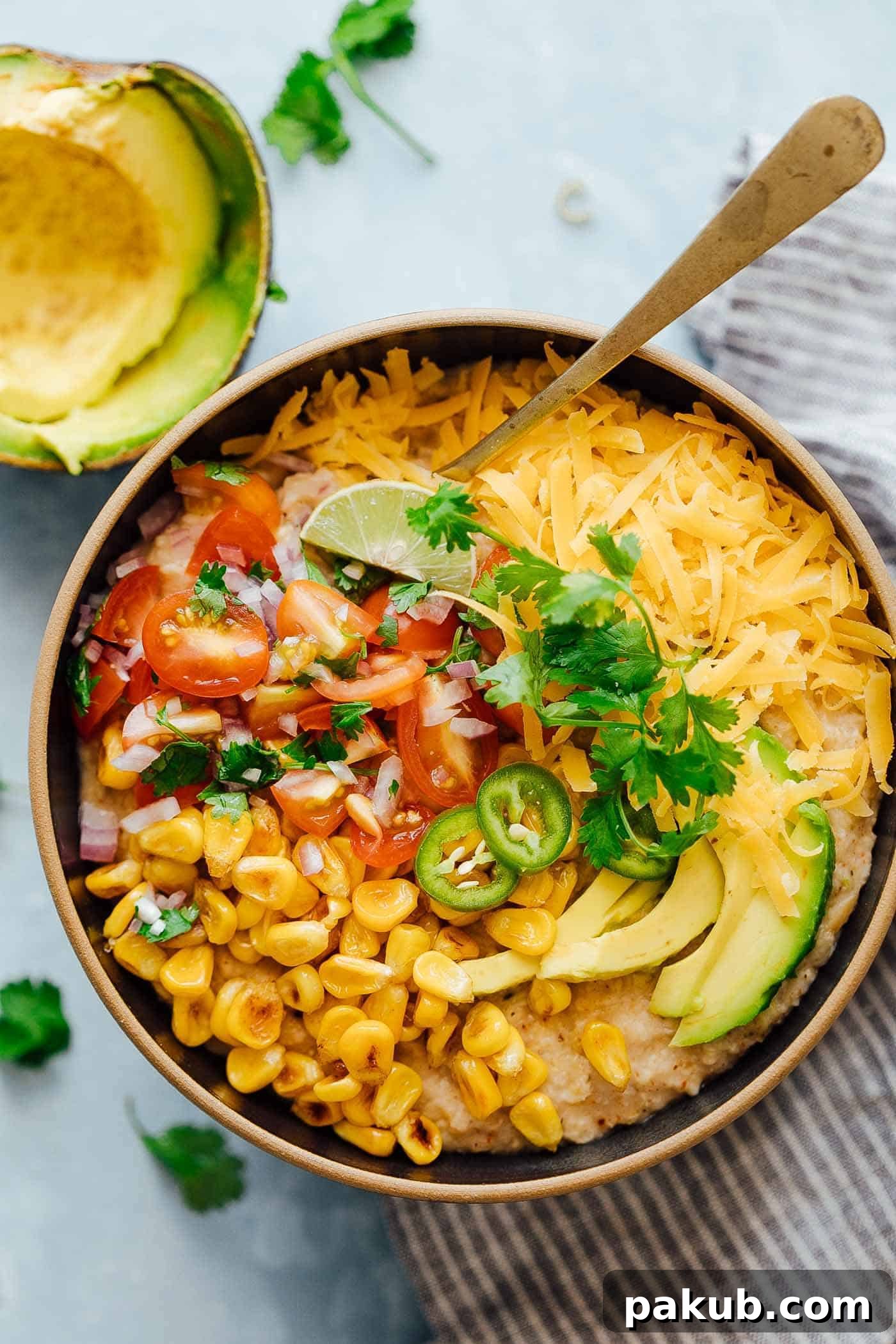
- Savory Options: Don’t limit yourself to sweet! Savory oatmeal bowls with a fried egg, avocado slices, a sprinkle of cheese, hot sauce, and herbs can be a surprisingly delicious and highly nutritious alternative to traditional breakfast fare.
For busy mornings, try overnight oats: simply combine oats, liquid, and your desired toppings in a jar the night before, refrigerate, and wake up to a ready-to-eat, perfectly chilled breakfast. This simple swap will provide lasting energy and keep you satiated until lunch.
Try these: Beyond sweet, explore the delicious world of 5 Savoury Oatmeal Recipes that are perfect for breakfast and will expand your oatmeal horizons.
3. Nutrient-Rich Fats: Avocado for Butter
While butter has its place in a balanced diet, incorporating more plant-based, unsaturated fats can significantly boost your heart health and overall nutritional intake. Avocado, often lauded as a superfood, offers a creamy texture and a wealth of nutrients that make it an excellent, versatile substitute for butter in a variety of applications, from savory spreads to sweet baked goods.
Why Avocado is a Smart Choice:
- Healthy Monounsaturated Fats: Avocados are rich in monounsaturated fats, particularly oleic acid, which are known to reduce bad cholesterol levels (LDL) and promote heart health. This contrasts with butter’s higher saturated fat content.
- Fiber & Nutrients: They provide significant amounts of dietary fiber, potassium (more than bananas!), and essential vitamins like K, C, B6, and E. These nutrients are often lacking in butter.
- Natural Creaminess: The smooth, buttery texture of avocado makes it a perfect natural emulsifier and thickener, contributing moisture and richness.
How to Integrate Avocado into Your Diet:
Making this swap is easier than you think. Mashed avocado makes a fantastic, flavorful spread on toast, bagels, or sandwiches, completely replacing butter and adding a delicious, earthy, and satisfying element. For an extra kick, sprinkle with a pinch of red pepper flakes or “Everything Bagel” seasoning. In baking, especially for items like brownies, muffins, quick breads, or certain cookies, you can often substitute half or even all of the butter with an equal amount of mashed avocado. It adds incredible moisture and healthy fats, and surprisingly, you often won’t taste the difference in the final product. Just be mindful of the natural green tint it might impart to lighter colored baked goods, which can be embraced as a unique feature. Start by substituting half the butter and experiment from there to find your preferred ratio. This swap is an effortless way to boost your healthy fat intake and add valuable nutrients to your favorite recipes.
4. Low-Carb & Loaded with Veggies: Zoodles (and Beyond) for Traditional Noodles
The “zoodle” trend, short for zucchini noodles, swept the culinary world a few years ago for good reason, and it’s a trend that truly deserves to stick around. Replacing carb-heavy pasta with vegetable-based noodles is a brilliant and delicious way to sneak in extra greens, significantly lighten up your meals, and boost your nutrient intake without sacrificing the comforting experience of a noodle dish.
Why Veggie Noodles Are a Great Alternative:
- Reduced Carbs & Calories: Zoodles and other veggie noodles drastically cut down on refined carbohydrates and calories compared to traditional wheat pasta. This makes them ideal for low-carb diets, weight management, or simply reducing overall carb intake.
- Boosted Nutrient Intake: You instantly increase your intake of vitamins, minerals, and dietary fiber, which are essential for overall health. Zucchini, for instance, is rich in vitamin C and powerful antioxidants.
- Gluten-Free & Light: They offer a naturally gluten-free alternative for those with sensitivities and create a much lighter meal that leaves you feeling energized, not heavy.
- Versatile & Flavor-Absorbing: Their mild flavor profile allows them to readily absorb the delicious sauces and seasonings you pair them with.
How to Master the Veggie Noodle Swap:
Making veggie noodles is incredibly easy. A simple spiralizer (manual or electric) will create perfect strands from a variety of vegetables in minutes. If you don’t have a spiralizer, a vegetable peeler can create wider, lasagna-like ribbons. Zucchini is the most popular choice due to its neutral taste and ideal texture, but don’t stop there!
- Cucumbers: Perfect for refreshing cold salads.
- Carrots: Add a touch of sweetness and vibrant color to stir-fries.
- Beetroots: For a strikingly colorful and earthy pasta alternative.
- Sweet Potatoes: Offer a slightly heartier, naturally sweet noodle option.
These veggie noodles cook incredibly quickly – often just a light sauté or steaming is enough to soften them while retaining a slight bite. Toss them into stir-fries, use them as a healthy base for your favorite pasta sauces (marinara, pesto, alfredo), add them to soups for extra bulk and nutrition, or incorporate them into fresh salads for a delightful textural element. You’ll enjoy the same comforting pasta experience with an added nutritional punch and a vibrant burst of fresh vegetable goodness.
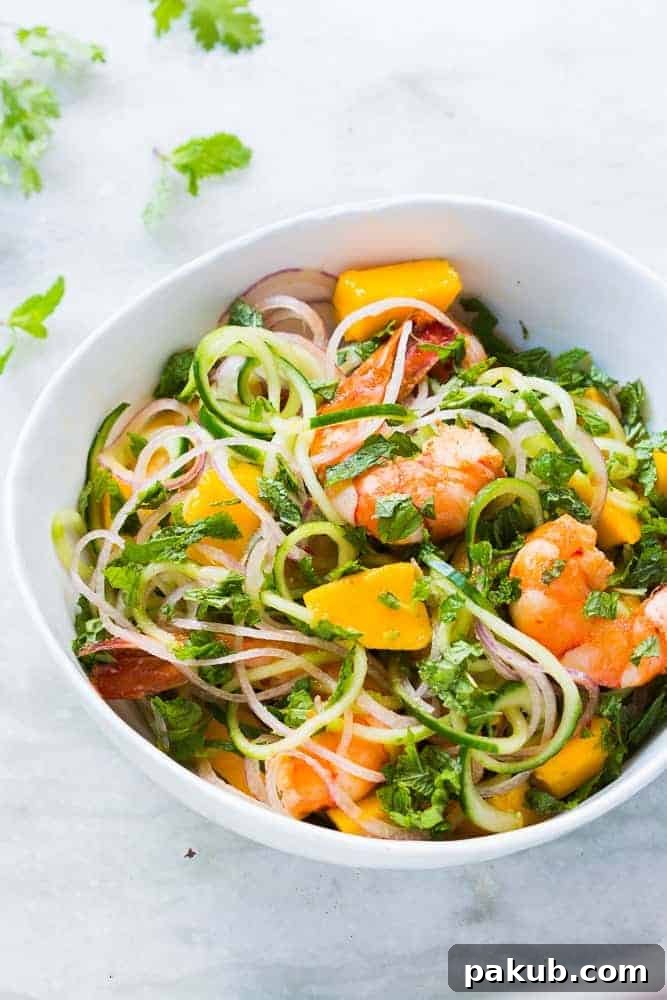
Try this: Experience the refreshing versatility of spiralized veggies with this vibrant Thai Cucumber Noodle Prawn Salad, showcasing how delicious and satisfying veggie noodles can be.
5. Optimal Hydration: Flavored Water for Sugary Cola
For many, a daily soda habit is a tough one to break. The fizz, the intense sweetness, and the quick burst of caffeine can be incredibly addictive. However, the empty calories, excessive refined sugar, and artificial ingredients found in most colas and sugary drinks are detrimental to your health, contributing significantly to weight gain, blood sugar imbalances, increased risk of type 2 diabetes, and dental issues. It’s a habit that offers little to no nutritional value.
Why Naturally Flavored Water is the Healthier Choice:
- Zero Sugar, Zero Calories: This is the most crucial benefit. You avoid all the harmful effects of refined sugars and high-fructose corn syrup.
- Essential Hydration: Staying adequately hydrated is crucial for every bodily function, from organ health to cognitive function and metabolism. Flavored water encourages you to drink more.
- No Artificial Additives: By making your own, you completely bypass the artificial sweeteners, colors, and preservatives often found in diet sodas and commercial flavored drinks.
- Boosted Nutrient Intake: Infusing water with fruits and vegetables allows some of their vitamins and antioxidants to leach into the water, providing a subtle nutritional boost.
How to Hydrate Smartly and Deliciously:
Ditching the soda doesn’t mean you’re condemned to plain, “tasteless” water. You can transform ordinary water into a delightful and refreshing beverage with natural infusions. Simply add slices of fresh fruits like lemon, lime, orange, grapefruit, or berries (strawberries, raspberries, blueberries) to a pitcher of water. Cucumber slices offer a cool, spa-like refreshment, while sprigs of fresh herbs like mint, basil, or rosemary can add an unexpected aromatic twist. You can even combine them, like lemon and ginger, or cucumber and mint for layered flavors. Prepare a pitcher in advance and let the flavors infuse in the refrigerator for a few hours or overnight for maximum taste. This naturally sweetened and flavored water is not only delicious and satisfying, but also incredibly hydrating and completely guilt-free. It’s a simple habit that will significantly reduce your daily sugar intake and pay tremendous dividends for your long-term health and well-being.
6. Wholesome Sweetness: Dates for Refined Sugar
Refined sugar offers quick energy but lacks nutrients and can lead to rapid blood sugar spikes followed by energy crashes. If you find yourself consistently reaching for sugar to sweeten your smoothies, coffee, or baked goods, consider a wholesome, natural alternative that brings more to the table than just sweetness.
Why Dates are a Superior Sweetener:
- Natural Sweetness & Rich Flavor: Dates are nature’s candy, offering a rich, caramel-like sweetness that is complex and satisfying. They can add a unique depth of flavor that refined sugar simply can’t.
- High in Fiber: Unlike refined sugar, dates are packed with dietary fiber. This fiber helps to slow down the absorption of their natural sugars, providing a more gradual and sustained energy release, which helps prevent sharp blood sugar spikes.
- Mineral-Rich: Dates are a good source of essential minerals like potassium, magnesium, copper, manganese, and vitamin B6. These contribute to overall health benefits beyond just sweetness.
- Natural Energy Boost: Due to their fiber and natural sugars, dates offer a healthy and sustained energy boost, making them excellent in pre- or post-workout snacks.
How to Effortlessly Swap Dates for Sugar:
Integrating dates into your diet as a sugar substitute is incredibly easy.
- In Smoothies: Next time you’re blending a smoothie, throw in one or two pitted Medjool dates instead of a spoonful of sugar or artificial sweeteners. They will lend a beautiful sweetness and a subtle depth of flavor that complements many fruits and greens, creating a wonderfully creamy texture.
- In Baking: For recipes for energy balls, granola bars, oatmeal, or certain cakes and muffins, pureed dates (soaked in hot water and then blended) can often replace a portion of the sugar and even some fat, adding moisture and nutrients. They work wonderfully in no-bake desserts.
- Snack Time: Simply enjoying dates on their own or stuffed with nuts makes for a satisfying, naturally sweet snack.
Remember that Medjool dates are softer, larger, and sweeter than Deglet Noor dates, making them ideal for blending and pureeing. Experiment with different varieties to find your favorite. Once you discover the magic of date-sweetened treats, you might find yourself preferring them over options made with refined sugar.
7. Low-Carb & Nutrient-Dense: Cauliflower for Potatoes
Potatoes are a versatile staple in many diets, offering comfort and familiarity. However, for those looking to significantly reduce their carbohydrate intake, manage blood sugar levels, or simply boost their vegetable consumption, cauliflower emerges as an incredibly adaptable, nutritious, and surprisingly effective substitute. Its mild flavor and ability to take on various textures make it a culinary chameleon, capable of mimicking many potato-based dishes.
Why Cauliflower is a Fantastic Potato Alternative:
- Significantly Lower in Carbs: Cauliflower is a cruciferous vegetable renowned for being exceptionally low in carbohydrates and calories, making it a cornerstone for keto, low-carb, and diabetic-friendly eating plans.
- Rich in Vitamins & Minerals: It’s a nutritional powerhouse, packed with vitamin C (an immune booster), vitamin K (important for blood clotting and bone health), folate, and a good amount of dietary fiber, which aids digestion and promotes satiety.
- Antioxidant & Anti-Inflammatory Properties: Cauliflower contains powerful antioxidants and anti-inflammatory compounds that contribute to overall health and disease prevention.
- Remarkable Versatility: Its neutral flavor and ability to be transformed into various textures make it incredibly versatile in the kitchen.
How to Make the Cauliflower Swap Successfully:
The versatility of cauliflower is astounding, allowing you to create dishes that feel indulgent yet are incredibly healthy.
- Cauliflower Mash: Steam florets until very tender, then mash them with a touch of garlic, a splash of milk (dairy or non-dairy), a pat of butter or olive oil, salt, and pepper. The result is a surprisingly creamy and satisfying “mashed potato” alternative that’s lighter and lower in carbs.
- Cauliflower Rice: Finely chop or grate raw cauliflower (or use pre-riced cauliflower) and lightly sauté it until tender. This “cauliflower rice” can be used as a fantastic, grain-free base for curries, stir-fries, grain bowls, or as a side dish.
- Roasted Cauliflower: Cut cauliflower into florets, toss with olive oil and your favorite spices (paprika, cumin, turmeric, garlic powder), then roast until tender and caramelized. It makes a delicious and nutrient-rich side dish.
- Cauliflower in Soups: Puree cooked cauliflower into soups and chowders to add creaminess and thicken the consistency without adding heavy dairy cream or starchy potatoes.
Many people, even ardent potato lovers and cauliflower skeptics, find it genuinely difficult to distinguish between the two when cauliflower is prepared creatively. It’s a fantastic and guilt-free way to enjoy comforting textures and flavors while significantly boosting your vegetable intake and cutting down on carbs.
Try this: Discover the delicious potential of cauliflower with Chunky Cauliflower Chowder and Mexican Cauliflower Rice – both are great substitutes when you want to cut out the carbs without compromising on flavor.

8. Dairy-Free Decadence: Coconut Cream for Heavy Cream
Heavy cream adds undeniable richness, body, and a luxurious mouthfeel to many dishes, from creamy sauces to decadent desserts. However, it’s high in saturated fat and, being a dairy product, isn’t suitable for everyone, particularly those with lactose intolerance, dairy allergies, or individuals following a vegan diet. For a delightful plant-based alternative that doesn’t compromise on texture or indulgence, look no further than coconut cream.
Why Coconut Cream is a Brilliant Swap:
- Dairy-Free & Vegan-Friendly: Coconut cream is naturally free of lactose and dairy proteins, making it an excellent choice for those with dietary restrictions or preferences.
- Similar Rich Texture: It offers a similar thick, luxurious, and emulsifying consistency to heavy dairy cream, providing that desired body and richness in dishes.
- Healthy Fats (MCTs): While it contains saturated fat, a significant portion of these are medium-chain triglycerides (MCTs). MCTs are metabolized differently by the body, offering a quick source of energy and potentially having some unique health benefits.
- Subtle Flavor Enhancement: It lends a subtle, pleasant tropical note that often enhances the flavor profile of savory dishes (especially curries) and desserts.
How to Incorporate Coconut Cream into Your Cooking:
Coconut cream can be used in almost any recipe calling for heavy cream, delivering fantastic results.
- Savory Dishes: It’s fantastic in curries, soups, stews, and creamy sauces for pasta or vegetables. It adds a beautiful richness without the heaviness of dairy cream and is a staple in many Asian and tropical cuisines.
- Desserts: Chilled full-fat coconut cream can even be whipped into a light and airy topping for desserts, just like traditional whipped cream. To do this, chill a can of full-fat coconut milk (or a carton of coconut cream) in the refrigerator overnight. The thick, solid cream will separate and rise to the top. Scoop out only the solid cream, leaving the liquid behind, and whip with an electric mixer until fluffy.
- Smoothies & Hot Drinks: A spoonful can add creaminess to smoothies or hot beverages like coffee or tea.
While the flavor might be subtly different, embracing the mild coconut essence can lead to exciting new culinary experiences. This substitution allows you to enjoy rich, creamy textures without dairy, adding a unique and beneficial twist to your culinary creations, all without the guilt.
9. Control Your Ingredients: Homemade for Bottled Salad Dressing
Grabbing a bottle of salad dressing from the supermarket shelf seems like the epitome of convenience. However, a quick glance at the ingredient list often reveals a troubling truth: many store-bought dressings are packed with hidden sugars, unhealthy refined vegetable oils (like soybean or canola oil), artificial flavors, preservatives, and excessive sodium. These additives can quickly undermine the very health benefits you’re trying to achieve by eating a salad.
Why Homemade Dressing is Always Superior:
- Complete Ingredient Control: Making your own salad dressing at home gives you absolute control over the ingredients. You choose fresh, wholesome components, avoiding questionable additives.
- Healthier Fats: You can opt for high-quality, healthy fats like extra virgin olive oil, avocado oil, or flaxseed oil, which offer numerous health benefits.
- No Hidden Sugars or Sodium: You dictate the amount of sweetener (if any, using natural options like honey or maple syrup) and salt, preventing excessive intake.
- Freshness & Vibrant Flavor: Homemade dressings taste incomparably fresher, more vibrant, and more complex than their bottled counterparts.
- Cost-Effective: It’s surprisingly simple, incredibly cost-effective, and uses pantry staples you likely already have.
How to Master the Homemade Dressing Swap:
Forget complicated recipes. A basic vinaigrette is incredibly easy to prepare and forms the foundation for countless variations.
- Classic Vinaigrette: Whisk together three parts extra virgin olive oil with one part acid (such as balsamic vinegar, apple cider vinegar, red wine vinegar, or fresh lemon/lime juice). Season generously with sea salt, freshly ground black pepper, and your favorite dried or fresh herbs (garlic powder, oregano, thyme, basil). A teaspoon of Dijon mustard can act as a natural emulsifier, helping the oil and vinegar stay combined.
- Creamy Dressings: For a creamy texture, blend your vinaigrette base with plain Greek yogurt, tahini, or avocado. Add fresh garlic, chives, dill, or a touch of nutritional yeast for a cheesy flavor.
- Flavor Variations: Experiment with different vinegars, citrus juices, and herbs. Add a pinch of chili flakes for heat, a spoonful of honey for sweetness, or some minced shallots for an aromatic kick.
Not only will your homemade dressings taste fresher and more vibrant, but they’ll also transform your salads from a mundane chore into a truly delicious and nutritious meal. A healthy salad truly deserves a healthy, homemade dressing!
10. Satisfying Crunch: Popcorn for Potato Chips
Movie nights, snack attacks, or just a craving for something salty and crunchy often lead us down the well-trodden path of potato chips. While undeniably satisfying in the moment, potato chips are typically deep-fried in unhealthy oils, loaded with unhealthy trans fats and saturated fats, excessive sodium, and empty calories that offer little to no nutritional value, contributing to inflammation and weight gain.
Why Popcorn is the Ultimate Healthy Snack Swap:
- Whole Grain & High Fiber: Popcorn, when prepared properly (air-popped), is a whole grain that’s naturally high in dietary fiber. This means it helps you feel full and aids digestion, unlike the fleeting satisfaction of potato chips.
- Low Calorie (When Air-Popped): Air-popped popcorn is surprisingly low in calories, making it a volume-friendly snack that you can enjoy without guilt.
- Customizable Seasoning: It provides that satisfying crunch and can be seasoned in countless ways, allowing you to control the ingredients and avoid artificial flavors.
- Antioxidant Rich: Popcorn contains polyphenols, a type of antioxidant, contributing to its health benefits.
How to Make Your Popcorn Swap Delicious:
Ditch the greasy bag of chips and opt for homemade popcorn. An air-popper makes it effortless and requires no oil. Alternatively, you can easily pop kernels on the stovetop with just a tiny bit of healthy oil (like coconut or avocado oil) in a covered pot.
- The Real Fun is in the Seasoning! Instead of artificial flavors and excessive salt, try these healthier options:
- Cheesy Flavor: Nutritional yeast (a common vegan substitute for cheese) adds a fantastic umami, cheesy taste without the dairy.
- Spicy Kick: Chili powder, smoked paprika, or a dash of cayenne pepper.
- Herbaceous: Dried Italian herbs, garlic powder, onion powder, or fresh rosemary.
- Sweet & Salty: A light sprinkle of cinnamon sugar or a drizzle of melted dark chocolate with a pinch of sea salt.
- Simple & Classic: A light drizzle of olive oil or melted coconut oil and a sprinkle of good quality sea salt.
It’s a fantastic way to enjoy a substantial, crunchy snack without the guilt, and the process of popping corn can even be a fun activity to involve kids in the kitchen. Enjoy your movie nights or snack breaks with a wholesome, delicious, and customizable crunch that actually contributes to your well-being!
Start Your Healthy Swaps Journey Today!
Embracing a healthier lifestyle doesn’t necessitate drastic overhauls, restrictive diets, or feeling deprived of your favorite foods. As these 10 simple yet powerful food substitutions demonstrate, profound improvements in your diet and overall well-being can come from small, mindful changes that are easy to implement. By strategically swapping out less nutritious ingredients for wholesome, flavorful alternatives, you can significantly enhance your diet, boost your energy levels, and enjoy your favorite foods with less guilt and more genuine nourishment.
These swaps are designed to be easy, delicious, and most importantly, sustainable, paving the way for a truly balanced and enjoyable relationship with food. There’s no need to overhaul your entire pantry overnight. Why not pick one or two of these practical swaps to try this week? Incorporate them into your daily routine and experience the positive impact for yourself. Your taste buds, your energy levels, and your body will undoubtedly thank you for taking these steps towards a healthier, happier you!
Are there any healthy substitutions that you swear by in your own kitchen? What are your personal go-to food swaps for a healthier meal or snack? We’d love to hear from you and learn from your experiences in the comments below!