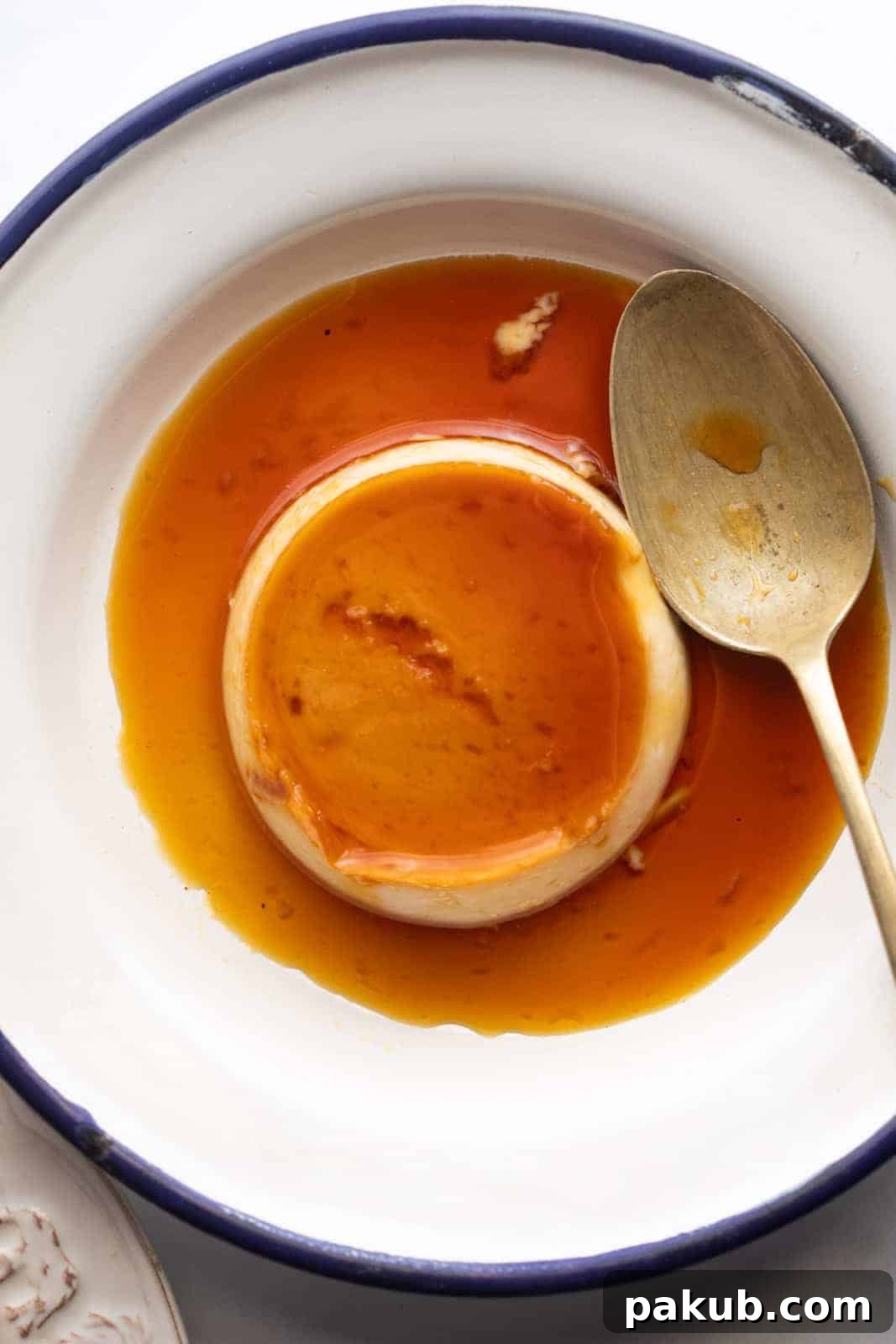
Decadent Vegan Coconut Caramel Custard: Your New Favorite Eggless & Dairy-Free Dessert
Indulge in a luscious, silky-smooth vegan version of the classic caramel custard. This delightful recipe offers a tropical twist, making it completely eggless, dairy-free, and surprisingly simple to prepare on your stovetop!
There’s something undeniably comforting and elegant about a perfectly crafted caramel custard. The golden, glistening caramel topping melting into a creamy, delicate base is a dessert dream for many. However, traditional caramel custards often come with eggs and dairy, which can be restrictive for vegans or those with dietary sensitivities. Plus, some find the distinct “eggy” aftertaste of poorly made custards less than appealing. That’s where this incredible vegan coconut caramel custard recipe comes in!
My quest was to create a 100% plant-based version that not only rivals the classic but, dare I say, surpasses it. The result is a dessert that is extraordinarily rich, wonderfully creamy, sets beautifully, and boasts absolutely no undesirable aftertaste. This recipe has quickly become my newfound love in the realm of eggless desserts, holding a cherished spot right after my beloved Intense Eggless Chocolate Mousse – because, let’s be honest, nothing truly beats that!
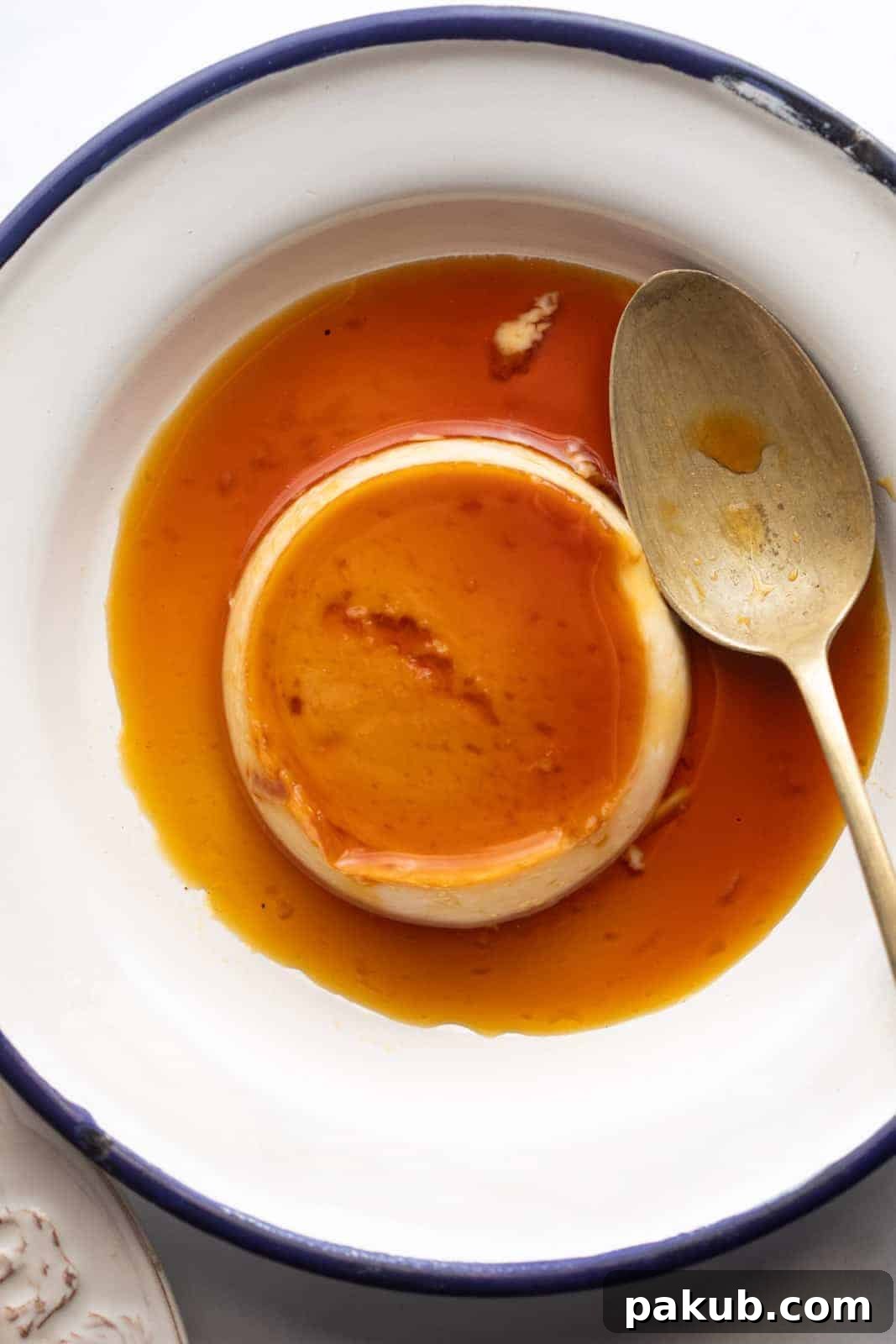
The Art of Veganizing Caramel Custard: A Coconut Transformation
The secret to transforming a traditional caramel custard into a magnificent vegan caramel custard lies in smart substitutions that enhance, rather than detract from, the flavor and texture. For the dairy component, I opted for freshly extracted coconut milk. Coconut milk is a powerhouse ingredient in vegan baking; it’s naturally creamy, lends a rich mouthfeel, and imparts an exquisite tropical aroma that pairs wonderfully with sweet caramel. Beyond its incredible taste, coconut milk is also packed with healthy fats and is generally lighter on the stomach compared to dairy, making this dessert a guilt-free pleasure.
The subtle, yet distinct, coconut flavor shines through in this custard, elevating it to an irresistible dessert experience. A few drops of pure vanilla extract further enhance its aromatic profile, creating a symphony of flavors that is simply divine. Canned coconut milk, particularly the full-fat variety, is widely available in most supermarkets, including Indian grocery stores, making this recipe accessible to everyone. When selecting coconut milk, look for high-quality brands that contain a good percentage of coconut extract for the best results.
A common concern when cooking with coconut milk is its tendency to split when heated. However, with a few simple precautions, you can ensure a perfectly smooth and stable custard. The key is gentle heat and continuous stirring. Keep your saucepan on a low flame and whisk consistently until the custard mixture begins to thicken. This steady agitation helps emulsify the coconut milk, preventing any separation and ensuring a velvety consistency that rivals any traditional custard.
Cornflour: The Essential Thickener for Eggless Custard
In conventional caramel custard recipes, eggs play a dual role: they act as both a binder and a primary thickening agent, giving the custard its characteristic firm yet wobbly texture. However, as mentioned, eggs can sometimes leave an undesired aftertaste that many prefer to avoid, especially in a delicate dessert. To create an impeccable eggless caramel custard, a superior vegan thickener is required, and cornflour (cornstarch) is the perfect candidate.
Cornflour is a marvel in the vegan kitchen. It’s flavorless, readily available, and provides excellent thickening power without altering the taste of your dessert. When incorporated correctly, it delivers a custard that is just as smooth and luxurious as its egg-laden counterpart, ensuring no compromise on texture. To use it effectively, it’s crucial to mix the cornflour thoroughly with the cold coconut milk before heating. This step is vital to prevent lumps from forming. Whisk the mixture vigorously until completely smooth, then proceed to cook it over low heat, stirring continuously. The mixture will gradually thicken into a beautiful, glossy custard, proving that eggs are absolutely not necessary for a flawless finish. This simple substitution solves the “eggy aftertaste” problem completely!
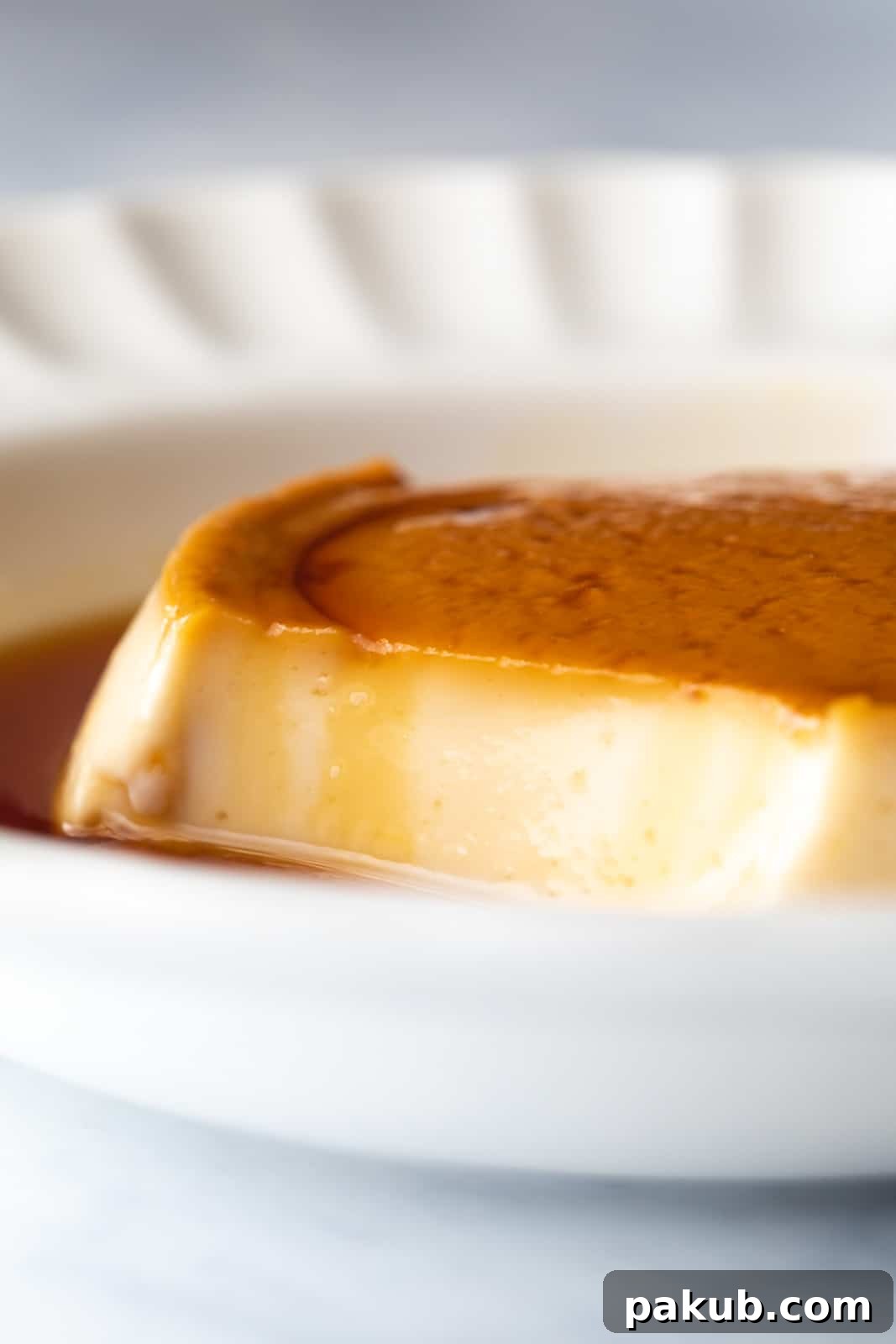
Mastering the Caramel: The Golden Crown of Your Custard
The “burnt sugar” or caramel layer is arguably the most dramatic and essential element of any caramel custard. It provides that striking visual appeal and, more importantly, a sophisticated sweet-bitter flavor contrast that makes the dessert so captivating. For this coconut caramel custard, I prefer using refined granulated sugar for its consistent results and clear visual cues during caramelization. However, you have the flexibility to experiment with other sweeteners like jaggery, coconut sugar, or palm sugar, keeping in mind that these will yield a darker, richer caramel with their own unique flavor nuances and might be harder to visually gauge doneness.
The process begins by heating the sugar on a low to medium flame. Patience is key here. You’ll observe the sugar starting to melt around the edges first. Resist the urge to crank up the heat, as this can lead to uneven melting and burning. Stir continuously with a heat-proof spatula or wooden spoon, breaking down any clumps as the sugar crystals dissolve. It might look clumpy and uncooperative initially, but with steady stirring and gentle heat, it will eventually transform into a smooth, amber liquid. This transformation happens quickly once the melting point is reached, so keen observation is critical.
The goal is to achieve a deep amber color, indicative of a perfect balance between sweetness and a delightful bitterness. This is where precision matters; caramel can transition from perfectly golden to acridly burnt in mere seconds. If you’re using white granulated sugar, the color changes are quite evident. With darker sugars like jaggery or coconut sugar, it’s slightly more challenging to judge, so rely on your nose for a slight toasted aroma and be prepared to remove it from the heat promptly. Once the desired color is achieved, immediately remove the saucepan from the flame. Swiftly pour the hot caramel syrup onto the base of your chosen ramekins, ensuring the bottom is evenly coated. Allow it to cool for just 2 to 3 minutes until it sets slightly before gently pouring in your warm coconut custard mixture.
This dessert truly celebrates simplicity, yet it allows for incredible depth of flavor. Don’t underestimate the power of a tiny pinch of salt in the custard; it’s a flavor enhancer that brings all the sweet notes to life like nothing else can. Similarly, a few drops of good quality vanilla extract go a long way in adding warmth and complexity. For those who enjoy extra texture and a more pronounced coconut presence, consider stirring in a tablespoon or two of finely desiccated coconut into the custard mixture next time. The garnishes are where you can unleash your creativity, ranging from fresh berries to toasted coconut shavings, or even a sprinkle of finely chopped dry fruits for an added crunch and elegance.
Top Tips for Achieving a Flawless Vegan Coconut Caramel Custard
Creating a truly perfect, creamy, and light coconut caramel custard is easily achievable with a few expert tips. These insights will help you avoid common pitfalls and ensure your dessert is a showstopper every time:
- Pour Warm Custard into Ramekins: After your caramel has set in the ramekins, pour the custard mixture while it’s still warm. This gentle warmth helps to slightly soften the cooled caramel, ensuring that when you eventually unmold the custard, you’ll be rewarded with a beautifully liquid, syrupy caramel topping that cascades down the sides. If the custard is cold, the caramel might remain too firm.
- Reviving Lumpy Custard: If, for any reason, your coconut custard cools down completely and develops lumps before you pour it into the ramekins, don’t despair! Simply return the saucepan to a very low flame and gently reheat it, continuously whisking until it becomes smooth and lump-free again. You can also add a tablespoon or two of extra coconut milk or any plant-based milk during this process to help loosen it up and achieve that silky texture.
- Act Fast with Caramel: Caramel sets incredibly quickly once removed from heat. It’s crucial to pour the freshly made, hot caramel into your ramekins immediately. As it cools, it will rapidly thicken and become stringy, making it almost impossible to pour and spread evenly. Have your ramekins ready and positioned before you start making the caramel.
- Patience with Refrigeration: For optimal setting and that glorious caramel release, allow your custard a minimum of 6 to 8 hours in the fridge. Overnight chilling is even better. This extended refrigeration period ensures the custard is perfectly firm and stable. When you finally flip it onto a serving plate, the caramel will have had enough time to liquefy just enough to elegantly melt and flow over the sides, creating that iconic glossy topping.
- Effortless Demolding: To demold your perfectly set custard, there’s no need for the traditional warm water bath often used for egg custards. Simply run a thin, sharp knife gently around the edges of each ramekin to loosen the custard from the sides. Then, place your serving plate over the ramekin and, with a quick, confident flip, invert it. The custard should slide out easily, crowned with its luscious caramel.
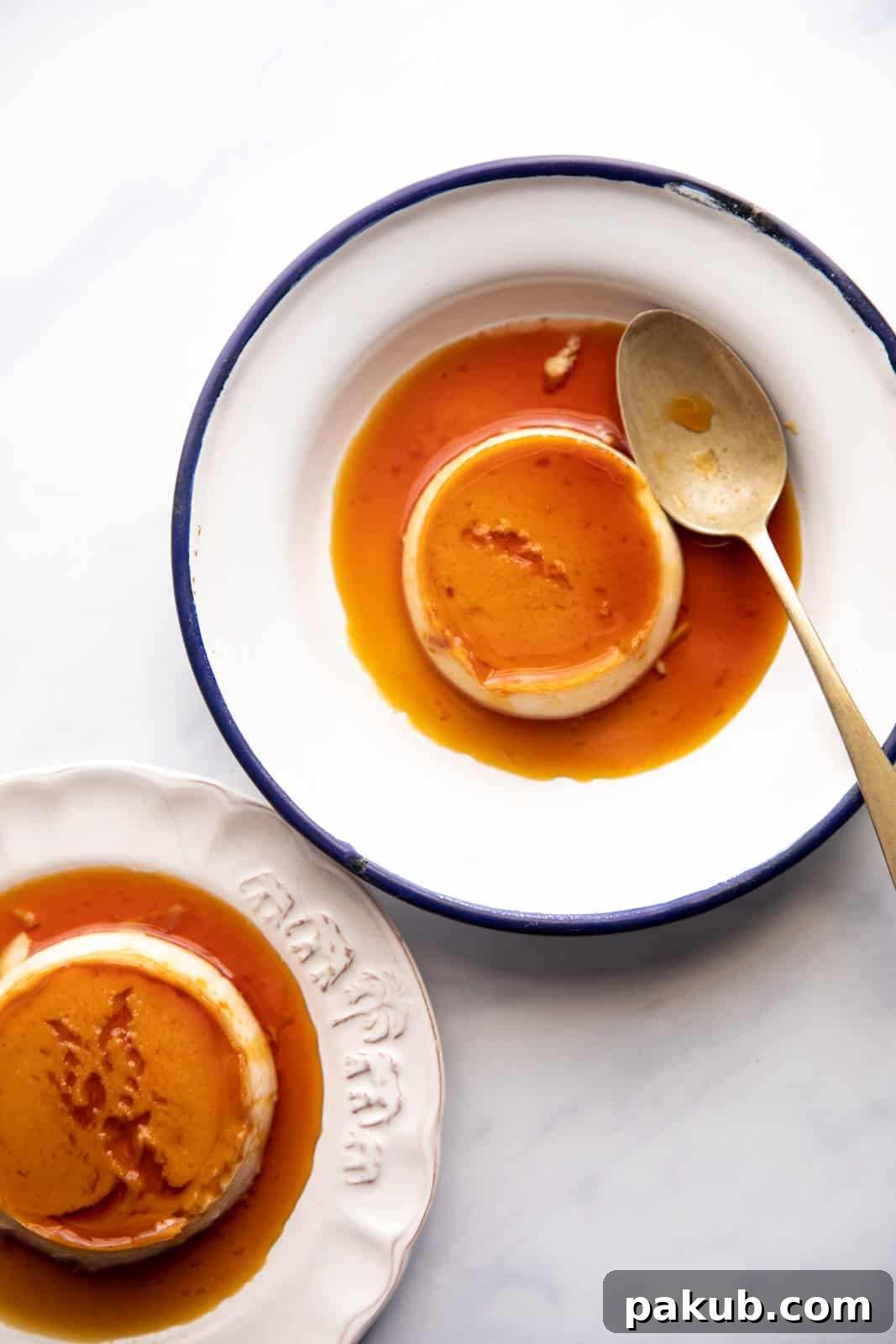
So there you have it: my foolproof vegan caramel custard recipe that promises an exquisite taste and flawless texture, without a single egg or dairy product. This dessert is an absolute stunner, guaranteed to impress at any gathering. That “aha!” moment when you demold it and the beautiful golden caramel cascades around the sides is truly magical and Instagram-worthy.
Beyond its visual appeal, this custard is delightfully lighter on the tummy, making it a perfect end to any meal. Plus, that irresistible coconut flavor will effortlessly transport your taste buds to a serene tropical beach getaway. I promise, one bite and you’ll be dreaming of sun, sand, and ocean breezes!
Why Opt for Vegan Caramel Custard?
Embracing a plant-based lifestyle or simply exploring vegan dessert options comes with a myriad of benefits. This vegan coconut caramel custard is not just a delicious alternative; it’s a testament to how rich and satisfying vegan desserts can be. For those with egg or dairy allergies, this recipe offers a safe and delectable treat. It’s also a fantastic option for anyone looking to reduce their consumption of animal products, offering a more sustainable and ethical choice without sacrificing flavor. Furthermore, coconut milk, the star ingredient, is known for its lauric acid content, which has several health benefits, and it provides healthy fats that contribute to satiety. This dessert feels indulgent but carries a lighter, more wholesome profile.
More Divine Plant-Based Desserts You May Like
If you loved this vegan custard, you’ll be thrilled to explore more of my favorite plant-based and eggless dessert creations that are equally delightful and satisfying. Expand your dessert repertoire with these irresistible recipes:
- Intense Eggless Chocolate Mousse: A rich, airy, and deeply chocolatey mousse that’s surprisingly easy to make without eggs.
- Chickpea Flour Brownies: Indulge in fudgy, delicious brownies that are both gluten-free and vegan-friendly, proving healthy can be heavenly.
- Masala Chai Panna Cotta: A spiced, creamy, and elegant Italian dessert with an aromatic Indian twist, perfect for impressing guests.
Watch the Vegan Coconut Caramel Custard Recipe Video
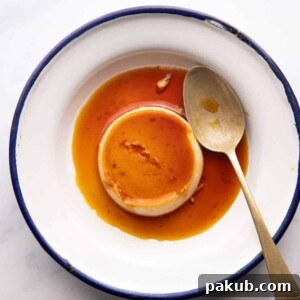
Vegan Coconut Caramel Custard
Richa
10
40
50
6 Portions
Print Recipe
Equipment
-
6 small Ramekins
-
Saucepans (2)
-
Whisk
-
Steamer Basket or Rack
Ingredients
Custard
- 200 ml Coconut Milk, thick (see note 1)
- 3 tablespoons Granulated Sugar
- 2 tablespoons Cornflour (Cornstarch)
- 1 1/2 teaspoons Vanilla Extract
- Pinch of Salt
Caramel
- 1/2 cup Granulated Sugar
Instructions
-
In a medium saucepan, whisk together all the ingredients listed under ‘Custard’ (coconut milk, sugar, cornflour, vanilla extract, and salt) until the mixture is completely smooth and free of any lumps. Place the saucepan over low to medium heat. Continuously whisk the mixture for approximately 4-6 minutes, or until it visibly thickens to a consistency similar to pouring cream. Once thickened, remove from heat and set aside, keeping it warm.
-
Prepare your caramel. In a separate, clean heavy-bottomed saucepan, add the 1/2 cup of granulated sugar. Place it over a medium-low heat. Allow the sugar to slowly melt without stirring initially. You’ll observe it beginning to liquefy and turn golden brown around the edges first. Once about half the sugar has melted, you can gently stir with a heat-proof spatula. The sugar might clump up, but continue stirring until all crystals are dissolved and it transforms into a smooth, amber-colored syrup. Watch closely as the color deepens from light gold to a rich, dark amber. This color change happens rapidly, so be vigilant (no distractions!). Immediately remove from the flame once the desired amber hue is achieved – a perfect balance of sweet and slightly bitter.
-
Working quickly, divide the hot caramel evenly among your six small ramekins (approximately 1.5 tablespoons per ramekin). Carefully swirl each ramekin to ensure the caramel coats the bottom completely. Allow the caramel to cool and set for just 2 to 3 minutes – it should be firm but still slightly warm. If your custard has cooled and become lumpy during this time, gently rewarm it on low heat while whisking to restore its smooth consistency. Then, carefully pour the warm custard mixture over the cooled caramel in each ramekin. Cover the ramekins tightly with aluminum foil.
-
Prepare your steamer. Bring about 2 cups of water to a boil in a large pot or steamer. Once the water is boiling vigorously, reduce the heat to low. Carefully place the foil-covered ramekins into a steamer basket or on a rack inside the pot, ensuring they are not submerged in water. Close the steamer or cover the pot tightly and steam on low heat for 15 minutes. After 15 minutes, turn off the flame but keep the lid on, allowing the ramekins to sit in the steamer for an additional 20 minutes with the residual heat. This gentle resting period helps the custard set perfectly.
-
Carefully remove the ramekins from the steamer. Allow them to come to room temperature on a wire rack. Once cooled, remove the aluminum foil and refrigerate the custards for a minimum of 6-8 hours, or preferably overnight. This crucial chilling time allows the custard to set completely and the caramel to soften to a syrupy consistency.
-
To unmold, gently run a thin knife around the inner edges of each ramekin to loosen the custard. Place a serving plate upside down over the ramekin. Holding both firmly together, quickly invert the ramekin onto the plate. The custard should release cleanly, with the beautiful caramel flowing down the sides. Garnish with your choice of toppings (like fresh berries or coconut flakes) and serve immediately. Enjoy your perfectly crafted vegan coconut caramel custard!
Video
Notes
- Coconut Milk Choice: For the most consistent results and to minimize the risk of splitting, I highly recommend using store-bought full-fat coconut milk that comes in tetra packs or cans. These are generally more stable and have a richer consistency compared to homemade coconut milk, ensuring a creamier custard.
- Storage Guidelines: This vegan caramel custard is at its absolute best when enjoyed on the same day it’s made or within 24 hours. While it can be stored in the refrigerator for up to 2-3 days, you might notice a slight drying of the custard texture over time. Always keep them covered tightly to maintain freshness.
- Sweetener Alternatives: If using jaggery, coconut sugar, or palm sugar for the caramel, be mindful that these sugars have a naturally darker color. It can be more challenging to judge the “amber” stage, so rely on the aroma (a toasted, nutty scent) and be extra cautious to prevent burning.
Nutrition (per serving)
Carbohydrates: 26g,
Protein: 1g,
Fat: 7g,
Saturated Fat: 6g,
Sodium: 5mg,
Potassium: 73mg,
Sugar: 23g,
Vitamin C: 1mg,
Calcium: 6mg,
Iron: 1mg