Are you new to the exciting world of air frying, or perhaps not getting the crispy, delicious results you hoped for? You’ve landed in the perfect place! Today, we’re going to transform your air frying experience by guiding you through common air fryer mistakes to avoid, ensuring every meal is a culinary success.
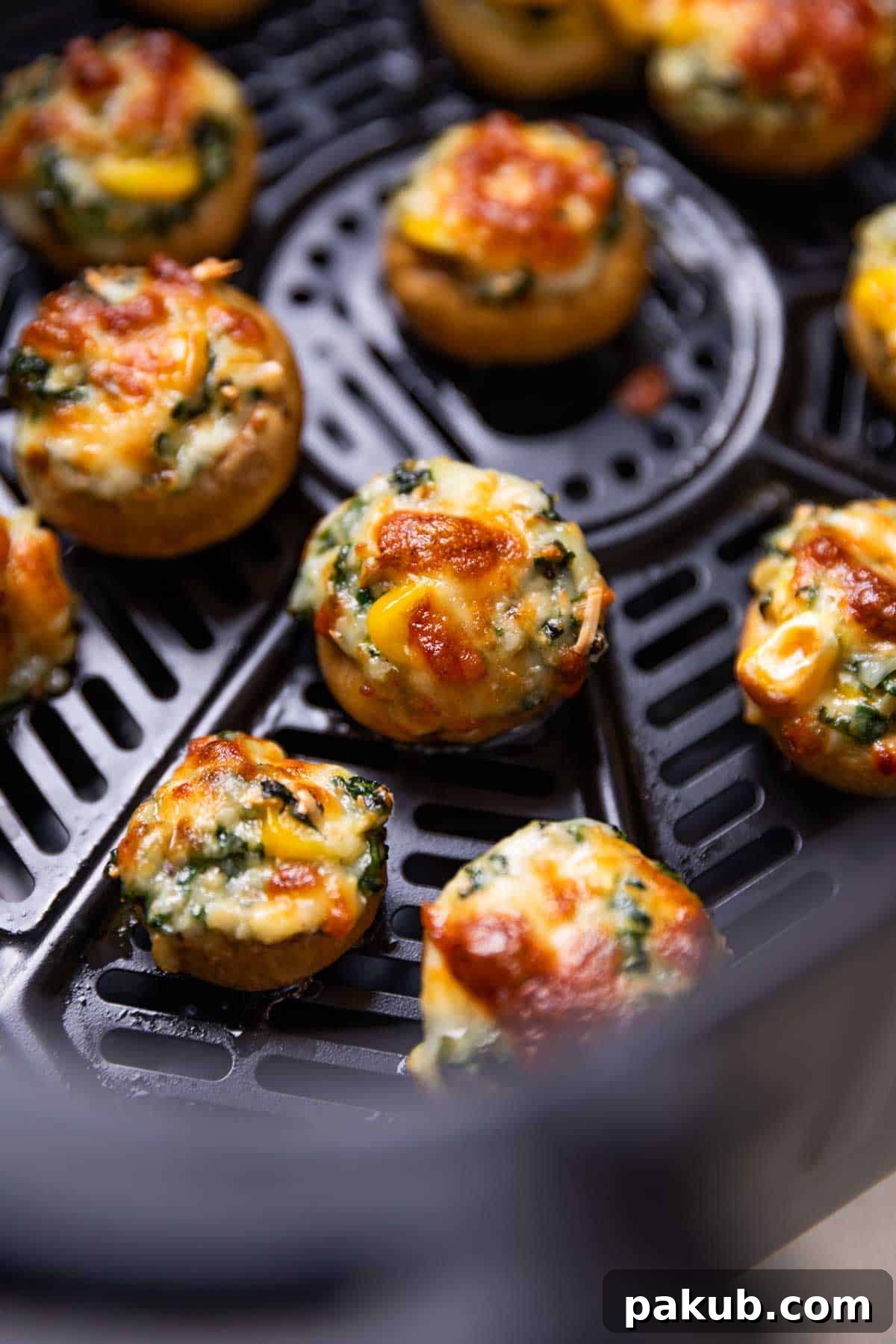
Air fryers have rapidly ascended to the status of kitchen superheroes, revolutionizing how we approach everyday cooking. Imagine enjoying crispy fries, juicy chicken, satisfying stuffed mushrooms, or even delightful muffins—all with significantly less oil than traditional methods. What’s not to adore about an appliance that promises healthier, faster, and incredibly flavorful results?
However, despite its user-friendly reputation, mastering the air fryer isn’t always intuitive. Many new users, and even some seasoned cooks, often make simple air frying mistakes that can prevent their dishes from reaching their full potential. These seemingly minor errors can lead to unevenly cooked food, a lack of desired crispiness, or even a less-than-appetizing flavor. If your air-fried creations aren’t quite living up to the hype you’ve heard, these common pitfalls might be the culprits.
But there’s no need to worry! We’re here to empower you with the knowledge to overcome these challenges. Below, we’ll delve into the most common air frying mistakes you should actively avoid, along with practical, easy-to-implement solutions. By understanding and correcting these habits, you’ll be well on your way to leveling up your air fryer game, consistently producing perfectly cooked, delightfully crispy meals that will impress everyone.
Jump to Section: Common Air Fryer Mistakes & How To Fix Them
- Common Air Fryer Mistakes + How To Fix Them
- Want To Use Your Air Fryer More?
Common Air Fryer Mistakes + How To Fix Them
To truly unlock the magic of your air fryer, it’s essential to understand the science behind how it cooks. An air fryer works like a powerful convection oven, circulating super-heated air around your food at high speed. This process creates a “frying” effect, yielding that coveted crispy exterior we all love, but with significantly less oil. When this airflow is obstructed or misused, the results can be disappointing. Let’s explore the most frequent errors and how to transform them into perfect air frying habits.
- Overcrowding the Basket: The Enemy of Crispy Food
Perhaps the most frequent mistake new air fryer users make is overcrowding the basket. Air fryers rely on the free circulation of hot air to cook food evenly and create that irresistible crispiness. When you pack the basket too tightly, you essentially create barriers that prevent this essential airflow from reaching all surfaces of your food. Instead of getting crispy all around, your food will end up steaming in its own moisture, resulting in a soggy, rather than crunchy, texture. This is especially noticeable with items like fries, chicken wings, or vegetables, where crispness is key.
The Fix: Always aim to place food in a single layer within the air fryer basket. Ensure there’s enough space between each piece—ideally, at least a small gap—to allow the hot air to circulate freely. Think of it like a convection oven: every surface needs exposure to the moving hot air. If you’re cooking a large quantity, work in batches. While this might seem like it takes more time, the superior texture and even cooking you achieve will be well worth the extra few minutes. For instance, if you’re making a pound of fries, don’t try to fit them all in one go if your basket is small; split them into two batches for optimal crunch.
- Not Preheating the Air Fryer: The Secret to Instant Crisp
While an air fryer heats up much faster than a conventional oven, skipping the preheating step can significantly impact your cooking results. Just like a hot pan is crucial for searing meat, a preheated air fryer ensures that food starts cooking immediately upon contact with the hot air. This initial blast of heat is vital for achieving a crispy exterior right from the start, “shocking” the food into browning and crisping quickly.
The Fix: Make it a habit to preheat your air fryer for 3-5 minutes before adding your food. Most air fryer models have a preheat setting, or you can simply run it at the desired cooking temperature for a few minutes. This simple step not only helps reduce overall cook time by ensuring consistent temperatures but also prevents uneven cooking, over-browning in some spots, and can even avert burnt food caused by trying to compensate with longer cooking times at an initially cooler temperature. A properly preheated air fryer means your food starts crisping the moment it enters the basket.
- Using Too Much Oil: Defeating the Purpose
One of the primary advantages of air frying is its ability to cook with significantly less oil than deep frying, making it a healthier alternative. However, it’s easy for newcomers to overdo it, thinking more oil will lead to better crispiness. Paradoxically, using too much oil in an air fryer can have the opposite effect. Excess oil can cause food to become greasy and soggy, rather than light and crispy, negating the very benefit of using the appliance. It can also lead to smoking and unpleasant smells as the oil drips and burns in the basket or collection tray.
The Fix: When air frying, you only need a very small amount of oil to achieve a golden, crispy texture. A light mist of oil from a spray bottle (ensure it’s an air fryer-safe oil sprayer) or a small brush of oil is usually sufficient. Focus on lightly coating the food, not drenching it. For many foods, especially those with natural fats like chicken skin, you might need even less or no added oil. The goal is to provide just enough oil to facilitate browning and crisping without making the food heavy or greasy. Remember, “lightly coated” is the mantra.
- Ignoring Food Size and Thickness: A Recipe for Unevenness
Air fryer recipes often provide general cooking times and temperatures, but these are typically based on standard food sizes. A common mistake is not adjusting cooking times or even preparation methods for larger or thicker pieces of food. For instance, a very thick chicken breast will require significantly more time to cook through than a thinner one, and large potato wedges need more time than thin fries. Failing to account for this can result in food that is perfectly crispy on the outside but undercooked in the center, or overcooked and dry.
The Fix: For optimal results, try to cut your food into uniform sizes and thicknesses. This ensures that every piece cooks at roughly the same rate. If you’re dealing with naturally thicker items (like large cuts of meat or dense vegetables), you’ll need to increase the cooking time and potentially lower the temperature slightly to allow the heat to penetrate to the center without burning the exterior. Always check for doneness, especially for meats, and remember that smaller, thinner pieces cook much faster. When in doubt, err on the side of caution and check more frequently, adding time as needed.
- Using the Wrong Type of Oil: Preventing Bitter Flavors and Smoke
Not all oils are created equal, especially when it comes to high-heat cooking like air frying. Using an oil with a low smoke point in your air fryer is a significant mistake. The smoke point is the temperature at which an oil begins to burn and smoke, imparting a bitter, unpleasant taste to your food and potentially filling your kitchen with smoke. Air fryers operate at high temperatures, often between 350-400°F (175-200°C), making smoke point a critical consideration.
The Fix: Always opt for oils with a high smoke point for air frying. Excellent choices include avocado oil (very high smoke point), grapeseed oil, peanut oil, safflower oil, sunflower oil, or canola oil. These oils can withstand the intense heat of the air fryer without breaking down or producing acrid flavors. It’s best to avoid extra virgin olive oil for air frying, as its smoke point is relatively low (around 375°F or 190°C), meaning it can easily burn and give your food an undesirable bitter taste. If you must use olive oil, choose light olive oil, which has a higher smoke point than extra virgin.
- Not Shaking or Flipping the Food: Ensuring All-Around Crispiness
While air fryers excel at circulating hot air, some foods benefit greatly from a little manual intervention to ensure truly even cooking and crispiness. Neglecting to shake the basket or flip individual pieces of food halfway through the cooking process is a common oversight that can lead to some parts being perfectly golden brown while others remain pale and less crispy.
The Fix: For smaller items like fries, tater tots, or chopped vegetables, regularly shaking the basket every 5-7 minutes during cooking is crucial. This redistributes the food, allowing different surfaces to come into direct contact with the hot air. For larger items such as chicken pieces, fish fillets, or tandoori chicken, flipping them once or twice ensures both sides are exposed to the direct heat, promoting even browning and crispiness. This simple action significantly improves the texture and appearance of your air-fried dishes, making sure every bite is perfectly cooked.
- Not Checking Food for Doneness: Trusting Your Eyes (and Thermometer)
Relying solely on recipe cooking times can sometimes lead to undercooked or overcooked food. Air fryer models vary widely in wattage, basket size, and overall efficiency, meaning a recipe’s suggested cooking time might not be perfectly accurate for your specific appliance or the exact type/cut of food you’re preparing. Forgetting to check for doneness is a common mistake that can lead to disappointing results.
The Fix: Embrace a little trial and error and learn to trust your instincts—and a meat thermometer! For meats, a reliable meat thermometer is indispensable for ensuring food safety and perfect doneness. For poultry, it should reach 165°F (74°C); for pork, 145°F (63°C); and for beef, desired doneness varies from 125°F (52°C) for rare to 160°F (71°C) for well-done. For other foods, visually check for golden-brown crispiness and texture. Don’t be afraid to open the basket, check, and add a few more minutes if needed. Over time, you’ll develop a feel for how your specific air fryer cooks different foods, making adjustments intuitive.
- Using Non-Air Fryer-Safe Accessories: A Safety Hazard
The intense heat inside an air fryer can damage certain materials, posing both a safety risk and a potential for ruining your food. Using accessories that aren’t designed for high-heat cooking can lead to melting plastics, chemical leaching into your food, or even a fire hazard. Some non-heat-resistant pans or parchment paper that isn’t specifically designed for air fryers can also restrict airflow or burn.
The Fix: Always use accessories explicitly labeled as “air fryer safe” or made from materials known to withstand high temperatures. This includes metal, ceramic, silicone, or heat-resistant glass. Look for accessories like silicone liners, metal racks, or small oven-safe ramekins. Avoid plastic, waxed paper, or any material that isn’t heat-rated for temperatures up to 400°F (200°C). Investing in the right accessories not only ensures safety but can also expand the versatility of your air fryer, allowing you to cook a wider range of dishes with peace of mind.
- Neglecting Regular Cleaning and Maintenance: Impacting Performance and Taste
It’s easy to overlook cleaning your air fryer beyond a quick wipe-down. However, food debris, grease, and crumbs can accumulate in the basket, drawer, and even around the heating element. This accumulation is a common mistake that can lead to several problems: smoke during cooking, unpleasant odors, uneven heating (as debris can block airflow), and even affecting the taste of future meals. A dirty air fryer is also less efficient and can have a shorter lifespan.
The Fix: Make regular cleaning a part of your air frying routine. After each use, allow the unit to cool completely, then remove the basket and drawer. Wash them with warm, soapy water and a non-abrasive sponge. For stubborn grease, you can soak them for a bit. Don’t forget to wipe down the inside of the appliance with a damp cloth, especially around the heating element, ensuring it’s unplugged first. For a deeper clean, occasionally run a cycle with a bowl of water and a few lemon slices to help neutralize odors. A clean air fryer performs better, cooks food more consistently, and prevents unwanted flavors or smoke.
- Not Understanding Your Specific Air Fryer Model: One Size Does Not Fit All
The air fryer market is vast, with models varying significantly in wattage, basket capacity, heating element design, and even fan speed. A common mistake is assuming all air fryers perform identically or that a recipe’s suggested settings will perfectly translate to your unique appliance. A high-wattage, larger model might cook faster and hotter than a smaller, lower-wattage unit, for example.
The Fix: Take the time to get acquainted with your specific air fryer model. Read your user manual – it contains valuable information about preheating recommendations, maximum temperatures, and specific features. Pay attention to how your air fryer handles different foods. If recipes seem to be consistently under or overcooking, try adjusting the temperature by 10-25°F (5-15°C) up or down, or modifying the cooking time. Think of recipe times as a guideline and your air fryer as a unique tool that you’ll learn to master through observation and minor adjustments. This personalized approach will yield far superior results.
Want To Use Your Air Fryer More?
Ready to unlock even more potential from your air fryer and expand your culinary repertoire beyond just fries? We’ve got just the thing! Check out my ✨FREE✨ Air Fryer Starter Guide. It’s packed with essential tips, beginner-friendly recipes, and clever hacks designed to help you confidently navigate your air frying journey and discover the incredible versatility of this kitchen appliance. You can get started right away and explore how to use your air fryer for a wider array of delicious dishes.
Check it out here to download your free guide instantly!
While these might seem like small, insignificant details, you’ll be genuinely surprised at the dramatic difference correcting these common air frying mistakes can make in your cooking. By implementing these simple adjustments, your food will cook more evenly, achieve that coveted perfect crispiness and crunch, and boast a superior flavor profile every single time. Believe us, understanding these nuances is a total game changer for any air fryer enthusiast!
If you’re eager to do even more with your air fryer and explore a world of effortless, delicious recipes, my Essentials Air Fryer Cookbook is your ultimate companion. It features over 60 delicious and fool-proof recipes, coupled with a treasure trove of tons of tips, tricks, and hacks. This comprehensive guide will help you utilize your air fryer to its fullest potential, ensuring you maintain your appliance properly so it lasts you a long, long time. Ready to become an air frying master? You can purchase your copy right now HERE!
When you whip up any of my air fryer recipes, don’t keep it a secret! We absolutely love seeing your culinary creations. Be sure to tag me in your stories or send me a direct message over at @my_foodstory on Instagram. I genuinely enjoy looking at your delicious recreations and engaging with you all!
This article was researched and written by Urvi Dalal.