The quest for truly fresh seafood is a question that often goes unasked, yet it’s critical, especially for consumers in bustling Indian cities far from the coastline. We’re often told that fresh is always best, but when it comes to seafood like prawns, this widely accepted notion might not always hold true. Our love for seafood, particularly succulent prawns, led us on a journey to uncover what ‘fresh’ really means in the context of the modern food supply chain, and the revelations might surprise you.
Consider a city like Bangalore, a vibrant metropolis nestled deep within the Indian subcontinent. By its very geography, Bangalore is a landlocked city, meaning any seafood sold there must embark on a significant journey from its point of origin. The majority of fresh catches typically hail from coastal regions such as Chennai, Mangalore, Andhra Pradesh, or Kerala. This extensive travel distance immediately raises an important question: how genuinely fresh can seafood be after such an expedition?
Let’s trace the journey. From the moment prawns or other seafood are caught, they must be brought ashore, sorted, packed, transported, unpacked, and finally displayed for sale in local markets. This entire process can span anywhere from two days to a full week, often with little transparency regarding storage conditions during transit. Throughout this critical period, the seafood is exposed to varying temperatures and environments, creating ample opportunity for degradation. The notion that you’re purchasing seafood directly from the ocean within hours of being caught becomes increasingly improbable under these circumstances. So, are those ‘fresh’ prawns you’re eyeing truly fresh, or simply masquerading as such?
Many consumers, ourselves included, might traditionally gravitate towards the “fresh” section, assuming it offers superior taste and quality. However, a recent experience profoundly shifted our perspective. My partner, Denver, and I were on one of our usual weekday grocery runs. Craving our favorite teriyaki prawns with broccoli, we decided to pick up a bag of frozen prawns, a decision prompted more by convenience than conscious choice. To our astonishment, these frozen prawns were exceptionally fresh, juicy, and flavorful. They were already cleaned and deveined, making preparation incredibly easy. Unlike some ‘fresh’ prawns that can dry out quickly on the pan, these maintained their plumpness and delicate texture, delivering a truly delightful culinary experience.
This single experience sparked a significant change in our purchasing habits. We’ve since opted for frozen prawns almost exclusively, reserving our “fresh” prawn purchases only for instances when we are directly in coastal areas like Mangalore, where we can be confident in the catch’s genuine freshness. This isn’t to say that frozen is inherently superior to fresh in all situations. When fresh seafood is truly fresh—caught and consumed within a very short window, under ideal storage conditions—it is undoubtedly a culinary delight. However, the crucial question for consumers in non-coastal areas remains: are you genuinely getting fresh catch, or are you paying a premium for a misconception?
Research and industry insights often reveal a surprising truth. According to an article by The Times of India, a significant portion of what is sold as “fresh” seafood, particularly prawns, has often been previously frozen and then thawed. This thawing process is carried out to give the seafood the appearance of being ‘fresh’ at the point of sale. Imagine the jumbo prawns you’ve been looking forward to, or that aromatic prawn curry you’re preparing—if you believe they are made with truly fresh, never-frozen prawns, you might be in for a stark realization. This practice is not only deceptive but can also pose health risks. If seafood is not properly stored or frozen within a few hours of harvesting, it can rapidly begin to spoil, becoming unsafe for consumption and losing its nutritional value and desirable texture.
The Undeniable Advantages of Choosing Frozen Prawns and Seafood
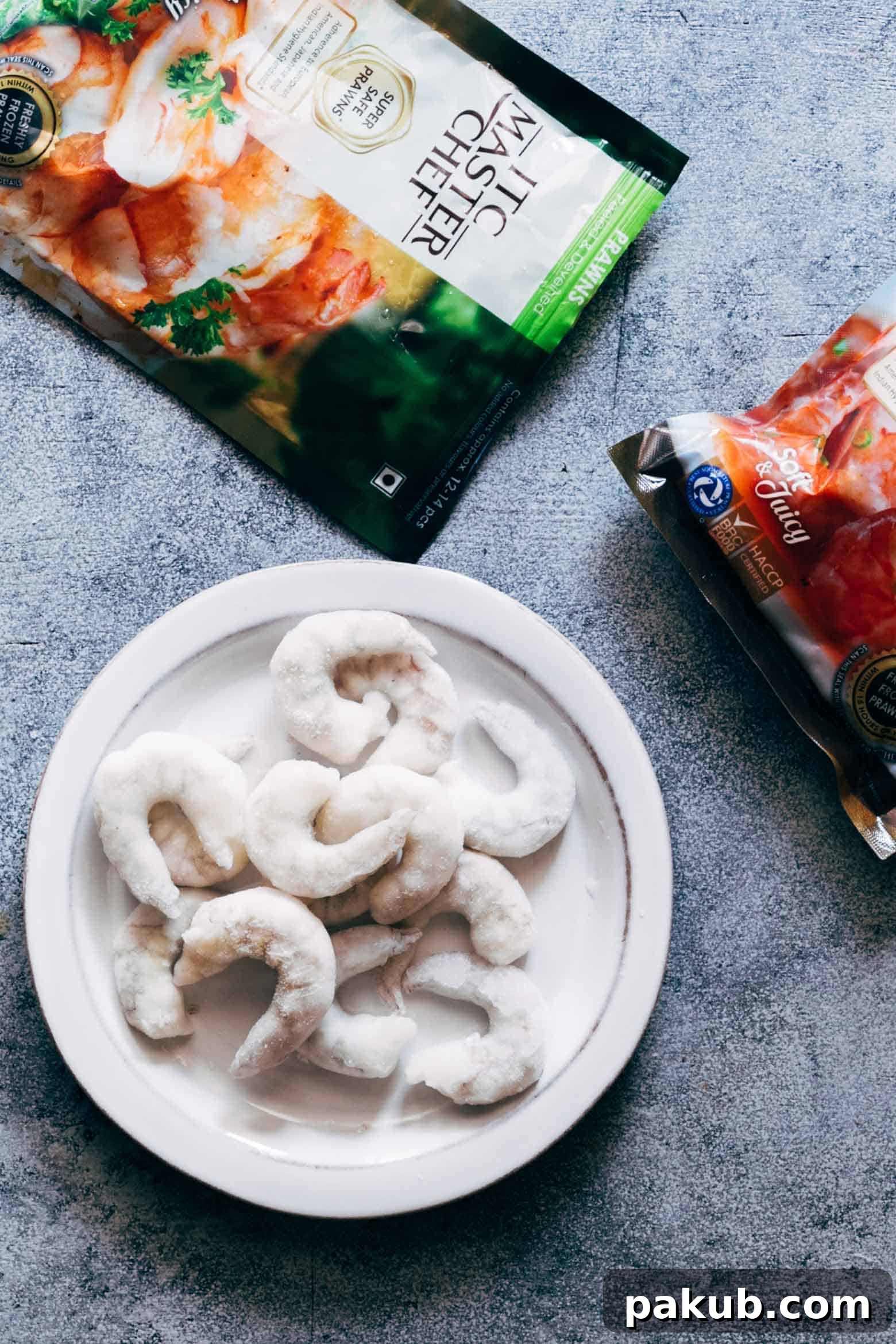
In regions where direct access to truly fresh, day-boat catch is limited, my strong recommendation is to consistently opt for frozen seafood. The technology behind modern freezing techniques has advanced dramatically, transforming frozen products into a superior alternative. Leading brands in the industry have perfected methods to ensure quality, safety, and convenience. For example, brands like ITC Master Chef set a high standard, ensuring their prawns are swiftly frozen within a mere 15 hours of being harvested. This rapid freezing process is critical. By quickly bringing the temperature of the prawns down to sub-zero levels, it effectively halts the enzymatic activity and microbial growth that cause spoilage, locking in freshness, flavor, and nutrients at their peak.
Moreover, the entire cold chain, from harvest to your home, is meticulously managed. Temperatures are rigorously controlled throughout every stage of storage and transit, guaranteeing that you consistently receive prawns that are fresh, tender, and irresistibly juicy. This commitment to maintaining the cold chain is paramount in preventing temperature fluctuations that could compromise quality.
Beyond freshness preservation, modern frozen seafood offers unparalleled safety and convenience. ITC Master Chef, for instance, implements an exhaustive system of 243 quality checks. This stringent process ensures that every batch of prawns meets the highest safety standards, making them exceptionally safe for consumption. A key innovation in this field is Individually Quick Frozen (IQF) technology. Each prawn is frozen separately and rapidly, preventing them from clumping together in the bag. This means you can easily portion out exactly what you need, thawing only the required amount and storing the rest without hassle. IQF also helps preserve the individual cell structure of the prawns, which translates to a firmer texture and less water loss upon thawing, mimicking the quality of genuinely fresh seafood.
The meticulous process of freezing prawns to temperatures well below zero degrees Celsius effectively stops any reactions that could lead to decay. The result is consistently plump, incredibly juicy, and hygienically clean prawns that are not only a pleasure to cook but also a delight to eat. This modern approach to frozen seafood provides consumers with a reliable, high-quality option, eliminating the guesswork and potential risks associated with ambiguous ‘fresh’ offerings in non-coastal markets. By making an informed choice, you can ensure your seafood dishes are always made with the best possible ingredients, offering both peace of mind and an excellent culinary experience.
Elevate Your Culinary Skills with These Delectable Prawn Recipes:
Now that you’re armed with the knowledge to choose the best prawns, why not put them to good use? Whether you’ve opted for perfectly preserved frozen prawns or a verified fresh catch, these recipes are sure to inspire your next meal.
- Retro Prawn Cocktail: A timeless classic, perfect for appetizers and entertaining.
- Shrimp Chow Mein: Bring the vibrant flavors of Asia to your kitchen with this quick and satisfying stir-fry.
- Shrimp Spaghetti Aglio Olio: Simple yet incredibly flavorful, this pasta dish highlights the natural sweetness of prawns.
- Goan Prawn Curry with Coconut: A rich and aromatic curry, boasting the authentic tastes of coastal India.
- Mexican Prawn Avocado Taco Salad: A light, refreshing, and zesty salad that’s perfect for a healthy and flavorful meal.
This comprehensive discussion is just the first installment in our exciting series of articles dedicated to prawns, aptly titled “Prawn 101.” We encourage you to share your thoughts and experiences in the comments section below – what do you think about the ‘fresh vs. frozen’ debate? Your feedback is invaluable as we continue to explore the fascinating world of seafood. A special thank you to our esteemed partners at ITC Master Chef, whose commitment to quality and safety has made this enlightening series possible. Stay tuned for more insights and delicious inspiration!