
The Ultimate Guide to Air Fryers: Everything You Need to Know
Air fryers have taken kitchens by storm over the last few years, promising a revolutionary way to enjoy beloved fried foods with a healthier twist. But what exactly is this popular kitchen gadget? How does it manage to deliver that coveted crispy texture, and is the food cooked in it truly a healthier alternative? In this comprehensive article, we’ll dive deep into all these questions and much more, providing you with a complete understanding of the air fryer phenomenon. So, keep reading to uncover the secrets of this modern culinary marvel!

Air fryers have undeniably become the latest must-have kitchen appliance! Imagine a device that effortlessly delivers perfectly crispy snacks – yes, we’re talking about golden-brown French fries and tender chicken wings – all without the need for deep frying in copious amounts of oil. For many food enthusiasts and health-conscious individuals alike, this sounds like a dream come true, transforming comfort food into a less guilt-ridden indulgence.
While an air fryer might initially seem like another significant investment, potentially occupying precious counter space, its unique advantages often outweigh these considerations. If you’re currently contemplating whether to add an air fryer to your kitchen arsenal, or if you’re curious about maximizing its potential, this detailed guide is specifically crafted for you! We’re here to walk you through every essential piece of information about this incredible appliance, empowering you to make a well-informed decision and embark on your air-frying journey with confidence. From understanding its core mechanics to exploring its vast culinary possibilities, prepare to unlock the full potential of your air fryer. 🤗
Jump To Section
- What Exactly Is An Air Fryer?
- Air Fryer vs. Convection Oven: What’s The Difference?
- How To Effectively Use An Air Fryer?
- Mastering Your Air Fryer: Top Tips For Success
- The Many Benefits Of Owning An Air Fryer
- Potential Disadvantages Of An Air Fryer
- Frequently Asked Questions About Air Fryers
What Exactly Is An Air Fryer?
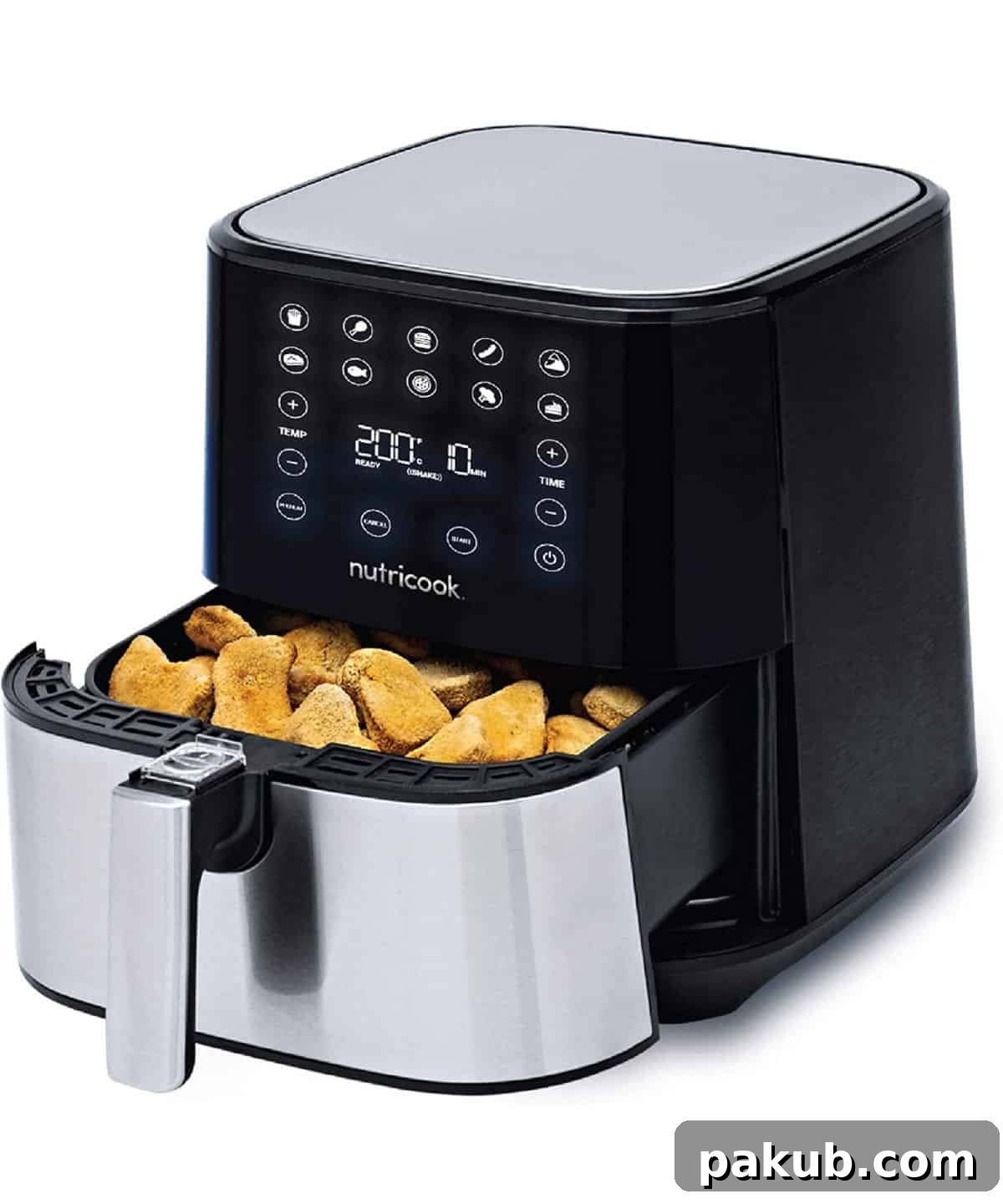
At its core, an air fryer is a compact, countertop appliance that functions much like a miniature, powerful convection oven. Its primary goal is to mimic the results of deep frying – achieving that irresistible crispy exterior and tender interior – but with a drastically reduced amount of oil, often as little as a teaspoon or even none at all. This ingenious device redefines how we approach traditionally fried foods, making them accessible to a healthier lifestyle.
The magic behind an air fryer’s operation lies in its sophisticated hot air circulation system. Positioned usually at the top of the unit, a powerful heating element quickly generates intense heat. A high-speed fan then rapidly circulates this superheated air throughout the cooking chamber in a swift, continuous motion. This rapid, turbulent airflow creates a phenomenon similar to being submerged in hot oil, but without the actual oil. It efficiently removes moisture from the food’s surface, triggering the Maillard reaction – the chemical process responsible for browning and developing complex flavors and that signature crispy texture we all love.
Furthermore, air fryers typically feature a perforated basket or tray. This design is crucial for optimal performance, allowing the hot air to envelop the food from all angles – top, bottom, and sides. This ensures even cooking and promotes consistent crispiness throughout, preventing soggy spots and delivering perfectly cooked results every time. Whether you’re roasting vegetables, crisping up snacks, or cooking meats, the combination of intense heat, rapid air movement, and efficient drainage of fats results in delicious, healthier meals.
Air Fryer vs. Convection Oven: What’s The Difference?
While an air fryer operates on the principles of a convection oven, there are several key distinctions that set them apart. Understanding these differences can help you decide which appliance best suits your culinary needs.
Size and Capacity
One of the most immediate differences is size. Air fryers are significantly more compact than traditional convection ovens, designed to sit conveniently on your kitchen countertop. This smaller footprint makes them ideal for kitchens with limited space or for individuals/small families. However, this compact size comes with a trade-off: air fryers typically have a much smaller cooking capacity compared to full-sized ovens. While perfect for preparing snacks, side dishes, or meals for one to three people, cooking larger quantities for big families or entertaining guests often requires batch cooking, which can extend prep time.
Cooking Mechanism and Speed
Both appliances use circulating hot air to cook food. However, the intensity and speed of this circulation differ. Air fryers are engineered for extremely rapid and concentrated airflow. The powerful fan moves hot air at a much higher velocity around the food, creating an almost “super-convection” effect. This intense heat transfer not only cooks food significantly faster than a standard convection oven but also excels at achieving an extra-crispy exterior in a shorter period. A convection oven, while also using a fan to circulate heat, typically does so at a lower speed, leading to longer cooking times and often a less intense crisping effect compared to an air fryer.
Preheating and Energy Efficiency
Due to their smaller size and concentrated heating, air fryers preheat much faster than large ovens – often in just a few minutes. This rapid preheating, combined with shorter cooking times, translates to greater energy efficiency for smaller meals, as you’re not heating a large oven cavity for an extended period. For quick weeknight meals or reheating leftovers, an air fryer can be a much more energy-conscious choice.
Versatility and Functionality
While both can roast and bake, air fryers excel specifically at creating crispy textures. Their design is optimized for “frying” without oil, making them superior for dishes like fries, chicken wings, or breaded items. Convection ovens offer broader versatility for baking cakes, roasting larger meats, and cooking multiple dishes simultaneously. Ultimately, an air fryer can be seen as a specialized tool within the convection oven family, geared towards speed and crispiness for specific types of food.
How To Effectively Use An Air Fryer?
An air fryer is remarkably versatile, capable of much more than just “frying.” Once you understand its basic operation, you’ll find it indispensable for a wide range of culinary tasks. Here’s how you can effectively utilize this powerhouse appliance:
Cooking a Variety of Foods
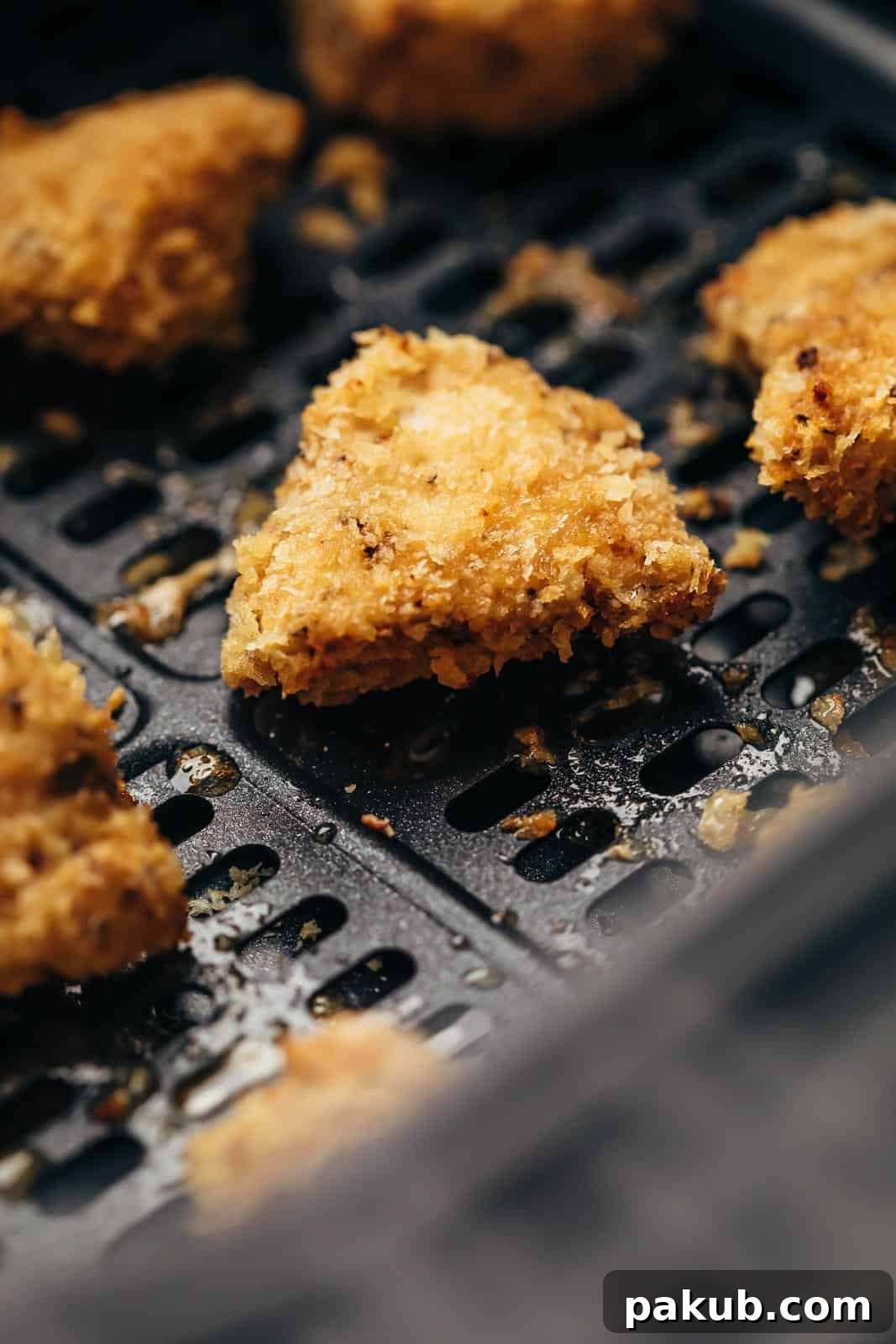
The air fryer excels at cooking an extensive list of foods, delivering delicious results with minimal effort. It’s a champion for transforming raw ingredients into crispy delights. Think perfectly golden French fries, succulent chicken wings with crispy skin, tender chicken breasts, and even fish fillets. Beyond fresh ingredients, it’s also ideal for preparing a myriad of frozen foods. Mozzarella sticks, samosas, spring rolls, chicken nuggets, fish sticks, and even frozen vegetables like broccoli or corn can be cooked to perfection, often surpassing the results of a conventional oven in terms of texture and speed.
Roasting and Baking
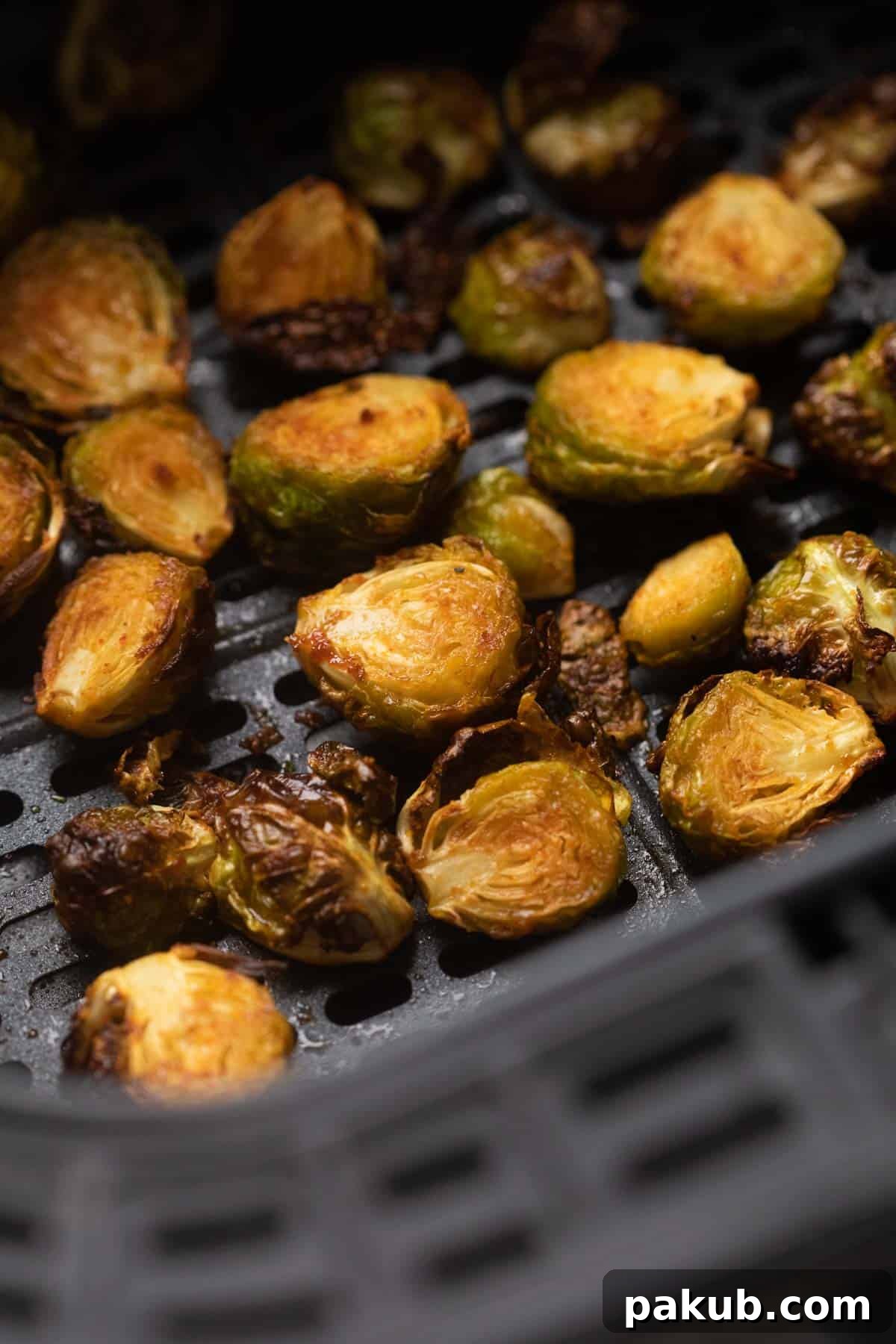
Don’t limit your air fryer to just “frying.” It’s also an excellent tool for roasting vegetables, such as Brussels sprouts, potatoes, or carrots, giving them a delightful caramelized exterior. For small-batch baking, an air fryer can handle items like cookies, muffins, or even small cakes, providing an even bake thanks to the circulating hot air. Remember to use appropriate bakeware that fits within your air fryer basket.
Reheating Leftovers
One of the most underrated uses for an air fryer is reheating leftovers. Unlike a microwave, which can often leave food soggy or unevenly heated, an air fryer brings back that original crispy texture to items like leftover pizza, onion rings, biscuits, fried chicken, or even spring rolls. The rapid, dry heat prevents food from becoming chewy or rubbery, making your reheated meals taste almost as good as fresh.
Grilling and Toasting
While not a direct replacement for a grill, some air fryer models, especially oven-style ones, can achieve a decent grill-like char on smaller cuts of meat or vegetables. It’s also fantastic for toasting bread, bagels, or making grilled cheese sandwiches, providing a beautifully even crispness that’s hard to beat.
Want To Use Your Air Fryer More?
Check out my ✨FREE✨ Air Fryer Starter Guide to help you get started on your air frying journey and use your air fryer for more than just making fries. Check it out here or enter your details below to get it delivered straight to your inbox!
Mastering Your Air Fryer: Top Tips For Success
While using an air fryer is generally straightforward, a few key techniques can significantly enhance your cooking results, ensuring consistently delicious and perfectly crispy food. Here are some of my best tips to help you get started and master your air fryer:
- Avoid Overcrowding the Basket: This is perhaps the most crucial rule for achieving optimal crispiness. Air fryers rely on hot air circulating freely around each piece of food. If the basket is too full, air cannot reach all surfaces, leading to steaming instead of frying, resulting in unevenly cooked and soggy food. Always arrange food in a single layer, leaving a little space between pieces. If you’re cooking a large batch, it’s always better to cook in multiple, smaller batches.
- Preheat Your Air Fryer: Just like a traditional oven, preheating your air fryer is essential for consistent results. A preheated air fryer ensures that food starts cooking immediately at the desired temperature, leading to a better sear, faster cooking, and a crispier finish. Most air fryers only need 3-5 minutes to preheat.
- Shake, Flip, or Stir Food Regularly: To ensure even cooking and browning, especially with smaller items like fries or vegetables, make sure to shake the basket every 5-7 minutes. For larger items like chicken pieces or fish fillets, flipping them halfway through the cooking process is vital. This ensures all sides are exposed to the direct hot air and prevents one side from burning while the other remains pale.
- Pat Food Dry for Maximum Crispiness: Excess moisture on the surface of your food will create steam, which inhibits crisping. For best results, particularly with fresh vegetables or marinated meats, pat the food dry with a clean kitchen towel or paper towel before seasoning and placing it in the air fryer. A dry surface allows for quicker browning and a superior crispy texture.
- Use a Little Oil (or None at All): While air fryers dramatically reduce the need for oil, a light spray or toss with a teaspoon of oil can significantly improve texture and flavor, especially for foods that traditionally benefit from oil, like potatoes or chicken skin. Ensure an even coating without overdoing it, as too much oil can create smoke or make food greasy. Neutral oils with high smoke points, like avocado or grapeseed oil, are excellent choices.
- Don’t Forget to Check Progress: Air fryers cook quickly and can sometimes burn food if not monitored. It’s a good habit to check on your food a few minutes before the estimated cooking time, especially when trying a new recipe or ingredient. This allows you to adjust the cooking time or temperature as needed, preventing overcooking.
- Cut Food Uniformly: For consistent cooking, ensure all pieces of food are roughly the same size and thickness. This prevents smaller pieces from burning while larger pieces remain undercooked.
The Many Benefits Of Owning An Air Fryer
The rise in popularity of air fryers isn’t just a trend; it’s a testament to the numerous practical and health-related benefits they offer. Here’s a deeper look into why an air fryer might be the perfect addition to your kitchen:
- Promotes Healthier Eating Habits: This is arguably the most significant advantage. Air frying allows you to cook traditionally fried foods, from crispy French fries to savory chicken wings and delicious samosas, with dramatically less oil – often just a teaspoon or two. This drastically reduces the fat and calorie content compared to deep-fried versions, making your favorite indulgences a guilt-free pleasure. It’s a fantastic tool for those looking to cut down on unhealthy fats without sacrificing flavor or texture, contributing to a more balanced diet.
- Remarkable Speed and Efficiency: Beyond health, the speed at which an air fryer operates is a huge time-saver. Thanks to its concentrated heat and rapid air circulation, preheating takes mere minutes (often 3-5 minutes compared to 10-15+ for a conventional oven), and cooking times are significantly reduced. For instance, a batch of crispy sweet potato fries can be ready from start to finish in about 20 minutes, a feat unmatched by most conventional cooking methods. This efficiency makes it ideal for busy weeknights or quick snack preparations.
- Delivers Perfectly Crispy Results: The primary appeal of “fried” food is its irresistible crunch. Air fryers excel at replicating this desired crispy texture, achieving a golden-brown, crunchy exterior that is remarkably similar to deep frying, but without the greasiness. The rapid hot air effectively browns and dehydrates the food’s surface, creating that satisfying crispness that many people crave.
- Incredibly Versatile for Various Cooking Methods: While its name suggests “frying,” the air fryer is a true multi-tasker. It can roast vegetables to tender perfection, bake small desserts or savory items, grill thin cuts of meat, and even dehydrate certain foods. This versatility makes it a valuable appliance for expanding your culinary repertoire.
- Easy to Clean and Maintain: Unlike the messy process of deep frying, which involves handling large quantities of hot oil and extensive clean-up, air frying is relatively clean. Most air fryer baskets and trays are non-stick and dishwasher-safe, making cleanup a breeze. A simple wash with soap and water is usually all it takes, saving you time and effort after cooking.
- Less Heat in the Kitchen: During warmer months, using a large oven can significantly increase the ambient temperature in your kitchen. An air fryer, being a smaller and more contained unit, generates far less residual heat, keeping your kitchen cooler and more comfortable, especially during summer.
Potential Disadvantages Of An Air Fryer
While air fryers offer an impressive array of benefits and convenience, it’s also important to be aware of their potential drawbacks to ensure they align with your expectations and cooking habits. No appliance is perfect for every situation, and air fryers are no exception:
- Limited Cooking Capacity: This is one of the most frequently cited disadvantages. Air fryer baskets are inherently small, designed for quick cooking of smaller portions. This limitation means they might not be ideal for preparing meals for larger families (four or more people) or for entertaining guests. If you need to cook a significant amount of food, you’ll likely have to do it in multiple batches, which can add considerable time to your overall cooking process and negate some of the speed benefits.
- Risk of Burning Food: The very feature that makes air fryers so efficient – their high heat and rapid air circulation – also poses a risk. Food can cook very quickly, and if not monitored closely, it can easily go from perfectly golden to burnt in a matter of minutes. There’s a learning curve involved, especially when you’re first getting acquainted with your air fryer, requiring experimentation with cooking times and temperatures for different foods. Vigilance and regular checking are key to preventing mishaps.
- Not Suitable for All Types of Food: While incredibly versatile, an air fryer isn’t a universal cooking solution. Specifically, foods coated in a wet batter (like traditional beer-battered fish or homemade fritters) do not perform well. The rapid air circulation tends to blow the wet batter off the food or cause it to drip through the perforated basket before it has a chance to set and crisp up, leading to a messy appliance and an unsatisfying dish. For such items, traditional deep frying or pan-frying remains the preferred method.
- Counter Space and Storage: Despite being more compact than a full-sized oven, an air fryer still occupies a noticeable amount of counter space. For smaller kitchens where every inch counts, this can be a consideration. Storing the appliance when not in use might also be an issue if you lack sufficient cabinet space.
- Noise Level: The powerful fan required for rapid air circulation can make air fryers somewhat noisy during operation. While not excessively loud, the hum or whirring sound might be a minor annoyance for some, especially in open-plan living spaces.
- Initial Investment: While prices vary, a good quality air fryer represents an initial investment. For those on a tight budget or who rarely cook, it might feel like an unnecessary expense, though the long-term benefits in health and convenience often justify the cost.
Frequently Asked Questions About Air Fryers
Even with non-stick coatings common in most air fryers, food can occasionally stick. However, several simple strategies can prevent this:
– Always preheat your air fryer before adding food.
– Lightly brush or spray a small amount of oil onto the food, especially for vegetables or items prone to sticking.
– Grease the air fryer basket or tray lightly with oil or a non-stick spray.
– Avoid overloading the basket; overcrowding increases the likelihood of sticking.
– Flip or shake your food midway through cooking to prevent it from settling and adhering to the surface.
Yes, absolutely! The greatest health advantage of cooking with an air fryer is the drastically reduced oil requirement – often little to no oil at all. This significantly cuts down on your calorie and unhealthy fat intake compared to traditional deep-fried foods. By using hot air circulation instead of oil submersion, air-fried food contains substantially less fat, making it a much healthier alternative for enjoying crispy, delicious meals. While it’s still best to consume in moderation as part of a balanced diet, air frying offers a healthier pathway to indulge in your favorite “fried” treats.
For a family of two, a 3-liter (approximately 3-4 quart) air fryer is generally ideal. This size is perfect for cooking two chicken breasts with a side of vegetables, preparing quick snacks, or reheating leftovers efficiently. If you plan to cook full meals regularly or for a family of four, it’s highly recommended to opt for a larger size, such as a 5-6 liter (5-6 quart) air fryer. Many brands now offer larger capacity models to cater to bigger households, allowing you to cook more food in a single batch.
Yes, absolutely! You can safely use parchment paper specifically designed for baking or air frying in your air fryer, as it can withstand the high temperatures. Using parchment paper liners at the base of the basket can be a game-changer for reducing cleanup time and preventing food from sticking. Just ensure the paper is weighed down by food to prevent it from flying up and potentially hitting the heating element, especially during preheating.
Aluminum foil is generally considered safe for use inside an air fryer, provided it’s used correctly. It’s useful for lining the basket for easier cleanup or for cooking certain foods. However, it’s best to avoid using aluminum foil when cooking acidic foods such as tomatoes, peppers, or other citrusy items, as the acid can react with the foil. In such cases, or for overall peace of mind, using parchment paper is a safer and often preferred alternative when cooking in an air fryer.
Yes, it’s highly recommended to clean your air fryer basket and pan after every use. Food particles and grease can build up, affecting the taste of subsequent meals and potentially causing smoke. A quick wash with warm, soapy water is usually sufficient. For the main unit, wipe down the exterior with a damp cloth and ensure the heating element is clean once it has cooled down completely.
Do you have an Air Fryer too, or are you just getting one? Here are some beginner-friendly and delicious recipes you can start with to explore the full potential of your new kitchen companion:
- Air Fryer Sweet Potato Fries that are super crispy!
- Air Fryer Brussel Sprouts (Sweet and Spicy)
- Air Fryer Chicken Nuggets
- Air Fryer Papdi
If you’re currently in the market for an air fryer, based on extensive use and personal satisfaction, I highly recommend the – Nutricook Air Fryer. I’ve been using it for a considerable period and can attest to its performance, durability, and ease of use. It’s a fantastic choice that delivers consistent results and makes healthy cooking incredibly accessible. Happy air frying!