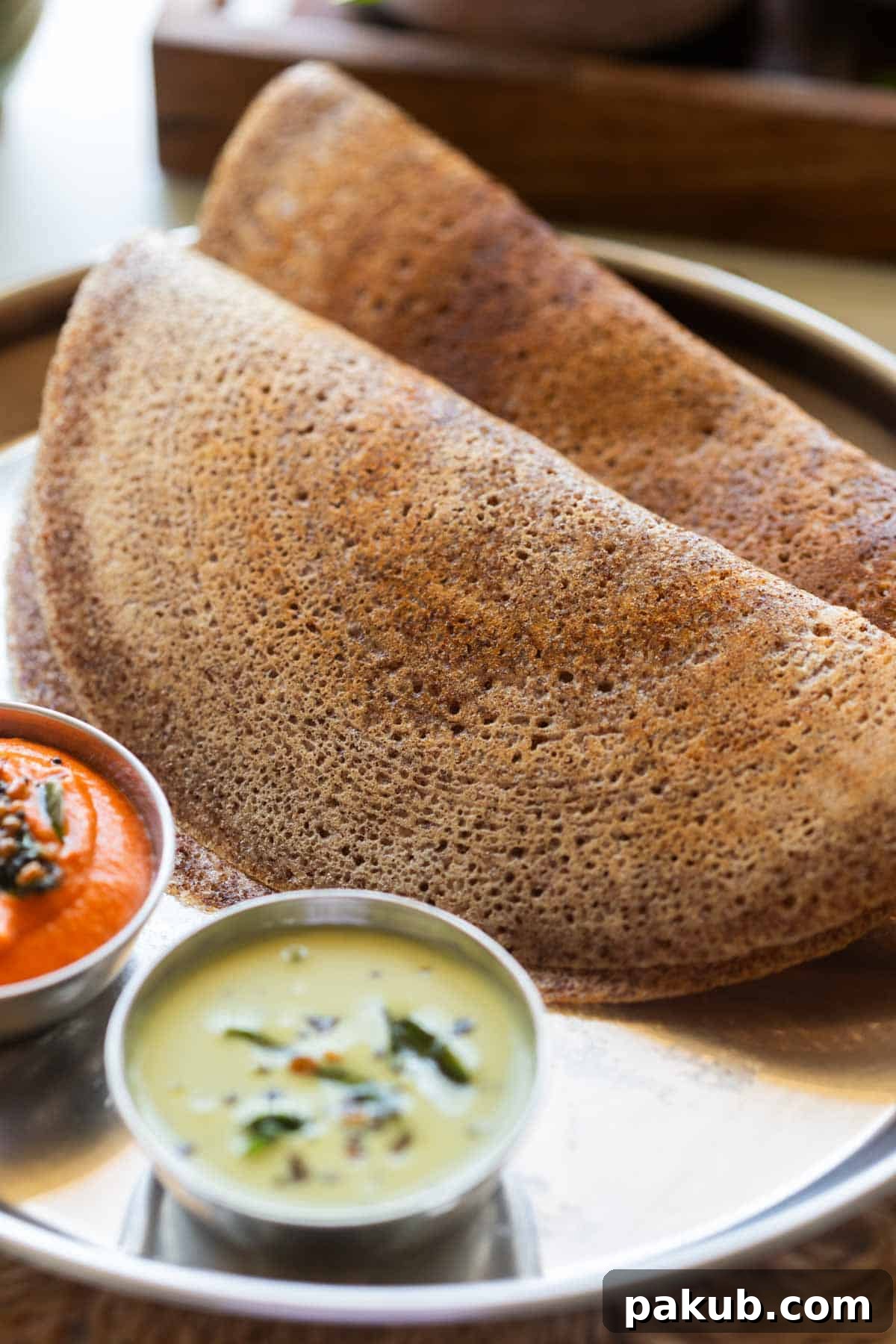
Wholesome Ragi Idli Dosa Batter: Your Guide to Healthy South Indian Delights
Elevate your breakfast game with this nourishing Ragi Idli Dosa Batter recipe. Simple to prepare, incredibly healthy, and bursting with authentic South Indian flavors, it’s the perfect foundation for soft idlis and crispy dosas.
Imagine starting your day with a plate of exquisitely soft idlis or perfectly crispy dosas, fresh off the pan. It’s a culinary experience that promises a wonderful day ahead, and with our Ragi Idli Dosa Batter recipe, that joy comes with an added health boost. This recipe infuses the traditional batter with the incredible goodness of finger millet (Ragi), transforming your favorite South Indian staples into a nutritious powerhouse.
For those who have cherished our classic Idli Dosa Batter recipe, this Ragi version will feel like a beloved, healthier cousin. It’s just as straightforward to prepare, yet it significantly enhances the nutritional profile of your meal. Ragi, a supergrain, is renowned for being exceptionally rich in calcium, iron, and dietary fiber, ensuring every bite is not only satisfying but also deeply nourishing. Prepare to savor a wholesome, flavorful, and guilt-free breakfast that supports your well-being.
Table of Contents: Ragi Idli Dosa Batter
- Ingredients to Make Ragi Idli Dosa Batter
- What is Ragi & Its Health Benefits?
- How to Make Ragi Idli Dosa Batter
- How To Tell If The Batter Is Perfectly Fermented
- Which is The Best Blender to Grind Ragi Dosa Batter
- Expert Recommendations
- Frequently Asked Questions About Ragi Batter
- Top Tips for Making the Best Ragi Idlis & Dosas
- How to Make Fluffy Ragi Idlis
- How to Make Crispy Ragi Dosas
- Essential Equipment for Ragi Idlis & Dosas
- Delicious Recipes to Make with Ragi Idli Dosa Batter
- Storage Tips for Ragi Idli Dosa Batter
- Creative Serving Ideas
- Watch the Ragi Idli Dosa Batter Recipe Video
Key Ingredients to Craft Your Ragi Idli Dosa Batter
Creating this nourishing Ragi Idli Dosa batter is surprisingly simple, calling for a handful of pantry-staple ingredients. Each component plays a crucial role in achieving the perfect texture, flavor, and fermentation. Here’s a closer look at everything you’ll need:
- Ragi (Finger Millet): The undeniable hero of this recipe, Ragi imparts its characteristic earthy flavor and a distinctive reddish-brown hue to the batter. Beyond taste, it’s a nutritional powerhouse, significantly boosting the batter’s calcium, iron, and fiber content, making it an excellent choice for a health-conscious diet. Using whole ragi grains allows for optimal nutrient retention and a slightly heartier texture.
- Idli Rice: Forming the essential base of the batter, Idli rice is a parboiled short-grain variety known for its higher starch content. This characteristic is vital for achieving exceptionally soft and fluffy idlis, as well as crisp dosas. While idli rice is preferred for its superior results, other short-grain rice varieties like Sona Masoori or Kollam rice can be used as alternatives if idli rice is unavailable.
- Urad Dal (Split Black Gram): This legume is fundamental to the fermentation process and the final texture of your idlis and dosas. Urad dal contributes protein, helps create a light, creamy, and airy batter, and is key to developing that signature tangy flavor after fermentation. It also provides a beautiful crispness to dosas.
- Poha (Flattened Rice): Poha acts as a secret ingredient, ensuring the batter remains light and airy. Its addition contributes to making the idlis incredibly soft and spongy, while also promoting extra crispness in dosas. A small amount goes a long way in enhancing the overall texture.
- Fenugreek Seeds (Methi): These small, aromatic seeds are not just for flavor. Fenugreek seeds significantly aid in the fermentation process, acting as a natural starter. They lend a subtle, pleasant aroma and a slight bitterness that balances the overall taste. Just a teaspoon is enough to make a noticeable difference.
- Ice Cubes or Ice-Cold Water: A crucial element during the grinding phase. Adding ice-cold water or ice cubes prevents the batter from heating up due to friction in the blender. Maintaining a cool temperature is essential to ensure proper fermentation and prevent the batter from turning sour prematurely.
- Salt and Sugar (to taste, for final preparation): While not added directly to the fermenting batter, salt is crucial for flavor and to regulate the fermentation process when added just before cooking. A tiny pinch of sugar can also enhance the rise and flavor of dosas and idlis, especially if the batter isn’t very sour.
With these simple ingredients, you’re well on your way to preparing a delicious and incredibly healthy Ragi Idli Dosa Batter that will become a staple in your kitchen.
Unlocking the Power of Ragi: What is Finger Millet & Its Amazing Health Benefits?
Ragi, scientifically known as Eleusine coracana, is commonly referred to as finger millet due to the appearance of its seed head, which resembles human fingers. This ancient grain, a staple in many parts of Asia and Africa, is gaining global recognition as a true superfood. It is a naturally gluten-free cereal grain celebrated for its exceptional nutritional profile and myriad health benefits.
Nutritional Powerhouse: Ragi is incredibly dense in essential nutrients. It stands out among cereals for its remarkably high content of calcium, making it an excellent choice for bone health, especially for children and the elderly. It’s also a rich source of iron, crucial for preventing anemia and supporting healthy blood circulation. Furthermore, Ragi is packed with dietary fiber, protein, and beneficial amino acids, along with important minerals like potassium and magnesium.
Key Health Benefits of Ragi:
- Aids Digestion: The high fiber content in Ragi promotes healthy digestion, prevents constipation, and supports a healthy gut microbiome. It adds bulk to stool, facilitating smooth bowel movements.
- Promotes Bone Health: As one of the best plant-based sources of calcium, Ragi plays a vital role in strengthening bones and teeth, reducing the risk of osteoporosis and bone fractures, particularly important for growing children and aging adults.
- Manages Blood Sugar Levels: With its low glycemic index and high fiber content, Ragi helps regulate blood sugar levels, making it an ideal food choice for individuals managing diabetes. It slows down the absorption of glucose, preventing sharp spikes.
- Supports Weight Management: The fiber in Ragi keeps you feeling fuller for longer, curbing appetite and reducing overall calorie intake. This, combined with its steady release of energy, makes it an excellent grain for weight loss and maintenance.
- Boosts Immunity: Rich in antioxidants and various minerals, Ragi helps strengthen the immune system, protecting the body from oxidative stress and various infections.
- Improves Skin and Hair Health: The amino acids and antioxidants present in Ragi contribute to healthy skin and hair. They help combat premature aging, promote skin elasticity, and strengthen hair follicles.
- Reduces Cholesterol: The dietary fiber in Ragi has been shown to help lower bad cholesterol (LDL) levels, thereby promoting cardiovascular health.
Incorporating Ragi into your diet, especially through delicious dishes like Ragi Idlis and Dosas, is a simple and effective way to harness these impressive health benefits and enhance your overall well-being.
Step-by-Step Guide: How to Make Perfect Ragi Idli Dosa Batter
Making Ragi Idli Dosa batter is a rewarding process that spans over two days, but the active preparation time is surprisingly minimal—only about 20 minutes! The key lies in proper soaking, grinding, and fermentation. Here’s a detailed timeline to guide you:
DAY 1 (Morning) – The Essential Soaking Phase
The journey to perfect batter begins with thorough washing and adequate soaking of your grains and lentils. This crucial step softens them, making them easier to grind into a smooth batter and aiding the fermentation process.
- Thorough Washing: In separate bowls, meticulously wash the ragi, idli rice, urad dal, and fenugreek seeds. For each ingredient, gently rub them between your fingers while rinsing under clean running water. Repeat this process 3-4 times until the water runs almost completely clear. This step is vital for removing any dust, impurities, and excess starch, which can hinder fermentation and affect the final texture.
- Optimal Soaking: After washing, soak the ragi, idli rice, urad dal, poha, and fenugreek seeds together in a single, spacious bowl. Ensure they are fully submerged, with at least an inch of clean water covering them. Soaking for a minimum of 8 hours (or overnight) is essential. Proper soaking not only softens the grains and lentils for easy grinding but also allows them to absorb water, leading to a light, fluffy, and well-aerated batter—a fundamental requirement for soft idlis and crisp dosas.
DAY 1 (Evening) – Grinding and Initiating Fermentation
Once your ingredients have soaked sufficiently, it’s time to transform them into a smooth batter and begin the magical fermentation process.
- Draining and Grinding: Carefully drain all the excess water from the soaked mixture. Transfer the soaked ingredients to a robust mixer grinder or a wet grinder. Begin grinding, adding approximately 1 cup of ice-cold water and 4-5 ice cubes. The ice-cold water is critical to prevent the batter from heating up during grinding, which can negatively impact the flavor and the subsequent fermentation. Add additional cold water sparingly, only if necessary, to achieve the desired consistency.
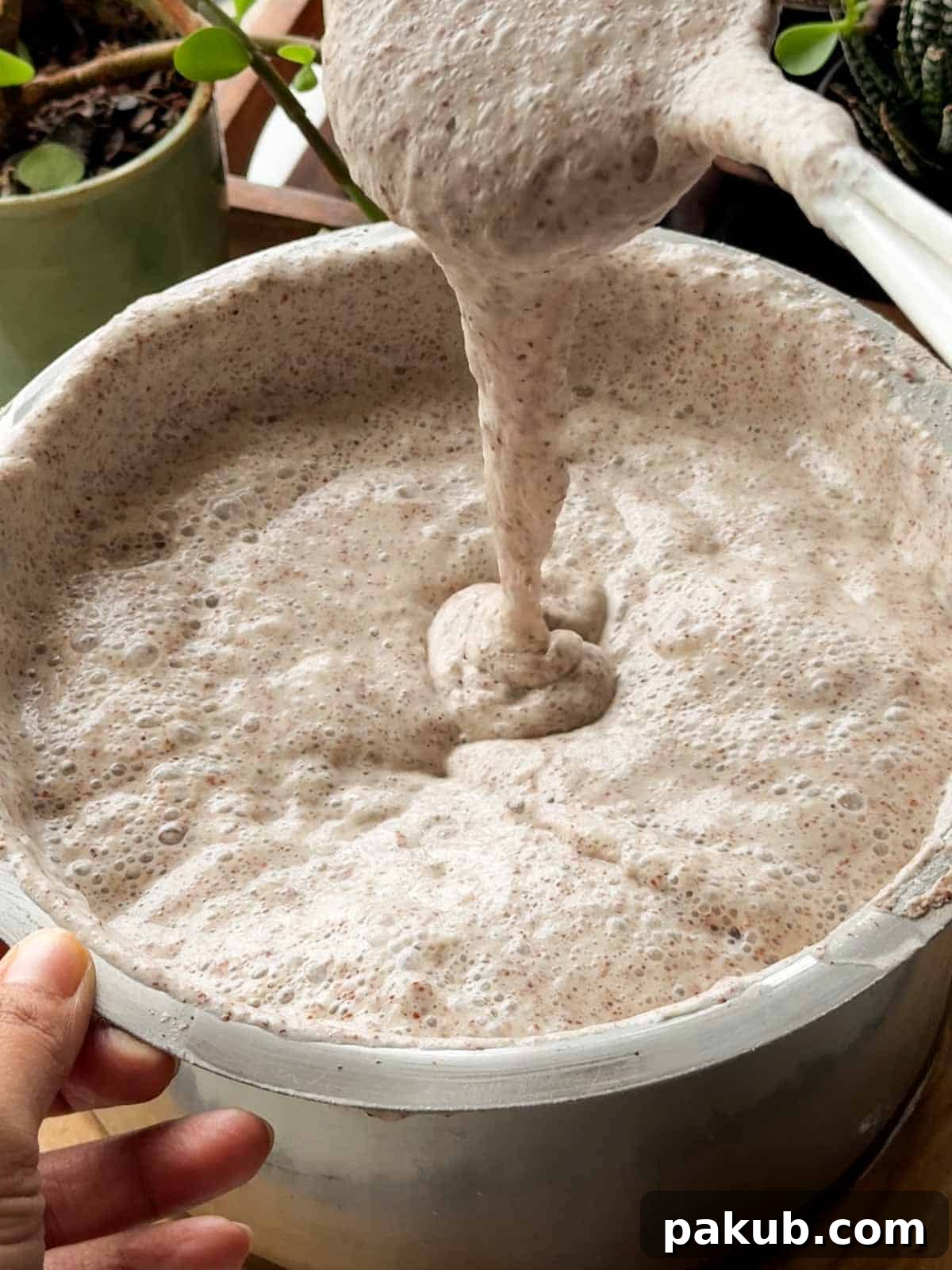
- Achieving the Right Consistency: Grind the mixture until it is nearly smooth, yet retains a very slight grittiness when rubbed between your fingers—this fine texture is key for both idlis and dosas. The batter should be thick enough to leave a substantial coat on the back of a spoon and fall in a ribbon-like consistency when poured with a ladle. Avoid making it too watery, as this can lead to thin, flat idlis and difficulty spreading dosas.
- Preparing for Fermentation: Pour the freshly ground batter into a very large bowl. It’s crucial that the bowl is large enough to accommodate the batter’s expansion, as it will almost double in volume during fermentation. Using clean hands, mix the batter thoroughly for a few minutes. This manual mixing is an important traditional step that introduces beneficial microbes from your hands, jump-starting the fermentation process. Do not skip this!
- Optimal Fermentation Environment: Cover the bowl loosely with a lid or plate (allowing some air exchange) and set it aside in a warm, dry place, away from direct sunlight. The ideal fermentation temperature is around 25-30°C (77-86°F). Fermentation typically takes between 12-24 hours, depending on the ambient temperature and humidity in your kitchen. In warmer climates, it will ferment faster, while colder environments may require more time.
DAY 2 (Morning) – Ready to Use or Store
The next morning, your batter should be perfectly fermented and ready for action!
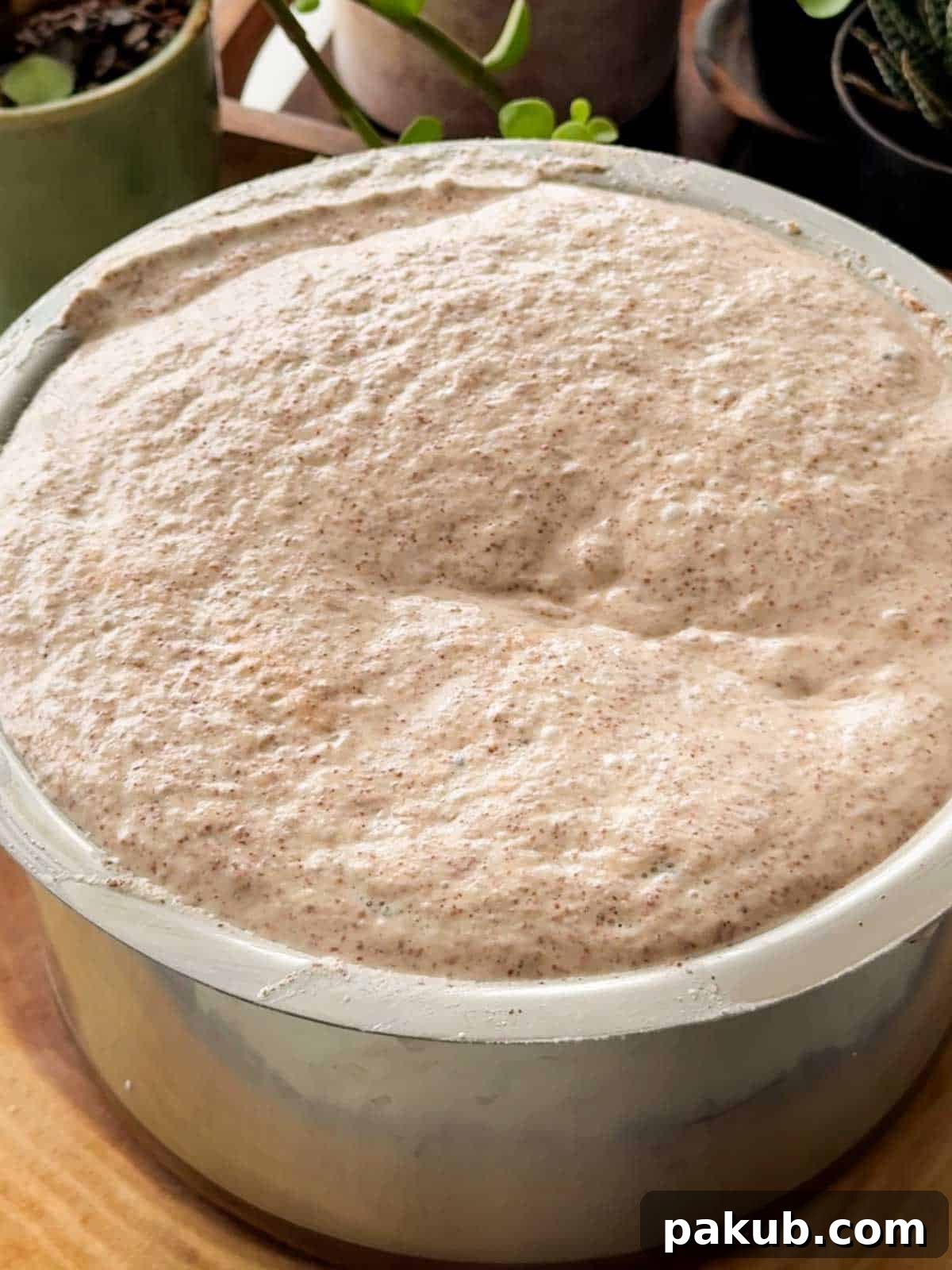
After successful fermentation, the batter should have increased by approximately 1.5 times its original volume. This visual cue, along with other signs (which we’ll discuss next), indicates it’s ready for use. Following the exact measurements in this recipe, you can expect to yield about 1.75 liters (6-7 cups) of versatile Ragi Idli Dosa batter. As a general guide, 1 cup of batter is sufficient to make 6-7 fluffy idlis or 4-6 crispy dosas, depending on your preferred size.
Mastering Fermentation: How To Tell If Your Batter Is Perfectly Ready
Successful fermentation is the cornerstone of delicious idlis and dosas. It’s a process where beneficial bacteria convert starches into lactic acid, producing gases that give the batter its characteristic tangy flavor and airy texture. Knowing how to spot a perfectly fermented batter is key:
- Volume Increase: The most obvious sign is a significant increase in volume. Your batter should have expanded and almost doubled in size, often forming a slight dome on top.
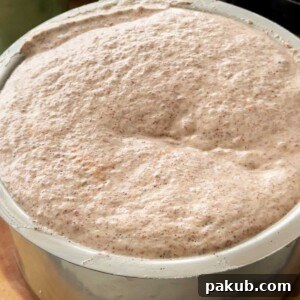
- Air Bubbles and Frothiness: When you gently stir the batter, you should observe numerous tiny air bubbles throughout. The batter will appear light, frothy, and airy, indicating the release of carbon dioxide during fermentation. (Referencing the video can provide a clear visual example).
- Mildly Yeasty or Sour Aroma: A well-fermented batter will have a distinct, pleasant, mildly yeasty or slightly sour aroma. It should smell fresh and appealing, not overwhelmingly pungent.
- Texture Change: The batter will feel lighter and smoother to the touch compared to its unfermented state.
- Beware of Over-Fermentation: If the batter develops a very strong, intensely sour, or even an unpleasant “off” smell, it has likely over-fermented or gone bad. Unfortunately, there’s no way to salvage over-fermented batter for idlis or dosas, as the excess acidity will prevent proper rising and result in a very tart taste. Therefore, it’s crucial to monitor the batter, especially in warmer conditions, and refrigerate it once it reaches optimal fermentation.
Choosing Your Grinder: Which is The Best Blender for Ragi Dosa Batter?
The type of grinder you use can significantly impact the texture and quality of your Ragi Idli Dosa batter. Selecting the right equipment depends on your frequency of use, kitchen space, and desired outcome.
If you regularly prepare idlis and dosas, investing in an **electrical wet grinder** is highly recommended. These specialized grinders use stones to grind the ingredients, producing an incredibly light, fluffy, and smooth batter without generating excessive heat. This cooler grinding process is ideal for fermentation, resulting in superior idlis and crispier dosas. The main drawbacks are that wet grinders tend to be larger, taking up more counter space, and can be quite bulky to store.
Expert Recommendations
At home, I primarily use a **mixer grinder** for my Ragi Idli Dosa batter. While highly versatile for various kitchen tasks, a key challenge with mixer grinders is that they can heat the batter during the grinding process. Excessive heat can negatively affect fermentation and the final taste. To counteract this, my essential tip is to always use plenty of **ice-cold water or ice cubes** while grinding. This simple technique helps maintain a cool batter temperature, ensuring successful fermentation and excellent results. For reliability and performance, I find the Sujata Dynamix Mixer Grinder to be a consistently good choice for this purpose.
Frequently Asked Questions About Ragi Idli Dosa Batter
Absolutely, ragi dosa is a significantly healthier option! Ragi is packed with vital nutrients like calcium (up to 3 times more than other cereals), iron, and dietary fiber, making it far more nutrient-dense than traditional rice-based dosa. It’s also naturally gluten-free, boasts a low glycemic index, and keeps you feeling fuller for longer, aiding in weight management and blood sugar control.
While you technically can create an “instant” ragi dosa by adding curd (yogurt) and a pinch of baking soda or Eno fruit salt to the batter, the results will differ. Natural fermentation is crucial for developing the characteristic soft texture of idlis, the crispness of dosas, and the distinctive tangy flavor. Fermentation also enhances nutrient bioavailability, making the dish easier to digest. We highly recommend natural fermentation for the best experience.
The most common reason for poor fermentation is a lack of warmth. Fermentation relies on a warm environment for the beneficial bacteria to thrive. If your kitchen is too cold, try these solutions: keep the bowl near a warm appliance (like a refrigerator motor or a stove that’s just been used), wrap it in a thick towel or blanket, or use your oven as a proofing box. To do this, preheat your oven to its lowest setting for just one minute, switch it off, and then place the covered batter inside overnight. Ensure the oven is completely off before placing the batter in.
Yes, ragi flour can be used, but it will result in a slightly different texture. Whole ragi grains, when soaked and ground, contribute to a more natural, slightly coarse, and traditional texture for both idlis and dosas. If using ragi flour, you might need to adjust the water quantity, and ensure it’s mixed thoroughly with the urad dal and rice batter to achieve a better consistency. The fermentation might also be slightly less vigorous compared to using whole grains.
Several factors contribute to sticking. First, ensure your tawa (griddle) is properly seasoned, especially if it’s cast iron. For both non-stick and cast iron, make sure the tawa is adequately hot before pouring the batter. You can test by sprinkling a few drops of water – they should sizzle and evaporate instantly. Also, wipe the tawa with a damp cloth or half an onion slice between each dosa to regulate temperature and create a non-stick surface.
Top Tips for Making the Best Ragi Idlis & Dosas Every Time
Achieving consistently perfect Ragi idlis and dosas requires attention to a few key details. Follow these expert tips to ensure your batter, idlis, and dosas turn out flawlessly:
- Add Salt Strategically: Always add salt only to the portion of batter you intend to use immediately. Mixing salt into the entire batch of fermented batter can accelerate further fermentation, causing the stored batter to turn excessively sour over time. For storage, keep the batter unsalted.
- Ensure Thorough Soaking: Don’t cut corners on soaking time. Give the ragi, rice, and dal ample time—at least 8 hours—to soak properly. This crucial step softens the grains and lentils, making them easier to grind into a smooth consistency and optimizing them for robust fermentation.
- Utilize Cold Water for Grinding: This is a non-negotiable tip! Adding ice cubes or using thoroughly chilled water during the grinding process prevents the batter from heating up. Heat generated during grinding can hinder the fermentation process and lead to a less flavorful, more acidic batter.
- Mix with Your Hands for Optimal Fermentation: While it might seem old-fashioned, mixing the batter by hand for a few minutes before setting it to ferment is incredibly beneficial. The warmth and natural microbes from your hands help kickstart and enhance the fermentation, contributing to that desirable light, airy, and frothy texture.
- Monitor Batter Consistency Closely: The ideal batter consistency is crucial. It should be thick enough to coat the back of a spoon, yet pourable enough to fall in ribbons when lifted. A batter that’s too thin will yield flat idlis and brittle dosas, while one that’s too thick will produce dense idlis and difficult-to-spread dosas.
- Do Not Over-steam Idlis: While it might be tempting to steam idlis longer, over-steaming is the quickest way to make them dry, hard, and rubbery. Stick to the recommended steaming time of 10-12 minutes for perfectly soft and fluffy idlis.
- Use a Hot Tawa for Dosas: For crispy dosas that don’t stick, ensure your tawa (griddle) is adequately hot before pouring the batter. Test its readiness by sprinkling a few drops of water; they should sizzle and evaporate instantly.
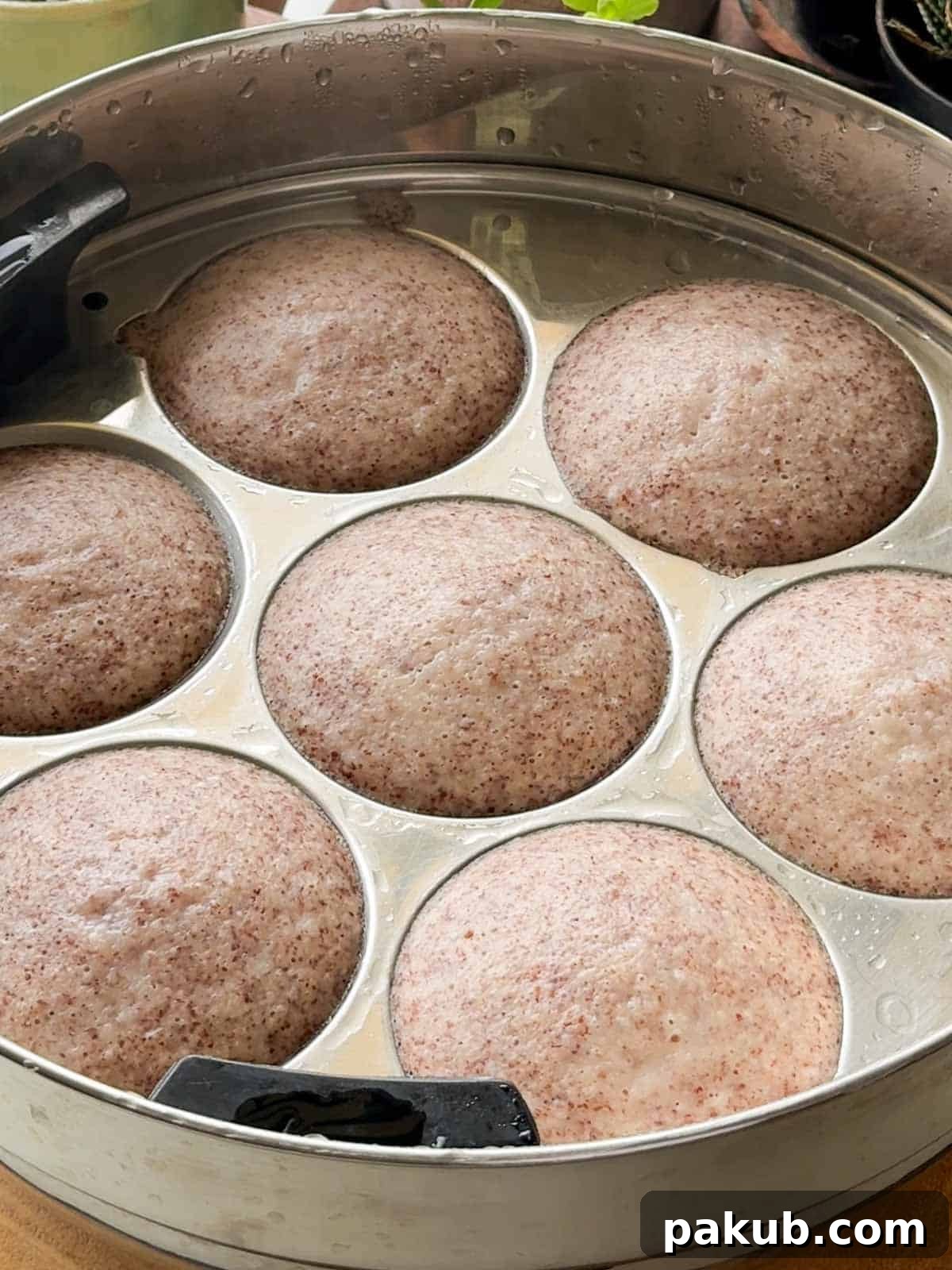
How to Make Soft and Fluffy Ragi Idlis from Your Batter
Once your Ragi Idli Dosa batter is perfectly fermented, preparing light and spongy idlis is a breeze. Follow these steps for idlis that are a delight to eat:
Step 1: Prepare the Batter for Steaming. Once your batter has fermented and doubled in volume, take out the portion you plan to use. Add ½ teaspoon of salt to this specific portion just before you start steaming. If the batter tastes slightly sour, you might not need to add sugar at this stage. However, if it tastes a bit flat, a tiny pinch of sugar can help the idlis rise better and enhance their overall flavor.
Step 2: Grease Your Idli Plates. Lightly grease your idli plates with a touch of oil or ghee. This crucial step ensures that the idlis don’t stick and can be easily demoulded once cooked.
Step 3: Fill the Idli Molds. Pour the batter into the greased idli molds, filling them approximately three-quarters full, just shy of the rim. Remember that the batter will rise during the steaming process, so leave a little room at the top.
Step 4: Steam to Perfection. Place the filled idli plates into an idli steamer with boiling water. Steam on medium heat for about 10 to 12 minutes. To check for doneness, insert a toothpick or a clean knife into the center of an idli; it should come out clean. Be careful not to over-steam, as this can make your Ragi idlis dry and hard.
Step 5: Rest and Demould. After steaming, turn off the heat and let the idlis rest in the steamer for 2 minutes with the lid on. Then, remove the idli stand and let the idlis cool for another 2-3 minutes before gently scooping them out with a spoon or a butter knife. This resting period helps them set and makes demoulding much easier.
Tip: For an extra soft texture, ensure your idli steamer water is boiling vigorously before you place the idli plates inside. This provides an immediate burst of steam that helps the idlis puff up beautifully.
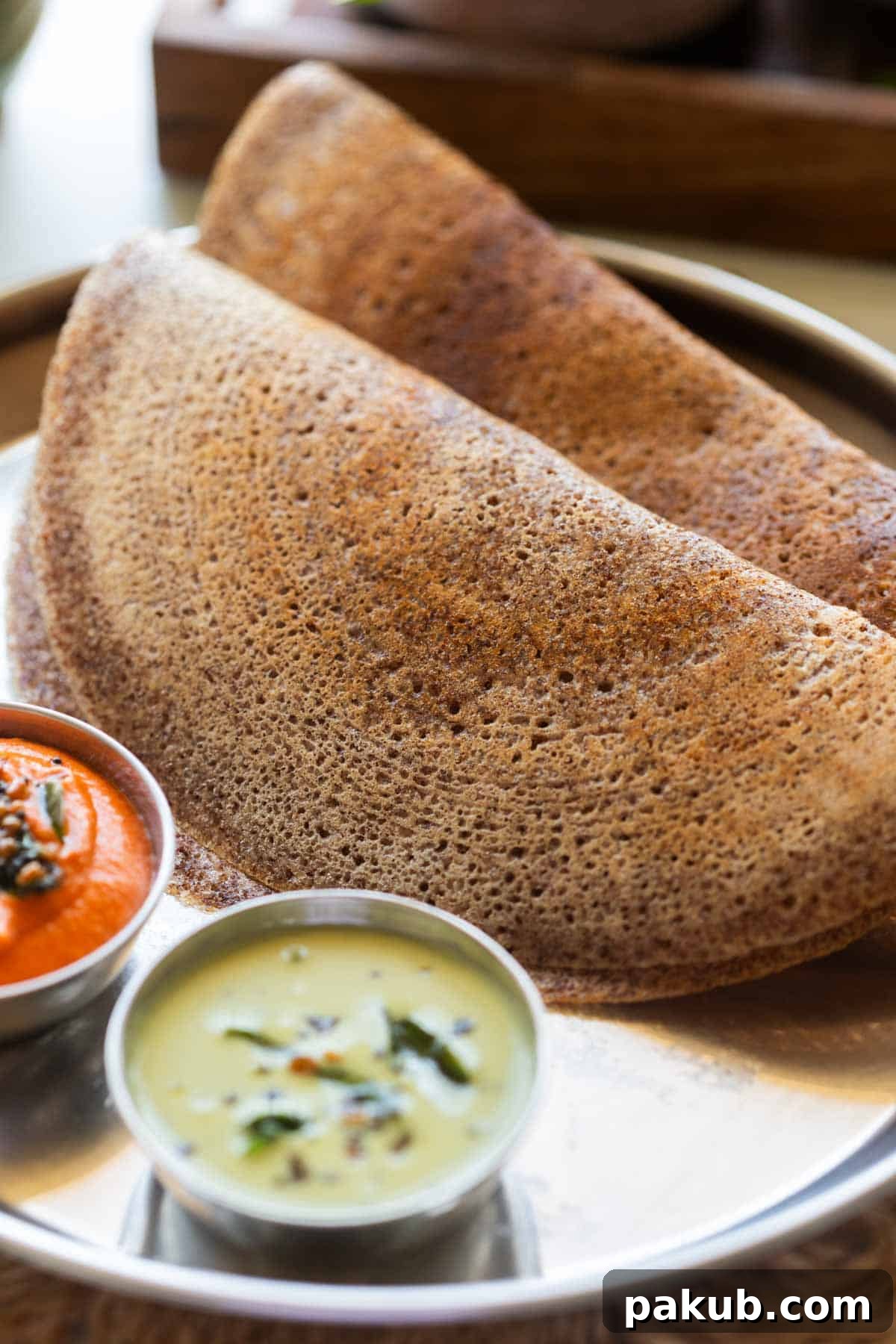
How to Make Crispy and Flavorful Ragi Dosas
Transforming your Ragi Idli Dosa batter into crisp, golden-brown dosas is an art that’s easy to master with a few key techniques. Here’s how to make them:
Step 1: Chill Your Batter. For best results and the ability to spread the dosa thinly and achieve maximum crispness, use chilled batter. Ensure your batter is either cold from the fridge or at room temperature, but never warm, as warm batter can make spreading difficult and prevent crisping.
Step 2: Prepare Your Tawa (Griddle). Heat your non-stick pan or a well-seasoned cast iron tawa over medium-high heat. You’ll know it’s ready when a few drops of water sprinkled on the surface sizzle and evaporate instantly. This indicates the optimal temperature for pouring the batter. Between each dosa, you can lightly wipe the tawa with a damp cloth or a piece of onion to regulate the temperature and maintain a non-stick surface.
Step 3: Pour and Spread the Batter. Reduce the heat to low. Pour one ladleful of batter onto the absolute center of the hot tawa. Using the back of the ladle, swiftly spread the batter outwards in a continuous circular motion, starting from the center and moving to the edges, to form a thin, even circle. For a thicker, softer roast-style dosa, spread it less thinly.
Step 4: Cook to Golden Perfection. Increase the heat back to medium. Drizzle a teaspoon of oil or ghee around the edges of the dosa and a little over the top. Cover the pan with a lid and cook for about 30 seconds. This helps the top cook gently. Then, remove the lid and continue cooking for another 1-2 minutes until the edges turn golden brown and start to crisp up, easily separating from the tawa. For a softer version, you can keep the lid on longer and avoid flipping.
Step 5: Optional Flip and Serve. If you prefer your dosa roasted on both sides, carefully flip it over and cook for an additional 30 seconds. For maximum crispness, many prefer to cook only one side until golden. Fold the dosa in half or roll it up and serve immediately.
Tip: Ragi dosas are best enjoyed hot and fresh, as they tend to lose their crispness if left out for too long. Pair them instantly with your favorite chutney or sambar for an authentic experience.
Essential Equipment for Making Ragi Idlis & Dosas at Home
Having the right tools can make your Ragi Idli and Dosa making process much smoother and more enjoyable. Here’s a breakdown of the essential equipment:
For Idlis:
- Idli Steamer with Idli Stand: This is the most common and effective way to make idlis. An idli stand consists of multiple tiered plates with molds, fitting perfectly into an idli steamer.
- Pressure Cooker (without whistle): If you don’t have a dedicated idli steamer, a pressure cooker can serve as a versatile alternative. Simply place your idli stand inside the pressure cooker, add water, and steam without attaching the whistle. This creates a similar steaming environment.
- Steel Tumblers or Small Bowls (alternative): No idli stand? No problem! You can still make idlis using greased steel tumblers or small, heat-resistant steel bowls. Fill them with batter and place them inside a large pot or pressure cooker on a stand, ensuring the water level is below the batter level.
For Dosas:
- Well-Seasoned Cast Iron Tawa (Griddle): Many culinary enthusiasts swear by a cast iron tawa for dosas, and for good reason. Cast iron heats up evenly, retains heat for longer, and, when properly seasoned, provides a naturally non-stick surface that yields exceptionally crispy dosas. A well-maintained cast iron tawa can last a lifetime, but it’s often best to reserve it exclusively for dosas and uttapams to preserve its seasoning.
- Non-Stick Tawa: A non-stick tawa is a convenient and easier alternative, especially for beginners. It requires less oil and significantly reduces the chances of dosas sticking. However, non-stick pans can sometimes overheat faster, which might make spreading the batter a bit challenging after a few dosas, and their lifespan is generally shorter than cast iron.
- Ladle: A medium-sized ladle is essential for pouring and spreading the batter evenly on the tawa.
Investing in good quality equipment ensures a better cooking experience and consistently delicious results, making your homemade Ragi Idlis and Dosas a regular hit!
Explore Delicious Recipes with Ragi Idli Dosa Batter
The versatility of Ragi Idli Dosa Batter extends far beyond just traditional idlis and dosas. This healthy, fermented batter is a fantastic base for a variety of delightful South Indian dishes, offering endless culinary possibilities:
- Idli: The classic, steamed favorite. Soft, fluffy, and nutritious.
- Dosa: Crispy, thin crepes perfect for any meal.
- Appe / Paniyaram: Small, round, savory dumplings cooked in a special appe pan, offering a delightful chewiness.
- Mysore Masala Dosa: A richer, spicier version of dosa, often spread with a red chutney and filled with potato masala.
- Uttapam: A thicker, pancake-like savory dish, often topped with vegetables like onions, tomatoes, and chilies.
- Dosa Waffles: A modern and fun twist, pouring the batter into a waffle maker for a unique texture.
- Schezwan Idli Fry: A fusion dish where leftover idlis are cut, fried, and tossed in a spicy Schezwan sauce.
- Dhokla: While traditionally made with chickpea flour, a ragi-based dhokla can be a wholesome, fermented snack.
With a batch of Ragi Idli Dosa Batter in your fridge, you’re always just minutes away from a healthy and delicious meal or snack!
Smart Storage Tips for Your Ragi Idli Dosa Batter
Proper storage is key to extending the life of your Ragi Idli Dosa batter and ensuring it remains fresh and flavorful for multiple meals. Here’s how to store it effectively:
- Fridge Storage: Once your batter has fermented to perfection, immediately transfer it to a clean, airtight container and store it in the refrigerator. Unsalted ragi idli dosa batter can be kept fresh for up to 3-4 days. When you’re ready to use it, simply scoop out the required portion and add salt just before preparing your idlis or dosas. This prevents the entire batch from becoming overly sour.
- Freezer Storage: For longer preservation, Ragi Idli Dosa batter freezes exceptionally well for up to a month. To freeze, portion the unsalted batter into smaller airtight containers or even silicone muffin trays (once frozen, pop out the batter pucks and store them in a freezer bag). This allows you to thaw just the amount you need. Always let frozen batter defrost overnight in the refrigerator before using. Stir well after thawing to restore its consistency.
- Room Temperature Considerations: After the initial fermentation, avoid leaving the batter out at room temperature for more than a few hours. Especially in warm weather, prolonged exposure can cause the batter to over-ferment rapidly, leading to an undesirably sour taste and an altered texture that is unsuitable for idlis or dosas. Always refrigerate promptly once optimum fermentation is achieved.
Creative Serving Ideas for Ragi Idlis and Dosas
This versatile Ragi Idli Dosa Batter opens up a world of delightful breakfast (or even dinner) options. It’s light, wholesome, and pairs beautifully with a wide array of traditional South Indian accompaniments. Here are some fantastic ideas to get you started:
- Classic Pairings:
- With Coconut Chutney: A timeless and universally loved combination. The creamy, nutty flavor of coconut chutney provides the perfect balance to the subtle tang of idlis and dosas. Try our Coconut Chutney recipe for that authentic, refreshing taste.
- With Sambar: Elevate your meal with a warm bowl of aromatic Homemade Sambar. This lentil-based vegetable stew, rich in spices, offers a hearty, protein-packed accompaniment that is both satisfying and flavorful, making your idlis and dosas a complete meal.
- With Tomato Chutney: For a tangy and slightly spicy kick, serve your idlis and dosas with a vibrant Tomato Chutney. Its bright flavors and piquant notes beautifully complement the mild taste of ragi, adding an exciting twist to every bite.
- Innovative Uses:
- Ghee Roast: Smear your Ragi Dosas with ghee and roast until extra crisp for a decadent treat.
- Podimas: Serve idlis crumbled and seasoned with a flavorful potato podimas for a unique texture.
- Curry Leaf Powder (Podi): A dry spice blend, typically mixed with oil or ghee, makes a quick and flavorful accompaniment.
- Vegetable Toppings: For Uttapams, get creative with finely chopped onions, carrots, bell peppers, and green chilies.
Whether you stick to the classics or venture into new combinations, Ragi Idli Dosa Batter provides a nourishing and delicious canvas for your culinary creativity.
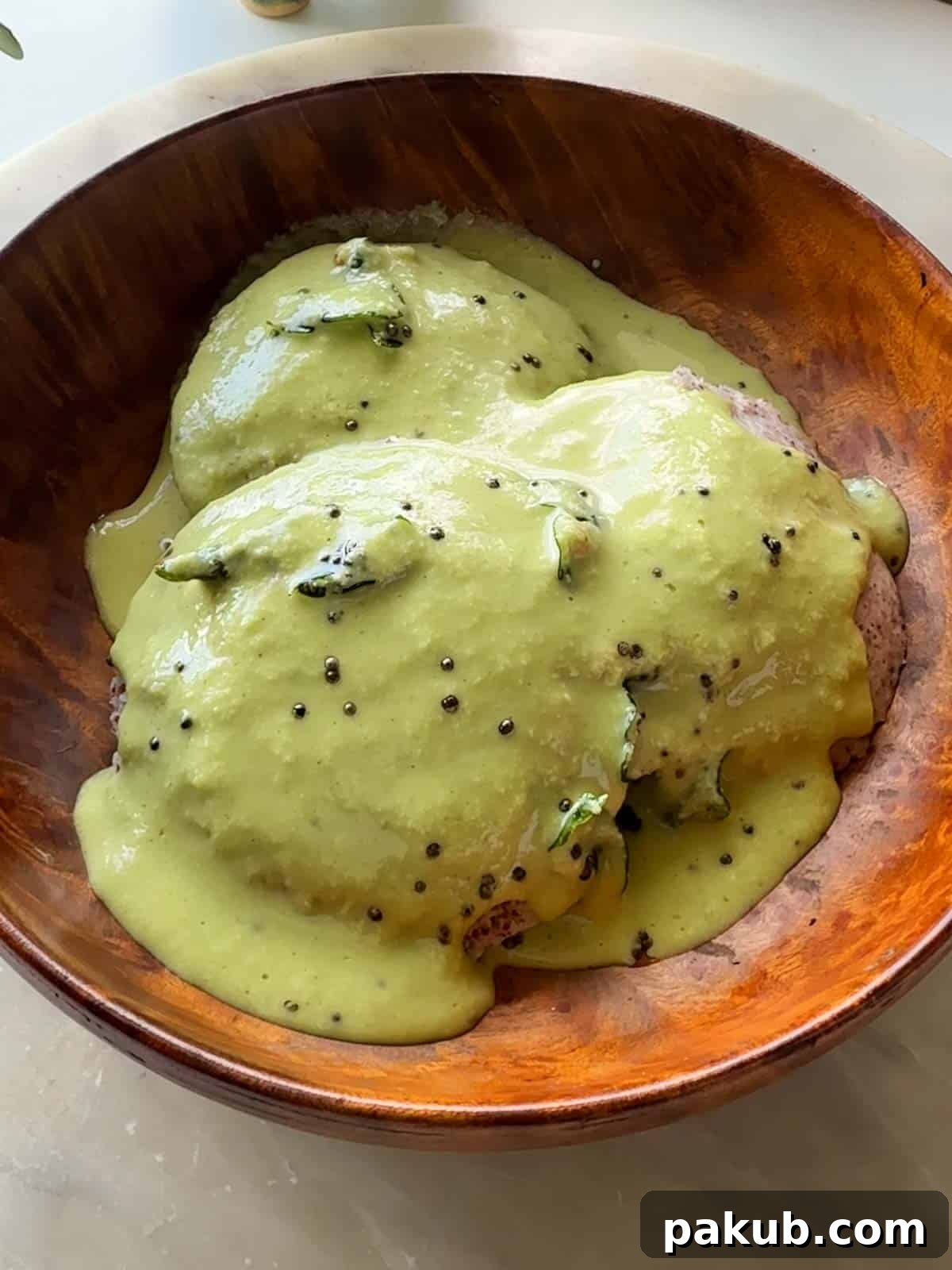
Ragi Idli Dosa Batter has become an indispensable part of my kitchen repertoire. Its ability to deliver the cherished comfort of a homemade South Indian breakfast, now infused with an undeniable healthy twist, makes it a true winner. It’s light, incredibly wholesome, and ensures a nutritious start to any day.
If you’re already a devotee of classic Idli Dosa Batter, this ragi-enriched version is the perfect evolution. It’s an easy and delicious step towards a more health-conscious diet without sacrificing flavor or tradition. Have you tried this recipe? I would absolutely love to see your creations! Share your breakfast table delights and tag me on Instagram @my_foodstory. Your culinary adventures inspire me!
Watch the Ragi Idli Dosa Batter Recipe Video!
Ragi Idli Dosa Batter
Richa
5 mins
15 mins
20 mins
4 persons
Pin Recipe
Rate Recipe
Print Recipe
Ingredients
- 1 cup ragi (finger millet seeds)
- 1 cup idli rice (parboiled short grain rice)
- ½ cup urad dal (split black gram)
- ¼ cup poha (flattened rice)
- 1 teaspoon fenugreek seeds (methi)
- 1 teaspoon salt (divided for idli/dosa preparation)
- ⅛ teaspoon sugar (optional, for dosas)
- Ice cubes / Ice-cold water (for grinding)
- Oil or ghee (for cooking)
Instructions
Day 1: Morning – Soaking
- Wash & soak ragi, idli rice, urad dal, poha, and fenugreek seeds in a bowl with enough water to cover them by at least an inch. Soak for 8 hours.
Day 1: Evening – Grinding & Fermentation
- After 8 hours of soaking, drain the excess water from the bowl.
- Transfer the soaked ingredients to a mixer grinder. Grind until almost smooth with approximately 1 cup of ice-cold water and 4-5 ice cubes. Add more cold water only if needed to achieve a consistency that leaves a thick coat on the back of a spoon and falls in a ribbon-like stream. The batter should feel very slightly gritty between your fingers.
- Pour the batter into a large bowl, ensuring there’s plenty of room for it to rise. Mix the batter thoroughly with clean hands; this crucial step helps initiate fermentation.
- Cover the bowl loosely and set it aside in a warm, dry place away from direct sunlight to ferment. Fermentation typically takes 12-24 hours, depending on the ambient temperature and humidity. Warmer conditions lead to faster fermentation.
Day 2: Morning – Ready to Use
- Once fermented, the batter should have increased by almost 1 ½ times its original size, showing a slight dome and a bubbly, wrinkled layer on top. You should notice a mild, pleasant sour aroma, indicating successful fermentation. If the smell is excessively sour, it may have over-fermented. The texture should be frothy with visible air bubbles.
- Take out your desired portion of batter (e.g., 2 cups for idlis or 1 cup for dosas) into a separate bowl. Add ½ teaspoon of salt to this portion and mix well before preparing your idlis or dosas. Store the remaining unsalted batter in the fridge.
Making Idlis
- Heat water in an idli steamer until it comes to a rolling boil. Lightly grease your idli plates with oil or ghee for easy demoulding.
- Once the water is boiling, pour the prepared batter into the idli molds, filling them almost to the top.
- Place the idli mold in the steamer and steam on medium heat for 10-12 minutes. Check for doneness by inserting a toothpick; it should come out clean.
- Let the idlis rest in the steamer for 2 minutes with the lid on, then remove and cool for another 2-3 minutes. Use a spoon or butter knife to gently demould the idlis.
Making Dosas
- Take 1 cup of batter in a bowl, add ⅛ teaspoon salt and ⅛ teaspoon sugar (optional, for flavor and browning), and mix well.
- Heat a non-stick pan or seasoned cast iron dosa tawa over medium heat until hot. Reduce heat to low, then pour one ladleful of dosa batter into the center. Quickly spread it outwards in concentric circles with the back of the ladle to form a large, thin round dosa.
- Increase heat to medium. Drizzle a spoon of oil or ghee around the edges and a little in the center. Cover with a lid and cook for 30 seconds.
- Remove the lid and continue to roast for 1-2 minutes until the dosa turns golden brown and crispy, especially around the edges. If desired, flip and cook for another 30 seconds for an evenly roasted dosa.
- Flip it back, fold, and serve hot immediately with your favorite accompaniments.
- Repeat the steps for the remaining dosas, adjusting tawa temperature as needed.
Video
Notes
- Always use ice cubes or ice-cold water when grinding to prevent the batter from heating up, which is crucial for proper fermentation.
- The batter should be thick, smooth, and fall in ribbons, but not overly runny.
- Only add salt to the portion of batter you are about to use to prevent the entire batch from becoming too sour.
- Unsalted batter can be stored in an airtight container in the fridge for up to 3-4 days, or frozen for up to a month.
- Avoid over-steaming idlis, as they will become dry and hard.
- Allow idlis to cool for a few minutes before demoulding for easier removal and perfect shape.
- To check if your tawa is hot enough for dosas, sprinkle a few drops of water; they should sizzle immediately.
- For the best crispness, cook dosas on medium heat.
Nutrition Information (per serving, approximate)
Carbohydrates: 102g
Protein: 15g
Fat: 1g
Saturated Fat: 0.3g
Polyunsaturated Fat: 0.3g
Monounsaturated Fat: 1g
Sodium: 593mg
Potassium: 316mg
Fiber: 6g
Sugar: 0.2g
Vitamin A: 2IU
Vitamin C: 1mg
Calcium: 237mg
Iron: 5mg
Enjoyed this recipe? Please rate and comment below!
Your feedback helps us grow and inspires other home cooks.