
Discover the Joy of Natural Egg Dyeing: A Chemical-Free Guide to Vibrant & Edible Eggs
Unlock the secret to creating stunning, chemical-free colored eggs right in your kitchen! Say goodbye to artificial dyes and embrace the beauty of nature with this comprehensive guide to dyeing eggs using everyday staples like beetroot, turmeric, and red cabbage. Not only is this method incredibly fun and creative, but it also ensures your beautifully dyed eggs are completely safe for consumption, making them perfect for Easter celebrations, spring decorations, or just a healthy, colorful snack. Get ready to impress your family and friends with an eco-conscious approach to vibrant egg art!

There’s something truly magical about the Easter season. For me, it often conjures up images of family gatherings, the comforting aroma of home-cooked meals, and the simple pleasures of holiday traditions. Recently, I found myself enjoying the leisurely pace of holiday time. Waking up to the scent of freshly brewed coffee, with Grandma preparing delicious Appams or Dosas, and the gentle sway of coconut trees visible from the verandah, it’s these moments that define the joy of the season.
And what’s Easter without eggs? For years, I adored the concept of Easter eggs but hadn’t fully explored the tradition myself. A quick search revealed the beautiful symbolism of eggs representing new life and rebirth – a concept that makes the tradition of coloring them even more meaningful. After spending countless minutes admiring breathtakingly intricate designs on Pinterest, I was inspired to try my hand at creating my own. But with a preference for “zero effort” during festivals (all that delicious food tends to make me wonderfully lazy!), I sought a method that was both simple and immensely rewarding. That’s when the idea of natural egg dyeing sparked!
It turned out to be an absolute blast, reminiscent of playing Holi with all its vibrant colors. While my kitchen might have resembled a playful war zone by the end, the sheer joy and the stunning results were well worth it. You’ll be amazed at how easy and delightful this process is, leaving you wondering why you haven’t tried it sooner!
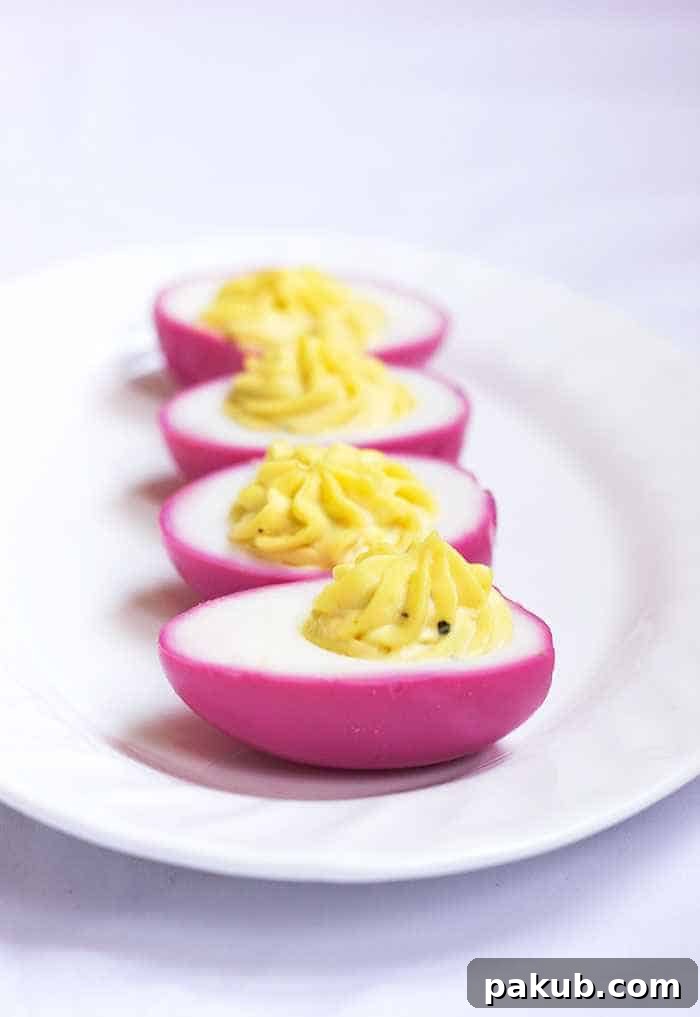
Why Choose Natural Egg Dyes? The Benefits of Going Chemical-Free
In a world increasingly conscious about what we consume and how it impacts our planet, natural egg dyeing offers a compelling alternative to synthetic food colorings. Beyond the aesthetic appeal, there are several significant advantages to opting for dyes derived from nature:
- Food Safe & Edible: The most compelling reason! When you use ingredients like vegetables, spices, and fruits to dye your eggs, you ensure that the eggs remain entirely safe to eat. No need to worry about ingesting artificial chemicals or dyes that aren’t approved for consumption. This is especially important if you plan to make deviled eggs, egg salads, or simply enjoy them hard-boiled.
- Eco-Friendly & Sustainable: Natural dyes are biodegradable and come from renewable resources. You’re reducing your environmental footprint by avoiding synthetic chemicals that can harm ecosystems. Many ingredients can even be repurposed from kitchen scraps, promoting zero-waste practices.
- Unique & Subtle Hues: Natural dyes create a beautiful spectrum of earthy, muted, and sometimes surprisingly vibrant tones that are often richer and more organic-looking than their artificial counterparts. Each egg emerges with its own unique character, and the colors can vary wonderfully depending on the concentration and soaking time.
- Fun & Educational for All Ages: This is a fantastic activity for kids and adults alike. It’s a hands-on science experiment demonstrating how natural pigments work, and it encourages creativity without exposure to harsh chemicals. Watching the colors develop is truly fascinating!
- Avoid Artificial Additives: Many people are sensitive to artificial food colorings, which have been linked to various health concerns. Natural dyes provide peace of mind, allowing everyone to enjoy the festive eggs without apprehension.
Unlocking Nature’s Palette: A Guide to Natural Color Sources
The beauty of natural dyeing lies in the diverse range of colors you can achieve using ingredients found right in your pantry or local grocery store. Here’s a handy guide to some popular natural colorants and the beautiful shades they produce:
- Beetroot (Pink to Deep Red): Fresh beets are a powerhouse for stunning pinks and deep reds. The longer the soak, the more intense the color.
- Turmeric (Bright Yellow to Orange): This golden spice delivers brilliant yellows. A stronger solution or longer soak can lean towards a sunny orange.
- Red Cabbage (Blue to Purple, even Green!): This is perhaps the most fascinating dye! Red cabbage creates a beautiful blue. However, adding a bit of vinegar to the dye bath can shift the color to purple or even reddish-pink, while a touch of baking soda can nudge it towards green. It’s a true pH experiment!
- Onion Skins (Orange to Brown): Both red and yellow onion skins yield rich, earthy tones. Yellow onion skins tend to produce oranges and golden browns, while red onion skins can give a more reddish-brown hue.
- Spinach (Subtle Green): For a soft, delicate green, spinach leaves are your go-to. Don’t expect a vibrant emerald, but rather a lovely pastel shade.
- Coffee or Black Tea (Light to Dark Brown): Strong brewed coffee or black tea provides a range of beautiful brown shades, from light tan to deep espresso.
- Pomegranate Juice (Red to Maroon): For a luxurious, deep red or maroon, pomegranate juice works wonderfully.
- Blueberries (Grey to Muted Blue): Crushed blueberries can give lovely slate grey or muted blue tones.
- Avocado Skins and Pits (Pink): Believe it or not, the skins and pits of avocados can produce a delicate, blush pink!
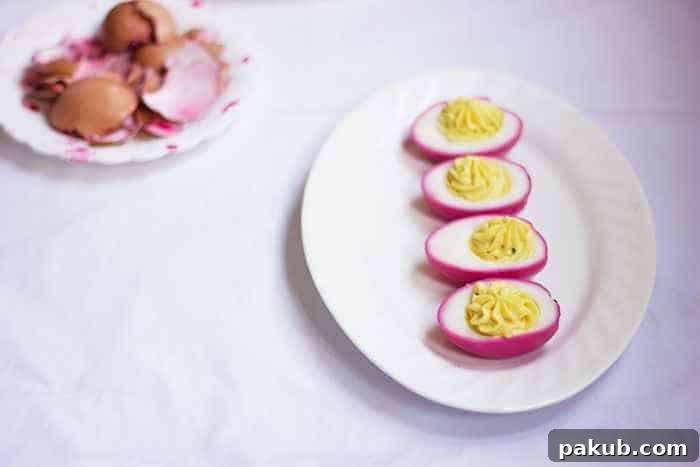
Preparing Your Eggs for Natural Dyeing
Before you dive into the colorful world of natural dyes, a little preparation goes a long way to ensure your eggs take the color beautifully and evenly:
- Choose White Eggs: While you can dye brown eggs, white egg shells provide the cleanest canvas and allow the natural colors to show up most vibrantly and true to their shade.
- Hard-Boil Perfectly: The key to successful dyeing is perfectly hard-boiled eggs. Place eggs in a single layer in a pot. Cover them with about an inch of cold water. Bring the water to a rolling boil, then immediately turn off the heat, cover the pot, and let stand for 10-12 minutes (for large eggs). This method helps prevent cracking and yields perfectly cooked yolks.
- Cool Completely: Once hard-boiled, immediately transfer the eggs to an ice bath to stop the cooking process and make them easier to handle. Let them cool completely before dyeing.
- Clean & Dry: Gently wipe your cooled eggs with a damp cloth to remove any impurities or oils that might prevent the dye from adhering. Ensure they are completely dry before submerging them in the dye bath.
Your DIY Guide to Vibrant Naturally Dyed Eggs
Ready to create your own edible masterpieces? Here’s a simple, step-by-step guide to dyeing eggs using natural ingredients. We’ll focus on beetroot for a lovely pink, but the general process applies to all the natural dyes listed above.
How To Make Naturally Dyed Eggs (Beetroot Pink)
Craft beautiful, food-safe pink eggs using the natural pigments of beetroot. A simple and delightful activity for any occasion.

Ingredients
- 1 large Beetroot, diced with skin
- 1-2 cups Water (enough to cover the beetroot)
- 2 teaspoons White Vinegar (per cup of dye liquid)
- 4 Hard-Boiled Eggs, peeled or unpeeled (peeled will absorb more color)
- Optional for other colors: Turmeric powder, red cabbage leaves, onion skins, strong brewed coffee, pomegranate juice, blueberries, avocado skins.
Equipment
- Medium saucepan
- Fine-mesh sieve or cheesecloth
- Heat-safe bowls or jars for dye baths
- Slotted spoon
- Paper towels or cooling rack
Instructions
- Prepare the Dye Base: In a medium saucepan, combine the diced beetroot (or your chosen natural dye ingredient) with 1-2 cups of water. Bring the mixture to a boil over medium-high heat.
- Simmer for Color Extraction: Reduce the heat to low, cover, and simmer for about 15-20 minutes, or until the liquid reaches a deep, desired color. For beetroot, you’re looking for a rich pink. For red cabbage, simmer for 30 minutes to an hour. For turmeric, 10-15 minutes is usually sufficient.
- Strain the Dye: Carefully strain the liquid through a fine-mesh sieve or cheesecloth into a heat-safe bowl or jar. Discard the solids. Allow the dye liquid to cool completely to room temperature.
- Add Vinegar: Once the dye liquid is cool, add 2 teaspoons of white vinegar for every cup of dye liquid. Vinegar acts as a mordant, helping the color adhere better to the eggshells. (Note: For red cabbage, adding vinegar will create pink/purple eggs. For blue eggs with red cabbage, you can omit vinegar or add a tiny pinch of baking soda, though vinegar generally helps adhesion).
- Submerge the Eggs: Gently place your hard-boiled eggs into the cooled dye bath, ensuring they are completely submerged.
- Soak for Desired Color: Let the eggs soak. The soaking time determines the intensity of the color.
- Light Shades: 30 minutes to 1 hour.
- Medium Shades: 2-4 hours.
- Deep, Vibrant Colors: Refrigerate the eggs in the dye bath overnight (8-12 hours). Check periodically for your preferred shade.
- Remove and Dry: Once the eggs have reached your desired color, carefully remove them from the dye bath using a slotted spoon. Place them on paper towels or a cooling rack to dry completely.
- Optional: Shine & Store: For a subtle sheen, once dry, you can gently rub the eggs with a tiny amount of vegetable oil. Store your naturally dyed eggs in the refrigerator for up to one week.
Chef’s Notes & Tips for Perfect Naturally Dyed Eggs
Experiment with Timing: The exact timing for simmering dye ingredients and soaking eggs can vary based on the freshness and concentration of your chosen natural material. Always use your judgment and check the color periodically.
Color Doesn’t Affect Taste: Rest assured, the taste of your hard-boiled eggs will not change with natural dyeing (unless you’re using something highly aromatic like strong onion broth, which can subtly impart flavor to peeled eggs). This means they’re perfect for eating!
Unleash Your Creativity: Don’t just stick to solid colors! Get creative by wrapping eggs with rubber bands before dyeing for striped patterns, or attaching small leaves with pantyhose for botanical imprints. You can even try painting designs with a fine brush or making splatters using an old toothbrush dipped in a concentrated dye solution.
Beyond Easter: While a beloved Easter tradition, naturally dyed eggs are fantastic for other occasions too! Use them as unique centerpieces for spring brunch, a colorful addition to a packed lunch, or simply a fun, healthy snack that brightens your day.
Safety First: Always handle hot liquids with care. When transferring eggs, use a slotted spoon to avoid burning your hands. Ensure dye baths are completely cool before handling, especially if children are assisting.
Nutrition (per serving, estimated)
Here’s an estimated nutritional breakdown for one naturally dyed egg, primarily reflecting the egg itself:
- Calories: 72 kcal
- Carbohydrates: 2 g
- Protein: 6 g
- Fat: 4 g
- Saturated Fat: 1 g
- Cholesterol: 164 mg
- Sodium: 81 mg
- Potassium: 127 mg
- Fiber: 1 g
- Sugar: 2 g
- Vitamin A: 238 IU
- Vitamin C: 1 mg
- Calcium: 28 mg
- Iron: 1 mg
Loved This Natural Dyeing Guide?
If you’ve enjoyed creating these beautiful, chemical-free eggs, we’d love to hear about your experience! Share your colorful creations and thoughts with us. Your feedback inspires us to keep sharing more delightful recipes and DIY guides.
Connect with me and the community on social media!
- Join us on Facebook
- Follow on Twitter
- Discover more on Instagram for daily deliciousness and creative updates!
More Egg-cellent Recipes to Try!
If you’re an egg lover like us, you’ll definitely want to explore these other fantastic egg recipes from our kitchen. Perfect for any meal of the day!
- Spicy Bacon Deviled Eggs
- Savory Garlic Oats with Masala Fried Egg
- Street Style Egg Bhurji (Anda Bhurji)
- One Pan Indian Masala Omelette Frittata