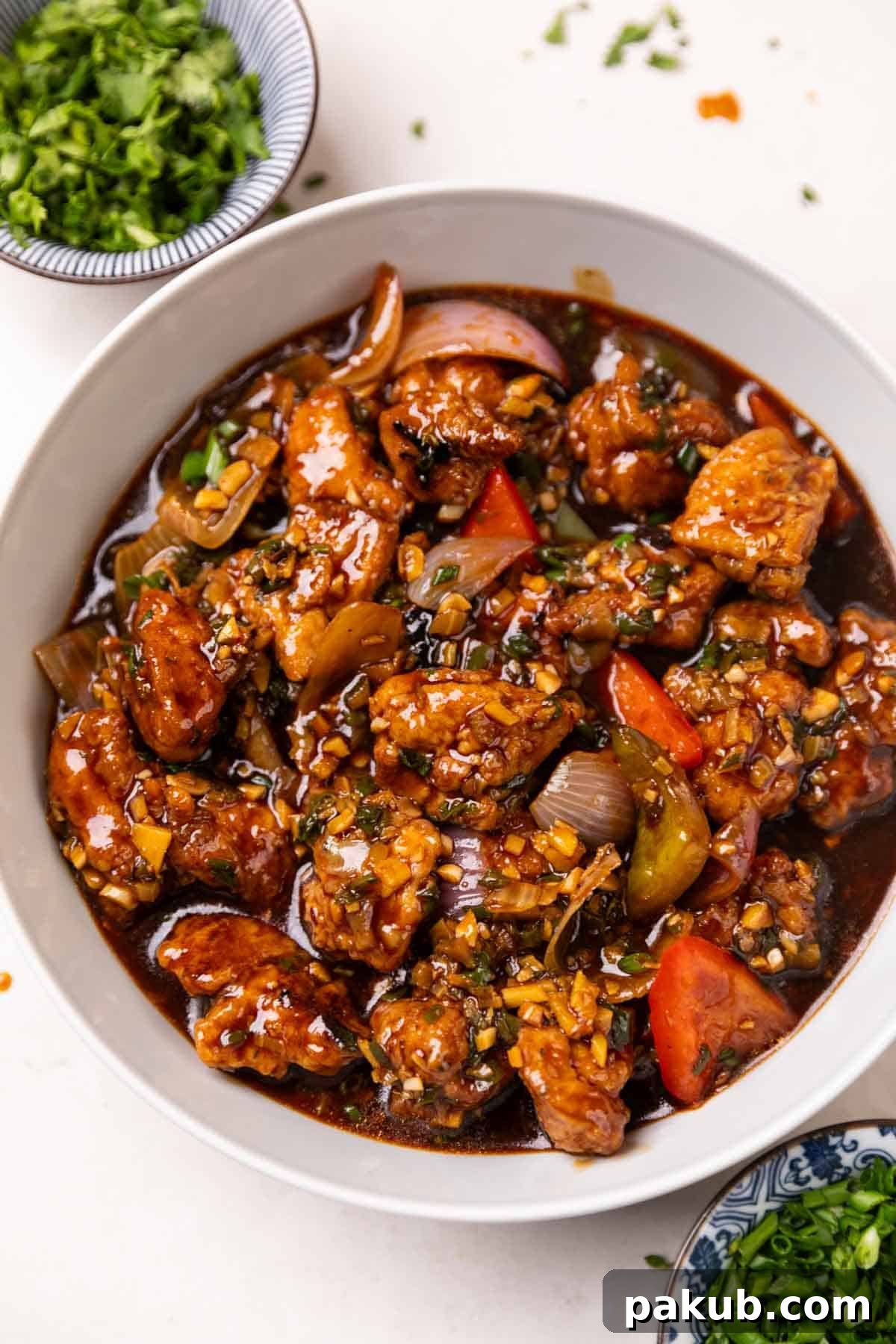
Crispy, saucy, spicy, and sweet—this homemade Chicken Manchurian recipe checks ALL the boxes for an unforgettable meal!
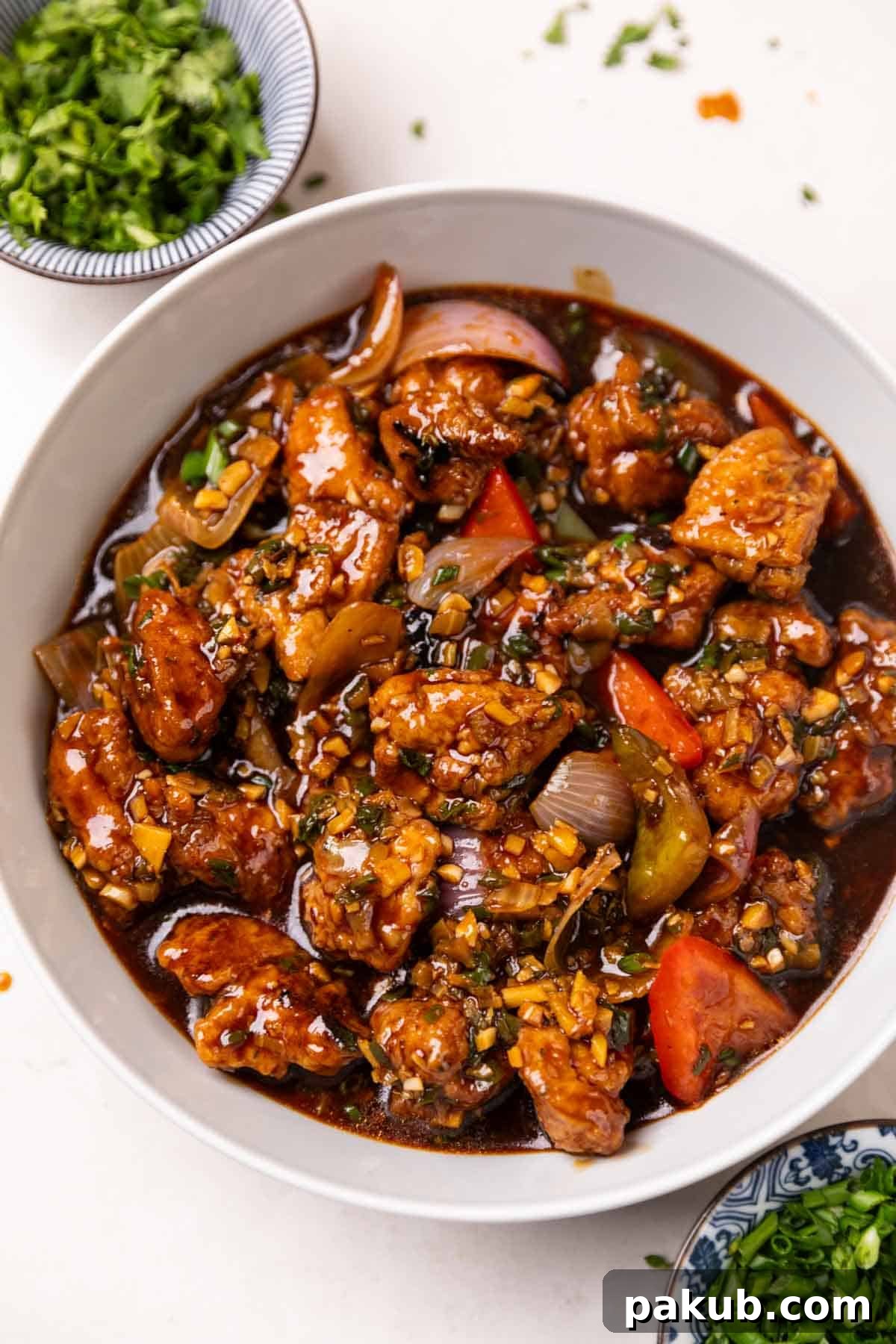
Are you craving that irresistible restaurant-style Indo-Chinese magic right in the comfort of your own kitchen? Look no further! This ultimate Chicken Manchurian recipe delivers an explosion of flavors and textures: perfectly crispy fried chicken bites enveloped in a thick, glossy sauce that masterfully balances sweet, spicy, and umami notes. And the best part? It’s all made from scratch, surprisingly easy, and incredibly satisfying!
Forget the long waits and questionable ingredients of takeout. Our homemade Chicken Manchurian is not just as good, it’s often even better – fresher, cleaner, and customized exactly to your liking. Each succulent piece of chicken is coated in a golden, crunchy batter, then tossed in a rich, aromatic sauce. This sauce, a delightful concoction of premium soy sauce, fiery chilies, fresh ginger, and pungent garlic, provides that quintessential smoky, spicy kick that defines Indo-Chinese cuisine.
Whether you serve it as a tantalizing starter to kick off a meal, pair it with fluffy fried rice for a complete dinner, or pour it generously over a bed of savory noodles, prepare for this dish to vanish in record time. It’s a true crowd-pleaser that will have everyone asking for seconds!
Table of Contents: Homemade Chicken Manchurian
- Why You’ll Absolutely Love This Recipe
- Key Ingredients for Authentic Chicken Manchurian
- Frequently Asked Questions About Chicken Manchurian
- Expert Tips for Perfect Chicken Manchurian
- The Fascinating Origin of Chicken Manchurian
- Watch Our Chicken Manchurian Recipe Video
Why You’ll Absolutely Love This Homemade Chicken Manchurian Recipe
This isn’t just another chicken dish; it’s an experience. Here’s why this Chicken Manchurian will become a staple in your recipe repertoire:
- Crispy & Saucy Perfection: Experience the ultimate textural contrast with every bite. The chicken pieces are fried to a golden, irresistible crisp, providing a satisfying crunch that gives way to tender, juicy meat. This crispiness is beautifully complemented by the rich, thick, and perfectly balanced Manchurian sauce that clings to every morsel, creating an explosion of flavor and texture that is simply divine.
- Faster Than Your Favorite Takeout: Say goodbye to long delivery times and hello to a gourmet meal in a flash! This recipe is designed for efficiency, getting you from prep to plate in approximately 25-30 minutes. It’s the ideal solution for busy weeknights when you crave something special without spending hours in the kitchen. Quick, easy, and packed with restaurant-level flavor!
- Infinitely Customizable to Your Taste: One of the greatest joys of cooking at home is the ability to tailor a dish to your precise preferences. Want it spicier? Add more green chilies. Prefer it less sweet? Adjust the ketchup. You can even choose your desired consistency – keep it dry for a zesty appetizer, or make it gravy-style to spoon over rice or noodles. For our vegetarian friends, this recipe is incredibly versatile: effortlessly swap out the chicken for succulent paneer, firm tofu, hearty mushrooms, or even cauliflower florets (Gobi Manchurian) to create equally delicious plant-based versions.
- Authentic Indo-Chinese Flavors at Home: Recreate the iconic, vibrant flavors of street-style Indo-Chinese cuisine in your own kitchen. This recipe captures the unique blend of Indian spices and traditional Chinese cooking techniques that defines Chicken Manchurian, ensuring an authentic taste experience.
- Impressive Yet Effortless: This dish looks and tastes incredibly impressive, making it perfect for entertaining guests or a special family dinner. Yet, the steps are straightforward and easy to follow, proving that gourmet flavors don’t have to come with complicated processes.
Key Ingredients for Crafting Authentic Chicken Manchurian
The secret to an outstanding Chicken Manchurian lies in thoughtful layering of flavors and textures. Don’t be intimidated by the list – each ingredient plays a crucial role and it’s simpler than you might imagine!
- Chicken: For the most tender and juicy results, we highly recommend using boneless chicken thighs, cut into ¾-inch cubes. Their higher fat content ensures they remain moist and flavorful even after frying. However, if you prefer, boneless chicken breast can also be used, just be careful not to overcook it.
- Crispy Coating (The Magic Batter): This is what gives our chicken that signature golden crunch. A balanced blend of cornflour (cornstarch) and maida (all-purpose flour) creates a light yet substantial batter, while an egg white acts as a binder, ensuring the coating adheres perfectly and fries to a beautiful crisp. A touch of salt and pepper in the marinade infuses flavor directly into the chicken.
- Aromatics – The Flavor Foundation: The true soul of Indo-Chinese cuisine comes from its aromatic base. Finely chopped ginger, abundant garlic, a hint of fresh celery, and vibrant green chilies are stir-fried to release their potent fragrances and build a complex flavor profile that is both warming and invigorating. These ingredients are non-negotiable for that authentic Manchurian taste.
- The Signature Manchurian Sauce Base: This thick, glossy, and incredibly flavorful sauce is what brings everything together.
- Soy Sauce: We use both light and dark soy sauce for depth of color and umami.
- Vinegar: Provides a crucial tangy counterpoint to the sweetness and richness.
- Green Chili Sauce: Adds an extra layer of heat and a distinctive spicy kick.
- Tomato Ketchup: Contributes sweetness and body, balancing the spicy and sour notes perfectly.
- White Pepper Powder: Offers a subtle, clean heat that is characteristic of Indo-Chinese dishes.
- Cornflour Slurry (The Thickening Secret): A simple mix of cornflour and water is essential for achieving the perfect consistency for your Manchurian sauce. It transforms a watery liquid into a luscious, glossy sauce that beautifully coats every piece of crispy chicken.
- Freshness and Crunch (Capsicum & Onions): Red and green capsicum (bell peppers), along with large petal-cut onions, are stir-fried briefly to retain a pleasant crunch. They add a burst of color, a hint of sweetness, and a fresh contrast to the rich sauce and fried chicken.
- Garnish: Freshly chopped spring onion greens and fragrant coriander leaves are not just for aesthetics; they add a final layer of fresh, vibrant flavor and aroma that elevates the entire dish.
Frequently Asked Questions About Homemade Chicken Manchurian
Absolutely! Chicken Manchurian is incredibly versatile. For a vegetarian version, simply swap the chicken for paneer (Indian cheese), firm tofu, mushrooms, or even cauliflower (Gobi Manchurian). Ensure your chosen substitute is cut into bite-sized pieces and follow the marination and frying steps, adjusting frying time as needed. For a vegan version, use tofu or cauliflower and omit the egg white from the batter; you can use a flax egg or a small amount of plant-based milk to bind the dry ingredients if necessary, though often cornflour and flour alone are sufficient.
Chicken Manchurian is celebrated for its harmonious balance of flavors. It’s typically a delightful symphony of sweet, spicy, tangy, and umami notes. The ketchup and sometimes a touch of sugar provide sweetness, while green chilies and green chili sauce bring the heat. Vinegar adds tang, and soy sauce contributes depth and umami. You can easily adjust the level of sweetness or spiciness to suit your preference by modifying the amount of green chilies, green chili sauce, and ketchup.
While both are popular South Asian chicken dishes, they hail from different culinary traditions and boast distinct flavor profiles. Chicken 65 is a fiery, dry, deep-fried chicken appetizer originating from South India. Its flavor is predominantly spicy, with notes of curry leaves, ginger, garlic, and red chilies, often having a vibrant red color. It’s typically served as a dry snack. Chicken Manchurian, on the other hand, is a classic Indo-Chinese dish, characterized by its glossy, thick, and well-balanced sweet, spicy, and tangy sauce. It often includes bell peppers and onions, and can be served dry as an appetizer or with gravy as a main course.
To store leftovers, allow the Chicken Manchurian to cool completely before transferring it to an airtight container. It can be refrigerated for up to 3 days. For best results when reheating, especially to retain some crispiness, we recommend using an air fryer or oven. Spread the chicken and sauce in a single layer and reheat at 350°F (175°C) for 8-10 minutes, or until heated through and slightly crisp again. Reheating in a microwave might make the chicken less crispy, though it will still be delicious.
Chicken Manchurian pairs wonderfully with a variety of side dishes. For a classic Indo-Chinese meal, serve it with vegetable fried rice, Hakka noodles, or plain steamed rice to soak up all that delicious sauce. It also makes an excellent appetizer on its own, garnished with fresh spring onions and cilantro. For a lighter meal, consider a simple cucumber or cabbage salad.
Richa’s Expert Tips for Achieving the Perfect Chicken Manchurian
- Double Fry for Next-Level Crispiness: This is a restaurant secret that makes all the difference! After the initial fry (which cooks the chicken through), remove the pieces and let them rest for a few minutes. Then, increase the oil temperature and fry them a second time for a shorter duration until deeply golden and extra crispy. This “double frying” technique renders the exterior incredibly crunchy and prevents it from becoming soggy when tossed in the sauce.
- Master the Wok Hei with High Heat: Indo-Chinese cooking thrives on high heat, which creates the coveted “Wok Hei” – a smoky, charred aroma and flavor that’s hard to replicate otherwise. Ensure your wok or kadai is screaming hot before adding the aromatics and vegetables. Stir-fry quickly and continuously to cook everything evenly and prevent burning, imparting that authentic smoky depth to your sauce. Don’t overcrowd the pan; cook in batches if necessary.
- Achieving Your Ideal Sauce Consistency: The beauty of homemade Manchurian is customization. If you prefer a thicker, richer sauce that thoroughly coats the chicken, use the suggested cornflour slurry amount. For a thinner, more gravy-like consistency, you can add an extra ¼ cup of water or vegetable broth to the sauce during the final simmering stage and let it reduce for a minute or two until it reaches your desired thickness. Always taste and adjust seasonings as you go!
- Prep Ahead for Seamless Cooking: Indo-Chinese stir-fries are fast-paced. To ensure a smooth cooking process, have all your ingredients prepped, chopped, and measured before you even turn on the stove. This includes marinating the chicken, dicing vegetables, chopping aromatics, and mixing your sauce ingredients. This “mise en place” strategy will make the cooking process enjoyable and stress-free.
- Don’t Overcrowd the Frying Pan: When frying the chicken, ensure you don’t overload your wok or kadai. Frying too many pieces at once will lower the oil temperature, leading to steamed rather than crispy chicken. Fry in small batches to maintain optimal oil temperature, ensuring each piece cooks evenly to a beautiful golden brown and develops maximum crispiness.
The Fascinating Origin Story: Did You Know?
Despite its distinctly “Chinese” name, Chicken Manchurian isn’t actually a traditional dish from China! This beloved culinary creation was ingeniously invented in India by the legendary Chef Nelson Wang in the 1970s. Working at his iconic China Garden restaurant in Mumbai, a discerning customer requested something truly novel. Chef Wang, with his pioneering spirit, decided to fuse classic Chinese cooking techniques with bold Indian flavors.
He combined staples like soy sauce and chilies with ginger, garlic, and other aromatics prevalent in Indian cooking, creating a revolutionary new flavor profile. Thus, a new culinary genre was born: Indo-Chinese cuisine, with Chicken Manchurian at its forefront. This fusion cuisine quickly became, and remains, immensely popular across India, adapting to local palates while retaining its unique character.
Today, Manchurian-style dishes are a true staple, found in almost every Indian-Chinese restaurant and household. The concept has expanded far beyond chicken, with delightful variations like Gobi Manchurian (crispy cauliflower florets), Paneer Manchurian (Indian cheese), and even Egg Manchurian, showcasing the incredible adaptability and enduring appeal of this accidental culinary masterpiece.
Once you experience the explosive flavors and satisfying textures of this homemade Chicken Manchurian, you’ll likely find yourself saying goodbye to takeout forever! It’s crispy, saucy, perfectly balanced, and bursting with bold flavors – making it an ideal choice for a quick and impressive weeknight meal, a delicious party appetizer, or a comforting family dinner.
We absolutely love seeing your culinary creations! If you tried this recipe, please share your delicious results on Instagram and tag me @my_foodstory. Your feedback and photos inspire us to keep cooking! 🍗🔥
Watch Our Step-by-Step Chicken Manchurian Recipe Video
Classic Chicken Manchurian Recipe
Rate Recipe
Print Recipe
Ingredients
For the Crispy Chicken Marinade
- 500 grams boneless chicken thighs, cut into ¾ inch cubes for optimal crispiness
- ½ teaspoon salt
- 1 teaspoon crushed black pepper
- 1 egg white
- 4 tablespoons cornflour, also known as cornstarch
- 1 tablespoon maida, all-purpose flour
- 2 teaspoons light soy sauce
- 4 tablespoons cooking oil, for deep frying chicken
For the Flavorful Manchurian Sauce
- 1 cup onions, cut into ¾ inch petals (refer to note 1 for technique)
- ½ green capsicum, cut into 1 inch squares, approx. ½ cup
- ½ red capsicum, cut into 1 inch squares, approx. ½ cup (optional, for color)
- 2 tablespoons finely chopped ginger
- 3 tablespoons finely chopped garlic
- ¼ cup finely chopped celery, adds a unique Indo-Chinese aroma
- 6 green chillies, finely chopped (adjust to your spice preference)
- 4 teaspoons dark soy sauce, for richer color and deeper flavor
- 2 teaspoons green chilli sauce
- 2 teaspoons tomato ketchup
- 2 teaspoons vinegar, preferably white vinegar
- ½ teaspoon white pepper powder
- 1 ¼ cups + 2 tablespoons water, divided for slurry and sauce
- ¼ teaspoon salt, optional, adjust to taste after adding soy sauce
- 1 tablespoon cornflour, for the slurry
- ¼ cup finely chopped spring onion greens, for vibrant garnish
- ¼ cup finely chopped coriander leaves, for fresh garnish
Instructions for the Perfect Chicken Manchurian
Step 1: Marinating & Frying the Chicken to Crisp Perfection
-
Begin by preparing the chicken marinade. In a spacious bowl, combine the boneless chicken thighs (cut into ¾ inch cubes) with ½ teaspoon of salt, 1 teaspoon of crushed black pepper, 1 egg white, 4 tablespoons of cornflour, 1 tablespoon of maida (all-purpose flour), and 2 teaspoons of light soy sauce. Mix these ingredients thoroughly until each chicken piece is evenly coated in the batter. For best results, allow the chicken to marinate for at least 15-20 minutes at room temperature, or up to 30 minutes in the refrigerator.500 grams boneless chicken thighs, ½ teaspoon salt, 1 teaspoon crushed pepper, 1 egg white, 4 tablespoons cornflour, 1 tablespoon maida, 2 teaspoons light soy sauce
-
Heat 4 tablespoons of cooking oil in a deep wok or kadai over medium-high heat until it shimmers. Carefully add the marinated chicken pieces in batches, ensuring you do not overcrowd the wok. Overcrowding can lower the oil temperature and result in soggy chicken. Fry each batch for 3-4 minutes, turning them once or twice, until they are golden brown and cooked through. Once fried, transfer the crispy chicken pieces to a plate lined with paper towels to drain excess oil. Set aside.4 tablespoons cooking oil
Step 2: Preparing the Vibrant Manchurian Sauce
-
In a separate small bowl, prepare the sauce mix. Whisk together 4 teaspoons of dark soy sauce, 2 teaspoons of green chili sauce, 2 teaspoons of tomato ketchup, 2 teaspoons of white vinegar, and ½ teaspoon of white pepper powder. Mix thoroughly until all ingredients are well combined. This is your flavorful sauce base.4 teaspoons dark soy sauce, 2 teaspoons green chilli sauce, 2 teaspoons tomato ketchup, 2 teaspoons vinegar, ½ teaspoon white pepper powder
Step 3: Crafting the Cornflour Slurry
-
For the cornflour slurry, take 1 tablespoon of cornflour and mix it with 2 tablespoons of water in a small cup. Stir until a smooth, lump-free paste is formed. This slurry will be used later to thicken the sauce to its perfect glossy consistency.1 tablespoon cornflour, 1 ¼ cups + 2 tablespoons water
Step 4: Stir-Frying the Sauce and Combining with Chicken
-
Discard the frying oil from the wok, but retain approximately 2 tablespoons of oil in the wok for preparing the Manchurian sauce. If there isn’t enough, add a little more fresh oil.
-
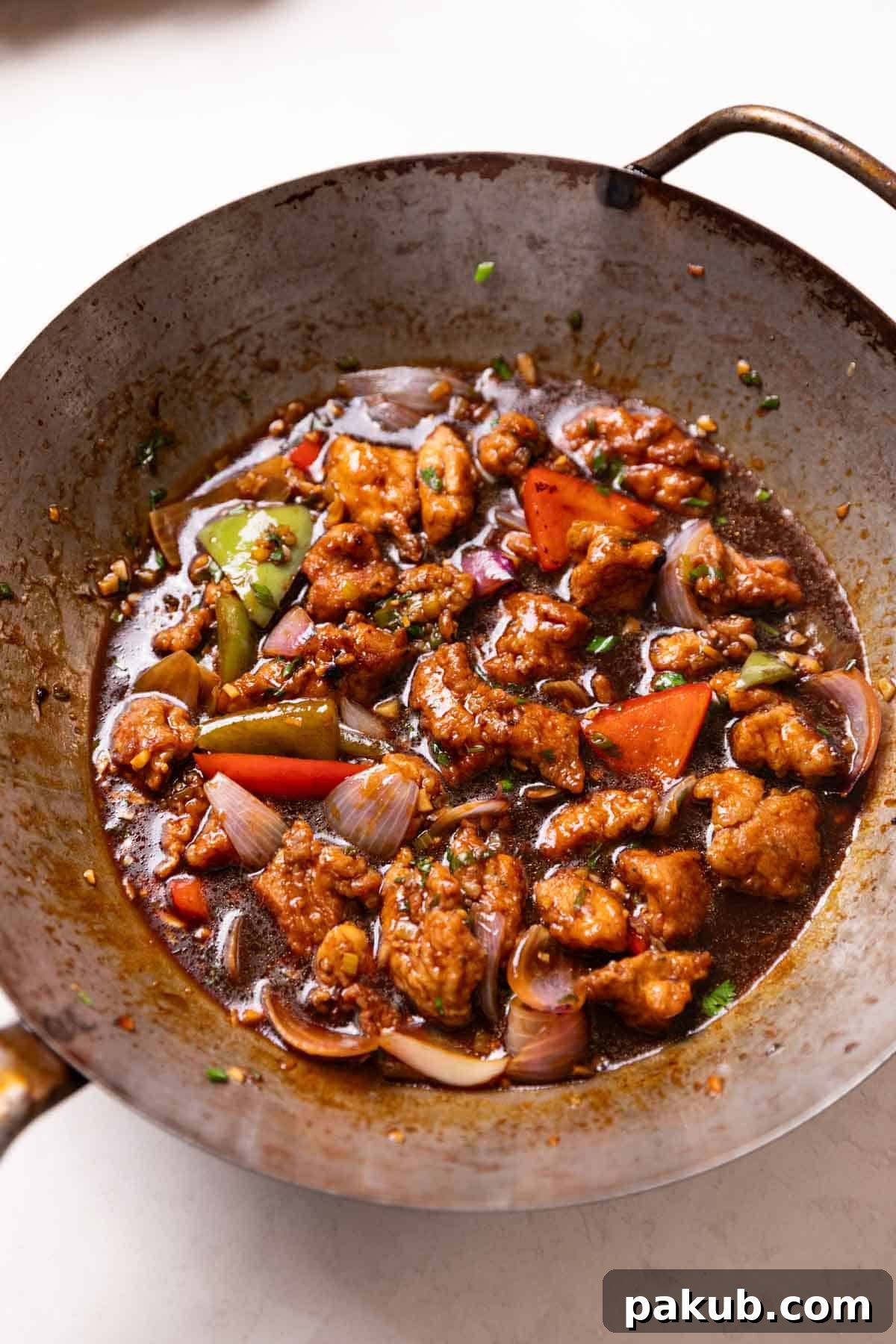
Heat the retained oil in the wok over high heat. Add the finely chopped ginger, garlic, celery, and green chilies. Sauté rapidly for about 1 minute until fragrant, taking care not to burn the garlic. Next, add the onion petals and capsicums (green and red if using). Stir-fry on high heat for 1-2 minutes until they are slightly tender-crisp. Now, add the previously fried chicken pieces to the wok and toss well to combine them with the sautéed vegetables and aromatics. Cook for another minute. Pour in the prepared sauce mix, along with the white pepper powder and optional ¼ teaspoon of salt (taste first, as soy sauce is salty). Toss everything vigorously on high heat, ensuring the sauce thoroughly coats the chicken and vegetables. Immediately add the cornflour slurry and continue to toss for a minute. Finally, add the remaining 1 ¼ cups of water. Continue to stir-fry on high for 2-3 minutes, allowing the sauce to thicken and become glossy, coating all the ingredients beautifully.1 cup onions, ½ green capsicum, ½ red capsicum, 2 tablespoons finely chopped ginger, 3 tablespoons finely chopped garlic, ¼ cup finely chopped celery, 6 green chillies, ¼ cup finely chopped spring onion greens, ¼ teaspoon salt
-
Once the sauce has reached your desired consistency, remove the wok from heat. Garnish generously with finely chopped spring onion greens and fresh coriander leaves for a final burst of flavor and color. Serve your irresistible homemade Chicken Manchurian immediately, either as a standalone appetizer or alongside your favorite rice or noodles. Enjoy!¼ cup finely chopped coriander leaves
Watch the Recipe Video
Chef’s Notes for Enhanced Flavor and Technique
- How to make onion petals: To achieve the classic Indo-Chinese onion “petals,” first slice the onions into ¾-inch thick rounds. Then, carefully separate each layer of the onion, breaking them apart to form distinct, curved petals. These petals retain a pleasant bite and visual appeal when stir-fried.
- You have full control over the final consistency of your Manchurian sauce. If you prefer a thinner gravy, add an extra 1-2 tablespoons of water during the final simmering stage. For an even thicker sauce, you can prepare a small additional cornflour slurry (½ teaspoon cornflour mixed with 1 tablespoon water) and stir it in gradually until the desired thickness is achieved. Always ensure the sauce is allowed to simmer for a minute or two after adding liquid/slurry to cook out any raw cornflour taste.
- For an extra layer of flavor: Consider adding a tiny pinch of MSG (monosodium glutamate) to the sauce along with the other seasonings. This is a common practice in Indo-Chinese cuisine to enhance the umami depth, giving it an even more authentic “restaurant-style” taste. Use sparingly if desired.
- Double Frying for Maximum Crispness: If you desire exceptionally crispy chicken that holds up well in the sauce, consider double frying. After the first fry (which cooks the chicken), remove the pieces, increase the oil temperature slightly, and then quickly fry them again for 30-60 seconds until they are extra golden and crunchy. This technique creates an incredibly durable crisp exterior.
Nutrition Information (Estimated Per Serving)
Enjoyed this recipe? Share your thoughts and rate it below!
This article was researched, written, and optimized by Harita Odedra.