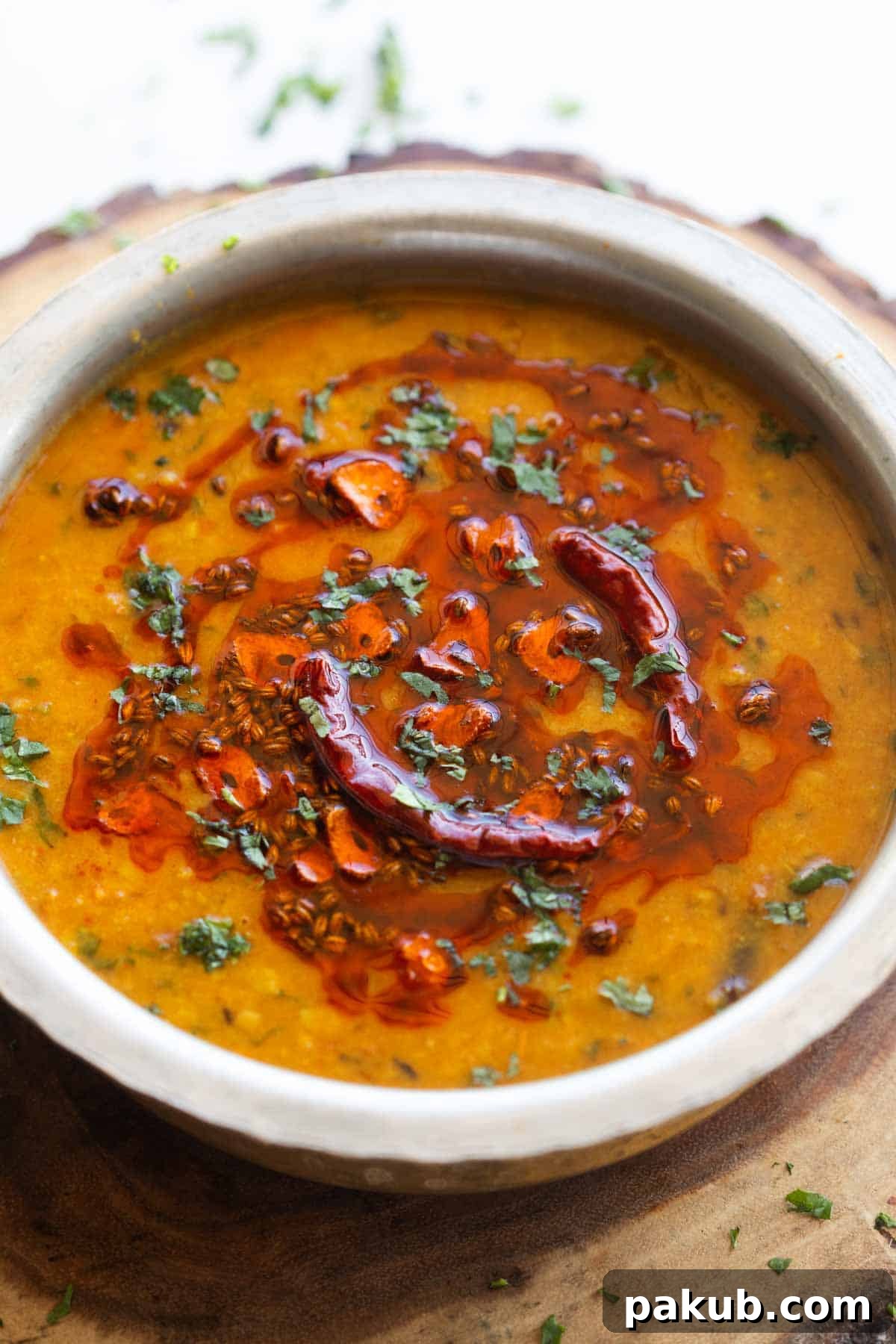
If comfort truly had a flavor, it would undoubtedly taste like a hearty bowl of Dal Tadka. This iconic Indian lentil dish, with its creamy texture, smoky tempering, and vibrant spices, has a unique ability to transform any meal into a soul-satisfying experience.
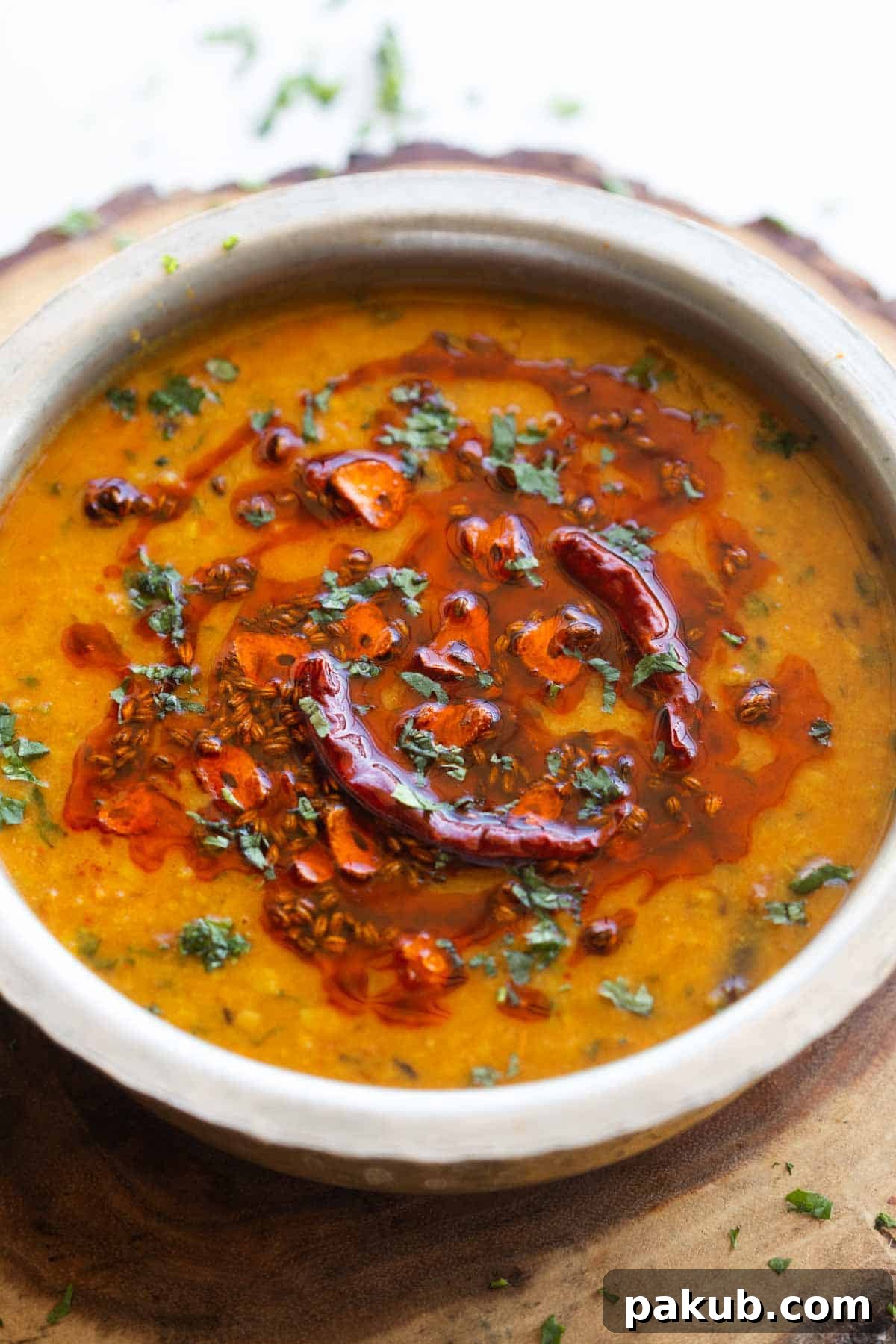
The Heart of Indian Cuisine: Unveiling Dal Tadka
Few dishes evoke the same sense of warmth and homecoming as a simple yet profoundly flavorful bowl of dal paired with fluffy rice. Dal, or lentils, are a cornerstone of Indian cuisine, providing essential protein and a canvas for an incredible array of spices. Among the countless variations, Dal Tadka stands out as a universally beloved comfort food, a staple found in nearly every Indian household, whether for a quick weekday dinner or a leisurely Sunday lunch. Its appeal lies in its simplicity, wholesome nature, and the sheer depth of flavor it offers.
Dal Tadka is more than just a lentil curry; it’s an experience. It’s characterised by perfectly cooked, often mashed lentils, simmered with a delicate blend of aromatics and spices, then finished with a spectacular “tadka” – a sizzling tempering of whole spices in ghee or oil. This final flourish is where the magic truly happens, infusing the dal with an irresistible smoky aroma and a burst of flavor that elevates it from simple to sublime.
If you’ve been hesitant to try preparing this classic dish from scratch, this comprehensive Dal Tadka recipe is your perfect starting point. We’ll guide you through each step with clear, concise instructions, ensuring your journey from basic ingredients to a steaming bowl of delicious dal is both simple and rewarding. With just a handful of pantry staples, a little patience for slow simmering, and that ultimate crackle of ghee and spices, you’ll recreate a dish that feels like a warm, comforting embrace with every spoonful.
Table of Contents: Your Dal Tadka Journey
- The Wholesome Goodness: Health Benefits of Lentils
- Dal Tadka Ingredients: The Flavor Foundation
- How to Make the Perfect Dal: Step-by-Step
- Mastering the Tadka: The Soul of the Dish
- Expert Tips for the Tastiest Dal Tadka
- Frequently Asked Questions About Dal Tadka
- Storage and Reheating Tips
- Serving Suggestions: What to Pair with Dal Tadka
- Customisation and Variations
- Watch the Dal Tadka Recipe Video
The Wholesome Goodness: Health Benefits of Lentils
Before diving into the recipe, it’s worth appreciating the nutritional powerhouse that lentils are. Dal Tadka, in particular, offers a fantastic blend of flavor and health benefits. Lentils are:
- Rich in Protein: An excellent source of plant-based protein, making Dal Tadka a highly satisfying and nourishing vegetarian meal.
- High in Fiber: Dietary fiber aids digestion, helps maintain healthy blood sugar levels, and contributes to a feeling of fullness.
- Packed with Essential Nutrients: Lentils provide a good amount of iron, folate, magnesium, and B vitamins, all crucial for overall health and energy.
- Low in Fat: Naturally low in saturated fat, contributing to heart health, especially when prepared with healthy oils or ghee in moderation.
Incorporating Dal Tadka into your diet is a delicious way to boost your nutrient intake and enjoy a truly wholesome meal.
Dal Tadka Ingredients: The Flavor Foundation
Crafting an authentic Dal Tadka begins with selecting the right ingredients. Each component plays a vital role in building the dish’s distinctive flavor profile:
- Lentils (Dal): The star of the dish. Toor dal (split pigeon peas) is the traditional and most common choice, offering a delightfully creamy and smooth texture when cooked. However, you can also experiment with moong dal (yellow split lentils) for a lighter consistency or a mix of both for added depth. Soaking the lentils beforehand significantly reduces cooking time and helps achieve that desired creamy mash.
- Aromatics: A pungent and fragrant foundation. Onions, tomatoes, fresh garlic, and ginger are finely chopped and sautéed to create a rich, savory base that forms the heart of the dal’s flavor. Their slow caramelization is key to developing a complex taste.
- Essential Spices for the Dal: A simple yet powerful blend. You’ll typically need turmeric powder for its earthy notes and characteristic yellow color, red chili powder for a gentle warmth, cumin powder for its warm, slightly sweet aroma, and coriander powder for a citrusy, floral undertone. Don’t forget salt to taste, balancing all the flavors.
- For the Tadka (Tempering): The unforgettable finishing sizzle. This separate infusion of flavor is made by heating ghee (clarified butter) or oil. Into this hot fat, whole spices like mustard seeds (which pop and release a sharp, nutty flavor), cumin seeds (for a warm, earthy aroma), dried red chillies (for a mild heat and beautiful presentation), asafoetida (hing) (a crucial ingredient for digestion and a savory, garlicky aroma), and fresh curry leaves (for their unique, slightly citrusy, aromatic fragrance) are added. This tempering is what truly defines “Dal Tadka.”
- Finishing Touches: Elevating the experience. Freshly chopped coriander leaves provide a bright, herbaceous garnish and a final aromatic lift. A squeeze of fresh lemon juice adds a touch of acidity, brightening the overall flavor. An optional spoon of extra ghee drizzled on top just before serving adds a luxurious, rich, and homely touch.
How to Make the Perfect Dal: Step-by-Step
The journey to a perfect Dal Tadka begins with cooking the lentils to a creamy consistency, followed by building the foundational flavors. Here’s how to do it:
Part 1: Cooking the Lentils
- Prepare the Dal: Begin by thoroughly washing ½ cup of Toor Dal (or your chosen lentil blend) under running water until the water runs clear. Soak the dal in fresh water for at least 30 minutes, or up to an hour. Soaking helps the lentils cook faster and achieve a smoother, creamier texture.
- Pressure Cook: Drain the soaked dal and transfer it to a pressure cooker. Add 1½ cups of water, ¼ teaspoon of salt, ¼ teaspoon of turmeric powder, and ½ teaspoon of groundnut oil (or any neutral cooking oil). The oil helps prevent frothing and ensures smooth cooking.
- Cook to Perfection: Close the pressure cooker lid. Cook on high heat until the first whistle blows, then reduce the heat to low and cook for another 2 whistles. If you prefer a very mushy dal, cook for 3 whistles in total. Allow the pressure cooker to naturally release its pressure before opening the lid.
- Mash for Creaminess: Once the pressure has released, open the cooker. Use a whisk or the back of a ladle to gently mash the cooked dal until it reaches a smooth, creamy consistency. This step is crucial for that characteristic comforting texture of Dal Tadka. Set the cooked dal aside and keep it warm.
Part 2: Building the Flavor Base for the Dal
- Heat Oil: In a separate pan or kadai (wok) on medium heat, add 2 tablespoons of groundnut oil (or neutral cooking oil).
- Temper Cumin Seeds: Once the oil is hot, add ½ teaspoon of cumin seeds. Let them sizzle and crackle for a few seconds until fragrant.
- Add Asafoetida & Garlic: Quickly stir in ⅛ teaspoon of asafoetida (hing) and 1½ teaspoons of finely chopped garlic. Sauté on high heat for a few seconds until the garlic turns lightly golden and aromatic, taking care not to burn it.
- Introduce Ginger & Green Chili: Add ½ teaspoon of finely chopped ginger and 1 finely chopped green chili. Sauté for about a minute, allowing their fresh flavors to meld with the garlic.
- Sauté Onions: Add 1 medium finely chopped onion (approximately ¼ cup) to the pan. Sauté on low to medium heat for 1-2 minutes until the onions turn light golden brown and translucent.
- Softene Tomatoes: Stir in 1 finely chopped tomato (approximately ½ cup). Cook for 1-2 minutes until the tomatoes soften and release their juices.
- Spice it Up: Add ¼ teaspoon of salt (adjusting for the salt already in the dal), ¼ teaspoon of cumin powder, ¼ teaspoon of red chili powder, and ½ teaspoon of coriander powder. Sauté the spices with the aromatics for a few seconds until fragrant, ensuring they don’t burn.
- Combine with Dal: Pour the cooked and mashed dal into the pan with the sautéed aromatics and spices. Give it a good mix, ensuring all the flavors are well combined.
- Simmer to Absorb: Let the dal simmer gently for 8-10 minutes on low heat. This allows the dal to absorb all the wonderful flavors of the masalas, deepening its taste. Adjust consistency by adding a splash of hot water if it becomes too thick. Take off the heat once adequately simmered.
Mastering the Tadka: The Soul of the Dish
The “tadka,” or tempering, is the crowning glory of Dal Tadka. It’s a technique where whole spices are quickly fried in hot ghee or oil and then poured over the dal, infusing it with a burst of fresh, toasted flavors and aromas. This final step is crucial for achieving that characteristic restaurant-style taste and rich fragrance.
- Heat Ghee/Oil: While the dal is still hot and ready to serve, heat 1½ teaspoons of ghee (or oil for a vegan version) in a small tempering pan or a small frying pan on medium heat. Ensure the ghee is shimmering but not smoking.
- Cumin Seeds First: Add ¼ teaspoon of cumin seeds to the hot ghee. They should immediately begin to sizzle and crackle, releasing their earthy aroma. Fry them for just a few seconds until they turn a light golden color.
- Garlic’s Golden Touch: Next, add 1 teaspoon of finely chopped garlic. Fry the garlic for 1-2 minutes on low to medium heat until it turns a beautiful light golden brown. Be careful not to let it get too dark, as burnt garlic can taste bitter.
- Red Chillies for Heat and Color: Add 3 whole dried red chillies to the pan. Let them roast for a few seconds, swirling the pan gently, until they deepen in color to a vibrant red but are still pliable, not brittle or burnt.
- Final Chili Powder (Off Heat): Immediately take the pan off the heat. This is important to prevent the chili powder from burning. Stir in ¼ teaspoon of red chili powder. The residual heat of the ghee will toast the powder, intensifying its color and flavor without making it bitter.
- Pour and Sizzle: Without delay, pour the hot, sizzling tadka directly over the prepared dal. Listen to that satisfying sizzle! Stir gently to combine the tadka with the dal, allowing its flavors to permeate the entire dish.
- Garnish and Serve: Garnish generously with 3 tablespoons of finely chopped fresh coriander leaves. Serve immediately.
Expert Tips for the Tastiest Dal Tadka
Even though Dal Tadka is a relatively simple dish, a few key techniques can elevate it from good to absolutely outstanding. Here are some expert tips to ensure your homemade Dal Tadka is bursting with flavor:
- Soak Your Lentils: This step is often overlooked but is crucial. Soaking Toor dal for at least 30 minutes (or even longer, up to 2 hours) before cooking helps them soften evenly and cook much faster. It also contributes to that desirable smooth, creamy consistency, which is harder to achieve with unsoaked lentils.
- Achieve the Right Dal Consistency: After pressure cooking, don’t hesitate to mash your dal thoroughly with a whisk or the back of a spoon. This breaks down the lentils and creates a wonderfully rich and creamy texture that’s characteristic of an excellent Dal Tadka. If it’s too thick, add a splash of hot water to reach your preferred pourable consistency.
- Don’t Rush the Simmer: After combining the cooked dal with the sautéed aromatics and spices, allow it to simmer gently for at least 8-10 minutes. This crucial step allows the dal to absorb all the complex flavors of the masala, deepening its taste and ensuring a well-rounded dish. Low and slow is the way to go here.
- Master the Tadka Timing: The tempering is the soul of Dal Tadka. Ensure your ghee or oil is hot before adding the whole spices (cumin seeds, mustard seeds). They should sizzle and crackle instantly. Watch the garlic carefully; it should turn golden, not dark brown, as burnt garlic tastes bitter. Add powdered spices (like red chili powder) off the heat to prevent them from burning.
- Adjust Spices to Your Liking: The beauty of home cooking is customization. If you prefer a milder flavor, reduce the amount of red chili powder or skip the green chilies in the initial sauté. If you enjoy a bit more heat, feel free to add an extra green chili or a pinch more red chili powder. Always taste and adjust as you go.
- For an Extra Creamy Finish: To make your dal even richer and smoother, once cooked, take a small portion of the mashed dal and blend it into a fine paste. Stir this paste back into the main pot of dal. This technique significantly enhances the creaminess without adding any extra fat.
- Fresh Ingredients Matter: While convenience is great, using fresh garlic, ginger, green chilies, and especially coriander leaves makes a noticeable difference in the overall aroma and vibrancy of your Dal Tadka.
Frequently Asked Questions About Dal Tadka
Dal Tadka is a quintessential Indian lentil curry, celebrated for its rich flavor and comforting texture. It’s prepared by cooking lentils (typically Toor dal) until soft and creamy, and then finishing the dish with a flavorful tempering, known as “tadka,” which consists of spices like cumin, garlic, and dried red chilies sizzled in ghee or oil. This final tempering gives the dal its signature smoky and aromatic profile.
The most traditional and popular choice for Dal Tadka is Toor dal, also known as Arhar dal or yellow split pigeon peas. However, many variations exist, and you can also use moong dal (yellow split lentils) for a lighter texture, masoor dal (red lentils) for quicker cooking, or even a combination of two or more types of lentils to achieve a unique flavor and consistency.
Both Dal Fry and Dal Tadka are popular lentil dishes, but their preparation methods differ in one key aspect: the tempering. In Dal Tadka, the fragrant spiced oil (tadka) is prepared separately and poured over the cooked dal just before serving, creating a fresh burst of flavor and a distinct smoky aroma. Dal Fry, on the other hand, typically involves cooking the lentils directly with the spices and aromatics from the beginning, without a separate tempering at the end, resulting in a more integrated, but less “punctuated” flavor.
Dal Tadka is generally mildly spiced, designed to be warming and aromatic rather than intensely hot. The level of spiciness can be easily adjusted to personal preference. If you prefer a milder taste, simply reduce the amount of red chili powder or skip the green chilies in the recipe. For those who enjoy more heat, a little extra chili can be added.
Absolutely! Dal Tadka is very adaptable for a vegan diet. Simply substitute ghee with a neutral cooking oil such as groundnut oil, sunflower oil, or coconut oil for the entire recipe, including the final tempering. The flavors of the spices and lentils will still shine through beautifully.
Storage and Reheating Tips
Dal Tadka often tastes even better the next day as the flavors continue to meld. Proper storage and reheating will ensure you can enjoy your delicious creation for days to come:
- Fridge: Store any leftover Dal Tadka in an airtight container in the refrigerator for up to 3 days. When reheating, it’s best to do so on the stovetop over low heat, adding a splash of water or vegetable broth if the dal has thickened too much. For an extra boost of fresh flavor, consider making a quick mini-tadka (a small tempering of cumin seeds and garlic in ghee/oil) to pour over the reheated dal just before serving.
- Freezer: Dal Tadka freezes exceptionally well, making it perfect for meal prep. Portion the dal into freezer-safe containers or bags and store for up to a month. To thaw, simply transfer it to the refrigerator overnight. Reheat gently on the stovetop, stirring occasionally, and adjust the consistency with a little water if needed. A fresh tadka before serving will revive its aroma beautifully.
- Room Temperature: Due to its cooked lentil base, Dal Tadka should not be left at room temperature for more than 2 hours, especially in warm climates, to prevent spoilage. Always cool it down quickly before refrigerating or freezing.
Serving Suggestions: What to Pair with Dal Tadka
Dal Tadka is that versatile dish that effortlessly completes any Indian meal. Its rich, comforting flavors pair wonderfully with a variety of accompaniments. Here are some classic and easy serving ideas to enhance your dining experience:
- With Jeera Rice: This is arguably the most classic and beloved combination. Soft, aromatic basmati rice lightly tempered with cumin seeds is the perfect canvas to soak up every drop of the creamy, spiced dal goodness.
- With Chapati or Phulka: For a lighter, traditional pairing, serve Dal Tadka with freshly made, soft homemade rotis (Indian flatbreads) or phulkas. These pliable breads are ideal for scooping up the luscious dal.
- With Garlic Naan: Indulge in a restaurant-style experience at home by pairing your Dal Tadka with warm, pillowy garlic naan. The buttery, garlicky notes of the naan perfectly complement the robust flavors of the dal.
- As a Wholesome Bowl Meal: For a quick and satisfying meal, simply spoon the Dal Tadka over a bed of steamed rice. Top it with finely chopped red onions, a generous sprinkle of fresh coriander, and a squeeze of fresh lemon juice for a complete, nutritious, and delicious bowl meal.
- Alongside Vegetable Sides: To create a full North Indian-style spread, serve Dal Tadka with popular vegetable dishes such as Aloo Gobi (potato and cauliflower curry) or Bhindi Masala (spiced okra). The combination offers a delightful array of textures and flavors.
- With a Simple Salad or Raita: A refreshing side like a kachumber salad (diced cucumber, onion, tomato) or a cool cucumber raita (yogurt dip) can cut through the richness of the dal and provide a lovely contrast.
Customisation and Variations
Dal Tadka is incredibly versatile, allowing for various customizations to suit your taste preferences or dietary needs. Don’t be afraid to experiment and make it your own!
- Smoky Dhaba-Style Twist (Charcoal Infusion): For that signature, deep smoky flavor reminiscent of roadside Indian eateries (dhabas), try the “dhungar” method. Heat a small piece of charcoal until it’s red hot. Place it in a small steel bowl or a piece of foil, set it in the center of your cooked dal, drizzle a teaspoon of ghee over the charcoal, and immediately cover the pot with a lid for 1-2 minutes. The smoky aroma will infuse beautifully into the dal, creating an unforgettable experience. Remove the charcoal before serving.
- Vegan-Friendly Swap: As mentioned, Dal Tadka is easily made vegan. Simply use your preferred neutral cooking oil (like groundnut, sunflower, or coconut oil) instead of ghee for both the initial cooking and the final tempering. The robust spices ensure no flavor is lost.
- Mix and Match Dals: While Toor dal is classic, feel free to experiment with other lentils. Combining Toor dal with Moong dal in equal parts can yield a creamier texture and a slightly different, yet equally delicious, flavor profile. Masoor dal (red lentils) can be added for faster cooking and a distinct taste.
- Add a Touch of Sweetness/Tang: For a more complex flavor, some regional variations include a pinch of sugar or jaggery to balance the spices, or a small amount of tamarind paste for an added tanginess. This can round out the flavors beautifully.
- Incorporate Vegetables: While traditionally a plain lentil dish, you can subtly incorporate finely chopped vegetables like spinach, bottle gourd (lauki), or carrots during the initial cooking stage of the dal for added nutrients and texture.
- Fresh Herb Alternatives: If you don’t have coriander, a small amount of finely chopped mint or even a few fenugreek leaves (kasuri methi), crushed and added at the end, can offer a different aromatic dimension.
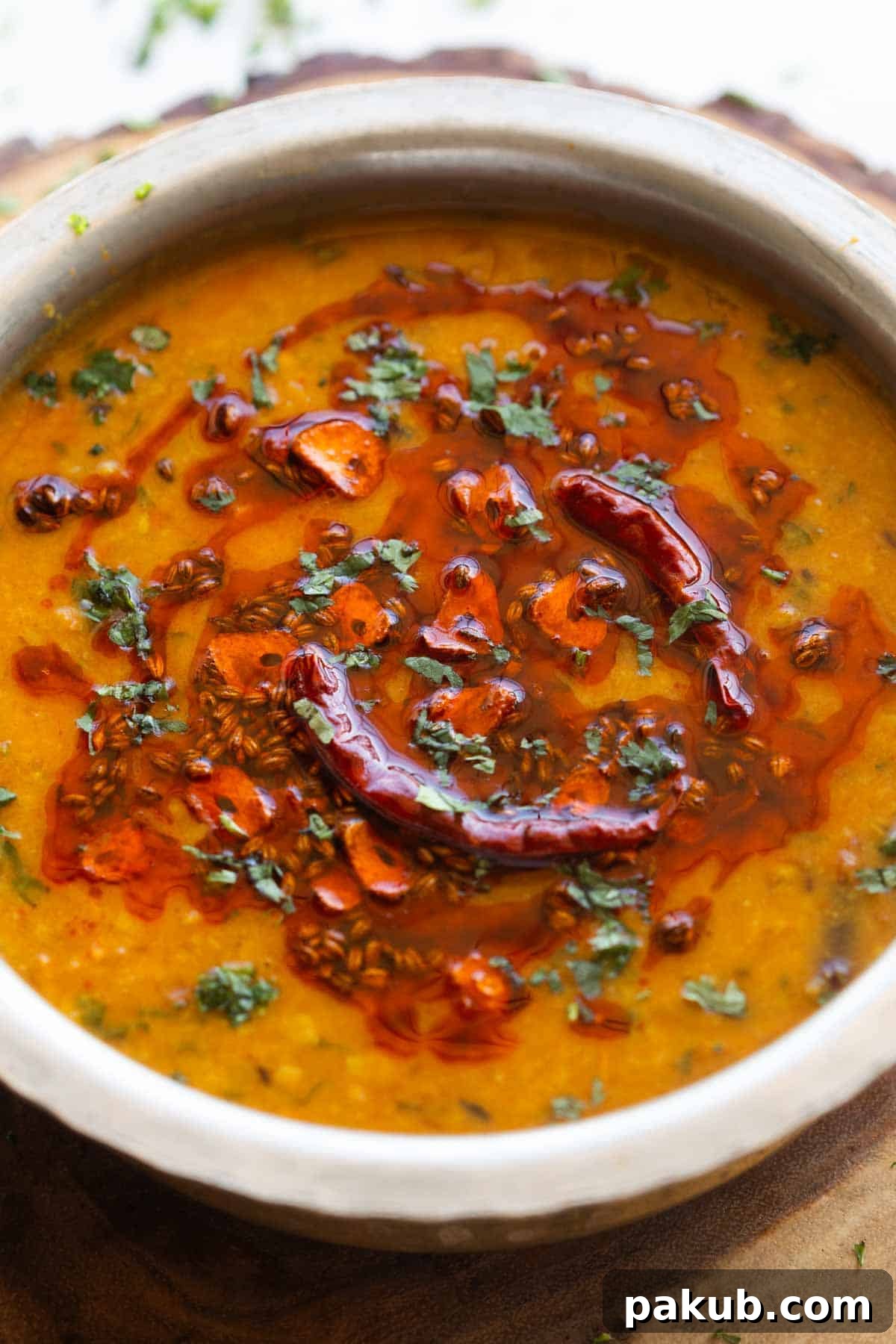
A comforting bowl of Dal Tadka is a timeless culinary delight that never loses its charm or appeal. Whether you are cooking for yourself, your family, or entertaining a gathering of friends, this recipe promises to bring everyone together around the table. Serve it piping hot with freshly made rice or roti, and remember that final flourish: a generous drizzle of ghee and a bright squeeze of lemon before you dig in, enhancing every delicious bite.
If you create this wonderful dish, we’d be thrilled to see your cozy bowl of dal! Tag us on Instagram @myfoodstory and share your culinary masterpiece!
Watch the Dal Tadka Recipe Video
No ratings yet
Dal Tadka
Richa
5 mins
30 mins
35 mins
4 people
Pin Recipe
Rate Recipe
Print Recipe
Equipment
-
1 Pressure Cooker
Ingredients
For cooking dal
- ½ cup tur dal, washed and soaked for 30 minutes
- ¼ teaspoon salt
- ¼ teaspoon turmeric powder, haldi
- ½ teaspoon groundnut oil or any neutral cooking oil
- 1 ½ cups water
For dal tadka
- 2 tablespoons groundnut oil or any neutral cooking oil
- ½ teaspoon cumin seeds, jeera
- ⅛ teaspoon asafoetida, hing
- 1½ teaspoons finely chopped garlic
- ½ teaspoon finely chopped ginger
- 1 green chilli, finely chopped
- 1 medium onion, finely chopped (¼ cup)
- 1 tomato, finely chopped (½ cup)
- ¼ teaspoon salt
- ¼ teaspoon cumin powder
- ¼ teaspoon red chilli powder
- ½ teaspoon coriander powder
- 3 tablespoons finely chopped coriander leaves
For tempering
- 1 ½ teaspoons ghee
- ¼ teaspoon cumin seeds, jeera
- 1 teaspoons finely chopped garlic
- 3 red chillies, whole
- ¼ teaspoon red chilli powder
Instructions
-
Add soaked dal to a pressure cooker with salt, turmeric powder, oil & water. Cook on high until the 1st whistle & on low till the 2nd whistle and take off the heat. If you prefer mushy dal, cook till the 3rd whistle. Let it depressurise by itself. Mash the dal using a whisk or ladle to get a smooth texture.
-
Heat 2 tablespoons of oil in a pan or kadai, add cumin seeds and once they crackle, add asafoetida, garlic & saute on high for a few seconds till garlic is fragrant. Add ginger, green chilli and saute for a minute. Add onions & saute on low for 1-2 minutes till onions turn light golden. Add tomatoes & cook for 1-2 minutes till they soften. Add salt, cumin powder, red chilli powder, coriander powder & saute for a few seconds. Add the cooked dal, give a good mix and cook for 8-10 minutes till dal absorbs all the masalas. Take off the heat.
-
While dal is hot, heat a tempering or tadka pan with ghee. Add cumin seeds and once they crackle, add garlic & fry for 1-2 minutes on low till the garlic is light golden. Add red chillies & let them roast for a few seconds till they turn deep red but not dark. Take the pan off the heat, add red chilli powder, mix well and pour the tadka on the hot dal. Garnish with coriander leaves and serve.
Video
Notes
- Soaking dal before cooking, helps in cooking the lentils faster & helps to get smooth creamy consistency of the dal.
- The tempering or tadka adds authentic flavour, so do not skip it.
Nutrition
Like this recipe? Rate and comment below!
This article was researched and written by Harita Odedra.