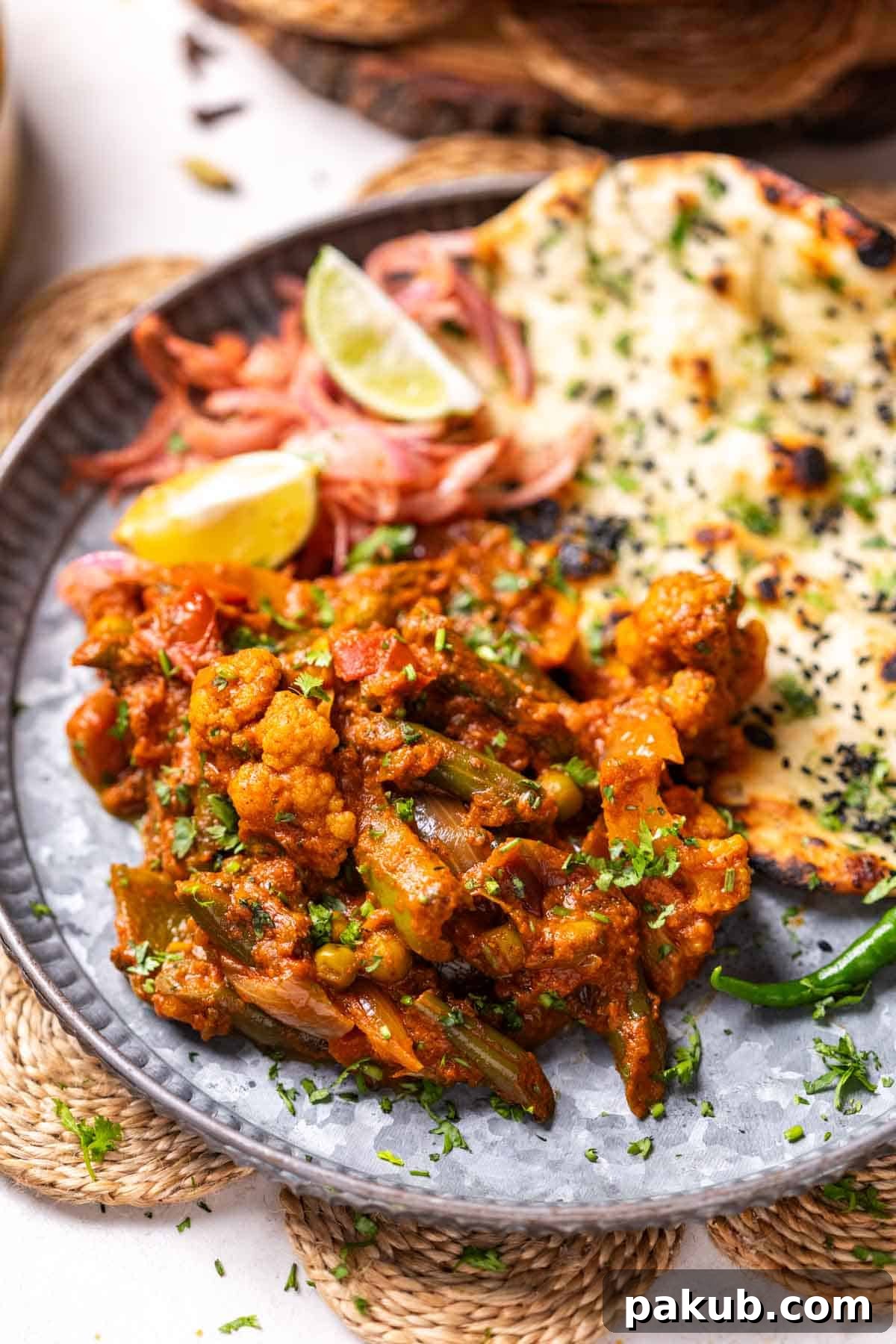
If you believe vegetarian curries lack excitement, this vibrant Veg Kadai recipe is about to change your perception. It’s a hearty, flavorful, and truly restaurant-style Indian dish you can easily recreate in your own kitchen!
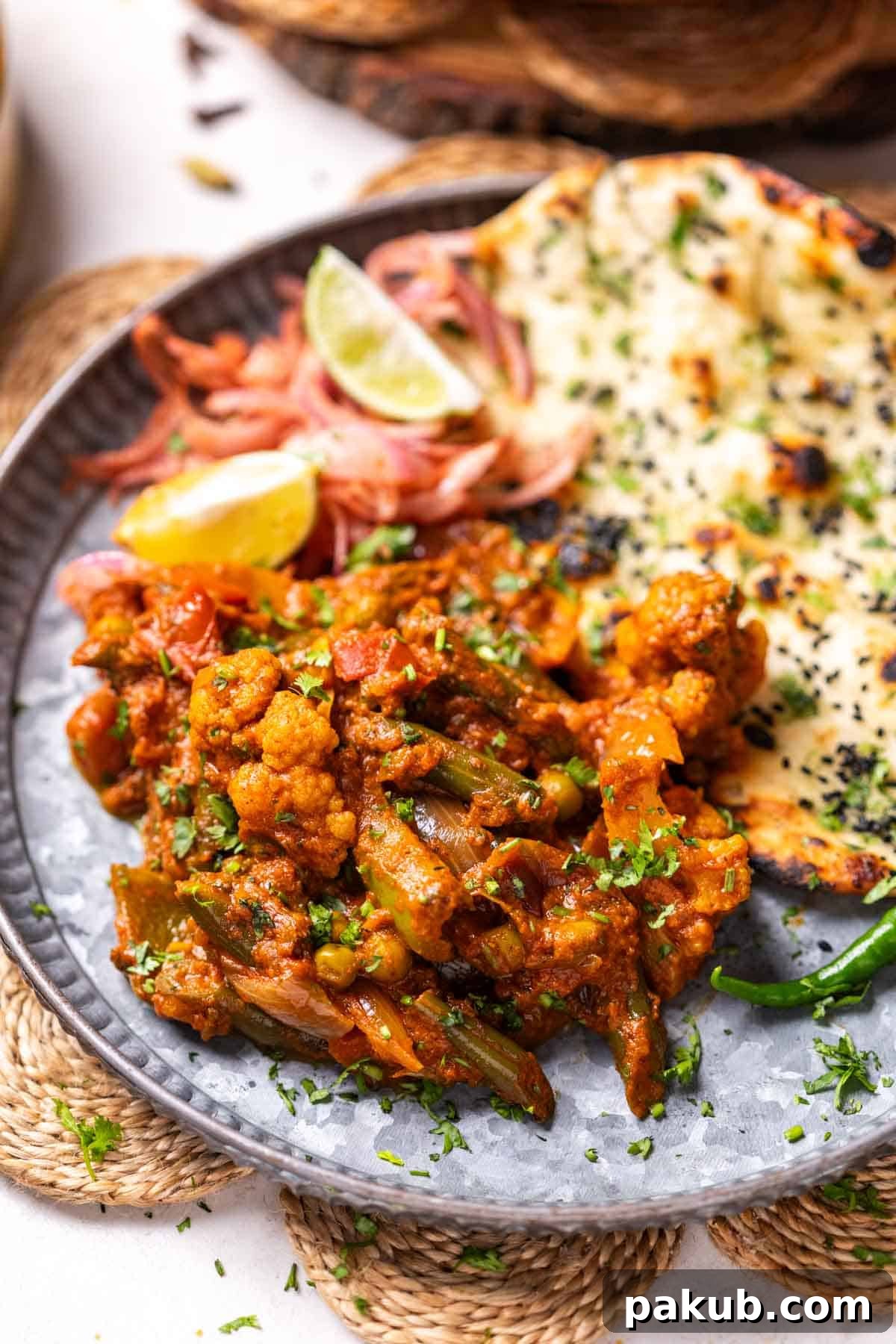
Authentic Veg Kadai: Master the Art of Restaurant-Style Indian Vegetarian Curry at Home
Some of the most cherished recipes aren’t found in cookbooks but live vividly in our memories. For me, Veg Kadai evokes the joyful chaos of Sunday lunches during childhood—the kitchen filled with the sizzle of spices, the aroma of ginger and garlic, and a colorful sabzi bubbling merrily on the stovetop. It was a time when warm chapatis arrived endlessly, and rice was merely an afterthought, all centering around a comforting, robust vegetable curry.
That rhythmic dance of home cooking—the rich fragrance of tempering spices, the earthy scent of kasuri methi finishing a dish, and the final swirl of fresh cream—is what makes this particular fast & easy dinner a timeless favorite. It’s a quintessential Indian dish, celebrated for its bold flavors and comforting appeal.
What Exactly is Veg Kadai?
Veg Kadai, often spelled Veg Kadhai, is a popular North Indian vegetarian curry named after the “kadai” (a deep, wok-like pan) in which it’s traditionally cooked. What truly defines this dish, beyond its mixed vegetables, is its unique blend of freshly ground “Kadai Masala.” This special spice mix, typically dry-roasted and then ground, imparts a distinct earthy, aromatic, and slightly pungent flavor that sets Veg Kadai apart from other Indian curries. It’s characterized by a thick, semi-dry gravy, often vibrant red from tomatoes and chilies, and features chunky pieces of sautéed vegetables and sometimes paneer.
Why You’ll Love This Homemade Veg Kadai Recipe
- Restaurant-Quality Flavor at Home: Achieve that authentic, rich, and aromatic taste you usually find in Indian restaurants, right in your own kitchen.
- Vibrant & Hearty: This curry is a feast for the eyes and the palate, packed with a colorful array of vegetables that make it incredibly satisfying.
- Customizable & Versatile: Easily adapt the vegetables, spice levels, and even add protein like paneer or tofu to suit your preferences.
- Freshly Ground Kadai Masala: The secret to its incredible flavor lies in the homemade spice blend, which is quick to prepare and makes all the difference.
- Perfect for Any Occasion: Whether it’s a quick weekday meal, a festive weekend dinner, or part of an elaborate Indian thali, Veg Kadai fits every bill.
- Naturally Vegetarian (and easily Vegan): A fantastic option for those seeking plant-based meals, it can be made fully vegan with a simple cream substitute.
Table of Contents: Dive into Your Perfect Veg Kadai
- Key Ingredients for Veg Kadai
- Kadai Masala: The Heart of the Flavor
- Step-by-Step Guide to Making Veg Kadai
- Richa’s Expert Tips for Success
- Perfect Serving Ideas
- Customization Ideas for Your Palate
- Storage & Make-Ahead Tips
- Frequently Asked Questions
- Watch the Recipe Video
Key Ingredients for Your Flavorful Veg Kadai
Crafting the perfect Veg Kadai involves a thoughtful selection of fresh vegetables and a symphony of spices. Here’s what you’ll need to bring this delightful dish to life:
- Vegetable Base: For the main body and texture of the curry, we use a mix of blanched beans, carrots, cauliflower, and green peas. These are cooked until tender but still hold their shape.
- Aromatics & Gravy Foundation: The deep, rich gravy begins with finely chopped onions, potent ginger-garlic paste, and vibrant tomato purée. These are slow-cooked to develop incredible depth of flavor.
- Basic Spices: Cumin seeds and whole red chillies are used for tempering, providing an initial burst of aroma. Turmeric, red chilli powder, garam masala, and salt build the base spice profile.
- The Unmistakable Touch: Kasuri Methi (dried fenugreek leaves) adds an irreplaceable earthy, slightly bitter, and aromatic complexity that is characteristic of North Indian cuisine.
- Finishing Elements: Cooking oil for sautéing, fresh cream (optional but highly recommended for richness and balance), chopped fresh coriander for a bright, herbaceous finish, and water to adjust the consistency of the gravy.
Kadai Masala: The Heart of the Flavor
The true magic of Veg Kadai lies in its freshly ground Kadai Masala. This isn’t just any spice blend; it’s a carefully balanced mix that lends the curry its signature taste and aroma. Making it fresh at home is a game-changer:
- Kashmiri Chillies: These provide a beautiful, deep red color without excessive heat, allowing other spices to shine.
- Coriander Seeds (Dhania): Form the bulk of the masala, offering a warm, citrusy, and slightly sweet flavor.
- Cumin Seeds (Jeera): Contribute an earthy, pungent, and slightly bitter note.
- Fennel Seeds (Saunf): Add a sweet, licorice-like aroma that is crucial to the Kadai flavor profile.
- Black Peppercorns: Bring a sharp, spicy kick and an underlying warmth.
Dry-roasting these whole spices before grinding them is essential. This process coaxes out their essential oils, intensifying their flavors and aromas, leading to a much more fragrant and impactful masala.
Step-by-Step Guide to Making Perfect Veg Kadai
Follow these detailed steps to create a delicious and authentic Veg Kadai:
1. Prepare the Vegetables
Begin by blanching your core vegetables. Have a large bowl of ice-cold water ready. Bring 3 cups of water to a boil in a pot. Add the cut beans, carrots, cauliflower florets, and green peas. Cook them for no more than 1 minute. Immediately drain the hot water and plunge the vegetables into the ice-cold water. This stops the cooking process, preserving their vibrant color and crisp texture. Drain them again and set aside. Next, heat 1 tablespoon of cooking oil in a Kadai or a large pan. Add the blanched vegetables along with ¼ teaspoon of turmeric powder and ½ teaspoon of salt. Sauté on medium heat for 2-3 minutes until they are lightly cooked but still firm. Transfer these sautéed vegetables to a plate and set them aside.
2. Sauté the Kadai Toppings
In the same pan, add another ½ tablespoon of oil. Introduce the onion petals, 1-inch cubed capsicum, and deseeded 1-inch cubed tomatoes. Sauté these on high heat for 1-2 minutes. The goal is to lightly char them and soften them slightly while ensuring they retain their delightful crunch. Overcooking will make them soggy. Transfer these vibrant toppings to a separate plate and set them aside.
3. Craft the Kadai Masala Base
This is where the magic happens! First, prepare your Kadai Masala powder: In a clean, dry pan, dry-roast the whole Kashmiri chillies, coriander seeds, cumin seeds, fennel seeds, and black peppercorns on low heat for 2-3 minutes until fragrant. Be careful not to burn them. Let the spices cool completely, then grind them into a fine powder using a spice grinder or a mortar and pestle.
Now, for the gravy base: Add the remaining 1½ tablespoons of cooking oil to the same pan you used for vegetables. Once hot, add ½ teaspoon of cumin seeds. As they begin to splutter, add the whole red chillies and give them a quick stir. Next, add the finely chopped onions and fry them on low heat for 5-6 minutes until they turn a light golden brown. Incorporate the ginger-garlic paste and fry for another 1-2 minutes until its raw aroma disappears.
4. Build the Gravy and Spice Foundation
To the onion mixture, add the remaining ¼ teaspoon of turmeric powder and ½ teaspoon of red chilli powder, along with the remaining ½ teaspoon of salt. Stir well, then add the freshly ground Kadai Masala powder. Mix thoroughly. Sprinkle in about 2 tablespoons of water to prevent the spices from burning and continue to sauté on low heat for 2-3 minutes, allowing the flavors to meld.
Pour in the 1½ cups of tomato purée. Mix everything well and cook this mixture on low heat for an extended period, about 15-18 minutes. This slow cooking is crucial; it allows the tomato purée to cook down completely, removing any raw taste, and for the oil to separate from the masala, indicating a perfectly cooked base. Stir regularly to prevent sticking or burning. If the masala starts to dry out, add 2-3 tablespoons of water as needed.
5. Combine and Finish the Kadai
Once your rich Kadai masala base is ready, add the previously sautéed blanched vegetables (not the crisp toppings). Pour in ½ cup of warm water, mix everything gently, and cook on low heat for 4-5 minutes, allowing the vegetables to fully absorb the flavors of the gravy. Next, carefully fold in the sautéed onion petals, capsicum, and tomatoes. Bring the curry to a gentle boil for just 1 minute to heat the toppings through while maintaining their crunch. Finally, stir in 2 tablespoons of fresh cream (if using), ½ teaspoon of garam masala, and 2 teaspoons of roasted and crushed kasuri methi. Give it a final mix, garnish generously with 1 tablespoon of finely chopped fresh coriander leaves, and serve hot.
Richa’s Expert Tips for the Best Veg Kadai
Achieve unparalleled flavor and texture with these essential tips:
- Blanch Vegetables Briefly: The key to retaining crunch and vibrant color is quick blanching. Immerse vegetables in boiling water for just 1 minute, then immediately transfer them to ice-cold water. This technique halts the cooking process, ensuring they remain firm and bright.
- Dry-Roast Kadai Masala Spices: Always dry-roast your whole spices for the Kadai Masala blend just before grinding. This vital step awakens their aromatic compounds, significantly enhancing the depth and intensity of flavor in your curry. Grind them fresh for maximum impact.
- Cook Tomato Purée Thoroughly: Patience is key when cooking the tomato purée. Allow it to simmer on low heat until the oil visibly separates from the masala, and the mixture thickens considerably. This process eliminates any raw tomato flavor and ensures a rich, well-integrated gravy base. Stir frequently to prevent burning.
- High Heat for Toppings: When sautéing the onion petals, capsicum, and tomatoes, use high heat for a short duration (1-2 minutes). The goal is a slight char and tender-crisp texture, not softness. This adds a wonderful textural contrast to the finished dish.
- Don’t Skip Kasuri Methi and Cream: These two finishing touches are non-negotiable for an authentic Kadai flavor. Kasuri methi adds an earthy, slightly bitter, and aromatic complexity, while fresh cream (or a vegan alternative) mellows the spices and contributes a luxurious richness, rounding out the dish beautifully.
Perfect Pairings: What to Serve with Veg Kadai
Veg Kadai is incredibly versatile and pairs beautifully with a variety of Indian breads and rice dishes, making for a truly satisfying meal:
- Classic North Indian Feast: Serve your Veg Kadai with warm, fluffy Homemade Butter Naan, perfect for scooping up every last bit of the rich gravy.
- Flaky & Delicious: For a delightful textural contrast, enjoy it with Crunchy Lachha Paratha, whose layers are ideal for soaking up the robust curry.
- Simple & Aromatic Rice: A plate of simple Jeera Rice or fragrant Ghee Rice allows the bold flavors of the Kadai to truly shine without overpowering them.
- Complete Thali Experience: Elevate your meal by adding a cooling Boondi Raita and a refreshing, crunchy Kachumber Salad for a balanced and traditional spread.
- Festive Dinner Party: Planning an elaborate vegetarian spread? Include Veg Kadai alongside crowd-pleasing dishes like smoky Paneer Tikka and creamy Dal Makhani for a memorable feast.
Customization Ideas for Your Palate
One of the joys of Veg Kadai is its adaptability. Feel free to experiment and tailor it to your taste and what you have on hand:
- Make it Vegan: Easily transform this dish into a completely dairy-free version. Simply omit the fresh cream or replace it with an equal amount of cashew cream (made by blending soaked cashews with water) or rich coconut cream for a similar luscious texture.
- Add Protein Power: For a heartier meal, stir in cubes of paneer (Indian cottage cheese) or firm tofu towards the end of the cooking process. You can lightly pan-fry them separately for a golden crust before adding them to the curry.
- Switch Up the Vegetables: Don’t limit yourself to the suggested veggies! Zucchini, baby corn, sweet corn, mushrooms, broccoli florets, or even potatoes can all be fantastic additions. Just ensure any harder vegetables are blanched or pre-cooked to your desired tenderness.
- Adjust the Spice Level: You are in control of the heat! Increase or decrease the number of whole red chillies and the quantity of red chilli powder according to your preference. For color without too much heat, opt for more Kashmiri chilli powder. For an extra kick, a pinch of cayenne pepper can be added.
- Nutty Richness: For an even richer gravy, you can add a tablespoon or two of cashew paste (soaked cashews blended with a little water) along with the tomato puree. This will make the curry exceptionally creamy and smooth.
Storage & Make-Ahead Tips
Planning ahead makes enjoying Veg Kadai even easier:
- Fridge: Leftover Veg Kadai stores beautifully. Transfer it to an airtight container and refrigerate for up to 3 days. When ready to eat, gently reheat on the stovetop over low heat, adding a splash of water if needed to adjust consistency, or microwave until heated through.
- Freezer: The base gravy (without the blanched vegetables, cream, or fresh toppings) can be frozen for up to 2 weeks. Thaw overnight in the refrigerator, then reheat and add freshly blanched and sautéed vegetables and finishing touches for the best texture and flavor. Freezing the vegetables directly in the gravy can sometimes make them softer upon reheating.
- Make-Ahead Tip: Prepare your Kadai Masala powder in a larger batch. Store the dry-roasted and ground spice blend in an airtight jar in a cool, dark place for quick use in this and other curries. This saves significant time on busy weeknights!
Frequently Asked Questions About Veg Kadai
1. Can I make Veg Kadai vegan?
Absolutely! The recipe is almost entirely plant-based. Simply skip the fresh cream or substitute it with an equal amount of cashew cream (made from blending soaked cashews with water) or rich coconut cream for a delicious vegan version. All other ingredients are plant-based.
2. What vegetables work best in Veg Kadai?
A diverse mix of seasonal vegetables works wonderfully. Common choices include beans, carrots, cauliflower, peas, baby corn, and mushrooms. For the toppings, onion petals, capsicum (bell peppers), and tomatoes are essential. The key is to use hardy veggies that can hold their shape and texture after cooking.
3. Can I add paneer to this recipe?
Yes, paneer is a fantastic addition! You can add cubes of paneer while sautéing the fresh toppings (onion petals, capsicum, tomatoes) to give them a light sear, or you can lightly pan-fry them separately until golden brown and fold them into the curry just before adding the cream and kasuri methi.
4. How spicy is this dish typically?
This recipe aims for a moderate spice level, offering warmth and flavor without overwhelming heat. However, you can easily adjust it to your preference. To dial up the spice, increase the number of whole red chillies or red chilli powder. For a milder curry, reduce these quantities or use Kashmiri chilli powder, which provides a beautiful red color with less heat.
5. What kind of Kadai (wok) should I use?
While traditionally cooked in an Indian kadai, any wide, deep-bottomed pan or wok will work perfectly. A heavy-bottomed pan is ideal to prevent ingredients from sticking and ensure even cooking.
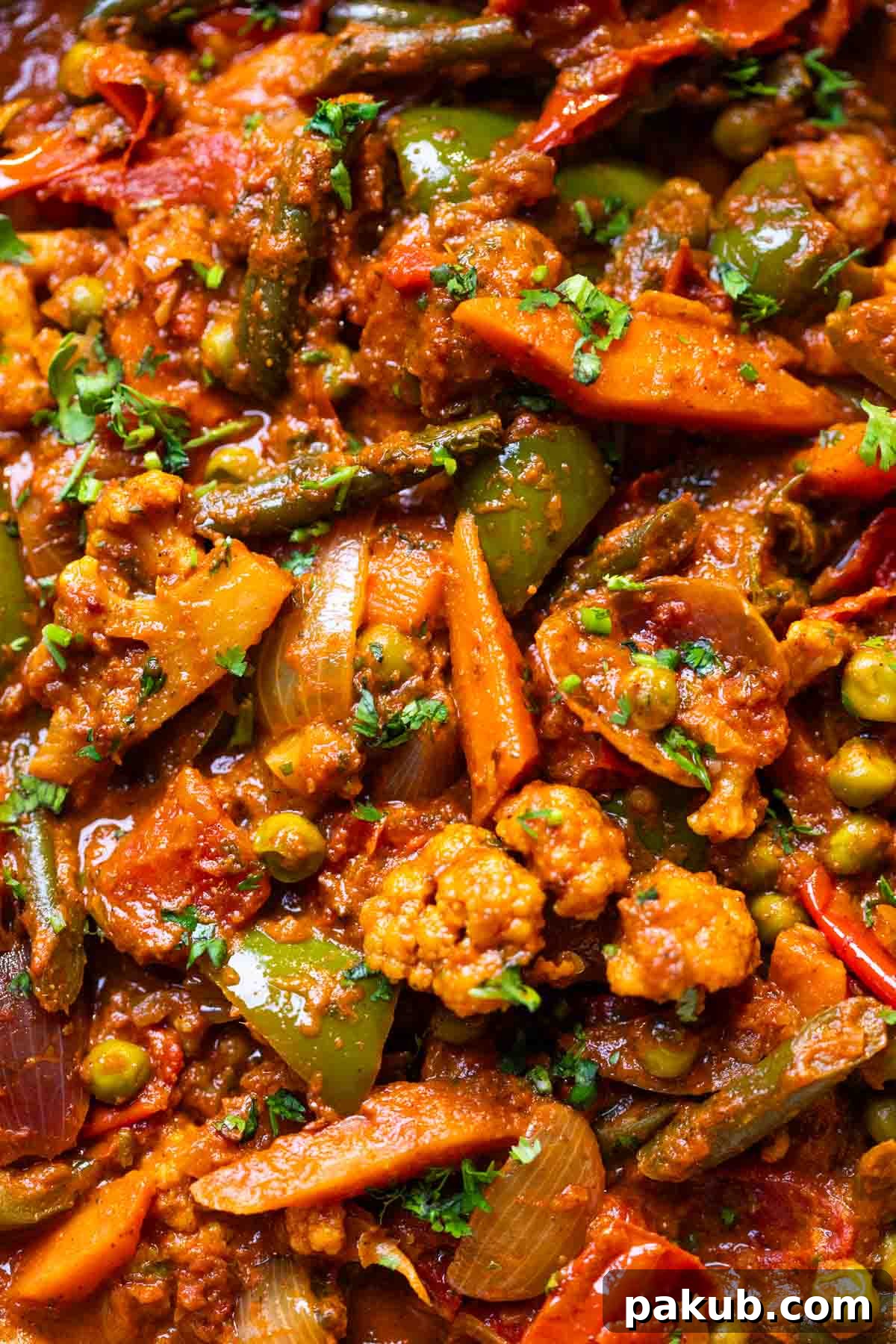
Veg Kadai truly embodies the spirit of Indian home cooking—hearty yet never heavy, brimming with complex flavors, and a sheer joy to eat. Its remarkable customizability and deeply satisfying taste make it a staple in many kitchens. Give this recipe a try, and you might just find your new favorite vegetarian curry. If you do, don’t forget to share your creation and tag me on Instagram @my_foodstory—I’d love to see your delicious rendition!
Watch How To Make Veg Kadhai
Veg Kadai | Veg Kadhai Recipe Card
This Veg Kadai is a celebration of Indian cooking. It’s got vibrant veggies, aromatic masalas, and a creamy red gravy that tastes delicious scooped with some naan or roti ❤️
By: Richa
Prep time: 10 minutes
Cook time: 30 minutes
Total time: 40 minutes
Servings: 4 people
Ingredients
For the Curry:
- 3 tablespoons cooking oil, divided
- 1 cup cut beans (approx. 12-15, 50 gms)
- ½ cup cut carrots (75 gms)
- 1 cup cauliflower florets (75 gms)
- ½ cup green peas (70 gms)
- 1 cup onion petals (120 gms)
- 1 cup capsicum cut into 1-inch cubes (80 gms)
- 1 cup tomatoes deseeded cut into 1-inch cubes (80 gms)
- ½ teaspoon cumin seeds (jeera)
- 2 red chillies, whole
- ¾ cup finely chopped onions (100 gms)
- 2 teaspoons ginger garlic paste
- 1½ cups tomato puree (300 gms, approx. 4 tomatoes pureed)
- 1 teaspoon salt, divided
- ½ teaspoon turmeric powder, divided
- ½ teaspoon red chilli powder
- 4 cups water, divided
- ½ teaspoon garam masala
- 2 teaspoons kasuri methi, roasted & crushed
- 2 tablespoons fresh cream
- 1 tablespoon finely chopped coriander leaves
For the Kadai Masala:
- 2 kashmiri chillies, whole
- 1 tablespoon coriander seeds, whole (dhania)
- 1 teaspoon cumin seeds, whole (jeera)
- 1 teaspoon fennel seeds (saunf)
- 1 teaspoon black peppercorns, whole
Instructions
Blanching Vegetables:
- Keep a large bowl of ice-cold water ready. Boil 3 cups of water in a pot. Add beans, carrots, cauliflower, and peas, cook for a maximum of 1 minute, then take off the heat. Drain the hot water and immediately dip them in ice-cold water to stop cooking. Drain again and set aside.
Kadai Masala Powder:
- In a dry pan, dry-roast all the ingredients for the Kadai Masala (Kashmiri chillies, coriander seeds, cumin, fennel, black peppercorns) for 2-3 minutes on low heat until fragrant. Take off the heat, cool the spices, and grind to a fine powder.
Sautéing Vegetables (Base):
- Heat 1 tablespoon of cooking oil in a pan or Kadai. Add the blanched vegetables, ¼ teaspoon turmeric powder, and ½ teaspoon salt. Sauté on medium heat for 2-3 minutes. Transfer to a plate and set aside.
Sautéing Veg Toppings:
- In the same pan, heat ½ tablespoon of oil. Add onion petals, cubed capsicum, and cubed tomatoes. Sauté on high heat for 1-2 minutes until they get roasted but still remain crunchy. Transfer to a separate plate and set aside.
Making the Gravy Base:
- Add the remaining 1½ tablespoons of oil to the same pan. Add ½ teaspoon cumin seeds. When they splutter, add the whole red chillies and stir. Add finely chopped onions and fry on low heat for 5-6 minutes until they turn light brown. Add ginger garlic paste and fry on low heat for 1-2 minutes.
- Add the remaining ¼ teaspoon turmeric powder, ½ teaspoon red chilli powder, and the remaining ½ teaspoon salt. Add the freshly ground Kadai Masala powder, stir well, sprinkle 2 tablespoons of water, and sauté on low heat for 2-3 minutes.
- Add the tomato purée, mix well, and cook on low heat for 15-18 minutes until the tomato purée is thoroughly cooked and the oil separates from the masala. Stir at regular intervals and sprinkle 2-3 tablespoons of water if the masala dries up.
Finishing the Vegetable Kadai:
- Add the sautéed blanched vegetables (from step 3, not the toppings) and ½ cup of warm water to the masala. Mix well and cook on low heat for 4-5 minutes until the vegetables are cooked through and have absorbed the flavors.
- Add the sautéed veg toppings (onion petals, capsicum, tomatoes) from step 4. Give a good mix and boil for only 1 minute to heat them through while maintaining their crunch.
- Stir in the fresh cream, garam masala, and roasted & crushed kasuri methi. Mix well. Sprinkle with finely chopped coriander leaves and serve immediately.
Notes
- Veggie toppings (onion petals, capsicum, tomatoes) must be roasted on high heat for a short time to keep them from turning soggy and retain their slight crunch.
- Ensure the tomato purée is cooked thoroughly until the oil separates. This removes any raw flavor and creates a deep, rich base. Keep stirring constantly to prevent the masala from burning.
- The sautéed veggie toppings (onion, capsicum, tomatoes) should only be cooked for a minute with the main curry so they stay firm and crunchy, offering a pleasant texture contrast.
Nutrition (per serving)
Calories: 258kcal, Carbohydrates: 30g, Protein: 6g, Fat: 15g, Saturated Fat: 3g, Polyunsaturated Fat: 3g, Monounsaturated Fat: 8g, Trans Fat: 0.04g, Cholesterol: 8mg, Sodium: 661mg, Potassium: 1050mg, Fiber: 9g, Sugar: 14g, Vitamin A: 3973IU, Vitamin C: 107mg, Calcium: 110mg, Iron: 4mg
This article was researched and written by Harita Odedra.