An indispensable guide to cooking with wine – encompassing both red and white varietals. Discover how to expertly integrate wine into your cuisine to deepen flavors and elevate every dish.
Mastering the Art of Cooking with Wine: A Comprehensive Culinary Guide
“If you do not have a good wine to use, it is far better to omit it, for a poor one can spoil a simple dish and utterly debase a noble one.”
– Julia Child
Julia Child’s culinary wisdom remains as relevant today as ever, and her unwavering stance on cooking with wine resonates deeply with home cooks and professional chefs alike. There’s an undeniable allure to the ritual: uncorking a fine bottle, pouring a glass to sip, and then adding a generous splash to a simmering pot or sizzling pan. This simple act, however, transcends mere aesthetics; it’s a powerful technique capable of transforming ordinary ingredients into extraordinary meals. Cooking with wine, while seemingly straightforward, is a nuanced art often misunderstood. It’s about more than just adding liquid; it’s about layering complex flavors, tenderizing proteins, and creating dishes that truly sing. This comprehensive guide aims to demystify the process, helping you harness the full potential of both robust red and crisp white wines in your kitchen adventures.
Let’s dive into the fundamental principles that elevate cooking with wine from a casual addition to an essential culinary skill.
The Science of Flavor: What Happens When Wine Meets Heat?
When you introduce wine to a hot pan or a simmering liquid, a fascinating chemical transformation unfolds. The alcohol, a volatile compound, rapidly begins to evaporate. This process, often referred to as “cooking off” the alcohol, leaves behind the concentrated essence of the wine – its intricate aromatic compounds, fruit characteristics, vibrant acidity, and subtle tannins. Wine, in essence, is a complex solution containing hundreds of flavor molecules that react with your food. This interaction creates new depths and dimensions that cannot be achieved with water or broth alone.
The application of heat intensifies these concentrated wine flavors, allowing them to meld seamlessly with your ingredients. For instance, the acidity in wine plays a crucial role in breaking down tougher protein fibers, resulting in more tender meats. Concurrently, the natural sugars present in wine contribute to the Maillard reaction, promoting desirable browning and caramelization that adds a rich layer of flavor to your dishes. Understanding this intricate interplay is paramount, as it directly influences how different wines will impact various foods. A delicate white wine, with its bright acidity and subtle fruit notes, will naturally enhance the inherent flavors of seafood or poultry without overwhelming them. Conversely, a bold red wine, rich in tannins and darker fruit profiles, is robust enough to stand up to and complement the intensity of red meats, game, and hearty stews, lending them a profound depth and warmth.
Essential Knowledge Before You Start: Selecting and Understanding Your Wine
Choosing the Right Wine for Culinary Success
The cardinal rule of cooking with wine, so eloquently articulated by Julia Child, is an absolute truth: “Don’t cook with wine that you wouldn’t normally drink.” This isn’t an extravagant invitation to pour your most expensive vintage into a weeknight stew, but rather a crucial warning against using subpar wines. Often, products labeled “cooking wine” are laden with excessive sodium, unwanted preservatives, and lack the nuanced flavors that make wine a truly transformative culinary ingredient. The quality of the wine you choose directly correlates with the quality of your finished dish. A good quality, everyday drinking wine – perhaps a bottle you enjoy with your dinner – is perfectly sufficient and will yield far superior results.
When selecting your wine, consider its inherent character:
- Dry vs. Sweet: For the vast majority of savory dishes, dry wines (both red and white) are the preferred choice. Sweet wines, when reduced, will concentrate their sugars, potentially making your dish cloyingly sweet unless a specific sweet-savory balance, such as in a dessert or a particular glaze, is intended.
- Light-Bodied vs. Full-Bodied: Lighter-bodied wines are best suited for lighter dishes. A crisp Sauvignon Blanc or Pinot Grigio pairs beautifully with delicate chicken or flaky fish. In contrast, a robust, full-bodied Cabernet Sauvignon or Syrah is ideal for hearty beef or lamb dishes, where its intensity can complement the richness of the meat.
- Oaked vs. Unoaked: Wines aged in oak barrels can impart distinctive vanilla, spice, or smoky notes. While desirable in some culinary applications, these flavors can clash with others. An unoaked Chardonnay, for example, offers a cleaner, fruitier profile that might be more versatile for a wider range of dishes.
Reputable wineries, such as Big Banyan, exemplify dedication to quality, offering excellent choices suitable for both enjoying in a glass and enhancing your cooking. Their meticulous approach, from handpicking grapes in renowned vineyards in Nasik and Ramnagar to collaborating with master vintners like Italy’s Lucio Matricardi, ensures a consistent, high-quality product that will reliably elevate your culinary creations.
Understanding Wine Components and Flavor Balance
Wine is a remarkably complex liquid, and its fundamental components – sugars, acids, and tannins – behave distinctly and intensely when exposed to heat. These elements become significantly more pronounced as the wine reduces, making an understanding of their roles critical for achieving a perfectly balanced flavor profile in your dish:
- Acidity: The acidity in wine provides a refreshing brightness and cuts through the richness of food. It’s an essential component for balancing heavy flavors and is particularly effective in deglazing pans. However, an excess of acidity can render a dish overly tart or sour. When incorporating wine, especially highly acidic white varieties, it’s wise to consider reducing other acidic ingredients like lemon juice, vinegar, or tomatoes to maintain overall harmony.
- Sugars: Even seemingly dry wines contain residual sugars. These sugars caramelize beautifully, contributing to desirable browning and a subtle sweetness that rounds out flavors. In sweeter wines, this concentration can become quite intense upon reduction. Therefore, exercise caution when pairing them with ingredients that are already naturally sweet, such as carrots, onions, or leeks. For such vegetables, a less dry, full-bodied wine might be a more appropriate choice than an overtly sweet varietal.
- Tannins: Predominantly found in red wines, tannins impart a sensation of bitterness and astringency, creating a characteristic dryness in the mouth. While crucial for providing structure and complexity in red wine, over-reducing a highly tannic wine can result in an unpleasantly bitter or puckering dish. Tannins pair exceptionally well with fatty meats, as they help to cut through and balance the richness.
By thoughtfully considering these intrinsic components of wine, you can make informed choices that will either enhance, complement, or judiciously balance the natural characteristics of your chosen ingredients, leading to more sophisticated and delicious results.
Red or White? Mastering Wine and Food Pairings for Cooking
The established guidelines for pairing wine with food, typically applied to drinking, hold remarkably true in the culinary context. The simple yet effective principle is to match light wines with delicate foods and robust wines with hearty foods. This provides a solid foundation for successful wine cookery:
- White Wine: Generally paired with lighter-colored meats, poultry, seafood, and delicate flavors. Its crisp acidity and often fruity or floral notes complement these dishes beautifully:
- Fish and Seafood: Ideal for cod, salmon, shrimp, scallops, clams, and mussels. (e.g., Sauvignon Blanc, Pinot Grigio, Dry Riesling, Muscadet)
- Poultry: Chicken, turkey, duck breast (lighter preparations). (e.g., Unoaked Chardonnay, Pinot Grigio, Vermentino)
- Pork (lighter preparations): Pork loin, tenderloin, white sausages. (e.g., Pinot Blanc, lighter Chardonnay)
- Vegetables: Asparagus, mushrooms, zucchini, bell peppers, spinach, green beans.
- Specific flavor profiles: Citrus (lemon, orange zest), green apples, fresh herbs like parsley or cilantro, olives.
- Creamy Sauces and Risottos: Adds brightness and prevents heaviness without overpowering the dish.
- Red Wine: Best suited for dark-colored meats, game, and richer, heartier dishes. Its tannins, darker fruit notes, and deeper complexity enhance these robust flavors:
- Beef and Lamb: Steaks, roasts, braises, stews, burgers. (e.g., Cabernet Sauvignon, Merlot, Shiraz/Syrah, Zinfandel, Malbec)
- Pork (richer preparations): Braised pork shoulder, BBQ ribs, robust pork roasts. (e.g., Pinot Noir, Grenache, lighter Zinfandel)
- Game Meats: Duck, venison, rabbit. (e.g., Syrah/Shiraz, Merlot, earthy Pinot Noir)
- Root Vegetables: Carrots, potatoes, parsnips, and other hearty vegetables often found in stews and roasts.
- Specific flavor profiles: Chocolate, coffee, dark berries (blackberries, cherries), plums, thyme, rosemary.
- Rich Sauces: Gravies, reductions for red meats, pasta sauces with meat.
Pork, being a remarkably versatile meat, can be paired with either red or white wine depending on its preparation and the accompanying ingredients. A light, herb-crusted pork tenderloin might beautifully complement a crisp white, while a slow-cooked pork shoulder with rich spices would certainly benefit from a fruity, full-bodied red.
Unlock Flavor: Versatile Ways to Cook with Wine
Wine’s utility in the kitchen extends far beyond a simple splash in a pan. From tenderizing meats to building complex sauces, there are numerous sophisticated techniques where wine truly shines as a star ingredient. Here are several effective methods to seamlessly integrate wine into your cooking repertoire, elevating your dishes to new culinary heights:
1. Using Wine as a Marinade for Tenderizing and Flavor
The natural acidity inherent in wine makes it an exceptional marinade. It not only tenderizes tougher cuts of meat by gently breaking down protein fibers but also simultaneously infuses them with a rich tapestry of complex flavors. Wine can be used effectively in place of, or in harmonious combination with, other acidic agents like vinegar or lemon juice. Red wine marinades are particularly fantastic for beef, lamb, and game meats, imparting a deep, savory flavor and a beautiful hue. White wine marinades, with their lighter and brighter character, are perfect for chicken, fish, or even firm, robust vegetables. To ensure even flavor distribution, always ensure your ingredients are fully submerged or turn them occasionally. For optimal results, poultry or fish typically require a few hours of marinating, while red meats can benefit from an overnight soak.
2. Basting Food with Wine for Moisture and Crust
Basting foods with wine during grilling, roasting, or baking is a superb technique to introduce moisture, foster the development of a delectable crust, and layer on nuanced flavors. As the wine gradually evaporates under heat, its concentrated essence adheres to the food, contributing to a rich, caramelized exterior and an incredibly moist interior. This technique works wonders for perfectly roasted chicken, vibrant grilled vegetables, or even a slow-cooked pork roast. When used for barbecues, a wine-based basting liquid can introduce an additional smoky-sweet dimension, rendering your grilled dishes truly unforgettable and bursting with flavor.
3. Deglazing the Pan for Richness and Flavor Extraction
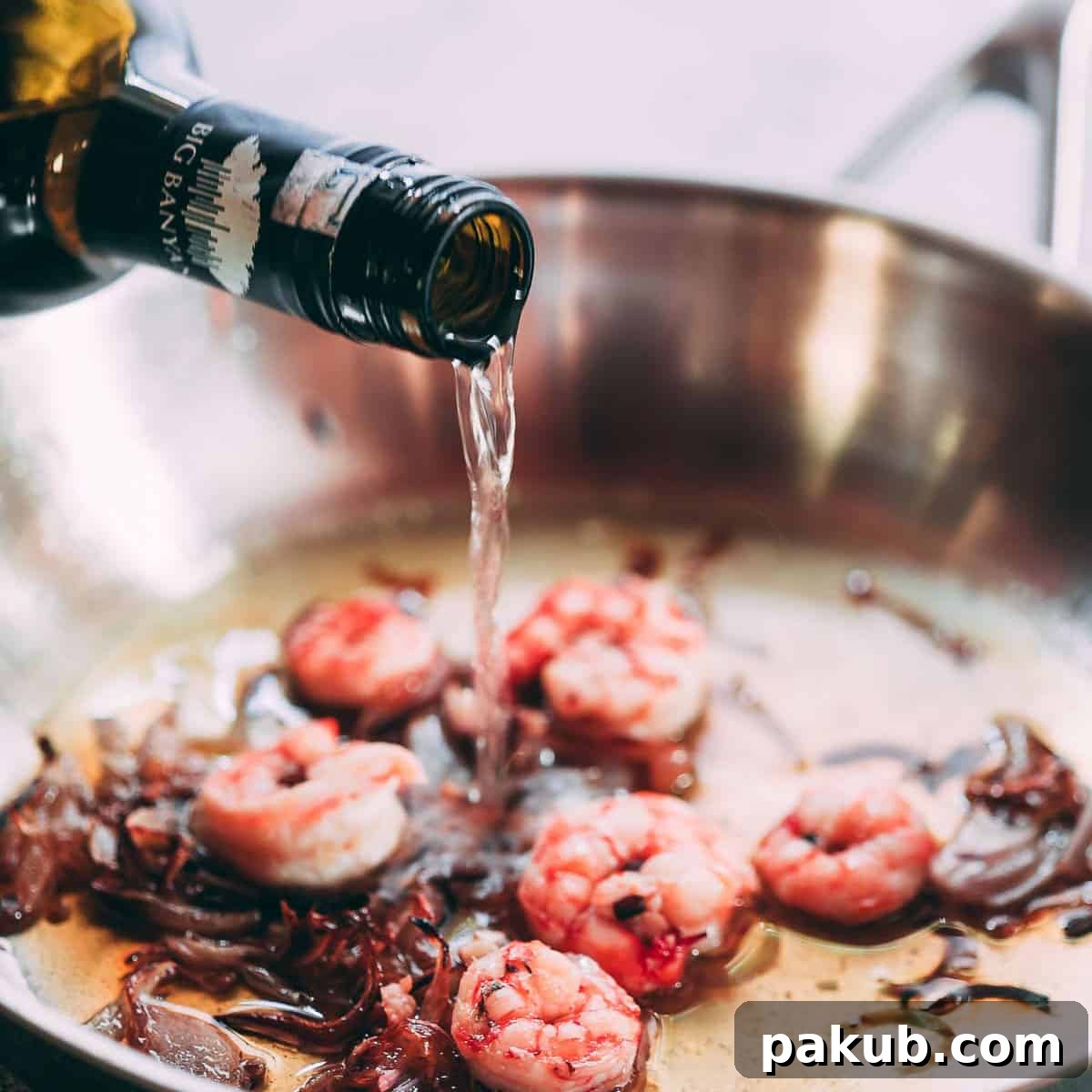
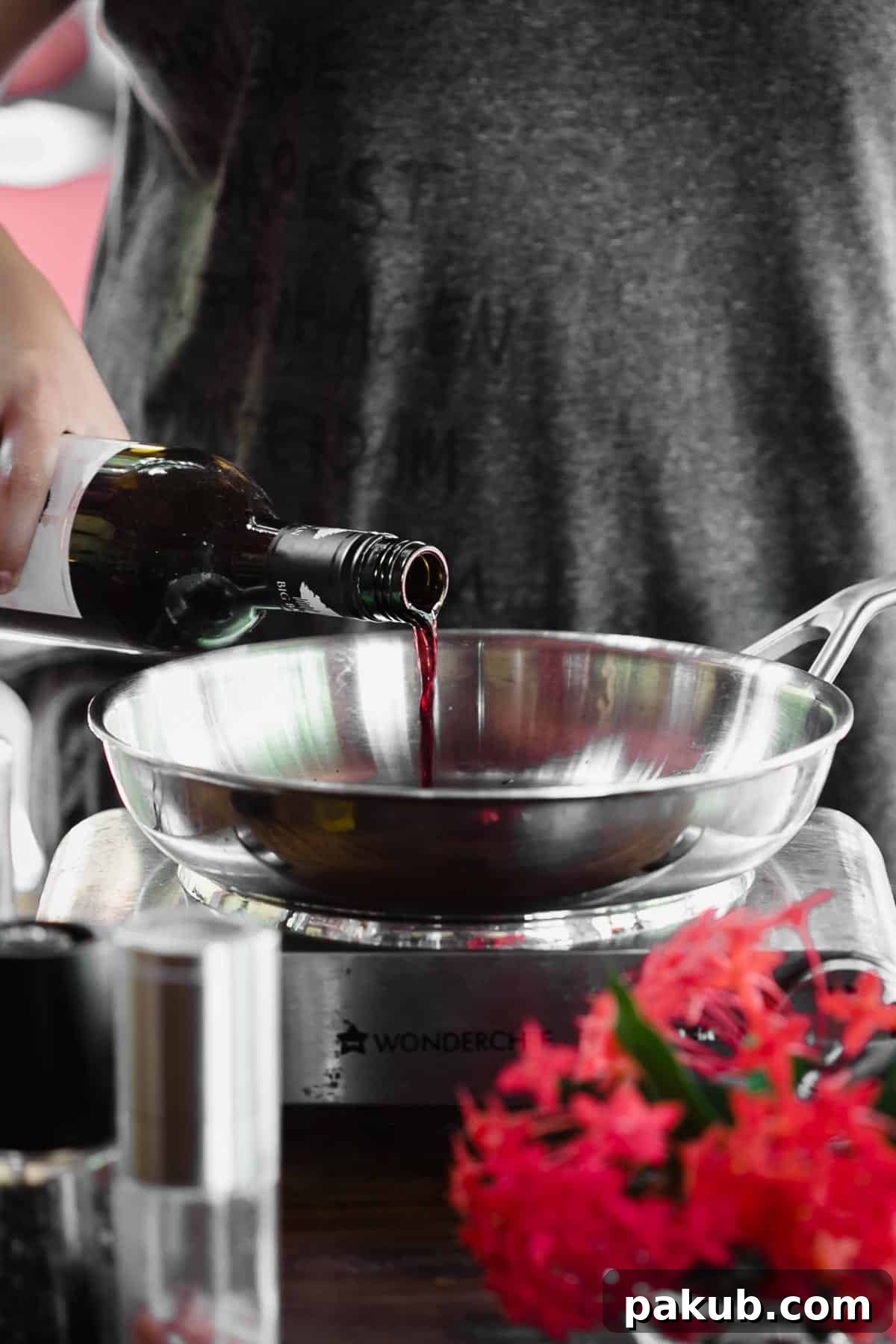
Deglazing is a cornerstone technique in classic cuisine, ingeniously transforming the flavorful leftover bits adhering to the bottom of a pan – commonly known as “fond” – into a rich, aromatic foundation for exquisite sauces. After searing meat or sautéing vegetables, a quick splash of wine (red wine for dark meats, white wine for poultry or fish) into the hot pan will swiftly loosen these caramelized fragments. As the wine sizzles, vigorously scrape the bottom of the pan with a wooden spoon, allowing all those savory fragments to dissolve into the liquid. This process creates an incredibly rich and profoundly flavorful base for gravies, sophisticated pan sauces, or hearty stews, ensuring that no precious flavor goes to waste.
4. Crafting Exquisite Pan Sauces with Wine
Building seamlessly upon the deglazing technique, wine proves to be an indispensable ingredient for creating truly sophisticated pan sauces. Once the pan is thoroughly deglazed, you can simmer the wine down, often incorporating a splash of stock, a touch of cream, or a knob of butter, and adding aromatic elements like finely chopped shallots or fresh herbs. This reduction process concentrates the wine’s intrinsic flavors, resulting in a rich, glossy, and perfectly balanced sauce that flawlessly complements your main dish. A crisp dry white wine, such as Big Banyan’s elegant Sauvignon Blanc or their rich Chardonnay, is excellent for crafting a bright lemon-butter pan sauce that beautifully enhances grilled fish or succulent chicken. For red meats, a robust red wine sauce offers a profound depth of savory flavor that elevates the entire meal.
5. Enhancing Stews and Gravies with Wine for Depth
Wine plays a profoundly transformative role in slow-cooked dishes, imparting a depth and complexity that is simply unparalleled by any other ingredient. Classic dishes such as the rich Coq au Vin and the hearty Beef Bourguignon stand as timeless testaments to wine’s ability to infuse robust stews with nuanced, multi-layered flavors. As the stew gently simmers for hours, the wine slowly reduces, its alcohol evaporating and leaving behind a concentrated essence that melds exquisitely with the other ingredients. A full-bodied red, such as Big Banyan’s robust Cabernet Sauvignon or their aromatic Shiraz, will generously add a luscious, savory richness to beef, lamb, mushroom, or even lentil stews, rendering them truly comforting and indelibly memorable.
6. Poaching Delicate Foods in Wine for Aroma and Tenderness
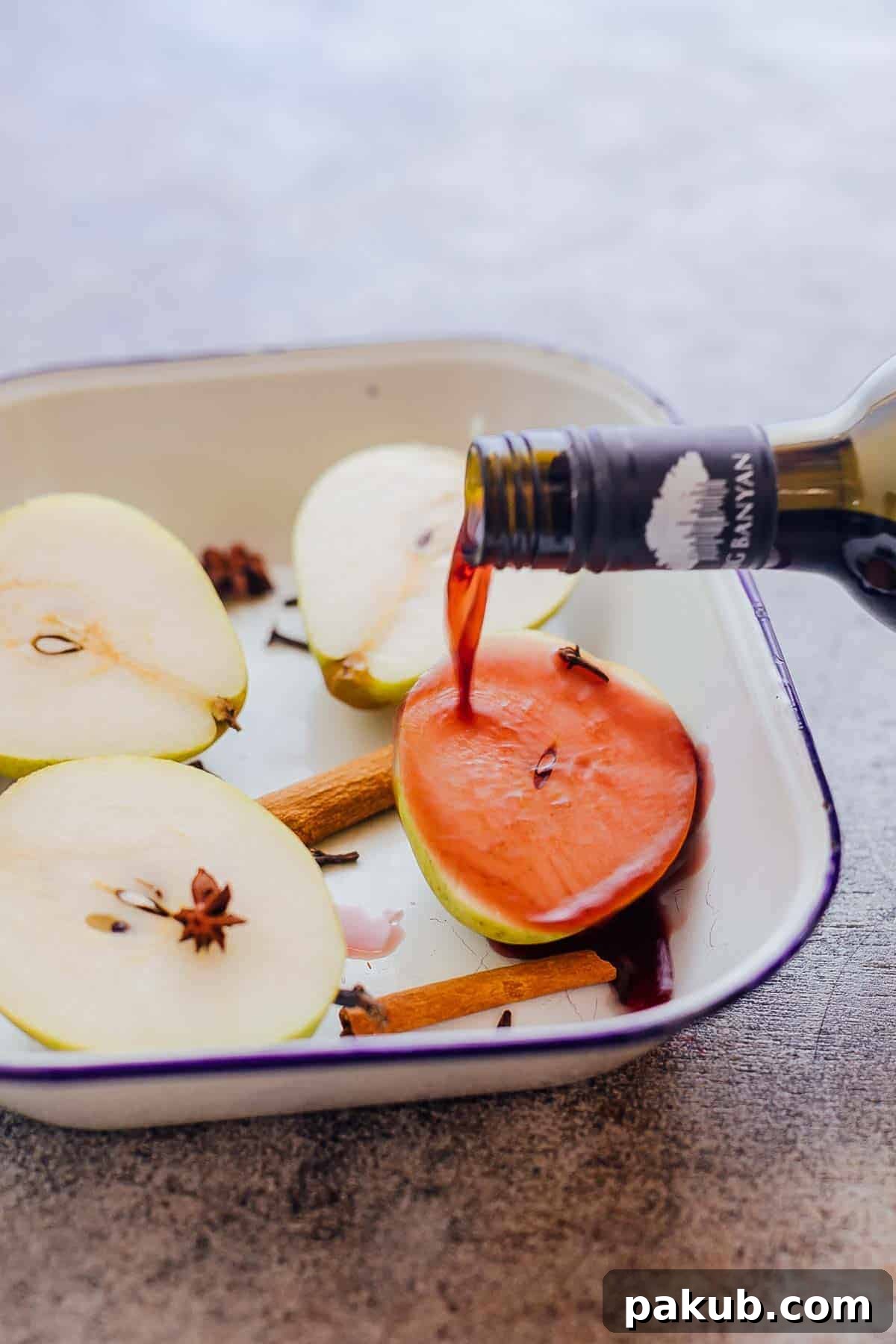
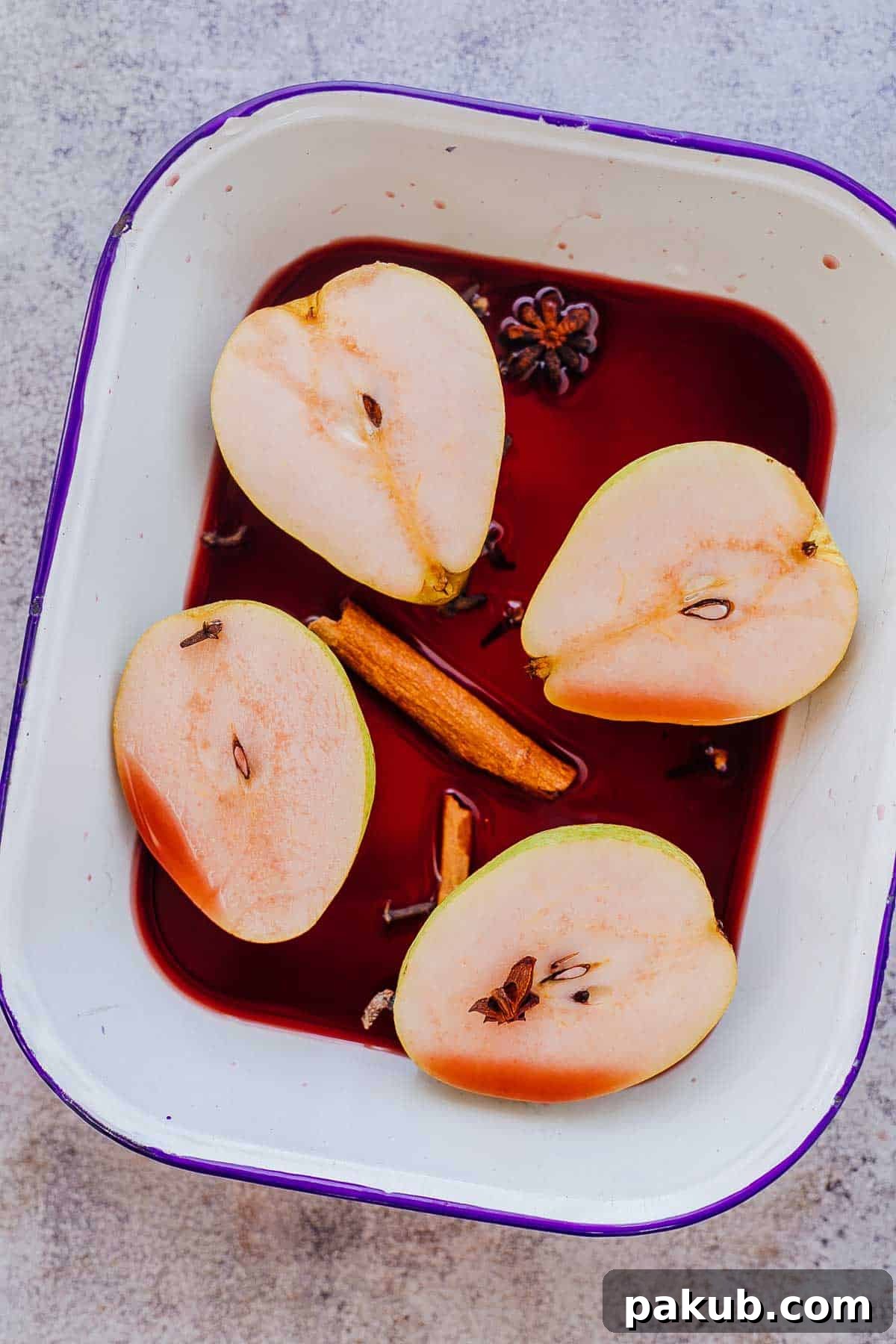
Poaching involves gently cooking food in a liquid, and wine offers an incredibly aromatic and flavorful medium for this delicate technique. Poached pears in red wine, often infused with fragrant spices like cinnamon sticks, star anise, and cloves, are a quintessential and elegant dessert. In this preparation, the wine not only gently cooks the fruit but also dyes it a beautiful deep hue and infuses it with sweet, spicy notes. Savory poaching can also be expertly executed with white wine for delicate fish fillets or chicken breasts, ensuring the food remains exceptionally moist and imparting subtle, sophisticated flavors without the need for heavy fats. The wine-infused poaching liquid itself can then be artfully reduced to create a complementary accompanying sauce.
7. Incorporating Wine into Baking for Unique Flavor Profiles
While less conventional, wine can introduce intriguing and unexpected layers of flavor into baked goods. In select recipes, you can thoughtfully substitute a portion of the liquid component (such as water, milk, or juice) with wine. The majority of the alcohol will evaporate during the baking process, leaving behind the wine’s characteristic flavors and subtle aromas. Dessert wines, or fruit-forward reds like a Big Banyan Merlot, can be creatively incorporated into rich chocolate cakes, vibrant fruit tarts, or even certain bread recipes, adding a sophisticated complexity and enhanced moisture. When experimenting with wine in baking, proceed cautiously, starting with small substitutions to discover how this unique ingredient can subtly elevate your sweet and savory creations.
Common Mistakes to Avoid When Cooking with Wine
Even with the best culinary intentions, a few common pitfalls can inadvertently diminish the magical transformative power of wine in your cooking:
- Using “Cooking Wine”: As previously emphasized, these products are invariably inferior, often loaded with excessive salt and undesirable additives that will undeniably detract from your dish’s true flavor profile. Always invest in a decent bottle of wine that you would genuinely enjoy drinking.
- Adding Wine Too Late: Wine unequivocally requires ample time to cook down, allowing its alcohol content to fully evaporate and its complex flavors to concentrate and meld harmoniously with other ingredients. Adding it just before serving will inevitably leave a harsh, unpleasantly alcoholic taste. Introduce wine early in the cooking process for optimal flavor development and integration.
- Over-Reducing Tannic Wines: While reduction is essential for concentrating flavor, aggressively over-reducing a very tannic red wine can regrettably lead to an overly bitter or astringent sauce. It is crucial to taste as you go and adjust accordingly to prevent this imbalance.
- Incorrect Pairing: Employing a sweet wine in a savory dish where sweetness is not a desired characteristic, or using a light white wine in a rich, robust beef stew, can lead to severely unbalanced flavors. Always refer to established wine and food pairing guidelines to ensure a harmonious outcome.
- Using Too Much Wine: A little often goes a remarkably long way when it comes to wine in cooking. Begin with a modest splash or two, meticulously taste the dish, and then gradually add more if needed to achieve the desired intensity. Overwhelming a dish with an excessive amount of wine can render it taste “boozy” or, worse, completely overpower the delicate flavors of other key ingredients.
Tips for Success: Cooking with Wine Like a Pro
The true key to achieving successful and delightful wine cookery lies in two essential practices: patience and diligent tasting. Always allow the wine sufficient time to simmer and reduce, ensuring that the alcohol fully evaporates and the flavors intensify and become deeply integrated into your dish. Begin conservatively with a modest amount – perhaps just a splash or two – and meticulously taste the dish as it develops and transforms. Remember, you can always add more wine, but once added, you cannot remove it. Trust your palate to be your ultimate guide in achieving the perfect balance of richness, acidity, and aromatic complexity. Think of wine not merely as an additional ingredient, but as a dynamic flavor enhancer, a natural tenderizer, and a fundamental builder for magnificent sauces and unforgettable culinary creations.
Ready to Experiment? Here are Some Simple Recipes with Wine to Get You Started:
- Classic Cheese Fondue Recipe with White Wine
- How to Assemble the Ultimate Wine and Cheese Board on a Budget
- Refreshing Summer Berry Red Wine Spritzer
- Elegant White Wine Sangria Recipe
Cooking with wine is, without a doubt, a thrilling and rewarding adventure into the expansive world of culinary flavors. Do not shy away from experimentation; embrace the process, trust your instincts, and fully enjoy the journey of discovering how wine can profoundly transform your everyday meals into truly extraordinary and memorable dining experiences. Each dish you create offers a unique opportunity to learn, refine your palate, and ultimately guide you towards the flavors and culinary techniques that genuinely delight you.
This post is proudly sponsored by Big Banyan Wines, bringing exceptional quality and passion to both your glass and your plate.