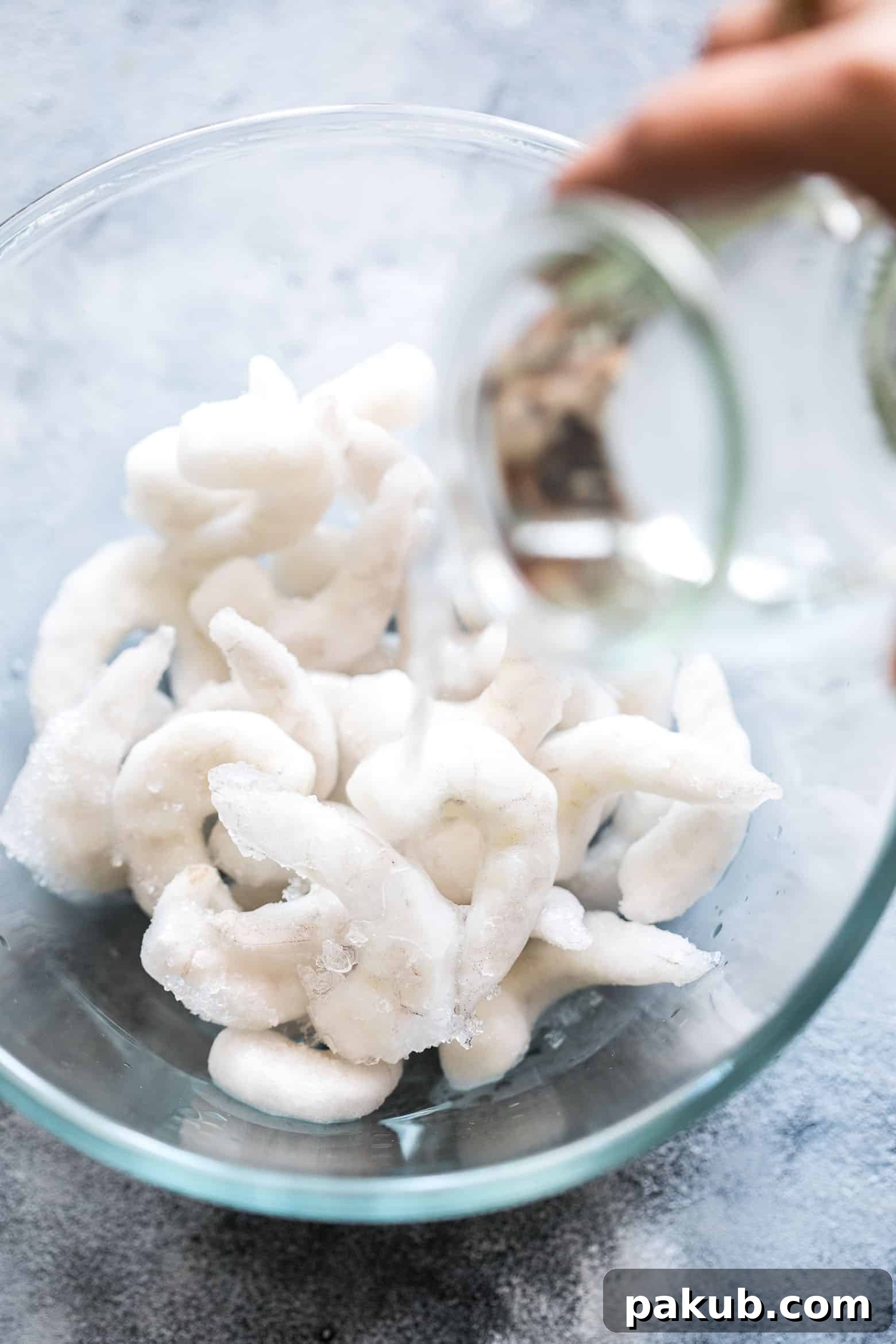
Mastering the Art of Safely Defrosting Prawns & Shrimp: An Essential Guide for Home Cooks and Chefs
Unlock the secrets to safely defrosting prawns and shrimp using four expert-approved methods. This comprehensive guide ensures perfect texture, maximum flavor, and paramount food safety for all your seafood culinary adventures.
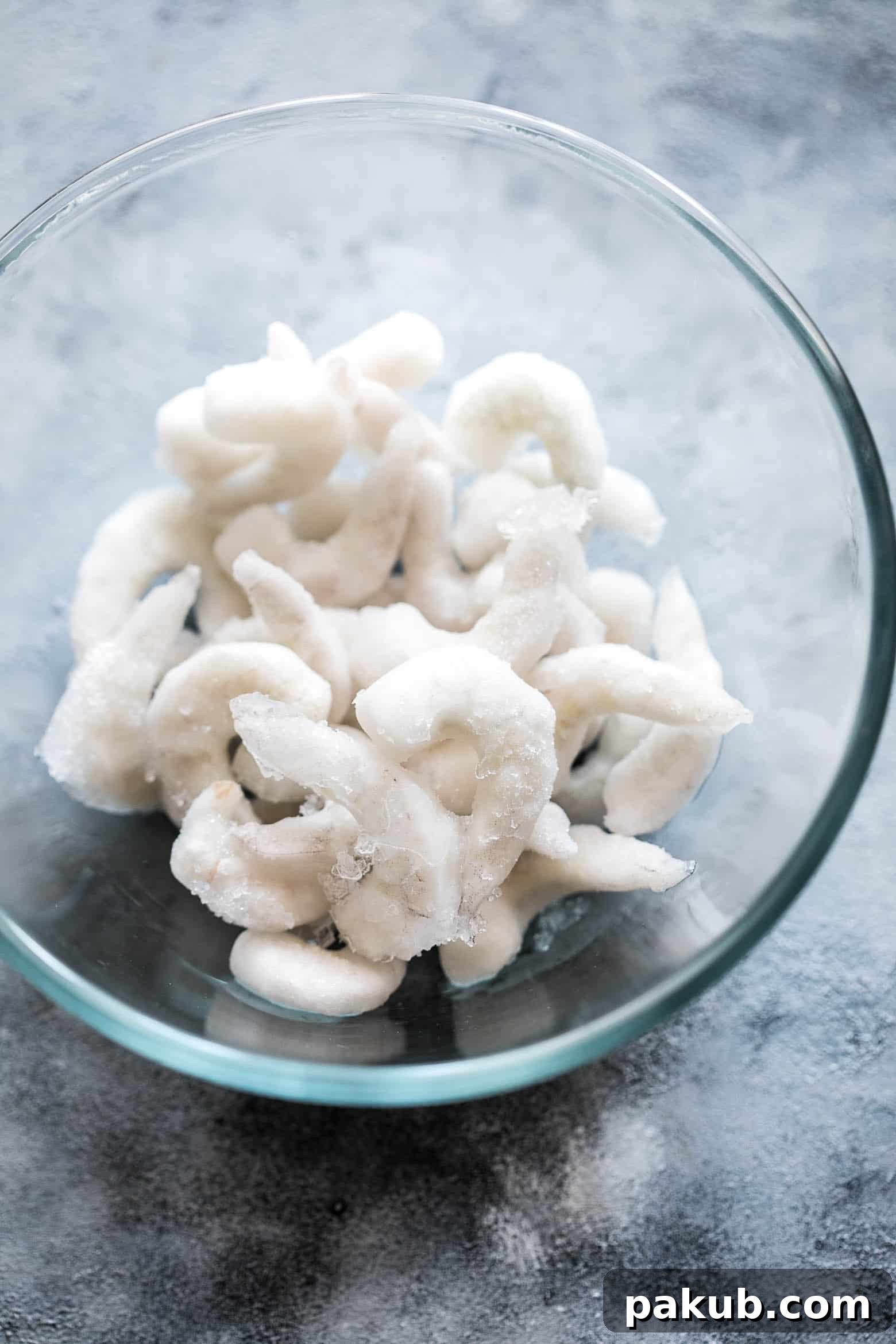
For many, prawns hold a special place as the ultimate seafood delicacy. Their delicate flavor and versatile texture make them a star ingredient in countless dishes, from the rich and aromatic Goan Prawn Curry to the refreshingly vibrant Thai Prawn Mango Salad. It’s no surprise that you’ll almost always find a trusty bag of frozen prawns nestled in my freezer, ready to be transformed into an exquisite meal at a moment’s notice.
However, my culinary journey with prawns wasn’t without its initial challenges. I, like many home cooks, had numerous questions: What’s the best way to freeze them? How should they be defrosted safely? Are frozen prawns genuinely better than fresh ones? These fundamental questions often lead to confusion and, if not properly addressed, can compromise both the taste and safety of your dishes. Recognizing this common need for clarity, I’ve meticulously compiled this “Defrosting Prawns 101” guide. My aim is to provide you with all the expert information required to safely and effectively thaw prawns and other shellfish, ensuring every dish you prepare is perfectly delicious and entirely safe for consumption. Understanding proper thawing techniques is not just about convenience; it’s a critical step in preserving the delicate texture, maximizing the flavor, and, most importantly, ensuring the food safety of your seafood.
Jump to Section: How to Defrost Prawns Safely
- Fresh vs. Frozen Prawns: Making the Informed Choice for Quality & Safety
- How to Defrost Prawns Safely: Four Expert Methods Unveiled
- Frequently Asked Questions About Thawing Prawns & Shrimp
- Crowd Favorite Prawn Recipes: Get Inspired!
Fresh vs. Frozen Prawns: Making the Informed Choice for Uncompromised Quality and Safety
It might seem counterintuitive, but I consistently choose high-quality frozen prawns over what is often presented as “fresh” in many local markets. This preference stems from a deep understanding of seafood supply chains and food safety principles, which I’ve explored comprehensively in a dedicated article, “Fresh vs. Frozen Prawns: The Truth You Need to Know.”
The reality is that unless you live directly on the coast with immediate access to newly harvested seafood or have a trusted, transparent vendor, the “fresh” prawns you encounter at markets have very likely undergone a freezing and thawing process already. These prawns might have been frozen for days, weeks, or even months at sea or during transportation, only to be thawed by vendors for display and sale. This practice introduces significant risks. Without knowing the exact freezing and thawing history, including storage temperatures and handling protocols, there’s no guarantee that the prawns remain safe for consumption. Repeated temperature fluctuations can severely compromise their delicate texture, diminish their natural flavor, and critically, create an ideal environment for harmful bacteria to proliferate.
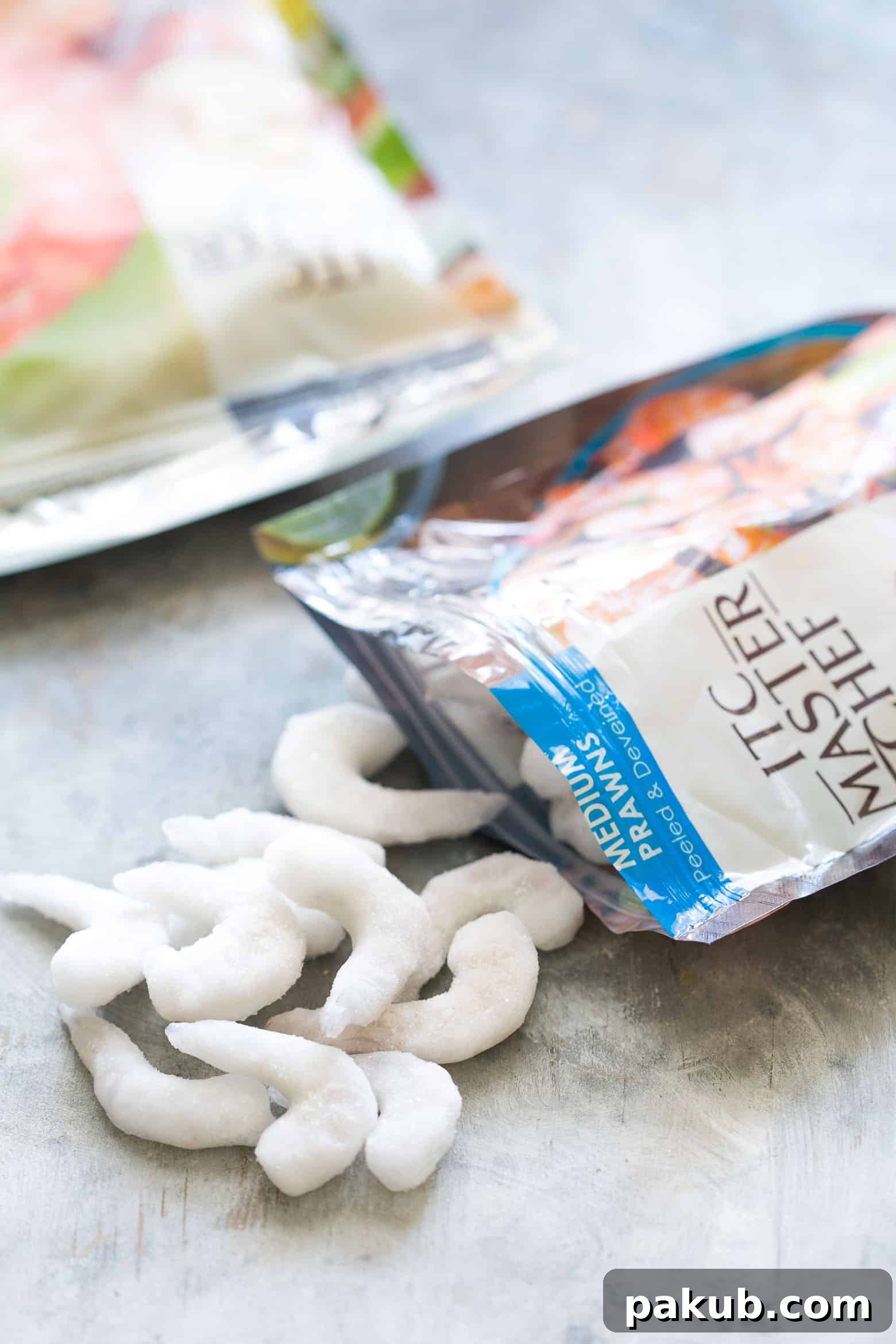
This is precisely why I confidently recommend buying high-quality frozen prawns. When processed by reputable suppliers, frozen prawns offer a safer, more hygienic, and often superior culinary experience. Leading brands utilize advanced freezing technologies, such as the Individually Quick Frozen (IQF) method. This process involves rapidly freezing each prawn separately, typically within a few hours of being caught. IQF technology locks in the prawns’ peak freshness, preserving their natural texture, succulent flavor, and vital nutritional content. The rapid freezing minimizes the formation of large ice crystals, which are responsible for cellular damage and the undesirable mushy texture often associated with poorly frozen or thawed seafood. Furthermore, IQF ensures that prawns remain separate, allowing you to easily portion out exactly what you need without having to defrost an entire block.
For discerning cooks, ITC Master Chef is a brand that consistently meets and exceeds these standards. Their commitment to freshness and safety is exemplified by their process: prawns are flash-frozen within an impressive 15 hours of harvesting. By adhering strictly to the Individually Quick Frozen (IQF) method, ITC Master Chef ensures rigorous compliance with the highest hygiene and food safety standards. Choosing such a brand provides unparalleled peace of mind, guaranteeing that the prawns arriving in your kitchen are not only convenient but also consistently delicious, safe, and of premium quality.
How to Defrost Prawns Safely: Four Expert Methods for Perfect Results Every Time
A quick search for “how to defrost prawns” online yields countless results. While some suggestions might promise speed or simplicity, it’s critical to discern which methods truly uphold food safety standards and culinary quality. Improper thawing is a common culprit behind rubbery prawns, diminished flavor, and, more seriously, increased risk of bacterial contamination. To ensure your prawns remain succulent, flavorful, and perfectly safe for your next meal, here are four tried-and-tested methods, championed by professional chefs and food safety authorities alike.
1. The Cold Water Brine Method: Enhancing Juiciness and Flavor
This method stands out as my personal favorite and one of the most effective. It not only thaws prawns quickly and uniformly but also subtly enhances their natural flavor and juiciness through the brining process. The salt in the water plays a more complex role than just seasoning; it aids in maintaining the prawns’ cellular structure, preventing excessive water loss and promoting a tender, plump texture.
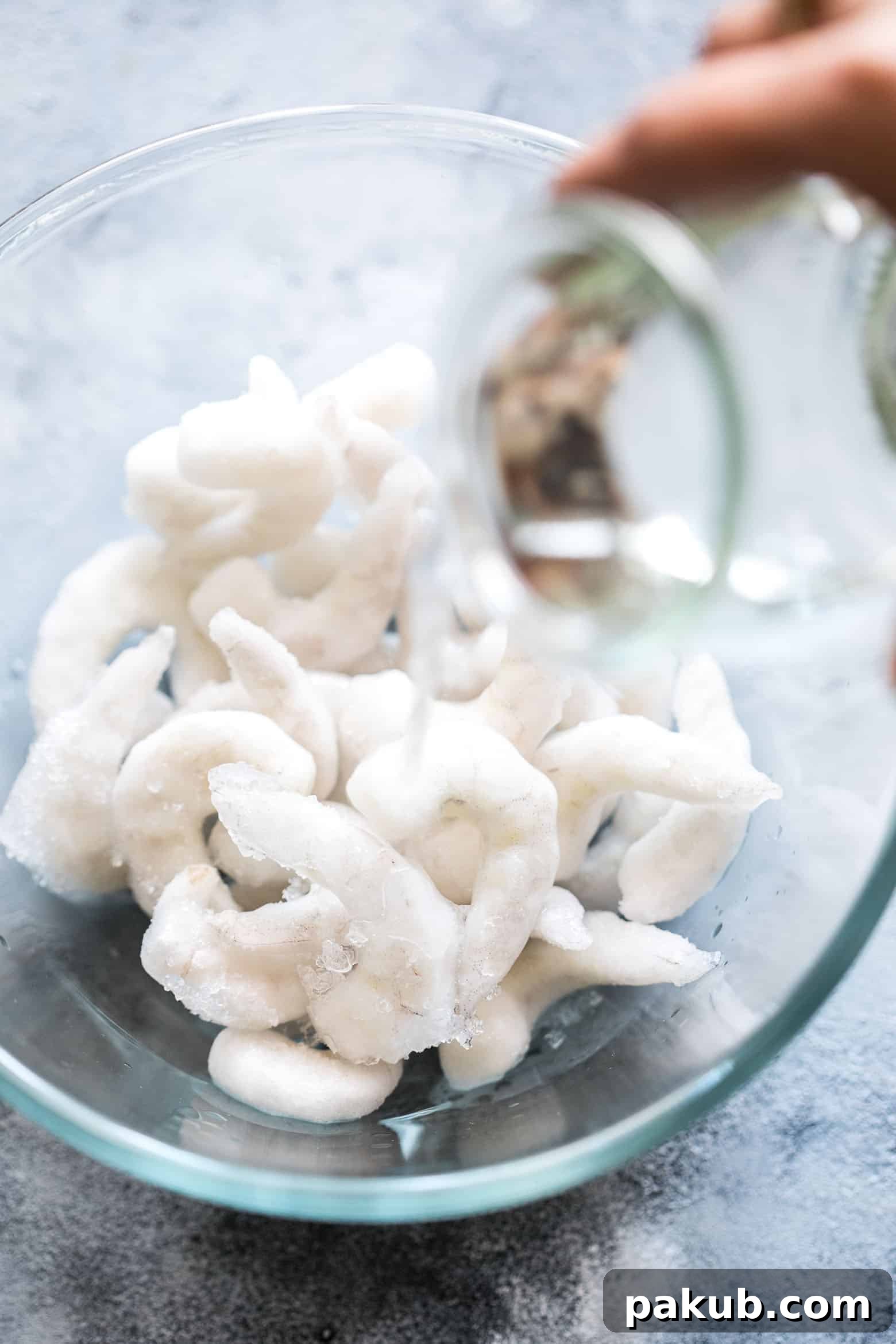
- Preparation: In a large bowl, combine 2 tablespoons of table salt (or kosher salt) with 4 cups of very cold tap water. Stir until the salt is fully dissolved. Ensure you have enough brine to completely submerge all your frozen prawns.
- Submersion: Carefully remove the frozen prawns from their original packaging and place them directly into the prepared cold brine solution.
- Thawing Time: Allow the prawns to soak for approximately 15-20 minutes, or until they become completely flexible and translucent. The exact duration may vary based on the size and quantity of the prawns.
- Rinsing and Drying: Once thawed, meticulously drain the liquid and give the prawns a gentle rinse under cold running water to remove any residual salt from the surface. Pat them thoroughly dry with paper towels before proceeding with your recipe.
Chef’s Insights: The continuous cold temperature of the brine ensures rapid and consistent thawing while keeping bacterial growth at bay. The dissolved salt subtly seasons the prawns and helps them retain moisture, resulting in a noticeably juicier outcome. This method is incredibly convenient as it’s largely passive, freeing you to attend to other meal preparations. Just be mindful to adjust the salt content in your subsequent cooking steps to prevent over-seasoning, considering the prawns have already absorbed some salt.
2. The Sealed Bag in Cold Water Method: Simple, Hygienic, and Effective
This technique offers a slightly modified approach to cold water thawing, ensuring that prawns defrost safely without direct contact with tap water. It’s particularly useful for maintaining the prawns’ inherent flavor and preventing them from absorbing excess moisture, a common recommendation from producers of premium frozen seafood.
- Preparation: Transfer your frozen prawns into a robust, watertight plastic bag, such as a freezer-safe Ziploc bag. Alternatively, if the original packaging is sealed and suitable for thawing (e.g., vacuum-sealed), you may use that. If using a standard polybag, ensure it’s durable and consider puncturing a few small holes to allow for minimal water circulation around the bag, while crucially preventing direct water ingress to the prawns themselves.
- Submersion: Place the sealed bag containing the prawns into a large bowl filled with cold tap water.
- Thawing Process: Allow the prawns to sit in the cold water for approximately 15-20 minutes. For faster thawing, replace the water every 5-7 minutes as it absorbs heat from the prawns. Continue until the prawns are fully defrosted and pliable.
- Final Steps: Once thawed, remove the prawns from the bag, discard any accumulated liquid, and pat them dry with paper towels before cooking.
Expert Recommendation: This method is frequently endorsed by quality frozen seafood brands, including ITC Master Chef. The sealed bag serves as an effective barrier, preventing the prawns from becoming waterlogged while enabling the cold water to efficiently transfer heat, facilitating a gentle and even thaw. This technique is excellent for preserving the prawns’ natural texture and concentrated flavor profile.
3. The Cold Running Water Method: Rapid, but Resource-Intensive
While undeniably effective for quick thawing, this method requires a continuous stream of cold water, which makes it less environmentally conscious due to water wastage. It’s best reserved for situations where time is of the essence and other, more water-efficient methods are not practical.
- Setup: Remove the frozen prawns from their packaging and place them in a colander or a large sieve.
- Thawing: Position the colander under a faucet and allow a slow, continuous stream of cold tap water to run over the prawns.
- Even Thawing: Gently agitate the prawns periodically with your hand or a spoon to ensure the cold water washes over them uniformly. Continue this process for several minutes until the prawns are completely defrosted and pliable.
- Preparation: Once thawed, ensure they are thoroughly drained and patted dry before use in your recipe.
Critical Consideration: It is absolutely imperative that only *cold* water is used, never lukewarm or warm. Using warmer water can prematurely cook the exterior of the prawns while the interior remains frozen, resulting in an undesirable rubbery texture and an unevenly cooked product. This can be a particular challenge in warmer climates, such as during Indian summers, where tap water may not consistently be cold enough. If access to sufficiently cold tap water is an issue, consider opting for the cold water brine or sealed bag method using ice water to ensure optimal results and food safety.
4. The Refrigerator Thawing Method: The Safest, Most Recommended Approach
Universally regarded as the safest thawing method by food safety organizations, restaurants, and professional kitchens, thawing prawns in the refrigerator requires planning but guarantees exceptional results. This slow, controlled process ensures that prawns remain at a consistently safe temperature throughout, effectively minimizing any potential for bacterial growth.
- Placement: Transfer the frozen prawns, ideally still in their original sealed packaging or placed within an airtight container, to the lowest shelf of your refrigerator. Placing them on the bottom shelf prevents any potential drips from contaminating other foods.
- Thawing Duration: Allow the prawns to thaw overnight, or for approximately 8 hours for most quantities. Larger quantities, such as a pound or more, may require up to 24 hours to fully defrost.
- Final Rinse: Once completely thawed, give them a quick rinse under cold water, gently pat them dry with paper towels, and use them immediately for your recipe.
Key Advantages: This method is perfect for meal preppers and when you’re planning to cook for guests, as it demands foresight but yields superior results. The constant cold environment of the refrigerator ensures the most even thawing and the highest degree of food safety, preserving the prawns’ delicate texture and flavor. Remember, 8 hours is often the optimal time for many quantities of prawns or shrimp to thaw thoroughly in the refrigerator, but always check for full pliability before cooking.
Frequently Asked Questions About Thawing Prawns and Shrimp
Cold water is crucial because prawns are highly perishable and their delicate proteins cook very quickly. Thawing them in a cold environment (below 40°F or 4°C) keeps them out of the “danger zone” where harmful bacteria multiply rapidly. Warm or hot water, conversely, can partially cook the outer layers of the prawns while the interior remains frozen, leading to an unevenly thawed product. When such prawns are then cooked, they often become tough, rubbery, and lose their natural succulence and flavor. Cold water ensures a gentle, consistent thaw that preserves their tender texture and delicious taste, without compromising safety.
Absolutely not. Defrosting delicate seafood like prawns or other shellfish in a microwave is strongly discouraged. Microwaves heat unevenly, causing some parts of the prawns to cook rapidly while others may still be frozen. This rapid and inconsistent heating severely damages the prawns’ cellular structure, resulting in an unappetizingly rubbery, dry, and tough texture. It also strips away their natural moisture and delicate flavor. For optimal culinary results and to maintain quality, always avoid microwave thawing for prawns and similar seafood.
While it might seem convenient, cooking prawns directly from frozen is generally not recommended for optimal results. Cooking frozen prawns typically leads to an inconsistent outcome: the exterior often becomes overcooked, tough, and rubbery by the time the interior is fully heated through. This method can also cause the prawns to release excess water into your dish, diluting sauces and affecting the overall texture and flavor. For the best culinary experience—ensuring tender, juicy, and flavorful prawns—it is always advisable to fully defrost them using one of the safe methods outlined in this guide before cooking.
No, it is unequivocally unsafe to refreeze prawns that have already been thawed. Once prawns are thawed, their cellular structure begins to break down, leading to moisture loss and a significant degradation in texture (they often become mushy) if refrozen. More importantly, thawing activates dormant bacteria that were present before freezing, allowing them to multiply. Refreezing will not kill these bacteria; it merely puts them back into a dormant state. Upon a second thaw, the bacterial count can reach dangerously high levels, posing a significant risk of foodborne illness. Always cook thawed prawns promptly and consume them within 24 hours.
For quick yet safe thawing, the cold water brine method or the sealed bag in cold water method are your best options. These techniques typically take only 15-20 minutes for most quantities of prawns. It’s crucial to understand that while these methods are efficient, prawns are delicate seafood. Rushing the defrosting process beyond these recommended cold-water techniques, such as using hot water or a microwave, can lead to spoilage or significant texture degradation. Always prioritize the proper, safe thawing time to ensure your prawns remain perfectly delicious and entirely safe for consumption.
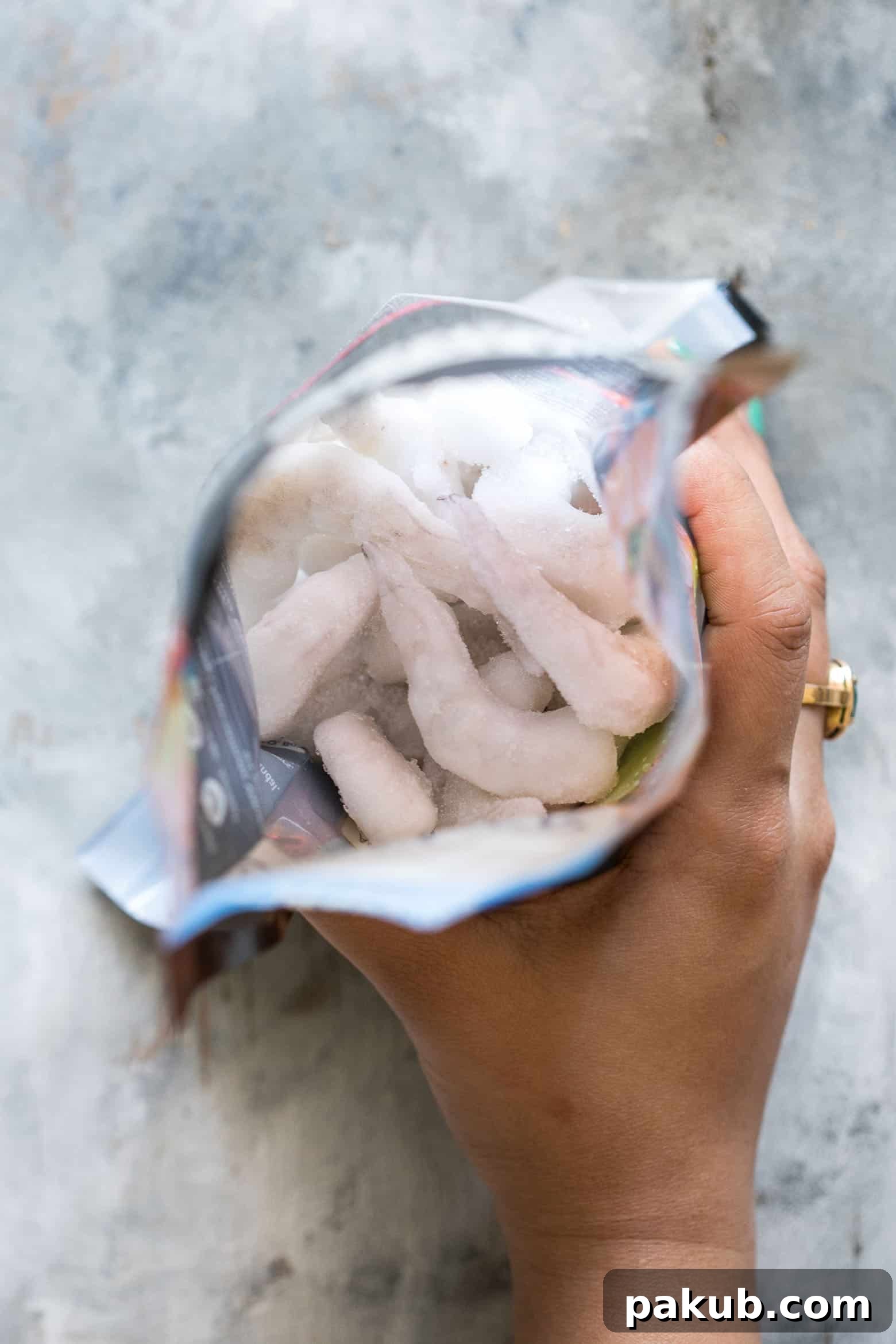
Many high-quality frozen prawn brands, such as ITC Master Chef, utilize the Individually Quick Frozen (IQF) method and provide their prawns in convenient, easy-resealable bags. This innovative approach offers immense flexibility, allowing you to take out only the exact quantity of prawns you need for a specific recipe, while keeping the remainder safely frozen in the freezer. This smart practice not only significantly minimizes food waste but also ensures that you don’t have to thaw an entire batch when only a small portion is required, further enhancing convenience and preserving the pristine freshness of the remaining prawns for future culinary endeavors.
Crowd Favorite Prawn Recipes: Get Inspired!
Prawn Rava Fry – Mangalorean Style
5 Ingredient Honey Chilli Garlic Tiger Prawns
Thai Prawn Mango Salad
Creamy Prawn Scampi Pasta (Step by Step Video)
Chilli Garlic Prawn Noodles
The Best Tandoori Prawns
Mexican Prawn Avocado Taco Salad
I genuinely hope this comprehensive article on safely defrosting prawns has been incredibly helpful, addressing any questions you may have had and empowering you with the knowledge to handle this delicate seafood with confidence. It’s important to remember that while our focus here has been on prawns, these four tried-and-true methods are universally applicable. You can confidently use them to safely defrost most types of shellfish and other delicate seafood, ensuring delicious, high-quality, and safe meals every single time.
Do you have a unique or personal favorite method for defrosting prawns or other seafood that wasn’t covered in this guide? I’m always eager to learn from our vibrant culinary community! Please don’t hesitate to share your valuable insights by leaving a comment below. Alternatively, feel free to send me a direct message over on my Instagram, @my_foodstory. Your experiences and tips are highly valued and help enrich the collective knowledge for all aspiring and seasoned cooks.
Note: This insightful article marks Part 2 of the exclusive “Prawns 101 with ITC Master Chef” series, a collection dedicated to bringing you expert guidance and in-depth information about prawns. If you missed it, you can delve into Part 1, which provides a crucial comparison of fresh vs. frozen prawns here. Our sincere gratitude goes out to our esteemed partners at ITC Master Chef for their generous support in making this invaluable and informative series possible.