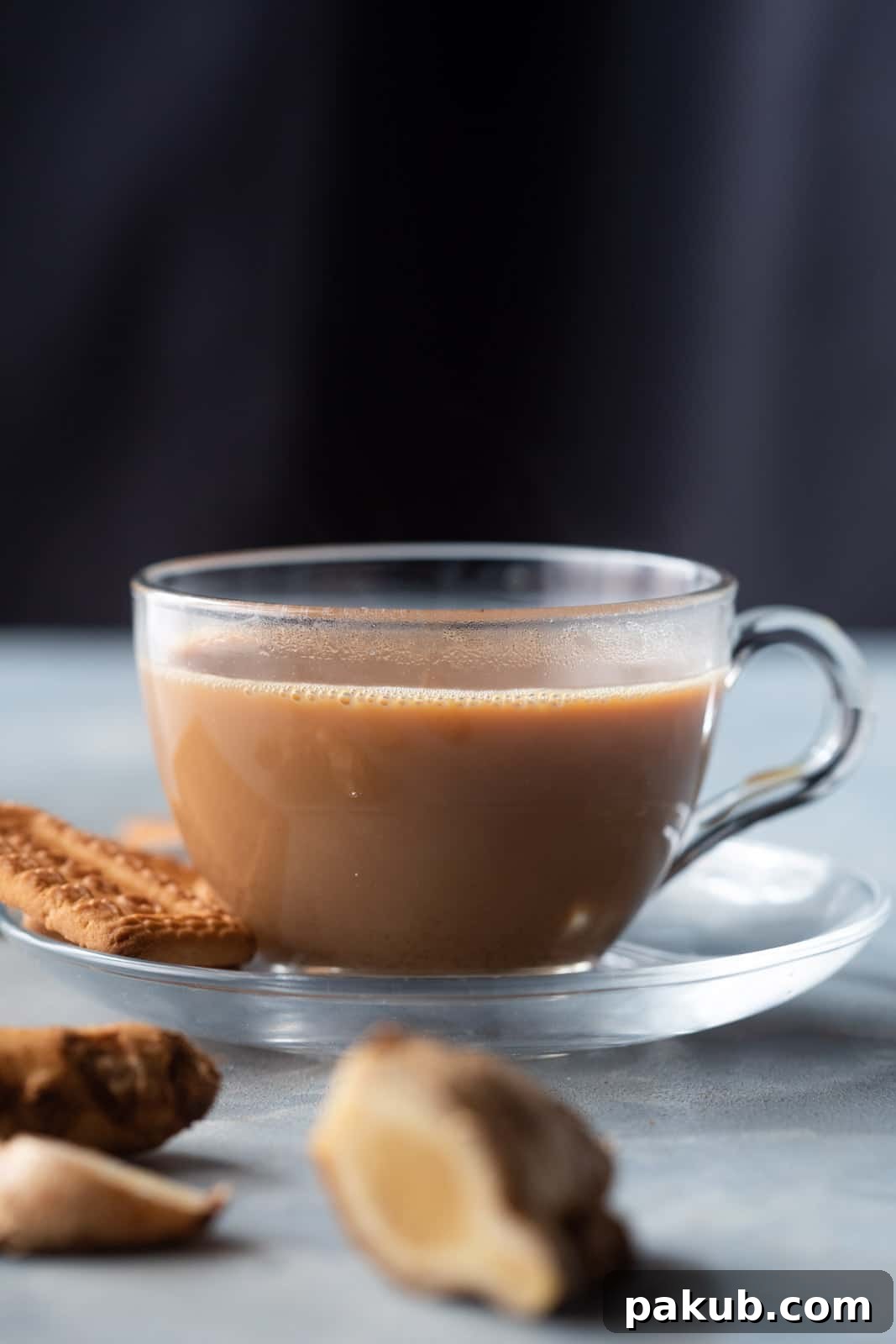
The Ultimate Guide to Indian Chai: 5 Aromatic & Traditional Tea Recipes
Chai is the heart and soul of India, a beloved beverage deeply woven into the fabric of daily life. This season, embark on a flavorful journey with our curated collection of five classic and nostalgic chai recipes, guaranteed to warm your spirit and tantalize your taste buds.
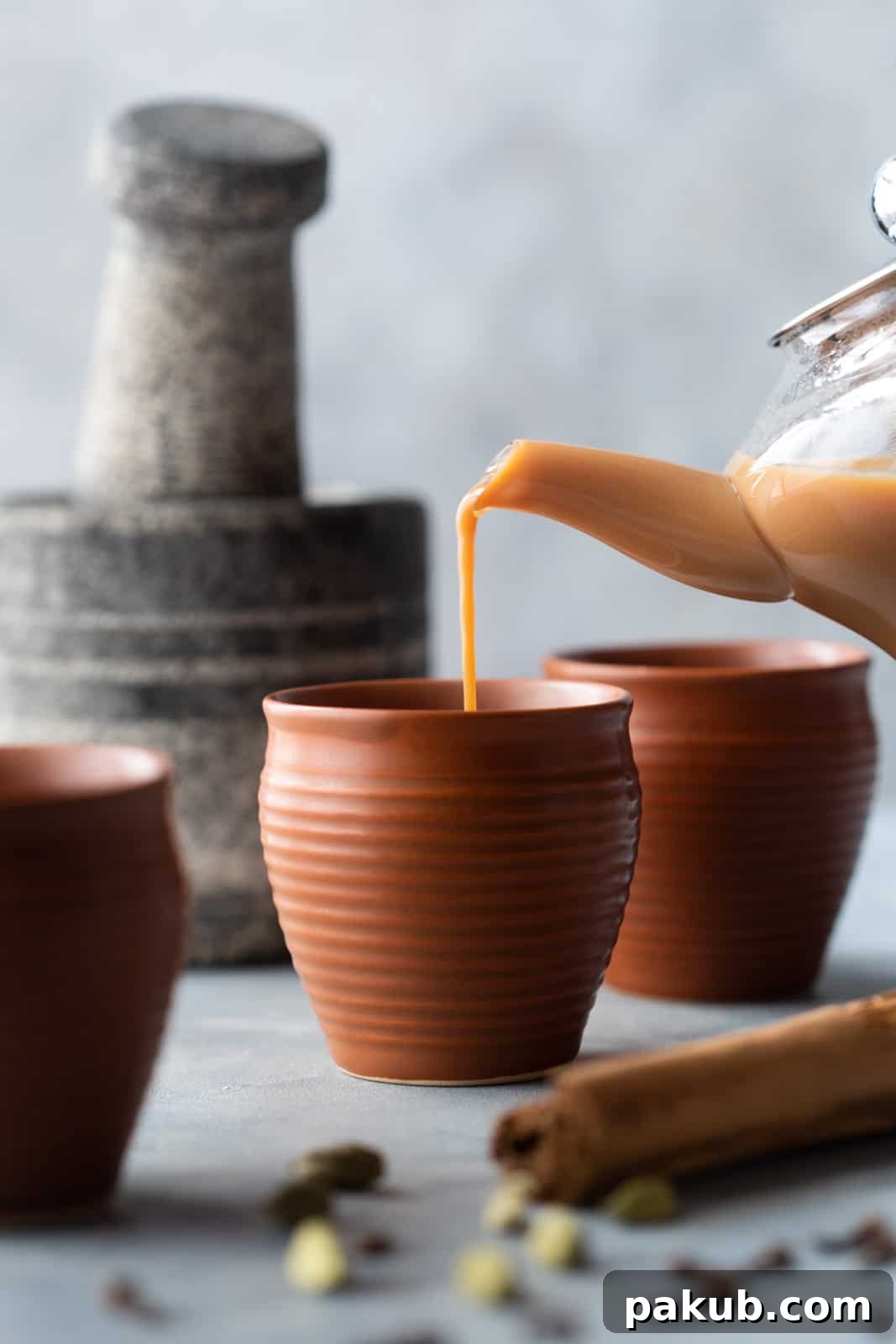
In India, chai is more than just a drink; it’s a cherished ritual, a gesture of hospitality, and a source of profound comfort. Imagine a rainy afternoon: the rhythmic patter of raindrops outside, the earthy scent of wet soil, and in your hand, a steaming cup of freshly brewed chai, perhaps accompanied by some crispy pakoras. It’s an idyllic scene etched into the collective memory of millions.
Crafting the perfect cup of chai is an art form. It should boast a deep, inviting color and a complex flavor profile that harmonizes robust tea notes with aromatic spices. The ideal chai is bold yet never bitter, creamy without being overly thick, and delightfully sweet but never cloying. Achieving this delicate balance requires attention to detail, from selecting the finest ingredients to mastering the brewing process. Many find this quest for perfection daunting, which is precisely why we’ve meticulously developed and compiled these five exceptional chai recipes for you. Get ready to experience a sensation of warmth, comfort, and pure satisfaction with every sip.
Quick Walk Through: How to make Chai
- The Essence of Spices in Chai
- Choosing the Right Tea Leaves for Your Brew
- The Milk Debate: With or Without?
- Mastering Chai: A Visual Guide (Video)
- Classic Masala Chai: India’s Spiced Elixir
- Invigorating Adrak Chai (Ginger Tea)
- Refreshing Sulaimani Chai: The Southern Digestive
- Exotic Kashmiri Kahwa: A Fragrant Green Tea Blend
- Healing Turmeric Tea: A Golden Herbal Infusion
- More Tea & Chai Creations to Explore
The Essence of Spices in Chai
Spices are the heart and soul of Indian chai, transforming a simple brew into an aromatic symphony. Essential spices like cinnamon, green cardamom, and cloves infuse masala chai with a gorgeous earthy warmth and a satisfying depth of flavor. Green cardamom, with its sweet, floral notes, is often considered indispensable. Cloves add a pungent, warming kick, while cinnamon contributes a sweet, woody aroma that enhances the overall richness. Some enthusiasts prefer to create a pre-ground chai masala blend for convenience. However, for an unparalleled aroma and potency, we highly recommend using freshly pounded whole spices. This method ensures that the volatile oils are released directly into your tea, providing a vibrant and authentic taste experience.
Choosing the Right Tea Leaves for Your Brew
The foundation of any exceptional cup of chai lies in the quality of its tea leaves. For the ultimate Indian milk tea, it’s crucial to select good quality, loose-leaf black tea. We always recommend purchasing loose, long-leaf teas that appear fresh and aromatic, rather than crumbly. High-quality teas retain their natural aromas beautifully and contribute significantly to the final flavor of your brew.
While personal preference plays a huge role in tea selection, certain brands and varieties are consistently praised. For robust milk teas, many Indian households swear by brands like Wagh Bakri for their consistent strength and flavor. When it comes to black teas suitable for various preparations, we maintain a small, curated collection of Darjeeling, Assam, and Green tea. Assam tea, known for its malty flavor and strong body, is particularly well-suited for milk-based chai. Darjeeling teas, often referred to as the “Champagne of teas,” offer a lighter, more floral profile, ideal for black tea preparations. Green teas, undergoing minimal processing, provide a delicate flavor and a wealth of beneficial antioxidants, making them perfect for herbal infusions. Experimenting with different tea leaves will undoubtedly lead you to discover your perfect base.
The Milk Debate: With or Without?
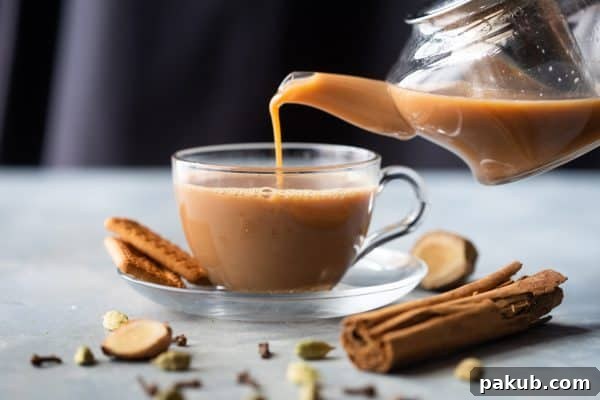
The addition of milk to tea is a long-standing tradition in many cultures, originating as an alternative to stronger, unsweetened black teas like Assam. Whether or not to include milk is ultimately a matter of personal preference, and the amount can vary dramatically. For traditional Indian masala chai or invigorating ginger chai, a generous dash of milk is highly recommended to achieve that creamy, comforting texture. Some communities even prepare their chai with 100% milk, favoring an incredibly rich and dense brew. However, for many, this can be too thick and heavy. We encourage you to start with the proportions in our recipes and then adjust the milk content to perfectly suit your palate.
Beyond milk teas, a vast and equally delicious world of non-milk based teas awaits exploration. Green tea, for instance, is celebrated for its light body, minimal processing, and high concentration of beneficial antioxidants. Then there’s Sulaimani Chai, a delightful black tea from the Malabar coast, sweetened with sugar and brightened with lemon and fresh mint – a refreshing digestive aid. Today, we’re also featuring an immunity-boosting Turmeric and Lemon Tea, surprisingly revitalizing with its earthy and zesty notes. And let’s not forget the exquisite Kashmiri Kahwa, a non-milk tea from Kashmir, infused with fragrant rose petals and precious saffron, offering an absolutely stunning sensory experience. Ultimately, the best way to discover your perfect cup is to try them all. Dive into these diverse preparations, watch the video below for a visual guide, and follow our simple steps to brew your way to tea bliss.
Mastering Chai: A Visual Guide
In our continuous quest to find and perfect the most enjoyable tea experiences, we’ve narrowed down our favorites to these five remarkable recipes. Each offers a unique flavor profile and a distinct sense of comfort and tradition.
Classic Masala Chai: India’s Spiced Elixir
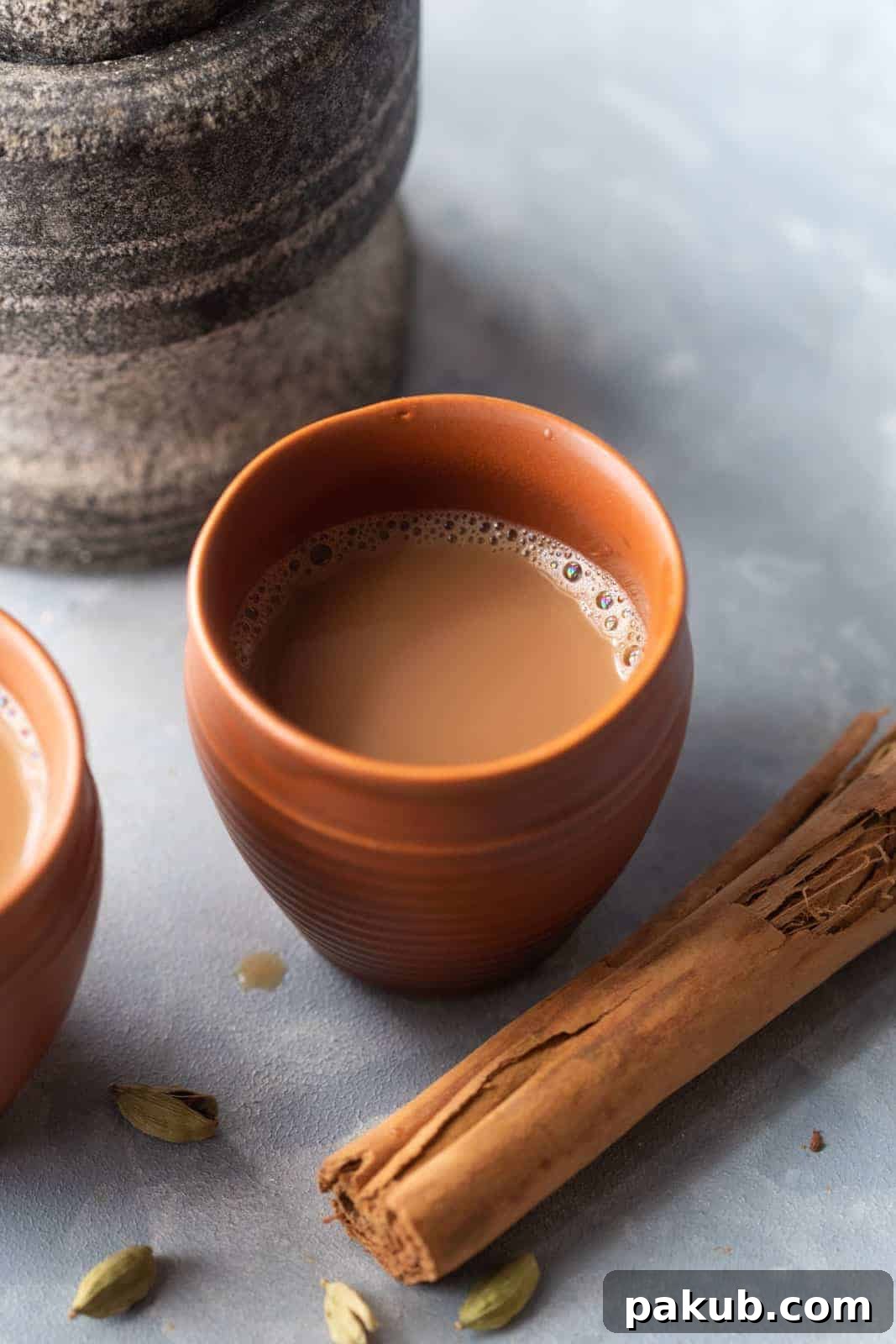
Masala Chai is the quintessential Indian tea, renowned for its comforting blend of strong black tea, milk, and an aromatic medley of spices. It’s truly a morning ritual for many, with the sweet and spicy fragrance of a steaming cup bringing a sense of pure bliss. This robust beverage not only awakens the senses but also offers numerous health benefits from its potent spices. Cardamom, cinnamon, cloves, and ginger each contribute to its distinctive flavor and therapeutic properties, making it a warming tonic for both body and soul. Learn to make this beloved staple:
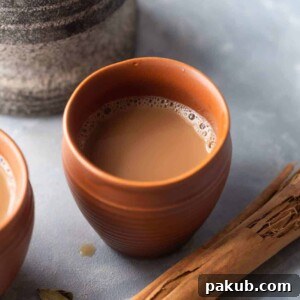
How to Make Masala Chai
Ingredients
- 1 cup Water
- 2 teaspoon Tea Leaves (preferably strong black tea like Assam)
- 3 Green Cardamoms
- 2 Cloves
- 1/2 inch piece Cinnamon
- 3 Peppercorn
- 1-2 tsp Sugar (adjust to taste)
- 3/4 cup Milk (dairy or vegan alternative)
Instructions
- Use a mortar and pestle to lightly crush the whole spices (cardamom, cloves, cinnamon, peppercorn). This releases their potent aromas and flavors. Keep them aside.
- In a small saucepan, bring the water to a boil over medium heat. Once the water begins to boil, reduce the heat to a simmer and add the crushed spices and tea leaves. Allow it to simmer gently for 5-7 minutes. This crucial step ensures that the tea leaves and spices fully infuse their flavors into the water, developing a rich color and robust base.
- Pour in the milk and add the sugar, stirring well to combine all ingredients. Increase the heat slightly and bring the tea to a gentle boil once more. As soon as it boils, immediately turn off the heat to prevent over-extraction and bitterness.
- Carefully strain the hot chai into serving cups, ensuring all solid ingredients are removed. Serve piping hot, ideally accompanied by some digestive biscuits or your favorite savory snack.
Notes
- Do not steep the tea leaves for too long after adding milk, as this can lead to a bitter taste. The boiling after milk is primarily to heat it through.
- Sugar can be substituted with honey or jaggery for alternative sweetness profiles. Adjust quantity according to your preference.
- For a vegan alternative, readily substitute cow’s milk with oat milk, almond milk, or soy milk.
- Chai is best enjoyed fresh and hot immediately after preparation.
Nutrition (per serving, estimated)
Carbohydrates: 11 g,
Protein: 3 g,
Fat: 3 g,
Saturated Fat: 2 g,
Cholesterol: 9 mg,
Sodium: 47 mg,
Potassium: 154 mg,
Fiber: 1 g,
Sugar: 9 g,
Vitamin A: 148 IU,
Vitamin C: 1 mg,
Calcium: 121 mg,
Iron: 1 mg
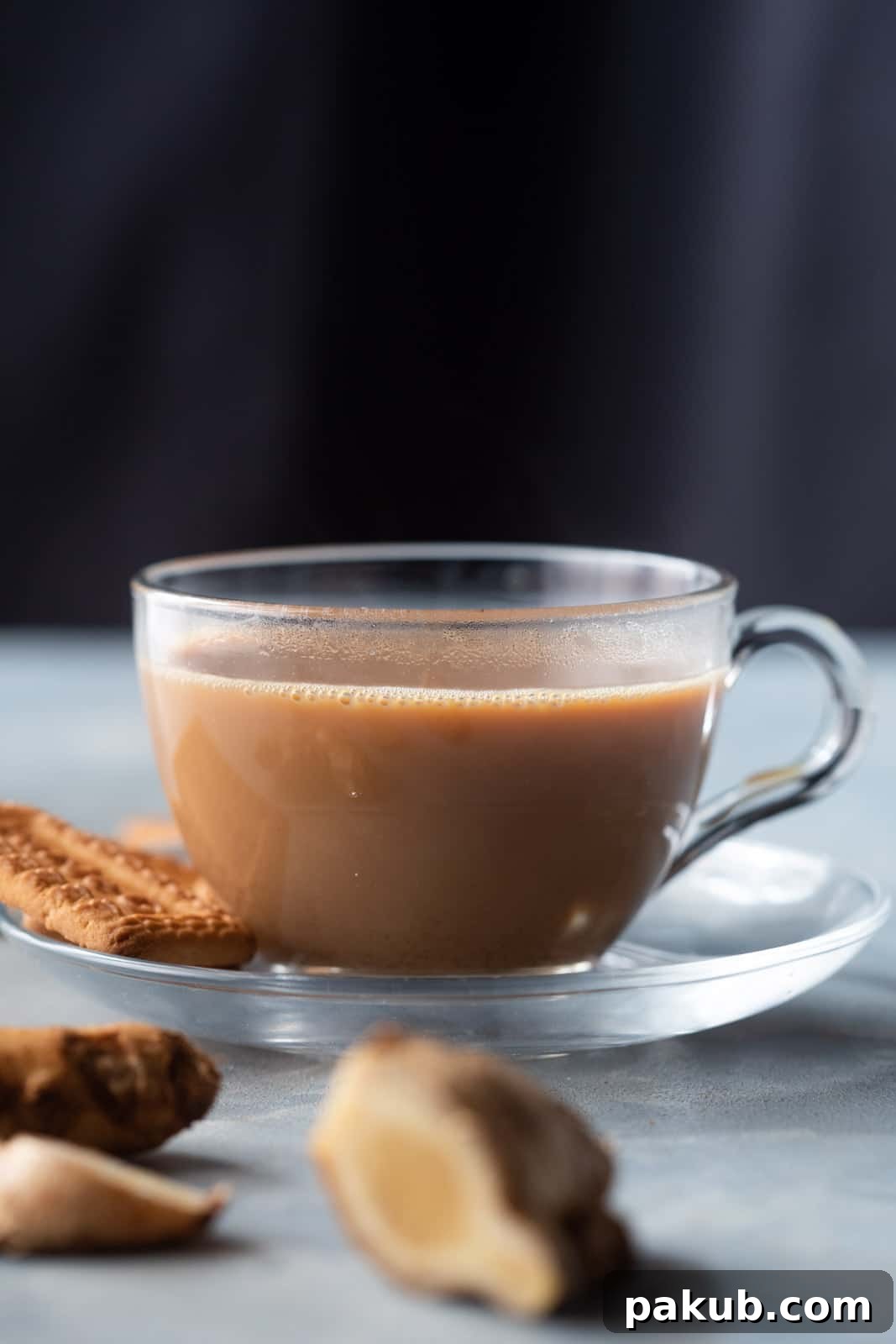
Invigorating Adrak Chai (Ginger Tea)
Adrak Chai, or Ginger Tea, is a cherished classic, especially perfect for those classic rainy days or when you need a little pick-me-up. The pungent, spicy warmth of fresh ginger infused into the tea creates an incredibly cozy and comforting beverage. Beyond its delightful flavor, ginger is well-known for its medicinal properties, often used to soothe a sore throat, ease digestion, or simply chase away the chills. A cup of robust Adrak Chai is truly an invigorating tonic, guaranteed to help you unwind and feel better. This simple yet powerful brew is a testament to the magic of fresh ingredients.

How to Make Adrak Chai (Ginger Tea)
Ingredients
- 1 cup Water
- 1.5 inch piece Fresh Ginger
- 2.5 tsp Tea Leaves (strong black tea)
- 1-2 tsp Sugar (or to taste)
- 3 tbsp Milk (optional, dairy or vegan)
Instructions
- Use a mortar and pestle to lightly pound the ginger, or grate it finely using a zester, to release its flavorful juices. Set aside.
- In a pot, bring the water to a rolling boil. Once boiling, reduce the heat to a simmer and add the prepared ginger and tea leaves. Let it simmer for 5-7 minutes, allowing the ginger and tea to infuse thoroughly and the tea to develop a deep color.
- Add sugar to sweeten. We prefer a moderately sweet tea, so 2 teaspoons work perfectly, but feel free to adjust to your personal taste. Stir to combine. At this point, you can turn off the heat. You can serve it as a strong black ginger tea, or proceed to add milk for a creamier version. It tastes wonderful either way!
- Strain the tea into your favorite cup and serve it piping hot, perhaps alongside some light biscuits or your preferred snack.
Notes
- Avoid steeping the tea leaves for too long, especially after adding milk, as this can result in a bitter flavor.
- Sugar can be replaced with honey or jaggery for varied sweetness and flavor profiles.
- To make this recipe vegan, simply substitute cow’s milk with a plant-based milk alternative or omit milk entirely for a delicious black ginger tea.
- Ginger tea is best consumed hot and fresh immediately after brewing.
Nutrition (per serving, estimated)
Carbohydrates: 7 g,
Protein: 1 g,
Fat: 1 g,
Saturated Fat: 1 g,
Cholesterol: 5 mg,
Sodium: 32 mg,
Potassium: 59 mg,
Sugar: 7 g,
Vitamin A: 73 IU,
Calcium: 51 mg
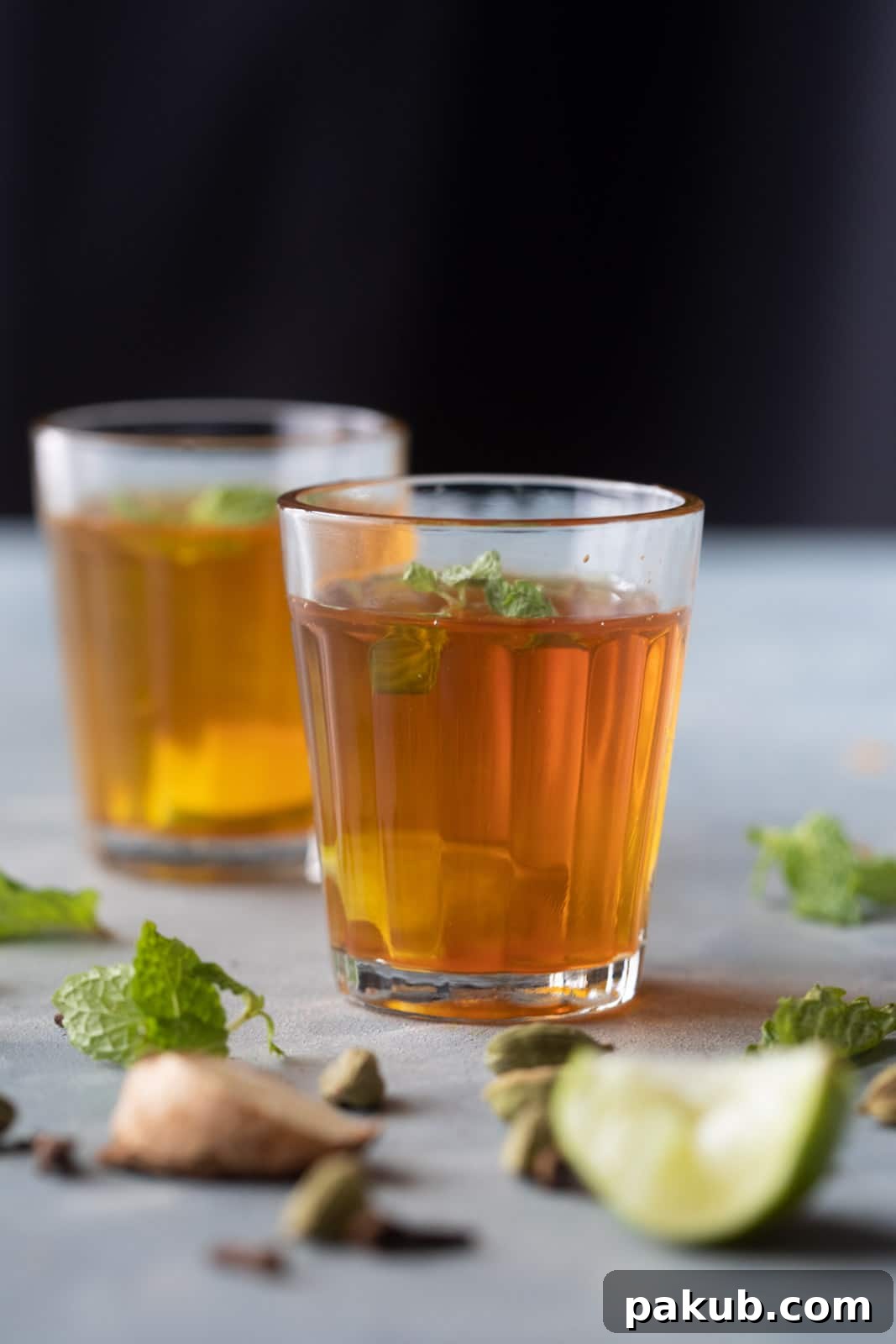
Refreshing Sulaimani Chai: The Southern Digestive
Sulaimani Chai offers a delightful departure from milk-based teas, making it the perfect light and refreshing finish to a heavy meal. This unique black tea, widely popular across the Malabar coastline of Southern India, is celebrated for its digestive properties and its invigorating blend of sweet, tart, and minty flavors. Unlike its creamy counterparts, Sulaimani is prepared without milk, highlighting the boldness of black tea mellowed by sugar and brightened by fresh lemon and mint. It’s often enjoyed after rich dishes like biryani, acting as a superb palate cleanser and digestive aid. Indulge in its refreshing qualities – you’ve earned it!
How to Make Sulaimani Chai
Ingredients
- 1 cup Water
- 3/4 tsp Fresh Ginger (grated or lightly pounded)
- 1 Green Cardamom pod
- 1 Clove
- 1/2 tsp Tea Leaves (black tea)
- 1 tsp Jaggery (or sugar, to taste)
- 1/2 tsp Lemon Juice (freshly squeezed)
- 2-3 Fresh Mint Leaves
Instructions
- Using a mortar and pestle, lightly crush the whole spices (cardamom, clove) to release their aroma. Set these aside. Next, lightly pound a piece of ginger to extract its juices, or grate it finely. Keep the ginger separate.
- In a small pot, bring one cup of water to a slow simmer over medium heat. Add the crushed whole spices, the prepared ginger, and the tea leaves to the simmering water. Allow the mixture to simmer for 5-7 minutes, enabling the flavors to fully infuse. If you are using solid jaggery, add it at this stage to allow it to dissolve completely. Turn off the heat. If using powdered jaggery or sugar, you can add it now. Stir in the freshly squeezed lemon juice and the fresh mint leaves, mixing everything thoroughly.
- Strain the Sulaimani Chai directly into a serving glass or mug. Serve and consume immediately while it is still hot for the best flavor and digestive benefits.
Notes
- Be careful not to steep the tea leaves for too long, as this can result in a bitter taste in your Sulaimani Chai.
- Jaggery can be easily substituted with honey or regular sugar based on your sweetness preference.
- Sulaimani Chai is traditionally served hot and should be consumed immediately after preparation to enjoy its full freshness.
Nutrition (per serving, estimated)
Carbohydrates: 6 g,
Protein: 1 g,
Fat: 1 g,
Saturated Fat: 1 g,
Sodium: 14 mg,
Fiber: 1 g,
Sugar: 4 g,
Vitamin A: 85 IU,
Vitamin C: 1 mg,
Iron: 1 mg
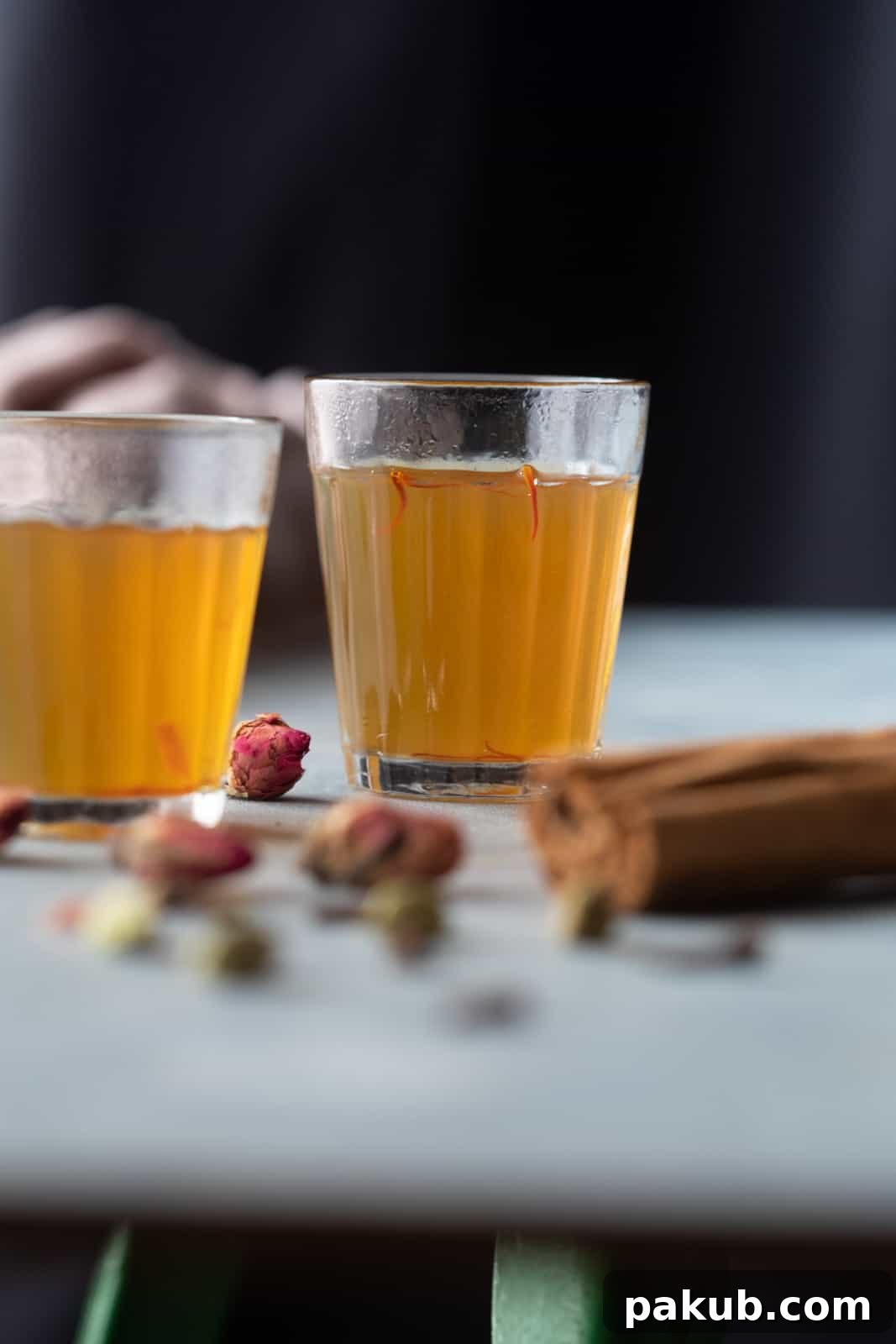
Exotic Kashmiri Kahwa: A Fragrant Green Tea Blend
Kashmiri Kahwa is an enchanting and traditional non-milk tea hailing from the breathtakingly beautiful state of Kashmir in the Himalayas. This fragrant green tea concoction is a symphony of delicate flavors and aromas, meticulously prepared with an array of whole spices, delicate rose petals, and the luxurious strands of saffron. Historically, Kahwa was crafted to help the body acclimate to the cold Kashmiri climate, offering warmth and comfort. However, its exquisite taste and numerous health benefits make it a delightful beverage to be enjoyed anytime, anywhere. Infused with saffron, cardamom, cinnamon, cloves, and often garnished with dry fruits and nuts, Kahwa is a powerhouse of wellness—acting as a natural immunity booster, a stress-reliever, an effective digestive aid, and even a soothing remedy for colds. The list of its virtues is truly endless, making it a truly remarkable and therapeutic tea experience.
How to Make Kashmiri Kahwa
Ingredients
- 1 cup Water
- 1 Green Cardamom pod
- 1 Clove
- 1 inch Cinnamon stick
- 3-4 Rose Petals (dried or fresh)
- 4-5 strands Saffron
- 1 tbsp Sugar (or honey/jaggery, to taste)
- 1 tsp Green Tea Leaves (or 1 green tea bag)
Instructions
- Using a mortar and pestle, lightly crush the whole spices (cardamom, clove, cinnamon) to enhance their aromatic release. Set them aside.
- In a small saucepan, add the water and bring it to a slow simmer over medium heat. Add the crushed whole spices, rose petals, and saffron strands. Allow the mixture to simmer for 5-7 minutes, letting the flavors and colors beautifully infuse into the water. Bring the mixture to a gentle boil, then add the sugar (or your chosen sweetener) and stir until it dissolves. Immediately turn off the heat.
- Now, add the green tea leaves or place a green tea bag into the pot. Crucially, cover the pot with a lid and let the green tea steep for precisely 3 minutes. Do not steep for longer, as green tea can become bitter.
- Uncover the pot, carefully strain the Kahwa into a traditional chai glass or a mug, discarding the solids. Serve the Kashmiri Kahwa piping hot to savor its full fragrance and warming properties.
Notes
- The steeping time for green tea is critical; exceeding 3 minutes can result in a bitter taste.
- Feel free to substitute sugar with honey or jaggery for a different kind of sweetness.
- For an authentic Kashmiri touch, garnish your Kahwa with a few slivered almonds or pistachios before serving.
- Kashmiri Kahwa is always best served hot immediately after preparation.
Nutrition (per serving, estimated)
Carbohydrates: 17 g,
Protein: 1 g,
Fat: 1 g,
Saturated Fat: 1 g,
Sodium: 19 mg,
Potassium: 69 mg,
Fiber: 1 g,
Sugar: 12 g,
Vitamin C: 3 mg,
Iron: 1 mg
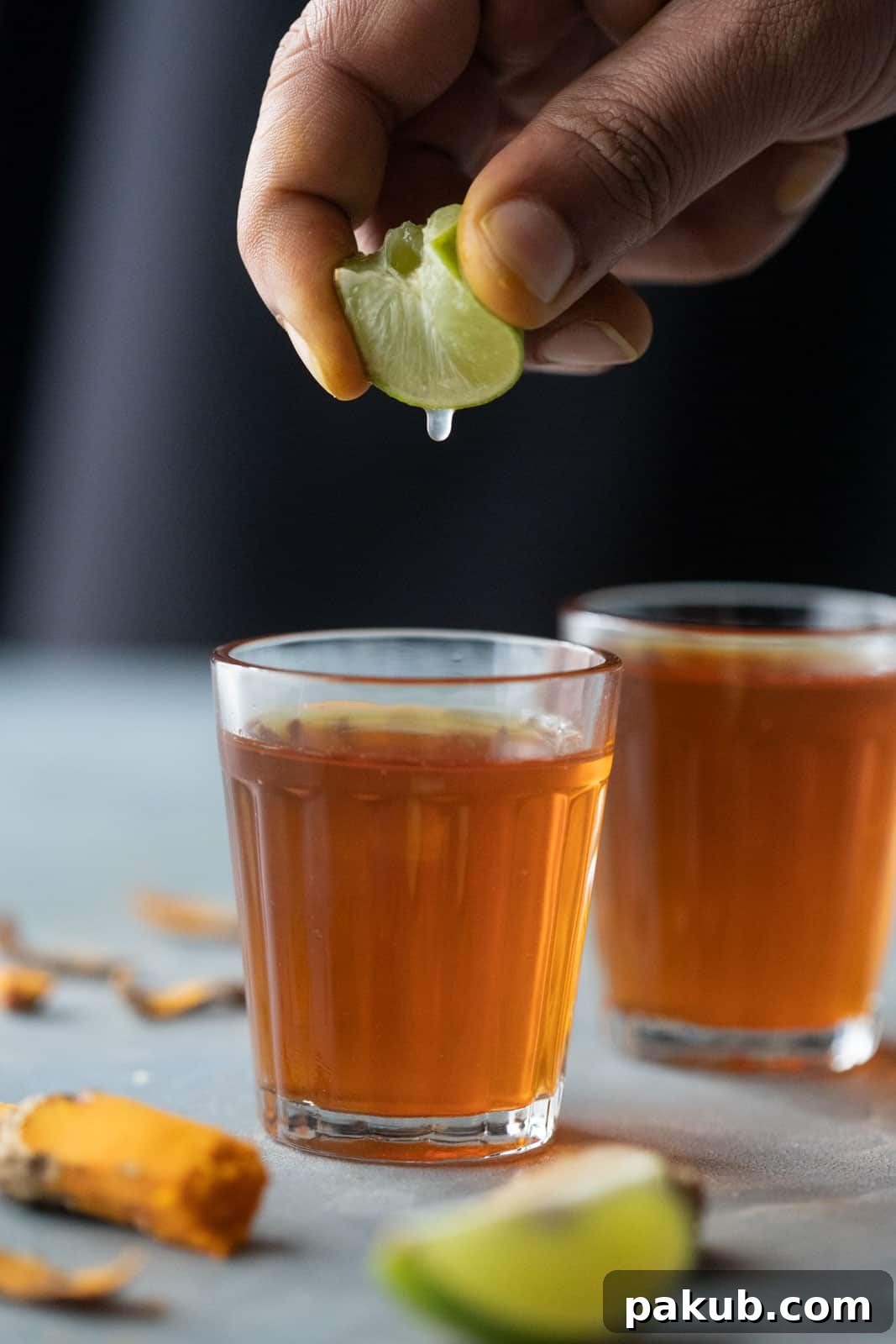
Healing Turmeric Tea: A Golden Herbal Infusion
Interestingly, Turmeric Tea, despite its name, is not technically a “tea” in the traditional sense, as it doesn’t contain actual tea leaves (Camellia sinensis). Instead, it is classified as a tisane or herbal infusion, crafted from the potent turmeric root. This vibrant golden drink is a powerhouse of health benefits, primarily due to curcumin, turmeric’s active compound, known for its strong anti-inflammatory and antioxidant properties. It’s lauded for its ability to boost immunity, support digestive health, and even help alleviate symptoms of irritable bowel syndrome. But don’t let its medicinal prowess deter you; this herbal infusion is surprisingly refreshing, boasting an earthy warmth complemented by zesty lemon and natural sweetness. You’d have to be absolutely crazy (or as we playfully say, “tisane-ly” insane) not to give this incredibly beneficial and delicious drink a try!
Turmeric Tea
Ingredients
- 1 Cup Water
- 1/4 tsp Fresh Turmeric (grated, or turmeric powder)
- 1/4 tsp Fresh Ginger (grated)
- 1/4 tsp Lemon Juice (freshly squeezed)
- 1 tbsp Honey (or maple syrup/agave, to taste)
Instructions
- Prepare your fresh ingredients: Use a zester or a fine grater to finely grate the fresh turmeric root and ginger. If using turmeric powder, measure it out. Keep these prepared ingredients aside.
- In a small pot, add the water and place it over medium heat. Allow the water to heat up until it reaches a slow simmer, just before boiling. At this point, add the grated fresh turmeric (or turmeric powder) and grated ginger. Let the mixture simmer gently for 3-5 minutes, allowing the flavors and beneficial compounds to infuse into the water. Turn off the heat.
- Add your preferred sweetener, such as honey, to taste. If you wish, sugar or jaggery can be used as alternatives. Stir until dissolved. Finally, add the freshly squeezed lemon juice and stir again to combine all ingredients.
- Strain the golden turmeric tea into a chai glass or your favorite mug to remove any solid particles. Serve and consume while hot to enjoy its warming and healing properties.
Notes
- Do not steep the turmeric and ginger mixture for too long, as prolonged simmering can sometimes lead to a slightly bitter taste.
- For the best flavor and maximum health benefits, always use fresh turmeric root if available. Its vibrant flavor far surpasses that of turmeric powder.
- Honey can be substituted with maple syrup, agave nectar, sugar, or jaggery according to your dietary preferences and taste.
- Turmeric tea is most effective and enjoyable when served hot and consumed immediately after preparation.
Nutrition (per serving, estimated)
Carbohydrates: 18 g,
Protein: 1 g,
Fat: 1 g,
Saturated Fat: 1 g,
Sodium: 13 mg,
Sugar: 17 g,
Iron: 1 mg
Tea is an irreplaceable part of Indian culture, a warm embrace in a cup that brings people together and offers solace. We genuinely hope you enjoy exploring these diverse and delightful chai recipes we’ve meticulously compiled for you. May you find profound joy and your definitive answer to the delightful question: ‘To tea or not to tea!’ in every perfect, aromatic cup.
More Tea & Chai Creations to Explore:
- How to Make Hibiscus Tea
- Virgin Apple Iced Tea (Non-Alcoholic Mocktail)
- Masala Chai Panna Cotta