
The Ultimate Jackfruit Biryani: Bold & Comforting Kathal Biryani Recipe

In the vibrant tapestry of Indian cuisine, biryani stands out as a dish of celebration, a symphony of spices, rice, and tender ingredients. While traditionally associated with meat, the world of vegetarian biryanis has evolved dramatically, proving that plant-based options can be equally, if not more, captivating. Among these, Jackfruit Biryani, affectionately known as Kathal Biryani, carves its own niche, offering a deeply satisfying experience that rivals its meaty counterparts. Far from being a mere substitute, jackfruit brings a unique, absorbent quality to the dish, soaking up every nuance of spice and aroma to deliver a rich, comforting, and utterly delicious meal.
For years, I’ve explored the delightful realm of vegetarian biryanis, from my classic Vegetable Biryani to the creamy indulgence of Makhani Paneer Biryani. Yet, this Kathal Biryani holds a truly special place in my heart. The magic lies in how raw jackfruit transforms during the cooking process. Its fibrous texture beautifully mimics the tenderness of slow-cooked meat, while its mild flavor acts as a perfect canvas for the intricate blend of biryani spices. Each bite is a tender, juicy explosion of deep, aromatic flavors that instantly transports you to a world of culinary bliss.
If you’re new to the wonders of jackfruit, this biryani is an excellent introduction. Its hearty nature and incredible depth of flavor have converted many a skeptical meat-lover into an ardent fan. Serve this festive dish with a refreshing Cucumber Raita or a zesty Tomato Chutney, and prepare for a truly satisfying feast that feels both luxurious and genuinely wholesome.
What is Jackfruit Biryani (Kathal Biryani)?
At its heart, Jackfruit Biryani, or Kathal Biryani, is a fragrant and flavorful rice dish where tender chunks of raw jackfruit are slow-cooked with aromatic basmati rice and a complex blend of Indian spices. It’s a vegetarian delight that captivates with its rich taste and satisfying texture. Unlike other vegetable biryanis that rely on softer vegetables, jackfruit provides a robust, ‘meaty’ bite, making it a favorite among those seeking a hearty, plant-based alternative to traditional meat biryanis. The preparation involves layering partially cooked rice over a rich jackfruit masala, then cooking it “dum style” (sealed and slow-cooked) to allow the flavors to meld beautifully, resulting in a dish where every grain of rice is infused with fragrant spices.
The term “Kathal” refers to jackfruit in Hindi, and this particular biryani highlights the fruit’s incredible versatility in savory cooking. When young and unripe, jackfruit has a neutral flavor and a firm, fibrous texture that, when cooked, shreds and softens, absorbing flavors like a sponge. This characteristic makes it an ideal ingredient for dishes like biryani, where the spice blend is paramount. The result is a biryani that is not only packed with flavor but also offers a unique and delightful textural experience that makes it stand apart from other vegetarian options.
The Allure of Jackfruit: A Meat Substitute Marvel
Jackfruit (Artocarpus heterophyllus) is a tropical fruit native to South India, recognized globally as the largest tree-borne fruit. While ripe jackfruit is sweet and enjoyed in desserts, it’s the young, unripe (raw) jackfruit that has garnered immense popularity in savory dishes, particularly as a convincing meat substitute. Its neutral flavor profile, coupled with a stringy, dense texture when cooked, allows it to soak up marinades and spices, mimicking the feel of pulled pork, chicken, or in this case, a rich meat curry in biryani.
Beyond its culinary versatility, jackfruit boasts an impressive nutritional profile. It’s rich in dietary fiber, which aids digestion and promotes gut health. It also contains vitamins such as Vitamin C and Vitamin A, essential minerals like potassium and magnesium, and a good amount of antioxidants. Being naturally low in fat and cholesterol-free, it makes for a healthier alternative for those looking to reduce meat consumption without compromising on the fulfilling experience of a rich, hearty meal. Choosing young jackfruit is key for this biryani, as ripe jackfruit would introduce an undesirable sweetness and softer texture.
The Biryani Legacy: A Brief History
Biryani is more than just a dish; it’s a culinary legend, a testament to rich historical influences and refined cooking techniques. Originating in Persia, the word “biryan” means “fried” or “roasted.” This royal dish made its way to the Indian subcontinent through the Mughals, who perfected the art of layering aromatic rice with marinated meat, spices, and herbs, cooking it slowly in a sealed pot – a technique known as “dum.” This method ensures that the ingredients cook evenly in their own juices and steam, allowing the flavors to deeply infuse into every grain of rice and every piece of meat (or jackfruit, in our case).
Over centuries, biryani evolved, with various regional variations emerging across India, each boasting its unique blend of spices and cooking nuances. From the Hyderabadi Biryani to the Lucknowi (Awadhi) Biryani, each style tells a story of local ingredients and culinary traditions. Jackfruit Biryani, though a relatively modern adaptation, embraces the core principles of this ancient dish – the meticulous layering, the fragrant spices, the tender “meat” (jackfruit), and the quintessential dum cooking – to create a vegetarian masterpiece that honors the grand legacy of biryani while offering a fresh, plant-based perspective.
Mastering the Ingredients for Authentic Kathal Biryani
Creating an exceptional Jackfruit Biryani hinges on selecting the right ingredients and understanding their role in building flavor. Here’s a detailed look at the essentials:
- Main Base: Raw Jackfruit (Kathal) & Basmati Rice: The stars of our dish. Always opt for young, unripe jackfruit, as its firm texture is crucial for mimicking meat. Basmati rice, specifically aged basmati, is indispensable for biryani. Its long grains cook up fluffy and separate, absorbing the aromatic spices without becoming sticky. Soaking the rice before cooking ensures even doneness and prevents breakage.
- Whole Spices: The Aromatic Foundation: Bay leaves, cinnamon, cloves, green cardamom, stone flower (patthar phool), and shahi jeera (caraway seeds) are the soul of biryani. They provide a complex, fragrant aroma that defines the dish. Stone flower, in particular, lends an earthy, woody note, while shahi jeera offers a distinct, delicate flavor.
- Aromatics: Building the Flavor Base: A generous amount of onion paste, fresh ginger-garlic paste, and vibrant green chillies form the robust foundation of the masala. Onions are caramelized to a deep golden brown, providing sweetness and depth, while ginger and garlic infuse the dish with their pungent, savory notes. Tomatoes add a touch of tang and help create a luscious gravy.
- Spice Mix: The Heart of the Biryani: A precise blend of ground spices—coriander powder, jeera (cumin) powder, red chilli powder, Kashmiri chilli powder, and a high-quality biryani masala—creates the signature taste. Kashmiri chilli powder adds a beautiful red hue without excessive heat. For biryani masala, I highly recommend Shan’s Biryani Masala for its authentic and potent fragrance, which truly elevates the dish. If unavailable, a homemade blend or another trusted brand will also work.
- Binding & Richness: Whisked Curds (Yogurt) & Cooking Oil/Ghee: Yogurt not only tenderizes the jackfruit but also adds a creamy richness and a slight tang, balancing the spices. Cooking oil is essential for frying the jackfruit and building the masala, while a drizzle of melted ghee at the end enhances the aroma and richness, providing that quintessential biryani finish.
Step-by-Step Cooking Guide to Perfect Jackfruit Biryani
Making a delicious Jackfruit Biryani involves a few key stages, each crucial for developing the layers of flavor. Here’s a narrative guide to help you through the process:
Preparing the Jackfruit Masala:
Begin by preparing the jackfruit. If using fresh raw jackfruit, remember to oil your hands and knife before cutting to manage the sticky sap. Cut it into uniform, medium-sized cubes. Heat a portion of your cooking oil in a large, heavy-bottomed pot or “handi” and fry the jackfruit cubes in batches until they achieve a light golden hue. This step is vital as it locks in the texture and prevents the jackfruit from becoming mushy later. Set the fried jackfruit aside.
In the same pot, heat the remaining oil and introduce your whole spices: bay leaves, cinnamon, cloves, green cardamom, stone flower, and shahi jeera. Allow them to sizzle gently for about 30 seconds until their intoxicating aromas fill your kitchen. Next, add the thinly sliced onions. This is where patience is key; slowly sauté the onions over low heat for 7-8 minutes until they turn a beautiful, deep golden brown. This caramelization adds a crucial sweetness and depth to your biryani. Stir in the ginger-garlic paste, adding a splash of water if needed to prevent burning, and cook until it’s also golden and fragrant.
Now, it’s time for the ground spices. Incorporate coriander powder, jeera powder, biryani masala, red chilli powder, Kashmiri chilli powder, salt, and finely chopped green chillies. Add the cubed tomatoes and sauté for a minute. A quarter cup of water helps the spices toast without scorching, allowing them to release their full flavor. Continue cooking on low heat until the masala is well roasted and the oil begins to separate from the mixture.
Next, stir in the whisked curds along with another quarter cup of water. Cook this creamy mixture on low for about 7-8 minutes, stirring occasionally, until the oil once again floats to the top, indicating that the curry base is perfectly cooked and homogenous. Finally, fold in the fried jackfruit cubes, ensuring they are thoroughly coated with the rich masala. Add 1 ¾ cups of water and mix well. For cooking the jackfruit, you have two options:
- Pressure Cooker Method: Transfer the mixture to a pressure cooker. Cook on high heat until the first whistle, then reduce heat to low and cook until a second whistle. Turn off the heat and let the pressure release naturally. This ensures tender jackfruit.
- Stovetop Method: Cover the pot and cook on low heat for about 30 minutes, or until the jackfruit is perfectly tender. Remember to stir occasionally to prevent sticking.
Preparing the Basmati Rice:
While the jackfruit is cooking, prepare your basmati rice. After rinsing and soaking for 30 minutes, bring a large pot of water to a rolling boil. Add salt, whole spices (bay leaf, cinnamon, cloves, green cardamom, stone flower, shahi jeera), and the soaked basmati rice. Cook the rice for exactly 5 minutes. At this point, the rice should be about 70% cooked – still firm in the center when pressed between your fingers. Drain the rice completely, keeping the whole spices with the grains. This par-cooking prevents overcooking during the dum process.
Assembling and Dum Cooking the Biryani:
Once the jackfruit masala is ready, ensure it’s in a heavy-bottomed pot suitable for dum cooking. Sprinkle a generous layer of chopped coriander and mint leaves over the jackfruit masala. Carefully spread the partially cooked basmati rice evenly over the herb layer. Drizzle the saffron-infused water over the rice for color and aroma. Sprinkle crispy fried onions (birista) and melted ghee over the rice. Seal the pot with a tight-fitting lid. Traditionally, the lid is sealed with dough to prevent steam from escaping. Place the sealed pot on a hot “tawa” (griddle) heated on the stove. Cook on low heat for 18-20 minutes. This “dum” cooking allows the rice to fully cook in the steam of the jackfruit masala, infusing it with incredible flavor.
After cooking, remove the pot from the heat and let it rest, undisturbed, for 30 minutes to an hour. This resting period is crucial; it allows the steam to redistribute and the flavors to deepen, ensuring a perfectly fluffy and flavorful biryani. Gently fluff the biryani with a fork before serving, ensuring you scoop from the bottom to get a mix of the jackfruit masala and aromatic rice. Serve hot with your favorite accompaniments.
Frequently Asked Questions About Jackfruit Biryani
How to choose jackfruit for biryani?
Always select young, raw (unripe) jackfruit, also known as green jackfruit. It should feel firm to the touch and have a pale green skin. Crucially, it should not have any strong fruity smell, which indicates ripeness. You can use fresh jackfruit, readily available in Asian markets, or frozen pre-cut jackfruit. If using canned jackfruit, ensure it’s packed in brine or water, not syrup, and rinse it thoroughly before use to remove any briny taste.
What does jackfruit biryani taste like?
Jackfruit biryani is a hearty and deeply flavorful dish. The jackfruit, when cooked, develops a tender, almost “meaty” texture that beautifully absorbs the rich, aromatic spices. It boasts a complex profile of earthy, savory, and mildly spicy notes, with hints of fresh herbs like mint and coriander. It’s comforting, robust, and offers a satisfying depth of flavor akin to a traditional meat biryani but with a unique plant-based character.
Can I use canned jackfruit?
Yes, absolutely! Canned young green jackfruit in brine or water is a convenient option. Before using, make sure to drain it well and rinse it thoroughly under cold water to wash away any salty or metallic taste from the brine. Gently squeeze out excess water. Avoid any canned jackfruit that is packed in syrup or is labeled as “ripe” as these will be sweet and unsuitable for a savory biryani.
Is this recipe spicy?
This recipe is designed to be mild to medium in spice, offering a pleasant warmth without being overwhelmingly hot. The heat comes from green chillies and red chilli powder. If you prefer a milder biryani, you can easily reduce the number of green chillies and decrease the amount of red chilli powder. For those who love an extra kick, feel free to add an extra green chilli or a pinch more red chilli powder, or even a dash of cayenne pepper.
How do I prevent the biryani from becoming soggy?
Several factors contribute to a fluffy biryani. First, properly soaking and par-cooking the basmati rice to about 70% doneness is key. Second, ensure your jackfruit masala is not too watery; it should be a thick, rich gravy. Third, seal the biryani pot tightly during “dum” cooking to trap steam, allowing the rice to cook through without adding more liquid. Finally, allow the biryani to rest for at least 30 minutes after cooking off the heat. This resting period lets the steam redistribute, resulting in separate, fluffy grains.
Can I make this biryani vegan?
This jackfruit biryani recipe is already vegetarian. To make it completely vegan, simply substitute the whisked curds (yogurt) with a plant-based yogurt alternative (like unsweetened coconut or almond yogurt) or a thick cashew cream. Also, replace the ghee with a vegan butter substitute or use additional cooking oil for frying and drizzling.
Expert Tips for a Flawless Jackfruit Biryani
Achieving biryani perfection requires attention to detail. Here are some expert tips to ensure your Jackfruit Biryani turns out magnificent every time:
- Proper Jackfruit Preparation is Key: If working with fresh raw jackfruit, remember to oil your hands and knife liberally before cutting to prevent the sticky latex from adhering. Alternatively, many vendors can pre-cut it for you. Aim for uniform 1 to 1¼ inch cubes for even cooking.
- Don’t Overcook the Jackfruit: You want the jackfruit to be tender but still hold its shape, not turn mushy. When simmering the masala, add water in small batches and monitor it closely. Pressure cooking offers a quicker, consistent result but be mindful of the whistle count.
- Invest in Good Quality Basmati Rice: The quality of your rice makes a significant difference. Aged basmati rice is preferred as its grains elongate beautifully and remain separate and fluffy after cooking. Always rinse your rice thoroughly until the water runs clear, then soak it for at least 30 minutes. This step is crucial for even cooking and preventing broken grains.
- Biryani Masala – The Flavor Backbone: The biryani masala is where much of the dish’s characteristic aroma and flavor come from. While Shan Biryani Masala is highly recommended for its distinct, heady aroma, feel free to use your favorite store-bought blend or a freshly ground homemade mix. Don’t skimp on this!
- Master the Dum Cooking: “Dum” cooking is the soul of biryani. Ensure your pot has a tight-fitting lid. For best results, seal the edges with a simple wheat flour dough to trap all the steam and flavors inside. Cook on a low flame over a heavy-bottomed pan or a tawa (griddle) to prevent burning and ensure even heat distribution.
- The Importance of Resting: Never rush to open your biryani pot immediately after cooking. Let it rest, undisturbed, for at least 30 minutes (or even an hour). This allows the flavors to settle and the steam to redistribute, resulting in perfectly moist and separate rice grains.
- Garnish Generously: Fresh mint and coriander leaves not only add a burst of color but also a refreshing aroma. Crispy fried onions (birista) are a classic biryani garnish that adds texture and a subtle sweetness. A final drizzle of ghee enhances the overall richness and fragrance.
Serving Suggestions to Elevate Your Kathal Biryani
A well-made Kathal Biryani is a complete meal in itself, but pairing it with the right accompaniments can elevate the dining experience. Here are some classic and refreshing ideas:
- Raitas: The Perfect Coolant: Raitas are yogurt-based side dishes that provide a cooling contrast to the biryani’s rich spices.
- Boondi Raita: Tiny, crispy fried chickpea flour balls in spiced yogurt, offering a delightful crunch.
- Vegetable Raita: A refreshing mix of grated cucumber, tomatoes, and onions in seasoned yogurt.
- Onion Raita: Simple yet elegant, with finely chopped onions adding a slight sharpness to creamy yogurt, a truly underrated side.
- Chutneys: A Tangy Kick: Chutneys add a burst of fresh, tangy, and sometimes spicy flavor.
- Green Coriander Chutney: A vibrant, herbaceous chutney with mint, green chillies, and lemon, perfect for adding a zesty punch.
- Tomato Chutney: A sweet and savory accompaniment that complements the biryani’s depth.
- Refreshing Beverages & Soups:
- Spiced Indian Buttermilk (Chaas): Flavored with mint, cumin, and black salt, this soothing beverage is excellent for digestion and provides a light, refreshing counterpoint.
- Chilled Cucumber Soup: A light, herby soup served cold makes for an invigorating starter, preparing your palate for the rich biryani.
- Salad: A simple kachumber salad (diced cucumbers, tomatoes, onions with lemon juice) can also provide a fresh crunch and a light, tangy element.
Storage, Reheating, and Freezing Tips
Proper storage ensures your delicious Jackfruit Biryani remains flavorful for days, and reheating it correctly can bring it back to its original glory:
- Refrigeration: Leftover Kathal Biryani should be stored in an airtight container in the refrigerator. It remains fresh and delicious for up to 3 days. Ensure it cools down completely before transferring it to the fridge to prevent condensation and spoilage.
- Reheating: To reheat, gently sprinkle a tablespoon or two of water over the biryani. This step is crucial as it helps reintroduce moisture and prevents the rice from drying out. You can warm it on the stovetop over low heat, stirring occasionally, or in the microwave. For microwave reheating, cover the dish to trap steam, ensuring even heating and moist results.
- Freezing: Jackfruit Biryani freezes remarkably well! Divide cooled biryani into individual or family-sized portions and store in freezer-safe airtight containers or heavy-duty freezer bags. It can be kept in the freezer for up to 2-3 months. Thaw frozen biryani overnight in the refrigerator before reheating using the stovetop or microwave method, adding a splash of water as needed.
Customization Ideas for Your Jackfruit Biryani
This Jackfruit Biryani recipe is incredibly versatile, allowing you to tailor it to your preferences or dietary needs. Here are some creative ways to customize your Kathal Biryani:
- Protein Power-Ups: While jackfruit offers a great texture, you can easily boost the protein content. Consider adding boiled chickpeas or cooked black-eyed peas to the jackfruit masala for an extra layer of nutrition and heartiness. For a different vegetarian texture, try swapping out some or all of the jackfruit for pan-fried soya chunks or cubed paneer.
- Adjusting Spice Levels: The beauty of homemade biryani is control over heat. For a spicier kick, increase the number of green chillies or add a pinch of red chilli flakes to the masala. If serving to children or those with sensitive palates, reduce the green chillies and red chilli powder for a gentler flavor profile.
- Elevate with Garnish and Aromatics:
- Fried Onions (Birista): Layering the biryani with crispy fried onions (birista) before the dum process, and as a garnish, adds incredible sweetness, crunch, and aroma.
- Saffron & Milk/Water: For a richer color and aroma, steep saffron strands in warm milk instead of water before drizzling over the rice.
- Kewra Water or Rose Water: A few drops of kewra water (pandan water) or rose water, sprinkled over the rice layers before dum cooking, can add an exquisite floral fragrance typical of royal biryanis.
- Fresh Herbs: Don’t underestimate the power of fresh herbs. Increase the amount of chopped mint and coriander leaves for a fresher, more vibrant taste.
- Vegetable Additions: For an even heartier biryani, you can gently sauté and add finely diced carrots, peas, or potatoes to the jackfruit masala. Ensure they are par-cooked to prevent them from becoming mushy during the dum process.
- Smoky Flavor (Dhungaar): For an authentic smoky touch, you can apply the dhungaar method. Place a small, heat-proof bowl in the center of the biryani after layering but before sealing. Place a hot, smoking charcoal in the bowl, drizzle a teaspoon of ghee over it, and quickly cover the pot tightly. Let it smoke for 5-10 minutes, then remove the charcoal before dum cooking.
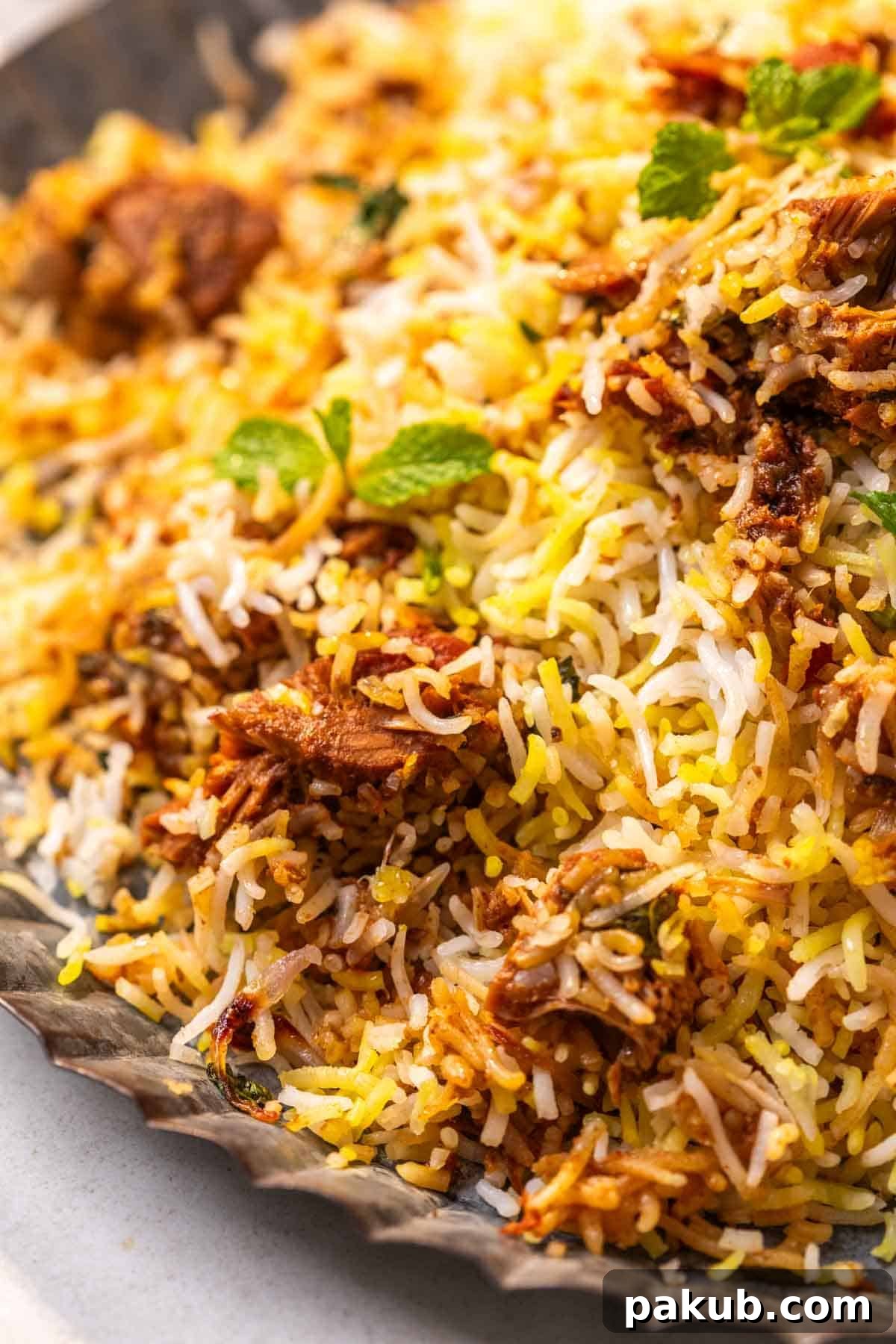
This Jackfruit Biryani (Kathal Biryani) recipe stands as a testament to the magic of vegetarian cooking. It proves unequivocally that bold, comforting, and deeply satisfying flavors don’t require meat. The tender, juicy jackfruit chunks, infused with a symphony of spices and layered with aromatic basmati rice, create a feast that’s perfect for any occasion – from a cozy weekend dinner to a grand festive spread. It’s a dish that brings people together, offering warmth, flavor, and a truly memorable culinary experience.
Have you tried this incredible Jackfruit Biryani? I’d be thrilled to see your culinary creations! Share your version and tag me @my_foodstory on Instagram. Let’s spread the love for this amazing vegetarian delight!
Watch the Jackfruit Biryani Recipe Video
Jackfruit Biryani | Kathal Biryani Recipe Card

Jackfruit Biryani | Kathal Biryani
By: Richa
This jackfruit biryani packs a punch with juicy jackfruit and big, comforting flavors – mimicking the texture and flavors of meat, but in a 100% vegetarian biryani.
Prep Time: 10 mins
Cook Time: 30 mins
Total Time: 40 mins
Servings: 9 persons
Ingredients
- 1 kg raw jackfruit cubes, cut into 1 ¼ inch square cubes
- ¼ cup + 2 tablespoons cooking oil, divided
- 1 bay leaf
- 1 inch cinnamon
- 4 cloves
- 2 green cardamoms
- 1 piece stone flower / patthar phool
- 1 teaspoon shahi jeera
- 450 grams thinly sliced onions (4-5 large onions)
- 100 grams onions (2 large onions for birista)
- 2 ½ tablespoons ginger garlic paste
- 3 tablespoons coriander powder
- ½ teaspoon jeera powder
- 4 tablespoons biryani masala (I used Shan Biryani masala which gives the best flavour and fragrance to this biryani. If you don’t have access to it, leave a comment on this post and I’ll give you instructions to make it at home)
- ½ tablespoon red chilli powder
- 5 green chillies, finely chopped
- 2 teaspoons salt
- 2 teaspoons kashmiri chilli powder
- 3 tomatoes cut into large cubes
- ¾ cup whisked curds
- 2 ¼ cups + 2 tablespoons water, divided
- ½ cup chopped coriander leaves
- ¼ cup chopped mint leaves, pudina
- 8 strands of kesar mixed in 2 tablespoons of hot water
- 3 tablespoons melted ghee
For Biryani Rice
- 750 gms basmati rice, approx. 4 cups, rinsed and soaked for 30 minutes
- 11-12 cups water
- 2 tablespoons salt
- 1 bay leaf
- 1 inch cinnamon
- 4 cloves
- 2 green cardamoms
- 1 piece stone flower / patthar phool
- ½ teaspoon shahi jeera
Instructions
- Heat 2 tablespoons of oil in a large pan or cooking pot and fry half the jackfruit cubes on high for 2-3 minutes till they turn light golden. Transfer the fried jackfruit cubes on a plate and repeat the same for the rest of the jackfruit cubes.
- Heat the remaining ¼ cup of oil in the same pan, add all the whole spices, fry on low for 30 seconds till they sizzle and turn aromatic. Add sliced onions and saute for 7-8 minutes on low till they are golden brown. Add ginger garlic paste, sprinkle 2 tablespoons of water to avoid burning and fry till they turn golden.
- Add the spice powders – coriander, jeera, biryani masala, red chilli, kashmiri chilli, salt, green chillies & tomatoes and saute for a minute so they mix well. Add ¼ cup water and cook on low heat till they get roasted well.
- Add whisked curds along with ¼ cup water and cook on low for 7-8 minutes till the oil floats on top.
- Add fried jackfruit cubes & saute for 1-2 minutes to mix them well. Add 1 ¾ cups of water and mix well.
- Cooking jackfruit using pressure cooker: transfer to a pressure cooker and bring it to 1 whistle on high heat. After the first whistle, turn the heat to low and bring to another whistle and turn off the heat. Let the cooker depressurise by itself. Transfer it back to the cooking pot.
- Cooking jackfruit using stove top method: Cook covered on low heat for 30 minutes till the jackfruit is cooked well. Keep stirring in between to ensure the masalas don’t stick to the bottom of the pan. Take it off the heat.
- For cooking biryani rice: Bring water to a roaring boil and add salt, whole spices and basmati rice. Cook for exactly 5 minutes and drain completely, leaving the whole spices in the rice. This will cook the rice to about 70% doneness which can be checked by pressing a grain of rice between two fingers – the rice should still be raw in the middle.
- Heat a thick bottomed cast iron or any tawa till it becomes hot.
- Layering biryani:
- To the cooking pot with masala jackfruit, sprinkle coriander and mint leaves. Next, layer the rice & spread all over. Drizzle saffron mixed in water. Sprinkle birista onions and ghee all over the rice. Cover with a tight lid and place the cooking pot on the hot tawa and steam for 18-20 minutes. Take off the heat and let it rest for 30 minutes to 1 hour and serve.
Nutrition Information (per serving)
- Calories: 585 kcal
- Carbohydrates: 106 g
- Protein: 11 g
- Fat: 14 g
- Saturated Fat: 4 g
- Polyunsaturated Fat: 2 g
- Monounsaturated Fat: 6 g
- Trans Fat: 0.02 g
- Cholesterol: 15 mg
- Sodium: 2208 mg
- Potassium: 882 mg
- Fiber: 7 g
- Sugar: 27 g
- Vitamin A: 867 IU
- Vitamin C: 30 mg
- Calcium: 133 mg
- Iron: 2 mg