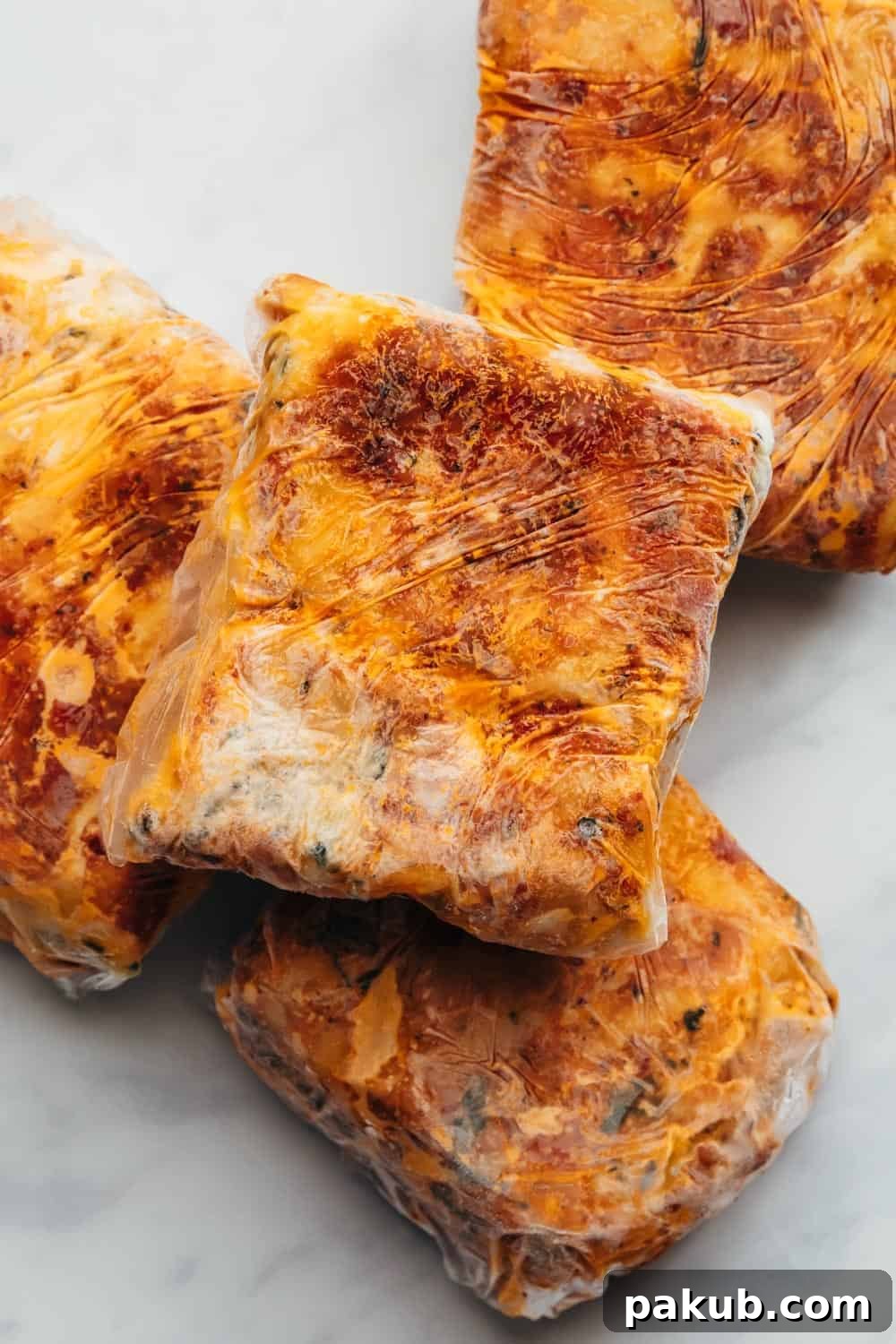
For every lasagna aficionado, mastering the art of freezing and reheating this beloved dish is a game-changer. Whether you’re dealing with delicious leftovers or preparing make-ahead meals, knowing how to properly store and revive your lasagna ensures a mouthwatering experience every time.
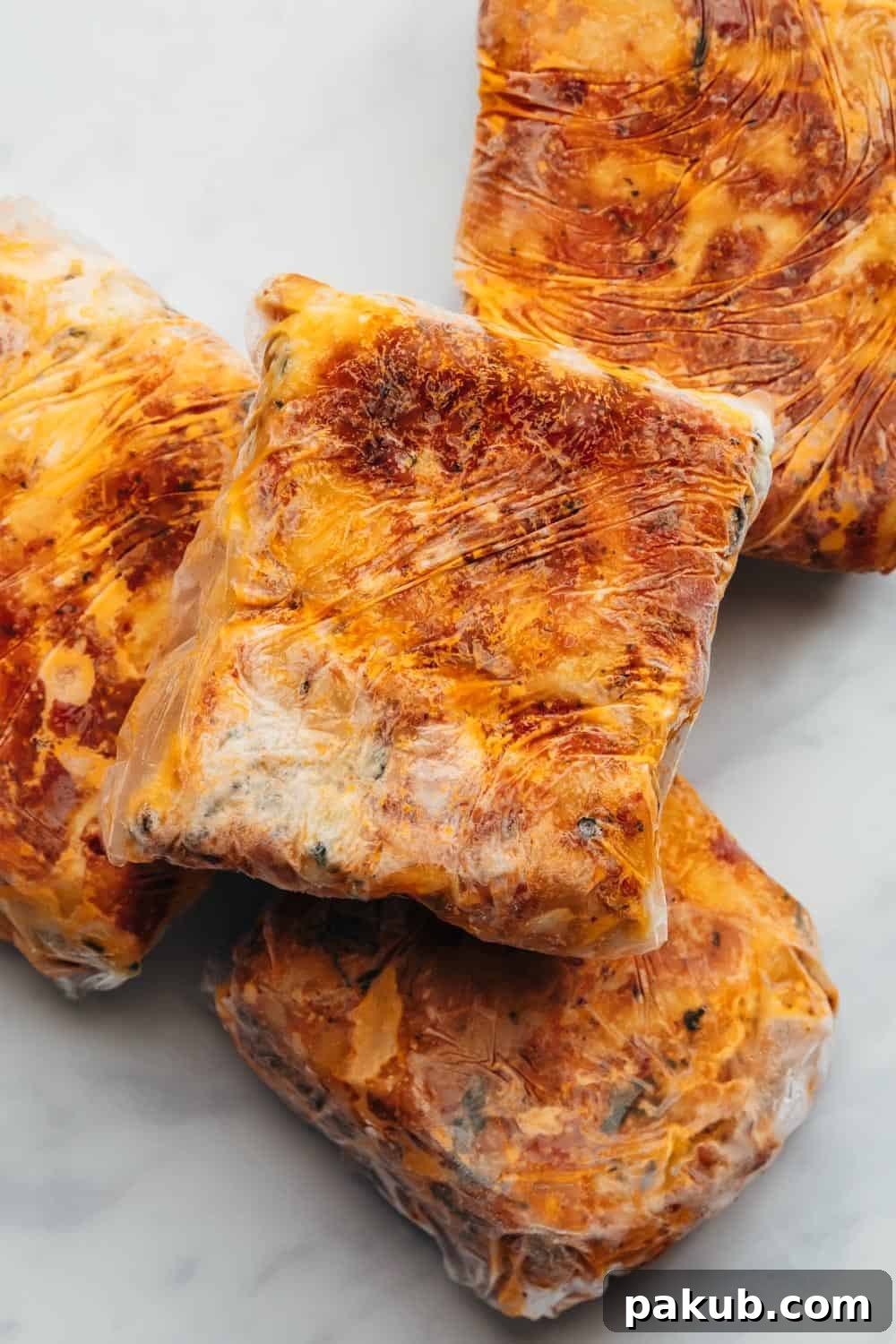
If you’re as passionate about lasagna as we are, you absolutely must try our Vegetarian Lasagnathat’s so rich and flavorful, you won’t even miss the meat! It’s a true crowd-pleaser.
My journey to perfecting the ultimate vegetarian lasagna recipe led to an abundance of this hearty dish. In my pursuit of perfection, I found myself making batch after batch, ensuring every layer was just right. The delicious outcome? Our fridge was overflowing with lasagna! After enjoying it for several consecutive dinners and sharing generously with friends, we still had a substantial amount remaining. It was then I realized the true value of freezing lasagna.
A few weeks later, when we reheated those frozen portions, the taste and texture were remarkably fresh and comforting. This experience immediately sparked the idea for this comprehensive guide. Freezing lasagna isn’t just about preserving food; it’s about smart meal planning, reducing waste, and having a ready-to-enjoy homemade meal at your fingertips. This tutorial will walk you through the simplest and most effective ways to freeze and reheat lasagna, ensuring every bite is as delightful as the first. Let’s dive in and transform your freezer into a treasure trove of delicious, ready-to-eat lasagna!
Jump to Section: Your Complete Lasagna Freezing and Reheating Guide
- The Benefits of Freezing Lasagna
- How to Freeze Lasagna (Two Ways)
- Method 1: Freezing Lasagna Before Baking
- Method 2: Freezing Baked Lasagna (Leftovers & Pre-cooked)
- How To Reheat Frozen Lasagna (Multiple Methods)
- Reheating in the Microwave
- Reheating in the Oven
- Reheating in the Air Fryer
- Essential Tips for Freezing and Reheating Lasagna
- Frequently Asked Questions
- Explore More Italian Recipes
The Benefits of Freezing Lasagna
Freezing lasagna is not just a clever trick; it’s a culinary superpower that offers numerous advantages for busy individuals, families, and anyone who loves a good home-cooked meal without the daily hassle. Here’s why you should embrace this practice:
- Ultimate Meal Prep Solution: Prepare a large batch of lasagna once and enjoy multiple meals throughout the week or month. This saves significant time and effort on busy days.
- Reduces Food Waste: Don’t let excess lasagna go to waste. Freezing ensures that every delicious layer can be enjoyed later, minimizing discarded food and maximizing your grocery budget.
- Convenience at Your Fingertips: Imagine having a comforting, homemade meal ready in minutes after a long day. Frozen lasagna eliminates the need for last-minute cooking decisions or resorting to takeout.
- Portion Control Made Easy: Freeze lasagna in individual servings, making it simple to grab just the right amount for a single meal, helping with diet management or preventing overeating.
- Perfect for Unexpected Guests: Always have a delicious and impressive meal on standby for impromptu gatherings or when friends drop by.
- Maintains Flavor and Quality: When frozen correctly, lasagna retains its rich flavors and appealing texture, making for a meal that tastes almost as fresh as the day it was made.
How to Freeze Lasagna (Two Effective Methods)
There are two primary ways to freeze lasagna, each suited for different needs. Whether you prefer to bake it fresh later or have ready-to-eat portions, these methods ensure your lasagna freezes perfectly.
Method 1: Freezing Lasagna Before Baking
Freezing lasagna before it hits the oven is ideal for those who love the aroma of a freshly baked meal but want to do the prep work ahead of time. This method works beautifully for both meat and vegetarian versions.
- Choose a Freezer-Friendly Baking Dish: Select a dish specifically designed for oven-to-freezer use. Most glass casserole dishes are suitable, but always check the manufacturer’s guidelines. Disposable aluminum pans are also an excellent choice for easy transfer and cleanup, especially if you plan to gift the lasagna or don’t want to tie up your bakeware.
- Line the Baking Dish for Easy Removal: For ultimate convenience, line your baking dish with heavy-duty aluminum foil, leaving enough overhang on all sides to cover the top of the lasagna. This will allow you to lift the frozen lasagna block out of the dish once solid, freeing up your baking dish for other uses. Alternatively, if using a disposable aluminum pan, this step isn’t necessary.
- Prepare and Assemble Your Lasagna: Layer your lasagna just as you would if you were baking it immediately. Ensure all ingredients, including sauces, cheeses, and noodles, are properly layered and evenly distributed. Whether it’s a rich meat sauce, a creamy béchamel, or a vibrant vegetable mix, the assembly process remains the same.
- Cover and Initial Freeze: Once assembled, cover the baking dish tightly with the foil overhang or a new layer of heavy-duty foil. Press it down gently to seal in the freshness and prevent freezer burn. Place the covered lasagna in the freezer overnight, or until completely solid.
- Remove from Dish (Optional) and Re-wrap for Long-Term Storage: If you lined your dish, once the lasagna is rock solid, carefully use the foil overhangs to lift the entire lasagna block out of the baking dish. Wrap the frozen lasagna block again, first in plastic wrap (ensure it’s freezer-safe) and then in another layer of heavy-duty aluminum foil. This double-layer protection is crucial for preventing freezer burn and maintaining optimal quality.
- Label Clearly: This step is non-negotiable for any freezer meal. Use a permanent marker to clearly label the package with the dish’s name (e.g., “Vegetarian Lasagna”), the date it was frozen, and baking instructions (e.g., “Bake from frozen at 375°F for 60-75 mins, covered”). This way, you’ll never guess what’s inside or how long it’s been stored.
Method 2: Freezing Baked Lasagna (Leftovers & Pre-cooked Portions)
Freezing baked lasagna, especially leftovers, is incredibly convenient. The texture and flavor hold up remarkably well, making it almost impossible to distinguish from a freshly made batch after reheating. This method is perfect for quick, individual meals.
- Cool Completely and Refrigerate to Set: This is a critical first step. Allow your baked lasagna to cool down to room temperature before refrigerating. Once cool, transfer it to the refrigerator for at least an hour, or even overnight. This refrigeration period allows the layers to settle, the cheese to firm up, and the sauce to thicken, making it much easier to portion and handle without everything falling apart.
- Portion into Individual Servings: Once chilled and firm, carefully cut the lasagna into individual squares or desired portions. Using a sharp knife will help create clean cuts through the layers. This step is key for grab-and-go meals.
- Wrap Each Portion Meticulously: Each individual serving needs to be wrapped securely to protect it from freezer burn. Start by wrapping each piece tightly in freezer-safe plastic wrap, ensuring every surface is covered. Then, add another layer of heavy-duty aluminum foil. The goal is to create an airtight seal that locks in moisture and flavor.
- Label with Essential Information: Using a permanent marker, clearly label each wrapped portion. Include the item name (“Baked Lasagna”), the date it was frozen, and a “use by” date (aim for within 3 months for best quality). You can also add reheating instructions for quick reference. This prevents any guesswork when you’re ready to eat.
- Organize and Freeze: Place the meticulously wrapped and labeled portions into a large freezer bag or an airtight freezer-safe container. This adds another layer of protection and helps keep your freezer organized. You can stack them neatly in a corner of your freezer. Once frozen solid, they can be transferred to a large ziplock bag to save space, but it’s not strictly necessary if they’re well-wrapped individually.
How To Reheat Frozen Lasagna (Multiple Methods)
Reheating frozen lasagna effectively is just as important as freezing it correctly. The method you choose will depend on whether your lasagna was baked or unbaked, and how quickly you need it on the table. Here are the best ways to bring your frozen lasagna back to life:
Reheating in the Microwave (Best for Individual Baked Portions)
The microwave is your fastest friend for single servings of *already baked* frozen lasagna. It’s incredibly efficient when you’re short on time.
- Unwrap and Prepare: Remove the frozen lasagna portion from all its plastic wrap and foil. Place it on a microwave-safe plate.
- Cover to Prevent Splatter and Retain Moisture: Loosely cover the lasagna with a microwave-safe lid, a damp paper towel, or a piece of plastic wrap vented at one corner. This helps retain moisture and prevents sauce splatter.
- Microwave in Increments: Start by microwaving on high for 2-3 minutes. After this initial burst, continue heating in 30-second to 1-minute increments, checking the center each time. The goal is for the lasagna to be heated through, bubbling slightly, and warm in the middle. Cooking times will vary depending on your microwave’s wattage and the size of your lasagna portion, but expect 4-7 minutes total for a standard slice.
- Rest Before Serving: Once heated, allow the lasagna to rest for 1-2 minutes. This allows the heat to distribute evenly, preventing super-hot spots and ensuring a more enjoyable temperature.
Important Microwave Tip
Always cover your lasagna when microwaving to prevent messy splatters and help keep the dish moist. A small splash of water or broth underneath the lasagna can also help prevent it from drying out.
Reheating in the Oven (For Baked or Unbaked Lasagna)
The oven is the gold standard for reheating or baking frozen lasagna, offering superior texture and a beautiful golden-brown top. This method works well for both individual portions and entire trays.
- Defrosting (Optional but Recommended for Even Heating): For best results, especially with unbaked lasagna or large baked portions, transfer the wrapped frozen lasagna to the refrigerator and allow it to defrost overnight (8-12 hours). This ensures more even cooking and reduces overall baking time. Smaller, individually wrapped baked portions can often go directly into the oven.
- Preheat Oven: Preheat your oven to 375°F (190°C).
- Prepare for Baking:
- For Unbaked Lasagna (defrosted): Remove all plastic wrap and foil. If you froze it in its original baking dish, simply uncover. If you lifted it out of the dish, place it back into a baking dish. Cover tightly with foil.
- For Baked Lasagna (defrosted or frozen): Remove all plastic wrap and foil. Place individual portions on a baking sheet. If reheating a whole tray, ensure it’s in an oven-safe dish and cover it with foil.
- Baking Time:
- Defrosted Unbaked Lasagna: Bake covered for 30-40 minutes. Remove foil and bake for an additional 10-15 minutes, or until the cheese is bubbly and golden brown, and the internal temperature reaches 165°F (74°C).
- Defrosted Baked Lasagna (whole tray): Bake covered for 25-35 minutes. Remove foil and bake for another 10-15 minutes to crisp the top.
- Frozen Baked Lasagna (individual portions): Bake covered for 45-60 minutes. Remove foil for the last 10-15 minutes to brown the cheese. For a whole frozen tray, it can take 1.5 to 2 hours, so defrosting is highly recommended.
- Check for Doneness: Use a meat thermometer to ensure the internal temperature reaches 165°F (74°C). If reheating unbaked lasagna, ensure the noodles are tender and the sauce is bubbly.
- Rest Before Serving: Let the lasagna rest for 5-10 minutes after removing it from the oven. This helps the layers set and prevents the lasagna from falling apart when served.
Reheating in the Air Fryer (Perfect for Crispy Individual Portions)
The air fryer is a fantastic option for quickly reheating individual slices of *baked* lasagna, yielding a delightfully crispy top and perfectly warmed interior.
- Preheat Air Fryer: Preheat your air fryer to 350°F (175°C) for about 5 minutes.
- Prepare Lasagna: Remove all wrapping from your frozen, baked lasagna slice. For best results, lightly mist the top with a little olive oil or cooking spray to enhance crispiness.
- Air Fry: Carefully place the lasagna slice directly into the air fryer basket. You might want to cover it loosely with a small piece of foil for the first half of the cooking time to prevent the cheese from browning too quickly while the inside heats up.
- Cooking Time: Air fry for 15-20 minutes, flipping halfway through if needed (though usually not necessary for lasagna). Check for doneness by ensuring the center is hot and bubbly. If you covered it with foil, remove the foil for the last 5-7 minutes to get a crispy top.
- Serve: Carefully remove the hot lasagna and enjoy immediately.

Essential Tips for Freezing and Reheating Lasagna
To ensure your frozen lasagna experience is always a success, keep these additional tips in mind:
- Prevent Freezer Burn: The enemy of frozen food! Air exposure causes freezer burn, leading to dry, tasteless spots. Always wrap lasagna tightly with multiple layers (plastic wrap then foil) and use airtight containers or freezer bags for extra protection.
- Quality Ingredients Matter: Starting with a delicious lasagna recipe and high-quality ingredients will yield a much better result after freezing and reheating.
- Don’t Overcook: When reheating, aim to just heat through. Overcooking can dry out the pasta and sauces, making the texture less appealing.
- Consider Your Sauce: Lasagna with creamier, richer sauces (like béchamel) tends to freeze and reheat exceptionally well. Very watery sauces might become a bit thinner upon thawing, so consider reducing them slightly if you plan to freeze.
- Cheese Choice: Mozzarella and ricotta freeze well. Harder cheeses like Parmesan can be grated on top after reheating for a fresh finish.
- Batch Freezing: If you regularly make lasagna, invest in freezer-safe containers that stack easily to optimize freezer space.
- Safe Thawing: If thawing in the refrigerator, place the lasagna on a plate or in a larger container to catch any condensation or drips, preventing cross-contamination.
Frequently Asked Questions About Freezing and Reheating Lasagna
To bake unbaked frozen lasagna, transfer the lasagna (still in its foil-lined baking dish or disposable pan) to the refrigerator overnight to defrost. While it might not completely thaw, it shouldn’t be rock-solid. Once defrosted, preheat your oven to 375°F (190°C). Bake the lasagna, covered tightly with foil, for about 60-75 minutes. Remove the foil and continue baking for another 15-20 minutes, or until the top is golden brown and bubbly, and a knife inserted into the center comes out hot. If starting directly from frozen, expect baking time to increase to around 1.5 to 2 hours, still covered for most of the time, then uncovered to brown the cheese.
For optimal quality and flavor, lasagna can be frozen for up to 3 months. While it might remain safe to eat for up to 6 months if properly wrapped, the texture and taste might begin to degrade after the 3-month mark. Always ensure it’s wrapped airtight to prevent freezer burn and maintain its deliciousness.
It is generally not recommended to refreeze lasagna that has been completely thawed. Refreezing can alter the texture of the pasta and sauces, making them mushy or watery, and it also poses a food safety risk if the lasagna has been at room temperature for too long during thawing. It’s best to freeze lasagna in individual portions to avoid needing to thaw and refreeze large amounts.
The best way to ensure your lasagna is safely reheated is to use a food thermometer. Insert it into the center of the lasagna; it should reach an internal temperature of 165°F (74°C). If you don’t have a thermometer, make sure the lasagna is steaming hot throughout, especially in the middle, and the cheese is melted and bubbly.
Yes, you can absolutely freeze lasagna made with ricotta cheese. Ricotta freezes and reheats quite well, retaining its creamy texture. Some people find that ricotta can become slightly grainier after freezing and thawing, but for most, it’s not a significant issue. To minimize this, ensure the ricotta mixture is well-combined and seasoned before assembly.
I trust this comprehensive guide has answered all your questions about freezing and reheating lasagna, empowering you to confidently transform your kitchen into a hub of delicious, ready-to-eat meals. The next time you find yourself with extra lasagna or planning for future meals, you’ll know exactly what to do! If you have any additional tips, clever tricks, or feedback you’d like to share, please don’t hesitate to leave a comment below. I always love hearing from you and will be sure to reply!
Explore More Italian-Inspired Delights!
If you’re a fan of the vibrant flavors of Italy, you’re in for a treat! Discover more delectable pasta dishes and Italian-inspired recipes from our collection.
Fast & Easy Dinners
30 Minute Vegetarian Skillet Lasagna
Fast & Easy Dinners
Tomato Basil Pasta (Ready in 15 Minutes)
30 Min Recipes
Chicken Florentine Pasta – Your Go-To Weeknight Comfort Food!
Chicken
Creamy Sun-dried Tomato Chicken with Pasta
Fast & Easy Dinners
12 Pasta Recipes for Every Mood
Vegetarian Recipes
No Yeast Air Fryer Pizza