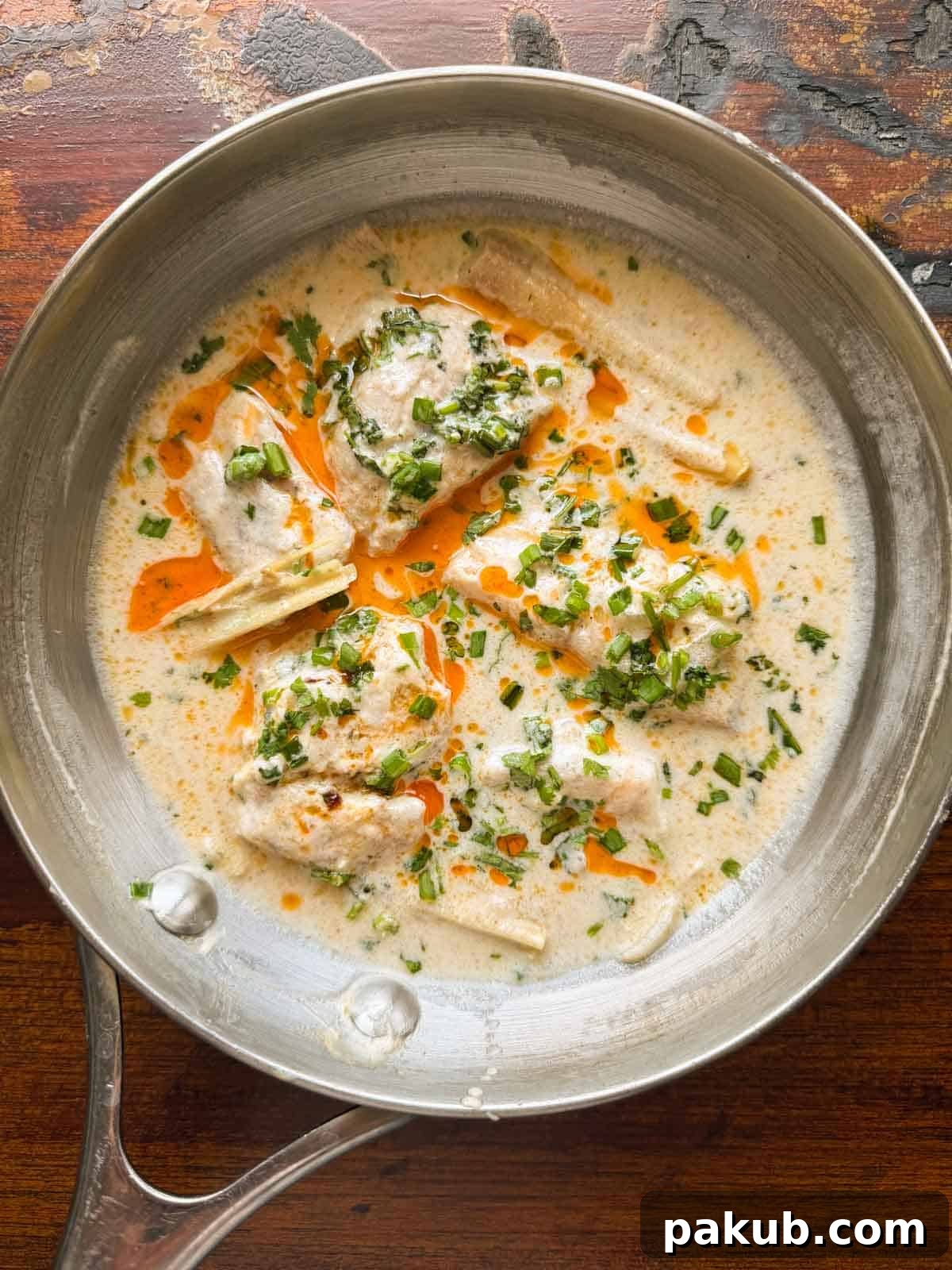
This Thai poached fish in coconut milk is the quintessential summer dinner, offering a harmonious blend of simple elegance, refreshing lightness, and an irresistible flavor that will make you reconsider your next Thai takeaway order.
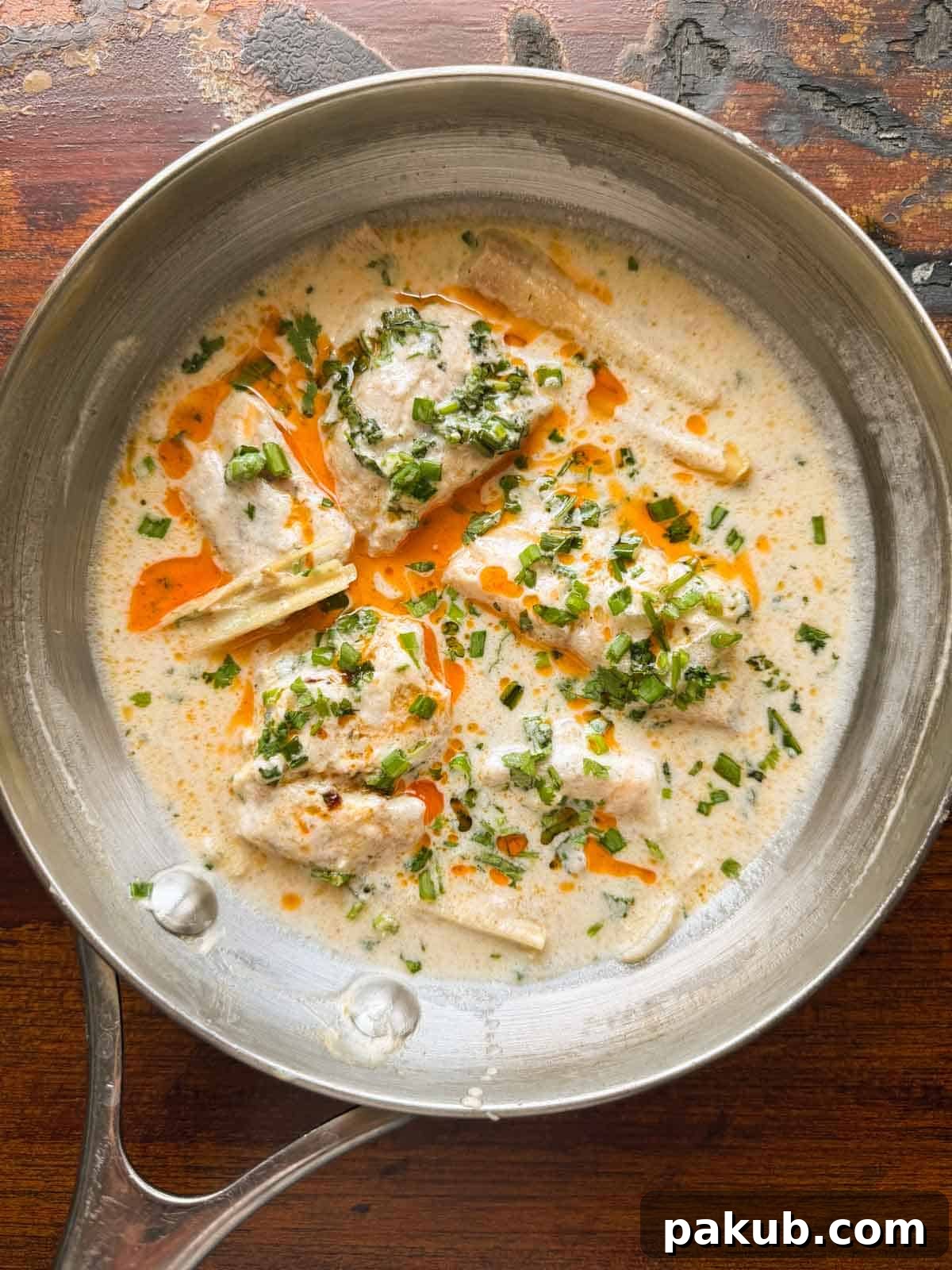
There’s nothing quite like a meal that transports you to a vibrant culinary landscape, and this Thai poached fish in coconut milk does exactly that. What’s even better? It’s incredibly simple to prepare at home, delivering that same rich, creamy, and distinctively coconut-infused Thai flavor in a mere 25 minutes. This makes it an absolute lifesaver during warmer months when the thought of lingering over a hot stove is less than appealing.
The beauty of this dish lies in its delicate balance and fresh finish. Just before serving, a generous squeeze of fresh lime juice and a drizzle of aromatic homemade chili oil elevate the experience, adding brightness and a subtle kick. While it pairs wonderfully with steamed rice for a more substantial meal, we often find it perfectly satisfying on its own – the tender fish swimming in its fragrant broth, adorned with fresh coriander and crisp spring onions. If you have even a slight affection for Thai cuisine, prepare for this recipe to become a regular fixture in your cooking repertoire.
Why You’ll Love This Thai Poached Fish Recipe
- Effortlessly Delicious: Achieve complex Thai flavors with minimal effort and readily available ingredients.
- Lightning Fast: From prep to plate in under 30 minutes, making it ideal for busy weeknights.
- Incredibly Healthy: Poaching fish preserves its delicate nutrients, and coconut milk provides beneficial fats, making this a wholesome choice.
- Versatile & Customizable: Easily adapt with your favorite fish, vegetables, or even make it vegetarian.
- Better Than Takeaway: Enjoy restaurant-quality Thai food from the comfort of your kitchen, often healthier and fresher.
Table of Contents
- Ingredients for Thai Poached Fish
- Step-by-Step Cooking Guide
- Frequently Asked Questions
- Expert Cooking Tips
- Storage and Reheating Tips
- Serving Suggestions
- Health Benefits of Thai Poached Fish
- Watch the Recipe Video
Key Ingredients for Authentic Thai Poached Fish
Creating this flavorful Thai poached fish begins with selecting quality ingredients that contribute to its distinctive taste and texture. Here’s a closer look at what you’ll need:
- Sea Bass Fillet: Our top choice for this recipe. Sea bass is known for its firm texture and mild flavor, which allows it to absorb the aromatic broth without falling apart during poaching. Cut into 2-inch pieces, it cooks quickly and maintains its shape beautifully. Excellent alternatives include snapper, cod, halibut, or even firm-fleshed salmon. Avoid very thin or flaky fish like tilapia or sole, as they tend to disintegrate in the broth.
- Full-Fat Coconut Milk: The heart of this dish’s creamy richness. Using full-fat coconut milk ensures a luxurious, silky broth that coats the fish and delivers that signature Thai indulgence. While light coconut milk can be used, it will result in a thinner, less intense broth.
- Thai Green Curry Paste: For a burst of authentic Thai flavor with ultimate convenience, a good quality readymade green curry paste is key. It brings a complex blend of chilies, lemongrass, galangal, and other spices, requiring only a small amount to infuse the broth with vibrant taste and a pleasant warmth.
- Lemongrass: Smashed and cut into pieces, fresh lemongrass is indispensable for its bright, citrusy, and subtly floral aroma. Bruising the stalk before adding it helps release its essential oils and maximizes its fragrant contribution to the broth.
- Aromatics (Onion, Garlic, Ginger): The foundation of countless delicious dishes, these aromatics provide depth and a fragrant base for the curry paste and coconut milk. Freshly chopped garlic and ginger are crucial for their pungent and warming notes.
- Jaggery (or Brown Sugar): A small touch of jaggery, an unrefined cane sugar, is used to perfectly balance the savory, spicy, and tangy elements of the dish. It rounds out the flavors and prevents the curry from being overly sharp, contributing to the harmonious Thai taste profile. Brown sugar can be used as a substitute.
- Seasoning (Salt and Pepper): Essential for enhancing the natural flavors of the fish and broth. Used in moderation, they bring everything together.
- Neutral Cooking Oil: For sautéing the aromatics and curry paste, a neutral oil like vegetable, canola, or grapeseed oil is ideal as it won’t interfere with the delicate Thai flavors.
- Fresh Toppings (Chopped Coriander, Spring Onions, Lime Juice, Chilli Oil): These fresh additions are not mere garnishes; they are vital for the dish’s final presentation and flavor profile. Fresh coriander and spring onions add herbaceous notes and a textural contrast. A final squeeze of fresh lime juice brightens the entire dish, while a drizzle of chili oil adds a customizable layer of heat and a beautiful sheen.
Detailed Step-by-Step Instructions
Follow these simple steps to prepare your exquisite Thai Poached Fish in Coconut Milk:
Thai Poached Fish in Coconut Milk
By: Richa
Creamy and refreshing, this Thai Poached Fish in Coconut Milk is the perfect summer recipe. It calls for just a few ingredients and is ready in no time!
Prep Time: 5 minutes
Cook Time: 15 minutes
Total Time: 20 minutes
Servings: 2 people
Ingredients
- 250 grams sea bass fish fillet, cut into 2-inch pieces (approx. 4-5 pieces)
- ¾ tsp salt, divided
- ¼ tsp pepper
- 1 tbsp oil (neutral cooking oil)
- ½ onion, sliced
- 1 tsp chopped garlic
- ½ tsp chopped ginger
- 1 tsp Thai green curry paste
- 200 ml full-fat coconut milk
- 1 ½ cups water
- 1 stalk lemongrass, cut into pieces and smashed
- 1 tsp jaggery (or brown sugar)
- For Topping: Chopped fresh coriander, sliced spring onions, fresh lime juice, and chili oil
Instructions
- Prepare the Fish: Lightly season the sea bass fish fillets with ¼ tsp of salt and ¼ tsp of pepper. Set aside while you prepare the broth.
- Sauté Aromatics: Heat 1 tbsp of oil in a wide pan or pot over medium heat. Add the sliced onions and sauté for about 1 minute until they start to soften. Then, add the chopped ginger and garlic, continuing to sauté for another 2 minutes until fragrant. Be careful not to burn the garlic.
- Infuse with Curry Paste: Stir in the Thai green curry paste and cook for 1 minute, allowing its aromatic oils to release and meld with the other ingredients. This step is crucial for developing a deep flavor base.
- Create the Broth: Pour in the coconut milk and water. Add the smashed lemongrass, the remaining ½ tsp of salt, and the jaggery. Stir well to combine all ingredients. Bring the mixture to a gentle simmer and let it cook for 3-4 minutes, allowing the flavors to meld beautifully.
- Poach the Fish: Carefully slide the seasoned pieces of fish into the simmering coconut broth. Ensure they are mostly submerged. Cover the pan with a lid and let the fish gently poach for 6-7 minutes. Poaching ensures the fish remains tender, moist, and flaky without drying out.
- Rest and Serve: Once the fish is cooked through (it should flake easily with a fork), turn off the flame. Let the dish rest, still covered, for a few minutes. This allows the fish to absorb more of the delicious broth and the flavors to further develop. Serve hot, ideally over steamed rice or on its own. Garnish generously with fresh chopped coriander, sliced spring onions, a squeeze of fresh lime juice, and a drizzle of chili oil for an irresistible finish.
Nutrition
Carbohydrates: 9g,
Protein: 23g,
Fat: 16g,
Saturated Fat: 7g,
Polyunsaturated Fat: 3g,
Monounsaturated Fat: 5g,
Trans Fat: 0.03g,
Cholesterol: 100mg,
Sodium: 1039mg,
Potassium: 390mg,
Fiber: 1g,
Sugar: 3g,
Vitamin A: 508IU,
Vitamin C: 3mg,
Calcium: 41mg,
Iron: 1mg
Frequently Asked Questions About Thai Poached Fish
Is poached fish healthy?
Absolutely! Poaching is renowned as one of the healthiest cooking methods for fish. Unlike frying, it involves no added oils for cooking, allowing the fish to cook gently in the flavorful coconut broth while retaining the majority of its delicate nutrients. While coconut milk does contribute fat, it’s primarily healthy medium-chain triglycerides (MCTs), and the recipe uses a moderate amount for the entire dish, making it a nutritious and light option.
Which is the best fish for this recipe?
For optimal results, we highly recommend using sea bass due to its firm flesh and mild flavor, which allows it to hold its shape beautifully and absorb the aromatic broth without flaking excessively. Other excellent choices include halibut, cod, snapper, or even mahi-mahi. These varieties are firm enough to withstand the poaching process. It’s best to steer clear of very flaky or delicate fish like sole or thin tilapia fillets, as they are more prone to breaking apart in the simmering broth.
Can I make this dish vegetarian?
Yes, this recipe is wonderfully adaptable for vegetarians. Firm tofu or paneer (Indian cheese) cubes are fantastic alternatives to fish; they poach exceptionally well in the coconut broth, soaking up all the rich Thai flavors. For a heartier, meat-like texture, you can also use thick slices of various mushrooms, such as king oyster or portobello, which will add an earthy depth to the dish.
Can I add vegetables to this dish?
Adding vegetables is a fantastic way to enhance both the nutrition and texture of this dish. Bok choy, baby corn, zucchini, bell peppers (sliced), snow peas, or green beans all work beautifully. To ensure they are cooked perfectly – tender-crisp, not mushy – add them to the simmering broth a couple of minutes before you introduce the fish. This timing allows them to cook through while retaining some delightful bite and vibrant color.
Can I use canned coconut cream instead of coconut milk?
You can certainly use canned coconut cream, but be aware that it will result in a much thicker and significantly richer broth due to its higher fat content. If you opt for coconut cream, we recommend thinning it out with a little extra water or vegetable broth to achieve a more desirable consistency for poaching. Start by adding half a cup of water and adjust until it reaches your preferred thickness.
Expert Cooking Tips for Perfect Poached Fish
Elevate your Thai poached fish with these simple yet effective tips:
- Choose the Right Fish: Always opt for a firm, white fish that can withstand gentle simmering without disintegrating. Sea bass, cod, snapper, or halibut are ideal. Avoid delicate, flaky varieties if you want to maintain intact fish pieces.
- Smash the Lemongrass: Don’t just slice it! Give the lemongrass stalk a good whack with the back of a knife or a rolling pin before adding it to the broth. This bruises the fibers, allowing more of its fragrant essential oils and citrusy notes to infuse the liquid, creating a deeper, more aromatic flavor.
- Handle Fish Gently: Once the fish pieces are in the simmering broth, resist the urge to stir or move them around unnecessarily. Let them poach undisturbed. This delicate handling ensures the fillets remain intact, cook evenly, and retain their beautiful shape and texture.
- Allow for Resting Time: Once the fish is cooked, turn off the heat and let the covered pan sit for 3-5 minutes before serving. This brief resting period is crucial; it allows the fish to continue absorbing the rich flavors of the coconut broth, resulting in a noticeably more succulent and flavorful dish.
Storage and Reheating Tips
Proper storage and reheating can make a difference in enjoying your leftovers:
- In the Refrigerator: Store any leftover Thai poached fish and its broth together in an airtight container in the refrigerator for up to 2 days. Interestingly, the flavors often deepen and meld further overnight, making the dish even more delicious the next day.
- Freezing: Freezing this dish is generally not recommended. Poached fish tends to undergo significant textural changes upon freezing and thawing, often becoming dry and flaky. Additionally, coconut milk-based broths can sometimes separate or become grainy when frozen and reheated, affecting the dish’s creamy consistency.
- Reheating Tip: To reheat, gently warm the fish and broth on the stovetop over low heat. Avoid bringing it to a rapid boil, as this can overcook the delicate fish and cause it to fall apart. If the broth has thickened too much in the fridge, add a splash of water or a little extra coconut milk to thin it to your desired consistency. Always finish with fresh lime juice and a drizzle of chili oil for revived freshness before serving.
Complementary Serving Ideas
While this Thai poached fish is a complete and satisfying meal on its own, it also pairs beautifully with a variety of side dishes to create a more elaborate spread:
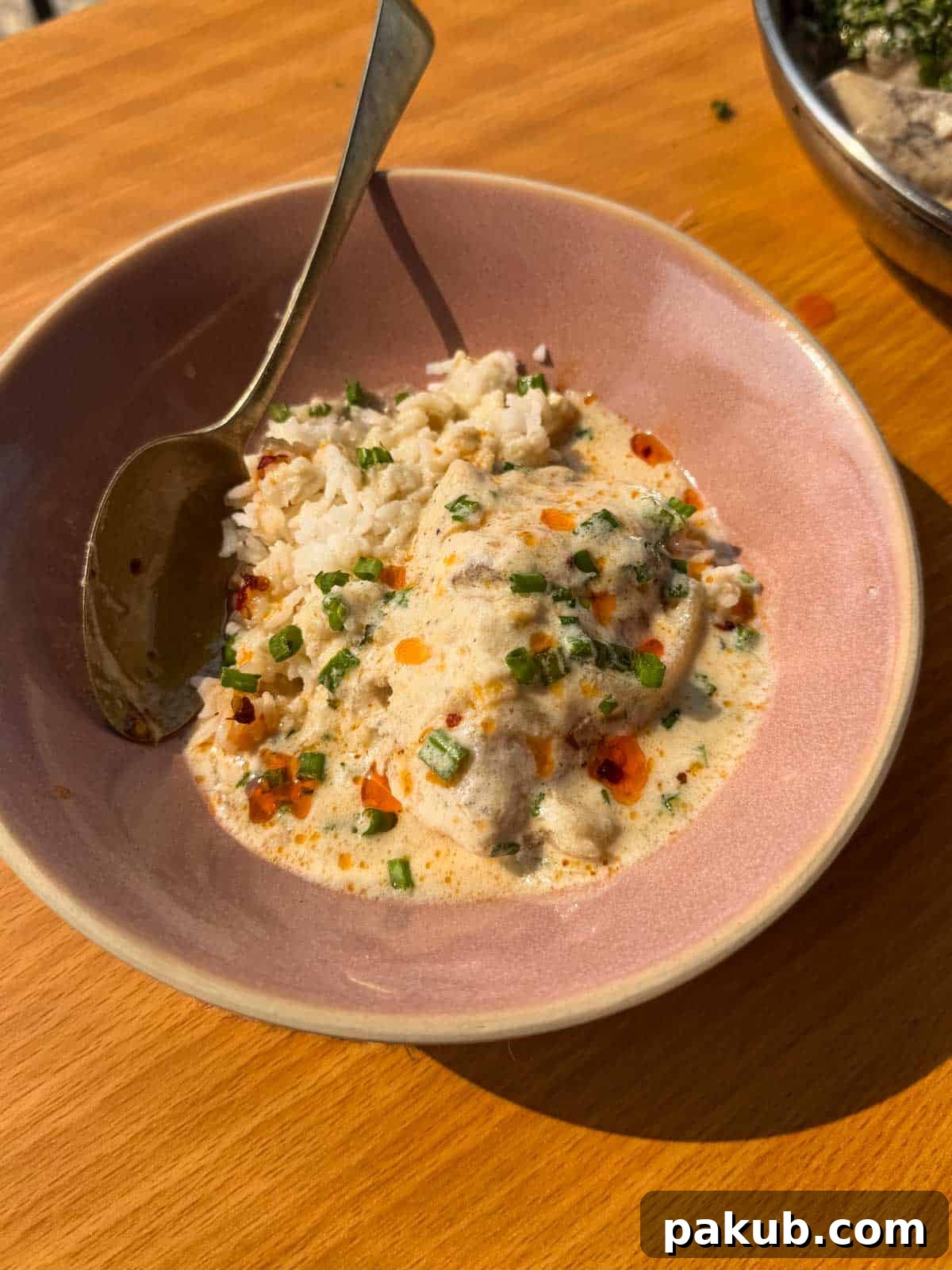
- With Creamy Coconut Rice: Although it might sound like “coconut on coconut,” the nutty aroma and slightly chewy texture of stir-fried coconut rice provide a wonderful counterpoint to the creamy fish broth, enhancing the overall tropical experience.
- Alongside Thai Pineapple Fried Rice: For an authentic Thai feast, serve the poached fish with sweet and savory Thai pineapple fried rice. The contrasting flavors and textures create an incredibly vibrant and satisfying meal.
- With Fragrant Basil Fried Rice: The herby, garlicky notes of basil fried rice offer a fresh and aromatic base that complements the rich coconut broth without overpowering its delicate flavors.
- Paired with Crunchy Asian Slaw: If you’re looking for a refreshing, vibrant side to cut through the richness of the coconut milk, a crisp Asian slaw with a tangy dressing does the job perfectly, adding a delightful textural contrast.
- Simple Steamed Jasmine Rice: Sometimes, the simplest pairing is the best. Steamed jasmine rice is excellent for soaking up every last drop of the exquisite coconut broth.
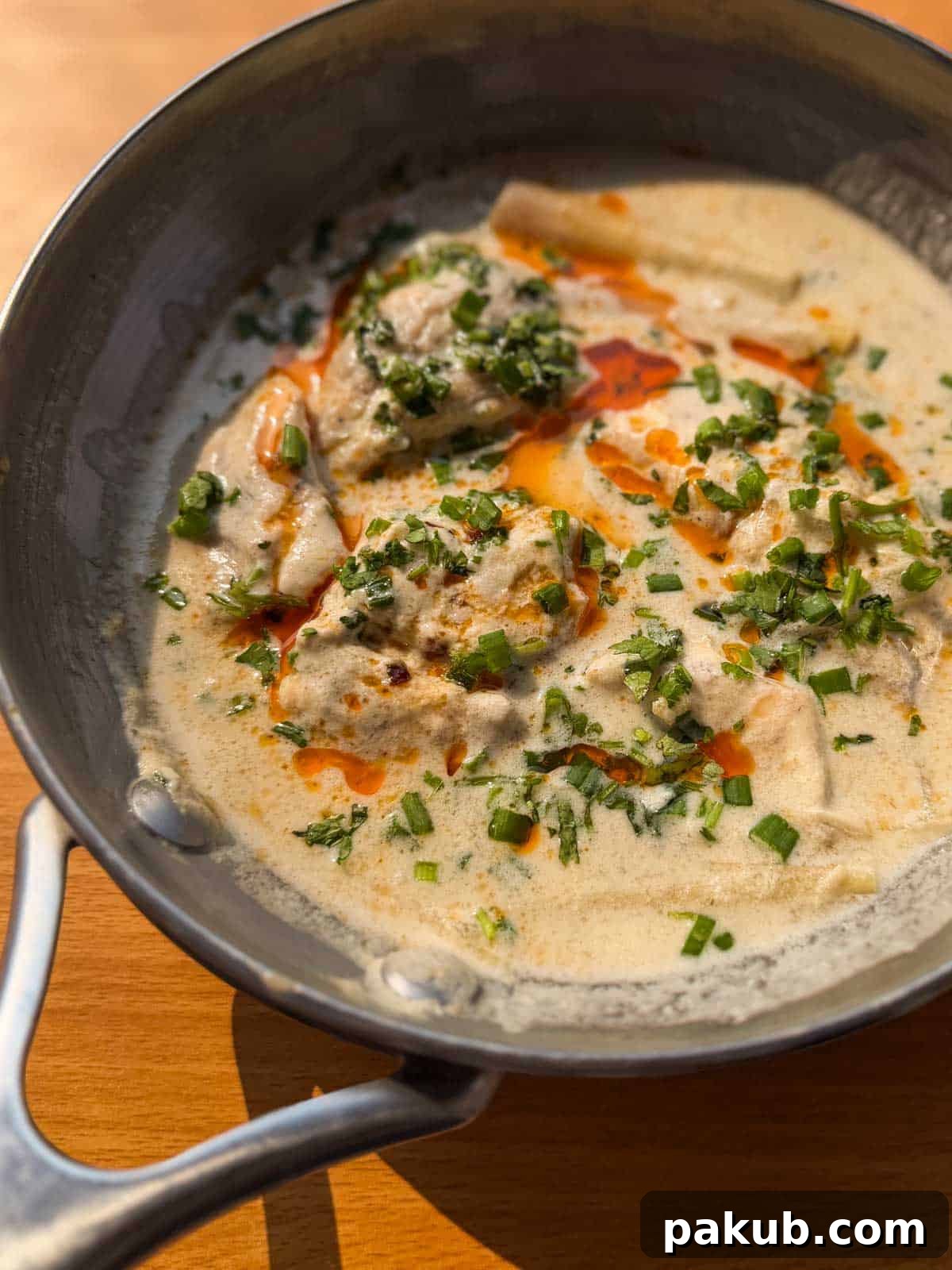
The Wholesome Goodness: Health Benefits of Thai Poached Fish
This Thai Poached Fish in Coconut Milk isn’t just delicious; it’s packed with health benefits, making it an excellent choice for a nutritious meal:
- Rich in Omega-3 Fatty Acids: Fish, especially sea bass, is an excellent source of omega-3 fatty acids, which are crucial for heart health, brain function, and reducing inflammation throughout the body.
- Lean Protein Powerhouse: Fish provides high-quality lean protein, essential for muscle repair, growth, and overall bodily functions. It helps keep you feeling full and satisfied.
- Nutrient-Dense Broth: The coconut milk, while providing healthy fats, also offers essential minerals like manganese, copper, and iron. Combined with the fresh aromatics like ginger, garlic, and lemongrass, the broth becomes a powerhouse of antioxidants and immune-boosting compounds.
- Low in Unhealthy Fats: Poaching as a cooking method means no deep-frying, significantly reducing the intake of unhealthy fats and calories often associated with other fish preparations.
- Natural & Fresh Ingredients: The reliance on fresh herbs, spices, and minimal processed ingredients ensures you’re consuming a meal free from artificial additives, promoting a cleaner diet.
If you’ve been searching for a fresh, healthy, and incredibly flavorful way to incorporate more fish into your home cooking, look no further. This Thai Poached Fish in Coconut Milk is remarkably easy to prepare, quick to cook, and delivers a broth so delicious you’ll want to savor every drop. We encourage you to try this recipe and experience the vibrant tastes of Thailand right in your own kitchen!
Watch the Recipe Video
This article was researched and written by Harita Odedra.