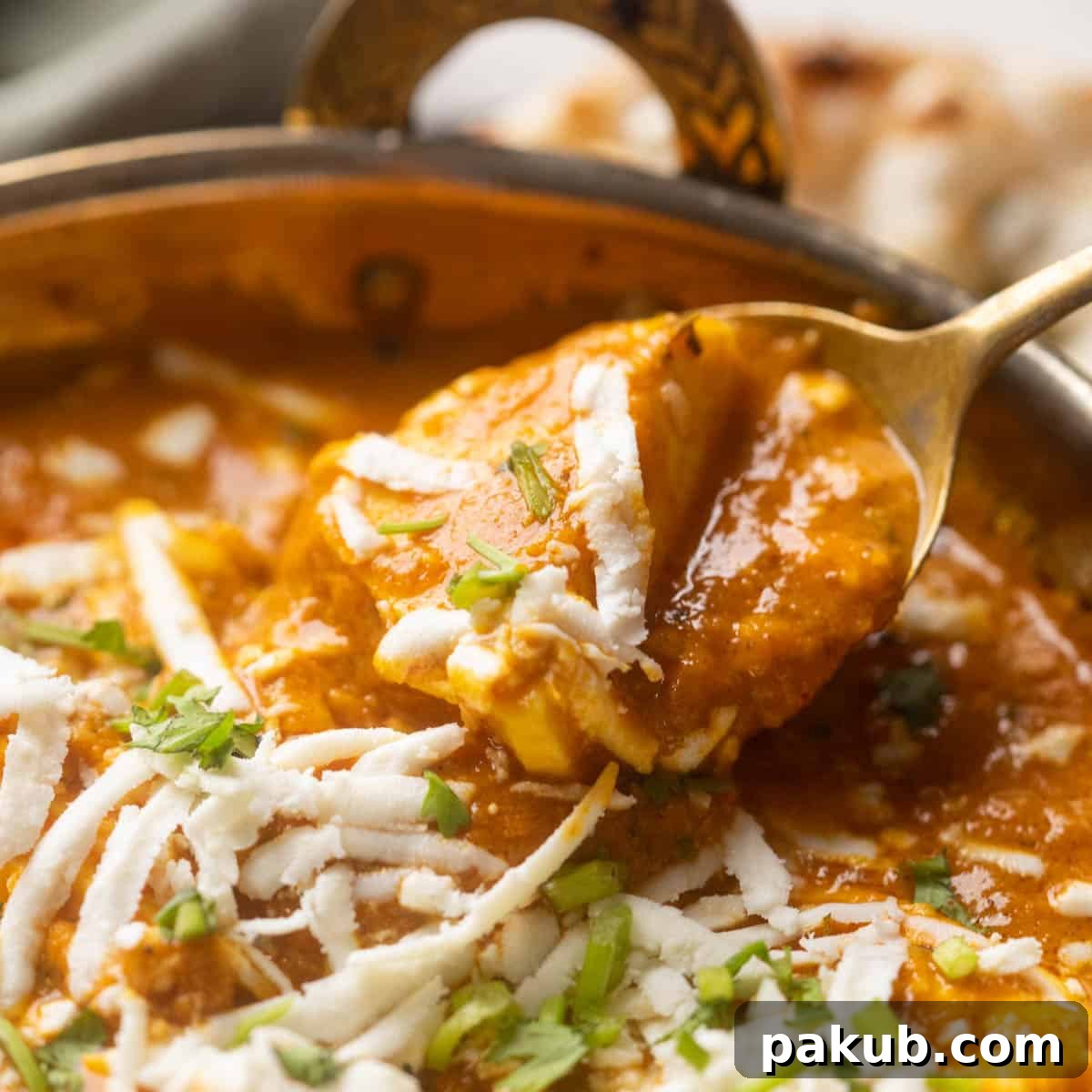
Warm, buttery, slightly tangy, and subtly sweet – our Paneer Lababdar recipe offers an irresistible culinary experience. The dish is celebrated for its unique texture, featuring both soft paneer cubes and finely grated paneer, making every bite a delightful exploration of flavor and consistency. If you crave a rich, creamy, and truly satisfying Indian paneer curry, this recipe is a definite must-try!
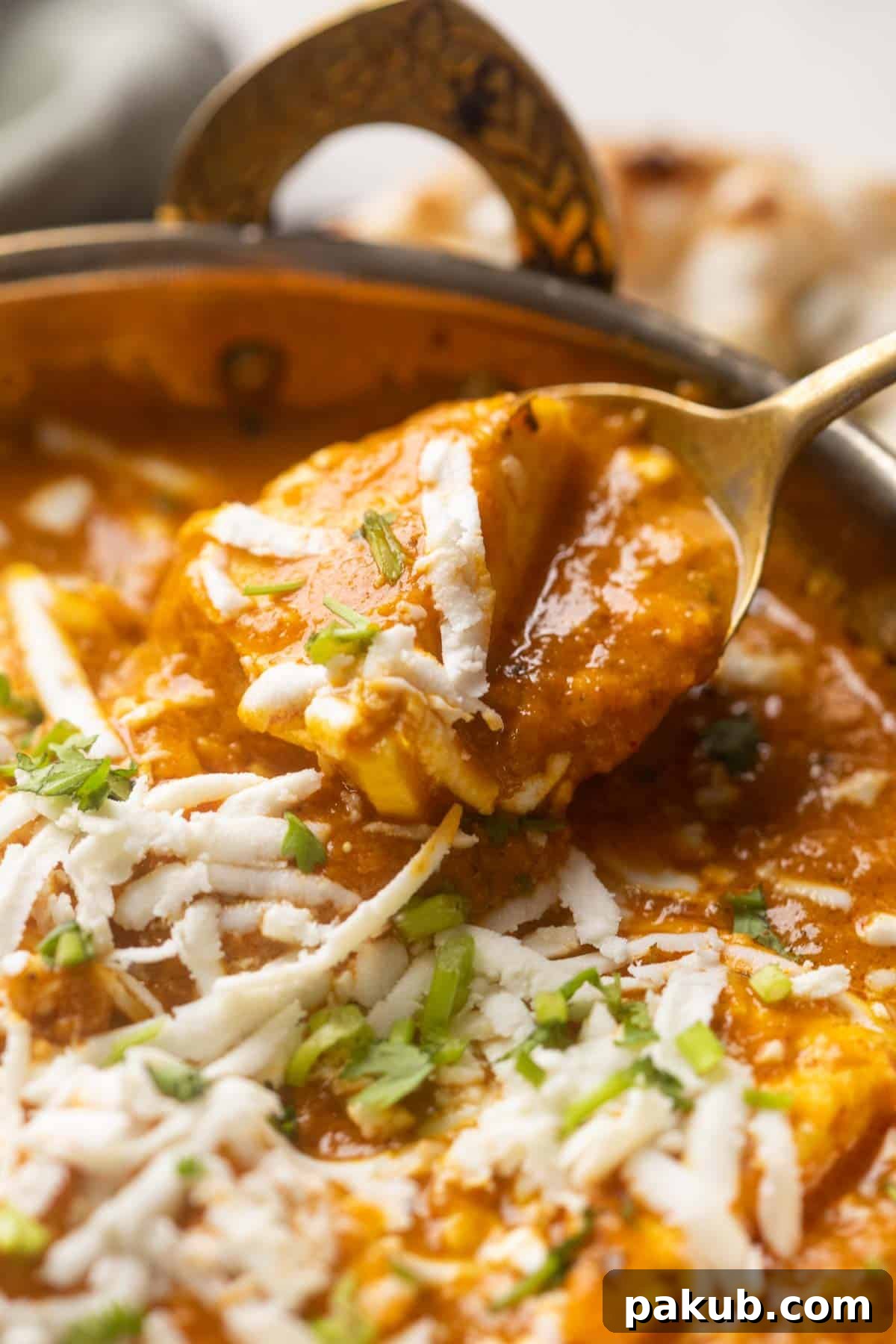
As an avid enthusiast of paneer, I am continuously exploring new and exciting ways to incorporate this versatile Indian cheese into my cooking repertoire. While my affection for the sumptuously smooth Paneer Butter Masala and my beloved Creamy Matar Paneer remains unparalleled, this Paneer Lababdar recipe has quickly ascended to become another cherished variation of paneer curry that I frequently find myself yearning for.
If you’re a devoted fan of paneer, this particular recipe deserves a prime spot in your culinary collection. Here’s a detailed look at why this Paneer Lababdar stands out as an exceptional dish:
- Unrivaled Creaminess Without the Heaviness: This recipe achieves its luxurious, velvety texture through a clever combination of cashews, almonds, and finely grated paneer. This natural approach delivers a profound creaminess that feels rich and indulgent, yet surprisingly lighter than gravies that rely heavily on excessive amounts of cream.
- Authentic Restaurant-Style Flavor, Made Simple: Prepare to recreate the magic of your favorite Indian restaurant right in your own kitchen. This Paneer Lababdar recipe uses readily available, basic pantry staples, transforming them into a complex and deeply flavorful curry that tastes incredibly authentic and gourmet.
- Perfect for Meal Prep and Busy Schedules: The foundation of this exquisite gravy can be prepared well in advance. Simply cook the base, cool it, and store it in your refrigerator for a few days, or even freeze it. This pre-preparation hack significantly cuts down on cooking time, making it an ideal choice for busy weeknights or when entertaining guests.
- Naturally Gluten-Free Goodness: For those following a gluten-free diet, this Paneer Lababdar recipe is a fantastic option. It naturally aligns with gluten-free dietary needs, allowing everyone to enjoy its rich flavors without compromise.
- A Harmony of Sweet, Tangy, and Savory Notes: Unlike some other paneer gravies that might lean heavily on one flavor profile, Paneer Lababdar strikes a beautiful balance. It offers a delightful interplay of mild sweetness from the cashews and onions, a gentle tang from the tomatoes, and a robust savory depth from the carefully selected spices, creating a truly harmonious taste experience.
Table of Contents
- What is Paneer Lababdar?
- Essential Ingredients for Paneer Lababdar
- Step-by-Step Guide: How to Make Paneer Lababdar
- Expert Tips for the Best Paneer Lababdar
- Frequently Asked Questions About Paneer Lababdar
- What to Serve with Your Paneer Lababdar
- Watch the Recipe Video
- Printable Paneer Lababdar Recipe Card
- More Delicious Paneer Recipes You’ll Love
What is Paneer Lababdar? Unveiling a North Indian Gem
Paneer Lababdar is a delectable North Indian curry renowned for its rich, creamy, and aromatic gravy, featuring generous chunks and grated portions of paneer (Indian cottage cheese). The term “Lababdar” literally translates to “a strong desire” or “something that makes you crave more,” perfectly encapsulating the irresistible nature of this dish. Its signature qualities include a gravy that is thicker and slightly more textured than, say, a Paneer Butter Masala, achieved through the incorporation of boiled and blended onions, tomatoes, cashews, and almonds. This gives it a unique mouthfeel – smooth yet with a pleasant, subtle coarseness. The flavor profile is a harmonious blend of tangy tomatoes, mild sweetness from onions and nuts, and the warmth of various Indian spices, all culminating in a deeply satisfying and highly addictive curry.
Essential Ingredients for Paneer Lababdar
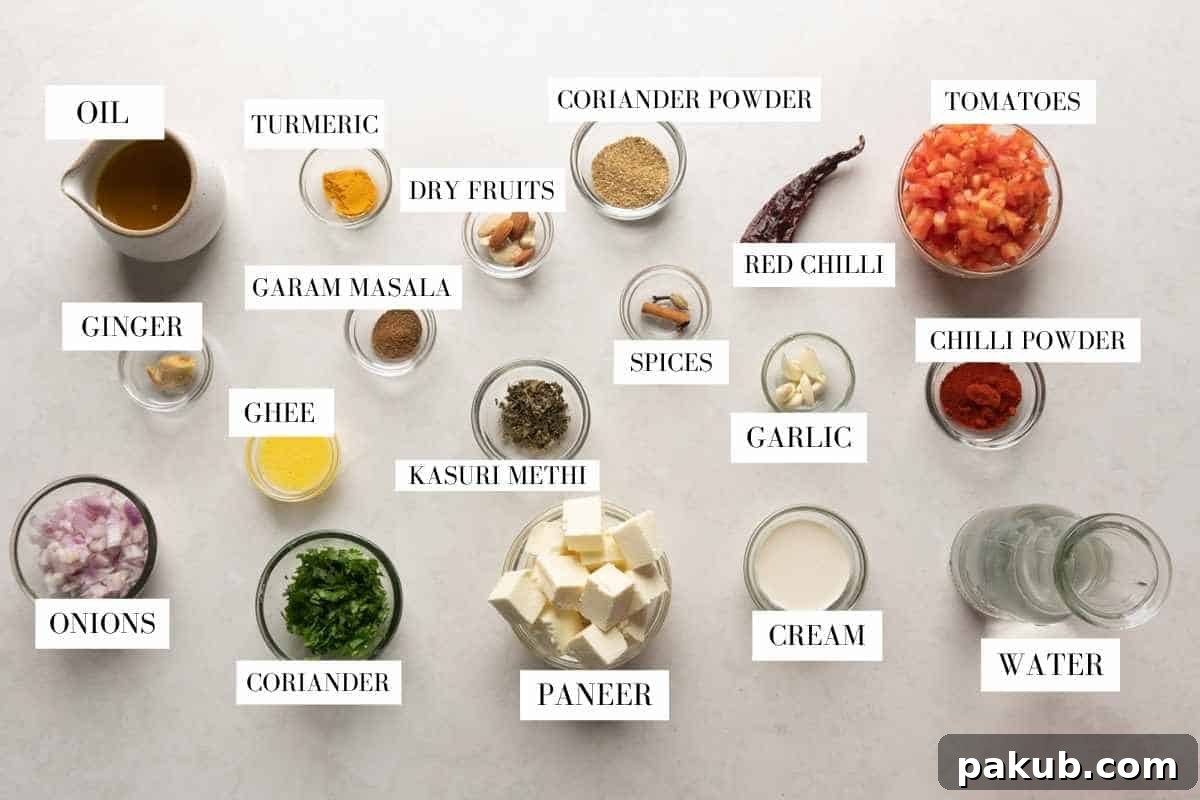
Crafting the perfect Paneer Lababdar begins with selecting high-quality ingredients. Here’s what you’ll need, along with insights into their role in the dish:
- Paneer: The Star of the Show – This recipe brilliantly utilizes paneer in two distinct forms to maximize texture and creaminess. You’ll use paneer cubes, which are gently cooked in the rich gravy, absorbing its flavors while retaining their soft bite. Additionally, grated paneer is stirred in just before serving, adding an extra layer of soft, cheesy texture and contributing to the overall lushness without making the curry too heavy.
- Onions and Tomatoes: The Aromatic Foundation – These form the essential base of almost any Indian gravy. For Paneer Lababdar, maintaining a specific ratio is key; we use onions and tomatoes in approximately a 1:4 ratio. The tomatoes lend a desirable tang and color, while the onions provide a subtle sweetness and body to the gravy.
- Almonds and Cashews: For Natural Creaminess and Body – This duo is crucial for achieving the signature rich and creamy texture of Paneer Lababdar. When soaked and blended with the onions, tomatoes, and other spices, they create a thick, luscious base. They impart a natural sweetness and body to the curry, allowing us to achieve a luxurious feel without solely relying on heavy cream.
- Kasuri Methi (Dried Fenugreek Leaves): The Flavor Unifier – A small but mighty ingredient, Kasuri Methi is essential for bringing all the intricate flavors together. When lightly crushed between your palms and added, it releases a slightly bitter, earthy, and mildly smoky aroma that elevates the entire dish, adding an authentic North Indian touch.
- Aromatic Spices: The Heart of Indian Cuisine – A thoughtfully balanced blend of both whole and ground spices is used at different stages to build layers of flavor.
- Whole Spices: Kashmiri red chili (for color and mild heat), green cardamom, cloves, and cinnamon sticks are initially tempered in oil. These release their essential oils, infusing the cooking oil with a deep, fragrant aroma right from the start.
- Ground Spices: Red chili powder (adjust to your heat preference), coriander powder (for body and citrusy notes), turmeric (for color and earthy flavor), and a touch of garam masala (a warming blend added towards the end for its intense aroma) collectively create the complex and robust flavor profile of the gravy.
- Oil and Ghee: The Fat for Flavor and Richness – This recipe wisely uses both. Oil is utilized for sautéing the spices and building the initial gravy base, allowing the flavors to develop evenly. A final touch of ghee (clarified butter) is added towards the end, providing a distinct, nutty aroma and an unparalleled richness that is characteristic of authentic Indian curries.
Step-by-Step Guide: How to Make Restaurant-Style Paneer Lababdar at Home
Creating this flavorful Paneer Lababdar is a straightforward process, broken down into a few key stages. Follow these steps for a perfect curry every time:
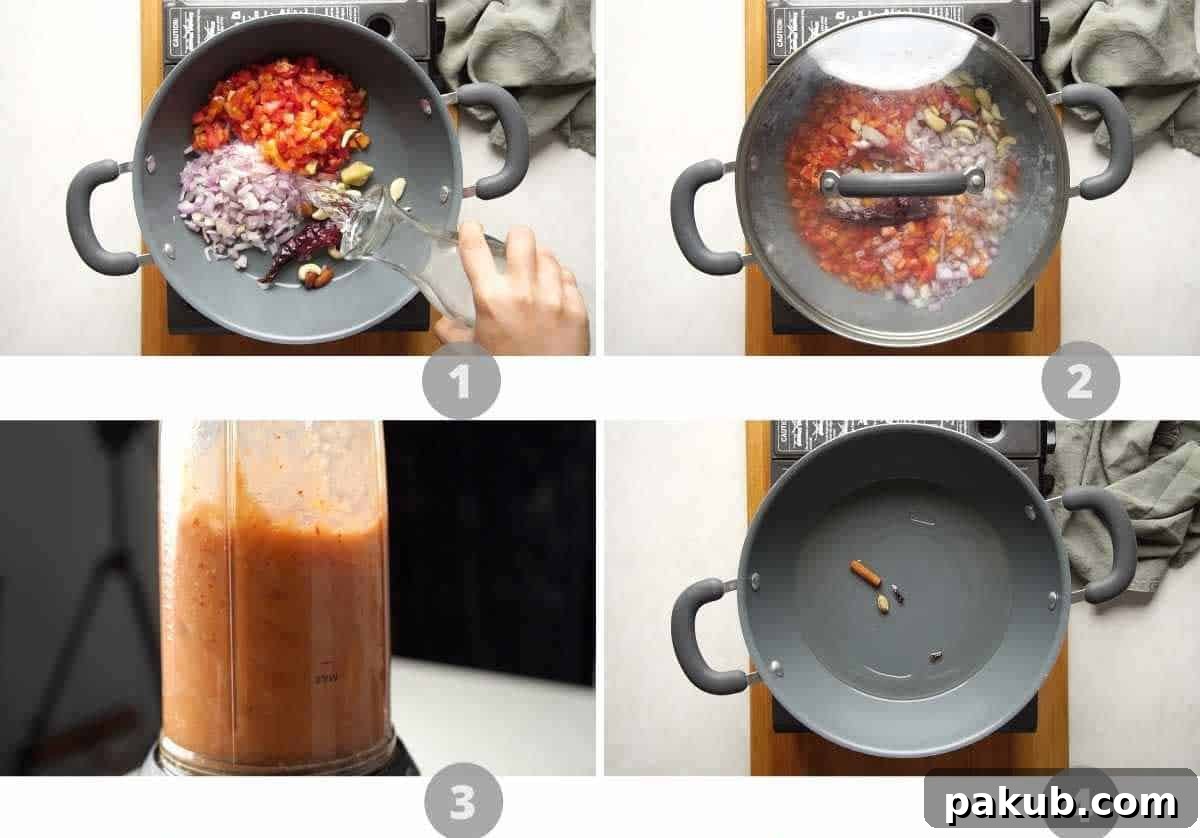
Phase 1: Preparing the Creamy Gravy Base
- Begin by combining roughly chopped onions, tomatoes, ginger, garlic, cashew nuts, almonds, and the dried Kashmiri red chili (if using) in a saucepan. Add approximately one cup of water to cover the ingredients.
- Bring the mixture to a boil, then reduce the heat, cover the saucepan, and let it simmer for about 10 minutes. This step softens the ingredients, making them easier to blend and ensuring all flavors meld beautifully.
- Once cooked, remove the saucepan from the heat and allow the mixture to cool completely. This is crucial to prevent splattering and ensures a smooth blending process.
- Carefully transfer the cooled mixture to a blender and process until you achieve a silky-smooth, lump-free paste. Set this aromatic base aside.
Phase 2: Tempering Spices and Building Flavor
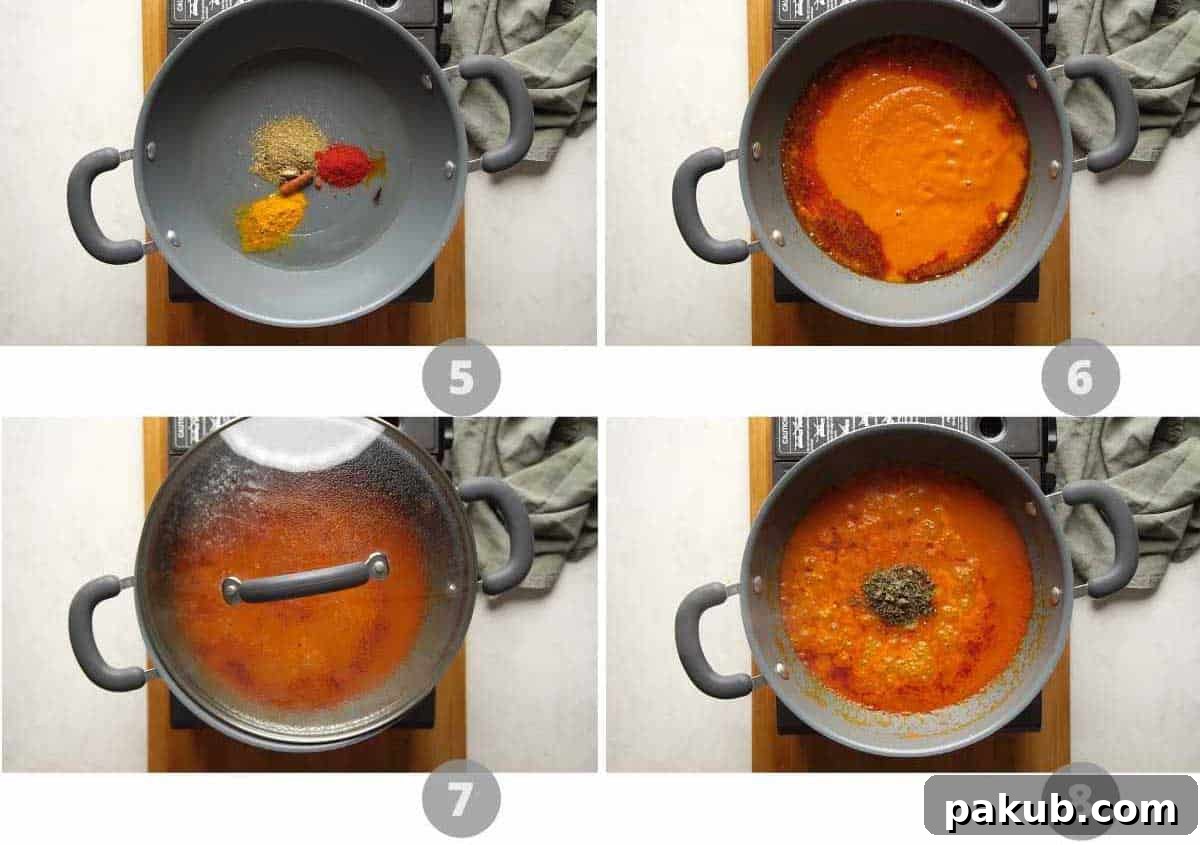
- Heat oil in a heavy-bottomed saucepan or a traditional Indian kadai over medium heat. Once the oil is hot, add the whole spices: cardamom pods, cloves, and cinnamon stick. Allow them to fry for about one minute, or until they become fragrant and release their enticing aromas. Be careful not to burn them.
- Reduce the heat to low. Add the ground spices: chili powder, coriander powder, and turmeric powder. Sauté these for 1-2 minutes, stirring continuously, until their raw smell dissipates. To prevent the spices from burning, which can make the curry bitter, you can add 2-3 tablespoons of water along with them.
Phase 3: Simmering the Rich Curry
- Pour the previously blended onion-tomato-nut paste into the pan with the tempered spices. Stir well to combine and bring the mixture to a gentle boil over medium heat.
- Once boiling, reduce the heat to low, cover the pan, and let the gravy simmer for 10-15 minutes. This slow cooking allows the flavors to deepen and the gravy to thicken to the desired consistency. Stir occasionally to prevent sticking. If the gravy becomes too thick, you can add a little water to thin it out.

Phase 4: Adding Paneer and Finishing Touches
- Stir in the garam masala, crushed Kasuri Methi, and ghee into the simmering gravy. Mix thoroughly to ensure these last additions are evenly distributed, imparting their signature fragrance.
- Gently add the paneer cubes into the gravy. Simmer for only 2-3 minutes. It’s crucial not to overcook the paneer, as it can become rubbery.
- Finally, top generously with fresh grated paneer, a swirl of fresh cream (optional, for extra richness), and a sprinkle of freshly chopped coriander leaves.
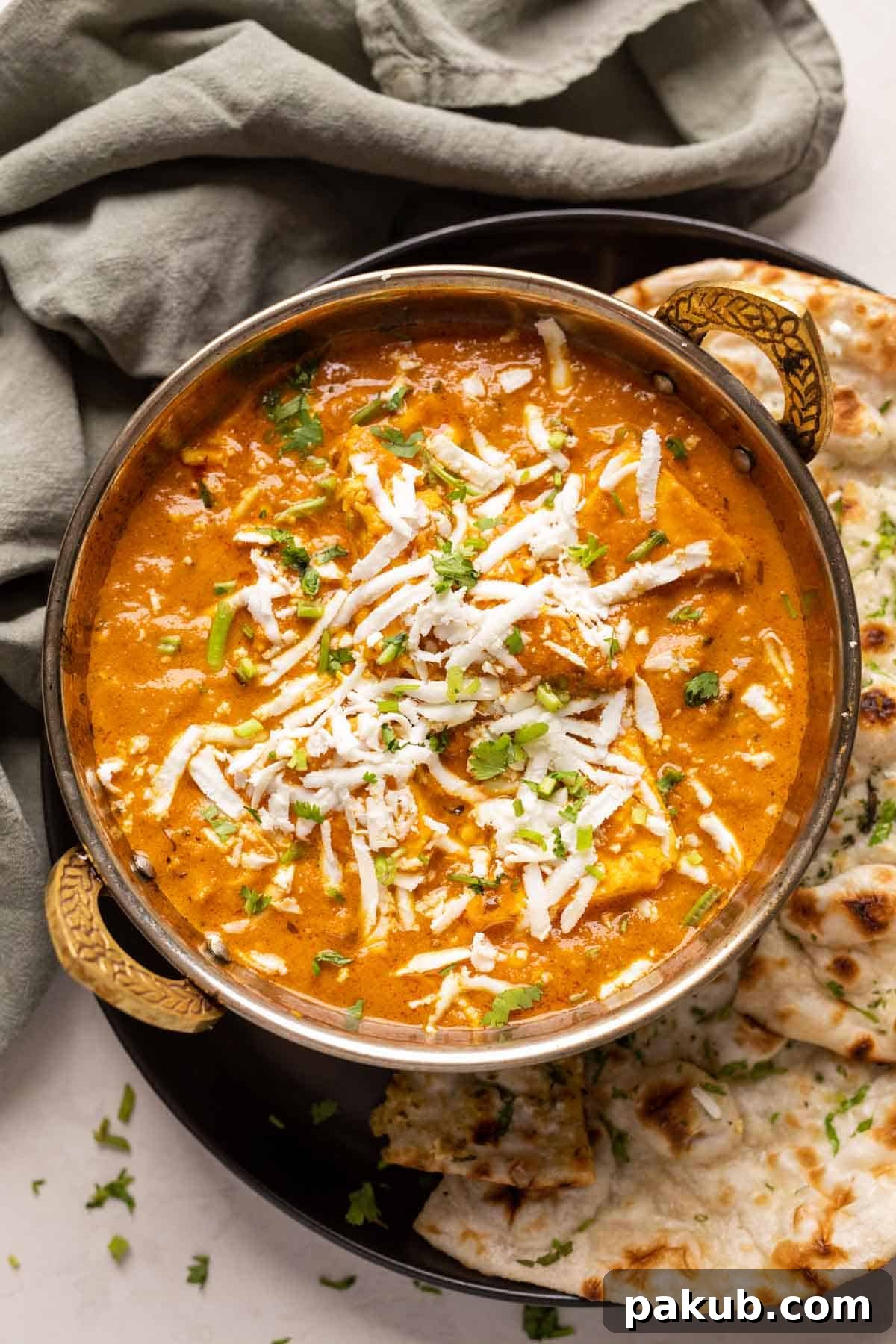
- Serve your homemade Paneer Lababdar immediately, piping hot, alongside your favorite Indian bread like naan or roti, or with fragrant basmati rice. Enjoy the rich and complex flavors!
Richa’s Top Tips for an Unforgettable Paneer Lababdar
To ensure your Paneer Lababdar turns out perfectly every time, keep these expert tips in mind:
- Choose the Right Tomatoes: The quality and type of tomatoes significantly impact the final taste. Avoid using overly sour or excessively tangy tomatoes. I highly recommend using Roma tomatoes or hybrid varieties, as opposed to very tart “desi” tomatoes, for this recipe. They offer a balanced sweetness and acidity crucial for the gravy’s harmony.
- Fresh Paneer Makes a Difference: For the most tender and flavorful Paneer Lababdar, always opt for fresh paneer. Its soft texture and mild flavor will truly elevate the dish. If you can make homemade paneer, even better – it’s easier than you think!
- Handling Frozen Paneer: If fresh paneer isn’t available, and you’re using frozen paneer, it’s essential to defrost it correctly to maintain its texture. Soak the frozen paneer in hot (not boiling) water for about 20 minutes before adding it to the curry. This helps it regain its softness and prevents it from becoming chewy.
- Avoid Overcooking Paneer: Paneer is delicate. Overcooking it, even for a few extra minutes, will cause it to lose its characteristic softness and become tough or rubbery. A brief simmer of just 2-3 minutes in the hot gravy is ample time for it to absorb the flavors without altering its texture.
- Cool Before Blending: After boiling the ingredients for the gravy base (onions, tomatoes, nuts, spices), ensure the mixture has completely cooled down before blending it into a paste. Blending hot liquids can be dangerous and cause them to splatter violently, leading to burns.
- Achieving Perfect Gravy Consistency: The beauty of Paneer Lababdar lies in its rich, creamy consistency. If your gravy appears too thick after simmering, gradually add a tablespoon or two of hot water to reach your desired texture. If it’s too thin, simmer uncovered for a few more minutes to allow it to reduce.
- Making Vegan Paneer Lababdar: This recipe is incredibly adaptable for a vegan diet. Simply substitute the paneer with firm tofu (press it well to remove excess water before cubing). Replace ghee with your preferred plant-based oil, and for the creaminess, use a dash of full-fat coconut milk or a plant-based cashew cream instead of dairy cream.
Frequently Asked Questions About Paneer Lababdar
While both Paneer Butter Masala and Paneer Lababdar are beloved North Indian paneer curries and share similar core ingredients, their primary distinction lies in their texture and the method used to achieve creaminess. Paneer Butter Masala typically boasts a lusciously smooth, almost satin-like gravy, often enriched heavily with butter and fresh cream. In contrast, Paneer Lababdar features a creamy, yet distinctly slightly coarser and more textured gravy. This texture is achieved by incorporating a greater proportion of blended onions, tomatoes, and especially the rich addition of cashews, almonds, and even grated paneer, which create its characteristic body without relying as heavily on dairy fats for its richness. Paneer Lababdar often presents a more balanced flavor profile, with a subtle tang and sweetness, while Butter Masala leans into a richer, sweeter, and more buttery taste.
The best way to guarantee irresistibly soft paneer in your curry is to either use freshly made paneer or ensure proper handling of store-bought varieties. If possible, make paneer at home – it’s surprisingly simple and requires just two ingredients! You can follow my homemade paneer recipe, which yields wonderfully soft paneer in just about 15 minutes. If using store-bought paneer (especially frozen), always thaw it by soaking it in hot water for 20 minutes before adding it to the gravy. Most importantly, avoid overcooking paneer. It only needs to simmer in the hot gravy for 2-3 minutes to absorb flavors without losing its tender texture.
Absolutely! Paneer Lababdar is an excellent dish for meal prepping, and many believe its flavors actually deepen and improve the day after cooking as the spices have more time to meld. The gravy, without the paneer, can be stored in an airtight container in the refrigerator for up to 3 days. For longer storage, you can freeze the gravy for up to a month. When you’re ready to serve, simply thaw the gravy overnight in the refrigerator (if frozen), gently reheat it on the stovetop, and then add the paneer cubes, simmering for just a few minutes before serving. This method ensures your paneer remains perfectly soft and fresh.
Adjusting the spice level is easy! For a milder curry, reduce the amount of red chili powder or omit the dried Kashmiri red chili during the cooking and grinding phase. Kashmiri chili provides more color than heat, but if you’re very sensitive, skip it. For a spicier version, increase the red chili powder to your taste. You can also add a finely chopped green chili along with the ginger and garlic in the initial blending stage for an extra kick. Always taste and adjust as you go!
Paneer Lababdar is incredibly versatile and pairs wonderfully with a variety of Indian breads and rice dishes. It’s fantastic with warm, fluffy naan bread, soft rotis, flaky parathas, or rich garlic cheese kulchas. For a complete meal, serve it alongside fragrant Jeera Rice (cumin rice) or plain steamed basmati rice. A simple side salad or some cooling raita (yogurt dip) can also complement the richness of the curry beautifully.
Paneer Lababdar frequently graces the menus of many North Indian restaurants, yet it might not always be the first dish you order. If you’ve never had the pleasure of experiencing this remarkable paneer curry, I assure you, you’re truly missing out on a culinary delight! Equally comforting for a simple weekday dinner as it is impressive for special occasions, this dish is guaranteed to garner abundant compliments from anyone lucky enough to try it!
What to Serve with Your Perfect Paneer Lababdar
Elevate your Paneer Lababdar experience by pairing it with these complementary Indian delights:
Vegetarian Recipes
Garlic Cheese Kulcha
Soft, leavened bread stuffed with garlic and cheese, ideal for scooping up every last drop of gravy.
Rice Recipes
Perfect Jeera Rice | Indian Cumin Rice
A simple yet aromatic rice dish, infused with cumin, that perfectly complements the rich flavors of the curry.
Vegetarian Recipes
Perfect Pooris – Fluffy and Light as Air!
Deep-fried, puffed Indian bread that’s light and fluffy, adding a delightful texture to your meal.
Indian Recipes
Soft Rotis – How to Make Them at Home
The staple Indian flatbread, simple and wholesome, ideal for soaking up the rich gravy.
Watch the Paneer Lababdar Recipe Video
LOVE THIS RECIPE? Subscribe to our newsletter and be the first to receive all new delicious recipes and cooking tips directly in your inbox!
Paneer Lababdar Recipe
Richa
10 mins
25 mins
35 mins
4 people
Ingredients
For the Cook and Grind Paste:
- 1 medium Onion, roughly chopped (approx. ½ cup)
- 2 medium Tomatoes, roughly chopped (approx. 1 cup)
- 4 whole Cashew Nuts
- 3 whole Almonds
- 6-7 Cloves Garlic
- ¾ Inch Piece Ginger
- 1 dried Kashmiri Red Chilli (optional, for color and mild heat)
- 1 cup Water (for boiling)
For the Gravy:
- 2 Tablespoons Oil
- 1 Cardamom Pod
- 2 Cloves
- ½ Inch Cinnamon Stick
- 1 ½ Teaspoons Coriander Powder
- 1 Teaspoon Chilli Powder (adjust to taste)
- ¼ Teaspoon Turmeric Powder
- ½ Teaspoon Garam Masala
- 1 Teaspoon Ghee
- 1 Teaspoon Kasuri Methi, roasted and crushed
- 200 Grams Paneer, cut into triangles or cubes
- 50 Grams Paneer, grated (for garnish and texture)
- 1-2 Teaspoons Fresh Cream (optional, for extra richness)
- 2 Tablespoons Chopped Coriander Leaves (for garnish)
Instructions
Phase 1: Cook and Grind the Base
- Add all ingredients listed under ‘Cook and Grind’ (onions, tomatoes, ginger, garlic, cashew nuts, almonds, dried red chili) to a saucepan along with one cup of water. Cover and boil for 10 minutes until softened.
- Remove from heat, allow the mixture to cool completely to avoid splattering. Once cool, blend it to a smooth, fine paste. Set aside.
Phase 2: Prepare the Gravy
- Heat 2 tablespoons of oil in a saucepan or kadai over medium heat. Add the whole spices – cardamom, cloves, and cinnamon – and let them fry for about a minute until fragrant.
- Reduce the heat to low. Add chili powder, coriander powder, and turmeric powder. Sauté for 1-2 minutes, stirring constantly, until the raw smell of the spices disappears. If you’re concerned about burning the spices, you can add 2-3 tablespoons of water at this stage.
- Pour the blended smooth paste into the pan and mix well with the spices. Bring the mixture to a boil over medium heat.
- Once boiling, reduce the heat to low, cover the pan, and simmer for 10-15 minutes, or until the gravy reaches your desired consistency and the oil starts to separate. Stir occasionally. Add a little water if the gravy becomes too thick.
- Stir in the garam masala, crushed Kasuri Methi, and ghee. Mix thoroughly to combine and infuse their flavors.
- Gently add the paneer cubes to the gravy. Simmer for only 2-3 minutes. Avoid overcooking to keep the paneer soft.
- Garnish generously with grated paneer, a swirl of fresh cream (if using), and freshly chopped coriander leaves. Serve hot.
Notes
- To make this a vegan recipe, substitute paneer with firm tofu, ghee with any plant-based oil, and fresh cream with coconut milk or a cashew-based cream.
- Avoid using very sour or tangy tomatoes. Roma or hybrid tomatoes work best for a balanced flavor.
- If using frozen paneer, ensure to defrost it by soaking it in hot water for 20 minutes before use to restore its softness.
- Do not overcook the paneer, as it can become chewy and tough. A short simmer in the gravy is sufficient.
- Always ensure the onion, tomato, and nut mixture has completely cooled down before blending to prevent splattering and ensure safety.
- This dish can be refrigerated for up to 3 days or frozen for up to 3 months (best to freeze the gravy without paneer and add paneer upon reheating).
- This curry pairs wonderfully with naan, parathas, rotis, or basmati rice.
Nutrition Information (per serving)
Calories:
312kcal
,
Carbohydrates:
11g
,
Protein:
11g
,
Fat:
26g
,
Saturated Fat:
11g
,
Polyunsaturated Fat:
2g
,
Monounsaturated Fat:
6g
,
Trans Fat:
1g
,
Cholesterol:
46mg
,
Sodium:
24mg
,
Potassium:
294mg
,
Fiber:
3g
,
Sugar:
4g
,
Vitamin A:
899IU
,
Vitamin C:
28mg
,
Calcium:
336mg
,
Iron:
1mg
Did you enjoy this recipe? We’d love to hear from you!
Share your thoughts and rate the recipe below in the comments section!
This article has been thoroughly researched and expertly written by Urvi Dalal
More Delicious Paneer Recipes You’ll Love
If Paneer Lababdar has captured your heart, explore these other fantastic paneer dishes from our collection:
- Shahi Paneer: A royal and rich paneer curry, known for its creamy, mildly sweet gravy often flavored with nuts and cream.
- Creamy Matar Paneer Curry: A comforting classic featuring soft paneer and fresh green peas in a luscious, spiced tomato-based gravy.
- Restaurant Style Paneer Butter Masala: The quintessential paneer dish, famous for its smooth, buttery, and slightly sweet tomato gravy.
- Spicy Achari Paneer: A tangy and spicy paneer curry, infused with the vibrant flavors of Indian pickling spices.