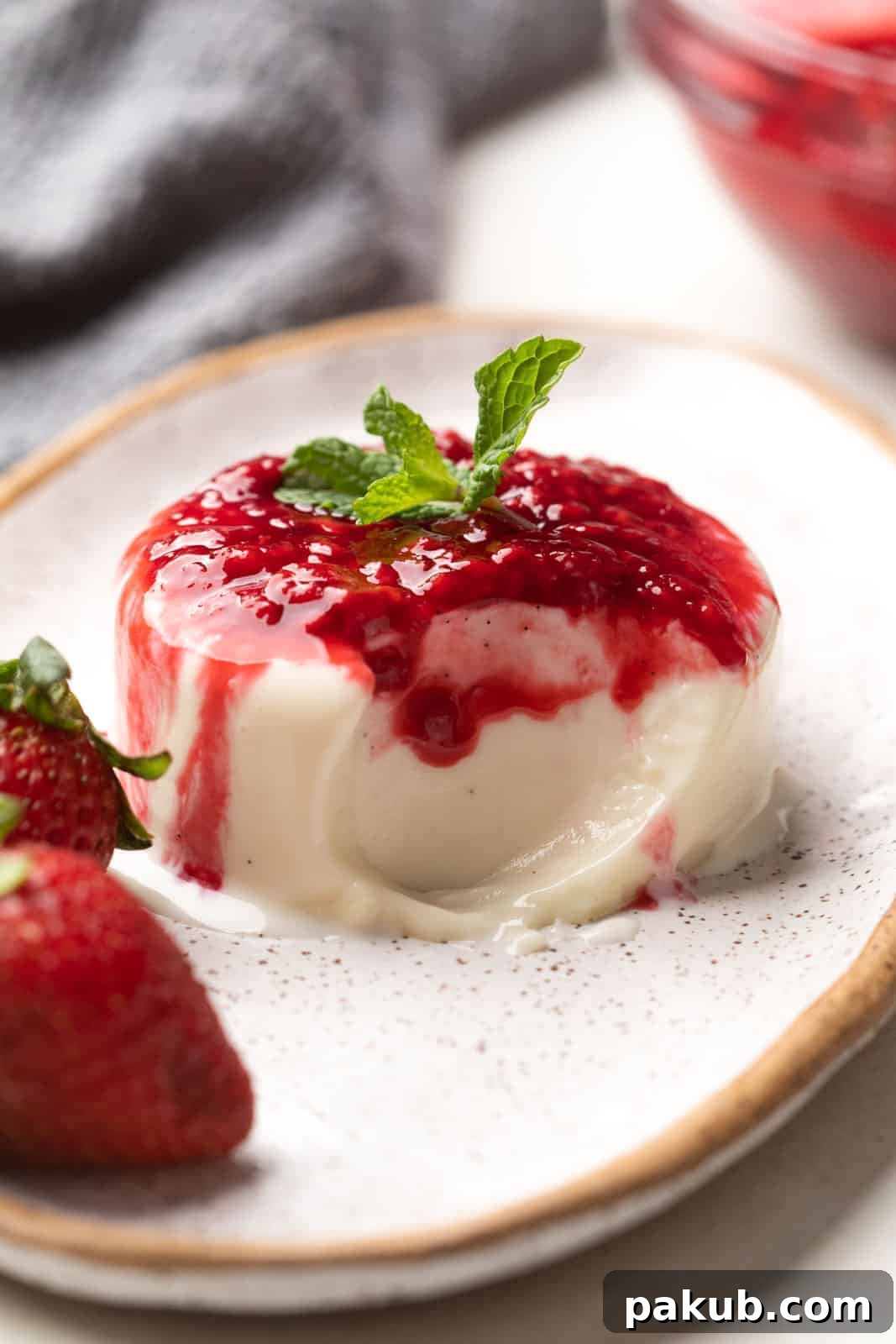
Indulge in Elegance: The Ultimate Vanilla Bean Panna Cotta Recipe
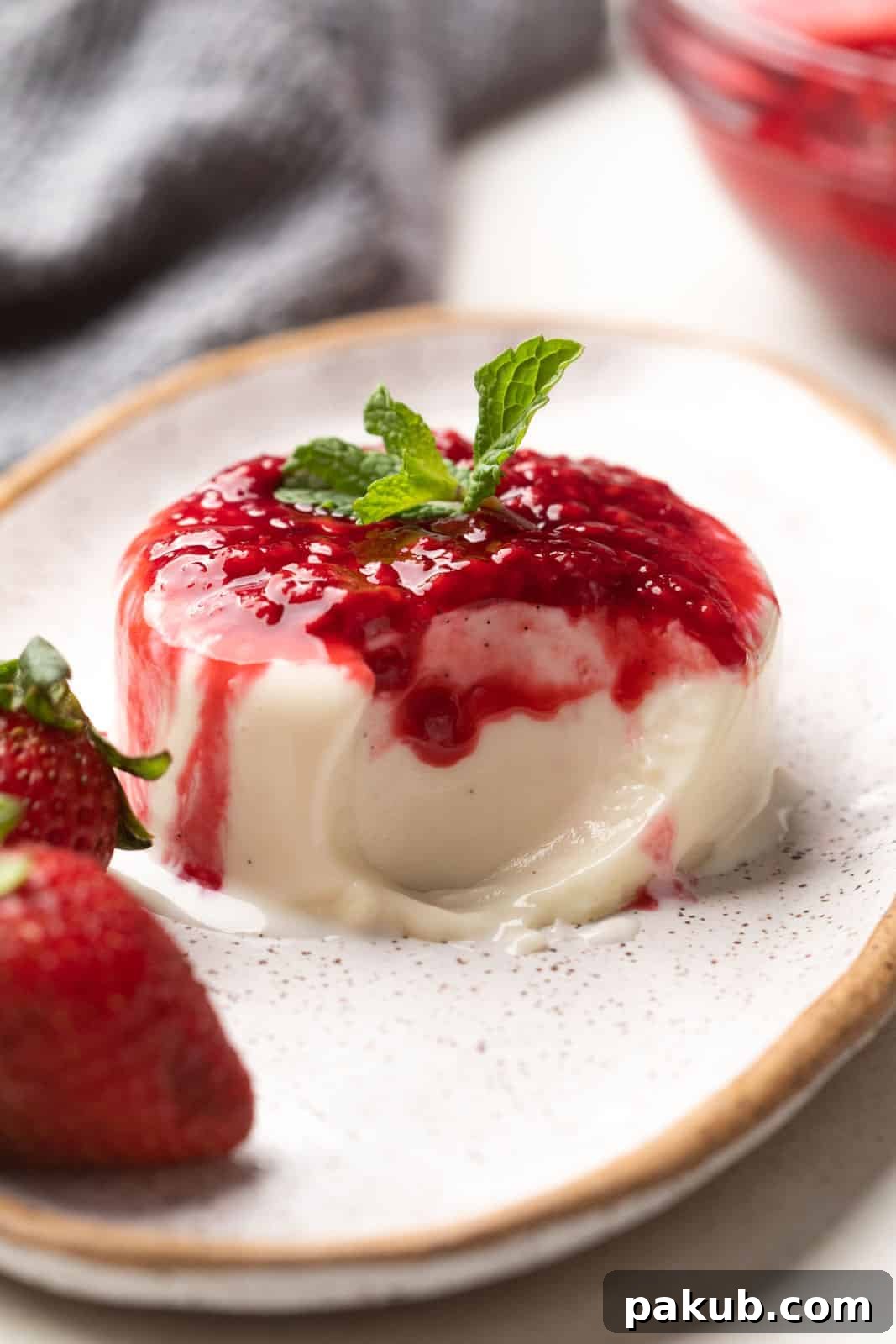
For many, the world of desserts can seem daunting, requiring a level of precision and patience that feels out of reach. Yet, some sweet creations defy this perception, offering stunning results with surprising ease. The classic Vanilla Bean Panna Cotta is one such marvel, an elegant Italian dessert that looks incredibly sophisticated but is, in fact, remarkably simple to master.
My own journey into dessert making was once marked by intimidation, but a foray into Masala Chai Panna Cotta transformed my perspective entirely. It revealed that panna cotta isn’t just beautiful; it’s an accessible delight that consistently impresses. Imagine serving your guests a dessert so refined, so melt-in-your-mouth delicious, that it garners an instant “Woah!” – that’s the magic of panna cotta.
This comprehensive guide will walk you through everything you need to know to create the perfect Vanilla Bean Panna Cotta, from understanding its humble origins to incorporating the finest vanilla flavor and achieving that coveted silky smooth texture. Get ready to impress with minimal effort!
Quick Overview: Your Panna Cotta Journey
- What Exactly is Panna Cotta?
- Mastering the Vanilla Flavor
- 5 Simple Steps to Panna Cotta Perfection
- Expert Tips for Irresistible Panna Cotta
- Effortless Panna Cotta Demoulding
- The Perfect Pairing: Raspberry Compote
- Watch Our Panna Cotta Video!
- More Delicious Dessert Inspiration
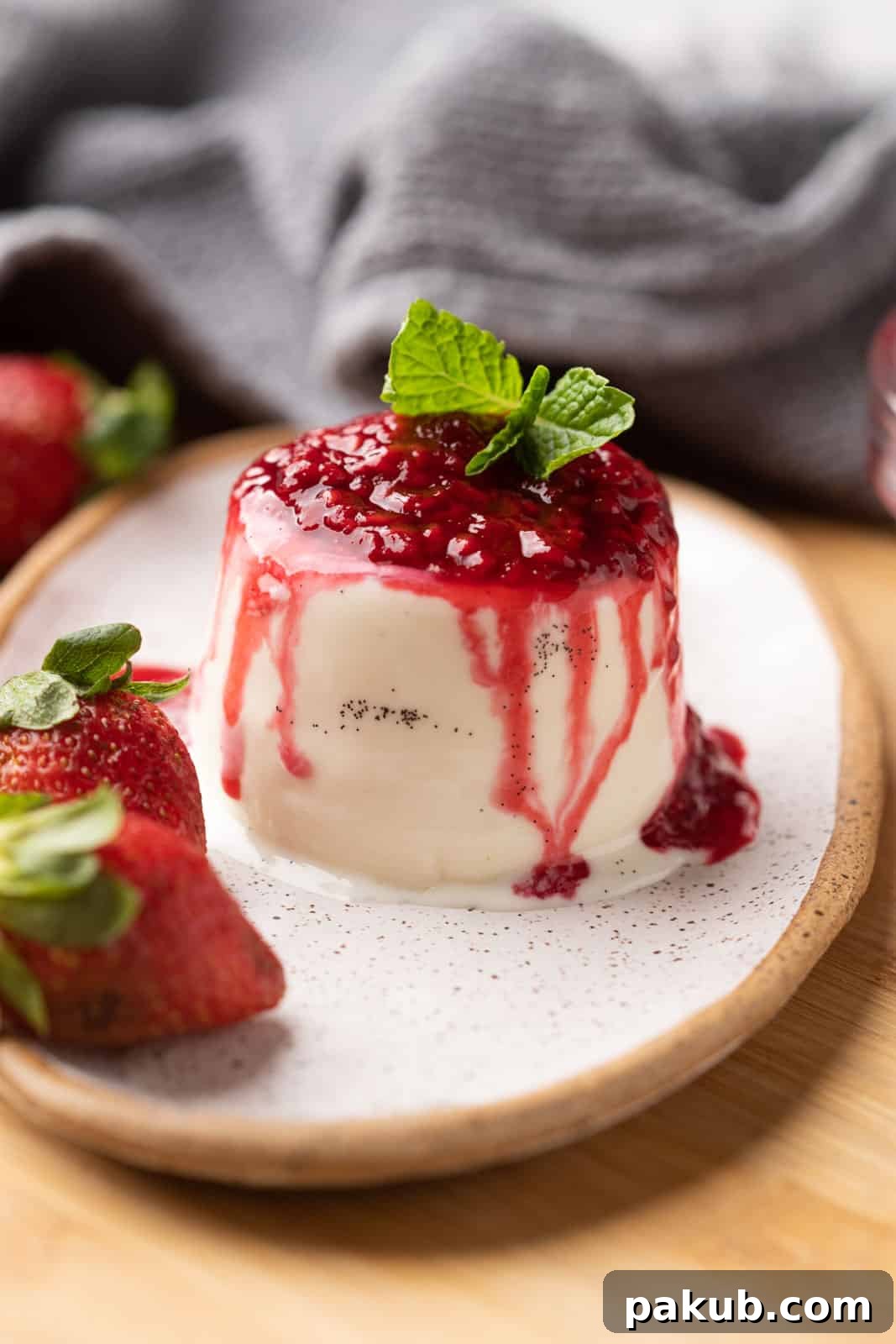
What Exactly is Panna Cotta? Understanding This Italian Gem
Panna Cotta, an elegant Italian dessert whose name literally translates to “cooked cream,” is a testament to the beauty of culinary simplicity. Originating from Italy’s Piedmont region, this delightful treat is fundamentally a sweetened, flavored cream thickened with gelatin and then chilled until set. Its charm lies in its delicate texture—a gentle wobble that signifies its perfect setting, neither too firm nor too liquid. Unlike custards, panna cotta doesn’t rely on eggs for its structure, making it a lighter, yet equally satisfying, dessert option.
The core ingredients are minimal: cream, sugar, and gelatin. The magic happens when these components are gently heated, allowing the flavors to meld and the gelatin to activate, before being carefully chilled. While traditional panna cotta often features vanilla, its simplicity makes it an ideal canvas for a myriad of flavors, from coffee and chocolate to various fruits and spices. In this recipe, we celebrate the timeless appeal of vanilla bean, letting its rich, aromatic profile take center stage.
Mastering the Vanilla Flavor: Why Vanilla Bean is Superior
When it comes to vanilla panna cotta, the choice of vanilla source profoundly impacts the final flavor and appearance. For an unparalleled taste and visual appeal, a high-quality vanilla bean is undeniably the best choice. We’ve experimented with both vanilla extract and vanilla beans, and the difference is truly striking.
Vanilla beans deliver a depth of flavor that extract simply cannot match. Beyond the intense, complex aroma, the tiny, beautiful specks of vanilla seeds dispersed throughout the panna cotta add an exquisite visual touch that screams gourmet. These specks are not just pretty; they are tiny bursts of concentrated vanilla goodness that infuse every spoonful with authentic flavor.
Selecting and Preparing Your Vanilla Bean
To ensure the best results, select a fresh, plump vanilla bean. A good quality bean should be pliable and slightly oily, easily bending without snapping, which indicates its freshness and moisture content. Avoid dry, brittle beans, as they will yield less flavor. To extract the precious seeds, lay the bean flat on a cutting board and carefully make a vertical slit down its entire length with a sharp paring knife. Then, using the back of your knife, scrape out the sticky, aromatic seeds. The scraped pod should not be discarded; it continues to infuse flavor and can be added to the cream mixture along with the seeds for maximum impact. When heated gently with the milk and cream, these vanilla-rich elements gradually release their essence, creating an explosion of natural vanilla flavor that permeates the entire dessert.
Important Note: Vanilla beans are potent. While you want robust flavor, too much can introduce a bitter note. Always adhere to the recommended measurements to achieve the perfect balance of sweetness and rich vanilla aroma.
5 Simple Steps to Panna Cotta Perfection
Crafting a flawless vanilla panna cotta is simpler than you might imagine. By following these five straightforward steps, you’ll achieve that irresistible creamy texture and delightful flavor every time:
- Bloom the Gelatin in Cold Milk: This crucial first step ensures your gelatin dissolves smoothly and effectively, preventing lumps. Sprinkle your gelatin granules evenly over cold milk in a saucepan and let it sit undisturbed for about 5 minutes. This allows the gelatin to absorb liquid and swell, a process known as “blooming.”
- Gently Dissolve Sugar: Once the gelatin has bloomed, add the sugar to the saucepan. Turn the heat to low and gently warm the mixture, whisking frequently. The sugar helps to draw water from the gelatin, further aiding its dissolution and strengthening its gelling ability. It’s important not to let the mixture boil at this stage.
- Infuse Vanilla Flavor: Once the sugar and gelatin are almost fully dissolved, add your scraped vanilla bean seeds and the empty vanilla pod to the saucepan. This allows the vanilla to slowly infuse into the warming liquid, releasing its full aromatic potential.
- Add Heavy Cream and Warm: Pour in the heavy cream and continue to whisk gently. Heat the mixture just until it’s hot to the touch but nowhere near boiling or scalding. The goal is to warm the cream and fully combine all ingredients without overcooking. Once heated, remove the vanilla pod.
- Pour into Molds and Refrigerate: For an extra-smooth finish, strain the mixture through a fine-mesh sieve to catch any lingering vanilla debris or undissolved gelatin. Carefully divide the liquid into your chosen molds (ramekins, jars, or silicone molds) and refrigerate for a minimum of 6-8 hours, or ideally, overnight. This extended chilling time is essential for the panna cotta to set properly and achieve its signature delicate wobble.
Expert Tips for Irresistible Panna Cotta
Achieving panna cotta perfection involves a few key details. Heed these expert tips to ensure your dessert is always a success:
- Invest in Quality Gelatin: The quality of your gelatin is paramount. Low-quality gelatin can result in a weaker set, an undesirable rubbery texture, or even a bitter aftertaste. While specific brands vary by region, seeking out a reputable brand known for its consistent gelling ability is highly recommended. For instance, in India, CCDS gelatin is often preferred for its superior results.
- Always Bloom Gelatin in Cold Liquid: This is non-negotiable. Sprinkling gelatin over cold milk or water allows it to hydrate evenly and swell. If the liquid is warm, the gelatin can clump instantly, leading to an uneven texture and poor setting.
- Whisk Consistently While Heating: As you gently warm the milk, sugar, and gelatin mixture, whisk continuously. This ensures that the gelatin fully dissolves and is evenly distributed throughout the liquid, preventing any pockets of unset dessert.
- Strain for Silky Smoothness: Before pouring the mixture into your molds, pass it through a fine-mesh strainer. This crucial step removes any undissolved gelatin particles, vanilla bean debris, or milk solids, guaranteeing a beautifully smooth and refined texture.
- Allow Ample Setting Time: Patience is a virtue when it comes to panna cotta. A minimum of 6-8 hours in the refrigerator is necessary for the dessert to set properly. However, for the absolute best results and a firm yet delicate wobble, refrigerating overnight is ideal.
- Never Freeze Panna Cotta: While tempting for quicker results, freezing is detrimental to panna cotta. Extreme cold temperatures can damage the gelatin’s gelling properties, causing the panna cotta to become watery and lose its smooth texture upon thawing. Always stick to refrigeration.
Effortless Panna Cotta Demoulding: A Step-by-Step Guide
Presenting your panna cotta beautifully involves mastering the demoulding process. It’s simpler than it looks, and with these steps, you’ll achieve a perfect presentation every time:
- Loosen the Edges: Before attempting to invert, gently run a thin palette knife or a sharp paring knife around the inner edge of each panna cotta mold. This creates a small air gap, allowing the panna cotta to release cleanly without tearing or sticking.
- Warm Water Bath: Prepare a shallow bowl or pan with warm (not boiling) water. Carefully dip the bottom of each panna cotta mold into the warm water for precisely 6-8 seconds. The gentle warmth will slightly melt the outer layer of gelatin, facilitating release. Be cautious not to let any water seep into the panna cotta itself.
- Rest and Release: Remove the molds from the warm water and let them rest on your countertop for another 5-10 seconds. This brief pause allows the heat to distribute evenly and further loosen the panna cotta from the mold’s interior.
- Invert onto a Plate: Place your serving plate inverted over the panna cotta mold. With a quick, confident motion, flip the mold and plate together. The panna cotta should gently slide out onto the plate. If it doesn’t release on the first try, gently tap the bottom of the mold or repeat the warm water dip for just a few more seconds. Avoid forcing it, as this can damage the delicate dessert.
The Perfect Pairing: Vibrant Raspberry Compote
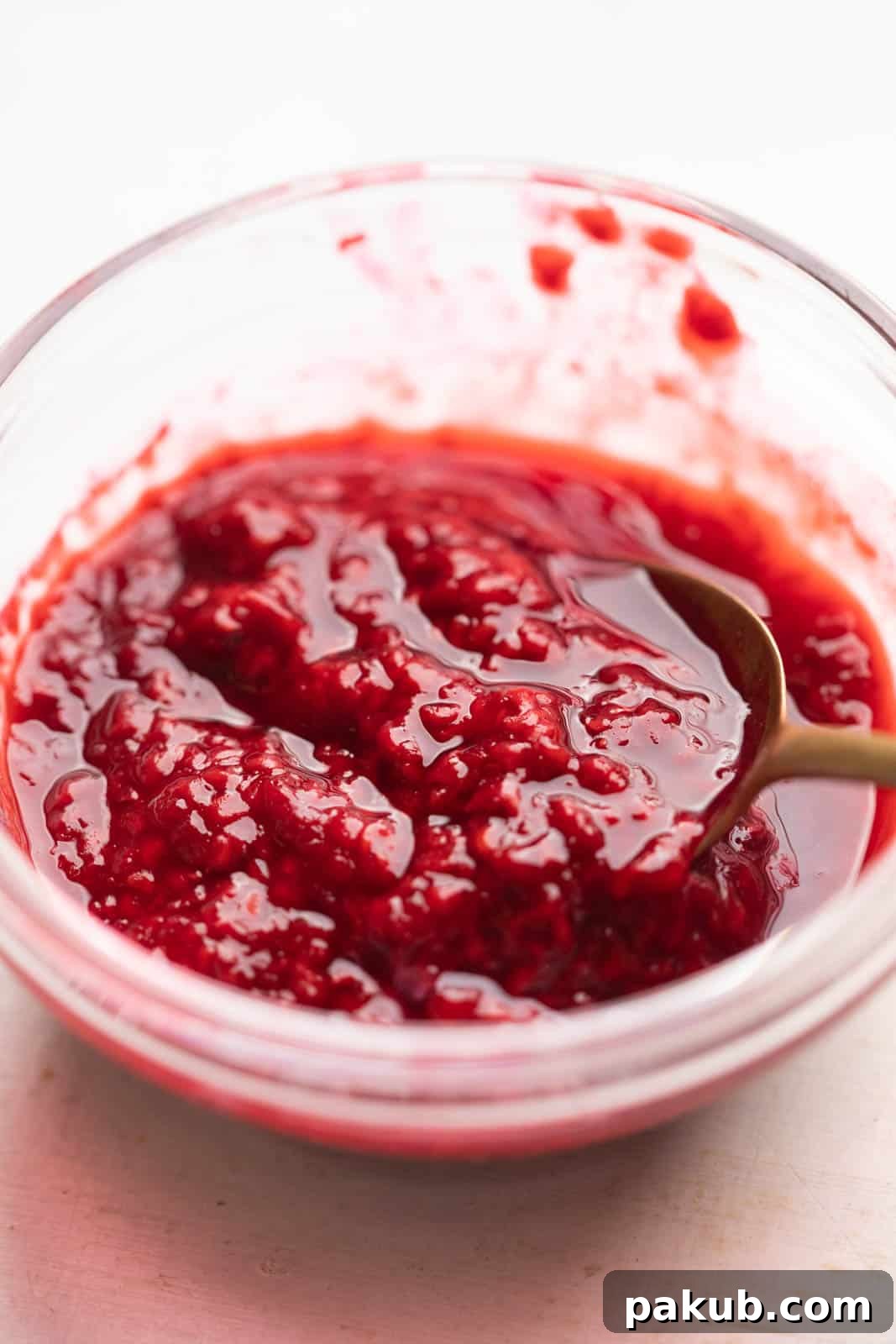
A classic vanilla panna cotta finds its ideal counterpart in a bright, tangy raspberry compote. Our simple yet sensational recipe for raspberry compote offers a beautiful textural contrast and a burst of fresh flavor that elevates the panna cotta experience. The compote is intentionally kept chunky to provide exciting bites that complement the panna cotta’s silky smoothness.
Making this compote requires just three ingredients: fresh or frozen raspberries, sugar, and a hint of lemon juice. The raspberries are gently cooked with sugar until they soften and the sauce slightly thickens, creating a perfect balance of sweet and tart. A final touch of fresh lemon juice brightens the flavors even further, resulting in a compote that is a blast of pure raspberry goodness.
This versatile raspberry compote isn’t just for panna cotta; it’s a fantastic accompaniment to a variety of desserts. Try it generously spooned over our Eggless Vanilla Cake, yogurt, pancakes, or even ice cream. The vibrant color also makes for an incredibly appealing visual, turning a simple dessert into a showstopper. Prepare to dazzle your guests as you pour this exquisite compote over your perfectly set vanilla panna cottas!
I genuinely encourage you to try this vanilla bean panna cotta recipe. It’s a dessert that consistently delivers on taste, elegance, and ease. You won’t regret the effort, and the compliments are sure to pour in! Share your panna cotta adventures in the comments below – I can’t wait to hear about them!
Watch Our Panna Cotta Recipe Video: See the Perfect Jiggle!
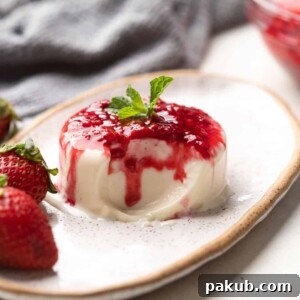
Classic Vanilla Panna Cotta
Richa
This classic vanilla panna cotta recipe is an elegant and incredibly easy dessert. Many are surprised by its simplicity given the amazing results, requiring just five simple ingredients and about twenty minutes of active prep time. For the best outcome, always use high-quality gelatin.
5
15
20
4 people
Print Recipe
Ingredients
Vanilla Bean Panna Cotta
- 1 Vanilla Bean
- 1/4 Cup Cold Milk
- 1 1/4 Teaspoons Gelatin, or use vegetarian gelatin
- 1/3 Cup Sugar
- 1 Cup Cream (heavy cream recommended)
Raspberry Compote
- 1 Cup Raspberry, frozen or fresh
- 2 Tablespoons Sugar, adjust depending on sweetness of raspberries
- 1/2 Teaspoon freshly squeezed Lemon Juice
Instructions
Vanilla Bean Panna Cotta
-
Begin by preparing your vanilla bean. Make a vertical slit down the length of the bean with a sharp knife. Hold one end of the bean firmly and use the back of the knife to scrape out all the tiny, aromatic seeds. Set both the seeds and the scraped pod aside.
-
In a medium saucepan, pour the cold milk. Evenly sprinkle the gelatin over the surface of the milk. Allow it to sit undisturbed for approximately 5 minutes to bloom properly. Once bloomed, add the sugar to the saucepan. Place the saucepan over low heat and gently warm the milk mixture, whisking frequently, until the gelatin and sugar are fully dissolved. It is crucial not to let the mixture simmer or boil at this stage. If it gets too hot, remove it from the flame temporarily to cool slightly.
-
When the sugar and gelatin have almost completely dissolved, add the reserved vanilla bean seeds and the scraped vanilla pod to the saucepan. Continue to stir gently, allowing the vanilla flavor to begin infusing.
-
Whisk in the heavy cream and combine thoroughly. Continue heating gently for another minute or two, ensuring the cream becomes hot but does not scald or boil. Once warmed through, turn off the heat. Carefully remove the vanilla pod from the mixture. For a truly silky texture, strain the entire mixture through a fine-mesh sieve into a clean bowl to remove any solids or undissolved gelatin.
-
Carefully divide the panna cotta mixture into four 3-ounce ramekins, small jars, or desired molds. Place them in the refrigerator and chill for a minimum of 6-8 hours, or preferably overnight, for the best setting and texture.
-
To demould, first run a thin knife along the inside edge of each mold to gently loosen the panna cotta. Next, immerse the bottoms of the ramekins or jars in warm (not boiling) water for 6-8 seconds, being very careful not to let any water enter the panna cotta. Remove from water and let them rest on the counter for 5-8 seconds. Then, carefully invert each mold onto a serving plate. If the panna cotta doesn’t release immediately, dip it back into the warm water for a few more seconds. Serve immediately, topped generously with the homemade raspberry compote.
Raspberry Compote
-
In a small saucepan, combine the raspberries (fresh or frozen) and sugar. Place over medium heat and cook, stirring occasionally, for about 4-5 minutes, or until the sugar dissolves and the raspberries soften, creating a slightly thickened compote. Remove from heat and stir in the freshly squeezed lemon juice. This compote can be made ahead and stored in the refrigerator. Spoon it over the chilled panna cotta just before serving.
Video Guide
Notes for Success
- Gelatin Blooming is Key: Always bloom your gelatin in cold liquid. If the milk is even slightly warm, the gelatin will cook prematurely and clump, leading to an inconsistent texture in your panna cotta.
- Quality Gelatin Matters: The final texture and taste of your panna cotta are highly dependent on the quality of your gelatin. Using a good quality brand will prevent rubbery textures or bitter aftertastes.
- Precise Demoulding Technique: To demould, first slide a thin knife around the edges of the panna cotta. Then, dip the mold in hot (not boiling) water for 3-4 seconds. Let it rest for 5-10 seconds before inverting onto a plate. Gently tap the bottom of the mold; the panna cotta should release cleanly. If not, repeat the warm water dip in short increments.
- Creative Variations: Don’t limit yourself to raspberry compote! Consider serving your vanilla panna cotta with fresh berries, a drizzle of caramel or chocolate sauce, or a light fruit coulis like passion fruit or mango for a different flavor profile.
- Alternative Molds: While ramekins are classic, you can use any small, heat-safe molds. Silicone molds are particularly easy for demoulding.
Nutrition Facts (Per Serving)
Carbohydrates: 29g,
Protein: 3g,
Fat: 23g,
Saturated Fat: 14g,
Cholesterol: 83mg,
Sodium: 32mg,
Potassium: 111mg,
Fiber: 2g,
Sugar: 25g,
Vitamin A: 909IU,
Vitamin C: 8mg,
Calcium: 64mg,
Iron: 1mg
More Exciting Dessert Recipes You Must Try
If you’ve enjoyed mastering the art of panna cotta, here are more delightful dessert recipes to spark your culinary creativity:
- Scottish Dundee Cake: A classic fruit cake packed with flavor and tradition.
- Strawberry Poke Cake: A moist cake infused with strawberry goodness, perfect for summer.
- Mini Mango Cheesecakes: Individual cheesecakes bursting with tropical mango flavor.
- Classic Cassata Upgraded: A modern take on the traditional Italian ice cream cake.
- Lemon Blueberry Cake Bars: Zesty, fruity, and incredibly easy-to-make dessert bars.