
Are you tired of your leafy greens wilting and spoiling before you even get a chance to use them? You’re not alone! Leafy greens can be notoriously tricky to store, leading to frustrating food waste and wasted money. But don’t despair! In this comprehensive guide, we’ll walk you through everything you need to know about effectively storing excess leafy greens, especially through freezing, to keep them fresh and vibrant for months.

There was a time when the rapid spoilage of leafy greens was a constant source of annoyance for me. It felt like I had just brought them home from the market, only for them to start wilting and turning yellow within a couple of days – often before I could incorporate them into my meals. This not only resulted in significant food and monetary waste but also frequently derailed my carefully planned weekly menus. The dream of healthy, home-cooked meals often faded as quickly as the greens themselves.
However, after extensive research, numerous trials, and a fair share of errors in my kitchen, I’ve finally mastered the art of properly storing leafy greens. I’ve learned invaluable lessons on how to maximize their shelf life, ensuring they remain fresh and nutritious for much longer. Today, I’m excited to share these tried-and-tested methods with you. Scroll down for a complete, step-by-step guide on how to store your leafy greens effectively, focusing on the highly efficient method of freezing, to ensure you get the most out of your fresh produce!
Quick Walk Through: How To Store Extra Leafy Greens
- Why Freeze Leafy Greens: The Many Benefits
- Which Leafy Greens Can Be Frozen (And Which Cannot)
- Step-by-Step Guide On How To Freeze Leafy Greens For Maximum Freshness
- How to Effectively Use Frozen Greens
- Frequently Asked Questions About Freezing Leafy Greens
- Expert Tips For Optimal Leafy Green Storage
- Delicious Leafy Green Recipes To Try
Why Freeze Leafy Greens: The Many Benefits
Every year, as winter approaches, I find myself stocking up on abundant fresh leafy greens like fenugreek, mustard, and radish greens. While some are used immediately, I always make sure to store the extras. This way, I’m prepared for those sudden cravings for comforting dishes like Sarson ka Saag or flavorful Methi Paratha, long after the season has passed. Freezing these extra leafy greens is more than just a clever trick; it offers a multitude of compelling benefits that every home cook should consider:
- Significant Reduction in Food and Money Waste: Leafy greens are perishable. By freezing them, you actively prevent them from spoiling, which translates directly into less food thrown away and more money saved. Imagine buying a large bunch knowing you can use every last leaf!
- Enjoy Seasonal Produce Year-Round: Freezing allows you to capture the peak freshness, flavor, and nutritional value of seasonal greens. Why limit your enjoyment of nutrient-rich winter produce to just a few months when you can savor it throughout the entire year? This means access to healthy ingredients regardless of the season or local availability.
- Ultimate Convenience for Meal Prep: Having pre-portioned, frozen greens ready in your freezer is a game-changer for meal prep. No more last-minute grocery runs for wilting spinach or kale. Simply grab a bag and add it to your favorite dishes, saving precious time on busy weeknights.
- Preservation of Nutritional Value: A common misconception is that freezing destroys nutrients. In fact, freezing at peak freshness helps to lock in essential vitamins, minerals, and antioxidants. Blanched and properly frozen greens retain a significant portion of their nutritional integrity, making them a healthy addition to your diet even months later.
- Enhanced Culinary Versatility: Frozen greens are incredibly versatile. They can be seamlessly incorporated into a wide array of cooked dishes, from soups and stews to curries and smoothies, adding a nutritional boost and vibrant color to almost any meal.
Which Leafy Greens Can Be Frozen (And Which Cannot)
While many leafy greens are excellent candidates for freezing, some fare better than others. Understanding which greens respond well to freezing can help you make the most of your preservation efforts. Generally, heartier greens with a thicker leaf structure are ideal for freezing, as they better withstand the blanching and freezing process.
Here’s a list of all the leafy greens you can confidently freeze to extend their life significantly:
- Spinach: One of the most popular greens for freezing, spinach retains its flavor and nutrients exceptionally well.
- Radish Greens: Often overlooked, these peppery greens are fantastic when blanched and frozen.
- Kale: Its robust texture makes kale a perfect candidate for freezing, great for smoothies and cooked dishes.
- Fenugreek Leaves (Methi): These aromatic leaves freeze beautifully, preserving their distinctive flavor for Indian cuisine.
- Bok Choy: Both the leaves and the tender stalks can be frozen, ideal for stir-fries and soups.
- Swiss Chard: With its colorful stalks and earthy leaves, Swiss chard freezes well, perfect for sautéing later.
- Collard Greens: These tough, flavorful greens stand up well to freezing, excellent for long-simmered dishes.
- Beet Greens: Similar to chard, beet greens are nutritious and freeze effectively.
- Turnip Greens: Another hearty green that maintains its quality after freezing.
- Mustard Greens: Their pungent flavor holds up wonderfully through the freezing process.
Greens to Avoid Freezing: While the above greens are fantastic, it’s important to note that not all leafy greens are suitable for freezing. Delicate greens with high water content, like various types of lettuce (romaine, iceberg, butter lettuce), arugula, and watercress, generally do not freeze well. They tend to turn mushy, limp, and lose their crisp texture and vibrant flavor upon thawing, making them unappetizing for salads or other raw applications. It’s best to consume these fresh.
Step-by-Step Guide On How To Freeze Leafy Greens For Maximum Freshness
Freezing leafy greens is a straightforward process, but following these steps carefully ensures the best possible results, preserving their color, flavor, and nutritional value.
Step 1 – Wash and Clean Thoroughly: The first and arguably most critical step is to meticulously clean your greens. Start by discarding any yellowed, bruised, or damaged leaves. Then, place the remaining healthy greens in a large basin or a clean sink filled with cold water. Swish them around gently to dislodge any dirt, grit, or even small bugs that might be clinging to the leaves. You may need to repeat this process several times, changing the water until it remains clear. Using cold running water is crucial here, as it helps prevent the delicate leaves from wilting or getting damaged prematurely. For greens with tough stems like kale or collards, you might consider removing the stems or chopping them into smaller, more manageable pieces before washing.
Step 2 – The Art of Blanching: Blanching is the secret weapon in effective leafy green preservation. It’s a quick cooking process followed by an immediate chilling, and it’s absolutely essential for ensuring your greens freeze well and maintain their quality over time. To blanch:
- Bring a large pot of water to a rolling boil. Ensure you have enough water to fully submerge the greens.
- While the water heats, prepare an ice water bath in a large bowl. This is critical for stopping the cooking process quickly. Fill a bowl with ice and water.
- Once the water is boiling, add the cleaned greens, working in batches if necessary, to avoid overcrowding the pot. Make sure they are completely submerged in water.
- Allow the greens to blanch for a short period. The timing varies by green (as discussed in Richa’s tips below), but typically ranges from 1 to 3 minutes. For example, spinach and fenugreek might need only 60-90 seconds, while heartier greens like kale or collards could take 2-3 minutes. The goal is for the greens to become tender-crisp and bright green.
- Immediately after blanching, use a slotted spoon or tongs to transfer the greens from the boiling water directly into the prepared ice water bath. This rapid cooling, known as “shocking,” instantly stops the cooking process, preserving their vibrant color, fresh flavor, and crucial nutrients. Allow them to cool completely, usually for about the same amount of time they were blanched.
Step 3 – Drain and Dry Completely: Once the leafy greens are thoroughly cooled in the ice bath, remove them and begin the crucial draining process. The goal is to remove as much excess water as possible. Gather handfuls of the blanched greens and firmly squeeze them between your hands. You’ll be surprised how much water comes out! Continue squeezing until the greens are as dry as you can get them. For even better results, you can use a clean kitchen towel or paper towels to pat everything completely dry. This step is paramount because any excess water clinging to the leaves will turn into ice crystals during freezing. These crystals can lead to freezer burn, resulting in a loss of color, degraded quality, and an unappealing mushy texture when thawed. A salad spinner can also be very helpful here before the final towel pat-down.
Step 4 – Portion and Pack Smartly: Now that your greens are clean, blanched, and dry, it’s time to portion and pack them for the freezer. This step is about convenience and preventing waste. Divide the greens into small, meal-sized quantities – think about how much you typically use in a single recipe. This prevents you from thawing more than you need. Place these portions into airtight freezer bags, rigid freezer-safe containers, or even use a vacuum sealer for the best results. If using bags, try to squeeze out as much extra air as possible before sealing; excess air can lead to freezer burn. For easy storage, you can flatten the bags, stack them, or even form small “pucks” of greens that can be easily dropped into dishes.
Step 5 – Label and Date for Success: Once frozen, many different types of greens can look remarkably similar, making differentiation difficult. To avoid confusion and ensure you use them within their optimal timeframe, it is absolutely essential to label your packages clearly. Use a permanent marker to write the type of greens (e.g., “Spinach,” “Kale,” “Fenugreek”) and the freezing date on each bag or container. This simple step helps you keep track of your freezer inventory and ensures you’re always using the freshest possible frozen produce. Pop these labeled bags or containers into your freezer, and they’re ready for future use!
How to Effectively Use Frozen Greens
Once you have a stash of perfectly frozen leafy greens, incorporating them into your daily cooking becomes incredibly easy and convenient. Frozen greens can be used in a number of different ways, adding a nutritional punch and vibrant flavor to a wide array of dishes.
- Directly into Cooked Dishes: For most cooked applications, such as sabzis like Palak Paneer, Shaam Savera, or Saag Chicken, you can add frozen greens directly to your pot or pan. There’s no need to thaw them beforehand. They will quickly defrost and cook down, releasing their moisture and integrating seamlessly into your recipe. This method is also ideal for soups, stews, casseroles, curries, and stir-fries.
- Smoothies: Frozen greens are fantastic for smoothies. Simply toss a handful or a frozen “puck” of spinach or kale directly into your blender with your other ingredients. They add an extra chill and a boost of nutrients without altering the flavor significantly.
- Sauces, Dips, and Pestos: Thawed or partially thawed greens can be blended into vibrant sauces, creamy dips, or homemade pestos. For example, add frozen spinach to a marinara sauce for an extra dose of veggies, or blend frozen kale with nuts, garlic, and oil for a healthy pesto.
- Baking: Yes, you can even bake with frozen greens! Incorporate finely chopped and thawed spinach into savory muffins, quick breads, or quiches for added nutrition and moisture.
- Thawing for Specific Uses: While direct cooking is often preferred, if a recipe calls for thawed greens, or if you plan to add them to something more delicate like a frittata or an omelet, you can thaw them in the refrigerator overnight. Alternatively, for quicker thawing, place the sealed bag of greens in a bowl of cold water for 30-60 minutes, or use the defrost setting on your microwave. Remember to squeeze out any excess moisture after thawing, especially if the recipe requires less liquid.
It’s important to note that while frozen greens retain their flavor and nutrients, their texture will be softer than fresh greens due to the freezing process. Therefore, they are best suited for cooked dishes rather than raw applications like fresh salads.
Frequently Asked Questions About Freezing Leafy Greens
While it is technically possible to freeze fresh greens without blanching, it is generally not recommended for optimal quality. Blanching is a crucial step that helps to deactivate enzymes responsible for spoilage, color degradation, and flavor loss. Skipping this step can lead to leafy greens that develop a dull color, a “hay-like” flavor, and a mushy, unappetizing texture after being thawed. If you plan to use the greens within a month or two, you might get away with it, but for longer storage (8-12 months), blanching is essential.
If you don’t blanch your greens before freezing, you risk a significant reduction in quality. Enzymes naturally present in the greens continue to operate, albeit slowly, even in the freezer. This enzymatic activity causes undesirable changes, including loss of vibrant green color, a noticeable decline in flavor, and a tendency for the greens to become slimy and mushy upon thawing. They may also develop a tougher texture. While they might still be edible, the culinary experience will be far from ideal.
When properly blanched, drained, and stored in airtight containers or freezer bags, frozen leafy greens can easily last for 8 to 12 months. For best quality, it’s advisable to use them within this timeframe. Beyond 12 months, they might still be safe to eat but could start to experience a decline in flavor and texture, even if properly handled.
A wealth of research has consistently debunked the myth that freezing fresh leafy greens destroys their nutritional value. In fact, freezing is an excellent method for preserving a majority of the nutrients and vitamins. The blanching process, followed by rapid freezing, helps to lock in these vital compounds at their peak. Frozen leafy greens are absolutely safe and incredibly healthy to be consumed even after defrosting, making them a convenient and nutritious option year-round.
For most cooked dishes like soups, stews, or stir-fries, you don’t need to thaw frozen greens at all; you can add them directly to the pot. If a recipe specifically calls for thawed greens (e.g., for quiches or dips), transfer them to the refrigerator overnight. For a quicker thaw, place the sealed bag of greens in a bowl of cold water for 30-60 minutes, or use the defrost setting on your microwave. Always remember to squeeze out any excess liquid after thawing.
It is generally not recommended to refreeze blanched and thawed leafy greens. Refreezing can significantly compromise their texture and quality. When food thaws, bacteria can multiply rapidly. While cooking them thoroughly after thawing and before refreezing can make it safer, the repeated freezing and thawing cycles break down the cell structure of the greens even further, leading to a mushy and unpalatable product. It’s best to portion your greens into single-use amounts before the initial freeze to avoid needing to refreeze them.
Expert Tips For Optimal Leafy Green Storage
Beyond the step-by-step guide, these additional tips will help you achieve the best possible results when storing your leafy greens, ensuring they remain fresh and flavorful for as long as possible:
- Use quality freezer bags or a vacuum sealer. Investing in good quality, thick freezer bags designed to withstand freezing temperatures is crucial. Even better, a vacuum sealer removes virtually all air, preventing freezer burn and extending the shelf life of your greens considerably.
- Remove as much air as possible to prevent freezer burn. Air is the enemy of frozen food. When using freezer bags, flatten them and physically press out all the air before sealing. For added protection, you can even double-bag your greens. Freezer burn causes dry, discolored spots on food, significantly impacting taste and texture.
- Blanching times may vary significantly depending on the type and maturity of the greens, so keep a close eye on them!
- For delicate greens like spinach and fenugreek leaves, a quick blanch of about 60-90 seconds is usually sufficient. They wilt quickly and don’t require extended cooking.
- For heartier greens such as kale, collard greens, mustard greens, Swiss chard, and beet greens, they can take anywhere between two to three minutes to blanch effectively. These tougher leaves need a bit more time to soften and for their enzymes to be fully deactivated. Always ensure they are bright green and slightly tender, but not fully cooked through.
- Don’t Overpack the Freezer: While it’s tempting to fill your freezer to the brim, allow some space for air circulation. This helps the freezer maintain a consistent temperature, which is better for all frozen foods, including your greens.
- Batch Processing for Efficiency: If you have a large harvest of greens, process them in batches. This makes the washing, blanching, and packing steps more manageable and ensures each batch is handled with care.
- Consider Freezing in Ice Cube Trays: For very small portions or for adding to smoothies, purée blanched and squeezed greens with a little water, then freeze the mixture in ice cube trays. Once solid, transfer the cubes to a freezer bag. These “green cubes” are incredibly convenient for adding a quick nutrient boost to sauces, soups, or drinks.
Delicious Leafy Green Recipes To Try
Now that you’re a pro at storing leafy greens, it’s time to put them to good use! Here are some fantastic recipes that celebrate the versatility and deliciousness of these nutritious vegetables:
- Easy Palak Paneer: A classic Indian dish featuring spinach and paneer cheese in a rich, flavorful gravy.
- Sarson ka Saag: A traditional Punjabi winter delicacy made from mustard greens and other leafy vegetables.
- Saag Chicken: Tender chicken cooked in a luscious, spiced spinach (or mixed greens) sauce.
- Coriander Chutney: A vibrant and zesty condiment perfect with Indian snacks or meals.
- Healthy Lemon Dill Potato Salad: A refreshing, mayo-free potato salad with fresh herbs.
- Greens Persimmon Ricotta Salad With Orange Dressing: A delightful blend of sweet, creamy, and tangy flavors.
- Thai Prawn Mango Salad: A light and exotic salad combining succulent prawns with sweet mango and crisp greens.
- Watermelon Salad with Basil and Cucumber: A refreshing and unique salad perfect for warm weather.
- Black Rice Salad Bowl With Spicy Peanut Dressing: A hearty and flavorful salad bowl packed with nutrients.
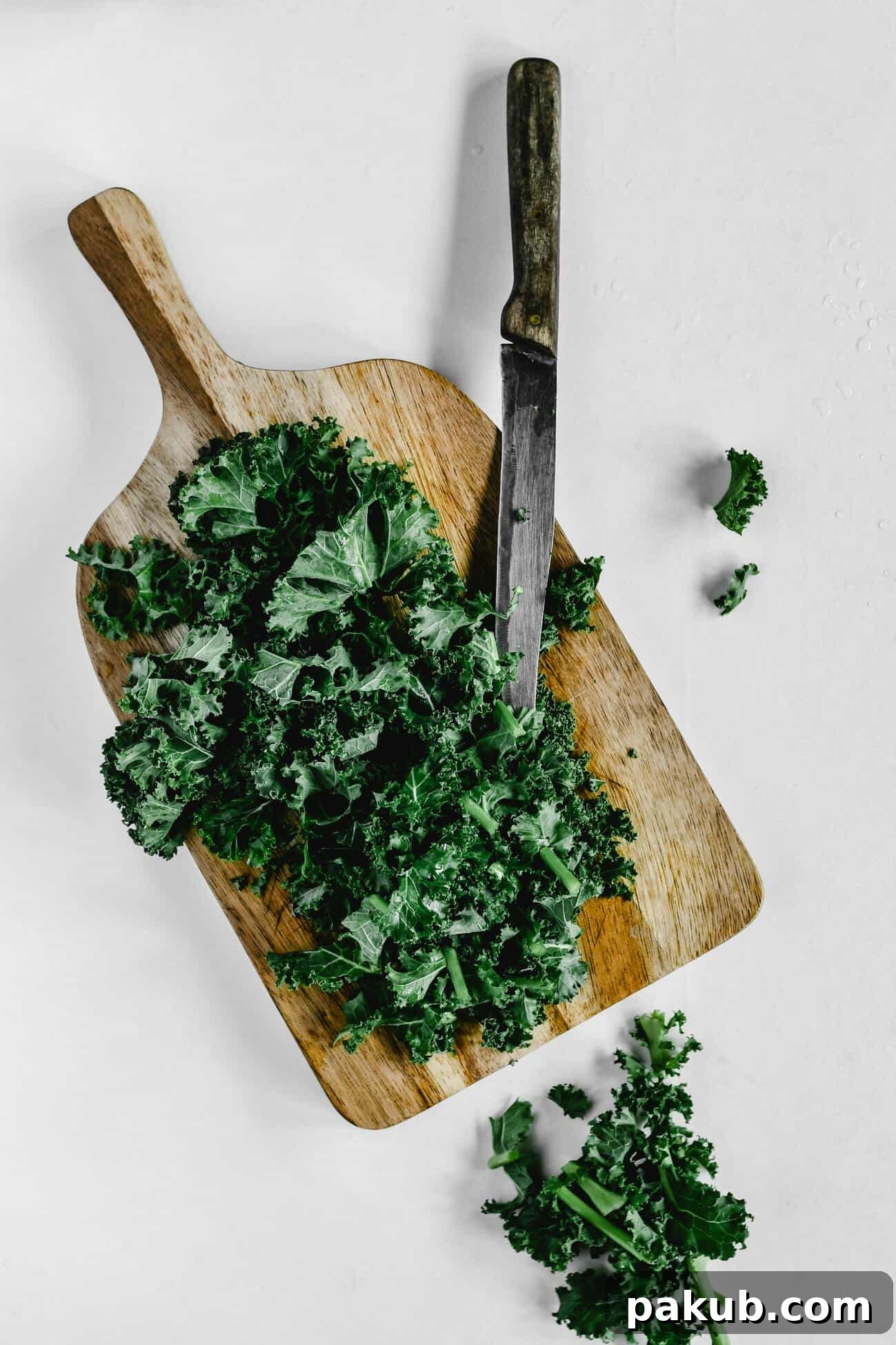
Once you discover how easy, cost-effective, and incredibly helpful freezing excess leafy greens truly is, there will be no turning back! This method transforms your approach to managing fresh produce, significantly reducing food waste and ensuring a continuous supply of nutritious ingredients for your kitchen. I personally find it most convenient to store everything in smaller, meal-sized bags or containers. This allows me the flexibility of taking out only the precise amount I need for a recipe, without exposing the rest of the greens to thawing and refreezing, which could compromise their quality.
Embrace this simple yet powerful food preservation technique, and say goodbye to wilting greens and wasted groceries. If you try freezing your leafy greens this year using these steps, please leave a comment below to let me know how it worked out for you! Your feedback is always appreciated!