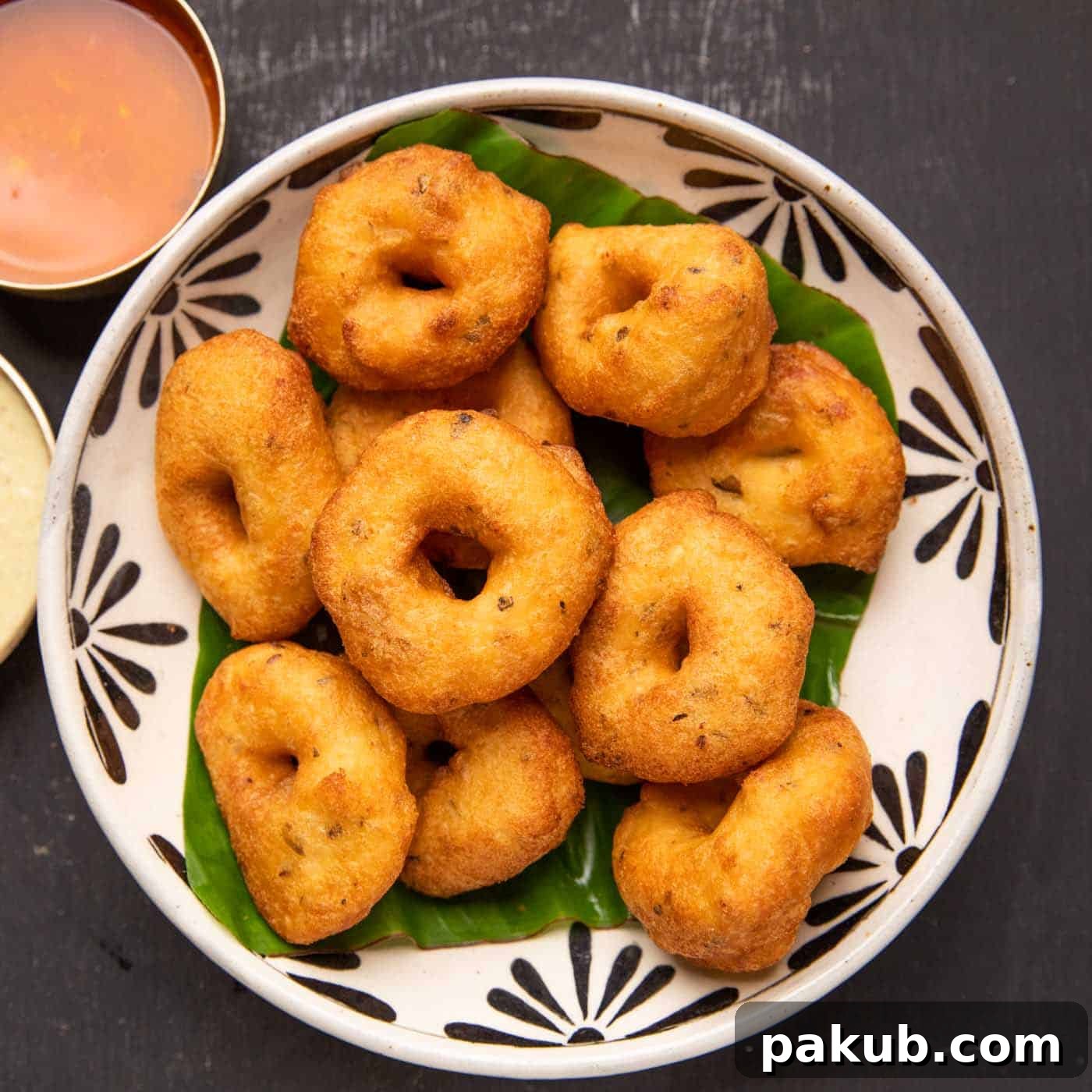
Foolproof Medu Vada Recipe: Crispy Outside, Fluffy Inside South Indian Fritters
Craving the perfect Medu Vada? This foolproof recipe guarantees vadas that are light and fluffy inside with a delightful bready texture, encased in a crispy, golden-brown exterior. Imagine dunking these savory fritters into piping hot sambar, accompanied by a side of fresh coconut chutney – truly the best way to start your day or enjoy a delicious snack.
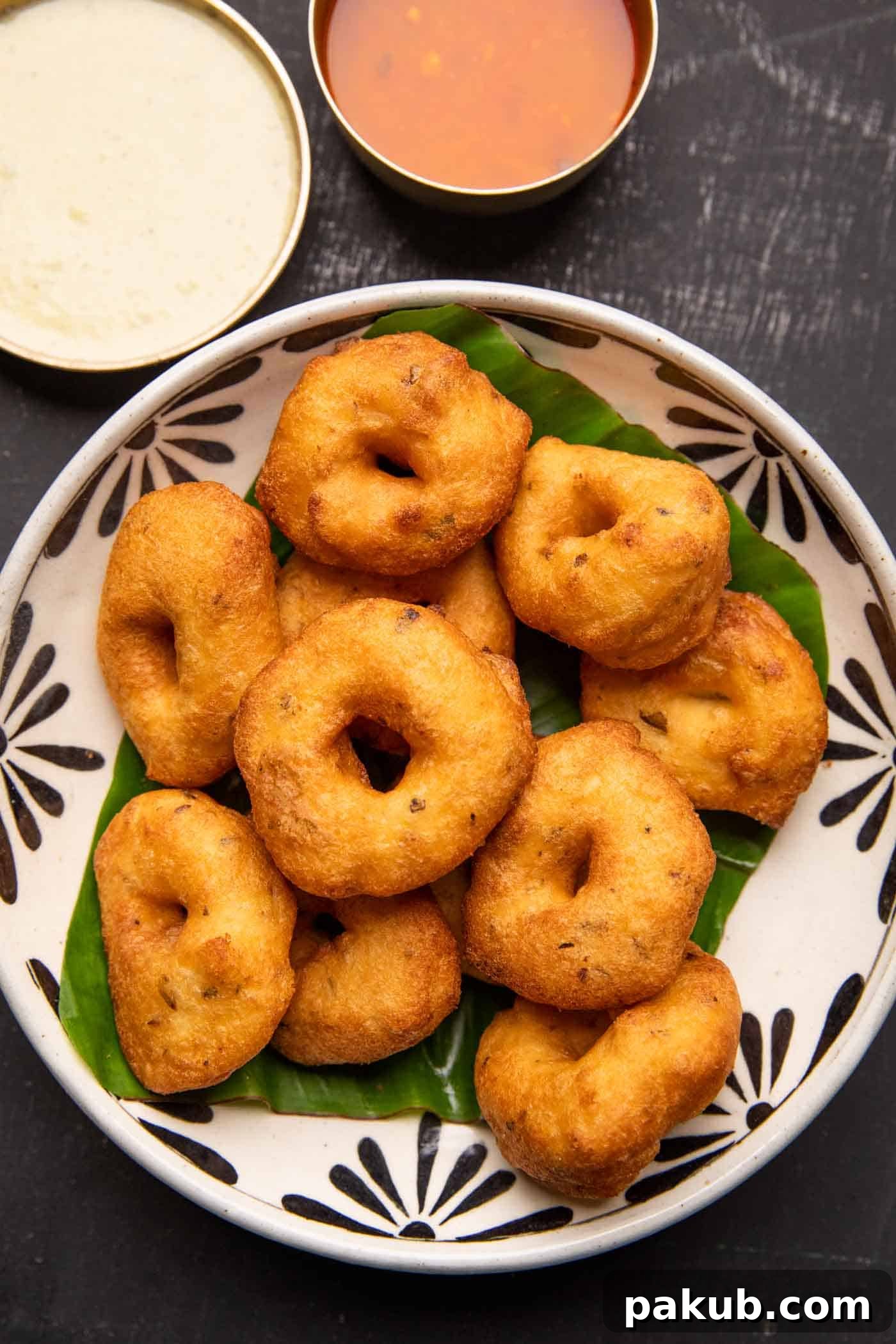
If you’ve ever had the pleasure of visiting South India, or if you call this vibrant region home, you’re undoubtedly familiar with the unique anticipation of waking up early to savor freshly made Medu Vada and Sambar. It’s a culinary ritual, often requiring an early start just to secure these highly sought-after treats before they inevitably sell out. There’s a reason they vanish so quickly – their irresistible taste and texture are simply unmatched!
The crushing disappointment of arriving at a bustling food stall only to find the vadas completely sold out for the day is a feeling I know all too well. This very frustration fueled my determination to master the art of making Medu Vada right in my own kitchen. It wasn’t an easy journey; in fact, it took me a good five attempts to perfect this recipe. Through numerous trials and errors, I uncovered the subtle yet crucial techniques that transform a simple urad dal batter into these iconic, airy fritters. The good news for you? I’ve distilled all my learnings and perfected a method that makes homemade Medu Vada surprisingly easy to achieve.
I’ve meticulously detailed the entire process for you, sharing all my hard-earned tips and techniques. My goal is to ensure you avoid the common pitfalls I encountered, allowing you to create flawless vadas on your very first try. The beauty of this recipe lies in its simplicity: it relies predominantly on just one main ingredient – urad dal – making it incredibly straightforward. Success truly hinges on how closely you follow these detailed steps and embrace the subtle nuances of preparation.
One of the most appealing aspects of this recipe is that it requires no fermentation. This means you can whip up a batch of these delightful fritters relatively quickly, without the need for overnight resting, which is often a barrier for many traditional South Indian recipes. The word medu translates to ‘soft,’ and vada means ‘fritters’ in Kannada, perfectly describing these soft, fried dough balls of absolute perfection. They are celebrated across many regions of India, known by various names such as Urad Dal Vada, Garelu, Uzhunnu Vada, Uddina Vada, and Ulundu Vadai, each name echoing their widespread popularity and cherished place in Indian cuisine.
Why This Medu Vada Recipe is a Game Changer
Many home cooks shy away from making Medu Vada, intimidated by tales of soggy fritters or dense textures. This recipe is specifically designed to demystify the process and equip you with the knowledge to achieve perfect results every time. Here’s why this guide stands out:
- No Fermentation Needed: Unlike many traditional recipes, our method doesn’t require the batter to ferment overnight, saving you significant time and effort. This makes it a fantastic option for impromptu cravings.
- Crispy Exterior, Fluffy Interior: We focus on precise techniques for grinding and whisking the batter to ensure that classic contrast of a delightfully crispy crust and a melt-in-your-mouth soft center.
- Minimal Ingredients: With urad dal as the star, augmented by just a few common spices, this recipe proves that extraordinary flavors don’t always require an extensive pantry.
- Troubleshooting Made Easy: I’ve compiled answers to all your common questions, helping you diagnose and fix any issues you might encounter, from greasy vadas to hard ones.
- Expert Tips: Drawing from my own journey of trial and error, I share invaluable insights that simplify the shaping and frying process, making it accessible even for beginners.
Ingredients You’ll Need for Perfect Medu Vada
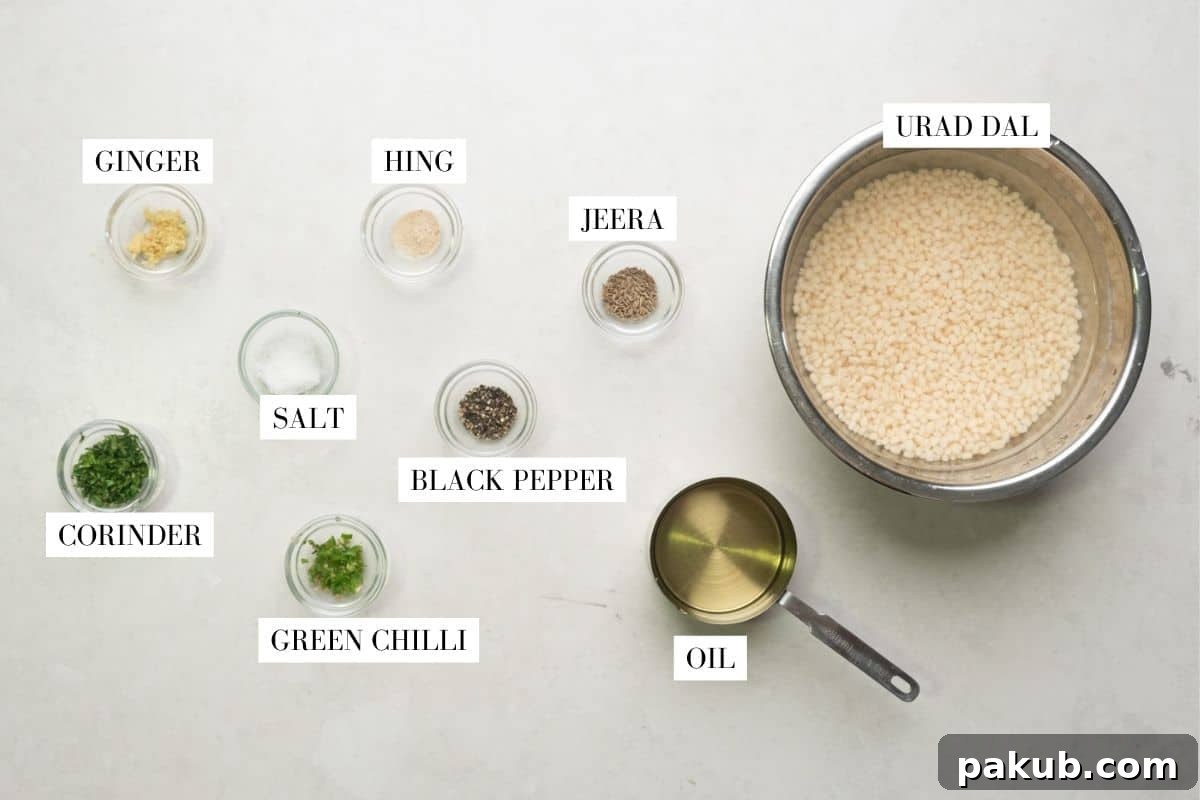
Crafting delicious Medu Vada begins with selecting the right ingredients and understanding their role. While the list is short, each component contributes significantly to the final texture and flavor:
- Urad Dal (Husked Black Gram): This is undeniably the hero ingredient of our Medu Vada. Its unique protein structure is what gives the vadas their characteristic fluffy texture and slight stickiness when ground. For best results, use dehusked split urad dal, also known as white urad dal. Soaking it correctly is crucial for achieving the right batter consistency.
- Water: Used sparingly to blend the dal into a smooth, thick batter. The key here is to add water in very small increments to avoid a runny batter, which can lead to greasy or flat vadas.
- Spices and Aromatics: These ingredients infuse the vadas with their signature South Indian flavor profile.
- Curry Leaves: Provide a distinctive, aromatic, and slightly pungent flavor that is quintessential to South Indian cuisine.
- Chopped Green Chillies: Add a pleasant hint of heat and fresh spiciness. Adjust the quantity to your preferred spice level.
- Chopped Coriander: Offers a fresh, vibrant, and slightly citrusy note that complements the richness of the fried dal.
- Black Pepper (Crushed): Contributes a subtle warmth and a gentle bite, enhancing the overall flavor complexity.
- Hing (Asafoetida): This powerful spice aids in digestion and imparts a savory, garlicky aroma. In this recipe, it also plays a surprising role in lightening the batter, similar to a leavening agent.
- Jeera (Cumin Seeds): Adds an earthy, warm, and slightly nutty flavor, a classic addition to many Indian savory dishes.
- Salt: Essential for seasoning the vadas, balancing all the flavors.
- Rice Flour: While optional, a small amount of rice flour is my secret tip (learned from a Bangalore cook!) to achieve an extra crispy outer layer, adding a delightful crunch to the vadas.
Step-by-Step Medu Vada Recipe: From Dal to Delight
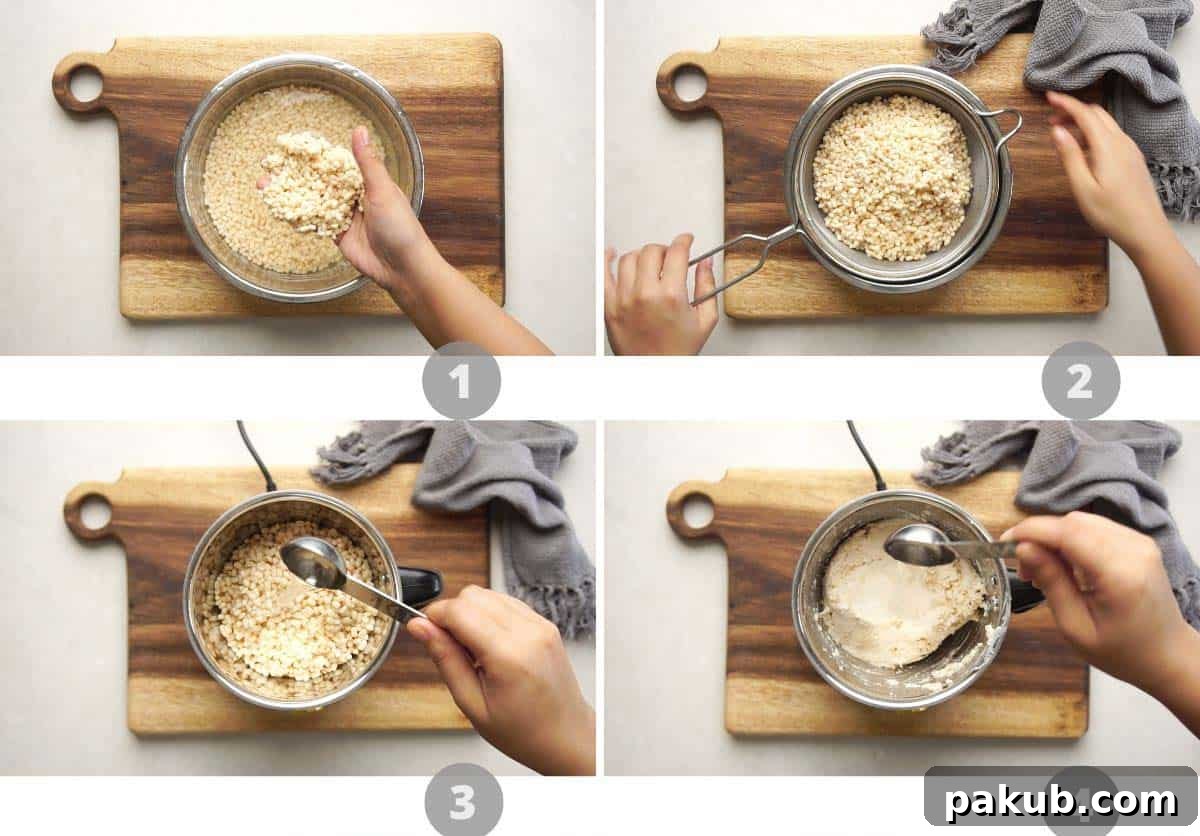
- Prepare the Urad Dal: Begin by thoroughly washing 1 cup of urad dal several times under running water until the water runs clear. Then, soak the cleaned urad dal in ample water for a minimum of 6 hours, or ideally, overnight. Soaking ensures the dal softens sufficiently for a smooth grind and helps with aeration.
- Drain the Dal: Once soaked, transfer the urad dal to a sieve or colander to drain all excess water completely. It’s crucial that the dal is as dry as possible before grinding.
- Grind to a Smooth Batter: Place the drained urad dal into a mixer grinder (or a wet grinder if you have one). Add water, one tablespoon at a time, and grind to a very smooth, thick paste. I typically find that 4-6 tablespoons of water are sufficient for 1 cup of dal. The goal is to use the absolute minimum amount of water necessary. This grinding process can take anywhere from 6-8 minutes. Periodically stop the grinder, scrape down the sides with a spatula, and mix the contents to ensure even grinding and prevent the motor from overheating. The batter should be smooth, without any grainy texture. To check, rub a tiny bit between your fingers; it should feel perfectly smooth.
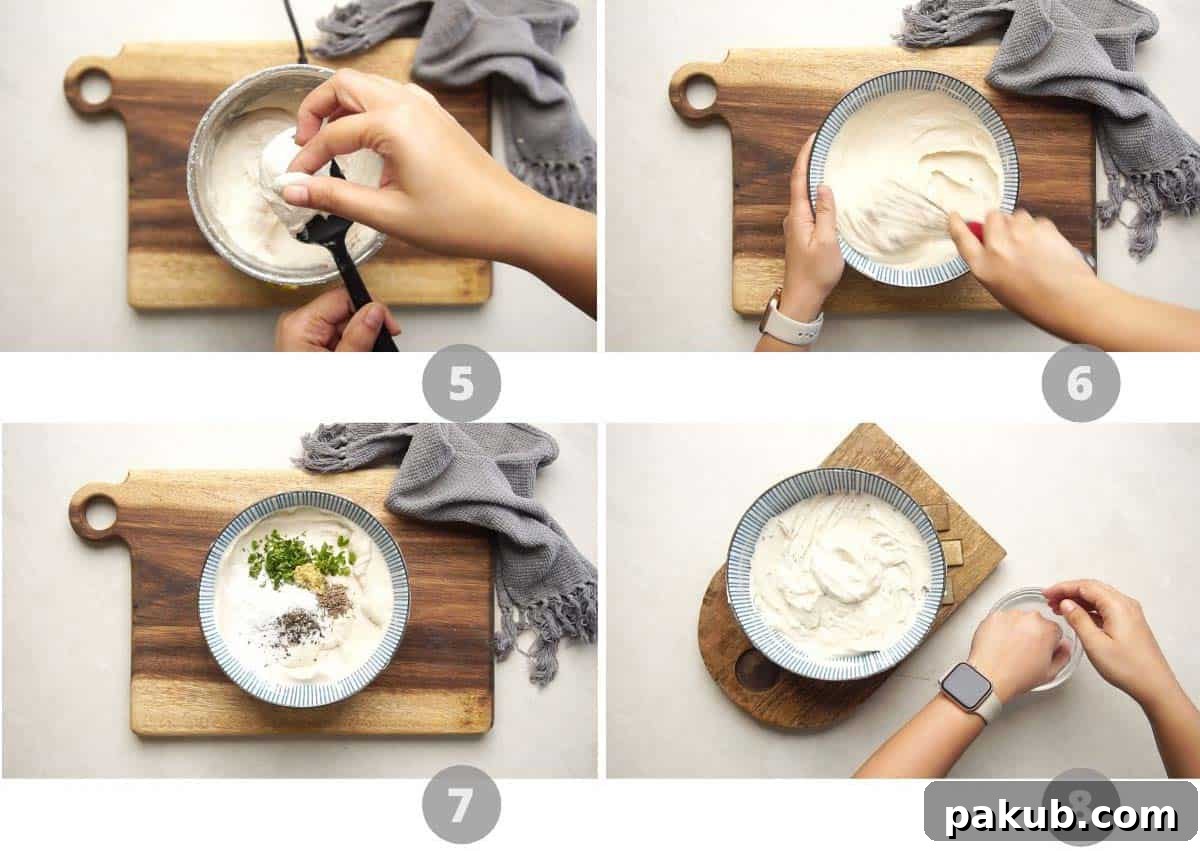
- Season the Batter: Transfer the ground urad dal batter to a large bowl. Add ¾ teaspoon of salt and ½ teaspoon of hing (asafoetida). Mix these thoroughly into the batter. Let the mixture rest for about 10 minutes. The hing, in this recipe, acts as a mild leavening agent, helping to make the batter lighter and aiding in digestion.
- Prepare for Frying: While the batter rests, heat oil in a deep kadhai (or heavy-bottomed pan) over medium heat. You’ll need enough oil for deep frying the vadas.
- Whisk for Airiness – The Crucial Step: This is arguably the most vital step for fluffy vadas! Using a hand whisk, vigorously whisk the batter in a unidirectional circular motion for approximately 5 minutes. You will notice a remarkable transformation: the batter will become noticeably lighter in color (from a creamy yellow to a pale white), increase significantly in volume, and feel much airier and fluffier. This aeration is key to achieving the characteristic soft, bready texture inside the vada.

The batter transforming from a dense paste to a light, airy consistency through whisking. - Incorporate Additional Flavors and Crispness: Once the batter is perfectly whisked, gently fold in 2 tablespoons of rice flour, 1 teaspoon of jeera (cumin seeds), 1 teaspoon of crushed black pepper, and 1 tablespoon of chopped coriander. If the batter feels too stiff after adding these, add another teaspoon of water, but only if absolutely necessary. Whisk for another minute or two to ensure everything is well combined without deflating the air.
- Prepare Your Hands for Shaping: To prevent the sticky urad dal batter from adhering to your hands, dip both your hands thoroughly in a bowl of water. Keep this bowl of water nearby during the shaping process.
- Shape the Vadas:
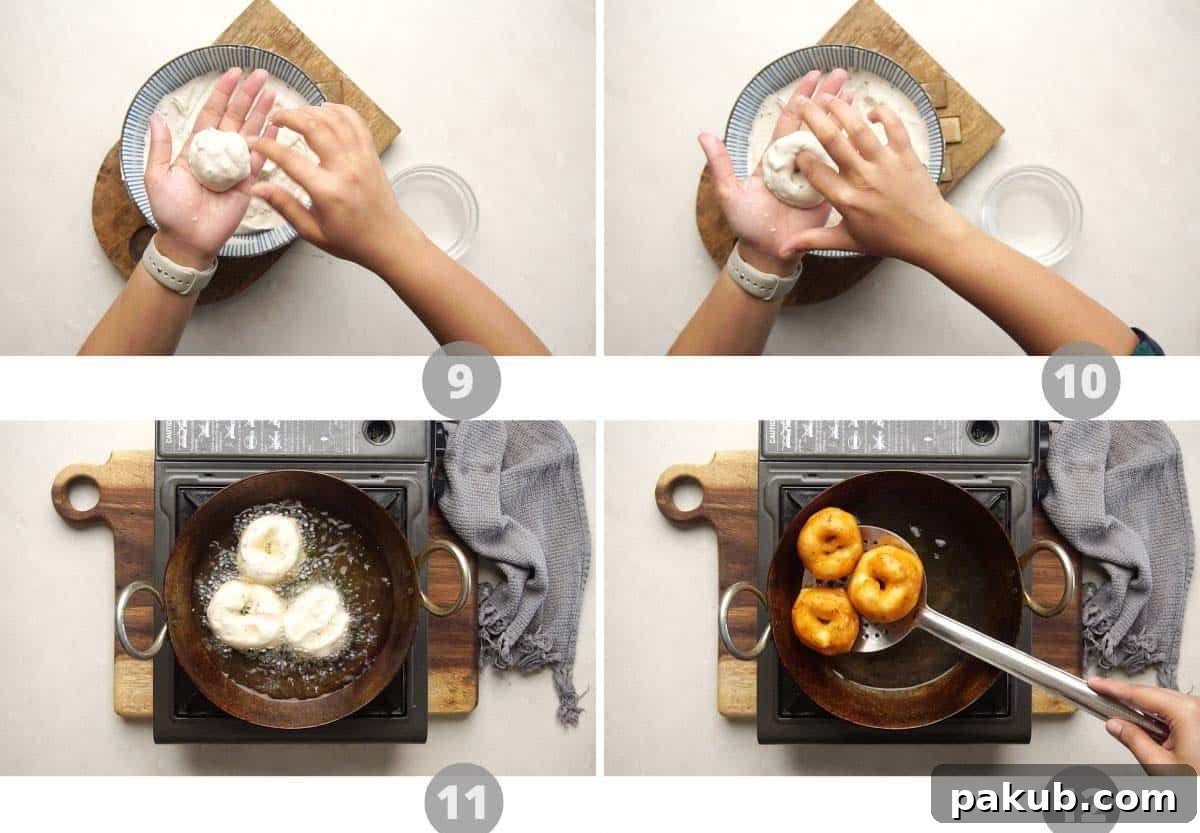
The traditional method of shaping Medu Vada with a hole in the center. Take a lime-sized amount of batter (about 2-3 tablespoons) into your dominant hand. Gently flatten it slightly and then transfer it to the palm of your non-dominant hand. Using the fingers of your dominant hand, carefully form the batter into a neat circular disc. Then, using your dominant thumb or finger, create a hole in the center of the disc, much like a donut. Dip your dominant hand in water again, then delicately place the formed vada onto the fingertips of your dominant hand.
- Gently Fry the Vadas: Carefully lower the vada into the hot oil. To do this, hold your hand close to the surface of the oil (to prevent splashing) and slightly move your fingers, allowing the vada to gently slide into the oil. The vada should immediately start to puff up slightly as it hits the hot oil.
- Cook to Golden Perfection: Fry the vadas on a medium-low flame for 2-3 minutes on each side, or until they turn a beautiful golden-brown color and are cooked through. Cooking on a medium-low flame ensures they cook evenly from the inside out, preventing a raw center or overly browned exterior.
- Serve Hot: Repeat the shaping and frying process until all the batter is used. Always serve your Medu Vada immediately, piping hot, for the best taste and texture.
Pro Tips for Flawless Medu Vada Every Time
Achieving perfectly crispy and fluffy Medu Vada is an art, but with these expert tips, you’ll master it in no time:
- The Critical Batter Consistency (Float Test): This is your ultimate guide! To check if your batter is light and airy enough, drop a tiny dollop of batter into a bowl of water. If it floats to the surface, your batter is perfectly aerated and ready. If it sinks, you need to whisk it for a few more minutes until it floats. A light batter is the secret to fluffy vadas.
- Battling Runny Batter: If you accidentally add too much water while grinding, resulting in a thin batter, don’t despair. Simply mix in 1-2 tablespoons of rice flour and whisk the batter again vigorously for a minute or two. The rice flour will help thicken it and restore some crispiness.
- Preventing Greasy Vadas: Greasy vadas are typically a result of two issues: a batter that’s too thin or oil that isn’t hot enough. When the oil isn’t adequately heated, the vadas absorb excessive oil. Always test your oil temperature before frying: drop a tiny piece of batter into the oil. It should immediately rise to the surface and start to sizzle, without browning too quickly. This indicates the perfect frying temperature.
- Optimal Soaking Time for Urad Dal: The soaking duration is crucial! Aim for 6-8 hours, or overnight. Do not soak the urad dal for more than 8 hours, as over-soaked dal can lead to a very thin batter that absorbs too much oil during frying. Conversely, under-soaked dal will result in a hard and dense vada.
- The Power of Aeration: The whisking step is non-negotiable! Beating the batter for 5-6 minutes until it’s visibly lighter in color, increases in volume, and feels fluffy is what creates that signature soft, bready interior. Don’t skip this step, and avoid using an electric hand blender, as its high speed can sometimes deflate the batter instead of aerating it effectively.
- The Rice Flour Advantage: My secret to extra crispy vadas is adding a couple of tablespoons of rice flour to the whisked batter. This Bangalore-inspired trick creates a delightful crunch on the outside.
- Wet Hands for Easy Shaping: Urad dal batter is notoriously sticky. Keep a bowl of water handy and dip both your hands in it before shaping each vada. This simple trick ensures the batter doesn’t stick and slides off easily into the oil.
- Shaping Simplified: If the traditional donut shape feels intimidating for your first attempt, don’t worry! You can simply drop lime-sized rounds of batter directly into the hot oil. They might not have the classic hole, but they will taste just as incredible.
- Fry on Medium-Low Flame: Resist the urge to fry on high heat. A medium-low flame allows the vadas to cook thoroughly from the inside while achieving a beautiful golden-brown and crispy exterior. High heat will brown them too quickly, leaving the inside raw.
- Don’t Overcrowd the Pan: Fry the vadas in small batches. Overcrowding the pan will drop the oil temperature, leading to greasy vadas and uneven cooking. Give each vada enough space to fry properly.
Frequently Asked Questions About Medu Vada
- How do I know when my batter is ready? The “float test” is key! Take a small amount of batter and drop it into a bowl of water. A light, fluffy, and perfectly aerated batter will float on the surface, indicating it’s ready for frying. If it sinks, continue whisking for a few more minutes until it floats.
- What if my batter is too runny? If your batter accidentally becomes too thin, simply add 1-2 tablespoons of rice flour. Beat the batter again for a minute to aerate it and incorporate the flour. This will help thicken it and contribute to crispiness.
- Why are my vadas greasy? Greasy vadas are typically caused by either a batter that is too thin or oil that is not hot enough. If the oil isn’t at the correct temperature, the vadas absorb excess oil instead of cooking crisp. Always test your oil temperature by dropping a tiny amount of batter; it should rise to the top immediately without browning quickly.
- Why are my vadas hard and not soft and fluffy? This usually points to either under-soaked lentils (not allowing them to soften enough for grinding) or insufficient aeration of the batter. Ensure you soak the urad dal for the recommended 6-8 hours and vigorously whisk the batter for 5-6 minutes until it’s light and fluffy.
- Why are my vadas flat? Flat vadas are a clear sign that your batter is too thin. Refer to the tip above: add 1-2 tablespoons of rice flour and beat the batter well to aerate and thicken it.
- Can the batter be made ahead of time? Yes, you can prepare the Medu Vada batter up to one day in advance. Store it in an airtight container in the refrigerator. When you’re ready to fry, remove the batter from the fridge and let it come to room temperature. Give it a good whisk again for a minute or two to re-aerate before shaping and frying.
- How do I store and reheat leftover vadas? Leftover vadas can be stored in an airtight container in the refrigerator for up to a day. To reheat and restore their crispness, place them in a preheated oven at 180°C (350°F) for 5-7 minutes, or warm them in an air fryer at 160°C (325°F) for 3-5 minutes until heated through and crispy.
- Which oil should I use for frying the vadas? Any neutral cooking oil with a high smoke point is suitable for frying Medu Vada. Good options include sunflower oil, groundnut (peanut) oil, or vegetable oil.
By now, you should feel well-equipped to tackle this beloved South Indian delicacy. Making Medu Vada, once you understand the simple techniques, is far easier than it seems. With just one main ingredient, no fermentation required, and straightforward shaping and frying steps, it’s truly one of the more fuss-free and rewarding breakfast or snack preparations. These crispy, fluffy fritters are not only perfect for a casual morning meal but also an excellent dish to serve during festive seasons or special gatherings.
Serve your freshly made Medu Vada with some piping hot Sambar and a selection of your favorite chutneys. I highly recommend trying it with my three favorite South Indian chutneys for an authentic and unforgettable experience.
Watch the Medu Vada Recipe Video
LOVE THIS RECIPE? Don’t miss out on more delicious culinary adventures! Subscribe to my newsletter and be the first to receive all new recipes, cooking tips, and foodie inspiration directly to your inbox!
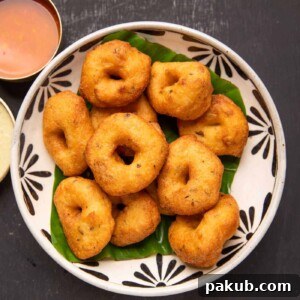
Medu Vada
Richa
20 minutes
15 minutes
35 minutes
6 people
Rate Recipe
Print Recipe
Ingredients
- 1 Cup Urad Dal, dehusked urad dal
- 5-6 Tablespoons Water
- ¾ Teaspoon Salt
- ½ Teaspoon Hing, asafoetida
- 2 Tablespoons Rice Flour
- 1 Teaspoon Jeera, cumin seeds
- 1 Teaspoon crushed Black Pepper
- 1 Tablespoon chopped Coriander
Instructions
-
Wash and soak urad dal overnight.
-
Place the urad dal in a sieve to drain all the water.
-
Add it to a mixer grinder, add a tablespoon of water at a time (use between 4-6 tbsp water), and grind it to a smooth paste. Use as little water as possible. This process can take up to 6-8 minutes. Keep mixing it with a spatula and grinding until smooth.
-
Mix salt and hing in the ground urad dal and set it aside for ten minutes. The hing helps make the batter lighter.
-
Place the oil in a kadhai for heating over medium heat while you whisk the batter.
-
Use a hand whisk to whisk the ground urad dal until it’s light and fluffy – approximately 5 minutes. The batter will become airy, fluffier, and lighter in color (from yellow to pale white).
-
Once the batter is whisked, mix in rice flour, jeera, crushed peppercorns, and coriander. Add another teaspoon of water if absolutely required. Whisk again for a minute or two.
-
To make vadas, dip both your hands in water. Take a lime-sized amount of batter in your dominant hand and place it on the palm of your non-dominant hand. Using the fingers of the dominant hand, form it into a circle and then make a hole in the center. Dip the dominant hand in water again, and place the formed vada on the fingertips of the dominant hand.
-
Gently drop the vada into hot oil by turning your hand over the kadhai (close to the oil to prevent splashing) and moving your fingers slightly so the vada slides into the oil.
-
The vada should start to puff up slightly. Cook it on a medium-low flame for 2-3 minutes per side until golden brown on both sides.
-
Repeat until all the vadas are fried. Serve hot with piping hot sambar and chutney.
Video
Notes
- Soak and drain the urad dal for at least 6 hours or overnight before grinding.
- Add only a few tablespoons of water while grinding. Too much water will make the batter too runny, making it difficult to form the vadas. The batter should be more like thick cake batter.
- Mix hing (asafoetida) and salt and set it aside for 10-15 minutes to help aerate the dough (hing acts a little like baking soda!).
- The most important step is to whip the batter in a unidirectional circular motion either by hand or with a whisk for 5-6 minutes to aerate the mixture. You will see the batter become lighter in color, fluffier, and increase in size and volume. That’s when you know the batter is ready.
- Avoid using a hand blender for whipping the batter as its high speed can deflate the batter.
- I like to add some rice flour (a trick I learned from a cook in Bangalore) to the batter for an extra crispy outer layer.
- To form the vadas, both hands should be dipped in water so that the urad dal batter doesn’t stick and slides off easily.
- To shape, take some batter into your wet hand, form a circle, and use your thumb to create a hole in the center. Transfer it to the other hand and gently slide it into hot oil.
- If you are making these for the first time and having trouble shaping them, just drop lime-sized rounds of batter into hot oil. They won’t look donut-shaped but will taste amazing!
- Fry the vadas on a medium-low flame to give them a chance to cook well from the inside.
- Do not overcrowd the pan when frying – fry in small batches for the best result.
Nutrition
Carbohydrates: 19g,
Protein: 8g,
Fat: 0.4g,
Saturated Fat: 0.04g,
Polyunsaturated Fat: 0.03g,
Monounsaturated Fat: 0.1g,
Sodium: 294mg,
Potassium: 19mg,
Fiber: 7g,
Sugar: 0.03g,
Vitamin A: 15IU,
Vitamin C: 1mg,
Calcium: 28mg,
Iron: 3mg
Like this recipe? Rate and comment below!