
In many kitchens around the world, especially across India, the humble pressure cooker is an indispensable culinary workhorse. It’s more than just a pot; it’s a time-saver, a flavor enhancer, and a testament to efficient cooking. But if you’re new to the world of pressurized meals, you might be asking: What exactly is a pressure cooker? How does this ingenious device function? And with so many options available, how do you choose the best pressure cooker for your specific needs? This comprehensive guide will answer all these questions and much more, illuminating the full potential of this kitchen essential. Let’s embark on a journey to unlock the secrets of pressure cooking.
The reasons why pressure cookers consistently rank among the most cherished kitchen appliances are plentiful, but their remarkable ability to drastically reduce cooking times undoubtedly takes the top spot. From perfectly fluffy rice and hearty soups to rich stews, aromatic curries, tender lentils, and a wide array of vegetables and meats, pressure cookers offer the unparalleled convenience of cooking almost anything with ease and speed. Furthermore, these versatile devices come in an extensive range of sizes, ensuring there’s a perfect match for every household, whether you’re cooking for one or feeding a large family.
Despite their widespread use and undeniable efficiency, pressure cookers often remain underrated, with many people unaware of the complete potential hidden within these wonder products. This article aims to shed light on their capabilities, offering insights, tips, and tricks to help you maximize your pressure cooker’s utility. Prepare to transform your cooking experience and discover why this amazing kitchen appliance deserves a prominent place on your countertop.
First Things First: What is a Pressure Cooker and How Does It Work?
At its core, a pressure cooker is an airtight cooking device engineered to use steam under high pressure to cook food significantly faster than conventional methods. These culinary marvels come in two primary types: stovetop pressure cookers and electric pressure cookers. While electric models, often marketed as multi-cookers, have gained popularity globally, traditional stovetop pressure cookers remain a household staple, especially in regions like India, favored for their robust design and direct heat application.
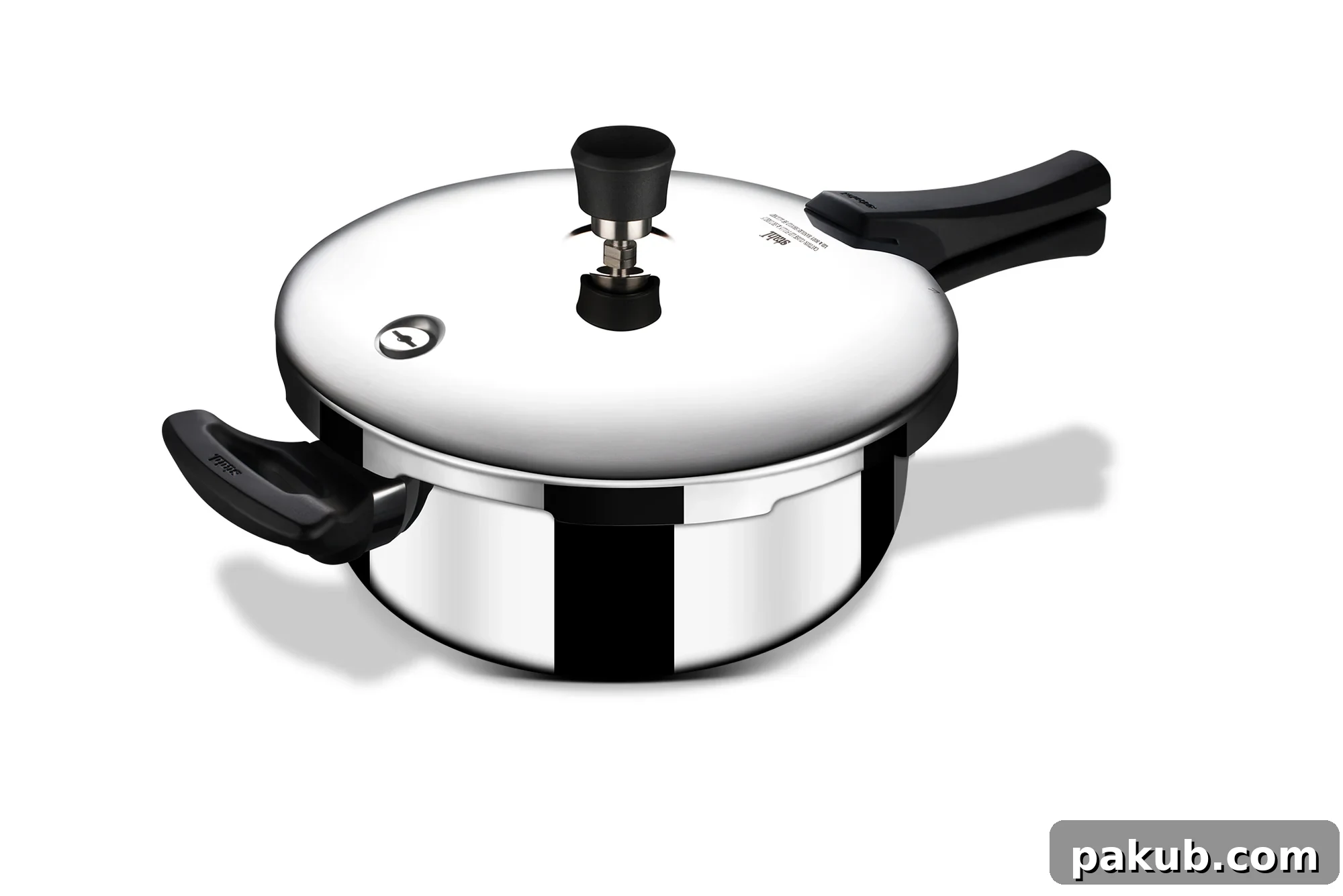
A typical pressure cooker consists of a robust pot, usually crafted from stainless steel or aluminum, featuring a heavy, thick bottom that ensures even heat distribution to prevent scorching and promote uniform cooking. The heavy-duty lid is crucial to its functionality, equipped with a resilient rubber ring, known as a gasket, which creates an impenetrable seal between the lid and the pot. This seal is vital for trapping steam and building the necessary pressure inside.
Here’s a simplified breakdown of the ingenious process that allows a pressure cooker to work its magic:
- Building Pressure: The fundamental principle behind a pressure cooker’s operation is the creation and containment of pressure. Once sealed, heat applied to the pot rapidly increases the temperature of the liquid inside. As the liquid heats up, it converts into steam, which, being trapped within the airtight vessel, has nowhere to escape. This buildup of steam dramatically increases the internal pressure.
- Controlling Pressure and Steam Release: A key safety and functional component is the pressure regulator or “whistle” on the lid. This mechanism is designed to release excess steam and precisely control the pressure levels within the pot. When the whistle ‘goes off’ or the regulator jiggles, it’s a clear indication that the cooker is maintaining its optimal cooking pressure by venting any surplus steam.
- Airtight Seal for Efficiency: The aforementioned gasket plays a critical role in sealing the vessel completely. It prevents any steam or pressure from escaping prematurely, ensuring that the internal environment remains consistently high in both temperature and pressure.
- Accelerated Cooking: The combination of superheated steam and elevated pressure is what truly transforms the cooking process. Under normal atmospheric pressure, water boils at 100°C (212°F). However, inside a sealed pressure cooker, the boiling point of water is significantly raised, often reaching temperatures up to 121°C (250°F). This intensely hot, moist environment rapidly breaks down food fibers, tenderizing and cooking ingredients at astonishing speeds.
- Safe Pressure Release: Once the cooking cycle is complete and the heat source is turned off, the internal pressure and steam slowly begin to dissipate. Modern pressure cookers are equipped with safety mechanisms, such as a safety valve or a visual indicator (like a pin dropping), which signal that all internal pressure has been safely released. Only when this indicator confirms complete pressure release is it safe to remove the lid, preventing any potential accidents.
Why You Should Embrace Pressure Cooking
Integrating a pressure cooker into your daily cooking routine offers a multitude of benefits that extend far beyond mere convenience:
- Unmatched Time-Saving: This is arguably the most celebrated advantage. Pressure cooking dramatically slashes cooking times—often by as much as 70% compared to traditional stovetop methods. This makes it an absolute lifesaver for preparing delicious, wholesome meals even on the busiest weekdays. Imagine cooking tough cuts of meat in under an hour or dry beans without pre-soaking in a fraction of their usual time.
- Healthier Meals with Enhanced Nutrition: Food cooked in a pressure cooker retains more of its vital nutrients. Because it operates as a sealed vessel, minimal steam and moisture escape, keeping vitamins and minerals locked within the food. The rapid cooking process also limits exposure to heat and air, which are common culprits for nutrient degradation in slower cooking methods.
- Exceptional Versatility: The culinary possibilities with a pressure cooker are virtually limitless. From creating complete one-pot meals and savory curries to vibrant vegetable side dishes, hearty stews, and even desserts, its adaptability is truly remarkable. It effortlessly handles grains, legumes, meats, and vegetables, making it one of the most versatile cooking tools in any kitchen.
- Energy Efficiency: By cooking food much faster and requiring less liquid, pressure cookers use significantly less energy than conventional pots and pans. This efficiency not only helps reduce your carbon footprint but can also lead to noticeable savings on your utility bills over time.
- Superior Flavor Development: The sealed environment of a pressure cooker traps aromatic compounds and flavors, allowing them to meld and intensify. This results in dishes that are often richer, deeper, and more flavorful than those prepared using open-pot methods, as less evaporation means more concentrated taste.
- Simplified Cleaning: Many pressure cooker recipes are designed as one-pot wonders, meaning fewer dishes and utensils to wash after your meal. This streamlined cleanup process is a welcome bonus, especially after a long day.
- Remarkable Durability: High-quality stovetop pressure cookers, particularly those made from stainless steel, are renowned for their robust construction and longevity. They represent a sound investment that, with proper care, can serve your kitchen reliably for many years, even decades.
Mastering Your Pressure Cooker: Essential Tips for Success
The pressure cooker has become an indispensable appliance in my kitchen, a true workhorse that I reach for almost every weekday evening. Its unparalleled speed, ability to lock in rich flavors, preserve nutrients, and its sheer versatility make it a go-to for everything from comforting khichdi and diverse dals to aromatic pulavs, creamy mashed potatoes, and robust chicken and mutton curries. Indeed, I often wonder if there’s anything it can’t handle!
While mastering a pressure cooker is quite straightforward, it’s equally easy to overcook food, especially for beginners. But fear not, I’m here to guide you! Here are my top tips and tricks to help you get the most out of your pressure cooker and achieve consistently delicious results:
- Respect the Fill Lines: It is crucial to avoid overfilling your pressure cooker with food and liquid. Generally, keep the contents to about half to two-thirds full, depending on the food type (foamy foods like beans require more space). This vital space allows the pressure cooker ample room to build pressure safely and release steam effectively. An overfilled cooker can lead to food particles or liquid being expelled through the vent, potentially clogging it.
- Ensure Adequate Liquid: Conversely, never skimp on the liquid. A pressure cooker relies on steam generation, so there must always be enough water or broth. As a rule of thumb, ensure you add enough liquid to cover at least the bottom 1/4th of the pressure cooker, or as specified in your recipe. Insufficient liquid can cause scorching and prevent pressure buildup.
- Boost Flavor with Sautéing: For a significant boost in flavor, always take a few extra minutes to sauté or brown your ingredients (like onions, garlic, spices, or meat) in a little oil directly in the pressure cooker pot before adding any liquid and sealing the lid. This simple step caramelizes sugars and develops complex flavors that elevate your final dish.
- Understand Pressure Release Methods: Learn the difference between Natural Pressure Release (NPR) and Quick Pressure Release (QPR). NPR means allowing the pressure to drop slowly on its own after cooking, ideal for foamy foods, grains, and meats to prevent texture shock. QPR involves manually releasing steam, suitable for quick-cooking vegetables to prevent overcooking. Always consult your cooker’s manual for safe release procedures.
- Cut Food Uniformly: To ensure even cooking, cut all ingredients into relatively uniform sizes. This prevents some pieces from being undercooked while others turn to mush.
Addressing the Biggest Question: Are Pressure Cookers Safe to Use?
Absolutely, yes! The notion of pressure cookers being unsafe is largely outdated. Modern pressure cookers have undergone significant advancements in design and engineering, incorporating multiple layers of safety features that make them exceptionally secure appliances when used correctly. Gone are the days of unreliable models; today’s pressure cookers are built to prevent accidents.
Key safety mechanisms found in contemporary pressure cookers include:
- Automatic Locking Lids: Many new models feature lids that automatically lock once pressure begins to build and cannot be opened until the pressure has fully dissipated.
- Primary and Secondary Pressure Release Valves: In addition to the main pressure regulator (whistle), pressure cookers often have secondary, spring-loaded valves or over-pressure plugs that act as fail-safes, releasing steam if the primary mechanism ever malfunctions or gets clogged.
- Gasket Design: Gaskets are designed to expand under pressure, creating an even tighter seal, and are made from durable, food-grade materials that withstand high temperatures.
As long as you adhere to fundamental safety guidelines, such as allowing the cooker to release pressure naturally or via the specified quick release method before attempting to open it, and ensuring the gasket and vents are clean and unobstructed, your pressure cooker is an entirely safe and reliable cooking companion. Some advanced models even boast additional lock knobs on the lid, offering double-safety features that have truly perfected the safety profile of these essential kitchen tools.
Does Pressure-Cooked Food Taste as Good? The Flavor Advantage
Not only does food cooked in a pressure cooker taste just as good, but it often emerges richer, more intensely flavored, and incredibly tender. This remarkable outcome is a direct benefit of the pressure cooking process itself. By cooking in a sealed pot, the steam, moisture, and aromatic compounds are all trapped within the vessel.
This minimal moisture loss means that flavors become more concentrated and meld together more effectively, creating a depth of taste that can be difficult to achieve with conventional cooking methods. Furthermore, the rapid cooking time ensures that food retains its natural textures and vibrant colors, resulting in dishes that are not only super tasty and flavorful but also visually appealing. The high-temperature, high-pressure environment tenderizes even the toughest cuts of meat and fibrous vegetables beautifully, enhancing their palatability.
Maintaining Your Pressure Cooker for Lasting Performance
Most quality pressure cookers are built to be incredibly sturdy and durable. With just a few basic care and maintenance practices, your appliance can last for an incredibly long time, becoming a cherished heirloom in your kitchen. Here are my best tips for cleaning and maintaining your pressure cooker:
- Prompt Cleaning is Key: To prevent stubborn food residues and heavy-duty cleaning, always try to empty and wash your pressure cooker shortly after use. Avoid leaving food inside for extended periods.
- Thorough Washing: After each use, wash your pressure cooker thoroughly with warm water and some dish soap. Use a non-abrasive sponge or cloth. For the pot, ensure all food particles are removed.
- Complete Drying: Always allow all components of your pressure cooker – the pot, lid, and gasket – to air dry completely before reassembling and storing. This prevents water spots, odors, and potential rust.
- Tackling Stains: If the inside of your pressure cooker develops dark stains or discoloration, a simple home remedy can often fix it. Fill the pot with a solution of water, a splash of white vinegar, and a tablespoon or two of baking soda. Let this mixture sit overnight, then rinse thoroughly the next morning.
- Choose the Right Scrubber: Avoid using metal scrubbers or abrasive scouring pads, especially on non-stick coated pressure cookers or those with polished stainless steel finishes, as they can scratch and damage the surface. Opt for soft sponges or brushes.
- Gasket and Whistle Care: Before washing the lid, always remove the rubber gasket and the pressure regulator (whistle). Wash these components separately to ensure they are squeaky clean and free of any food debris that could impede their function.
- Lubricate the Gasket: To extend the life of your gasket and maintain a proper seal, periodically apply a very thin coat of vegetable oil or food-grade silicone grease to it. This keeps the rubber supple and prevents drying and cracking.
- Inspect Regularly: Before each use, quickly inspect the gasket for any cracks or signs of wear, and ensure the vent pipe is clear of any blockages. Replace worn-out gaskets as needed.
Choosing Your Perfect Pressure Cooker: A Buyer’s Guide
The market is flooded with excellent pressure cooker brands offering a wide range of models at various price points and cooking capacities. Finding the one that perfectly aligns with your specific needs is easier than ever. My personal preference, a 3.5L Stahl Pressure Cooker, serves my family of four perfectly due to its ideal capacity and robust performance.
When selecting your pressure cooker, consider the following factors:
- Material:
- Stainless Steel: Highly durable, non-reactive, easy to clean, and compatible with induction cooktops. Often more expensive but a long-term investment. My Stahl cooker, made with triply stainless steel, exemplifies this durability.
- Aluminum: Excellent heat conductor, lighter, and typically more affordable. Can be reactive with acidic foods and may discolor over time.
- Hard-Anodized Aluminum: Offers the benefits of aluminum with a harder, non-stick, and non-reactive surface.
- Capacity: Consider your household size.
- 1-2 liters: Ideal for singles or couples.
- 3-5 liters: Perfect for small families (3-4 people).
- 6-8 liters: Suitable for larger families or batch cooking.
- Type:
- Stovetop Pressure Cookers: Classic, robust, and require manual heat adjustment. Often preferred for their speed and direct control.
- Electric Pressure Cookers (Multi-Cookers): Offer convenience with preset programs, timers, and automatic pressure release. Many models double as slow cookers, rice cookers, and more.
- Safety Features: Look for multiple safety valves, a secure lid locking mechanism, and easy-to-read pressure indicators.
- Induction Compatibility: If you have an induction cooktop, ensure the cooker explicitly states it is induction-compatible.
- Brand Reputation: Popular and reliable pressure cooker brands in India include Hawkins, Prestige, Pigeon, Stahl, Butterfly, and Bajaj. Researching customer reviews can provide valuable insights.
- Budget: Pressure cookers range widely in price. Determine your budget and look for the best quality and features within that range.
I can personally vouch for the Stahl pressure cooker; I absolutely love it. Its solid construction and user-friendly design make it a joy to use. Crafted from triply stainless steel, it’s not just a cooking tool but a fantastic, durable investment that I wholeheartedly recommend!
Delicious Pressure Cooker Recipes to Inspire You
The extensive collection of pressure cooker recipes already featured on this blog serves as a testament to just how much I rely on and adore my pressure cooker. It’s an appliance that continually sparks culinary creativity and delivers fantastic results. While I’ve experimented with countless dishes, here are some of my all-time favorite pressure cooker recipes that consistently hit the mark, offering both ease of preparation and incredible flavor:
- Instant Pot Garlic Mashed Potatoes: Creamy, fluffy, and infused with aromatic garlic, ready in minutes.
- Easy Lamb Curry: Tender, succulent lamb bathed in a rich, spicy gravy, cooked to perfection.
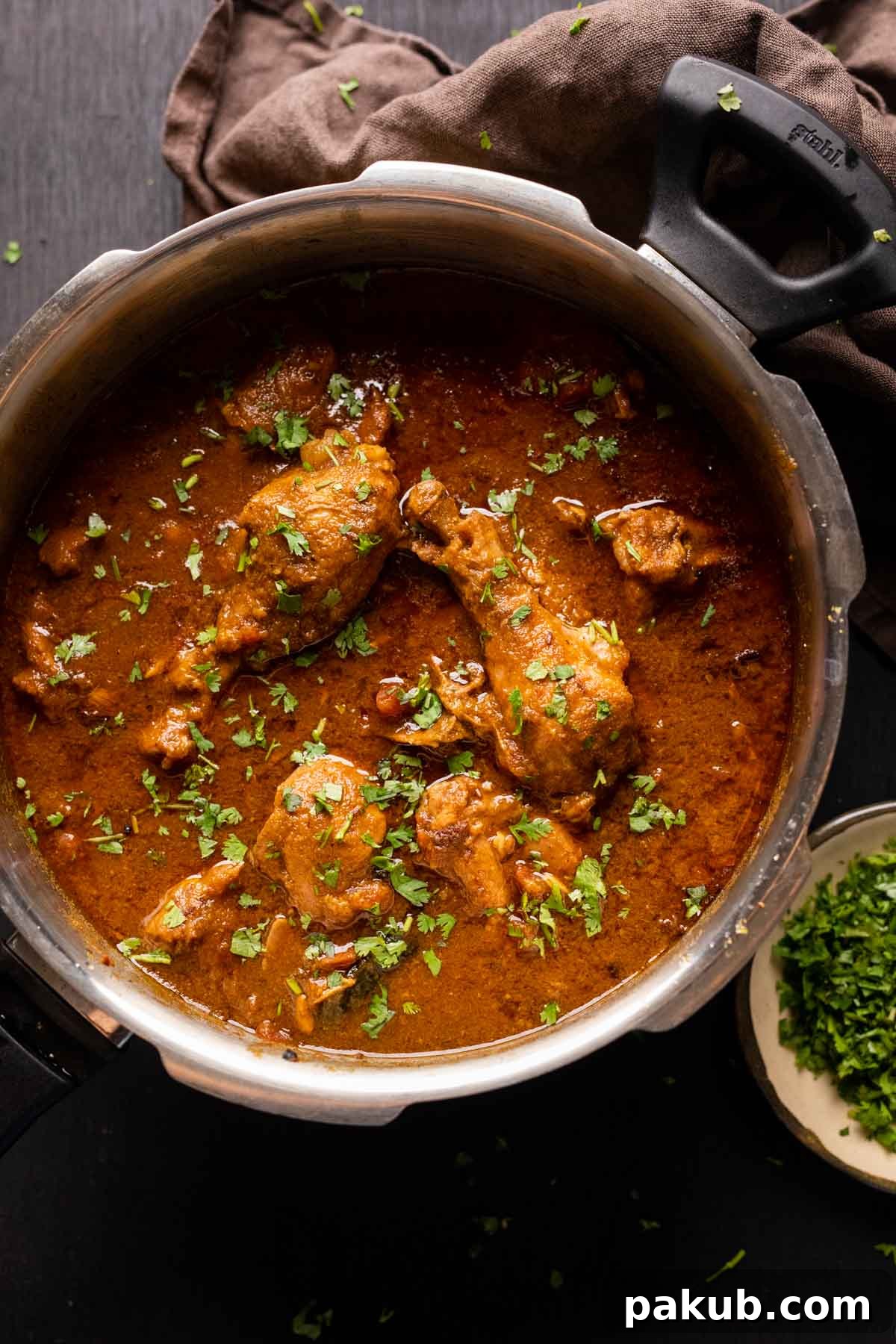
- Dhaba Style Chicken Curry: Capturing the rustic, authentic flavors of roadside eateries, right in your kitchen.
- Dal Makhani: A luxurious, creamy black lentil dish, effortlessly made wholesome and delicious.
- Pressure Cooker Veg Pulao: A fragrant and flavorful rice dish packed with mixed vegetables, a complete meal in itself.
- Thai Ginger Carrot Soup: A vibrant, warming, and nutrient-rich soup with a zesty kick, made incredibly fast.
In essence, pressure cookers stand out as truly invaluable appliances, offering remarkable savings in time, energy, and effort for every home cook. The unparalleled flexibility to prepare such a diverse range of dishes, coupled with the incredible speed of cooking, simplifies meal preparation tremendously, especially during hectic weeknights. It’s no wonder this device is one of the most frequently used appliances in my kitchen; I find myself reaching for it at least once a day, if not more. This daily reliance naturally translates into a wealth of pressure cooker recipes available on the blog for you to explore and enjoy. Simply type ‘pressure cooker’ into the search bar, and you’ll unlock a treasure trove of culinary inspiration!