
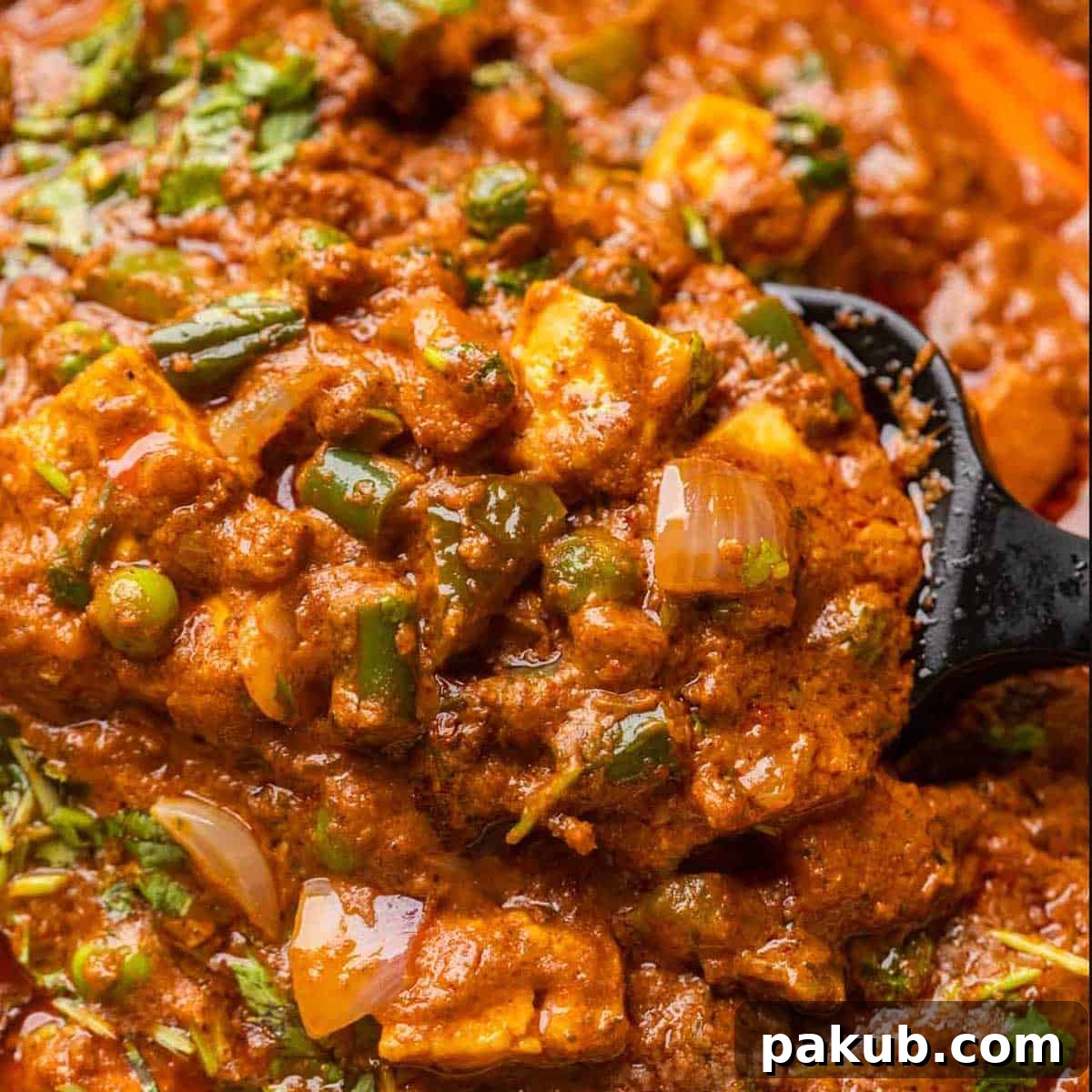
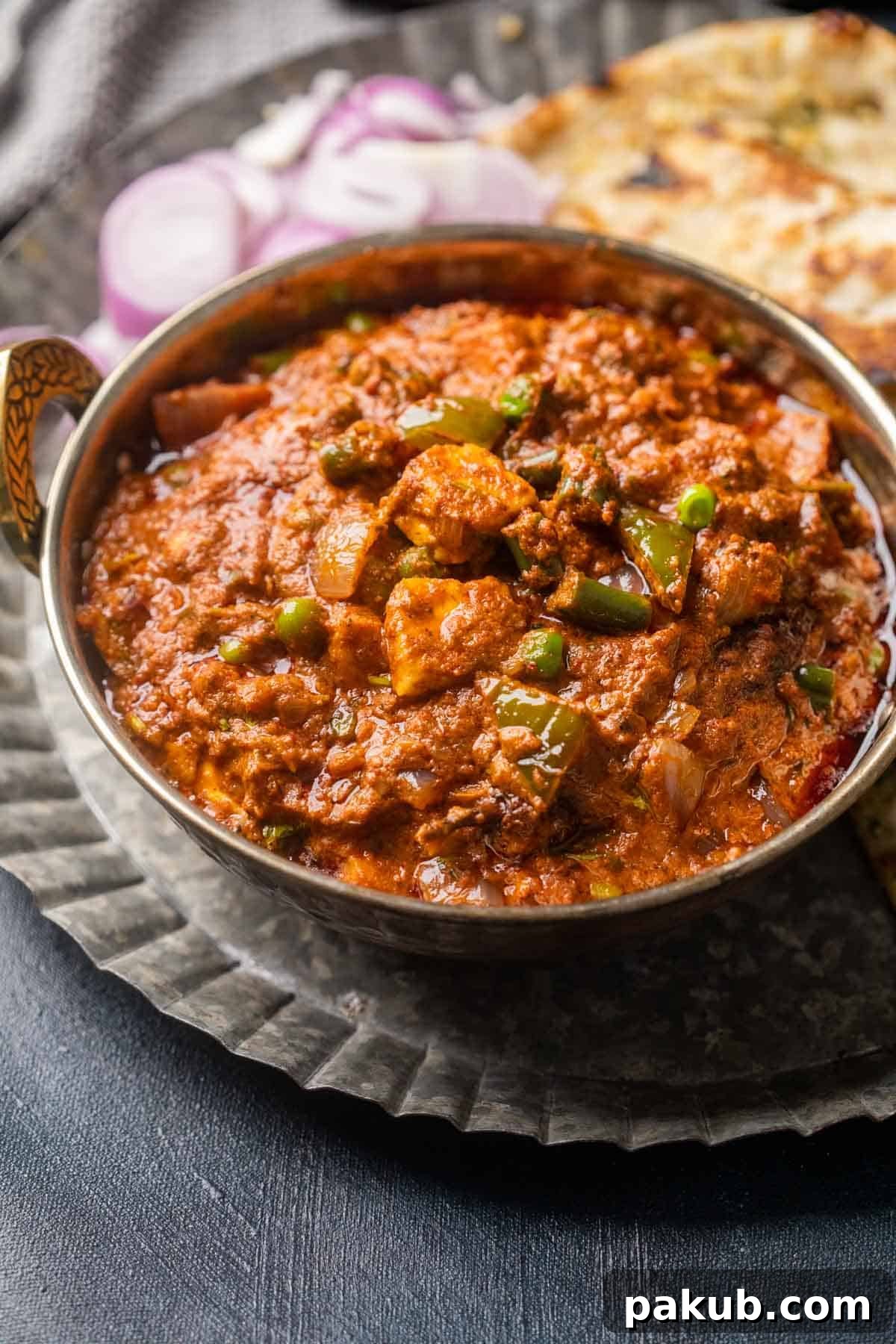
Embark on an unforgettable culinary adventure with Veg Kolhapuri, a famously spicy and intensely flavorful mixed vegetable curry. This dish is expertly crafted to capture the fiery essence and aromatic spices characteristic of Kolhapur cuisine. Known for its deep heat, rich masala, and a vibrant medley of vegetables that remain delightfully crisp, it offers a gastronomic experience far beyond a typical Vegetable Handi, inviting you to discover layers of exquisite taste.
Is your palate ready for more heat? Explore our curated collection of the Top 10 Spicy Food Recipes for an exhilarating journey into fiery flavors! 🔥
Veg Kolhapuri: Your Guide to Crafting a Legendary Indian Curry at Home
While often associated with the rich culinary traditions of Kolhapur, Maharashtra, Veg Kolhapuri is fascinatingly more of a beloved restaurant-style creation that has evolved over time rather than a historical heirloom dish. Its name, however, is no accident; it proudly acknowledges the robust ingredients and distinctive spices that are local to the Kolhapur region. This clever culinary homage is precisely what gives Veg Kolhapuri its unique identity and sets it distinctly apart from other mixed vegetable curries like the gentler Veg Handi, providing a more assertive and complex flavor profile.
As an ardent admirer of mixed vegetable dishes, I find Veg Kolhapuri particularly captivating. It offers a wonderful and delicious opportunity to incorporate a wide array of nutritious vegetables into your meal, all enveloped in a gravy that is nothing short of spectacular. This dish is a celebration of vibrant colors, varied textures, and deep, aromatic flavors that come together in perfect harmony, making healthy eating an utterly enjoyable experience.
Although the initial preparation might seem a tad involved, rest assured that the process is remarkably straightforward and immensely gratifying. Crafting Veg Kolhapuri at home is a fantastic way to showcase your culinary skills and effortlessly impress your guests. They will undoubtedly be left wondering if this exquisite curry was ordered from a high-end Indian restaurant, a testament to its authentic taste and sophisticated presentation.
Table of Contents: Your Journey to Perfect Veg Kolhapuri
- The Secret Behind Authentic Kolhapuri Masala
- Mastering the Rich Kolhapuri Gravy
- Selecting and Preparing Your Vegetables
- Pro Tips for a Flawless Veg Kolhapuri
- Frequently Asked Questions
- Watch the Recipe Video Tutorial
- Discover More Restaurant-Style Indian Curries
The Secret Behind Authentic Kolhapuri Masala: Flavor from Scratch
The true magic of Veg Kolhapuri begins with its bespoke Kolhapuri Masala, freshly prepared from whole spices. Don’t be intimidated by the ingredient list; many are likely already in your pantry, and the process of making this masala from scratch is surprisingly simple, yet profoundly impactful. This homemade blend guarantees an aromatic depth and freshness that pre-packaged alternatives can never replicate, making it an indispensable step for an authentic experience.
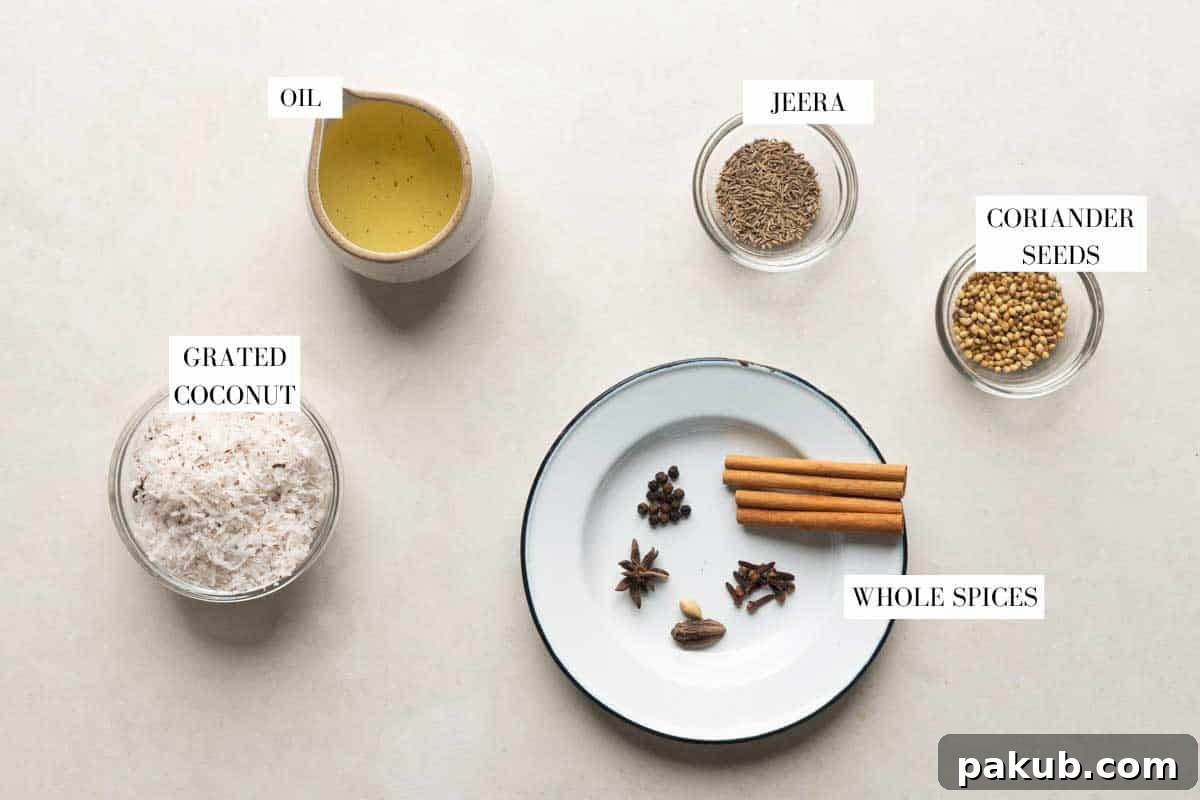
Here’s a closer look at the key components of our homemade Kolhapuri Masala and their individual contributions:
- Aromatic Whole Spices: The foundation of this masala is a carefully balanced selection of whole spices. This includes the earthy notes of black cardamom, the delicate sweetness of green cardamom, the distinctive star anise, pungent cloves, warm cinnamon sticks, bold black peppercorns, fragrant cumin seeds, and nutty coriander seeds. Each spice is lightly toasted to unleash its maximum aroma and flavor before being ground into a fine powder, creating a multi-dimensional base for the curry.
- The Unsung Hero: Dried Coconut: A hallmark of Kolhapuri cuisine, dried coconut (or desiccated coconut) plays a crucial role. It not only binds the complex flavors of the spices together but also imparts a subtle sweetness, beautifully balances the fiery heat, and contributes a velvety body to the masala. Even if you’re not typically a fan of coconut, the small quantity used here is expertly integrated, enhancing the curry’s richness without an overpowering coconut taste.
- Why Fresh Grinding Matters: The act of toasting and grinding your own spices unlocks volatile oils that infuse the entire dish with an unparalleled freshness and vibrancy. This step elevates the curry from good to extraordinary, filling your kitchen with an intoxicating fragrance that sets the stage for a truly authentic Indian meal.
Mastering the Rich Kolhapuri Gravy: Layers of Spice and Creaminess
Beyond the unique masala, the Kolhapuri gravy itself is a culinary marvel, meticulously constructed to deliver an exquisite balance of intense spice and luxurious richness. Crafting this robust base requires a precise combination of ingredients, each playing a vital role in building the curry’s distinctive character and irresistible appeal.
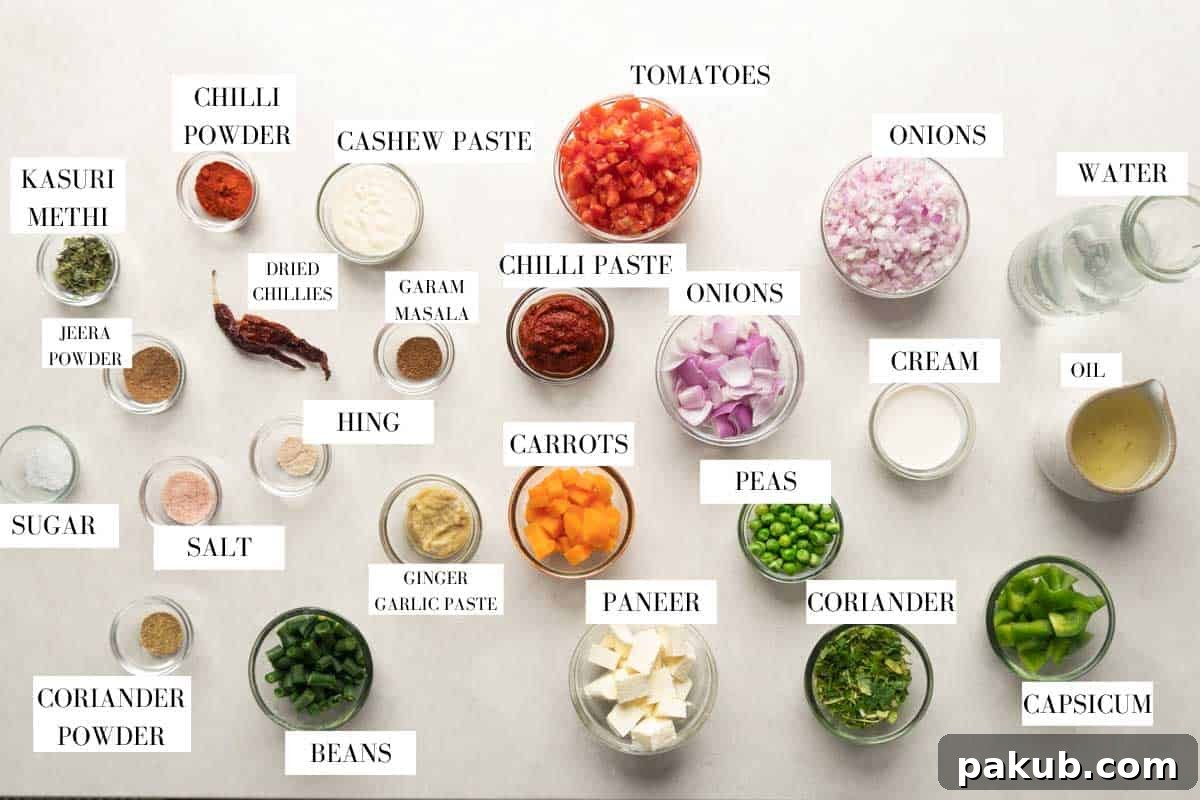
Let’s delve into the essential components that make this Kolhapuri gravy truly remarkable:
- The Triple Threat of Chillies: This recipe brilliantly layers three different sources of chili to create a complex heat profile, moving beyond simple spiciness to a symphony of flavors. Whole dried Kashmiri red chillies provide an initial, earthy warmth; a vibrant red chili paste delivers concentrated heat and depth; and finally, Kashmiri red chili powder adds a beautiful, rich color along with a milder, more aromatic warmth. This sophisticated layering ensures a fiery yet harmonious flavor that is the signature of Kolhapuri cuisine.
- Achieving Restaurant-Style Richness: Cashew Paste & Cream: To achieve the luxurious, velvety texture and balance the powerful spices, cashew paste and fresh cream are indispensable. Soaked and ground cashew paste thickens the gravy, adding a subtle nutty undertone and incredible body. The addition of cream, either dairy or plant-based, provides a smooth, indulgent finish, mellowing the heat and contributing a lush mouthfeel that coats every piece of vegetable beautifully.
- The Flavorful Foundation: Onions, Ginger, and Garlic: A finely chopped onion base, meticulously sautéed until golden and translucent, provides a sweet and aromatic foundation. This is then enhanced by a pungent ginger-garlic paste, a cornerstone of Indian cooking, which infuses the gravy with its characteristic warmth and sharpness, building the initial layers of flavor.
- Tangy Depth from Tomatoes: Pureed tomatoes are added to introduce a crucial tangy element that cuts through the richness and brightens the overall flavor profile. They also contribute significantly to the gravy’s body and vibrant reddish hue, making the dish as visually appealing as it is delicious.
- Essential Powdered Spices: Complementing the homemade Kolhapuri Masala, other staple Indian powdered spices such as garam masala, cumin powder (jeera powder), and coriander powder (dhaniya powder) are incorporated. These spices further deepen the complexity of the gravy, ensuring a well-rounded and deeply satisfying taste experience.
Selecting and Preparing Your Vegetables for Veg Kolhapuri
The versatility of Veg Kolhapuri is one of its most appealing aspects. While our recipe features a classic selection of diced capsicum (green bell pepper), fresh beans, vibrant carrots, crisp onion petals, and sweet green peas, the beauty of this dish lies in its adaptability. You are encouraged to customize it with your favorite vegetables, always keeping in mind to choose those that can maintain their texture and distinct flavor even after simmering in the rich, spicy gravy.
Consider these popular additions to create your perfect mixed vegetable curry:
- Hearty Root Vegetables: Small cubes of potatoes are an excellent addition, absorbing the rich gravy beautifully and adding a comforting, hearty element. Sweet potatoes can also offer a unique flavor twist.
- Crunchy Delights: Baby corn, cut into small pieces, provides a delightful crunch and a hint of sweetness that perfectly contrasts with the curry’s heat. Broccoli florets, quickly blanched, also work well for added texture and nutrition.
- Flowering Vegetables: Small florets of cauliflower, cooked until just tender-crisp, blend seamlessly into the curry without becoming mushy.
- Mushroom Magic: Sliced mushrooms, sautéed until golden, introduce an umami depth that enhances the overall flavor profile of the dish.
- Protein Powerhouse: Cubed paneer (Indian cottage cheese), either lightly fried for a golden crust or added directly to the simmering gravy, is a fantastic source of protein and a beloved addition that makes the curry even more substantial and satisfying.
- Fresh vs. Frozen Vegetables: Both fresh and frozen vegetables perform excellently in this recipe. For fresh produce, ensure uniform dicing or cutting to promote even cooking. When using frozen vegetables, there’s no need for thawing; simply add them directly to the pan as specified, allowing them to cook through in the flavorful masala.
- The High-Heat Sauté Technique: A critical step for this dish is briefly sautéing the vegetables over high heat before they are incorporated into the gravy. This quick stir-fry technique ensures that the vegetables retain their vibrant colors and a pleasant, slightly crisp bite. This prevents them from becoming overcooked or soggy during the final simmering stage, a technique vital for achieving that desirable restaurant-quality texture.
Pro Tips for a Flawless Veg Kolhapuri: Elevate Your Cooking
Crafting a Veg Kolhapuri that truly shines is an art perfected with a few key techniques and smart choices. Follow these expert tips to ensure your curry is not just good, but absolutely spectacular, boasting authentic flavors and perfect textures:
- Mastering the Masala Toast: When preparing your homemade Kolhapuri Masala, invest the time to toast the whole spices properly until they release their fragrant oils and the coconut turns a beautiful golden brown. This crucial step unlocks their full aromatic potential. However, exercise caution to avoid burning them, as burnt spices can impart an undesirable bitter taste to your entire dish.
- Patiently Cook the Gravy Base: The foundation of an outstanding curry is a well-cooked gravy. Allow the onion-tomato base to simmer patiently until the oil visibly separates from the masala. This indicates that the spices are thoroughly cooked and any raw flavors have dissipated, leaving behind a deeply rich and flavorful gravy. Rushing this step will compromise the depth of your curry.
- Preserving Vegetable Texture: The quick, high-heat sautéing of the vegetables is paramount. The goal is a tender-crisp texture, not a soft or mushy one. This delightful contrast between the creamy, robust gravy and the fresh, firm vegetables is a hallmark of an exceptional Veg Kolhapuri and significantly enhances the eating experience.
- Customizing Spice Levels: While Kolhapuri cuisine is celebrated for its assertive heat, you have full control over the intensity. Adjust the quantities of dried red chilies, red chili paste, and Kashmiri chili powder to match your personal preference. For a milder rendition, reduce the spicier elements and consider slightly increasing the Kashmiri chili powder for color without excessive heat.
- The Balancing Act of Sugar: Don’t underestimate the power of a small amount of sugar. It’s not about making the dish sweet, but rather about balancing the vibrant tang from the tomatoes and harmonizing the intense heat from the chilies. A touch of sugar rounds out the flavors beautifully, elevating the overall taste profile.
- The Final Flourish: Fresh Coriander: A generous garnish of freshly chopped coriander at the very end is more than just decorative. It adds a burst of refreshing, herbaceous aroma and a bright, zesty flavor that cuts through the richness and enlivens the entire dish, making it truly irresistible.
Frequently Asked Questions About Veg Kolhapuri
The primary difference lies in their signature spice blends and flavor profiles. Veg Kolhapuri is defined by its distinctive Kolhapuri Masala, which features ground whole spices and dried coconut, resulting in a significantly spicier, more pungent, and aromatic gravy. In contrast, Veg Handi, while also a mixed vegetable curry, typically presents a milder, often creamier gravy with a different spice mix that emphasizes richness and subtlety over intense heat.
While you might occasionally find packaged Kolhapuri Masala in select Indian grocery stores, it’s not commonly available everywhere, and its quality can vary. For the most authentic, freshest, and deepest flavor, we strongly recommend preparing the masala from scratch. The required ingredients are widely accessible, and the preparation is quick, allowing you to make a superior batch that can even be made ahead and stored for convenience.
Yes, absolutely! For optimal results when reheating, we advise freezing only the fully cooked Kolhapuri gravy *before* you add the sautéed vegetables and fresh cream. When you’re ready to enjoy the dish, simply thaw the gravy, bring it to a gentle simmer, and then stir in your freshly sautéed (or directly added frozen) vegetables and cream. Freezing the curry with the vegetables already incorporated will inevitably lead to a soggy, limp texture for the vegetables upon reheating, compromising the dish’s quality.
Indeed! Frozen vegetables are a convenient and excellent choice for Veg Kolhapuri. You can add them directly to the pan during the vegetable sautéing stage (or even straight into the simmering gravy if time is short), adjusting the cooking time as necessary until they reach a tender-crisp consistency. There’s no need to thaw them beforehand.
The traditional recipe often includes dairy cream. However, it’s very easy to adapt Veg Kolhapuri for a vegan diet! Simply substitute the dairy cream with a high-quality plant-based cream, such as cashew cream (which also adds richness) or coconut cream. Ensure that any other non-vegan additions like paneer are omitted or replaced with suitable vegan alternatives.
Veg Kolhapuri pairs exceptionally well with a variety of classic Indian breads, including fluffy naan, soft rotis, or crispy parathas. It’s also incredibly delicious served with fragrant steamed basmati rice or aromatic jeera rice. To complete your meal and provide a refreshing contrast to the curry’s richness and spice, consider adding a side of cooling raita (yogurt dip) or a fresh, simple salad.
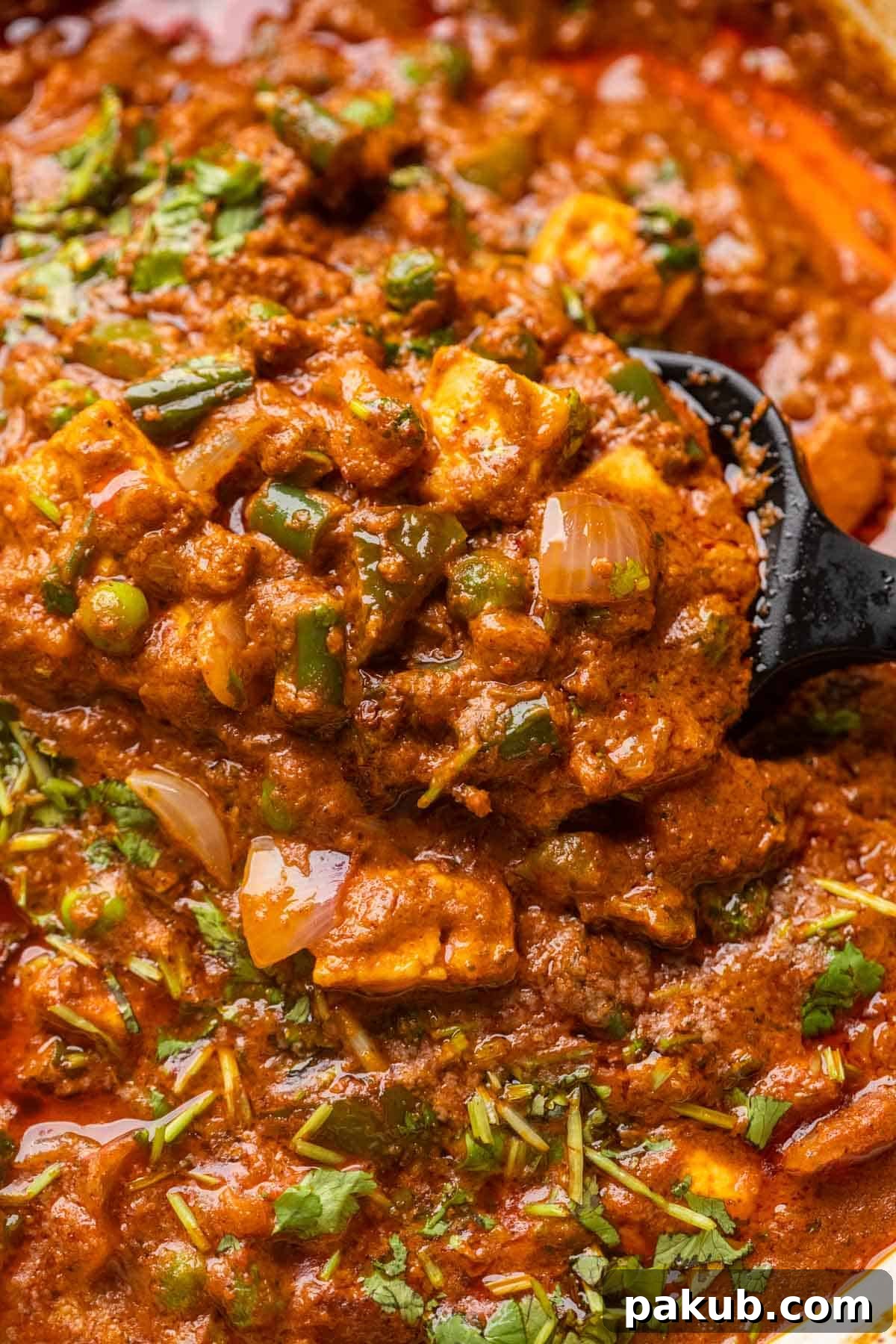
Whether you’re planning an elaborate Indian dinner party or simply looking to add a vibrant, spicy kick to your weeknight meals, Veg Kolhapuri is an outstanding choice. Its bold flavors and comforting warmth make it a perennial favorite that truly stands out. This dish doesn’t just add spice to your meal; it literally transforms it into an exhilarating culinary experience!
For the ultimate authentic Indian feast, we highly recommend serving this magnificent curry with our popular No Yeast Naan, known for its quick preparation and soft texture, or our indulgent Garlic Kulcha. Pair it with a bowl of fragrant basmati rice, and you’ll have a complete, satisfying, and truly restaurant-quality Indian dinner right in your own home.
LOVE THIS RECIPE? Don’t miss out on more delicious creations! Subscribe to our newsletter and be among the first to receive all new recipes, exclusive cooking tips, and culinary inspiration delivered straight to your inbox every week!
Watch the Recipe Video Tutorial: Master Veg Kolhapuri Visually
Veg Kolhapuri (Spicy Indian Mixed Vegetable Curry)
Richa
20 minutes
25 minutes
45 minutes
6 people
Rate Recipe
Print Recipe
Ingredients
For the Kolhapuri Masala
- 1 Tablespoon Oil
- 1 Black Cardamom
- 1 Green Cardamom
- 1 Star Anise
- 10 Cloves
- 2-3 Cinnamon sticks (approx. 1-inch each)
- 1 Teaspoon Black Peppercorns
- 1 Tablespoon Cumin seeds
- 1 Tablespoon Coriander Seeds
- ¾ Cup Grated Coconut (fresh or desiccated)
- 2 Tablespoons Water (for grinding)
For the Kolhapuri Gravy
- 3 Tablespoons Oil
- 2 Whole dried Kashmiri Red Chillies
- ¼ Teaspoon Hing (asafoetida)
- 2 medium Onions, finely chopped
- 1 Tablespoon Ginger Garlic Paste
- 2 Tablespoons Red Chilli Paste (refer to notes for homemade)
- ½ Tablespoon Garam Masala
- 1 Teaspoon Cumin Powder (jeera powder)
- 1 Teaspoon Coriander Powder (dhaniya powder)
- ½ Tablespoon Kashmiri Red Chilli Powder (lal mirch powder)
- 1 ½ Teaspoon Salt (adjust to taste)
- 3 Tablespoons Kolhapuri Masala (freshly prepared as above)
- 2 Tablespoons Cashew Paste (refer to notes for homemade)
- 2 medium Tomatoes, pureed
- 1 cup Water, divided
- 1 Teaspoon Sugar
- 1 Teaspoon Kasuri Methi (dried fenugreek leaves), crushed
- 3 Tablespoons Cream (dairy or plant-based for vegan option)
- 2 Tablespoons chopped Coriander (fresh, for garnish)
For the Sauteed Vegetables
- 1 Tablespoon Oil
- 1 Small Capsicum (green bell pepper), cut into petals
- 1 Onion, cut into petals
- 1 Carrot, cut into 1 inch pieces, parboiled
- 8-10 Beans, cut into 1 inch pieces, parboiled
- ¼ Cup Green Peas, parboiled (or frozen)
- 1 Whole dried Kashmiri Red Chilli (optional, for extra flavor during sauté)
Instructions
Step 1: Prepare the Kolhapuri Masala
-
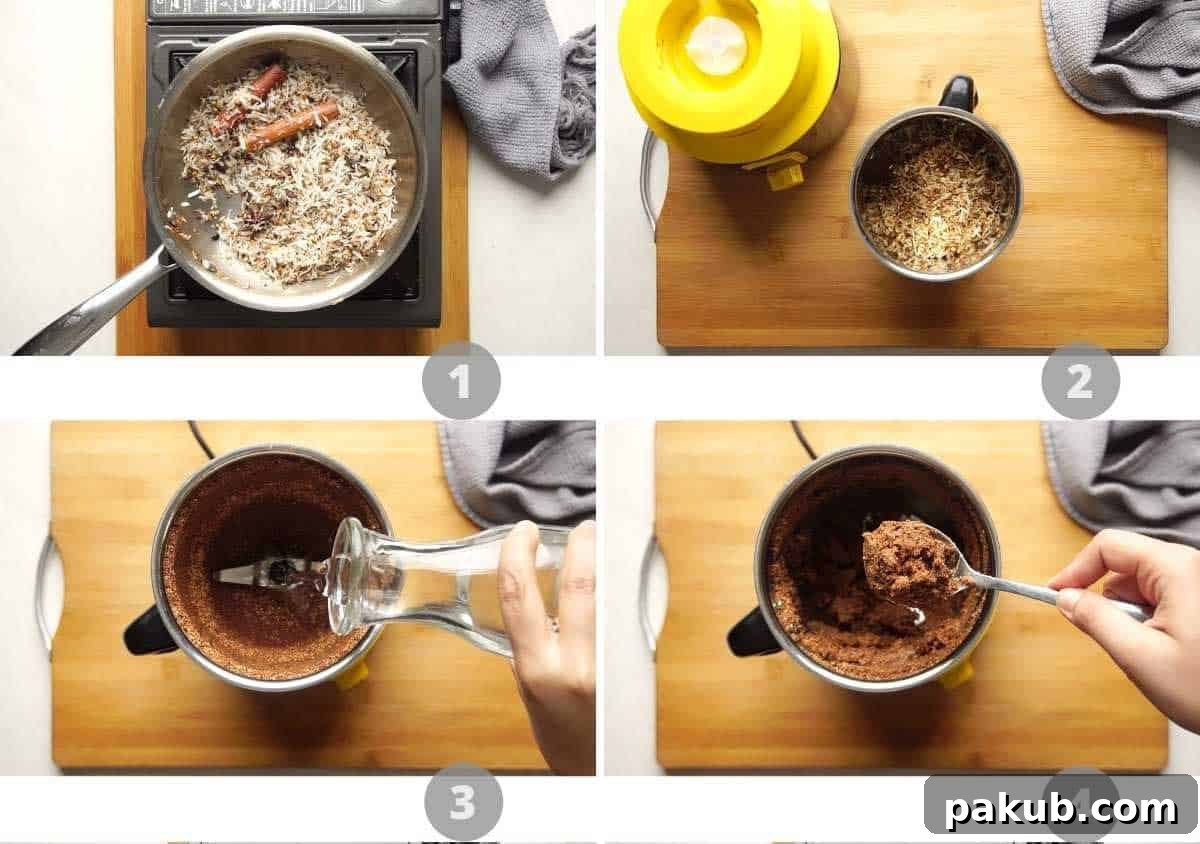
Heat 1 tablespoon of oil in a pan over medium heat. Add the whole spices: black cardamom, green cardamom, star anise, cloves, cinnamon, black peppercorns, cumin seeds, and coriander seeds. Stir-fry for 1-2 minutes until they become very aromatic, ensuring they don’t burn. Next, add the grated coconut and continue frying until it turns a beautiful golden brown.
-
Remove the toasted spices and coconut from the pan and let them cool completely. Once cooled, transfer the mixture to a grinder and blend into a very smooth paste, using 2 tablespoons of water to aid the process. Set your freshly made Kolhapuri Masala aside.
Step 2: Cook the Kolhapuri Gravy
-
In a large kadai or deep cooking pan, heat 3 tablespoons of oil over medium heat. Add the whole dried Kashmiri red chillies and sauté for about 10 seconds until fragrant. Stir in the hing, then add the finely chopped onions. Sauté the onions for 2-3 minutes until they become translucent. Follow this by adding the ginger-garlic paste and red chilli paste, cooking for another 2-3 minutes until the raw aroma disappears and oil begins to separate from the mixture.
-
Now, add all the powdered spices: garam masala, cumin powder, coriander powder, and Kashmiri red chilli powder. Stir well to combine these with the base. Incorporate 3 tablespoons of your prepared Kolhapuri Masala, the cashew paste, pureed tomatoes, and salt. Mix thoroughly, then add ½ cup of water. Cook this gravy base for 8-10 minutes, stirring occasionally, until the oil clearly separates and rises to the top, signifying that the masalas are perfectly cooked and flavorful.
Step 3: Combine Vegetables with Gravy & Finish
-
While the gravy is simmering to perfection, prepare your vegetables. In a separate pan, heat 1 tablespoon of oil over high heat until it’s very hot. Add the capsicum and sauté for 2 minutes. Then, add the onion petals, parboiled carrots, beans, green peas, and the optional whole dried Kashmiri red chilli. Continue to sauté for just 1-2 minutes more; the aim is for the vegetables to be tender-crisp and the onions to just start becoming translucent.
-
Carefully transfer all the sautéed vegetables into the simmering Kolhapuri gravy. Stir in the sugar, the remaining ½ cup of water, fresh cream, and kasuri methi (crushing it lightly between your palms to release its fragrance). Gently mix everything together to ensure all ingredients are well combined and coated in the rich gravy.
-
Allow the combined curry to simmer for a final 2-3 minutes, allowing all the flavors to meld beautifully and the vegetables to slightly absorb the gravy. Garnish generously with freshly chopped coriander before serving hot. Enjoy your exquisite homemade Veg Kolhapuri!
Recipe Video Tutorial
Chef’s Notes & Important Tips
- Homemade Red Chilli Paste: To create your own vibrant red chili paste, begin by soaking dried red chillies in hot water for 10-15 minutes until they soften. Drain them thoroughly, then grind them into a very fine, smooth paste using as little water as possible to maintain its potency.
- Silky Cashew Paste: For a wonderfully creamy cashew paste, soak raw cashews in hot water for approximately 20 minutes. Once softened, blend them into a thick, smooth paste, again using minimal water to achieve the desired rich consistency.
- Kolhapuri Masala Availability: While some specialty stores might stock packaged Kolhapuri Masala, it is not widely available and often lacks the freshness and robust flavor of a homemade blend. We highly recommend making it from scratch; the ingredients are common, and the preparation is quick. You can prepare a larger batch in advance and store it in an airtight container, or even freeze it for future use.
- Freezing for Future Enjoyment: To preserve the best texture, we advise freezing only the cooled Kolhapuri gravy *after* it has been fully cooked (following Step 4 of the gravy instructions). When you’re ready to serve, thaw the gravy, bring it to a simmer, then add your freshly sautéed (or directly added frozen) vegetables, cream, sugar, and kasuri methi, simmering for a few minutes until heated through. Freezing the dish with the vegetables already in it will inevitably result in soft, watery vegetables upon reheating.
- Convenience of Frozen Vegetables: Using frozen vegetables is a perfectly acceptable and convenient option for this recipe! They can be added directly to the pan during the sautéing stage (Step 5) and cooked until they are tender-crisp. There’s no need to thaw them beforehand.
Nutrition Facts (Per Serving)
Carbohydrates: 19g,
Protein: 4g,
Fat: 24g,
Saturated Fat: 9g,
Polyunsaturated Fat: 4g,
Monounsaturated Fat: 10g,
Trans Fat: 1g,
Cholesterol: 8mg,
Sodium: 619mg,
Potassium: 460mg,
Fiber: 7g,
Sugar: 7g,
Vitamin A: 2606 IU,
Vitamin C: 38mg,
Calcium: 82mg,
Iron: 3mg
Enjoyed this recipe? Share your culinary success!
We’d love to hear how your Veg Kolhapuri turned out! Please leave a rating and comment below.
Discover More Restaurant-Style Indian Curries to Explore
If the rich and vibrant flavors of Veg Kolhapuri captivated your taste buds, you’re in for a treat! We’ve curated a selection of other incredible restaurant-style Indian curries that are perfect for expanding your culinary repertoire. Each dish is designed to bring authentic Indian flavors right into your kitchen, promising delightful results:
- Paneer Lababdar: A luxurious and aromatic paneer curry, featuring a rich, creamy tomato-based gravy infused with cashews and a delicate balance of spices.
- Saag Chicken: A wholesome and deeply flavorful chicken curry, slow-cooked with fresh spinach and a blend of earthy, aromatic spices for a comforting and nutritious meal.
- Karahi Chicken: A robust and boldly spiced chicken dish, traditionally stir-fried in a karahi (wok) with generous amounts of fresh ginger, ripe tomatoes, and potent green chilies.
- Dhaba Dal Tadka With Double Tadka: A quintessential Indian lentil curry, celebrated for its comforting flavors and elevated by a distinctive “double tadka” (tempering) of aromatic spices in ghee, adding an incredible depth of flavor.