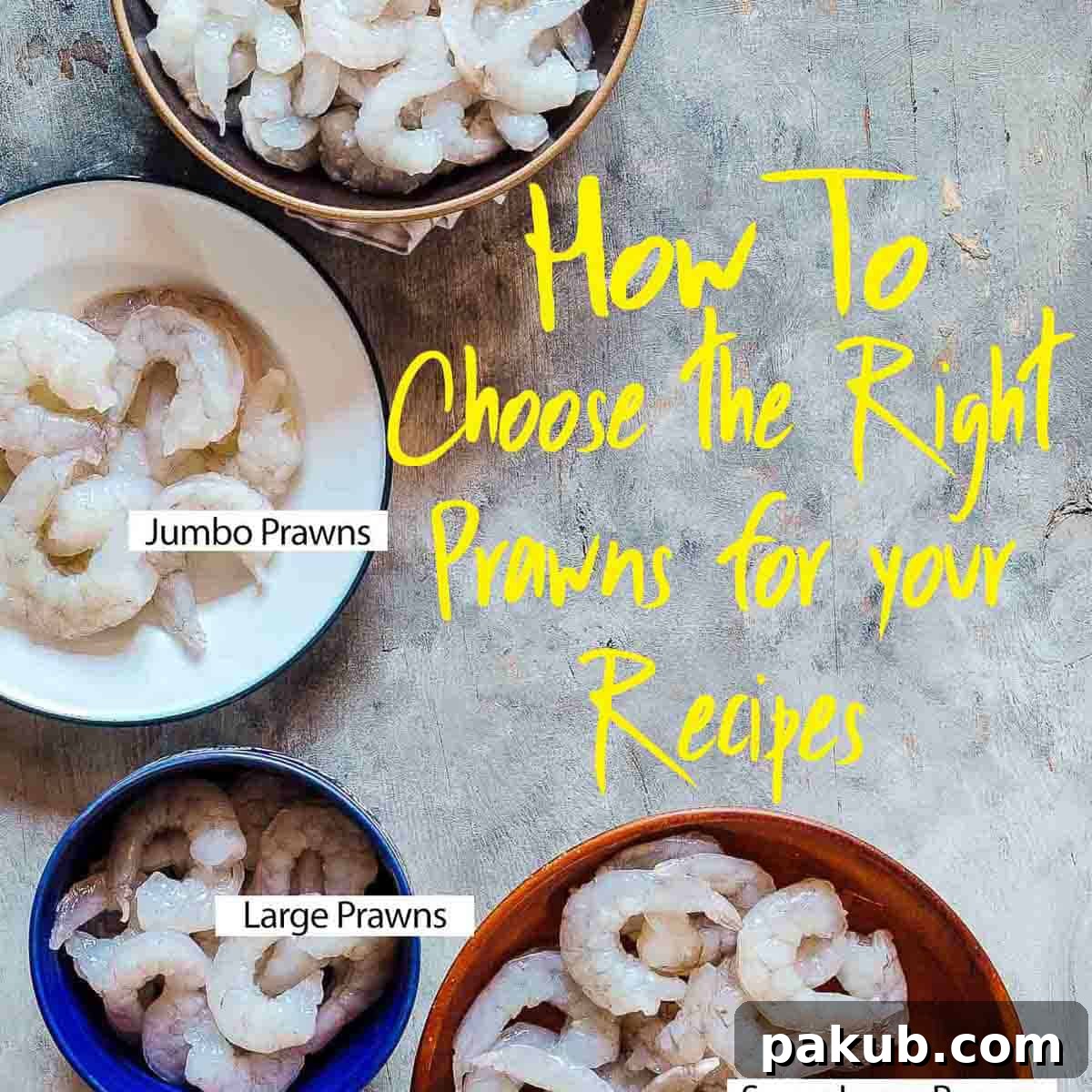
Mastering Prawn Sizes: Your Essential Guide to Culinary Perfection
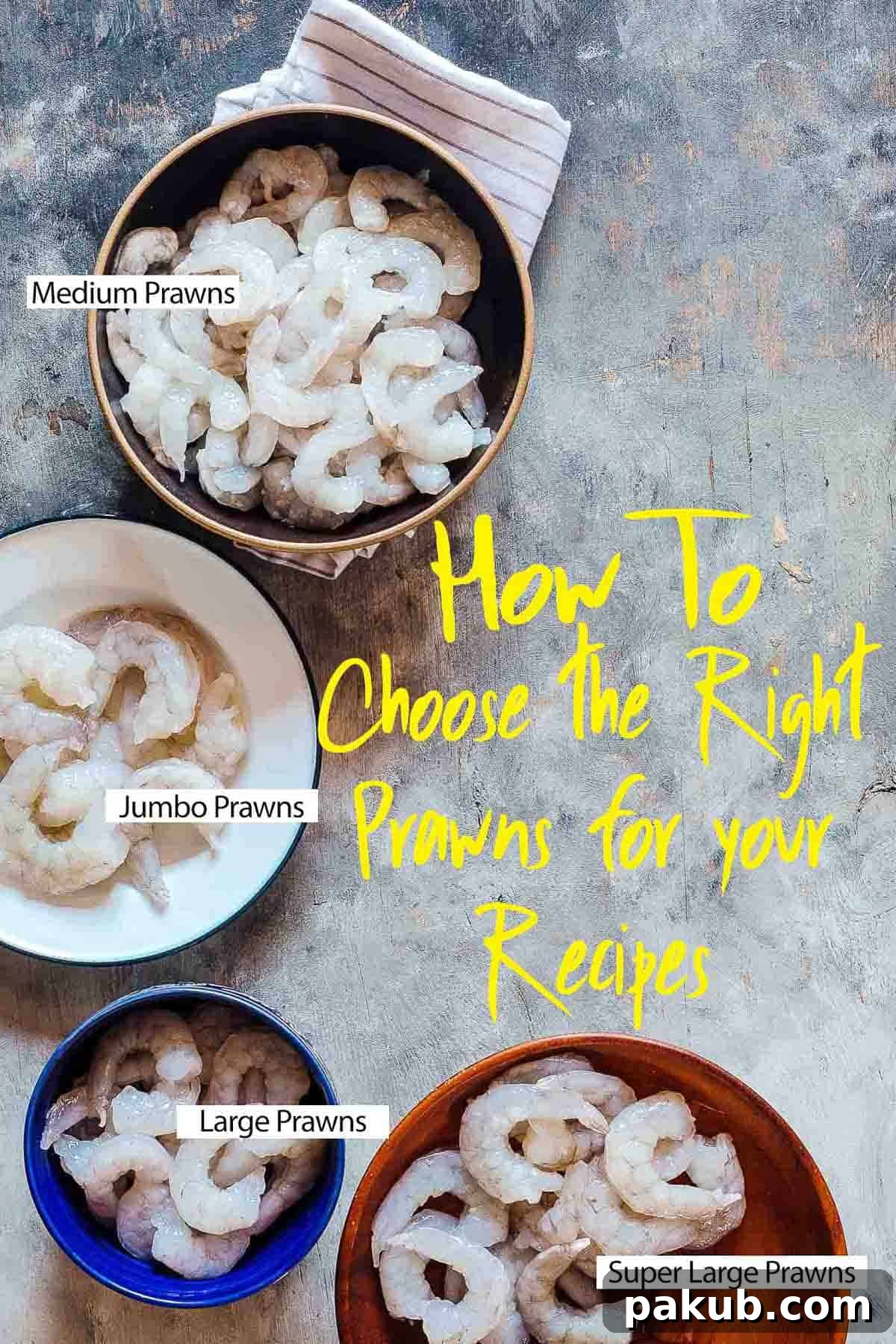
Prawns, or shrimp as they are often called interchangeably, are a beloved ingredient in kitchens worldwide, celebrated for their delicate flavor and versatile texture. From sizzling stir-fries to elegant grilled dishes, these crustaceans add a touch of gourmet sophistication to any meal. However, navigating the world of prawn sizes can often be perplexing. You’re faced with labels like “jumbo,” “large,” or “medium,” but what do these terms truly signify, and more importantly, how do they impact your cooking?
This comprehensive guide aims to demystify prawn sizing, transforming a potentially confusing shopping experience into an informed culinary decision. Understanding the nuances of different prawn sizes is not merely about label reading; it’s about optimizing flavor, achieving the ideal texture, and ensuring your dish looks as good as it tastes. Get ready to unlock the secrets behind choosing the perfect prawn for every recipe, guaranteeing a delightful dining experience every time.
Understanding Prawn Sizing Terminology: Count Per Pound Explained
One of the first challenges home cooks face is the lack of a universal, regulated standard for prawn and shrimp sizing. Unlike many other food items, there isn’t a global guideline dictating what constitutes a “large” or “small” prawn. This variability can lead to confusion, as what one brand considers “jumbo” another might simply label “extra large.” However, there’s a practical system that most reputable suppliers use, which once understood, makes purchasing prawns much clearer: the “count per kilogram” or “count per pound” method.
This system essentially tells you how many individual prawns you can expect to find in a given weight. For instance, a label might read “21/25,” meaning there are approximately 21 to 25 prawns per pound. This provides a far more accurate indication of size than generic terms alone. Crucially, there’s an inverse relationship between the number of prawns in a pack and their individual size and, consequently, their price. Fewer prawns per pound indicate larger, more substantial specimens, which typically command a higher price due to their desirability and demand. Conversely, a higher count per pound means smaller prawns, often more economical and perfect for dishes where prawns are part of a larger mix rather than the star.
Understanding this “count per” system is empowering. It allows you to look beyond vague descriptors and make an educated choice based on your recipe’s specific requirements and your budget. This knowledge is fundamental to becoming a savvy seafood shopper and a more confident cook.
Why Prawn Size Matters in Your Kitchen
The size of your prawns isn’t just a detail; it’s a critical factor that can significantly influence the outcome of your dish. From the moment you begin preparation to the final presentation, the chosen size plays a pivotal role in texture, cooking time, flavor absorption, and even the aesthetic appeal of your culinary creation. Ignoring these distinctions can lead to overcooked, rubbery prawns or undercooked, unappetizing ones.
- Texture and Mouthfeel: Larger prawns offer a meatier, more satisfying bite, making them ideal as a standalone feature. Their substantial flesh retains moisture well, resulting in a succulent texture when cooked correctly. Smaller prawns, on the other hand, have a more delicate texture that can be easily overwhelmed if not handled properly.
- Cooking Time Precision: This is arguably the most critical aspect. Smaller prawns cook incredibly quickly, often in just a minute or two. Larger prawns require more time to cook through, typically several minutes. Misjudging this can lead to disaster: small prawns become tough and rubbery if cooked too long, while large ones remain raw and unappetizing if not given enough time. Precise timing ensures perfect results.
- Presentation and Aesthetic Appeal: Consider how the prawns will look on the plate. Jumbo prawns naturally become the “hero” ingredient, making a striking visual statement. Medium or small prawns are better suited for dishes where they blend in, adding texture and flavor without dominating. The right size enhances the visual harmony of your dish.
- Flavor Absorption and Distribution: Smaller prawns have a larger surface area relative to their volume, allowing them to absorb marinades and sauces more readily and quickly. This makes them excellent for quick-marinated dishes. Larger prawns tend to retain more of their inherent sweet, oceanic flavor, which can be complemented rather than masked by subtle seasonings.
- Cost-Effectiveness and Preventing Waste: Matching the prawn size to your recipe helps prevent waste. Using expensive jumbo prawns in a finely diced salad, for example, might be overkill. Opting for a more appropriate, smaller size for such applications can be more economical without compromising the dish’s quality.
By consciously considering these factors, you elevate your cooking from merely functional to truly exceptional, ensuring every prawn dish is a testament to thoughtful preparation and culinary expertise.
A Deep Dive into Prawn Sizes and Their Culinary Applications
Now, let’s explore the common classifications of prawns and their ideal uses in the kitchen. We’ll examine their typical count per 200 grams (a common retail pack size), recommended cooking times, and a variety of culinary applications.
Jumbo Prawns (Often 10-11 pieces per 200g / Approximately 21-25 count per lb)
Jumbo prawns are the undisputed kings of the prawn world. These impressive crustaceans boast a substantial size, a firm, meaty texture, and a wonderfully sweet flavor that stands out in any dish. They are often the most expensive variety, but their “wow” factor and satisfying bite make them worth the splurge for special occasions.
- Ideal Use Cases: Jumbo prawns are best treated as the star of your meal. They excel when grilled whole, providing a smoky char and retaining their juicy interior. They’re perfect for elegant main courses like surf-and-turf, gourmet appetizers, or as a luxurious addition to vibrant salads where their size truly shines. Butterfly them for stuffing or to create beautiful presentations. When added to rich curries, they retain their shape and deliver a hearty, memorable seafood experience. Their robust structure allows them to hold up well to robust cooking methods.
- Cooking Tips & Times: Due to their size, jumbo prawns require a bit more cooking time than their smaller counterparts, typically 8-10 minutes. Ensure they turn opaque and pink, but be careful not to overcook, which can render them rubbery. A quick sear or grill works wonderfully to achieve a perfect finish.
- Recipe Inspirations:
- Goan Prawn Curry with Coconut
- The Best Tandoori Prawns
- Grilled Prawn Skewers with Lemon-Garlic Marinade
- Prawn Scampi with Linguine
Super Large Prawns (Often 12-14 pieces per 200g / Approximately 26-30 count per lb)
Slightly more modest than jumbo prawns but still impressively sized, super large prawns strike a fantastic balance between generous portion size and versatility. They offer a delightful bite and maintain their shape beautifully through various cooking processes, making them a favorite for many culinary applications.
- Ideal Use Cases: These prawns are magnificent for tandoori preparations, barbecues, or any dish where they are a prominent feature. Their size makes them ideal for skewers, allowing for even cooking and a beautiful presentation. They are equally delightful served cold with a vibrant dipping sauce or as a luxurious component in a seafood platter or a substantial salad. They hold up well in elegant stir-fries where you want the prawn to be noticeable and provide a satisfying chew.
- Cooking Tips & Times: Super large prawns cook efficiently, usually taking about 8-9 minutes. Their firm flesh means they are less prone to breaking apart during cooking, making them forgiving for home cooks.
- Recipe Inspirations:
- Cucumber Noodle Prawn and Mango Salad (Gluten Free)
- Garlic Butter Prawns
- Prawn Cocktail (classic appetizer)
- Spicy Prawn Fajitas
Large Prawns (Often 17-22 pieces per 200g / Approximately 31-40 count per lb)
Large prawns are the workhorses of the culinary world – incredibly versatile and perfectly sized for a multitude of dishes where you want a noticeable prawn presence without overwhelming other ingredients. They offer a satisfyingly hearty bite once cooked, ensuring they don’t get lost in the overall composition of your meal.
- Ideal Use Cases: These are your go-to prawns for a wide range of everyday and special dishes. They are perfect in rich curries, vibrant stir-fries, and delectable pasta dishes like spaghetti aglio olio or a creamy prawn primavera. Their size makes them ideal for adding substance to generous salads, creating flavorful tacos, or incorporating into hearty risottos and paellas. They are large enough to be substantial but small enough to integrate seamlessly.
- Cooking Tips & Times: Large prawns cook relatively quickly, typically needing 6-8 minutes. Keep an eye on them to prevent overcooking and preserve their tender texture. They can be pan-fried, baked, or quickly sautéed.
- Recipe Inspirations:
- Mexican Prawn Avocado Taco Salad
- Shrimp Spaghetti Aglio Olio
- Thai Shrimp Cakes
- Prawn Biryani or Pulao
- Quick Prawn Scampi with White Wine Sauce
Medium Prawns (Often 35-45 pieces per 200g / Approximately 51-60 count per lb)
Medium prawns are fantastic for dishes where prawns are meant to blend in, offering delightful pockets of flavor and texture without being the singular focus. They are significantly larger than tiny “cocktail” prawns, ensuring they still contribute substantially to the dish and don’t disappear upon cooking.
- Ideal Use Cases: If you’re wondering about the perfect size for a classic fried rice, look no further than medium prawns. They integrate beautifully into noodles, a variety of Asian dishes, and lighter curries, providing bursts of sweet seafood flavor. They are also excellent for omelets, fritters, or as a flavorful topping for savory pancakes. Their ability to blend makes them ideal for dishes where consistency of texture is desired.
- Cooking Tips & Times: These smaller prawns cook very rapidly, typically in just 5-6 minutes. Quick cooking is essential to prevent them from becoming tough. They are perfect for a rapid sauté or to be added at the very end of cooking a simmering dish.
- Recipe Inspirations:
- Shrimp Chow Mein
- Classic Prawn Fried Rice
- Prawn & Vegetable Spring Rolls
- Spicy Prawn Tacos (when a smaller bite is preferred)
Small Prawns (Often 60+ pieces per 200g / Approximately 71-90+ count per lb)
While not explicitly mentioned in the original content, small prawns (sometimes called tiny or cocktail prawns) are commonly available and have their own distinct culinary purpose. They are the most delicate in size and require the quickest cooking times.
- Ideal Use Cases: Small prawns are perfect for highly integrated dishes where they contribute flavor and texture without being visually dominant. Think light, finely chopped salads, seafood stuffings, delicate pasta sauces, or as a garnish for soups and appetizers. They’re also excellent for creating flavorful prawn paste or for dishes like shrimp toast where they are finely minced. Their small size makes them ideal for quick-cooking applications where they are tossed in at the very last minute.
- Cooking Tips & Times: These prawns cook almost instantly, often in just 1-3 minutes. Overcooking is a major risk, so ensure they are only cooked until they turn pink and opaque.
- Recipe Inspirations:
- Classic Prawn Cocktails (for a more traditional, smaller shrimp presentation)
- Prawn and Avocado Canapés
- Delicate Prawn Risotto
- Light Prawn and Dill Salad
Choosing Quality Prawns: Fresh vs. Frozen Options
Regardless of size, the quality of your prawns is paramount. When purchasing fresh prawns, look for those that have a mild, oceanic scent, not a strong “fishy” odor. Their shells should be firm and translucent, with no black spots or discoloration, which can indicate spoilage. The eyes should be clear and shiny. However, truly fresh prawns, caught and brought to market immediately, can be hard to come by unless you live near a fishing port.
For most consumers, high-quality Individually Quick Frozen (IQF) prawns are often the superior choice. Freezing prawns shortly after harvest locks in their freshness and flavor at their peak, often surpassing the quality of “fresh” prawns that may have been defrosted or transported for extended periods. Frozen prawns also offer unparalleled convenience, allowing you to use only what you need and store the rest without waste.
When it comes to reliable quality and safety, brands like ITC Master Chef Prawns are an excellent option. Their commitment to “super safe” frozen prawns ensures you’re getting a product that is both delicious and responsibly sourced. Choosing such trusted frozen varieties guarantees you have access to prawns that are as close to their freshly caught state as possible, ready to elevate your culinary creations.
Essential Tips for Cooking Prawns to Perfection
Once you’ve selected the perfect size and quality prawns, how you cook them is the final step to culinary success. Prawns are incredibly forgiving in terms of flavor pairings, but they are notoriously sensitive to overcooking. Here are some essential tips to ensure tender, juicy results every time:
- Do Not Overcook: This cannot be stressed enough. Prawns cook very quickly. As soon as they turn opaque and pink, and curl into a “C” shape, they are ready. If they form an “O” shape, they are overcooked and will be rubbery. Remove them from the heat immediately.
- Proper Thawing Techniques: If using frozen prawns, proper thawing is crucial. The best method is to transfer them to the refrigerator overnight. For quicker thawing, place them in a colander under cold running water for 10-15 minutes, ensuring they are completely drained afterwards. Avoid using hot water, which can start to cook them.
- Deveining: While not strictly necessary for health, deveining (removing the dark vein along the prawn’s back) improves presentation and can eliminate any grittiness. For larger prawns, it’s highly recommended. Simply make a shallow cut along the back and gently pull out the vein.
- Seasoning: Prawns have a naturally sweet flavor that pairs well with a variety of seasonings. Simple salt, pepper, garlic, and lemon are often all you need. However, they also stand up well to bold spices in curries and marinades. Season them just before cooking for best results.
- Shell-on vs. Shell-off: Cooking prawns with the shell on can impart more flavor and help protect the delicate flesh from overcooking, resulting in juicier prawns. This is especially good for grilling or roasting. Shell-off prawns are more convenient for quick sautéing and stir-fries.
- Pat Dry Before Cooking: For pan-frying or searing, ensure your prawns are thoroughly patted dry with paper towels. Excess moisture will steam the prawns instead of searing them, preventing a desirable crust from forming.
Conclusion: Empowering Your Culinary Choices
The journey through the world of prawn sizes reveals that cooking exceptional seafood is far more than just following a recipe. It’s about making informed choices that enhance every aspect of your dish, from the foundational texture to the final presentation. By understanding the “count per pound” system, appreciating the distinct characteristics of jumbo, super large, large, and medium prawns, and implementing smart cooking techniques, you gain invaluable control over your culinary outcomes.
No longer will you face the seafood counter with uncertainty. Instead, you’ll be empowered to select the perfect prawn size for your go-to fried rice, your celebratory grilled masterpiece, or that comforting weeknight curry. This knowledge transforms simple ingredients into memorable meals, ensuring every bite is as delicious and satisfying as intended. So, embrace the art of prawn selection, experiment with confidence, and let your kitchen become a testament to thoughtful, delicious cooking.
Thanks to ITC Master Chef for sponsoring this post and consistently bringing super safe frozen prawns to our kitchens. ITC Master Chef Prawns are widely available across stores in Delhi NCR, Hyderabad, Kolkata, and Bangalore, making quality seafood accessible for every home cook.