
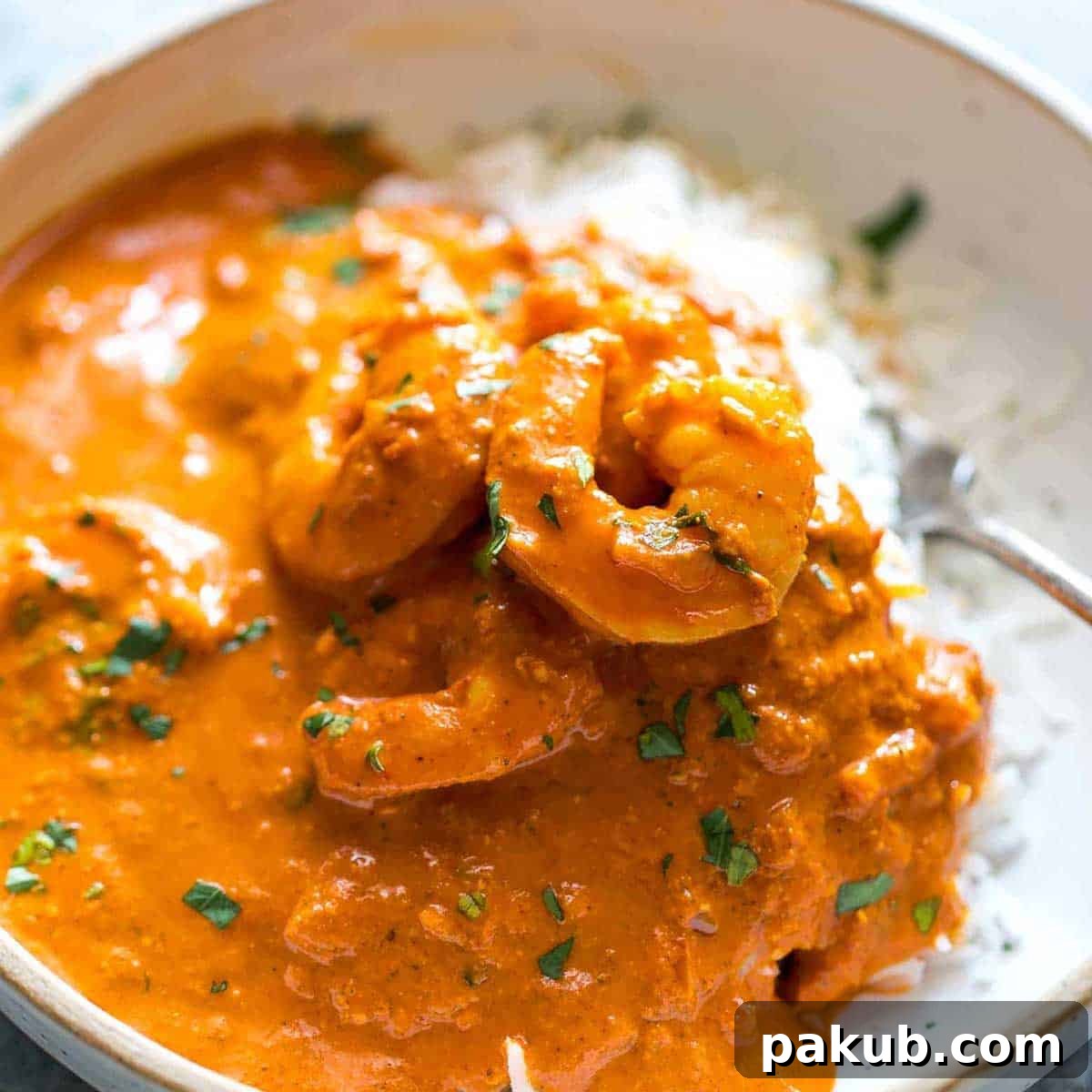
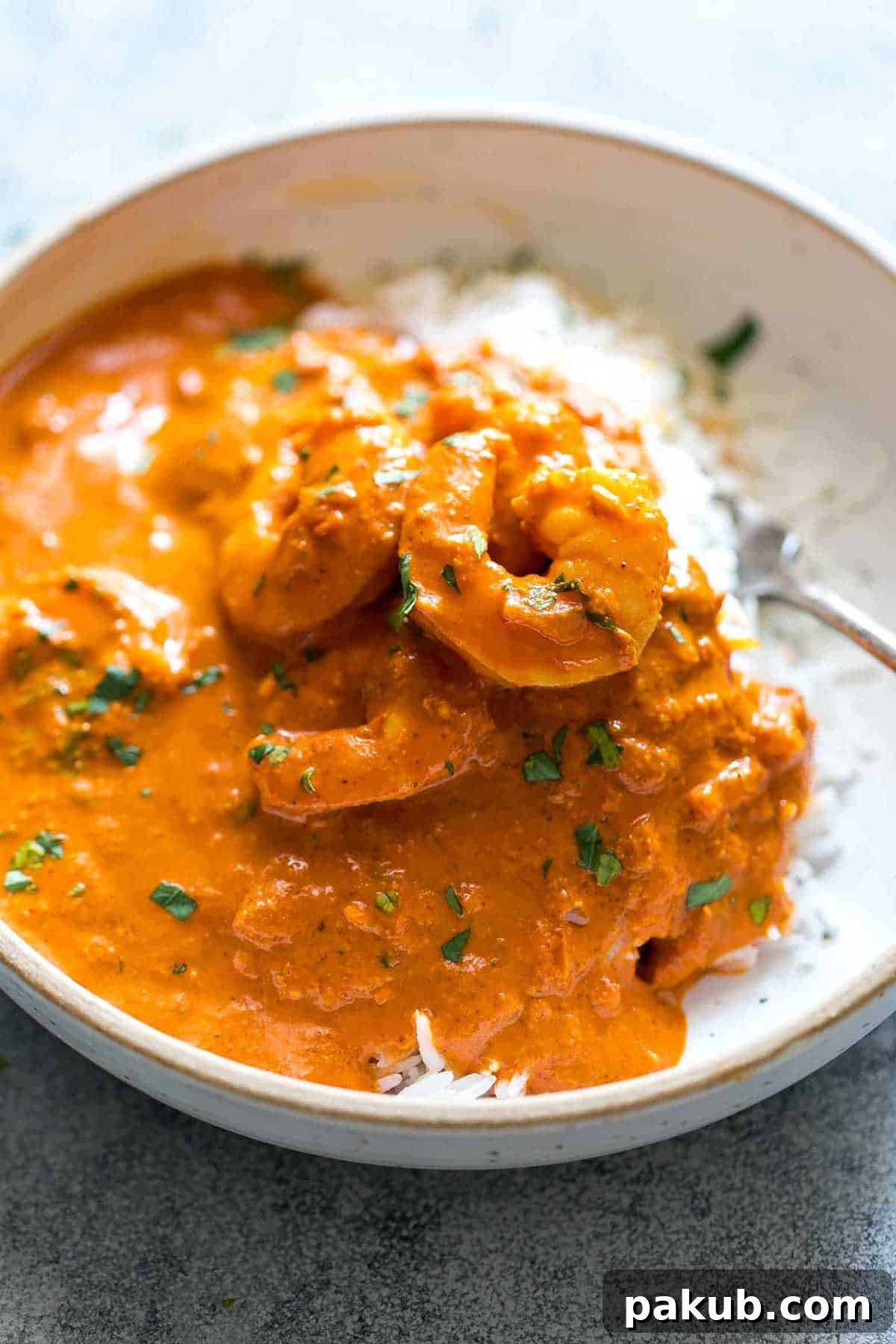
Embark on a culinary journey to the sunny shores of Goa with this exquisite Goan Prawn Curry with Coconut, traditionally known as Ambot Tik. This vibrant, spicy, and tangy curry promises a deeply satisfying meal, ready in under 30 minutes. Serve it with fluffy steamed rice for an authentic taste of coastal India!
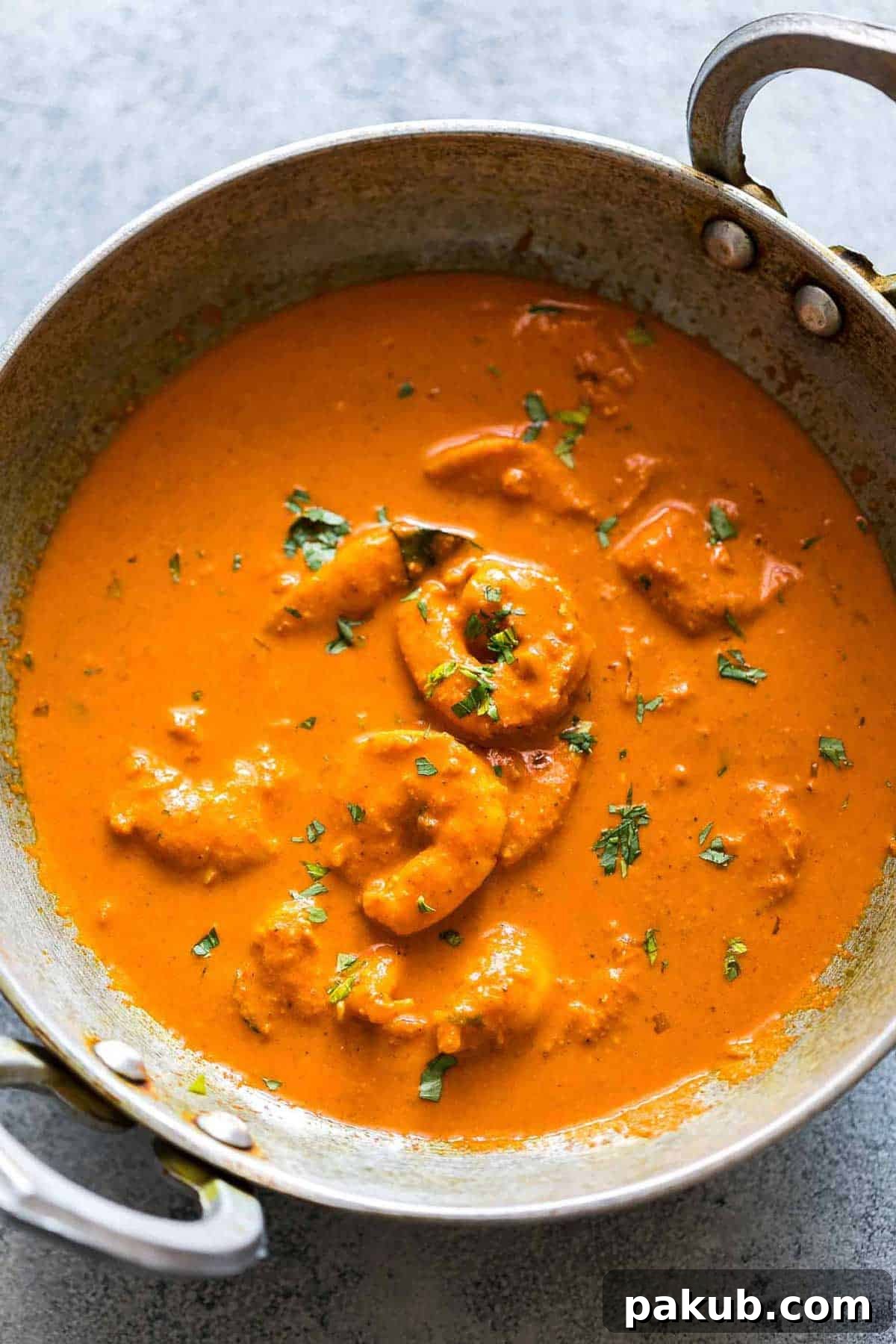
There’s nothing quite like a home-cooked meal that transports you to a different place, offering warmth and comfort with every bite. This Goan Prawn Curry, rich with the essence of coconut, tamarind, and aromatic spices, does exactly that. It’s more than just a dish; it’s an experience that evokes the serene beaches and vibrant culinary heritage of Goa.
My love for coastal Indian cuisine runs deep, greatly influenced by my Mangalorean husband whose family traditions are steeped in delicious seafood preparations. The opportunity to learn this specific Goan prawn curry recipe came from a dear Goan friend, who inherited it from her grandmother – a true testament to its authenticity and generational wisdom. While every Goan household might have its unique twist on Ambot Tik, this particular rendition captures the true spirit of the curries I’ve savored by the Goan seaside, a chilled beer in hand, as the waves gently crash nearby. It’s a recipe that promises to bring that same blissful feeling right to your dining table.
The Allure of Goan Cuisine & Ambot Tik
Goa, India’s smallest state, boasts a rich and distinctive culinary identity shaped by centuries of Portuguese influence and its abundant coastal resources. Goan food is renowned for its fiery heat, sour tang, and generous use of coconut, reflecting the bounty of its land and sea. Ambot Tik, which literally translates to “sour and spicy,” perfectly embodies this philosophy. It’s a cornerstone of Goan cooking, often featuring a variety of seafood, but most famously, succulent prawns.
This curry strikes a beautiful balance between its piquant spices and the creamy sweetness of coconut, all elevated by a refreshing sourness. Unlike many other Indian curries that rely on a base of yogurt or cream, Ambot Tik uses a robust blend of dry spices, chilies, and a souring agent like tamarind or kokum, resulting in a thin yet incredibly flavorful gravy. It’s a dish that celebrates simplicity and the natural flavors of its ingredients, making it an absolute must-try for any seafood enthusiast.
Essential Ingredients for an Authentic Goan Prawn Curry
Crafting this remarkable curry begins with selecting the right ingredients. The magic truly lies in the freshly ground masala paste, which forms the heart and soul of the Ambot Tik.
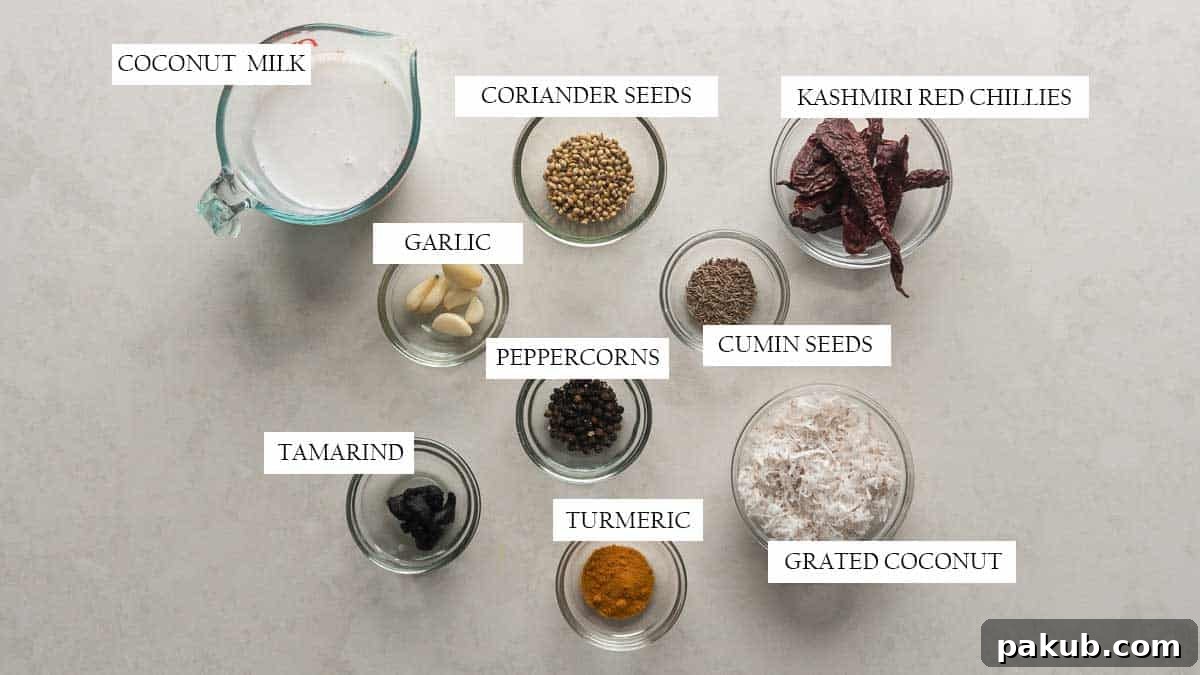
For the Aromatic Masala Paste:
- Spices: The foundation of our masala includes whole coriander seeds, cumin seeds, black peppercorns, and turmeric. These spices are carefully chosen for their unique aromatic profiles and warming qualities, which are characteristic of Goan curries. Coriander offers a citrusy, earthy note, cumin adds depth, peppercorns provide a sharp heat, and turmeric lends its vibrant color and mild, earthy flavor, along with powerful anti-inflammatory properties. Grinding them fresh ensures maximum flavor and fragrance.
- Souring Agent: Tamarind is my preferred choice for its sweet-sour tang and widespread availability. You can use a small knob of tamarind pulp soaked in water, or a teaspoon of ready-made tamarind paste for convenience. An equally authentic and popular alternative in Goan cuisine is kokum. These dried, purple-black fruit rinds impart a distinct sourness and a beautiful hue to the curry. If using kokum, opt for 2-3 pieces instead of tamarind. Both agents provide that essential “tik” (sour) element.
- Coconut Power: This recipe calls for both freshly grated coconut and rich coconut milk. While some traditional Ambot Tik recipes might be thinner and solely rely on spices and a souring agent, the addition of coconut milk, as taught to me, provides a wonderful body and a subtle creamy sweetness to the gravy. Freshly grated coconut, when ground into the paste, releases its natural oils and adds a fine texture, while coconut milk ensures a silky smooth finish.
- Garlic: No good Indian curry is complete without garlic. Its pungent, savory notes are absolutely essential for building a robust flavor base and complementing the seafood.
- Chillies: Kashmiri Red Chillies are the star here. They are prized in Indian cooking not just for their mild heat but, more importantly, for the stunning, deep orange-red color they impart to the curry, making the dish visually appealing. For a spicier kick, you can blend in a few regular dried red chilies alongside the Kashmiri ones, adjusting to your heat preference.
All these ingredients are ground into a silky smooth paste in a blender, forming the flavor powerhouse of our Goan Prawn Curry.
Key Components for the Curry Base:
Once the masala paste is ready, a few more elements come into play to complete the curry:
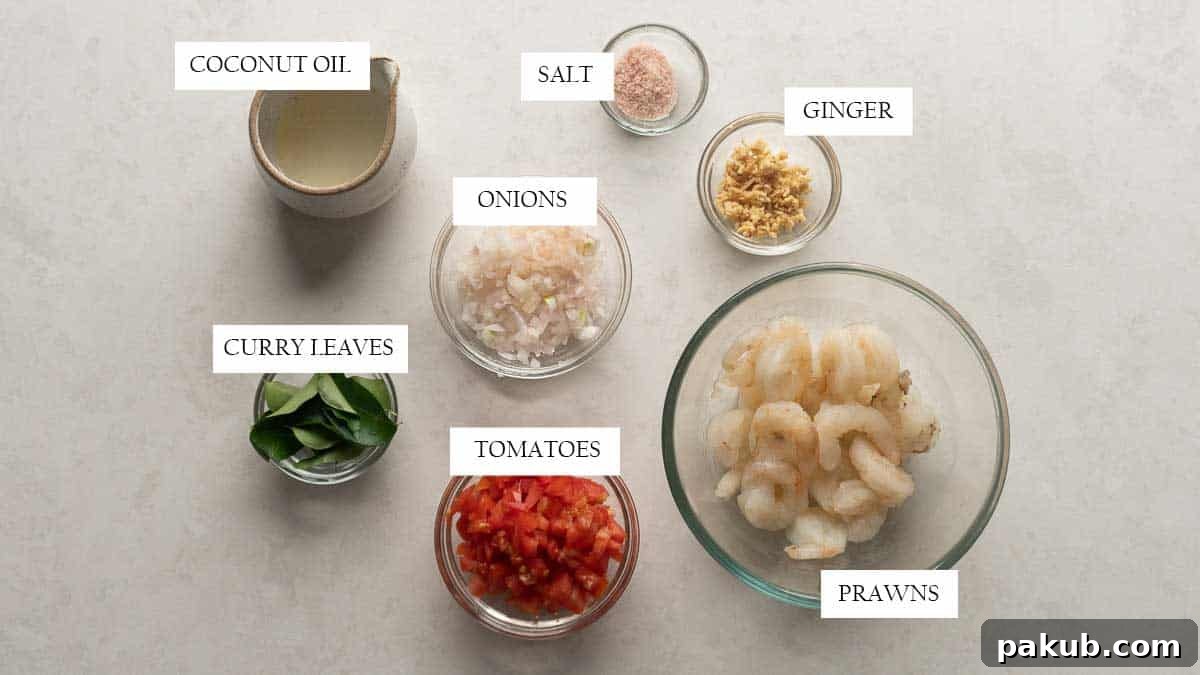
- Coconut Oil: In coastal Indian cooking, coconut oil is paramount. It lends a distinctive aroma and flavor that truly elevates the curry, making it taste authentically Goan. If unavailable, a neutral-flavored oil can be used, but avoid olive oil due to its strong flavor profile that won’t complement this dish. Ghee is also an excellent substitute, offering a rich, nutty flavor.
- Curry Leaves: These fragrant leaves are non-negotiable for their unique, slightly citrusy and nutty aroma. They are typically added at a later stage of cooking to preserve their freshness and infuse the curry with their delicate scent. If fresh curry leaves are hard to find, dried ones can be used, but remember to double the quantity for a comparable flavor impact.
- Prawns (or Shrimp): The star protein! While any size of prawns or shrimp works beautifully, I often opt for large or jumbo prawns for their satisfying texture and ease of consumption. Ensure they are cleaned and deveined for the best experience. The beauty of this curry is its versatility – it works equally well with various types of fish, making it a fantastic base for an authentic Goan Fish Curry too.
- Onions & Tomatoes: Finely chopped onions are sautéed until translucent, forming a sweet base for the gravy. Tomatoes are then added, providing additional tanginess and body as they break down into a pulpy texture.
Frozen vs. Fresh Prawns: Making the Right Choice
When it comes to seafood, especially prawns, the common misconception is that “fresh is always best.” However, if you don’t live directly on the coast with access to freshly caught seafood, frozen prawns are often a superior choice. This is because commercially frozen prawns are typically flash-frozen shortly after being caught, locking in their freshness and preventing bacterial growth. “Fresh” prawns at inland markets might have been thawed and refrozen, or simply transported for days, compromising quality.
For optimal taste and texture when using frozen prawns, proper defrosting is crucial. I recommend a safe defrosting method: place the frozen prawns in a colander in the sink under cold running water for 15-20 minutes, or transfer them to the refrigerator overnight. Avoid using hot water, as this can partially cook them and affect their texture. Prawns defrost relatively quickly, making it easy to prepare the rest of your curry ingredients – grinding the masala, sautéing the onions and tomatoes – while they thaw, ensuring your Goan Prawn Curry is on the table in about 30 minutes!
Mastering the Goan Prawn Curry: Step-by-Step Guide
Follow these simple steps to create a delicious and authentic Goan Prawn Curry:
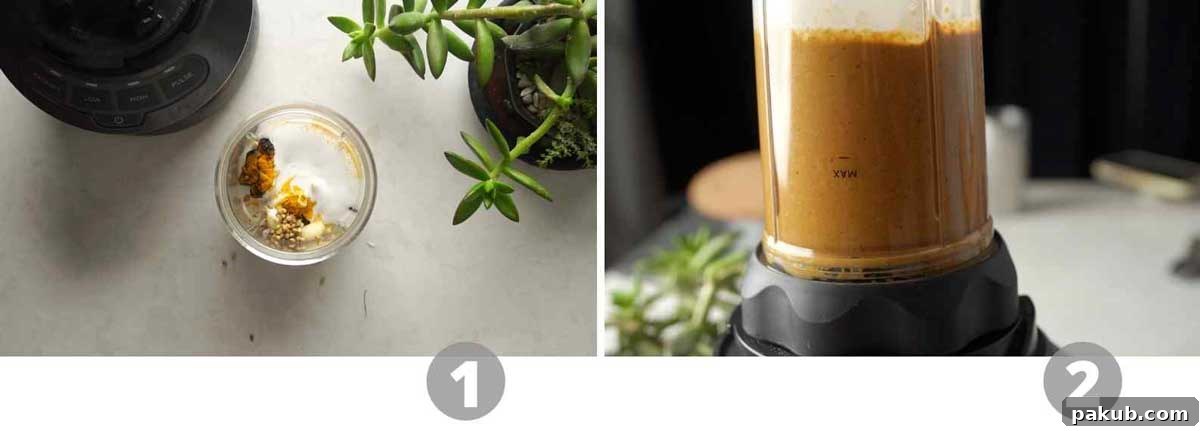
- Prepare the Masala Paste: Begin by combining all the ingredients for the ground masala (dried Kashmiri red chilies, garlic cloves, whole peppercorns, whole coriander seeds, cumin seeds, tamarind or kokum, turmeric powder, freshly grated coconut, and coconut milk) in a blender. Blend until you achieve a wonderfully smooth, deep orange-red paste. The coconut milk should provide sufficient liquid; add a minimal amount of water only if absolutely necessary to achieve the desired consistency.
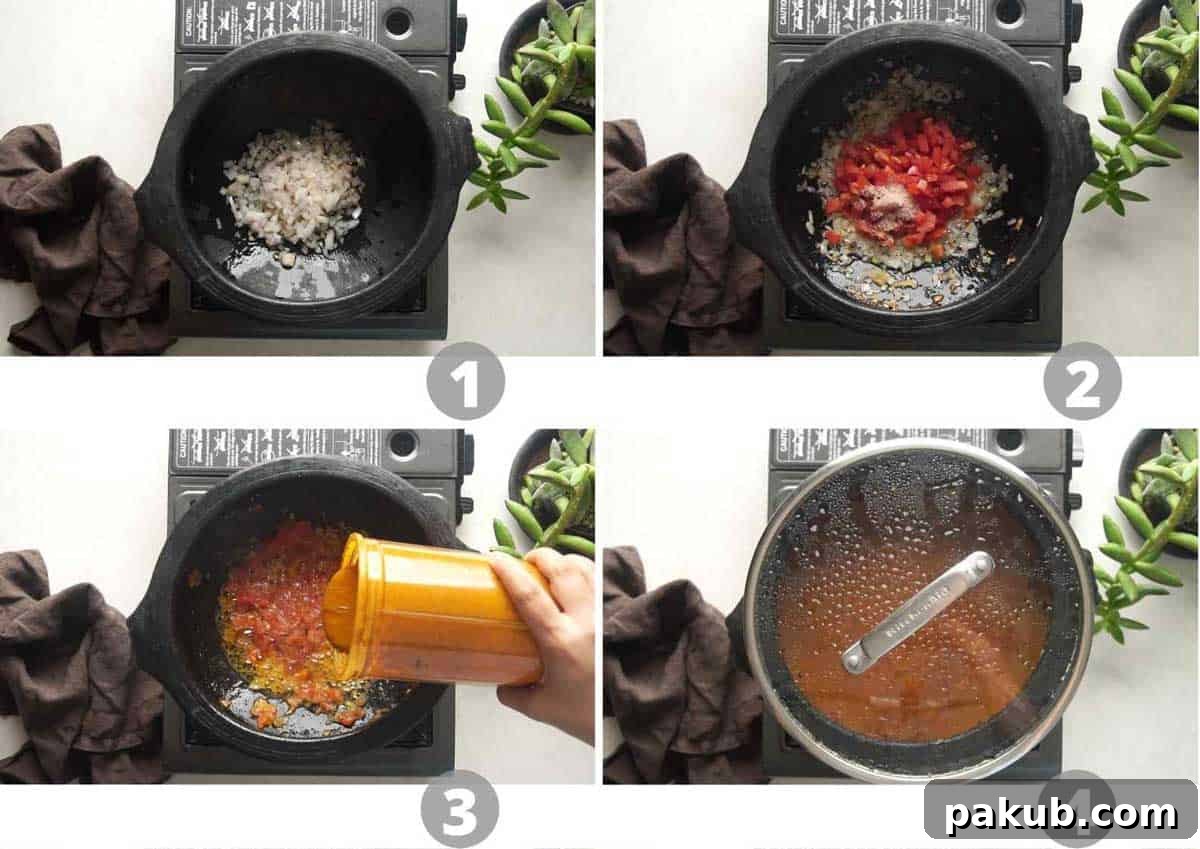
- Build the Gravy Base: Heat coconut oil in a large pan or wok over medium heat. Add the finely minced ginger and chopped onions. Sauté until the onions turn translucent and slightly softened, about 3-5 minutes. This gentle cooking extracts their sweetness.
- Add Tomatoes: Stir in the chopped tomatoes and a pinch of salt. Cook them, stirring occasionally, until they break down, become soft, and release their juices, forming a pulpy mixture. This typically takes another 5-7 minutes. The salt helps in drawing out moisture and aids in the breakdown of tomatoes.
- Incorporate the Masala: Pour the freshly ground curry paste into the pan. Add about a cup of water – you can swirl some water in the blender jar to rinse out any remaining masala paste, ensuring no flavor is wasted. Stir everything well to combine.
- Simmer to Perfection: Bring the curry mixture to a quick boil. Then, reduce the heat to low, cover the pan, and let it simmer gently for at least 10 minutes. This crucial step allows the spices to meld, for the raw flavor of the masala to cook out, and for the oil to separate and float to the top, indicating that the curry base is perfectly cooked and flavorful.
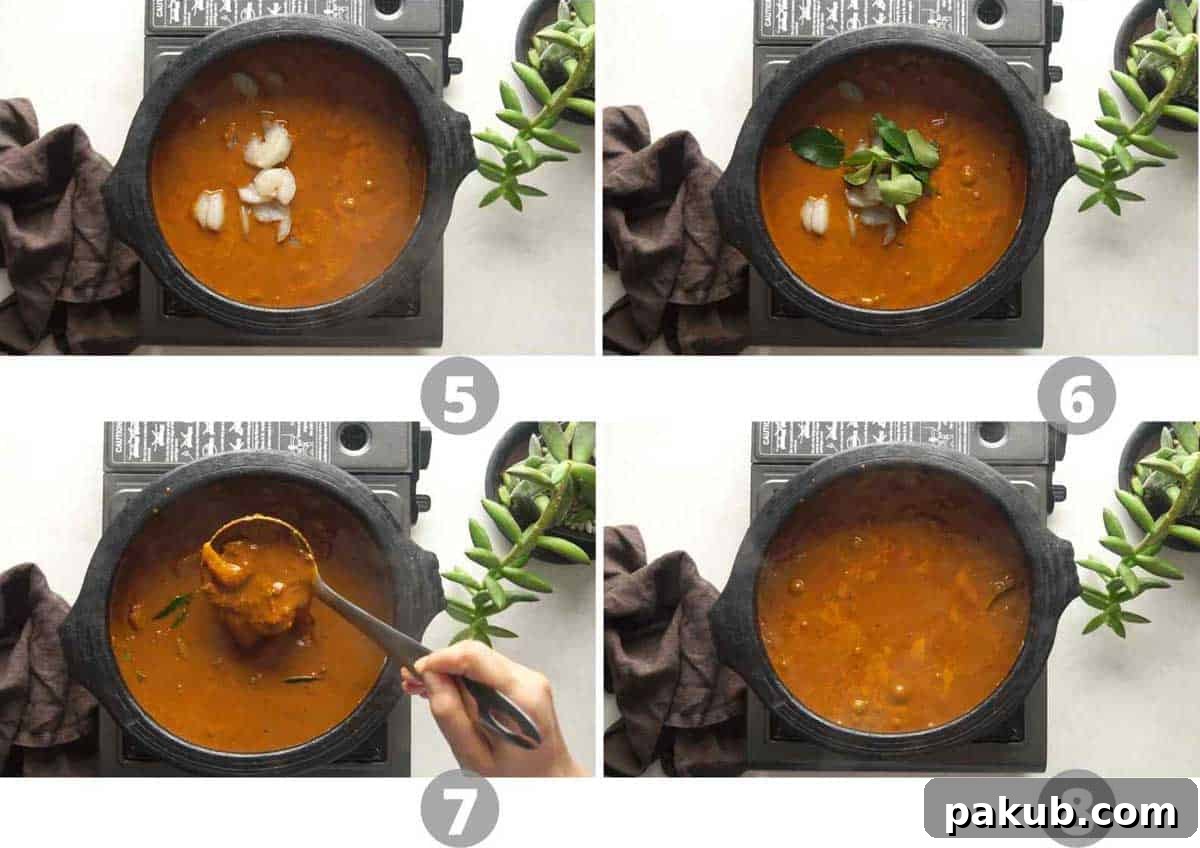
- Add Prawns and Curry Leaves: Once the gravy has simmered and developed its rich color and aroma, add the cleaned and deveined prawns. This is also the ideal time to add the fresh curry leaves, as adding them late preserves their vibrant aroma.
- Final Simmer: Gently mix the prawns into the curry. Bring the curry back to a quick boil, then reduce the heat and simmer for just 5-7 minutes. Prawns cook very quickly and can become rubbery if overcooked, so keep a close eye on them.
- Rest and Serve: Turn off the heat and let the curry rest for 5 minutes. This allows the flavors to deepen and settle. Serve your aromatic Goan Prawn Curry hot with a generous portion of steamed rice. Enjoy this truly authentic coastal delight!
Expert Tips for an Unforgettable Curry
- Achieve a Smooth Masala: Ensure your masala paste is ground thoroughly until it’s incredibly smooth. A high-powered blender is ideal. If the paste remains gritty, the texture and flavor of the final curry will be compromised. Add a tiny splash more water if needed, but avoid making it too thin.
- Prioritize Fresh Coconut: The quality of coconut significantly impacts the curry’s flavor. Always aim for freshly grated coconut. If fresh isn’t available, seek out ‘freshly grated frozen coconut’ from Indian or Asian grocery stores. Dessicated coconut is a different product and will not yield the same creamy texture or authentic flavor.
- Cook the Masala Base Properly: Do not rush the simmering process of the curry base after adding the ground masala. Simmering for at least 10-15 minutes is essential to cook out the raw taste of the spices and allow their flavors to fully develop and meld. This step is crucial for the curry’s depth of flavor.
- Perfect Prawn Cooking Times: Prawns cook very quickly, and overcooking them will result in a tough, rubbery texture. Adjust cooking times based on size:
- Jumbo prawns: 7-8 minutes
- Medium prawns: 4-5 minutes
- Small prawns: Just 2-3 minutes
Cook until they turn opaque and curl slightly.
- Drain Defrosted Prawns: If using frozen prawns, make sure they are completely defrosted and thoroughly drained before adding them to the curry. Any residual water will dilute the rich flavor of your gravy.
- Taste and Adjust: Always taste your curry before serving. Adjust salt, sourness (add a squeeze of lime or a tiny bit more tamarind paste), or spice levels as per your preference.
Serving Suggestions & Cultural Pairing
This Goan Prawn Curry, or Ambot Tik, is traditionally served hot with plain steamed rice, allowing the rich flavors of the curry to truly shine. For an authentic Goan experience, consider pairing it with a refreshing glass of Sol Kadhi, a kokum-infused coconut milk drink that perfectly complements spicy seafood dishes. The curry also goes wonderfully with pav (Goan bread rolls) or fresh chapatis. It’s a versatile dish that can be the star of a weeknight dinner or part of a larger festive spread. Prepare to be transported to the sunny beaches of Goa with every spoonful!
Explore More Coastal Delights
If you loved this Goan Prawn Curry, you might want to explore other sensational seafood recipes inspired by India’s beautiful coastline. Here are some of our favorites:
More Seafood Recipes
Seafood Recipes
Spicy Fish Curry with Coconut and Tamarind
Seafood Recipes
Prawn Rava Fry – Mangalorean Style
Seafood Recipes
New Orleans Shrimp Sausage Gumbo
Seafood Recipes
Rava Pomfret Fish Fry (Mangalorean Style)
Watch the Recipe Video
LOVE THIS RECIPE? Subscribe to our newsletter and be the first to receive all new recipes!

Goan Prawn Curry with Coconut (Ambot Tik)
Rate Recipe
Print Recipe
Want more delicious recipes delivered straight to your inbox? Subscribe to our newsletter!
Ingredients
For the Prawns
- 20 Jumbo Prawns or Shrimp, approx 250 grams, cleaned and deveined
For the ground Masala
- 8-10 Dried Kashmiri Red Chillies
- 6 Garlic Cloves
- 1 teaspoon whole Peppercorns
- 1 tablespoon Whole Coriander Seeds
- 1 teaspoon Cumin seeds
- 1 Small knob of Tamarind, sub with 1 teaspoon Tamarind Paste
- 1 teaspoon Turmeric Powder
- 1/2 cup freshly grated Coconut
- 1 cup Coconut Milk
For the Curry
- 2 tablespoons Coconut Oil
- 1 tablespoon finely minced Ginger
- 1/2 cup finely chopped Onions
- 1/2 cup finely chopped Tomatoes
- 3/4 teaspoon Salt
- 8-10 Curry Leaves
Instructions
-
Grind all the ingredients mentioned under “For the ground Masala” with coconut milk to a smooth paste and set aside.
-
In a pan, heat coconut oil and add ginger and onions. Sauté the onions till they are a light golden brown and then add tomatoes. Cook the tomatoes for 5-7 minutes till they break down easily with the back of a spoon.
-
Add the ground masala and salt to the pan and bring it to a boil. Reduce the flame and simmer the masala for 10-15 minutes till the color deepens slightly and the oil separates.
-
Add the defrosted (ensure water is drained) prawns to the gravy and cook them for 7-8 minutes (cooking times will change based on the size of prawns used – refer to notes below). Sprinkle curry leaves on top, mix well and switch off the flame. Let the curry rest for 5 minutes before serving with steamed rice.
Video
Notes
Note 1 – Prawn Preparation: If you are using frozen prawns, refer to our detailed post on how to defrost prawns safely for best results: https://myfoodstory.com/defrost-prawns-safely/
Note 2 – Tips for the perfect Goan Prawn Curry:
- Wash, clean and devein the prawns thoroughly before using. This step is essential for food safety and the best eating experience.
- If available, always use freshly grated coconut and fresh or homemade coconut milk. If purchasing frozen, look for ‘freshly grated frozen coconut’. Avoid dessicated coconut, as it will significantly alter the flavor and texture.
- Be sure to cook the ground masala paste thoroughly until all its raw smell is gone, which usually takes at least 10 minutes of simmering.
- Make sure to only add fully defrosted and drained prawns. Adding frozen prawns will release excess water into the pan, diluting the curry’s rich flavor.
- Don’t overcook the prawns to prevent them from becoming rubbery. Cook jumbo prawns for 7-8 minutes, medium prawns for 4-5 minutes, and small prawns for only 2-3 minutes.
Nutrition
Carbohydrates: 10g,
Protein: 9g,
Fat: 23g,
Saturated Fat: 20g,
Cholesterol: 76mg,
Sodium: 247mg,
Potassium: 328mg,
Fiber: 3g,
Sugar: 3g,
Vitamin A: 496IU,
Vitamin C: 47mg,
Calcium: 88mg,
Iron: 4mg