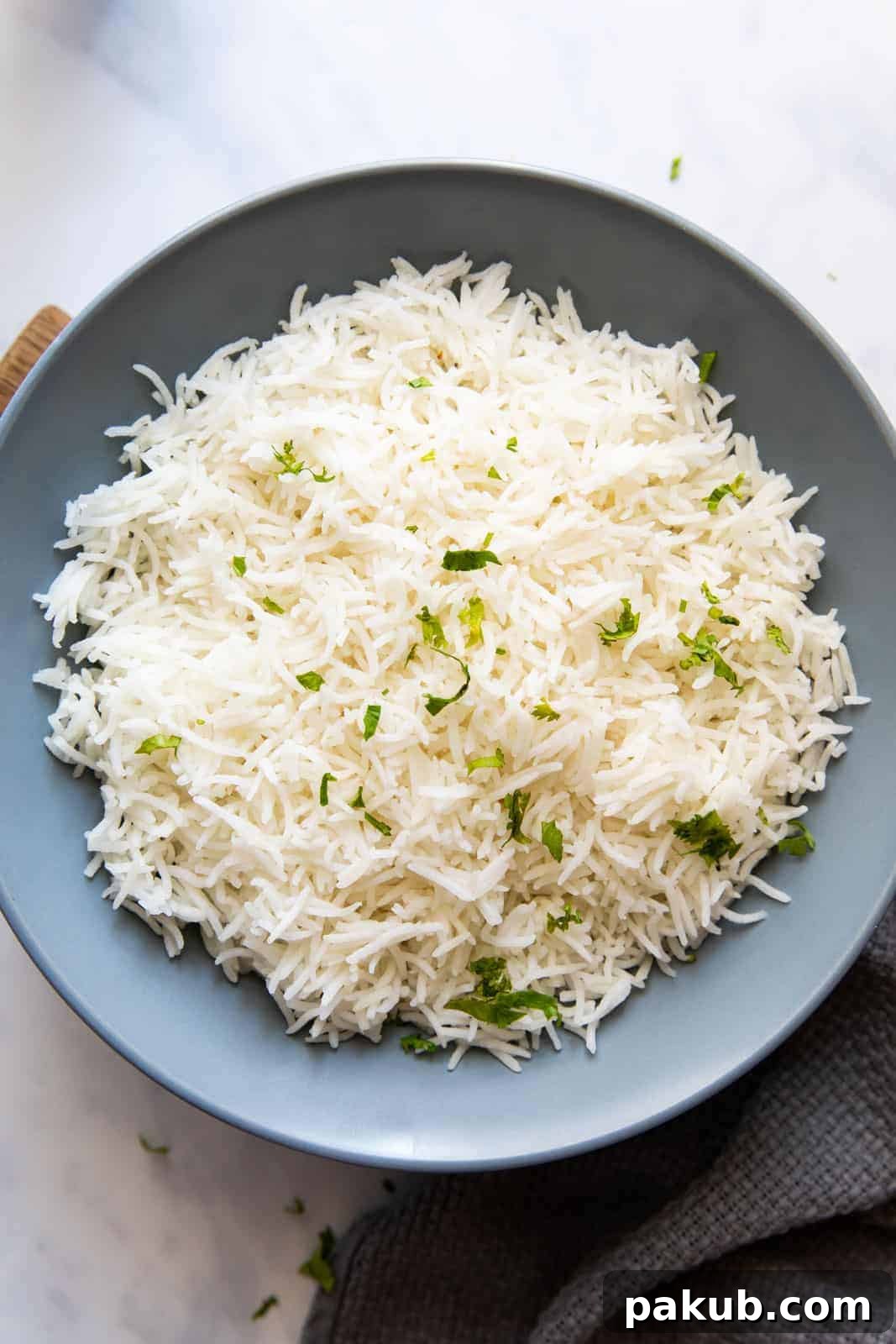
Elevate your cooking with perfectly prepared Basmati Rice. This ultimate guide details tried-and-tested methods for stovetop, Instant Pot, and traditional pressure cooker, ensuring fluffy, distinct grains every time.
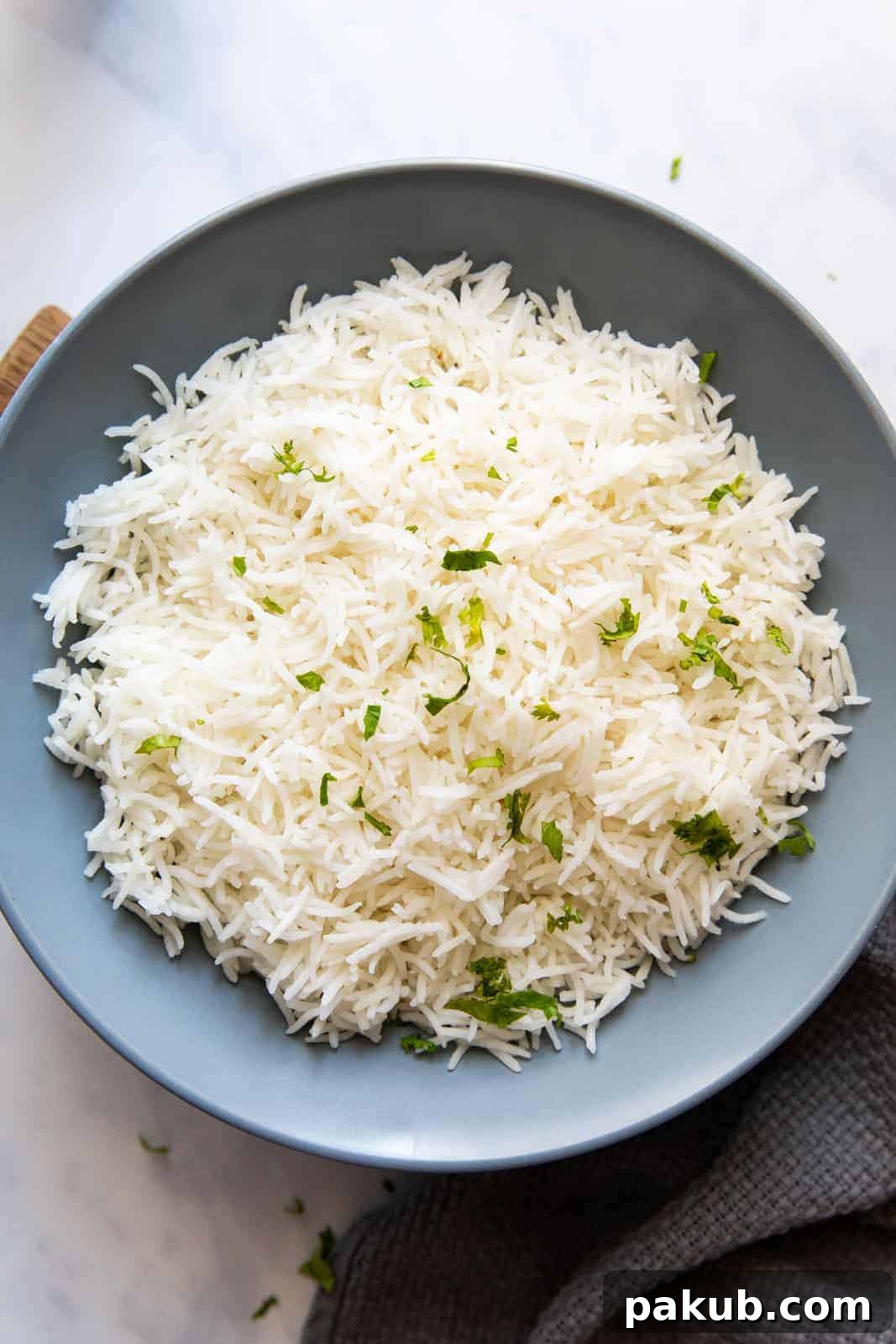
Basmati rice, often hailed as the “Queen of Fragrance,” is a unique long-grain rice celebrated for its delicate aroma, slender grains, and distinct flavor profile. Originating from the Indian subcontinent, it’s a staple in many South Asian, Middle Eastern, and Persian cuisines, and its appeal has spread worldwide. While cooking rice might seem straightforward, mastering Basmati requires a few specific techniques to achieve that coveted fluffy, non-sticky texture where each grain stands proudly on its own.
This comprehensive guide will equip you with all the knowledge you need to cook Basmati rice perfectly, every single time. We’ll explore three popular cooking methods – the classic stovetop, the convenient Instant Pot, and the efficient traditional pressure cooker – ensuring you can choose the technique that best suits your kitchen and lifestyle. Beyond the methods, we’ll dive deep into essential steps, optimal water ratios, flavor enhancements, and valuable tips to transform you into a Basmati rice expert!
The Hallmarks of Perfectly Cooked Basmati
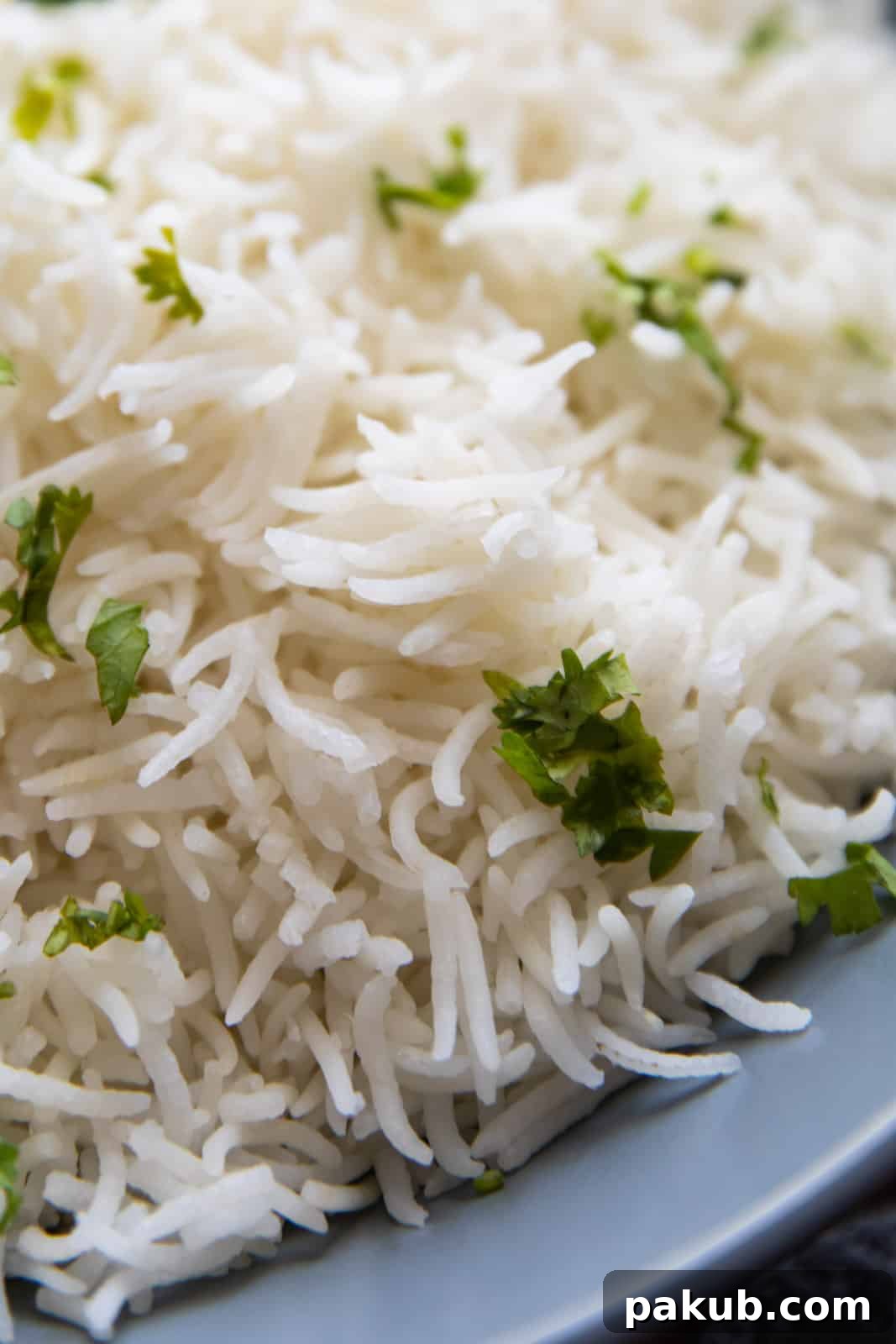
Achieving perfectly cooked Basmati rice isn’t just about cooking it through; it’s about attaining a specific texture that truly showcases its unique qualities. A well-prepared serving of Basmati rice should exhibit the following characteristics:
- Soft and Fluffy: Each grain should be tender to the bite, not hard or chalky.
- Al Dente Texture: While soft, the rice should still have a slight firmness, a pleasant chewiness that prevents it from being mushy. It should never be sticky or pasty.
- Separate Grains: This is perhaps the most defining characteristic. The grains should be distinct from each other, not clumped together. This separation allows the light, aromatic qualities of Basmati to shine through.
- Intact Shape: The long, slender grains should retain their elegant shape, without breaking or appearing jagged.
- Fragrant Aroma: The inherent nutty, floral aroma of Basmati should be pronounced, filling your kitchen with its delightful scent.
These qualities are what elevate Basmati from a simple side dish to a culinary experience. Overcooked Basmati tends to become a sticky, broken mess, while undercooked rice will be hard and unpleasant. Our methods aim to hit that sweet spot every time.
Identifying Authentic Basmati Rice
While all Basmati rice is long-grain, not all long-grain rice is Basmati. It’s crucial to understand the distinction when purchasing, as genuine Basmati contributes significantly to the final dish’s flavor and texture. Here’s what to look for:
- Packaging: Always look for the word ‘Basmati’ clearly printed on the packet. Be wary of generic “long-grain aromatic rice” if you are specifically seeking Basmati.
- Aroma: Uncooked Basmati rice often has a subtle, distinct pandan-like aroma even before cooking. This natural fragrance is a key indicator.
- Grain Shape: Basmati grains are notably long, slender, and pointed at the ends. They are not wide or stubby.
- Ageing: High-quality Basmati rice is typically aged for one to two years. This aging process allows the rice to dry out, reducing its moisture content, which results in firmer, less sticky grains that expand significantly when cooked. Aged Basmati also develops a richer aroma and flavor. Many premium brands will proudly state “aged” on their packaging. For instance, brands like ‘Daawat’s Extra Long Basmati Rice’ are known for being aged over two years, delivering exceptional results.
- Source: Authentic Basmati rice is primarily cultivated in the foothills of the Himalayas in India and Pakistan.
Investing in good quality, aged Basmati rice is the first step towards achieving cooking perfection. It makes a significant difference in the final outcome.
The Golden Rule: Basmati Rice to Water Ratio
The correct rice-to-water ratio is paramount for perfect Basmati. While specific measurements can vary slightly based on the rice’s age, brand, and even humidity, extensive testing has led to reliable ratios for each cooking method. Generally, Basmati requires less water than many other rice varieties due to its lower starch content and how it expands. The ratio can range from 1:1.25 to 1:1.75 cups of water per cup of rice. Understanding these variations for different methods is key:
- Stovetop: This method typically requires a higher water ratio due to evaporation.
- Instant Pot: As a sealed cooking environment, very little water evaporates, demanding a lower ratio.
- Traditional Pressure Cooker: Similar to the Instant Pot, though it may vary slightly based on the cooker model and heat intensity.
We’ve detailed the precise ratios for each method in the recipe card below, ensuring you have a clear starting point. Remember that fine-tuning might be needed after your first attempt, as different brands of rice (especially their age) can absorb water differently.
Essential Steps for Basmati Perfection
Beyond the correct water ratio, a few crucial preparatory and cooking steps differentiate perfectly cooked Basmati from mediocre rice. These steps are vital for achieving separate, fluffy, and aromatic grains.
- Wash the Rice Thoroughly: This is arguably the most critical step for non-sticky Basmati. Washing removes excess starch and any impurities present on the grains. Starch is the primary culprit behind sticky, clumpy rice. Rinse the rice 3-4 times in cold water, gently swirling and rubbing the grains with your fingers. Continue until the water runs mostly clear, no longer milky or cloudy. This ensures optimal grain separation.
- Soak the Rice: While some cooks debate its necessity, soaking Basmati rice for at least 30 minutes before cooking yields superior results. Soaking allows the grains to absorb some water, which helps them cook more evenly and prevents breakage during cooking. It also encourages the grains to elongate beautifully, enhancing their characteristic long shape and making them softer once cooked. Don’t let anyone tell you otherwise; a good soak is a secret weapon for Basmati.
- Utilize Soaking Water for Cooking (Specific Method): In our tested methods, we advocate for soaking the rice directly in the cooking vessel with the measured amount of water. This means you do not drain the soaking water. This technique helps retain some of the rice’s natural aroma and subtle flavors that might otherwise be lost if drained. Crucially, ensure you measure the water for soaking precisely according to the chosen cooking method’s ratio, as this will be the total water used for cooking.
- Resist the Urge to Stir: Once the rice begins to cook, particularly after it comes to a boil and is covered, avoid stirring it. Stirring agitates the grains, causing them to rub against each other, which can lead to breakage and the release of more starch. This results in shorter, stickier grains. Let the rice cook undisturbed to maintain its integrity and fluffiness.
Elevate Your Rice: More Flavour Options
While plain Basmati rice is delightful on its own, it also serves as an excellent canvas for various flavor enhancements. Here are a few ways to add an extra layer of taste and aroma to your perfectly cooked Basmati:
- Use Stock Instead of Water: For a richer, deeper flavor, replace some or all of the cooking water with vegetable, chicken, or beef stock. This adds complexity and umami, making your rice a more substantial side dish.
- Prepare Jeera Rice: A popular Indian preparation, Jeera Rice involves tempering cumin seeds (jeera) in ghee or oil before adding the rice and water. The toasted cumin infuses the rice with a warm, earthy aroma and taste. You can find a detailed recipe for perfect jeera rice to guide you.
- Make Ghee Rice: For a luxurious and aromatic touch, cook your Basmati rice with a spoonful of ghee (clarified butter). The ghee imparts a wonderfully nutty and buttery fragrance that is incredibly appealing, especially when paired with rich curries. Explore a ghee rice recipe for more details.
- Infuse with Saffron: For both exquisite color and a delicate, floral aroma, add a few strands of saffron that have been soaked in a tablespoon of warm milk or water to the rice during cooking. This is a classic enhancement often used in celebratory dishes.
- Add Whole Spices: Enhance the fragrance by adding whole spices like a bay leaf, a couple of green cardamom pods, or a small piece of cinnamon stick to the water before cooking. Remember to remove them before serving, or instruct diners to avoid them.
- Fresh Herbs: A sprinkle of freshly chopped cilantro or parsley after the rice is cooked adds a burst of freshness and color.
Experimenting with these options can transform your Basmati rice from a simple accompaniment into a star of your meal. Having grown up eating high-quality Basmati rice, I understand the nuances of a perfectly cooked grain. These methods and tips are honed from years of experience to help you achieve consistent excellence.
It’s important to remember that slight variations in cooking times and water requirements can occur due to different brands, age of rice, and even altitudes. Don’t be discouraged if your first attempt isn’t absolutely perfect. A little trial and error, combined with these guidelines, will quickly lead you to mastery. If you encounter any challenges, please feel free to comment below, and I’ll be happy to assist you in troubleshooting to ensure you achieve perfectly cooked Basmati rice every single time.
Serving Suggestions: What to Pair with Basmati Rice
Basmati rice is incredibly versatile, making it the perfect accompaniment to a wide array of dishes. Its light texture and fragrant aroma complement both rich and delicate flavors. Here are some classic pairings:
- Paneer Butter Masala: The creamy, rich tomato-based curry finds its perfect match in fluffy Basmati, allowing the rice to absorb the vibrant flavors.
- Dal Makhani: A quintessential Indian lentil dish, its buttery, smoky richness is beautifully balanced by the delicate grains of Basmati.
- Butter Chicken: The sweet and tangy notes of this popular chicken curry are wonderfully highlighted by the neutral, aromatic canvas of Basmati rice.
- Chicken Korma: The mild, creamy, and nutty flavors of a Korma sauce are a classic pairing with Basmati, allowing the rice to soak up the sauce without becoming heavy.
- Vegetable Korma: A delightful vegetarian alternative, the medley of vegetables in a creamy sauce is exquisitely complemented by Basmati rice.
- Grilled Meats or Fish: The lightness of Basmati makes it an ideal side for grilled proteins, providing a textural contrast without overpowering the main dish.
- Stews and Curries (Any Cuisine): From Middle Eastern stews to various Asian curries, Basmati rice’s ability to absorb flavors while remaining separate makes it a universal choice.
No matter your main course, a serving of perfectly cooked Basmati rice is sure to enhance the dining experience.
How to Cook Basmati Rice (3 Ways)
By: Richa
Learn how to cook Basmati Rice with my tried and tested methods. This is more like a guide to Basmati rice where you can choose from three methods – stovetop, Instant Pot, and traditional pressure cooker.
Prep Time: 2 mins
Cook Time: 10 mins
Total Time: 12 mins
Servings: 4 portions
Equipment
- Instant Pot
- Pressure Cooker
Ingredients
General Preparation:
- Basmati Rice (amount varies by method)
- Water (amount varies by method)
- Salt to taste (optional, can be added to water)
Stovetop Method (for 1 cup rice):
- 1 cup Basmati Rice
- 1 3/4 cup Water
Instant Pot Method (for 1 cup rice):
- 1 cup Basmati Rice
- 1 1/4 cup Water
Traditional Pressure Cooker Method (for 1 cup rice):
- 1 cup Basmati Rice
- 1 1/2 cups Water
- 1/2 teaspoon Oil (optional, helps prevent sticking)
Instructions
General Preparation (Applies to all methods):
- Wash the Rice: Place the desired amount of Basmati rice in a bowl and add enough cold water to cover it by 1-2 inches. Gently rub the rice with your fingers and swirl the water around. The water will become cloudy and milky due to starch. Drain the water and repeat this process 3-4 times until the water runs mostly clear. This step is crucial for non-sticky rice.
- Soak the Rice: Transfer the washed rice to the vessel you intend to cook it in. Add the precise amount of water specified for your chosen cooking method (see ratios below for each). Let the rice soak for a minimum of 30 minutes. Do not drain this soaking water, as it will be used for cooking.
Stovetop Method:
- After soaking the rice in its measured water in a pot for 30 minutes, place the pot on the stove over medium-high heat.
- Bring the water to a rolling boil. As soon as it starts boiling vigorously, immediately reduce the heat to the lowest simmer setting. Cover the pot tightly with a lid and cook for exactly 10 minutes.
- After 10 minutes, turn off the heat completely but do not remove the lid. Let the rice rest, undisturbed, for another 5 minutes. This resting period allows the steam to redistribute and the grains to become perfectly fluffy.
- Fluff the Basmati rice gently with a fork and serve immediately.
Instant Pot Method:
- After soaking the rice in its measured water in the Instant Pot’s inner pot for 30 minutes, secure the lid and set the valve to “Sealing.”
- Select the “Manual” or “Pressure Cook” setting and set the cooking time for 4 minutes on HIGH pressure.
- Once the cooking cycle is complete and the Instant Pot beeps, allow the pressure to release naturally for 8 minutes (NPR 8).
- After 8 minutes of natural release, carefully switch the valve to “Venting” to quick release any remaining pressure. Once the pin drops, open the lid.
- Fluff the Basmati rice gently with a fork and serve.
Traditional Pressure Cooker Method:
- After soaking the rice in its measured water in the pressure cooker for 30 minutes, add the optional 1/2 teaspoon of oil (this helps prevent grains from sticking).
- Secure the lid on the pressure cooker and place it on medium-high heat.
- Cook until you hear two whistles (or follow your pressure cooker’s specific instructions for rice).
- As soon as you hear the second whistle, turn off the gas and let the pressure release naturally. Do not open the lid prematurely.
- Once all the pressure has released, open the lid, gently fluff the Basmati rice with a fork, and serve.
Notes
- Cooking times and water requirements can vary slightly depending on the brand, age, and type of Basmati rice. Older, more aged rice may absorb less water. Adjust accordingly after your first batch.
- Do not skip the washing step. Insufficient rinsing is the most common reason for sticky or gummy Basmati rice.
- To enhance flavor, consider using vegetable or chicken stock instead of water. Alternatively, prepare jeera rice or add a few strands of saffron during cooking for color and aroma.
- To store leftover cooked Basmati rice, pack it loosely in an airtight container and refrigerate for 3-4 days. When reheating, sprinkle a few drops of water over the rice to restore moisture and prevent drying out.
- For an extra layer of flavor and to prevent sticking, adding a teaspoon of ghee or a neutral oil to the cooking water (especially for stovetop or pressure cooker methods) can work wonders.
Nutrition (per 1 cup cooked Basmati rice, approximate values)
These values are approximate and may vary based on specific brands and added ingredients.
- Calories: 511 kcal
- Carbohydrates: 111g
- Protein: 10g
- Fat: 1g
- Saturated Fat: 1g
- Sodium: 20mg
- Potassium: 160mg
- Fiber: 2g
- Sugar: 1g
- Calcium: 45mg
- Iron: 1mg
Like this recipe? We’d love to hear from you!
Please rate the recipe and share your comments below. Your feedback helps us improve and inspires other home cooks.