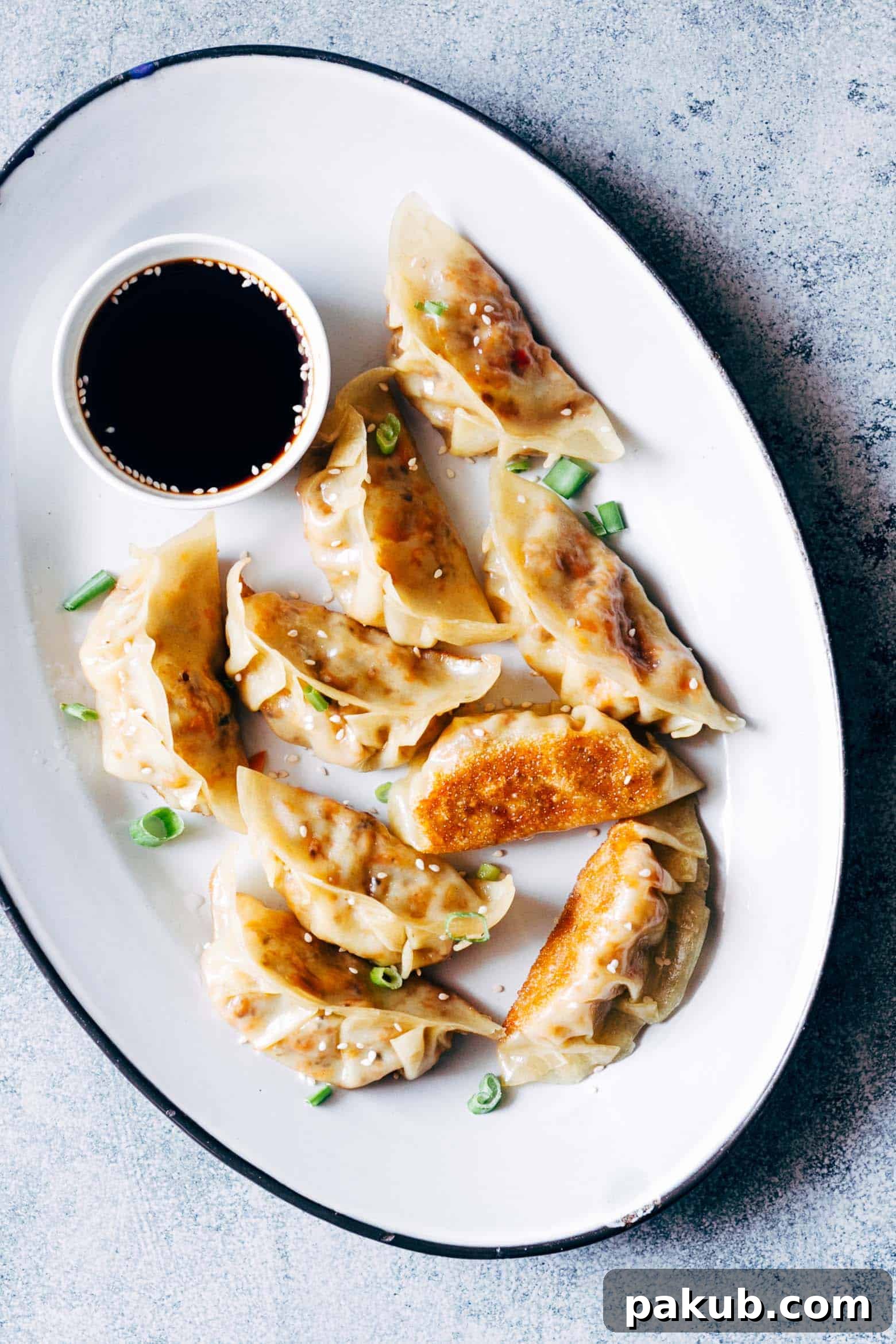
These vegetarian gyoza potstickers are stuffed with a delicious mixture of carrots, shiitake mushrooms and paneer and are insanely easy to make! Don’t be intimidated because I have step-by-step instructions for you to make them at home.
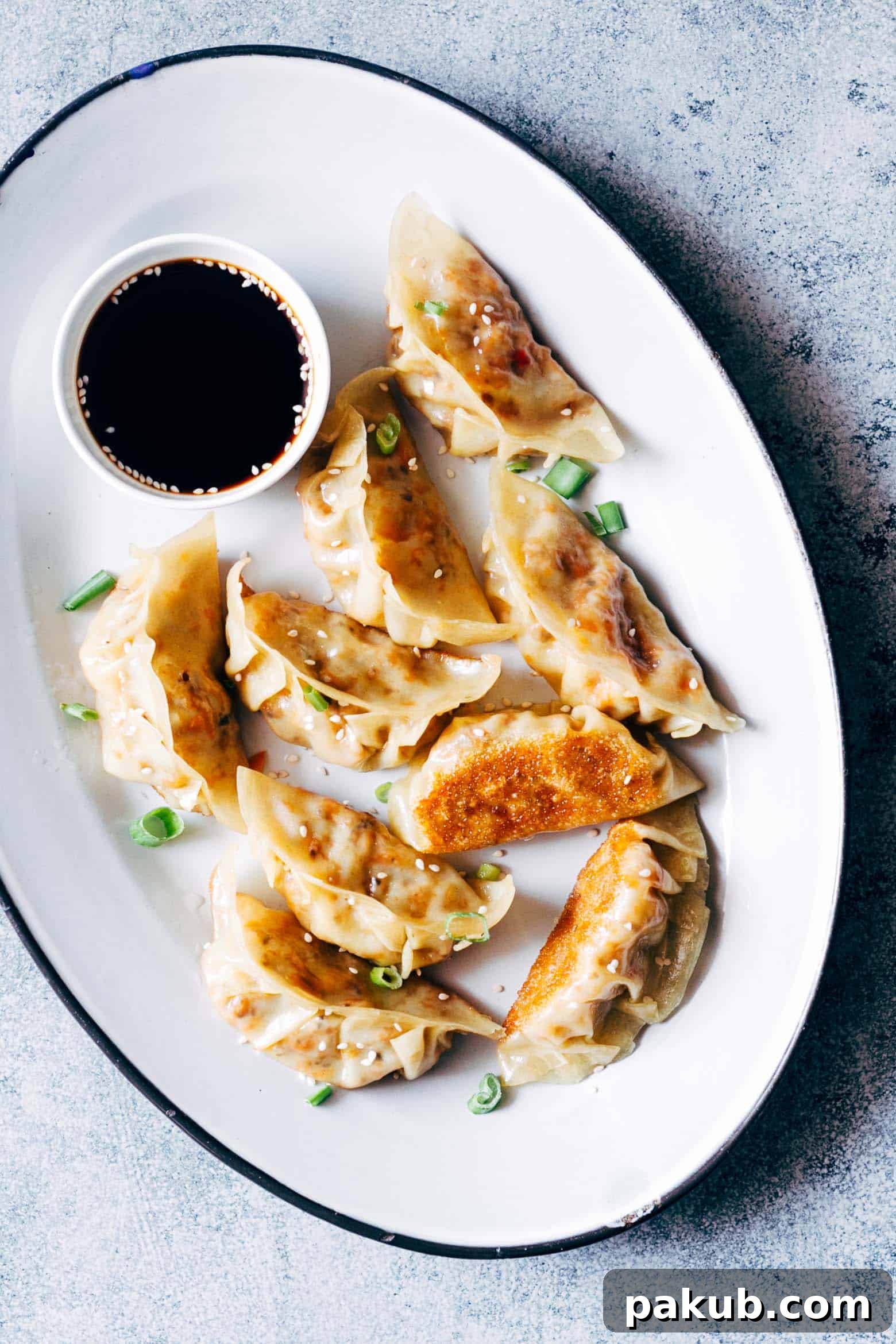
Mastering Delicious Vegetarian Gyoza Potstickers: Your Ultimate Guide
Welcome to the world of homemade dumplings! There’s something truly satisfying about biting into a perfectly pan-fried potsticker with a crispy bottom and a tender, flavorful filling. While traditionally made with meat, these vegetarian gyoza potstickers prove that plant-based options can be just as, if not more, delightful. Crafted with a delectable mix of umami-rich shiitake mushrooms, sweet carrots, and creamy paneer, these dumplings are a game-changer for vegetarians and meat-lovers alike. Forget your fears about complex dumpling making – I’m here to guide you through every simple step.
My journey into making these incredible vegetarian gyoza began a few years ago when my dear friend Maggie, an esteemed food blogger from Omnivore’s Cookbook, visited. She patiently answered my myriad questions about achieving the perfect gyoza and taught me the intricate yet rewarding art of wrapping potstickers. Her expertise transformed my apprehension into excitement, and now I’m eager to share that simplified knowledge with you.
Table of Contents
- Top Tips for Making the Best Vegetarian Gyoza Potstickers
- Frequently Asked Questions (FAQs)
- Watch How To Make Vegetarian Gyoza Potstickers
- Full Recipe: Vegetarian Gyoza Potstickers with Carrot and Paneer
- Other Chinese Recipes You Might Enjoy

While gyoza potstickers are often associated with a savory pork and cabbage filling, this recipe offers a fantastic plant-based alternative that doesn’t compromise on flavor or texture. The inclusion of shiitake mushrooms is key here; they not only provide a deep, earthy umami flavor that rivals meat but also contribute a satisfying chewiness. Combined with the natural sweetness of carrots and the soft, rich texture of paneer, these vegetarian gyoza offer a complex taste profile that is both comforting and exotic. Trust me, whether you follow a vegetarian diet or are a dedicated carnivore, these potstickers are guaranteed to become a new favorite!
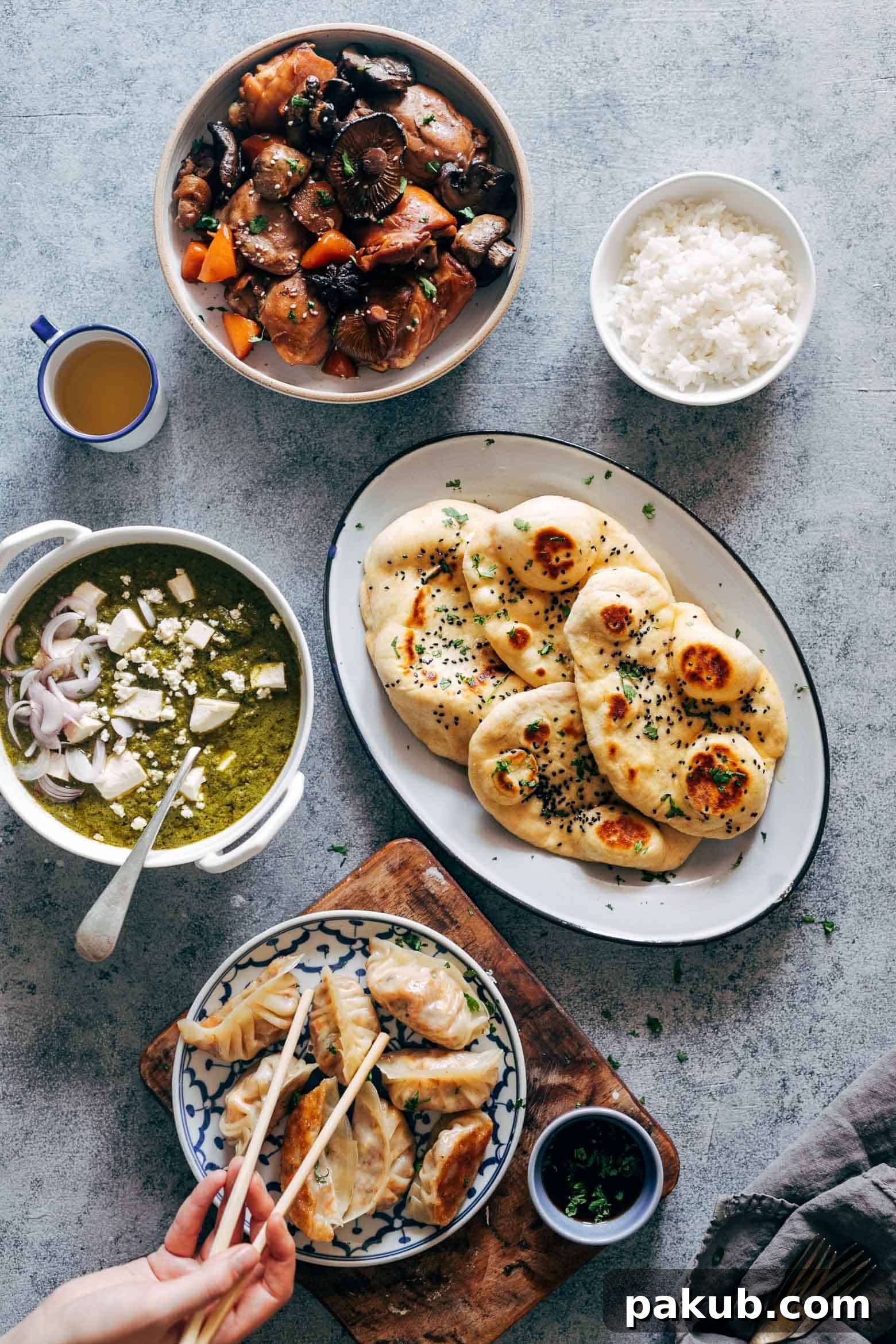
A Culinary Feast: What Maggie and I Cooked Up
During Maggie’s visit, our kitchen was a bustling hub of delicious aromas and exciting culinary experiments. Alongside these innovative vegetarian gyoza potstickers, we created a spread of delightful dishes. Here’s a glimpse of the feast we enjoyed:
- Vegetarian Gyoza Potstickers with Carrot and Paneer (Adapted from these carrot dumplings)
- Chinese Braised Chicken and Mushrooms
- Palak Paneer
- No Yeast Instant Naan
Top Tips for Making the Best Vegetarian Gyoza Potstickers
Crafting the perfect vegetarian gyoza potstickers doesn’t have to be daunting. Follow these expert tips to ensure your dumplings are consistently delicious, easy to make, and store:
- Ensure Uniform Ingredient Size for the Filling: For the best flavor and texture, it’s crucial to cut or pulse all the filling ingredients, especially the carrots and shiitake mushrooms, as evenly as possible. Uniform pieces will cook consistently, preventing some parts from being undercooked while others are overcooked. This also contributes to a pleasant mouthfeel in every bite, allowing the flavors to meld beautifully. Using a food processor on a pulse setting can make this task much easier and faster.
- Opt for Lower Moisture Content Vegetables: While the filling is highly customizable, I strongly recommend choosing vegetables with naturally lower moisture content or ensuring any high-moisture vegetables are thoroughly cooked down. Excess moisture can make the gyoza wrappers soggy and prone to breaking during cooking. For instance, if using spinach, make sure to sauté and squeeze out any excess water before adding it to the filling. This prevents your delicate wrappers from becoming wet and falling apart, ensuring a perfect crispy bottom.
- Embrace Meal Prep – Gyoza Freezes Beautifully: This recipe is incredibly meal-prep friendly, making it perfect for busy weeknights or unexpected cravings. I often prepare a large batch of these vegetarian gyoza and store them in freezer-safe ziplock bags. When properly frozen (see notes in the recipe card), they can last for up to three months. The best part? There’s no need to defrost them! Simply take them directly from the freezer and cook as instructed, adding a few extra minutes to the cooking time. It’s convenience and deliciousness rolled into one!
- Easily Adapt for a Vegan Diet: This recipe is inherently vegetarian, but transforming it into a delicious vegan dish is remarkably simple. Just swap out the paneer (Indian cottage cheese) with an equal amount of firm or extra-firm tofu. Ensure you press the tofu well to remove any excess water before crumbling and adding it to the filling. Tofu will absorb the flavors beautifully and provide a similar textural richness and protein boost, making these vegan gyoza just as satisfying.
Frequently Asked Questions (FAQs) About Gyoza and Potstickers
1. What are Chinese potstickers?
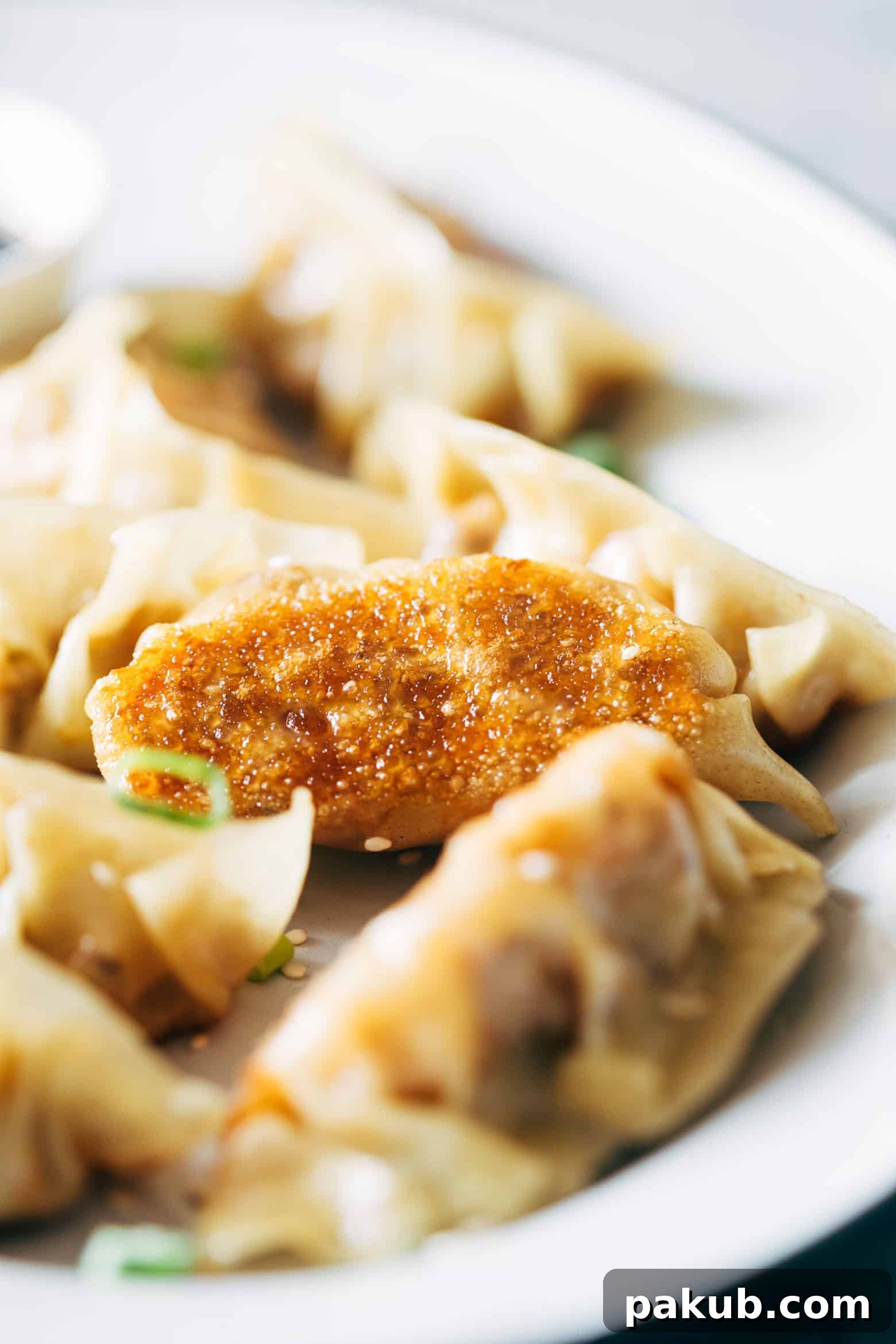
Chinese potstickers are a beloved type of dumpling, known for their unique cooking method that results in a crispy, golden-brown bottom and a tender, steamed top. The name “potsticker” is a direct translation of their Chinese name, 鍋貼 (guotie), which literally means “pan stick.” This refers to how they adhere slightly to the pan during pan-frying, creating that irresistible crispy crust. These versatile parcels of flavor are also known as momos in parts of India and Nepal. While potstickers are specifically pan-fried, other dumplings like 水餃 (shuijiao) are boiled, and 蒸餃 (zhengjiao) are steamed.
2. How are potstickers cooked to achieve their signature texture?
The cooking process for potstickers is what gives them their distinctive dual texture. First, once the dumplings are carefully wrapped and sealed, they are placed in a hot pan with a little oil. They are pan-fried until their bottoms turn beautifully toasted and golden brown, developing a satisfying crispiness. Then, a small amount of water is added to the pan, and it’s quickly covered with a lid. This traps the steam, allowing the rest of the dumpling to cook through and become tender. The water eventually evaporates, leaving you with perfectly cooked potstickers that have a wonderfully crispy bottom, living up to their “pan stick” name.
3. Can I steam these dumplings instead of pan-frying them?
Absolutely! If you prefer a lighter, less oily dumpling, or simply aren’t in the mood for pan-frying, these vegetarian gyoza can be easily steamed. Simply arrange them in a steamer basket lined with parchment paper (to prevent sticking), ensuring they have enough space between them. Steam them for approximately 8-10 minutes, or until the wrappers are translucent and the filling is heated through. This method offers a delicious alternative, highlighting the freshness of the filling without the added crispiness.
4. What’s the difference between gyoza and potstickers?
While often used interchangeably, gyoza and potstickers originate from different culinary traditions – gyoza from Japan and potstickers from China. Both are pan-fried dumplings, but they have subtle distinctions. Gyoza are typically smaller and have a thinner, more delicate wrapper, which is often pre-fabricated. Potstickers, on the other hand, traditionally feature slightly thicker, sometimes homemade wrappers. The filling in gyoza tends to be more finely minced, while potsticker fillings can be a bit chunkier. For this recipe, I’ve used pre-fabricated gyoza wrappers, marrying the convenience of gyoza with the beloved pan-frying technique of potstickers – hence, “vegetarian gyoza potstickers.”
5. What goes into the perfect potsticker dipping sauce?
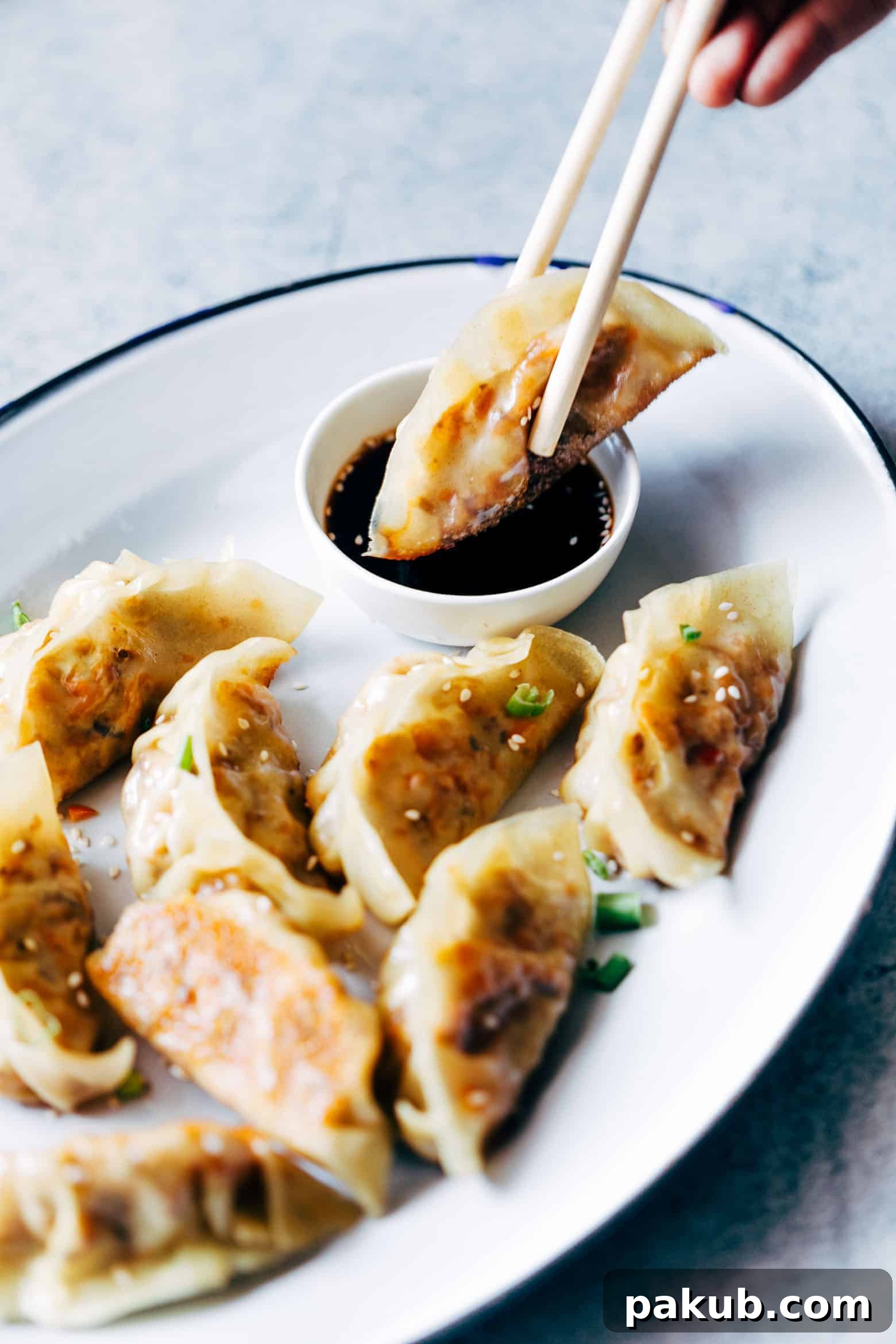
A fantastic dipping sauce elevates potstickers from great to extraordinary! According to Maggie, the ideal dipping sauce for these vegetarian gyoza potstickers is a harmonious blend of several key ingredients. It typically includes soy sauce, rice wine vinegar, sesame oil, and a touch of brown sugar for sweetness. For those who enjoy a little heat, crushed red pepper flakes are an excellent optional addition. I also like to stir in some toasted sesame seeds for an extra layer of flavor and a delightful crunch. This combination creates a balanced sauce that is savory, tangy, and slightly sweet – truly a perfect accompaniment!
By now, I hope you’re convinced to give these vegetarian gyoza potstickers a try! To further assist you in mastering the art of dumpling making, I want to share this incredible video made by Maggie. It makes the entire process of making potstickers a cinch. The video has garnered over 900,000 views on YouTube and even delves into how to make your own homemade wrappers, if you’re feeling adventurous enough to try that too!
Watch How To Make Vegetarian Gyoza Potstickers
Vegetarian Gyoza Potstickers with Carrot and Paneer Recipe
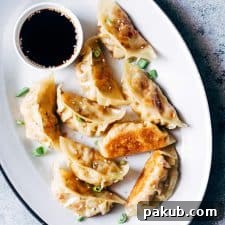
Vegetarian Gyoza Potstickers with Carrot and Paneer
By: Richa
These vegetarian gyoza potstickers are stuffed with a delicious mixture of carrot, shiitake mushrooms and paneer and are insanely easy to make! Don’t be intimidated because I have step-by-step instructions for you to make them at home.
Average rating: 5 out of 5 stars from 15 votes.
- Prep Time: 30 minutes
- Cook Time: 15 minutes
- Total Time: 45 minutes
- Servings: 3 portions
Ingredients
Main:
- 2 tablespoons Oil (for cooking)
- 30 round Gyoza or Dumpling Wrappers
For the filling:
- 3 Carrots, peeled and diced
- 1 cup dried Shiitake mushrooms, soaked in hot water for 30 minutes
- 2 teaspoons Sesame Oil
- 1 teaspoon Ginger, minced
- 1 teaspoon Garlic, minced
- 1/2 cup Crumbled Paneer / Cottage Cheese (substitute with pressed firm tofu for vegan)
- 1 tablespoon Light Soy Sauce
- 1/2 teaspoon Salt
- 1/2 teaspoon Ground Black Pepper
Instructions
- Prepare the Filling Base: Begin by draining the soaked shiitake mushrooms thoroughly. Place the drained mushrooms and diced carrots into a food processor. Pulse a few times until the mixture is finely minced but retains some texture – avoid over-processing into a mush. If you don’t have a food processor, you can finely grate the carrots and meticulously chop the mushrooms by hand.
- Cook the Aromatic Filling: Heat 2 teaspoons of sesame oil in a large pan or skillet over medium heat. Add the minced ginger and garlic, and sauté for about 1-2 minutes until they become fragrant. Be careful to not let them brown too much. Incorporate the finely minced carrot and shiitake mushroom mixture into the pan. Cook this mixture for approximately 4-5 minutes, stirring occasionally, until the carrots have softened to your liking.
- Finalize the Filling: Once the carrot and mushroom mixture is cooked and tender, add the crumbled paneer (or pressed tofu if making vegan), light soy sauce, salt, and ground black pepper to the pan. Stir all the ingredients together and cook for just another minute or so to heat everything through and allow the flavors to meld. Remove the pan from the heat and set the filling aside to cool completely. A cooled filling is much easier to work with when wrapping dumplings.
- Set Up Your Dumpling Station: Prepare a large baking sheet or tray by lightly greasing it with oil to prevent the wrapped dumplings from sticking. Gather a small bowl of water (for sealing wrappers), your gyoza wrappers, the cooled filling, and a clean, damp towel. The damp towel is crucial for covering your wrapped dumplings to prevent them from drying out as you work.
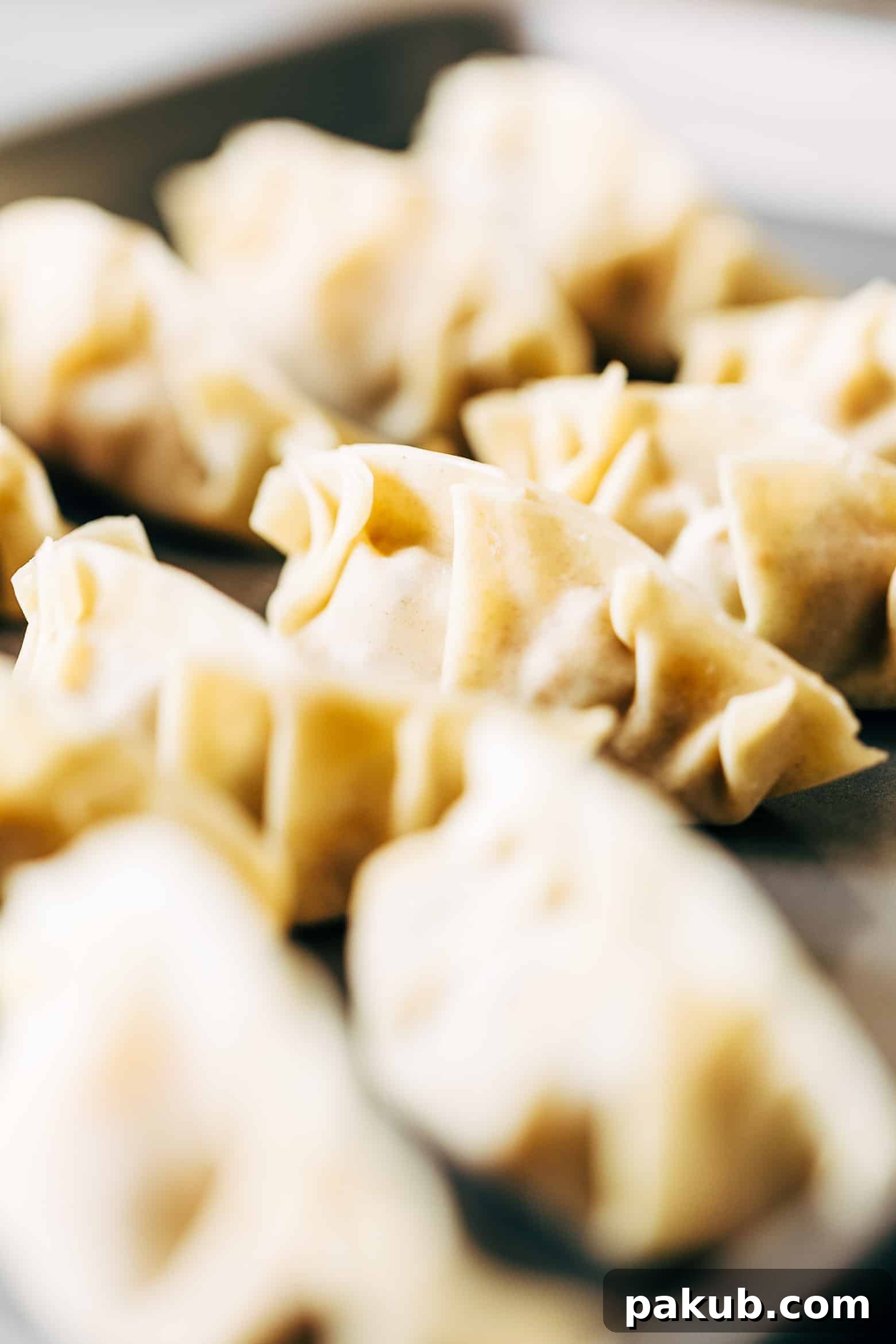
- Wrap the Dumplings: Take one gyoza wrapper and lay it flat in the palm of your hand. Place about 1 teaspoon to 1 tablespoon of the cooled filling (adjust based on wrapper size) in the center of the wrapper. Dip your finger into the bowl of water and lightly moisten the edges of half of the wrapper. Carefully bring the bottom edge of the wrapper up to meet the top edge, forming a half-moon shape. Pinch the very center together firmly to create a initial seal.
- Create the Classic Pleats: Starting from one side of the pinched center, use your thumb to hold one side of the wrapper while using the index finger and thumb of your other hand to create small pleats along the moistened edge. Press each pleat firmly against the unpleated edge to seal it securely. Repeat this pleating process on the other side until you have 2-3 distinct pleats on each side, achieving that iconic gyoza appearance. Ensure all edges are tightly sealed to prevent the delicious filling from escaping during cooking. If you need a visual aid, refer to the embedded video above for detailed pleating techniques.
- Store Wrapped Dumplings: As each dumpling is wrapped, place it individually on the prepared, lightly oiled tray. Make sure the dumplings do not touch each other to prevent them from sticking together. Immediately cover the tray with the damp towel to keep the wrappers moist and pliable. Continue this process until all of the filling and wrappers have been used.
- Pan-Fry the Potstickers: To cook, heat 1 tablespoon of oil in a large non-stick skillet over medium-high heat. Carefully arrange a single layer of your wrapped dumplings in the pan, ensuring they do not overlap. Cook the dumplings for 2-3 minutes until their bottoms turn a beautiful, crispy golden brown.
- Steam to Perfection: Once the bottoms are crispy, carefully add approximately 1/4 cup of water to the pan (be cautious as it will sizzle). Immediately cover the skillet tightly with a lid. Reduce the heat to medium-low and allow the dumplings to steam for 4-5 minutes, or until all the water has completely evaporated and the wrappers appear translucent and tender. Remove the lid and, if desired, increase the heat slightly for another minute to re-crisp the bottoms to your preference.
- Serve Immediately: Transfer the perfectly cooked potstickers to a serving platter. Serve them piping hot with your favorite dipping sauce for an irresistible culinary experience.
Notes
- Freezing Dumplings for Future Enjoyment: To freeze uncooked dumplings, arrange them on a lightly floured or oiled baking sheet, ensuring they do not touch each other. Cover the tray tightly with plastic wrap and place it in the freezer. Once the dumplings are completely solid (typically 1-2 hours), you can transfer them into a large freezer-safe ziplock bag or an airtight container. They will maintain their quality in the freezer for up to 3 months, offering a convenient meal solution.
- Cooking Frozen Dumplings: When cooking frozen dumplings, there’s no need to thaw them beforehand. Simply add an additional 2-3 minutes to the steaming time mentioned in the instructions (Step 9) to ensure they cook through completely and reach the desired tenderness.
- Availability of Gyoza Wrappers: Pre-made round gyoza or dumpling wrappers are widely available and can typically be found in the frozen section of most large grocery stores or Asian specialty markets, making this recipe accessible to home cooks everywhere.
Nutrition Information (per serving)
- Calories: 418 kcal
- Carbohydrates: 58 g
- Protein: 13 g
- Fat: 15 g
- Saturated Fat: 2 g
- Cholesterol: 13 mg
- Sodium: 1323 mg
- Potassium: 449 mg
- Fiber: 4 g
- Sugar: 4 g
- Vitamin A: 10240 IU
- Vitamin C: 4 mg
- Calcium: 84 mg
- Iron: 3 mg
We truly hope you enjoy making and savoring these incredible vegetarian gyoza potstickers. They are a testament to how flavorful and exciting plant-based cuisine can be. Don’t forget to rate the recipe and share your experience in the comments below – we’d love to hear from you!
Other Delicious Chinese Recipes You Might Enjoy
- Chinese Potli Samosa Wontons
- Crunchy Chinese Chicken Salad
- Asian Cucumber Salad
- Chilli Garlic Fried Rice
- Dragon Chicken