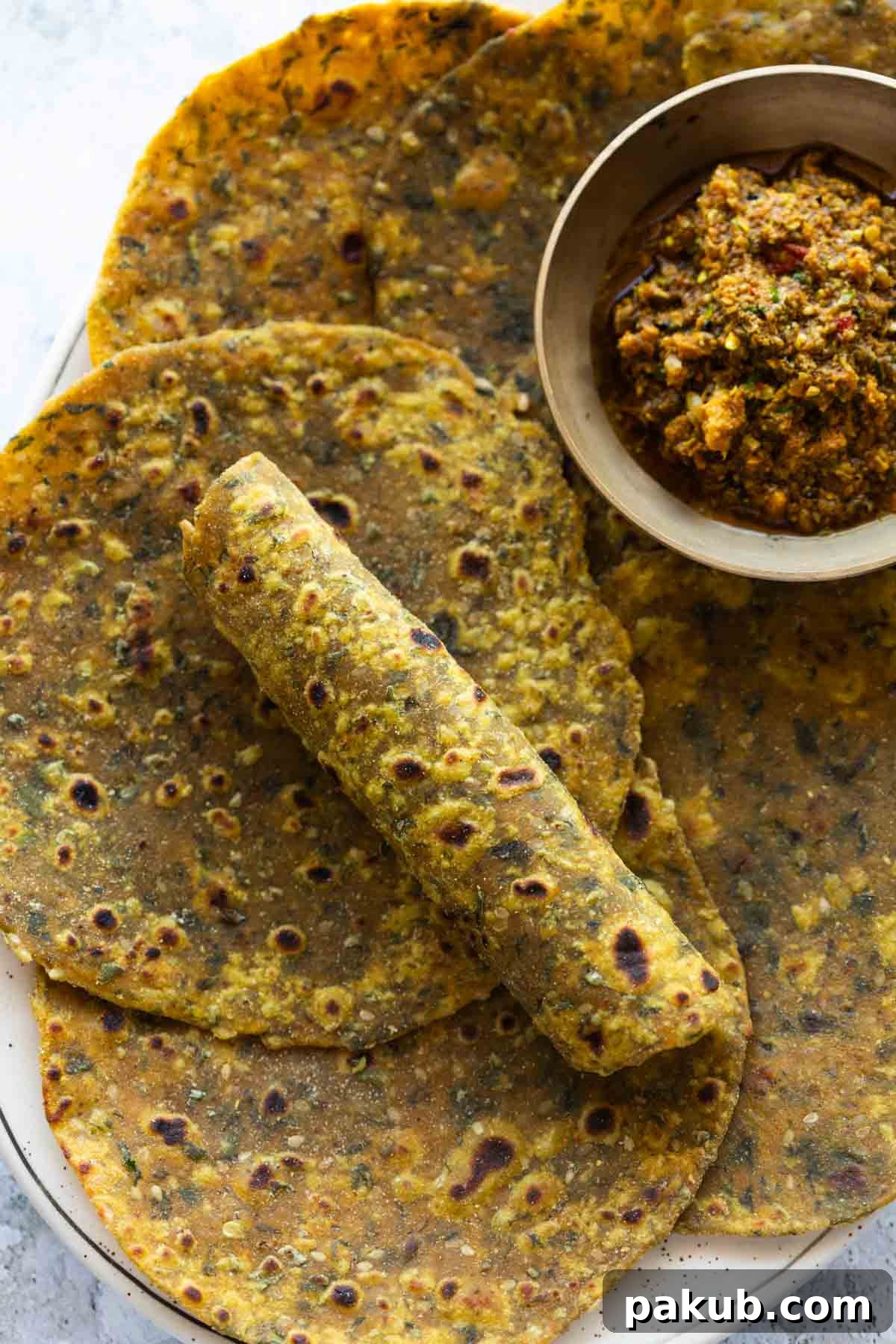
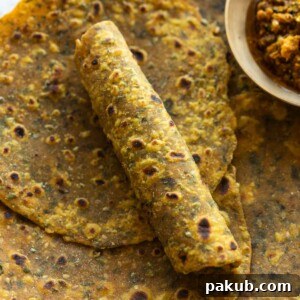
If you grew up eating thepla on road trips or with a hot cup of chai, this authentic methi thepla recipe will bring back that same comfort, warmly wrapped in love and tradition.
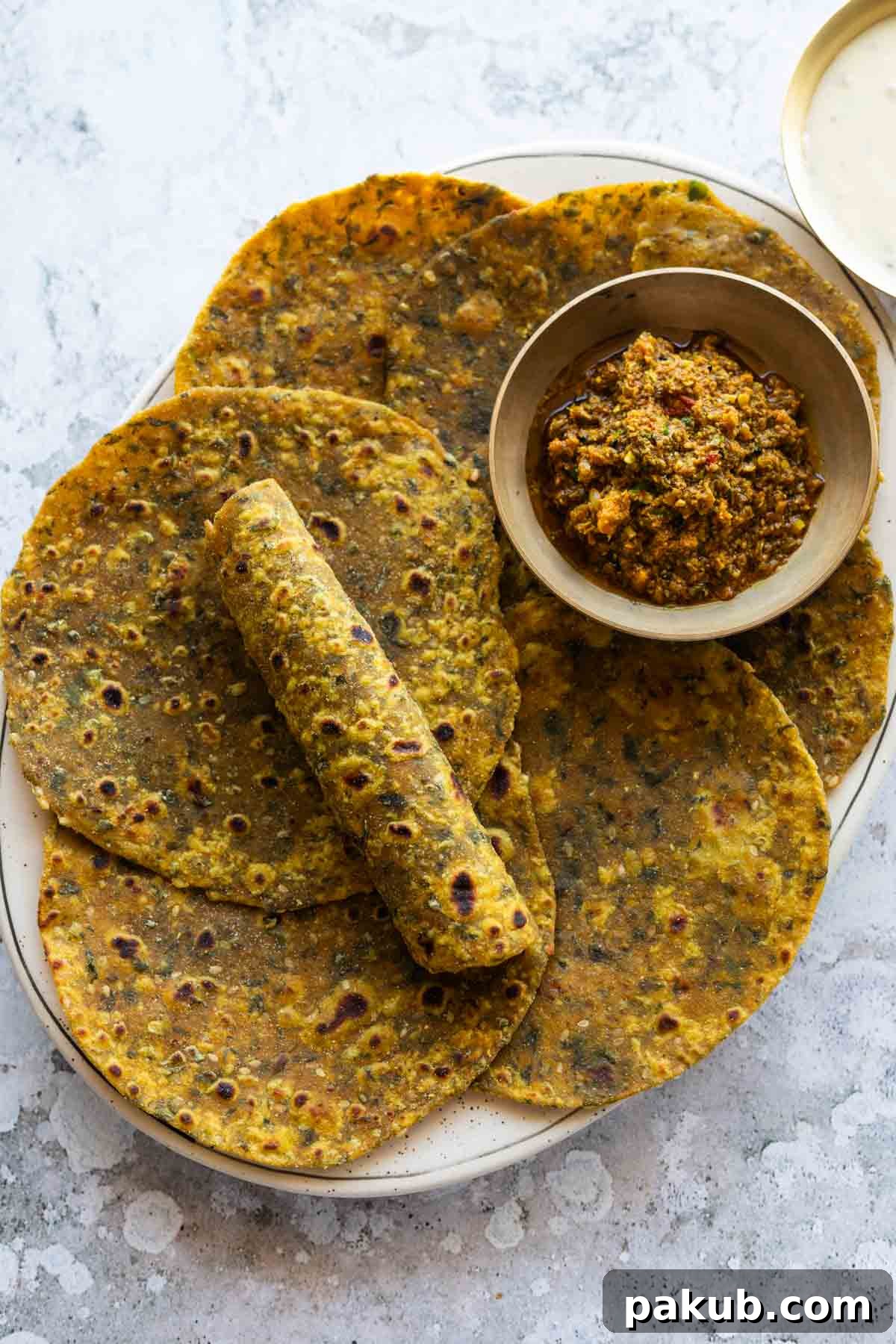
Methi Thepla, a quintessential Gujarati flatbread, holds a cherished place in the hearts and kitchens of many across India and beyond. More than just a simple meal, it’s a culinary icon that evokes a sense of nostalgia, reminiscent of bustling train journeys, comforting family breakfasts, or lovingly packed lunchboxes for school or work. Its distinctive earthy aroma and wonderfully soft, pliable texture make it an instant favorite, whether you first encountered it at a friend’s home, during an adventurous trip, or as a thoughtful creation from a loved one. If you’ve ever savored its unique taste and felt inspired to recreate it, this comprehensive guide is your perfect companion to unlock the secrets of homemade Methi Thepla.
Often compared to other popular Indian flatbreads like parathas, thepla truly stands out for its unique qualities. It boasts a lighter consistency and an unparalleled ability to retain its softness for extended periods, solidifying its reputation as an ideal travel companion. While Kasuri Methi Parathas often offer a richer, sometimes stuffed experience, thepla distinguishes itself by incorporating its flavorful ingredients directly into the dough. This method results in a thin, flexible, and incredibly satisfying bread that’s easier on the palate and stomach. Despite its gourmet appeal, mastering thepla is surprisingly straightforward, requiring just a few common ingredients to achieve those pillow-soft, aromatic flatbreads that are guaranteed to disappear from the plate almost as quickly as they are prepared. Prepare to delight your senses with this staple of Gujarati cuisine!
Jump to Section: The Ultimate Methi Thepla Recipe Guide
- The Essence of Methi Thepla: Key Ingredients Explained
- Mastering Methi: How to Reduce Bitterness from Fenugreek Leaves
- Step-by-Step Guide to Perfect Thepla Making
- Frequently Asked Questions About Methi Thepla
- Expert Tips for Flawless Thepla
- Storage and Reheating Tips for Methi Thepla
- Creative Serving Suggestions for Thepla
- Customisation Ideas to Elevate Your Thepla
The Essence of Methi Thepla: Key Ingredients Explained
The culinary magic of Methi Thepla lies in its exquisite yet simple blend of wholesome ingredients. Each component is meticulously chosen for its specific contribution to the desired texture, authentic flavor, and impressive shelf-life of this beloved flatbread, making it truly special.
- Flours: Whole Wheat Flour (Atta) & Gram Flour (Besan)
The bedrock of any exceptional thepla is its carefully balanced flour blend. Whole wheat flour, or atta, forms the primary structure, imparting a rustic, wholesome character and a satisfying bite. However, relying solely on whole wheat can sometimes result in a tougher, denser texture. This is precisely where the ingenious addition of gram flour (besan) comes into play. Even a small quantity of besan performs wonders, contributing significantly to the incredible softness and pliability that is the hallmark of a truly perfect thepla. Furthermore, besan lends a subtle, nutty undertone, enriching the overall flavor profile and helping the flatbread remain exquisitely tender for hours, sometimes even days after preparation. This combination ensures a balanced, flavorful, and soft result.
- Fresh Methi (Fenugreek Leaves): The Undisputed Heart of the Thepla
As its name proudly declares, fresh fenugreek leaves are the undisputed star of this recipe. Methi infuses the flatbread with its distinctive aroma and a unique flavor – a beautiful blend of earthy notes with a slight, yet highly appealing, pleasant bitterness. Beyond its culinary contributions, methi is a nutritional powerhouse, generously packed with essential nutrients like iron, dietary fiber, folate, and powerful antioxidants. Its characteristic taste is not just a flavor; it’s the very essence that sets thepla apart, providing a depth that is simultaneously comforting and invigorating to the palate.
- Aromatic Spices: The Soulful Symphony of Flavors
A thoughtfully curated blend of ground spices is what transforms thepla from a simple flatbread into a truly captivating culinary experience. Turmeric powder contributes more than just a beautiful golden hue; it also adds a subtle, grounding warmth. Red chilli powder introduces a gentle, inviting heat, while coriander powder imparts a fragrant, slightly citrusy dimension. Cumin seeds (or their powdered form) are indispensable, offering an essential earthy aroma that also aids in digestion. These spices are carefully balanced to infuse thepla with complexity and warmth, ensuring they enhance rather than overwhelm the delicate, signature fenugreek flavor.
- Yogurt: The Secret Catalyst for Supreme Softness
Yogurt is an absolute game-changer in thepla dough, acting as a secret catalyst for achieving its celebrated softness. The lactic acid naturally present in yogurt tenderizes the flour, resulting in a remarkably soft, elastic, and pliable dough that is a pleasure to knead and roll. Beyond its tenderizing properties, yogurt contributes crucial moisture, ensuring that the cooked theplas not only achieve initial softness but also remain fresh and supple for significantly longer periods. The subtle tang from the yogurt also serves a vital purpose: it beautifully complements the methi, effectively balancing its inherent bitterness and enhancing the overall flavor harmony.
- Oil: Essential for Binding and Enduring Suppleness
Oil is strategically incorporated into the dough mixture for multiple critical functions: it helps bind all the ingredients together, further contributing to the dough’s inherent softness and elasticity. During the cooking phase, a light yet generous brush of oil (or ghee) is applied. This application is key to achieving those desirable golden-brown spots and a beautifully crisp yet tender exterior, simultaneously sealing in the precious moisture. Traditionally, mustard oil is highly favored in the dough for its distinct, pungent flavor, which adds another profound layer of authenticity. However, any neutral cooking oil can be successfully used for both kneading and cooking.
- Fresh Ginger & Green Chilli: The Vibrant Kick of Freshness
Finely chopped or freshly crushed ginger and green chillies are included to provide a vibrant burst of freshness and a subtle yet invigorating kick. This dynamic combination is expertly utilized to cut through the deeper, earthy notes of methi and the inherent richness of the dough. Their inclusion adds a bright, zesty counterpoint that perfectly tantalizes the taste buds, creating a well-rounded and exciting flavor profile.
- Salt & Sugar: The Master Balancers of Flavor
Salt is fundamental, acting as an essential seasoning that effectively brings out and amplifies all the individual flavors within the thepla. Sugar, though often considered optional, plays a surprisingly crucial role in rounding out the sometimes pronounced bitterness of methi, thereby creating a more balanced, harmonious, and universally appealing taste profile, especially for those who might be new to fenugreek. It’s a subtle yet impactful addition that makes a noticeable difference in the overall flavor experience.
Mastering Methi: How to Reduce Bitterness from Fenugreek Leaves
Fresh fenugreek leaves, while brimming with incredible flavor and an impressive array of nutrients, can occasionally present a pronounced bitterness, primarily due to natural compounds known as alkaloids. However, there’s no need to let this characteristic deter you from fully embracing the wonderful benefits and unique taste of methi. Fortunately, there are simple yet highly effective traditional techniques to skillfully mellow this bitterness, ensuring your homemade theplas achieve a perfectly balanced and utterly delicious flavor profile.
The most widely practiced, time-honored, and arguably the most effective method involves a straightforward salting process. After meticulously washing and finely chopping your fresh methi leaves, generously sprinkle them with a small amount of salt. Gently mix the salt into the chopped leaves, ensuring even distribution, and then allow them to rest undisturbed for approximately 10-15 minutes. During this crucial resting period, the salt initiates an osmotic process, drawing out moisture from the fenugreek leaves. This expelled liquid contains a significant portion of the bitter compounds. You will visibly notice a small pool of water accumulating at the bottom of your bowl. To complete this step, firmly squeeze the chopped leaves with your hands to extract and discard this bitter liquid. This essential action effectively removes much of the harshness without compromising the distinctive, earthy, and aromatic flavor that methi is so celebrated for.
Another important consideration for flavor management is the careful selection of the leaves themselves. Whenever possible, prioritize using tender, younger fenugreek leaves, as these are inherently milder in taste compared to older, more mature leaves which tend to be more bitter. Additionally, always ensure that your methi is thoroughly rinsed under running water to remove any lingering dirt, soil, or potential pesticide residues, all of which can contribute to unwanted off-flavors. By conscientiously incorporating these small but significant preparatory steps, you can fully harness the impressive nutritional power of methi – including its high content of vital iron, beneficial fiber, essential folate, and potent antioxidants – while consistently crafting a batch of theplas that are not only remarkably soft and intensely flavorful but also perfectly free from any overpowering bitterness. This attention to detail will elevate your thepla-making experience from good to extraordinary.
Step-by-Step Guide to Perfect Thepla Making
Making Methi Thepla is a delightful culinary art that is surprisingly easy to master with a few key techniques. Follow these detailed steps to ensure your theplas are consistently soft, wonderfully flavorful, and an absolute joy to eat every single time:
- Prepare Your Methi Leaves: Begin by thoroughly washing the fresh methi leaves to remove any dirt. Shake off excess water and then finely chop them. If you prefer to mitigate any potential bitterness, sprinkle the chopped methi with a pinch of salt, let it sit for 10-15 minutes, then firmly squeeze out any released liquid. Set the prepared methi aside.
- Combine Dry Ingredients: In a large, wide mixing bowl, meticulously combine the whole wheat flour (atta), gram flour (besan), all your powdered spices (turmeric, red chilli, coriander, cumin), along with the sesame seeds, ajwain (carom seeds), asafoetida (hing), salt, and sugar (if using). Use a whisk or your fingers to thoroughly mix and ensure all the dry ingredients and spices are evenly distributed throughout the flour blend.
- Incorporate Wet Ingredients & Flavorings: Next, add the prepared chopped methi leaves, ginger-garlic paste, and crushed green chillies to the dry flour mixture. Drizzle in the mustard oil. Gently rub these ingredients into the flour with your fingertips. This crucial step helps to infuse the flavors deeply into the flour before any liquid is added, ensuring a more aromatic and flavorful final product.
- Knead the Dough – The Key to Softness: This is arguably the most critical step for achieving wonderfully soft theplas. Begin by adding yogurt (if using), one tablespoon at a time, incorporating it into the flour mixture. Then, gradually add water, 2-3 tablespoons at a time, as needed. Start kneading the dough vigorously for about 5-7 minutes. The goal is to achieve a soft, pliable, and smooth dough that feels elastic and easy to work with, similar to chapati dough but slightly softer. Crucially, avoid making the dough too stiff, as this will inevitably result in hard and tough theplas. The precise amount of water required may vary slightly depending on the specific brand and absorption capabilities of your flour.
- Rest the Dough for Optimal Texture: Once your dough is perfectly kneaded, cover the bowl with a damp kitchen towel or secure cling film tightly over it. Allow the dough to rest for a minimum of 15-20 minutes, or ideally up to 30 minutes. This essential resting period permits the gluten in the flour to relax and hydrate fully. A relaxed dough becomes significantly more elastic and easier to roll thinly without tearing, directly contributing to the soft, melt-in-your-mouth texture of the final cooked theplas.
- Portion and Roll with Precision: After the dough has rested, divide it into equal, lemon-sized portions (each approximately 2-3 tablespoons). Roll each portion into a smooth, even ball between your palms. On a lightly floured surface or a dedicated rolling board, gently and evenly roll each ball into a thin, round flatbread (thepla/roti) that is about 5 – 5.5 inches in diameter. Use a minimal amount of dry flour for dusting only if the dough begins to stick; excessive flour can lead to dry theplas.
- Cook on Tawa – Mastering the Heat: Heat a flat griddle (tawa or skillet) over medium heat. It’s essential to ensure the tawa is adequately hot but not smoking. Once heated, carefully place a rolled thepla onto the center of the tawa. Allow it to cook for approximately 30 seconds to 1 minute, or until you begin to observe tiny bubbles appearing on the surface and the edges of the thepla start to look slightly dry.
- Flip and Oil for Even Cooking: Using a spatula, promptly flip the thepla to its uncooked side. Immediately apply a few drops of ghee or oil evenly over the surface of the side that was just cooked. Flip the thepla again, and then apply ghee or oil to the second side. This dual application ensures moisture and flavor penetrate both sides.
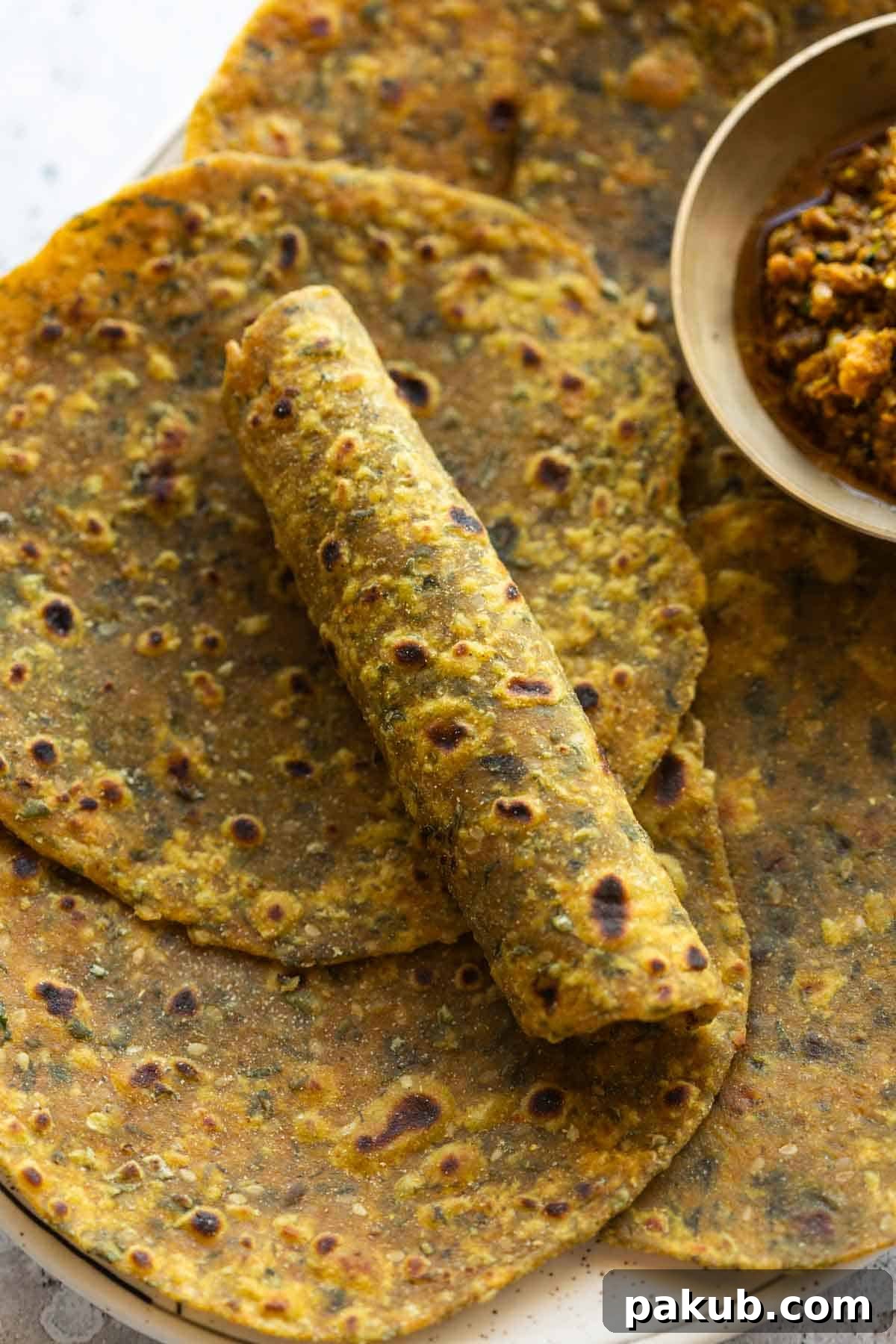
- Press Gently and Cook to Perfection: As the thepla continues to cook on the tawa, use your spatula to gently and evenly press down around its edges. This gentle pressure encourages the flatbread to puff up slightly, which is a key indicator that it’s cooking evenly and thoroughly from within. Continue cooking, flipping occasionally, until beautiful golden-brown spots appear uniformly on both sides. The cooked thepla should feel tender and pliable, not crisp or brittle.
- Serve Immediately and Stack for Softness: Once cooked, transfer the hot thepla directly to a plate. For maximum softness and to prevent them from drying out, stack the freshly made theplas one on top of the other in an airtight container or wrap them snugly in a clean kitchen towel. The steam trapped between the layers will help them remain incredibly moist and soft. Serve hot with your preferred accompaniments and savor the fresh flavors.
By diligently paying attention to these crucial details, particularly the dough’s consistency and the precise cooking temperature, you will consistently create Methi Theplas that are a true testament to traditional Gujarati culinary excellence – soft, flavorful, and utterly delightful.
Frequently Asked Questions About Methi Thepla
While both are incredibly popular Indian flatbreads, the core distinction lies in their preparation, ingredients, and resulting texture. Thepla is a lighter, typically thinner Gujarati flatbread where all flavorful ingredients, such as fresh methi, yogurt, and a blend of spices, are thoroughly mixed directly into the whole wheat flour dough before it’s rolled. This integration yields a dough that produces a consistently soft, pliable, and distinctively travel-friendly bread. Parathas, on the other hand, are generally richer and often thicker, typically made with a higher amount of ghee or oil during or after cooking. The most common form of paratha involves stuffing the dough with various savory fillings, such as spiced mashed potatoes (Aloo Paratha), paneer, or grated radish. Thepla’s dough is simpler in its core composition and more delicate, offering a distinct culinary experience focused on integrated flavor rather than a separate filling.
Theplas turning hard after cooling is a very common issue, often stemming from one of two primary factors: either the dough was kneaded to be too stiff, or the theplas were cooked on excessively low heat for too extended a period, which causes them to dry out. To consistently achieve wonderfully soft theplas, ensure your dough is soft, supple, and pliable – it should feel almost slightly sticky. It is crucial to allow the dough to rest for at least 15-20 minutes (or even up to 30 minutes) after kneading to relax the gluten. When cooking, always use medium heat; this allows the theplas to cook through thoroughly without desiccating. A light brush of oil or ghee on both sides during the cooking process, combined with immediately stacking the hot theplas one on top of another upon removal from the tawa, helps to trap steam, which keeps them incredibly tender for several hours. If you are packing them for travel or lunchboxes, a final, very light brush of oil after cooking can further aid in moisture retention.
Yes, absolutely, you can successfully substitute fresh methi with kasuri methi, especially when fresh leaves are unavailable or out of season. While fresh methi offers a vibrant, slightly sharper, and more herbaceous flavor, kasuri methi provides a more concentrated, intensely aromatic, and slightly bitter taste. For every cup of fresh methi, a good rule of thumb is to use approximately 2 to 3 tablespoons of kasuri methi. It’s important to crush the dried leaves vigorously between your palms before adding them to the dough; this action helps to release their potent essential oils and intense aroma, ensuring the flavor is well distributed throughout the thepla. The resulting flavor profile will indeed be slightly different – more pungent and robust due to the concentrated nature of dried fenugreek – but it will still yield a delicious and authentically flavored thepla that is deeply satisfying.
Creating a gluten-free version of methi thepla is certainly achievable, although it does necessitate a slight adjustment in both ingredient ratios and preparation technique due to the inherent absence of gluten. You can effectively experiment with a blend of gluten-free flours such as jowar (sorghum flour), bajra (pearl millet flour), or ragi (finger millet flour). To improve the dough’s binding and overall texture in a gluten-free context, it is often highly beneficial to include a small quantity of besan (gram flour). It’s crucial to remember that gluten-free doughs are inherently more delicate and significantly less elastic than their wheat-based counterparts. Consequently, instead of traditional rolling, you might find it considerably easier and more successful to gently pat the theplas by hand directly on a greased surface or meticulously between two sheets of parchment paper to achieve the desired thinness and shape. While the texture will differ and the flavor will be unique, the resulting gluten-free theplas can still be wonderfully delicious, hearty, and nutritious.
Achieving the perfect dough consistency is paramount for soft theplas. If your dough turns out too sticky and difficult to handle, gradually knead in a tiny bit more whole wheat flour, adding just a tablespoon at a time, until it reaches the desired pliable and non-sticky consistency. Conversely, if your dough is too dry and crumbly, it lacks moisture. To remedy this, add a small amount of water or yogurt, again, a teaspoon at a time, and continue kneading until the dough softens and becomes cohesive. Always make small adjustments and knead thoroughly after each addition to ensure proper integration.
For incorporating into the dough, mustard oil is highly recommended in traditional Methi Thepla recipes. Its distinct, pungent flavor adds an authentic depth that beautifully complements the earthy notes of methi, creating a rich and unique taste profile. For cooking the theplas on the tawa, groundnut oil is a popular and excellent choice, or you can use any other neutral cooking oil. Ghee (clarified butter) is also a fantastic option for frying, as it imparts a rich, nutty aroma and helps to achieve a lovely golden-brown crust while contributing to the thepla’s internal softness and flavor. The choice of oil for cooking largely depends on your preference for flavor and richness.
Expert Tips for Flawless Thepla
Crafting consistently perfect, wonderfully soft, and intensely flavorful Methi Theplas is an achievable goal when you pay close attention to a few simple yet profoundly crucial details. These expert tips, gleaned from years of culinary tradition, will guide you toward making flatbreads that are truly exceptional and leave a lasting impression:
- Chop the Methi Finely: A Detail That Matters: This seemingly minor preparatory detail actually plays a significant role in the overall success of your theplas. Large, unwieldy pieces of methi leaves can seriously interfere with the dough’s essential elasticity, causing undesirable tears during the rolling process and resulting in an uneven, coarse texture in the final cooked product. A fine, uniform chop ensures that the fenugreek is perfectly and evenly distributed throughout the entire dough, guaranteeing consistent flavor in every single bite and allowing for much smoother, easier rolling without resistance.
- Don’t Add All the Liquid at Once: Exercise Patience: When you are in the process of kneading the dough, it is vital to resist the common urge to pour in all the yogurt or water simultaneously. Instead, practice patience and add liquids very gradually, one tablespoon at a time. This methodical approach grants you precise control over the dough’s consistency. The ultimate goal is to achieve a soft, pliable dough that feels adequately moist but is critically not overly sticky. An excessively wet dough will be notoriously difficult to handle and roll, while a stiff, dry dough will inevitably result in hard, unappetizing, and crumbly theplas.
- Give the Dough Ample Rest Time: It’s Non-Negotiable: This step is absolutely non-negotiable for producing genuinely tender theplas. After the kneading process is complete, cover the dough securely with a damp kitchen towel or tightly wrap it in cling film and allow it to rest undisturbed for a minimum of 15-20 minutes, or ideally, even up to 30 minutes. This essential pause permits the vital gluten strands within the flour to fully relax and properly hydrate. A relaxed dough becomes significantly more elastic and thus much easier to roll out thinly without tearing, directly contributing to the soft, melt-in-your-mouth texture that is characteristic of a perfectly cooked thepla.
- Cook on Medium Heat: The Golden Rule for Perfection: The precise cooking temperature is an absolutely critical factor in thepla making. If the heat of your tawa is too low, the thepla will take an excessively long time to cook, leading it to dry out and become undesirably crisp rather than beautifully soft. Conversely, if the heat is too high, the thepla will burn quickly on the outside before it has a chance to cook thoroughly, leaving it raw and unpleasant in the center. Medium heat is the crucial sweet spot; it ensures even cooking, allows for the development of those beautiful golden-brown spots, and results in a perfectly tender and cooked-through texture.
- Press Gently While Cooking: Promote Even Puffing: As the thepla cooks on the tawa, use a flat spatula to lightly and evenly press down around its edges. This gentle, consistent pressure encourages the flatbread to puff up slightly, which is a clear and welcome indication that it is cooking evenly and thoroughly from within. It helps distribute the heat. However, it is important to avoid heavy or aggressive pressing, which can prematurely flatten the thepla, potentially making it dense, heavy, or chewy.
- Brush with Oil After Cooking: The Secret to Enduring Softness: For achieving the ultimate in softness and to effectively prevent your theplas from drying out, particularly if you intend to store them or pack them for travel, lightly brush each hot thepla with a tiny amount of oil or ghee immediately after removing it from the tawa. Following this, stack them promptly in an airtight container or wrap them tightly in a clean kitchen towel. The steam that becomes trapped between the layers will help maintain their essential moisture, keeping them wonderfully pliable and fresh for many hours.
Storage and Reheating Tips for Methi Thepla
One of the many endearing qualities of Methi Thepla is its exceptional shelf life and inherent travel-friendly nature. With proper storage techniques, you can effortlessly enjoy these delectable flatbreads for several days, making them an ideal choice for meal prepping or convenient, spontaneous snacking. The natural moisture provided by the yogurt and oil incorporated into the dough plays a significant role in helping them retain their renowned softness and freshness.
- At Room Temperature for Short-Term Enjoyment: Freshly prepared Methi Theplas maintain their wonderful softness and palatability for up to an impressive 8–10 hours when stored correctly. To achieve this, ensure they are completely cooled down after cooking. Once cool, stack them neatly in an airtight container or wrap them tightly in aluminum foil. This makes them an absolutely ideal choice for lunchboxes, enjoyable picnics, or extended road trips, providing a wholesome, flavorful, and comforting meal on the go. Always ensure they are entirely cool before packing to prevent any undesirable condensation buildup, which could lead to sogginess.
- In the Refrigerator for Extended Freshness: For a more prolonged storage duration, cooled theplas can be meticulously stored in an airtight container or snugly wrapped in aluminum foil and kept in the refrigerator for a respectable period of 3–4 days. To savor them again, simply reheat them gently on a hot tawa (griddle) with just a few drops of oil or ghee. The gentle, even heat will beautifully restore their fresh softness and warmth, making them taste almost as delightful as when they were freshly made. As an alternative, a quick zap in the microwave can also warm them through efficiently, though the tawa method often yields a superior and more desirable texture.
- In the Freezer for Ultimate Convenience: Methi Theplas are remarkably well-suited for freezing, offering an exceptionally convenient option for quick, ready-to-eat meals whenever hunger strikes. To freeze them effectively, place sheets of parchment paper between each cooled thepla to prevent them from sticking together. Then, carefully stack them in a freezer-safe airtight container or a heavy-duty freezer bag. They will maintain their quality splendidly for up to 1 month. When you are ready to enjoy them, there’s absolutely no need for a full thawing process. Simply retrieve them directly from the freezer and warm them on a hot tawa over medium heat, flipping them frequently until they are heated through, soft, and ready to serve. This method expertly preserves their delicate texture and rich flavor.
- Reinforced Travel-Friendly Tip: Lock in the Moisture: For any travel plans, always remember this golden rule: lightly brush each cooked thepla with a tiny amount of oil or ghee immediately after you take it off the tawa. This extra, simple step forms a protective barrier, effectively locking in moisture and ensuring that your theplas remain incredibly soft and do not dry out, even after several hours of being packed away in a lunchbox or a travel bag. This small effort makes a significant difference in enjoyment.
Creative Serving Suggestions for Thepla
Methi Thepla is celebrated not only for its distinct, comforting flavor but also for its truly remarkable versatility. As a fundamental staple from the vibrant Gujarati cuisine, it serves as an excellent and adaptable base for an extensive variety of meals, ranging from a quick, satisfying snack to a hearty, fulfilling dinner. Here are some delectable and creative ways to savor your homemade Methi Thepla, ensuring every single bite is a delightful and memorable experience:
- With Mango Chutney (Chunda): The Quintessential Gujarati Combo: This pairing is arguably the most classic and universally cherished Gujarati combination. The irresistible sweet and tangy notes of a good mango chutney (often known as chunda) perfectly cut through and complement the earthy, subtle bitterness of the methi. This creates an unbeatable explosion of flavors that is simultaneously refreshing, comforting, and utterly addictive, a true taste of tradition.
- With Aloo Sabzi: A Wholesome Meal: For a complete, satisfying, and deeply comforting meal, there’s nothing quite like pairing your soft theplas with a simple, homely potato curry. The mild, subtly spiced, and comforting flavors of an Aloo Sabzi (potato preparation) provide a wonderful contrast to the thepla, making for a wholesome and incredibly fulfilling vegetarian lunch or dinner that satisfies all senses.
- With Masala Dahi: A Refreshing Counterpoint: For a quick, easy, and delightfully refreshing side dish, prepare Masala Dahi. This involves simply whisking plain yogurt until smooth and then mixing in a pinch of roasted cumin powder (jeera powder), a dash of red chilli powder, and a touch of salt. The cool, creamy texture and slight tang of the masala dahi offer a fantastic counterpoint to the warm, spiced thepla, making this pairing especially enjoyable on warmer days or as a palate cleanser.
- With Indian Pickles: For the Spice Enthusiasts: For those who truly adore a vibrant and spicy kick, methi thepla serves as an excellent vehicle for a wide array of Indian pickles. Dare to try it with a zesty Mangalorean Prawn Pickle or a fiery Green Chilli Pickle. The sharp, tangy, and intensely spicy flavors of the pickle beautifully complement and enhance the thepla’s inherent earthy notes, creating an exciting flavor dynamic.
- With Egg Bhurji: A Protein-Packed Breakfast Option: If you’re looking to significantly boost the protein content and transform your thepla into a hearty breakfast, brunch, or even a light dinner, pairing it with a flavorful Indian-style scrambled egg dish (Egg Bhurji) is an excellent choice. The savory, spicy, and rich egg bhurji makes for a satisfying and energizing combination that is both delicious and wholesome.
- With Paneer Bhurji: A Vegetarian Delight: For a rich and delicious vegetarian protein-rich option, a flavorful scramble of cottage cheese (paneer bhurji) infused with turmeric and other aromatic spices pairs wonderfully with methi thepla. The creamy texture and subtly spiced flavor of the paneer create a lovely, harmonious balance with the robust and earthy notes of the methi.
- With Any Dal: A Nourishing Combination: A comforting bowl of warm, well-seasoned dal – whether it’s a sweet and spicy Gujarati dal or a rich, hearty Dhaba Style Dal Fry – can be an exquisitely nourishing and flavorful accompaniment to your theplas. The wholesome lentils provide a nourishing and deeply flavorful addition, expertly balancing the mild bitterness of the methi and completing the meal.
- With Dry Sabzis: Simple and Perfect Pairings: Theplas are inherently perfect companions for almost any dry vegetable stir-fry (sabzi). Consider classic and beloved combinations like Aloo Gobi (spiced potato and cauliflower) or Bhindi Fry (spiced okra fry). These simple yet flavorful preparations allow the thepla’s unique taste to truly shine while offering a wholesome and balanced meal.
- As a Versatile Wrap or Roll: Get Creative: Embrace your creativity and utilize your soft methi theplas as an incredibly versatile base for delectable wraps or rolls. Effortlessly stuff them with cooked chicken, succulent paneer tikka, spicy scrambled eggs, or a colorful medley of perfectly sautéed vegetables for a quick, convenient, and supremely flavorful lunch roll or a light dinner.
Customisation Ideas to Elevate Your Thepla
The inherent beauty of Methi Thepla extends beyond its traditional preparation; it also lies deeply in its remarkable adaptability. Do not hesitate to unleash your culinary creativity and experiment with these fantastic customization ideas. They will allow you to expertly tailor the flavor, texture, and nutritional profile of your theplas to your exact liking, ultimately making each batch uniquely yours and truly unforgettable.
- Boost the Flavor with Additional Aromatic Herbs: While methi undeniably holds its starring role, the strategic inclusion of other fresh herbs can introduce wonderful, complex layers of flavor. Finely chopped fresh coriander (cilantro) is a universally beloved addition in Indian cuisine, contributing a bright, fresh, and herbaceous note. For a surprisingly delightful and distinct twist, consider incorporating a handful of finely chopped fresh dill (suva) leaves. Dill pairs exceptionally well with fenugreek, imparting a lighter, subtly anise-like freshness that can elevate your theplas, making them even more aromatic and uniquely appealing.
- Make it Higher-Protein for Enhanced Nutrition: To significantly enhance the nutritional value and make your theplas more substantially filling, consider thoughtfully incorporating additional protein sources into your dough. Mixing in 2–3 tablespoons of roasted besan (chickpea flour) or soya flour into the dough not only adds a lovely, earthy, nutty flavor but also substantially boosts the protein content. This helps to keep you feeling satiated for longer periods, making them particularly beneficial for active individuals or as a robust component of a balanced, health-conscious diet.
- Add Grated Vegetables for Enhanced Softness and Hidden Nutrition: Incorporating finely grated vegetables is an absolutely brilliant way to infuse your theplas with extra moisture, dietary fiber, and essential vitamins, all while ensuring they remain incredibly soft and moist for extended periods. Grated zucchini, lauki (bottle gourd), or carrots are excellent and highly recommended choices. These vegetables release natural moisture during the kneading process, significantly contributing to a more tender and supple dough that, in turn, yields exquisitely moist and pliable theplas – making them perfect for packing into lunchboxes or for consumption during long journeys.
- Spice it Up (or Down) with Additional Aromatic Additions: Take control of the spice level and aromatic profile by adjusting it precisely to your personal preference. Stir in a pinch of freshly crushed black pepper for a warm, sharp, and invigorating kick. A modest dash of ajwain (carom seeds) is known to aid digestion and imparts a distinct, pleasantly pungent aroma. For a subtle, delicately sweet, and deeply aromatic undertone, a small pinch of saunf (fennel seeds) can be a truly delightful and unexpected addition. Each of these carefully chosen spices brings a unique dimension without ever overpowering the signature, beloved methi flavor.
- Create a Multi-Grain Version for Optimal Health Benefits: For individuals keen on significantly boosting the fiber content and introducing a diverse range of nutrients, consider crafting a multi-grain version of your theplas. Achieve this by thoughtfully swapping a small portion (approximately ¼ to ½ cup) of the traditional whole wheat flour with other highly nutritious flours such as ragi (finger millet), jowar (sorghum), or bajra (pearl millet) flour. These ancient millets are nutritional powerhouses, packed with vital minerals and beneficial fiber. When mixed in judiciously small amounts, they contribute to a considerably healthier nutritional profile while meticulously maintaining the desirable soft and pliable texture characteristic of excellent theplas.
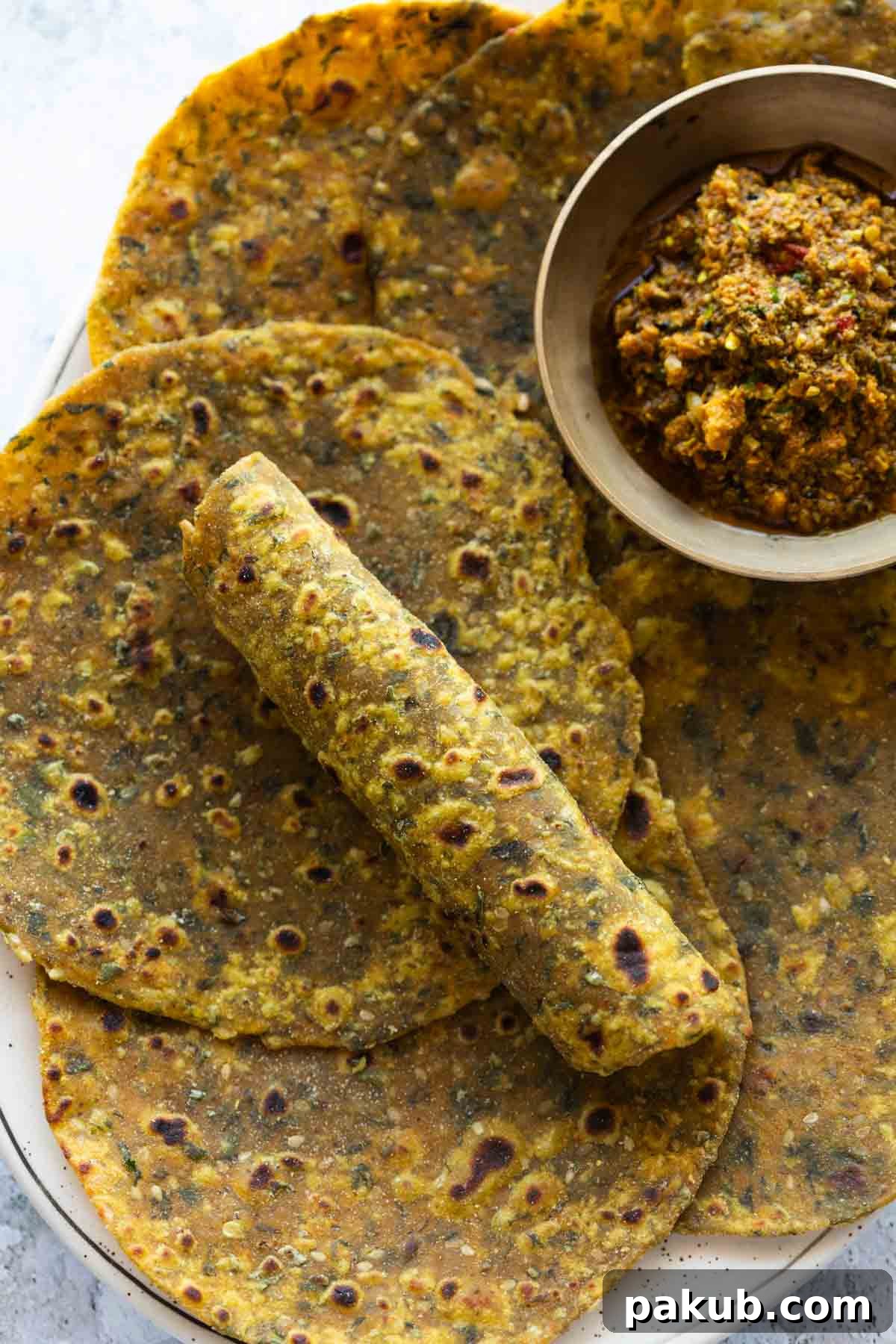
We sincerely hope that this comprehensive guide thoroughly inspires you to explore and fully embrace the pure joy of making authentic Methi Thepla right in the comfort of your own home. Let this incredibly versatile, wholesome, and deeply flavorful flatbread effortlessly become a cherished and regular feature on your breakfast, lunch, or dinner table. Its comforting, traditional flavors and remarkable convenience make it a dish you’ll undoubtedly find yourself returning to again and again. As a friendly tip, don’t forget to make a generous extra batch; they often taste even better the very next day!
Should you embark on this delightful culinary adventure, we would be absolutely thrilled to see your wonderful creations. Please feel free to share your beautiful Methi Theplas on Instagram and don’t forget to tag us @my_foodstory! Happy cooking!
Watch Methi Thepla Recipe Video
Thepla Recipe | Methi Thepla
Print Recipe
Ingredients
- 1 ½ cups methi leaves, 70 gms, finely chopped
- 2 cups whole wheat flour, atta
- ¼ cup gram flour, besan
- 1 tablespoon ginger garlic paste
- 2 green chillies, crushed or finely chopped
- ½ teaspoon turmeric powder
- 1 tablespoon coriander powder
- ½ teaspoon cumin powder
- 1 teaspoon red chilli powder
- 1 ½ tablespoons sesame seeds
- 1 teaspoon salt
- ¼ teaspoon sugar, optional, for balancing bitterness
- ½ teaspoon ajwain (carom seeds)
- ¼ teaspoon asafoetida, hing
- 2 tablespoons mustard oil, for the dough
- ½ cup + ⅛ cup water, or as needed for kneading
- 1 tablespoon ghee or groundnut oil or any neutral cooking oil, for cooking the theplas
Instructions
-
In a wide bowl, combine the finely chopped methi leaves, whole wheat flour, gram flour, ginger garlic paste, crushed green chillies, turmeric powder, coriander powder, cumin powder, red chilli powder, sesame seeds, salt, sugar (if using), ajwain, asafoetida, and mustard oil. Mix all the dry ingredients and flavorings thoroughly with your hands.
-
Gradually add yogurt (if using) and then water, 2-3 tablespoons at a time, to the mixture. Start kneading the dough, alternating between your palms and knuckles, for 5-7 minutes. Continue until you achieve a soft, pliable, and smooth dough. The exact amount of water may vary depending on the flour’s absorption. Cover the dough with a damp kitchen towel and let it rest for at least 15-20 minutes to relax the gluten.
-
Heat a tawa (griddle) over medium heat. Take a large lemon-sized piece of dough (approximately 2-3 tablespoons) and roll it into a smooth ball between your palms. Place it on a rolling board or clean kitchen counter and, using a rolling pin, gently roll it into a thin, circular flatbread (thepla/roti) about 5 – 5.5 inches in diameter. Dust with a minimal amount of dry flour if the dough feels sticky.
-
Place the rolled thepla on the preheated tawa. Cook on medium heat. When tiny bubbles appear on the surface (after about 30 seconds to 1 minute), flip the thepla. Apply a few drops of ghee or oil evenly over the cooked side. Flip again and apply ghee or oil to the other side. Continue cooking, gently pressing the edges with a spatula, until golden spots appear on both sides. Ensure it’s cooked through but remains soft.
-
Transfer the cooked thepla to a plate. For maximum softness, stack the freshly made theplas one on top of the other in an airtight container or wrap them in a clean kitchen towel. The trapped steam will keep them moist and soft. Serve hot with your favorite accompaniments.
Notes
- The amount of water required while kneading may vary slightly depending on the specific brand and type of whole wheat flour used. Always aim for a soft and pliable dough.
- Mustard oil is highly recommended in the dough for its authentic flavor, which significantly enhances the overall taste of the theplas.
Nutrition (per serving, approximate)
This article was researched and written by Harita Odedra.