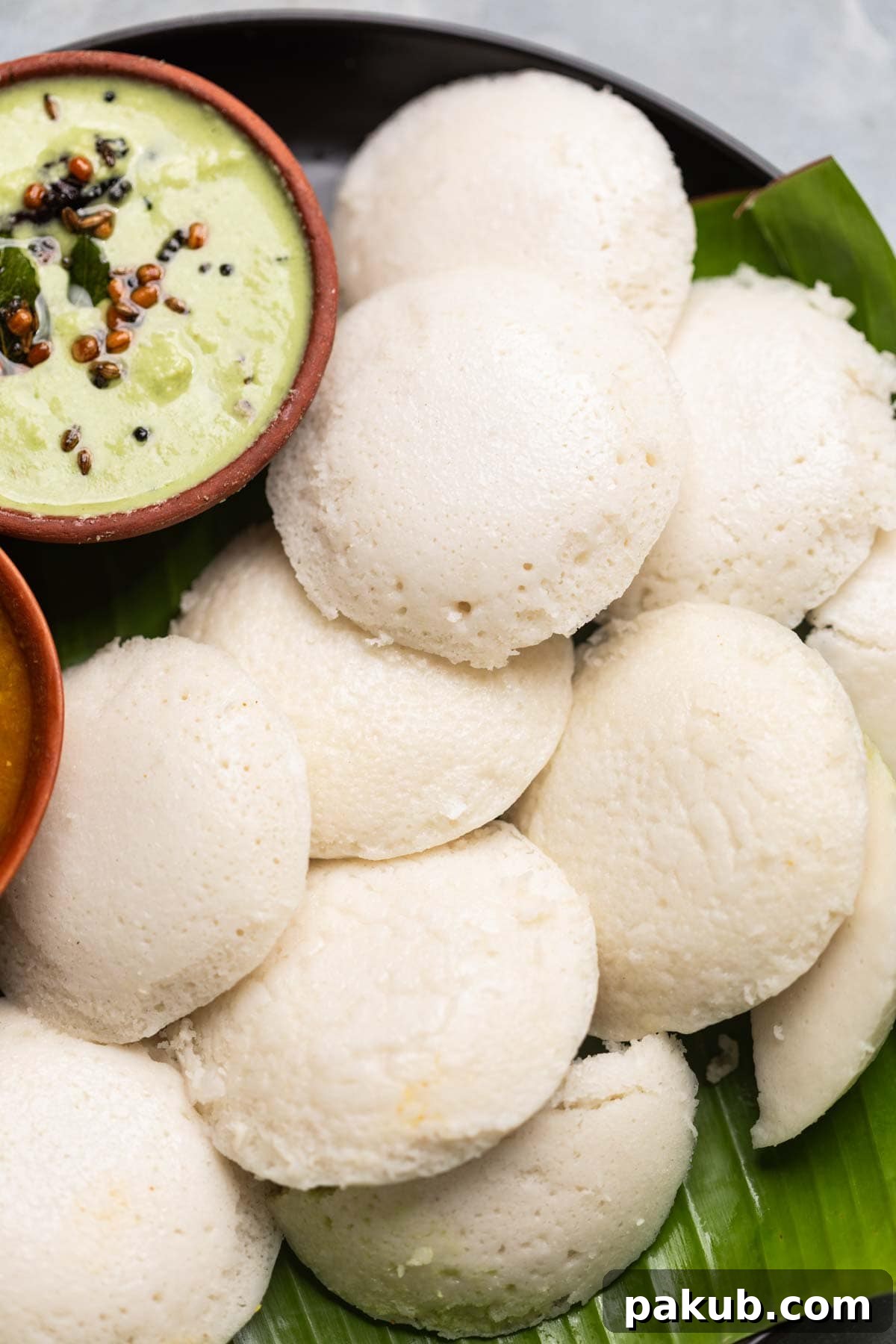
The Ultimate Guide to Perfectly Soft and Fluffy Idlis: Master the Art of South Indian Steamed Cakes
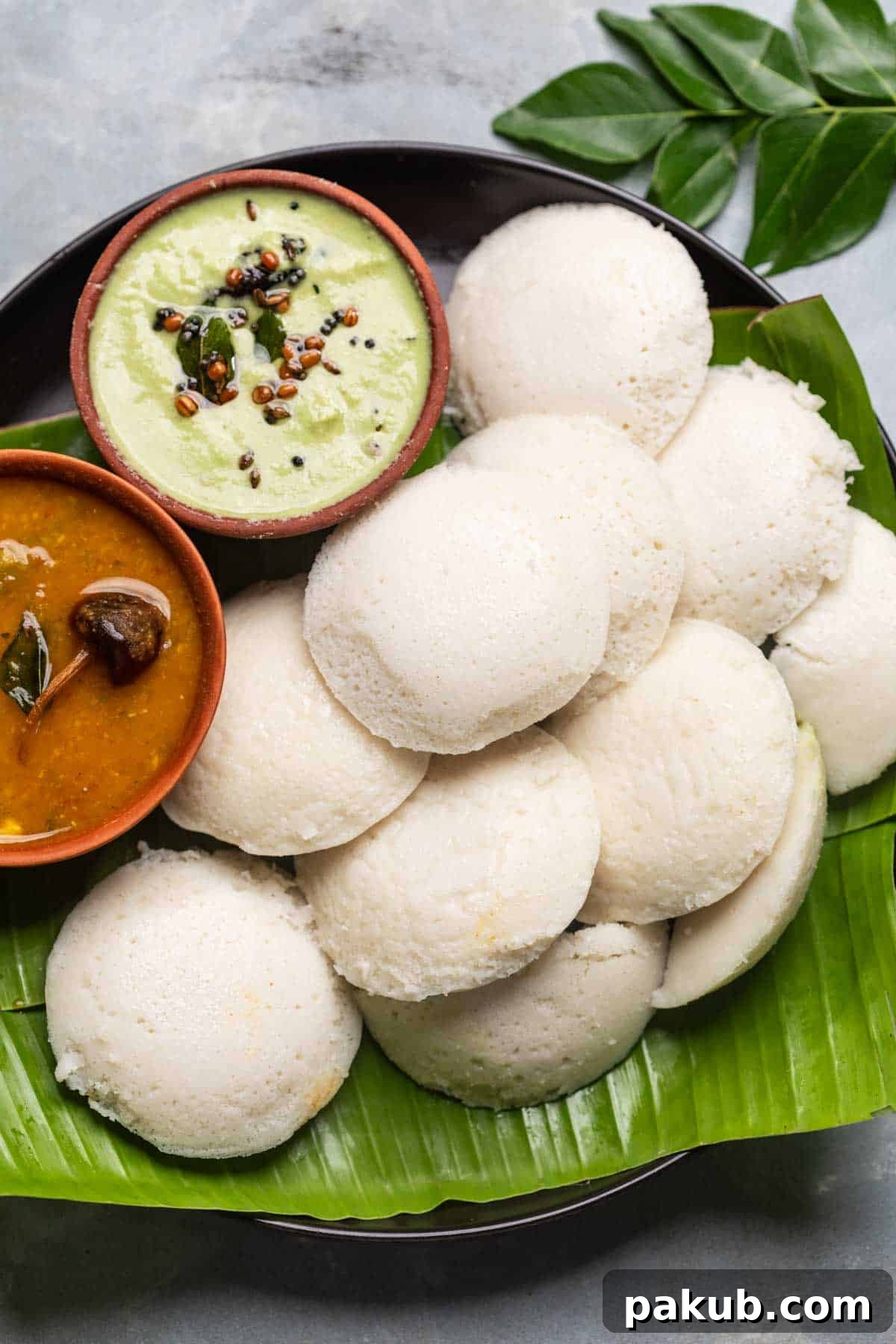
Imagine a breakfast that’s not just delicious but also incredibly wholesome and comforting. That’s exactly what a plate of warm, pillowy-soft idlis offers. Straight from the steamer, these light, fluffy, and naturally gluten-free rice cakes are a staple in South Indian cuisine, celebrated for their delicate texture and ability to beautifully soak up vibrant sambar and aromatic chutneys. While idlis might seem intimidating to master at home, the secret truly lies in perfecting the batter. Through countless trials and culinary experiments, I’ve refined a method that guarantees consistently soft and fluffy idlis with minimal fuss, making it my absolute go-to recipe. This guide reveals the simple yet crucial techniques that will transform your homemade idlis into melt-in-your-mouth perfection.
Our journey to the perfect idli begins with a truly exceptional homemade idli dosa batter. This batter isn’t just a foundation; it’s a game-changer that imparts the gentle tang and signature airy texture we all adore in authentic idlis. It’s a process that combines traditional wisdom with practical tips, ensuring that even first-time idli makers can achieve remarkable results. So, let’s dive into the fascinating world of idli making, uncover the nuances of ingredient selection, master the art of fermentation, and discover the joy of serving these delightful steamed cakes to your loved ones. Get ready to elevate your culinary skills and bring the authentic taste of South India right into your kitchen!
Jump to Section: The Perfect Idli Recipe
- The Essence of Idli Ingredients
- Step-by-Step Idli Making
- Expert Tips for Unbelievably Soft Idlis
- Frequently Asked Questions About Idlis
- Storing Your Idlis and Batter
- Creative Serving Suggestions
- Customization and Variations
- The Rich History of Idli
- Watch Our Idli Recipe Video
The Essence of Idli Ingredients
Crafting the perfect idli begins with selecting the right ingredients. Each component plays a vital role in achieving that coveted soft, spongy texture and delicate flavor. Understanding the function of each ingredient will empower you to make informed choices and consistently produce outstanding results.
For the Idli Batter:
- Idli Rice (Parboiled Rice) – This is the cornerstone of your idli batter. Unlike regular raw rice, idli rice (parboiled rice) has been partially boiled in its husk, which changes its starch structure. This specific treatment contributes significantly to the characteristic softness and texture of idlis, making them wonderfully light and absorbent. It also helps the batter ferment properly and hold its shape during steaming. While short-grain raw rice like Sona Masoori can be a substitute, idli rice remains the gold standard for superior results.
- Urad Dal (Skinned Black Gram) – The unsung hero of idli batter, urad dal is crucial for both texture and fermentation. When ground, it creates a wonderfully viscous and fluffy batter, acting as a natural leavening agent during fermentation. The proteins and starches in urad dal are what give idlis their incredible softness and spongy quality, allowing them to expand beautifully when steamed. Ensure you use skinned urad dal for the best results, as the skin can hinder fermentation and affect the color of the idlis.
- Poha (Flattened Rice) – A fantastic addition for an extra boost of fluffiness. Poha, especially the thick variety, absorbs water readily and contributes to a lighter, softer crumb structure in the final idli. It helps to prevent the idlis from becoming dense and adds a subtle sweetness. This ingredient is often the secret behind those irresistibly airy idlis that practically melt in your mouth.
- Cooked Rice: Adding a small amount of cooked rice while blending the batter is a clever trick to achieve an unparalleled level of softness in your idlis. The cooked rice acts as a tenderizer, helping to create a smoother batter and ultimately, a more delicate texture in the steamed cakes.
- Fenugreek Seeds (Methi) – These tiny seeds are powerhouse ingredients, often used in Indian cuisine for their distinctive aroma and flavor. In idli batter, fenugreek seeds serve multiple purposes: they aid in the fermentation process, impart a subtle earthy and nutty flavor, and are believed to contribute to the idlis’ beautiful golden hue and soft texture. Just a small amount is needed to make a significant difference.
- Cold Water – An often-overlooked but critical detail during the grinding process. Using cold water helps to prevent the batter from heating up too much while being ground in a mixer or grinder. Excess heat can negatively impact the delicate fermentation process by killing beneficial bacteria and enzymes, leading to a less active and poorly risen batter.
- Salt – Added *after* fermentation, salt is essential for seasoning the batter and enhancing the overall flavor of the idlis. It also plays a minor role in controlling the rate of fermentation, though its primary purpose here is taste.
For Steaming Idlis:
- Oil or Ghee – A small amount is needed for lightly greasing the idli molds. This simple step is vital to prevent the idlis from sticking, ensuring they release easily and cleanly from the molds without tearing. Ghee, in particular, also adds a wonderful, subtle aroma and richness to the idlis.
Step-by-Step Idli Making: A Simple Overview
While the full detailed recipe with precise measurements and timings is provided in the recipe card below, here’s a conceptual overview of the idli-making process. It involves three main stages, each crucial for the final soft and fluffy outcome:
- Prepare the Batter: The journey begins with meticulous preparation. You’ll soak the idli rice, urad dal, poha, and fenugreek seeds for several hours, typically overnight. This soaking is essential for softening the grains and allowing them to grind into a smooth, consistent batter. After draining, the soaked ingredients are ground with cold water and cooked rice to achieve the perfect texture – thick, smooth, and slightly coarse.
- Ferment the Batter: This is where the magic happens! The freshly ground batter is transferred to a large bowl and left in a warm environment to ferment. Over 12 to 24 hours, beneficial microorganisms work their wonders, producing carbon dioxide that makes the batter rise, become airy, and develop its signature tangy flavor. A well-fermented batter is the non-negotiable key to light, fluffy idlis.
- Steam the Idlis: Once the batter is perfectly fermented, it’s ready for steaming. The idli molds are lightly greased, filled with the batter, and then steamed in an idli cooker. The steam cooks the batter gently and uniformly, causing the idlis to puff up into soft, delicate cakes. Proper steaming time is crucial; over-steaming can lead to dry and hard idlis, while under-steaming leaves them raw. After a quick rest, they are gently demolded, ready to be enjoyed!
Expert Tips for Unbelievably Soft Idlis
Achieving consistently soft and fluffy idlis is an art, but one that can be easily mastered with these essential tips. Paying attention to these details will make all the difference in your idli-making journey.
- Mastering Fermentation is Paramount – The success of your idlis hinges almost entirely on a well-fermented batter. A batter that has risen to at least 1.5 times its original volume, shows visible air bubbles, and has a pleasant, slightly tangy aroma is the goal. This bubbly, airy texture is what translates into light, fluffy idlis. If your environment is chilly, creating a warm spot is crucial. You can place the batter inside a cold oven with just the light on, or preheat the oven to its lowest setting, turn it off, allow it to cool slightly, and then place the batter inside overnight. The warmth provides the ideal conditions for the yeast and bacteria to thrive.
- Utilize Cold Water During Grinding – This tip is often underestimated. As the mixer or grinder operates, friction generates heat, which can raise the temperature of your batter. Excessive heat can hinder or even kill the beneficial microbes responsible for fermentation, leading to a flat, dense batter. Using ice-cold water or even a few ice cubes while grinding helps to keep the batter cool, ensuring an optimal environment for subsequent fermentation and resulting in a lighter, more voluminous batter.
- Lightly Grease Idli Molds for Easy Release – A simple coating of oil or ghee on your idli molds serves two important purposes. Firstly, it ensures that your delicate idlis release cleanly and effortlessly once steamed, preventing them from tearing or sticking. Secondly, especially if using ghee, it imparts a subtle, inviting aroma and a touch of richness to the idlis, enhancing their overall appeal.
- Avoid the Pitfall of Over-Steaming – Precision in steaming time is key. Typically, 10 to 12 minutes on high heat is sufficient for most idli steamers. Overcooking idlis is a common mistake that strips them of their moisture, resulting in a dry, hard, and chewy texture. Keep an eye on the clock, and once done, perform a quick toothpick test – if it comes out clean, your idlis are perfectly cooked.
- Allow for a Brief Resting Period After Steaming – Patience is a virtue, even for a minute or two! Once your idlis are cooked, resist the urge to immediately scoop them out. Allowing them to rest for a couple of minutes within the steamer (with the heat off) and then another 2-3 minutes outside before demolding helps them firm up slightly and cool down. This slight cooling makes them much easier to remove from the molds, ensuring they maintain their perfect shape and texture.
- Don’t Forget the Salt Post-Fermentation – While salt is essential for flavor, adding it before fermentation can slow down the yeast activity. It’s best practice to add salt only to the portion of batter you intend to use for steaming, after the fermentation process is complete. This ensures optimal rising and allows you to store the unsalted batter for longer.
- Mix Batter with Clean Hands – As demonstrated in many traditional recipes, gently mixing the batter with clean hands before fermentation can introduce beneficial microbes from your skin, further aiding the fermentation process. While not strictly necessary for everyone, it’s a time-honored technique that many swear by for a robust ferment.
Frequently Asked Questions About Idlis
Idli is a popular and wholesome South Indian steamed rice cake, made from a fermented batter of rice and urad dal (black gram). It’s celebrated for its soft, fluffy texture, and is often enjoyed as a healthy breakfast or snack, typically served with various chutneys and a flavorful vegetable stew called sambar. Its fermented nature makes it easily digestible and rich in probiotics.
The ultimate secret lies in a perfectly fermented batter. It must be light, airy, and slightly tangy, indicative of proper leavening. Beyond fermentation, incorporating ingredients like poha (flattened rice) and a small amount of fenugreek seeds greatly aids in enhancing the idlis’ softness and delicate texture. The correct proportion of rice to dal is also fundamental.
The ideal idli batter consistency should be thick yet easily pourable. It should fall in ribbons from a ladle without being overly runny or watery. A good test is if it coats the back of a spoon thickly. It should also have a slight grittiness from the rice, but overall be smooth.
Batter fermentation is highly dependent on warmth and time. If your batter isn’t fermenting, the environment might be too cold. Try placing the batter in a warm spot, such as inside a cold oven with just the light on, or in a warm pantry. Another factor could be old urad dal, which may not contain enough beneficial bacteria for robust fermentation. Ensure your dal is fresh.
While idli rice is preferred for its specific starch content that yields the best texture and fluffiness, short-grain rice varieties like Sona Masoori can be used as a substitute in a pinch. However, be aware that the final texture of your idlis might vary slightly, potentially being less soft or absorbent.
Hard or flat idlis are commonly caused by under-fermented batter, meaning it hasn’t risen enough, or an incorrect ratio of rice to dal in the batter. Another significant reason is over-steaming, which can dry out the idlis and make them tough. Ensure your batter is bubbly and airy, and stick to the recommended steaming times.
Yes, idlis are considered very healthy! The fermentation process not only makes the batter more digestible but also enriches it with probiotics, which are beneficial for gut health. This process also increases the bioavailability of nutrients, especially B vitamins and minerals like iron, allowing your body to absorb them more easily. They are low in fat and typically steamed, making them a light and nutritious meal.
To ferment batter effectively in cold climates, a consistent warm environment is crucial. A popular method is to pre-heat your oven to approximately 180°C (350°F) for 10-15 minutes, then turn it off. Wait a few minutes for the oven temperature to drop slightly (it should be warm, not hot to the touch), then place your covered batter bowl inside overnight. The residual warmth provides an excellent incubator for fermentation.
For perfectly cooked idlis, steam them for approximately 10 minutes on high heat. Crucially, ensure the water in your idli steamer is at a roaring boil *before* placing the idli molds inside. Cover the steamer tightly and start your timer. After 10 minutes, turn off the heat, allow the molds to rest inside the steamer for 2 minutes, then remove and let them cool for another 2-3 minutes before demolding. This resting period ensures they come out clean and retain their softness.
While an idli steamer is ideal, you can improvise! Any deep pot with a lid and a stand that can elevate a plate can work. Use small heat-proof bowls or ramekins instead of idli molds, fill them with batter, and place them on an elevated stand inside the pot with boiling water. Cover tightly and steam as usual.
Storing Your Idlis and Batter
Proper storage ensures you can enjoy your homemade idlis and batter for longer, minimizing waste and making meal prep easier.
- Storing Leftover Idlis in the Fridge: Cooked idlis can be stored in an airtight container in the refrigerator for up to 3 days. To revive their softness and warmth, simply re-steam them for a couple of minutes before serving. A quick blast in the microwave with a sprinkle of water can also work, but steaming is always preferred for the best texture.
- Freezing Steamed Idlis for Later: Idlis are excellent candidates for freezing! Once steamed, let them cool completely to room temperature. Then, arrange them in a single layer on a tray and flash-freeze them until solid. Once frozen, transfer them to a freezer-safe ziplock bag or airtight container. They will keep well for up to 2-3 months. To reheat, simply steam them directly from frozen for 5–7 minutes, or until soft and hot throughout. This is perfect for quick breakfasts on busy mornings.
- Storing Unused Idli Batter: Your precious idli batter, if unsalted, can be stored in an airtight container in the fridge for up to 3 days. Salting only the portion you plan to use helps extend the shelf life of the remaining batter. If the batter becomes excessively sour after a few days, don’t discard it! It’s still perfect for making delicious dosas or uttapams, where a more pronounced tang is often desired. You can also freeze unsalted batter for up to a month; just thaw it in the fridge overnight and bring it to room temperature before use.
Creative Serving Suggestions
While soft, fluffy idlis are undeniably delicious on their own, they truly shine when paired with classic South Indian accompaniments. Beyond the traditional, there are many ways to enjoy these versatile steamed cakes:
- The Classic Combo with Sambar: There’s nothing quite like a bowl of piping hot sambar alongside soft idlis. The spicy, tangy, and aromatic broth, filled with vegetables and lentils, is perfectly complemented by the mild idlis, which eagerly soak up every drop of flavor. This combination is a staple for a reason!
- Cooling Coconut Chutney: A side of fresh coconut chutney provides a creamy, refreshing contrast to the idlis. Its mild sweetness and slight tang offer a delightful balance to the fermented flavors of the idli, making every bite a harmonious experience.
- Fiery Tomato Chutney: For those who crave a bit more zest and spice, a vibrant tomato chutneyis an excellent choice. Its bold, tangy, and spicy profile provides a fantastic kick, waking up the palate and adding another layer of flavor to your idli feast.
- Hearty Protein Pairings: Elevate your idli meal with protein-rich sides. A fragrant mixed vegetable korma or a spicy chana dal chutney can transform idlis into a more substantial and satisfying lunch or dinner option. These additions offer diverse textures and flavors that complement the simplicity of the idli.
- Deconstructed Idli Fry (Idli Upma): Got leftover idlis? Don’t let them go to waste! Tear or cube them, then pan-fry with a quick tempering of mustard seeds, curry leaves, onions, and your favorite spices. This crispy idli fry or idli upma makes for a fantastic and flavorful snack or a light meal.
- Idli Podi with Ghee: For a quick and intensely flavorful option, simply sprinkle some “idli podi” (a dry spice mix) over your idlis and drizzle with a generous amount of melted ghee. The powder clings to the soft idlis, offering a burst of savory, spicy flavor with every bite.
- Sweet Idlis (for a twist): While uncommon, plain idlis can also be served with a drizzle of honey or jaggery syrup for a unique sweet treat, especially popular with children.
Customization and Variations
The beauty of idlis lies in their versatility. While the classic recipe is a beloved staple, there are many ways to customize and adapt them to your taste, dietary preferences, or simply to add a new twist to this traditional dish.
- Rice Swaps for Different Textures: If idli rice isn’t readily available, you can experiment with other types. Parboiled rice is the closest alternative and will yield good results. In a pinch, regular short-grain white rice like Sona Masoori can be used, though the texture might be slightly less fluffy and more dense. Avoid long-grain rice as it doesn’t offer the necessary starch profile for the classic idli consistency.
- Nutritious Grain-Free and Millet Options: For a healthier, gluten-free, or more nutrient-dense version, consider swapping a portion of the idli rice with various millets. Ragi (finger millet), jowar (sorghum), or foxtail millet can be incorporated into the batter, often in a 1:1 ratio with the rice or as a complete replacement for a millet-only idli. These variations add fiber, minerals, and a unique earthy flavor.
- Flavor Boosters for Aromatic Idlis: Infuse your idlis with exciting flavors by adding various ingredients to the batter. Grated carrot, finely chopped coriander leaves, or even spinach puree can add color and nutrients. For an aromatic boost, prepare a small tadka (tempering) with mustard seeds, curry leaves, and green chilies, and mix it into the batter just before steaming. This adds a wonderful savory depth.
- Delightful Mini Idlis: Transform your idlis into an adorable, bite-sized snack or a kid-friendly meal by pouring the batter into mini idli molds. These smaller versions cook faster and are perfect for dipping into sambar or serving with a variety of chutneys. They are also ideal for parties or as appetizers.
- Vegetable Idlis: For a wholesome meal, finely chop vegetables like carrots, beans, peas, or corn and fold them into the idli batter before steaming. This is a great way to sneak in extra nutrition, especially for picky eaters.
- Spicy Masala Idlis: Add a spicy kick by mixing finely chopped green chilies, ginger, and a pinch of cumin powder or black pepper to your batter. This creates a flavorful variation that pairs well with simpler chutneys.
The Rich History of Idli
The humble idli boasts a fascinating and ancient lineage, a testament to its enduring appeal. The word idli is believed to have roots in the Tamil word “ittu” meaning “to place” (referring to placing the batter in molds) and “ali” meaning “to ferment.” While versions of steamed rice cakes were prevalent across Southeast Asia, the idli as we recognize it today, a soft, fermented, steamed cake of rice and urad dal, first made its appearance in South Indian literature as far back as 920 CE. This makes it over a thousand years old! Over this vast span of time, the idli has remained a beloved staple, evolving slightly but maintaining its core essence: a wonderfully soft, humble, and endlessly comforting dish that continues to grace breakfast tables and satisfy palates across the globe.
Idlis possess a quiet kind of charm, a pillowy comfort that transcends generations and never goes out of style. The journey of making them at home, from soaking grains to witnessing the batter rise and finally, steaming those perfect rounds, is deeply rewarding. Once you’ve truly nailed the batter, there’s simply no looking back. These versatile steamed cakes fit effortlessly into any meal plan, transitioning seamlessly from a wholesome breakfast staple to a convenient lunchbox hero, a light dinner, or even a comforting snack.
If this is your first foray into making idlis from scratch, I promise you that the small amount of preparation involved is absolutely worth every effort. The moment those beautifully fluffy rounds emerge steaming from the pot, you’ll instantly understand why so many of us are utterly obsessed with this simple yet profound dish. Don’t forget to complete the experience by pairing them with a generous serving of tangy sambar, creamy coconut chutney, or that fiery dry podi – it’s pure magic in every single, delightful bite. Embrace the process, savor the aroma, and enjoy the incredible satisfaction of creating authentic, melt-in-your-mouth idlis in your own kitchen!
Tried it out? Share your culinary triumphs and tag me on Instagram @my_foodstory. I’d absolutely love to see your beautiful idli spreads and hear about your experience!
Watch Our Idli Recipe Video
Idli | How to Make Idlis
Rate Recipe
Print Recipe
Equipment
-
1 idli steamer stand
Ingredients
For idli batter
- 1 ½ cups idli rice or parboiled rice
- ½ cup skinned urad dal
- ¼ cup poha, or flattened rice
- ¼ cup cooked rice
- 1 teaspoon methi seeds, fenugreek seeds
- 1 ½ cups water
- 4-5 ice cubes
For Idlis
- 2 cups idli batter
- ½ teaspoon salt
- 1 teaspoon cooking oil or ghee for greasing
Instructions
For the idli batter
Day 1 – morning
-
Wash and soak idli rice, urad dal, poha and methi seeds in enough water, ensuring at least an inch of extra water covers the grains.
Day 1 – evening
-
Once the grains have soaked for approximately 8 hours, carefully drain and discard the soaking water.
-
Grind the soaked idli rice-urad dal mixture along with the cooked rice until it forms an almost smooth, thick batter. Use approximately 1 ½ cups of cold water and 4-5 ice cubes during grinding to keep the batter cool. Add additional cold water sparingly if needed to achieve a consistency that coats the back of a spoon and falls in a ribbon-like stream when poured. The ground batter should feel very slightly gritty between your fingers.
-
Pour the ground batter into a large bowl, ensuring there’s ample room for it to rise during fermentation. Gently mix the batter with clean hands – this step is crucial as it helps introduce beneficial microbes and air, significantly aiding the fermentation process. Do not skip this!
-
Cover the bowl and set it aside to ferment. Place it in a warm, dry spot away from direct sunlight. Fermentation time can range from 12 to 24 hours, depending on the ambient temperature and humidity. Warmer conditions will generally result in faster fermentation.
Day 2 – morning or afternoon
-
Once fermented, the batter should have increased to about 1.5 times its original volume, displaying a slight dome shape and a bubbly, wrinkled layer on top. You should notice a distinct, pleasant sour aroma. This frothy texture, full of air bubbles, indicates successful fermentation. If it smells excessively sour, it has over-fermented. This process typically yields approximately 1.75 liters (6-7 cups) of batter.
Making Idlis
-
In a separate bowl, take out 2 cups of the fermented batter, add ½ teaspoon of salt, and mix well. Remember to add salt only to the portion of batter you intend to use.
-
Heat water in an idli steamer and bring it to a rolling boil. Lightly grease the idli plates with oil or ghee to prevent sticking and ensure easy demolding.
-
Once the water in the steamer is boiling vigorously, pour the prepared batter into the greased idli molds, filling them almost to the top.
-
Carefully place the filled idli molds into the steamer. Cover the steamer tightly and steam on high heat for 10 minutes, or until the idlis are perfectly cooked. To check for doneness, insert a toothpick into the center of an idli; it should come out clean.
-
Turn off the flame and let the idli molds rest inside the steamer for 2 minutes. Then, carefully remove the molds and let them cool for another 2-3 minutes. Use a spoon or a butter knife to gently demold the idlis from the plates.
Video
Notes
- For truly soft idlis, ensure your batter is exceptionally well-fermented. It should exhibit a light, airy texture and a pleasant, slightly sour aroma.
- The batter should be thick but easily pourable, forming ribbons when lifted with a ladle, rather than being too runny.
- Crucially, add salt ONLY to the specific quantity of batter you plan to use for steaming. This prevents the remaining stored batter from becoming overly sour prematurely.
- If you don’t use all the batter, store the remaining unsalted batter in an airtight container in the fridge for up to 3 days, or freeze it for up to a month. Always bring the batter to room temperature before preparing idlis.
- Always grease your idli molds thoroughly to ensure the idlis unmold easily and cleanly without tearing.
- Avoid the common mistake of over-steaming idlis, as this can cause them to become dry and hard. Stick to the recommended cooking time.
- After steaming, allow the idlis to cool for a few minutes while still in the molds. This brief resting period makes them much easier to demold.
- Leftover idlis can be stored in an airtight container in the fridge for up to 3 days. Re-steam them for a couple of minutes to restore their original softness before serving.
- To freeze steamed idlis: once completely cooled, arrange them on a tray and freeze until solid before transferring them to a ziplock bag. They maintain quality for 2-3 months. To reheat, steam directly from frozen for 5-7 minutes.
Like this recipe? Rate and comment below!
This article was researched and written by Harita Odedra.