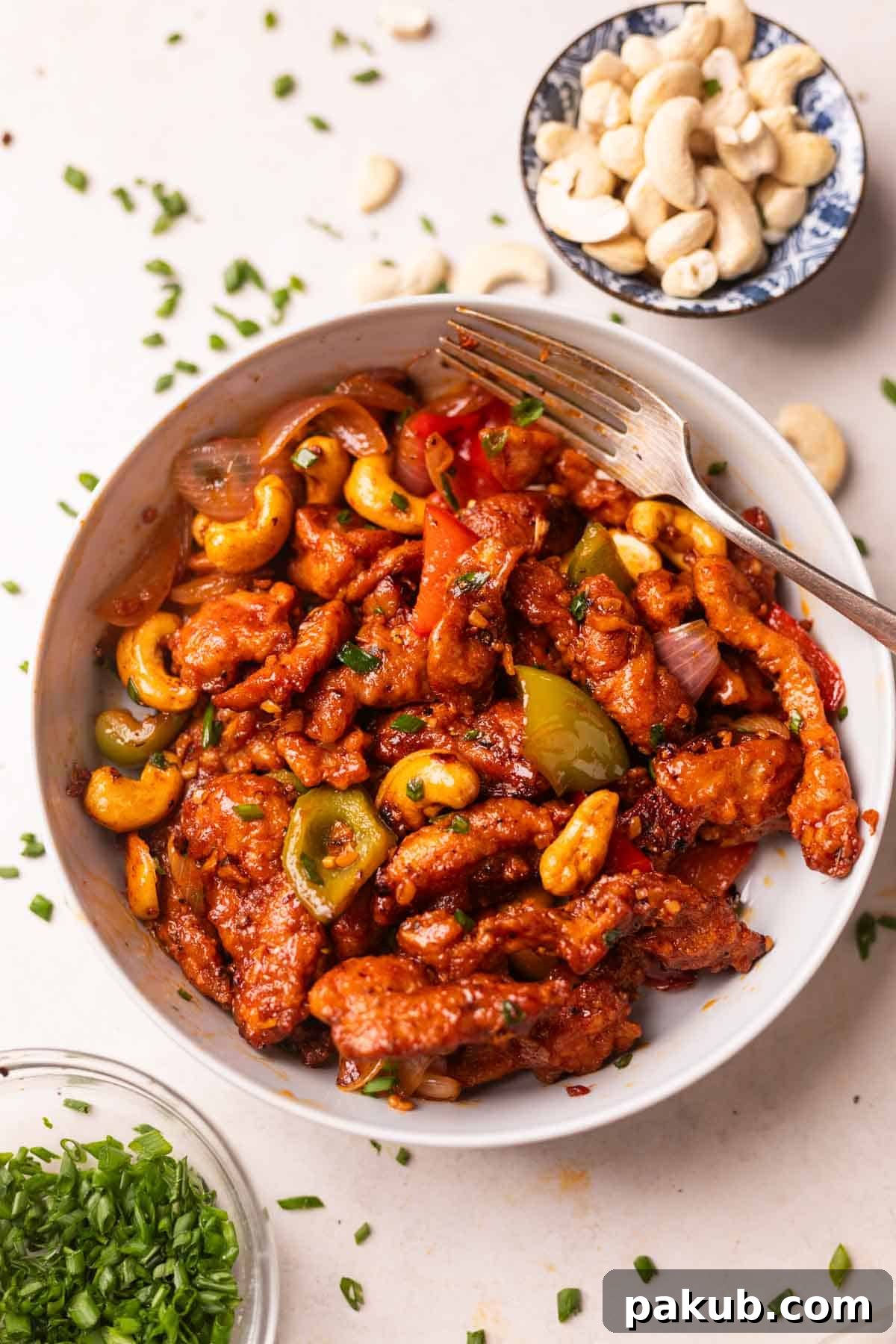
Dragon Chicken: Your Ultimate Guide to a Fiery Indo-Chinese Classic
Craving something spicy, saucy, and seriously satisfying? Dragon Chicken is your answer! This beloved Indo-Chinese favorite brings together perfectly crispy fried chicken strips generously tossed in a bold, fiery, and utterly addictive glaze. Get ready to ignite your taste buds!
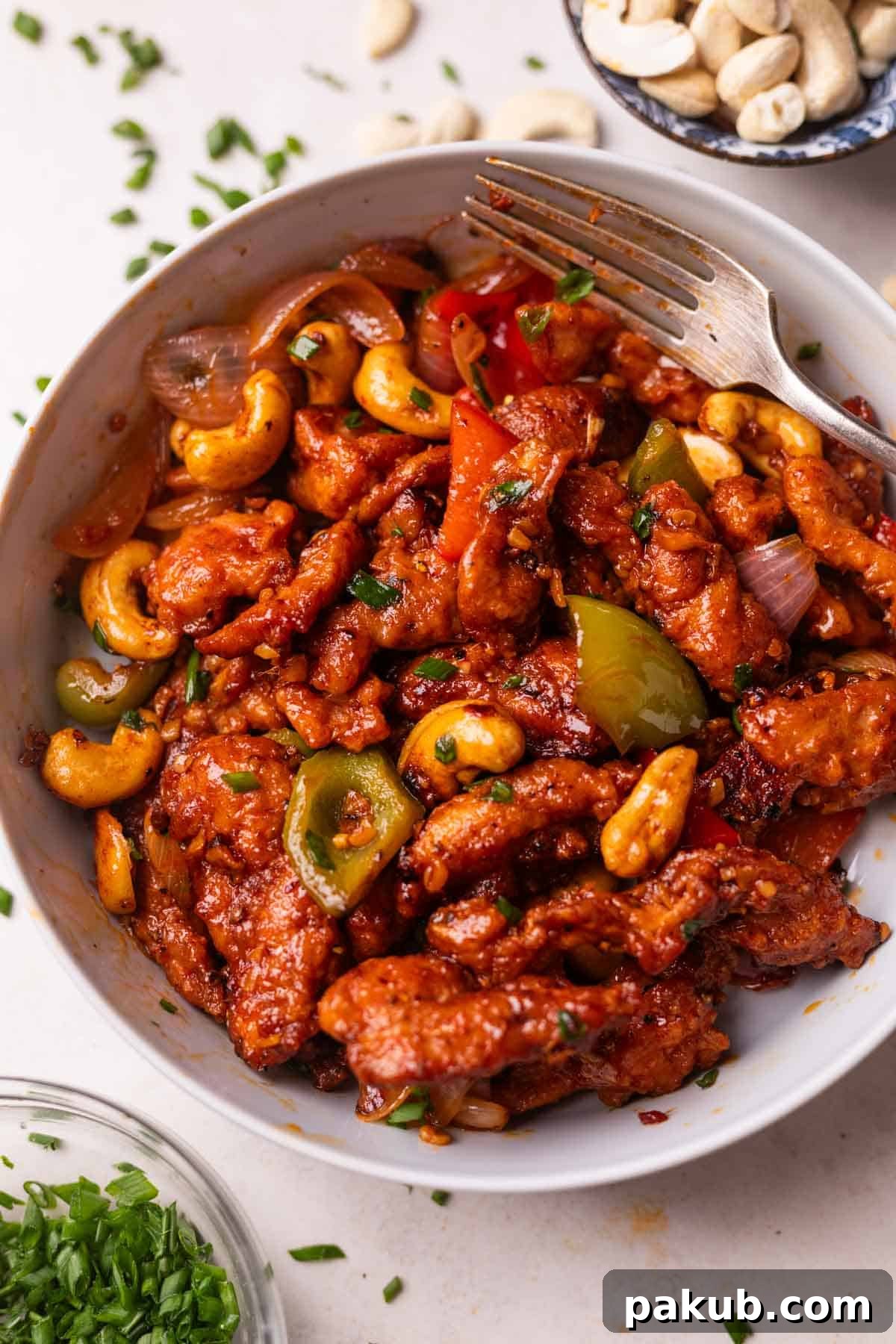
In our fast-paced lives, finding a meal that’s both quick to prepare and incredibly flavorful can feel like a culinary quest. Look no further than Dragon Chicken – a dish that consistently rescues weeknight dinners and elevates casual gatherings. It’s the perfect solution when you desire an exciting, restaurant-quality meal without spending hours in the kitchen. Imagine having a dish so satisfying, so rich in flavor, that it’s ready quicker than calling for takeout! This recipe delivers exactly that: convenience, speed, and unforgettable taste.
This enticing Indo-Chinese creation has quickly become a cherished staple in my home, often sharing the spotlight with other family favorites like Crispy Honey Chilli Potatoes, Chinese-Style Paneer Kathi Rolls, and Homemade Momos. There’s an undeniable magic in the fusion of that audacious, intensely flavorful sauce and the exquisitely fried, tender pieces of chicken that makes Dragon Chicken truly irresistible. It’s a culinary experience you absolutely need to try for yourself!
Why You’ll Love This Dragon Chicken Recipe
This Dragon Chicken recipe isn’t just another dish; it’s a culinary journey packed with reasons to become your new favorite. Here’s why it’s absolutely worth trying:
- Explosion of Flavors: Every bite offers a harmonious blend of sweet, spicy, savory, and tangy notes, creating a dynamic taste profile that keeps you coming back for more. The sauce, rich with ginger, garlic, and chilies, is a true standout.
- Irresistible Texture: The chicken strips are fried to a golden, crispy perfection, providing a delightful crunch that contrasts beautifully with the soft, tender interior. This texture sensation is truly addictive.
- Quick & Easy: Don’t let the restaurant-quality taste fool you; this recipe is incredibly fast to prepare. With minimal prep and quick stir-frying, you can have a gourmet meal on your table in under 30 minutes.
- Versatile Dish: Whether you serve it as a standalone appetizer, part of a lavish spread, or paired with rice or noodles for a complete meal, Dragon Chicken adapts effortlessly to any dining occasion.
- Indo-Chinese Authenticity: It captures the authentic essence of Indo-Chinese cuisine, offering a taste experience that rivals your favorite take-out spot, all from the comfort of your kitchen.
The Story Behind Indo-Chinese Cuisine
To truly appreciate Dragon Chicken, it’s worth understanding the fascinating origins of Indo-Chinese cuisine. This unique culinary style is a vibrant fusion that originated in the Chinese communities of Kolkata, India, over a century ago. Chinese immigrants, initially settling in areas like Tangra, began adapting their traditional cooking methods and ingredients to suit the Indian palate, which favored bolder spices and distinct flavors.
The result was a revolutionary new cuisine characterized by its robust use of ginger, garlic, green chilies, soy sauce, and a touch of Indian spices like red chili powder. Dishes like Chili Chicken, Manchurian, Hakka Noodles, and of course, Dragon Chicken, emerged from this cultural exchange. These dishes retain the stir-frying techniques and umami richness of Chinese cooking while infusing the fiery heat and aromatic depth often found in Indian food. Indo-Chinese cuisine is more than just a blend of two food cultures; it’s a testament to culinary innovation, creating dishes that are globally popular and adored for their distinctive, irresistible taste.
Essential Ingredients for Restaurant-Style Dragon Chicken
Crafting the perfect Dragon Chicken begins with selecting the right ingredients. Here’s a detailed look at what you’ll need to create this flavor-packed dish:
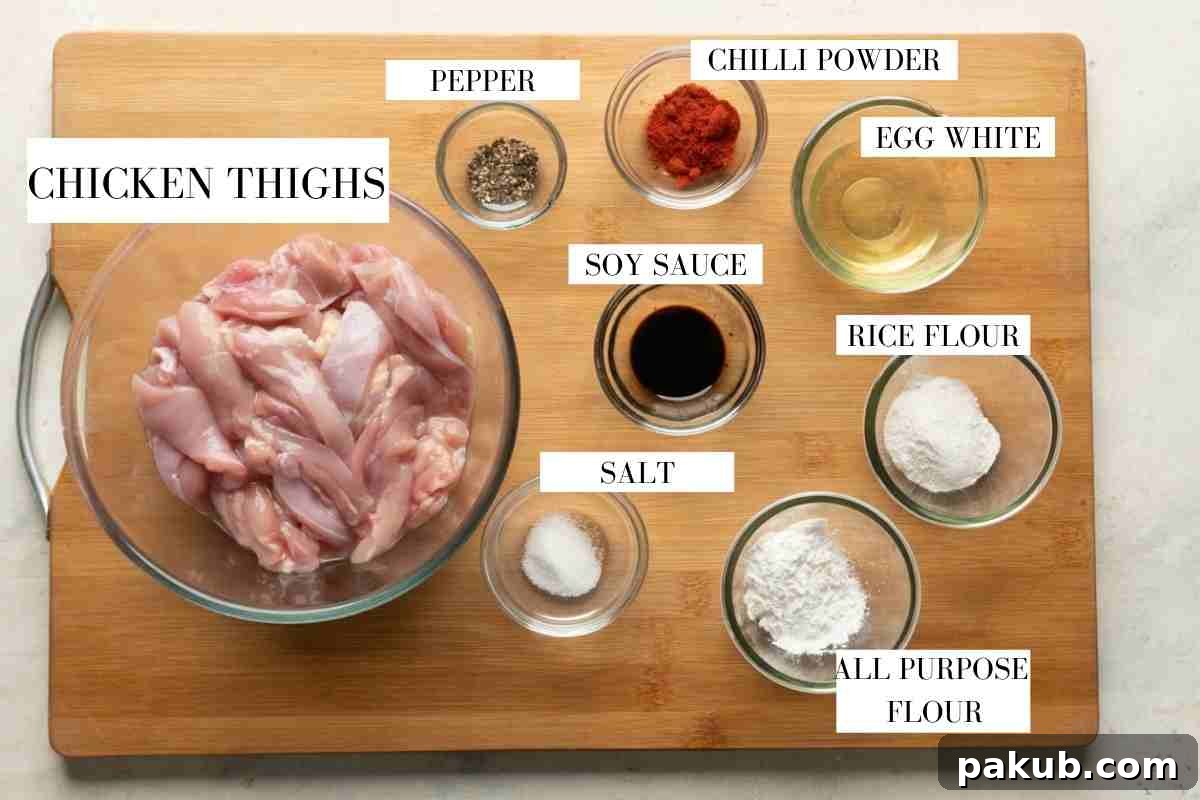
For the Crispy Chicken Marinade:
- Chicken Thighs: Boneless, skinless chicken thighs are highly recommended. Their higher fat content allows them to remain incredibly juicy and tender even under high cooking temperatures, preventing them from drying out. If you prefer chicken breast, cut the strips slightly thicker to help retain moisture during frying.
- Egg White: This is a crucial binding agent for the batter, contributing to a lighter, crispier coating that adheres beautifully to the chicken. It helps create that signature crunch.
- Binding Agents (Flours): A combination of rice flour and all-purpose flour forms the ideal crispy batter. Rice flour adds exceptional crispness, while all-purpose flour (maida) provides structure. For a gluten-free alternative, simply replace the all-purpose flour with an equal amount of cornflour (corn starch).
- Seasoning:
- Soy Sauce: Adds a fundamental umami depth and savory flavor.
- Red Chilli Powder or Cayenne: Don’t skip this! Kashmiri red chili powder is often preferred for its vibrant red color and moderate heat, giving the dish its characteristic fiery hue without overwhelming spiciness. Cayenne pepper can be used for a spicier kick.
- Black Pepper: Freshly crushed black pepper provides a sharp, aromatic warmth.
- Salt: Essential for seasoning the chicken from within.
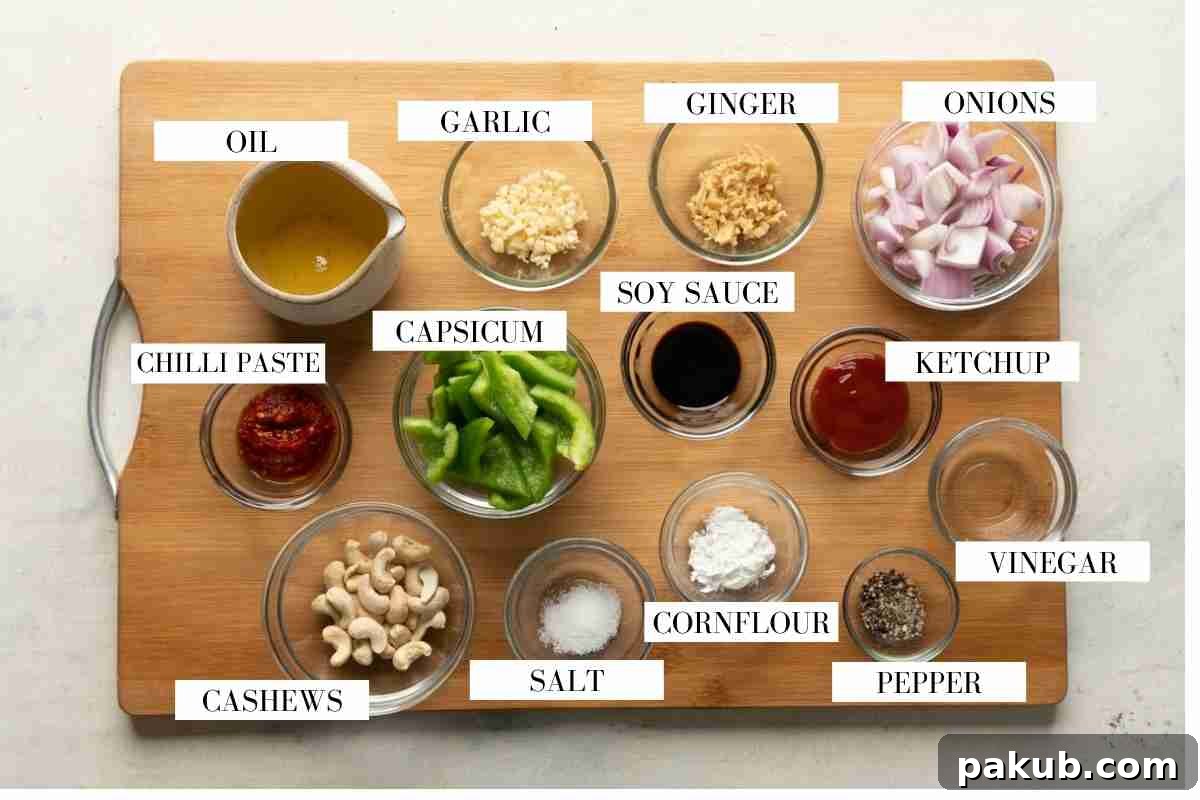
For the Aromatic Stir-Fry Sauce:
- Aromatics: Finely chopped fresh ginger and garlic are the backbone of this sauce. Using generous amounts of both is key to building complex layers of authentic Indo-Chinese flavor. Their fragrant essence is truly transformative.
- Vegetables:
- Onions: Cubed onions (cut into petals) add a subtle sweetness and a tender-crisp texture.
- Capsicum (Bell Peppers): Green capsicum is traditional, offering a fresh, slightly peppery note without adding too much heat. You can also add red or yellow capsicum for extra color and mild sweetness.
- Cashew Nuts: While optional, toasted cashew nuts add a wonderful buttery crunch and richness that beautifully complements the spicy sauce. Peanuts can be a fantastic alternative if you don’t have cashews.
- Sauces:
- Red Chilli Sauce/Paste: Crucial for the dish’s signature heat and color. A homemade red chili paste (made from soaked dried red chilies) offers the best flavor and vibrant red hue. Alternatively, a good quality store-bought red chili sauce works well.
- Dark Soy Sauce: I recommend a quality brand like Chings for that distinct, authentic Indo-Chinese flavor profile. It provides a deep savory note and a beautiful darker color to the sauce.
- Ketchup: Adds a touch of sweetness and tanginess, balancing the heat and creating that perfectly sticky, irresistible glaze.
- Vinegar: A splash of vinegar introduces a bright acidity that cuts through the richness and enhances all the other flavors.
- Cornflour (Corn Starch): Essential for creating the thick, glossy glaze. Mixed with water to form a slurry, it ensures the sauce clings perfectly to the crispy chicken without being watery. Tapioca starch or potato starch are suitable substitutes.
- Oil: Vegetable or neutral oil for frying the chicken and stir-frying the aromatics and vegetables.
- Spring Onion Greens: For garnish, adding a fresh, oniony finish and a pop of green color.
Step-by-Step Guide: How to Make Dragon Chicken
Follow these detailed steps to create a truly spectacular Dragon Chicken that will impress everyone!
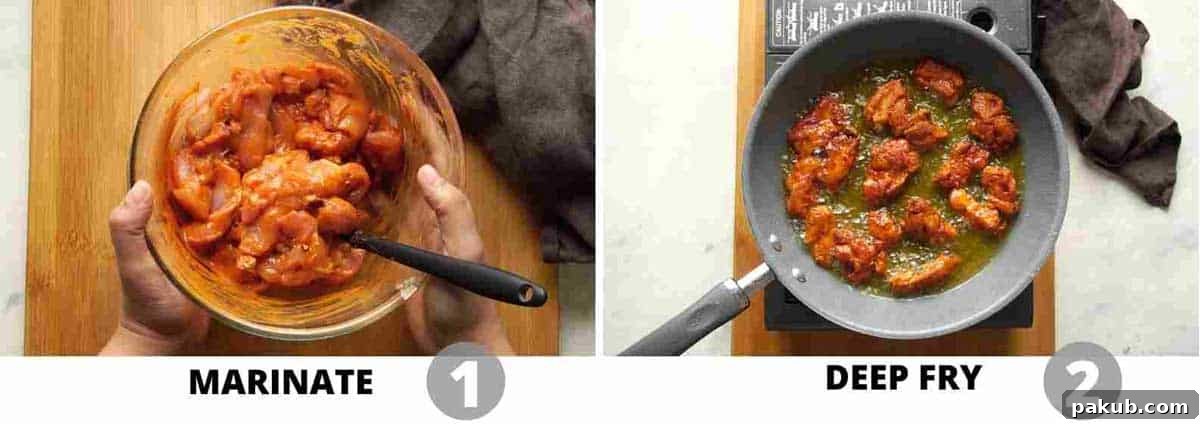
- Marinate the Chicken: In a spacious mixing bowl, combine your boneless chicken strips with soy sauce, salt, black pepper, red chili powder (or cayenne), cornflour, all-purpose flour, and the egg white. Using tongs or your hands (wear gloves if preferred), mix everything thoroughly until each piece of chicken is evenly coated. Ensure there are no dry pockets of flour. Set this aside to marinate for at least 15-20 minutes, or up to 2 hours in the refrigerator for deeper flavor infusion.
- Fry the Chicken: Heat approximately 1 inch of oil in a deep frying pan, kadai, or wok over medium-high heat. Once the oil is shimmering and hot (you can test by dropping a tiny bit of batter; it should sizzle immediately), carefully add the marinated chicken pieces, one by one, ensuring not to overcrowd the pan. Fry the chicken for about 2-3 minutes per batch, turning occasionally, until it turns beautifully golden brown and crispy on all sides. Remove the fried chicken with a slotted spoon and place it on a plate lined with paper towels to drain excess oil.
- Prepare the Wok: Discard most of the frying oil, leaving only about 2 tablespoons in the wok for the stir-fry. Heat this oil on high heat until it’s very hot and slightly smoking. This high heat is crucial for proper stir-frying.
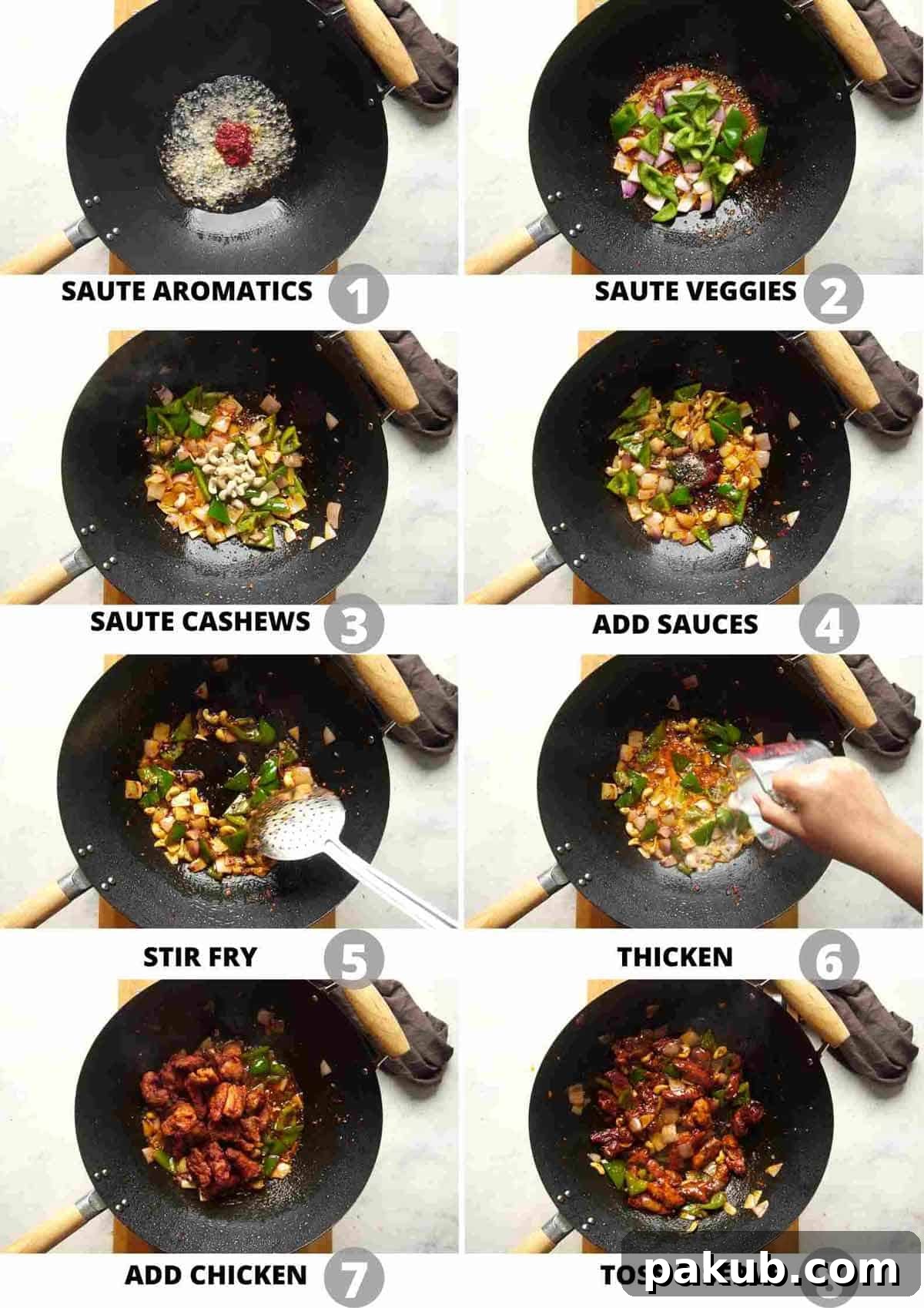
- Sauté the Aromatics: Add the finely chopped ginger, garlic, and red chili paste to the hot oil in the wok. Stir-fry vigorously for about 30-45 seconds. The goal is to cook them just enough until they become wonderfully fragrant and the raw smell of the chili paste dissipates, but be careful not to burn them.
- Add the Veggies: Toss in the cubed onions and capsicum (green, and optionally red/yellow). Continue to stir-fry on high heat for about 1-2 minutes. The vegetables should become slightly tender-crisp, retaining a pleasant bite, and start to turn translucent. Avoid overcooking them; they should not be soggy.
- Roast the Cashews: Add the cashew nuts to the wok. Stir-fry for a quick 10-15 seconds, just enough to lightly roast them and enhance their nutty flavor and crunch. If using peanuts, follow the same quick roasting time.
- Introduce the Sauces: Pour in the dark soy sauce, vinegar, and ketchup. Add the salt and freshly crushed black pepper to taste. Immediately stir-fry for another 10-15 seconds to ensure all the ingredients are well combined and coated in the flavorful liquids.
- Thicken the Sauce: In a small bowl, prepare a cornflour slurry by mixing cornflour (corn starch) with water until smooth. Pour this slurry into the wok while continuously stirring the sauce. Continue to stir-fry for an additional 15-20 seconds. You’ll notice the sauce rapidly thickening into a glossy, sticky glaze. This is a “dry” Dragon Chicken, so the sauce should just coat the chicken, not be overly runny.
- Combine and Serve: Just before you are ready to serve, add the previously fried crispy chicken pieces to the wok. Quickly toss everything together to ensure each piece of chicken is thoroughly coated in the luscious, spicy glaze.
- Garnish and Enjoy: Transfer the Dragon Chicken to a serving platter. Garnish generously with freshly chopped spring onion greens for a burst of fresh flavor and color. Serve immediately while the chicken is at its crispiest and the sauce is perfectly hot and sticky. This dish is so flavorful, it truly needs nothing else to shine!
Frequently Asked Questions About Dragon Chicken
Why is it called Dragon Chicken?
The name “Dragon Chicken” is said to evoke the dish’s vibrant red color and its characteristic fiery, spicy flavor, reminiscent of a fire-breathing dragon! While it might not be *that* spicy for everyone, the name certainly adds to its mystique and appeal, promising an exciting culinary adventure.
Is Dragon Chicken the same as Chilli Chicken?
While both are popular Indo-Chinese chicken dishes, they are distinct. Dragon Chicken is typically made with thinly sliced chicken strips, often features a slightly sweeter and more glossy, sticky sauce, and may include cashews. In contrast, Chilli Chicken is usually made with chunkier pieces of chicken, has a more savory and sometimes drier sauce, with a stronger emphasis on green chilies and bell peppers. Dragon Chicken leans more towards a glazed, sweet-and-spicy profile.
Is Dragon Chicken an Indo-Chinese recipe?
Yes, absolutely! Dragon Chicken is a quintessential Indo-Chinese recipe, celebrated for its unique blend of Indian spices and Chinese cooking techniques. It’s one of the most beloved dishes from this fusion cuisine, alongside other favorites like Chicken Majestic and Chilli Chicken.
What is the best type of chili to use for Dragon Chicken?
For the most authentic flavor and vibrant color, Kashmiri Red Chilli Powder is highly recommended for the marinade, as it provides a beautiful red hue with moderate heat. For the chili paste in the sauce, dried red chilies (like Byadgi or Guntur chilies, soaked and ground) offer a more intense, fresh chili flavor. If these are unavailable, a good quality store-bought red chili paste or even chili flakes can be used, though the color might vary.
Can I make Dragon Chicken vegetarian?
Yes! Dragon Chicken is incredibly versatile. You can easily create a delicious vegetarian version by substituting chicken with paneer (Indian cottage cheese), firm tofu, or even baby corn. Just ensure these alternatives are cut into strips, marinated, and fried until golden and crispy before being tossed in the sauce.
Chef’s Top Tips for the Best Dragon Chicken
- Marinate for Maximum Flavor: Don’t rush the marination process. Allowing the chicken to marinate for at least 15-20 minutes, or ideally up to 2 hours, ensures that the flavors penetrate deep into the meat, resulting in a more tender and delicious chicken.
- Mise en Place is Key: “Mise en place” (everything in its place) is critical for Chinese stir-frying. Before you even turn on the stove for the stir-fry, have all your ingredients chopped, measured, and ready. The actual stir-frying process is incredibly fast, lasting only about 5-7 minutes, so you won’t have time to chop or search for ingredients mid-cook.
- Maintain High Heat: For that authentic stir-fry char and crispy vegetables, always cook the aromatics and vegetables on high heat. This ensures they cook quickly while retaining their texture, instead of steaming and becoming soggy.
- Don’t Overcrowd the Pan: When frying the chicken, cook it in batches if necessary. Overcrowding the pan will lower the oil temperature, leading to less crispy chicken and potentially soggy results.
- Homemade Chili Paste Advantage: If time permits, making your own red chili paste from soaked dried red chilies yields a punchier flavor and a more vibrant, authentic color for your sauce compared to store-bought options or chili flakes.
Perfect Serving Ideas for Your Dragon Chicken
Dragon Chicken is incredibly versatile and can be enjoyed in many ways:
- As an Appetizer: Serve it hot straight from the wok as a delectable appetizer, perhaps alongside a refreshing cold beer or a crisp glass of white wine for adults. It’s perfect for parties!
- Complete Meal: For a hearty main course, pair it with classic Indo-Chinese sides like Vegetable Fried Rice or Hakka Noodles. The flavors complement each other beautifully for a full, satisfying meal.
- Light & Healthy Option: Stuff the Dragon Chicken into fresh lettuce wraps for a lighter, yet still flavorful and fun dish. The crisp lettuce provides a refreshing contrast to the rich chicken.
- Side Dish: It can also be a fantastic side dish to any larger Asian-themed feast.
How To Store and Reheat Leftover Dragon Chicken
- Storage: While Chinese Dragon Chicken is undoubtedly best enjoyed fresh for maximum crispness, any leftovers can be stored in an airtight container in the refrigerator for up to 2 days. Beyond that, the quality begins to diminish.
- Reheating: To best preserve the texture, reheat leftover Dragon Chicken in an oven or an air fryer. The dry heat will help to re-crisp the chicken and prevent it from becoming overly soft. Avoid microwaving if possible, as it tends to make the chicken soggy and can compromise the crispy coating.
Tips To Customise Your Dragon Chicken
Feel free to get creative and tailor this Dragon Chicken recipe to your personal preferences:
- Vegetarian Variations: Easily transform this into a vegetarian delight by using paneer, firm tofu, or baby corn instead of chicken. Ensure they are fried until golden and crispy before tossing in the sauce.
- Adjust Spice Levels: If you prefer a milder dish, reduce the amount of red chili powder in the marinade and chili paste in the sauce. For extra heat, add more fresh chopped green chilies or a dash of chili oil at the end.
- Make it Saucy: If you enjoy more gravy with your meal, simply add a little extra water (about 1/4 to 1/2 cup) to the sauce mixture along with the cornflour slurry. This will create a luscious, coating gravy that’s perfect for serving over rice.
- Add More Veggies: Enhance the nutritional value and texture by incorporating other quick-cooking vegetables like snow peas, broccoli florets, or julienned carrots during the stir-fry stage.
- Sweetness Adjustment: If you prefer a less sweet profile, reduce the amount of ketchup slightly. For more sweetness, a pinch of sugar or honey can be added to the sauce.
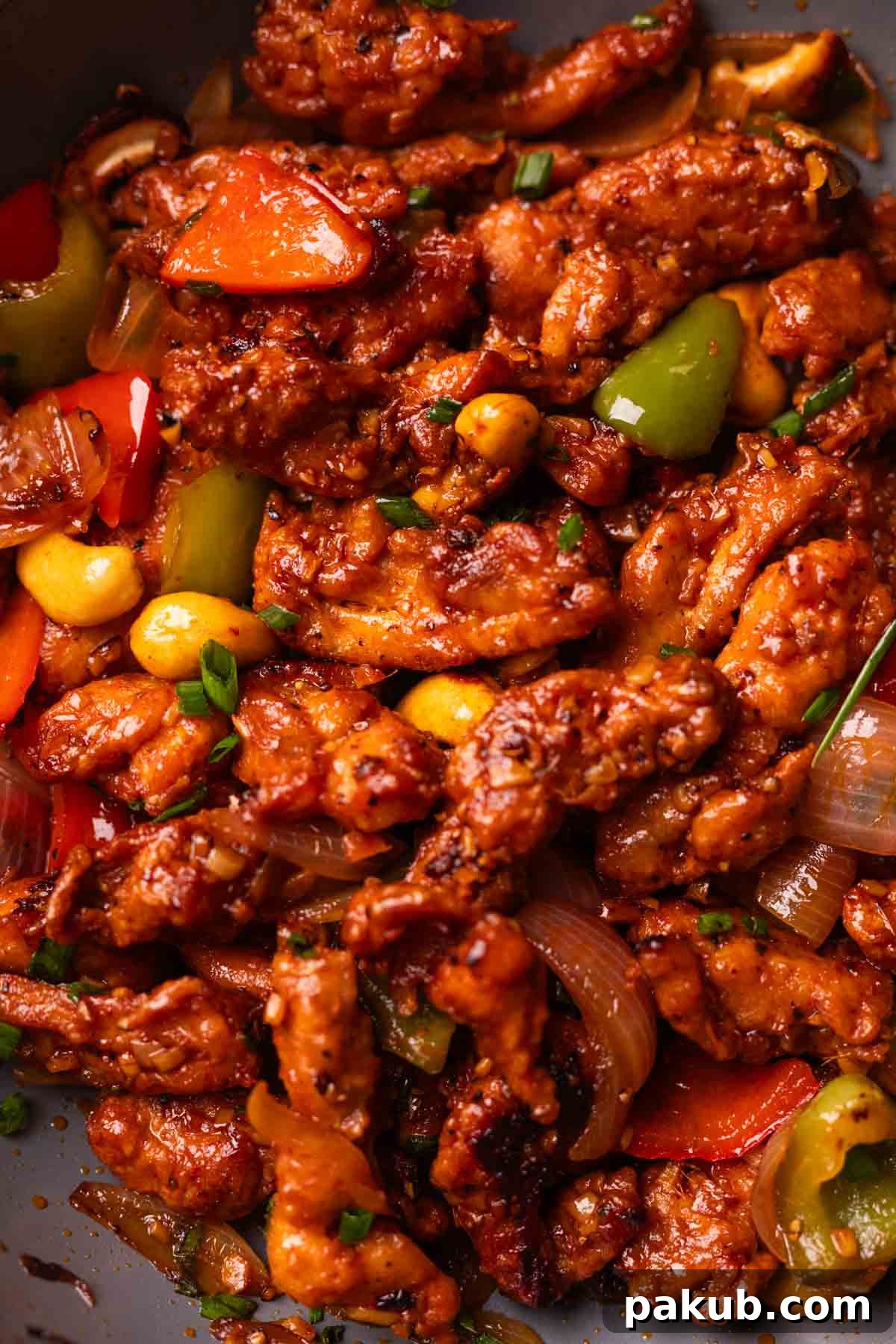
Bold, spicy, sticky, and utterly irresistible — Dragon Chicken is precisely the kind of recipe that disappears the moment it’s placed on the table. Its vibrant flavors and satisfying textures make it a standout dish, perfect for any occasion. Whether you’re whipping it up for a large gathering or simply spicing up your routine weeknight dinner, this fiery and flavorful creation is one you’ll undoubtedly want to master and keep on repeat in your kitchen.
If you try this sensational recipe, I’d love to see your culinary creations! Tag me on Instagram at @my_foodstory and share your delicious results!
Watch the Dragon Chicken Recipe Video
Restaurant Style Dragon Chicken
By: Richa
This Dragon Chicken boasts the same incredible restaurant-style flavor and abundant texture, yet it’s incredibly easy to make and can be ready in just 30 minutes – from start to finish!
Save this recipe!
Get this sent to your inbox, plus get new recipes from us every week!
Ingredients
Marinade
Stir Fry
Instructions
Marinade & Fry
-
Add all the marinade ingredients into a mixing bowl. Use a pair of tongs or spoons to mix well, ensuring there are no lumps of flour. Set aside to marinate for at least 15-20 minutes.
(Ingredients: Chicken Thigh, Soy Sauce, Salt, Pepper, Kashmiri Red Chilli Powder, Corn flour, All Purpose Flour, Egg White)
-
Heat about 1 inch of oil in a frying pan, kadai, or wok. Once hot, carefully add the marinated chicken pieces one at a time. Fry on medium-high heat for 2-3 minutes per batch until golden brown and crispy.
(Ingredients: Oil)
-
Remove the excess oil used for frying, retaining only 2 tablespoons of oil in the wok for the stir-fry.
Stir Fry
-
Heat the retained oil in the wok on high heat. Once hot, add garlic, ginger, and red chilli paste. Fry on high heat for 1-2 minutes until fragrant and the raw smell of chili paste disappears.
(Ingredients: chopped Garlic, chopped Ginger, Red Chilli Paste)
-
Add onions and capsicum. Saute on high heat for 2-3 minutes until they start to turn translucent but remain crispy. Add cashew nuts and fry for 1-2 minutes to lightly roast them.
(Ingredients: Onion, Green Capsicum, Red Capsicum, Cashew Nuts)
-
Add soy sauce, vinegar, ketchup, salt, and black pepper. In a small bowl, combine 1 1/2 teaspoons corn flour with 1/3 cup water to create a slurry, then add it to the wok. Cook for 1-2 minutes or until the sauce thickens to a glossy glaze. Add the fried chicken pieces and toss to combine thoroughly. Garnish with spring onion greens and serve hot immediately!
(Ingredients: Soy Sauce, Vinegar, Ketchup, Salt, Pepper, Corn Flour, Water, spring onion greens)
Video Guide
Chef’s Notes for Success
- Chicken Thighs are Superior: Always opt for chicken thighs over breasts for this recipe. Thighs remain moist and tender during the high-heat cooking, while breasts tend to dry out much faster.
- Homemade Red Chilli Paste: For the most authentic flavor and a vibrant red color, consider making your red chili paste at home. Simply soak dried red chilies in hot water for 10-15 minutes, then grind them into a thick paste. This yields a much punchier and fresher taste than store-bought alternatives. If using chili flakes, be aware the color won’t be as intense.
- Frying Method: You can either deep fry or shallow fry the chicken. Since the chicken is cut into thin 1/2-inch strips, it cooks very quickly, requiring only 2-3 minutes total to become perfectly crispy and cooked through.
- Serve Immediately: To ensure your Dragon Chicken retains its delightful crispness, add the fried chicken to the sauce and toss it just before serving. The longer the chicken sits in the sauce, the softer its coating will become, and we want that satisfying crunch!
Nutrition Information (per serving)
Calories: 486 kcal,
Carbohydrates: 18 g,
Protein: 23 g,
Fat: 37 g,
Saturated Fat: 7 g,
Polyunsaturated Fat: 9 g,
Monounsaturated Fat: 19 g,
Trans Fat: 0.1 g,
Cholesterol: 110 mg,
Sodium: 865 mg,
Potassium: 511 mg,
Fiber: 2 g,
Sugar: 5 g,
Vitamin A: 866 IU,
Vitamin C: 44 mg,
Calcium: 42 mg,
Iron: 2 mg
(Note: Nutritional information is an estimate based on ingredients and preparation.)
Like this recipe? We’d love to hear from you! Rate and comment below to share your experience!
This article was researched and written by Navya Khetarpal, and expanded by an AI assistant.