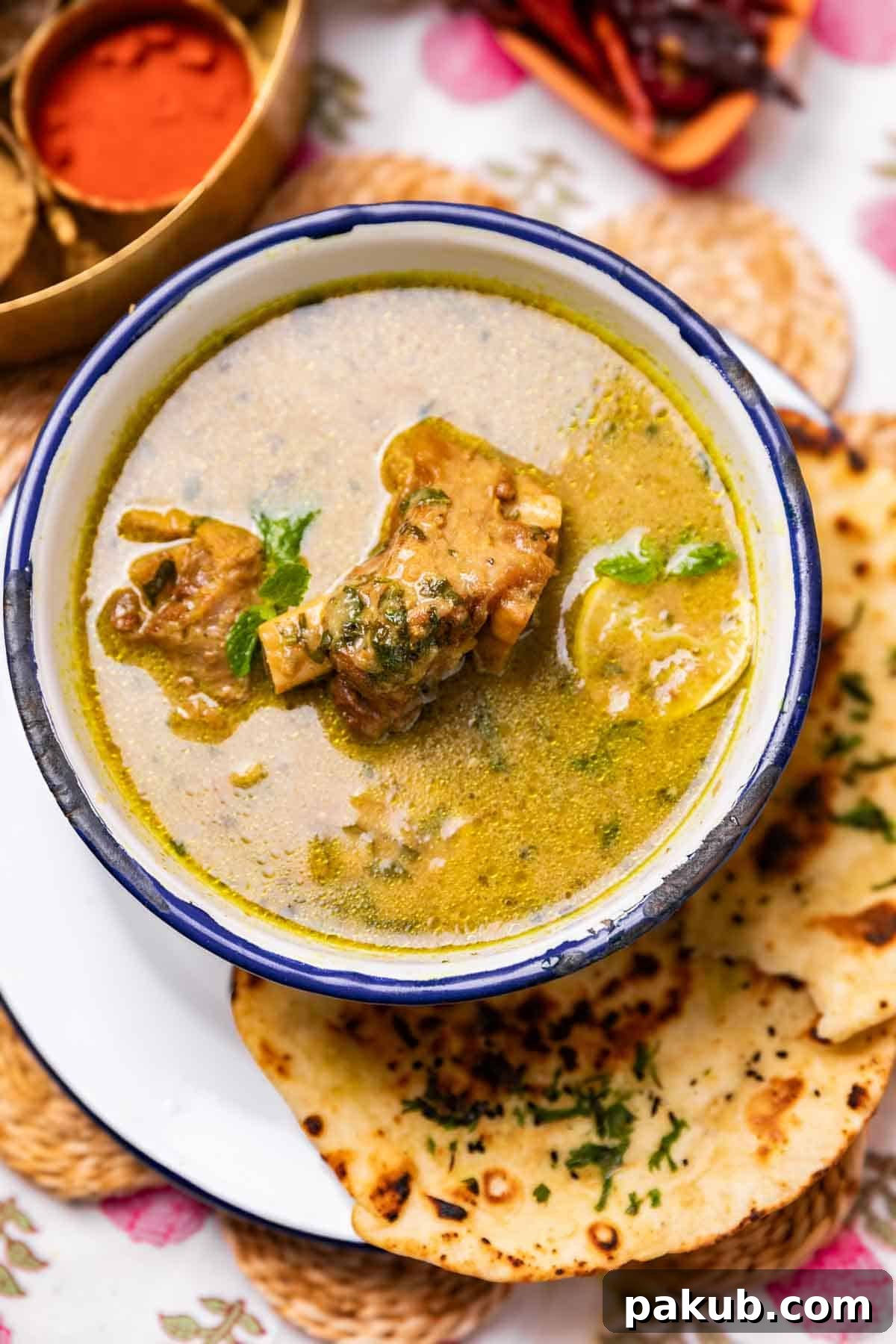
Craving a bowl of warmth and exquisite flavor? This authentic Hyderabadi Mutton Marag recipe delivers a velvety, brothy soup with succulent, fall-off-the-bone mutton, infused with delicate nutty notes and an aromatic symphony of spices—the quintessential comfort food for any chilly evening or celebratory feast.
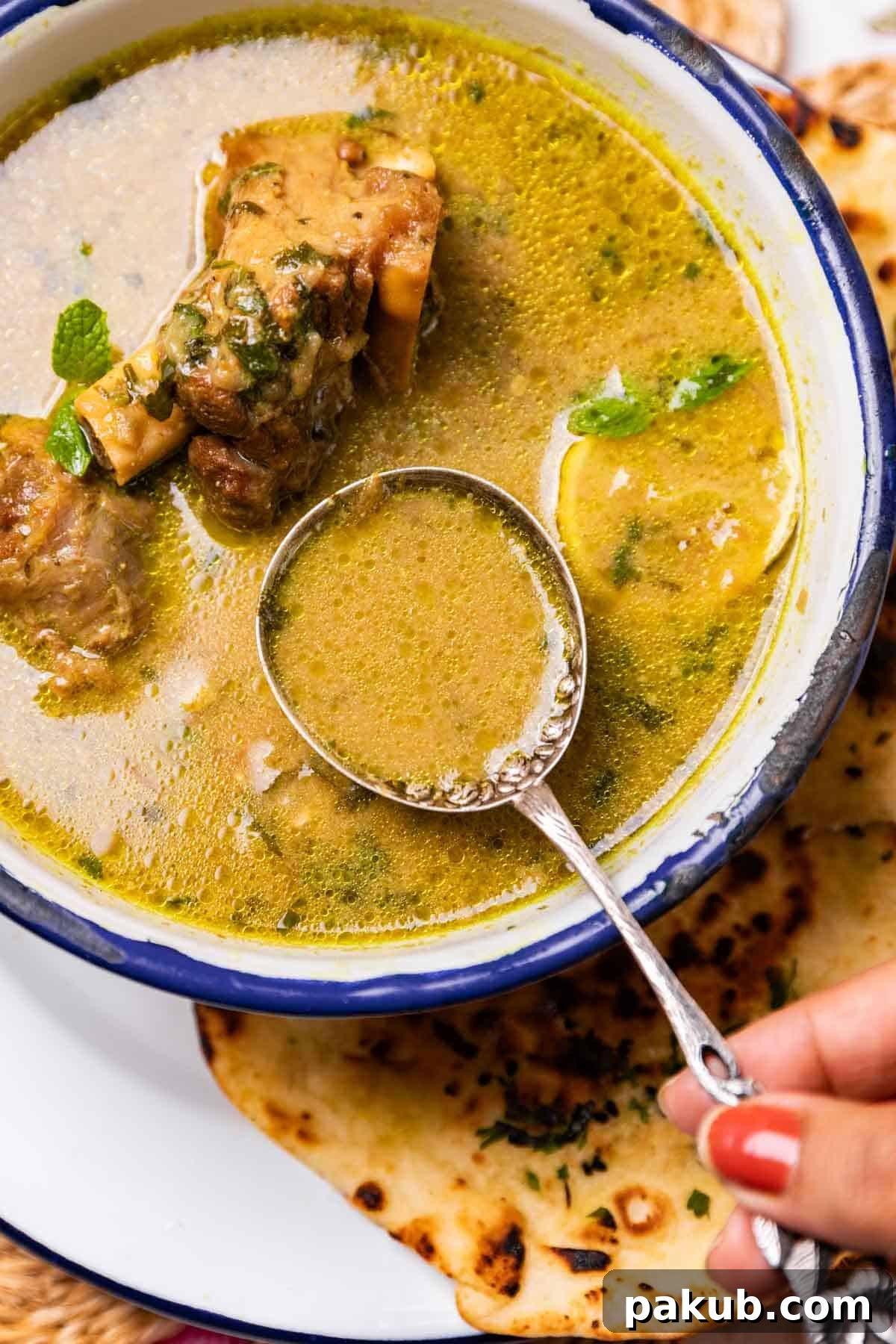
Imagine a cold evening, a gentle breeze hinting at the comfort indoors, and the promise of a steaming bowl of Hyderabadi Mutton Marag. Paired with a side of freshly baked, crusty bread, this meal transforms a simple dinner into a truly memorable experience. This renowned Hyderabadi delicacy is much more than just a soup; it’s a luxurious, brothy creation brimming with savory, nutty, and subtly garlicky flavors, featuring mutton so tender it effortlessly melts in your mouth.
What truly elevates this dish, setting it apart from other lamb soups, is its meticulous preparation. The journey begins with pressure-cooking the mutton to achieve unparalleled tenderness, ensuring every piece is infused with flavor. Following this, the soup is gently slow-simmered, allowing the intricate layers of aromatic spices to fully develop and deepen. A carefully balanced paste of blanched almonds and cashews lends the broth its characteristic silky, creamy texture, while whole spices contribute a distinctive warmth and earthy aroma that is both comforting and exotic. Historically, Mutton Marag graced the tables of Nizami royalty and was traditionally served as an elegant starter at grand Hyderabadi weddings and lavish feasts. Today, it remains the epitome of sophisticated comfort food, offering a taste of heritage with every spoonful.
The beauty of Mutton Marag lies in its versatility as a companion. While it’s utterly satisfying on its own, it truly shines when paired with freshly baked soft naan, traditional tandoori roti, or even a generous hunk of crusty artisanal bread. These accompaniments are not just for dipping; they are perfect for soaking up every precious drop of that unbelievably rich and flavorful broth, ensuring no culinary goodness goes to waste. Each bite, whether of the tender lamb or the soaked bread, is a delightful explosion of taste and texture.
Jump to Section: The Ultimate Hyderabadi Mutton Marag Guide
- Why You’ll Adore This Recipe
- Essential Mutton Marag Ingredients
- History and Cultural Significance
- Expert Tips for a Perfect Marag
- Serving Suggestions & Customizations
- Watch the Mutton Marag Recipe Video
Why You’ll Adore This Recipe
There are countless reasons why Hyderabadi Mutton Marag deserves a permanent spot in your culinary repertoire. This dish isn’t just food; it’s an experience.
- Unforgettably Rich & Flavorful Broth: The soup boasts an incredible depth of flavor, born from a harmonious blend of whole and ground spices that infuse the broth with warmth, complexity, and an alluring aroma. Each sip is a testament to the slow cooking process, revealing nuanced notes that linger on the palate.
- Melts-in-Your-Mouth Tender Mutton: Thanks to the strategic use of pressure cooking, the mutton achieves an unparalleled tenderness that traditional methods might take hours longer to accomplish. The meat remains juicy and absorbs all the beautiful flavors of the broth, making every morsel a delight.
- Impressively Easy, Yet Gourmet Quality: Despite its sophisticated flavor profile and rich history, preparing Mutton Marag is surprisingly straightforward. The recipe uses accessible ingredients and a logical cooking process, making it achievable for home cooks looking to create something truly special without excessive effort. It’s the perfect dish to impress guests or simply treat yourself and your family to a gourmet experience at home.
Essential Mutton Marag Ingredients
The magic of Mutton Marag lies in the quality and balance of its ingredients. Each component plays a crucial role in building the soup’s distinctive character and rich profile:
- Bone-in Mutton (Lamb): The cornerstone of this soup. Using bone-in cuts is paramount as the marrow and connective tissues render a profound richness and depth to the broth, imparting a robust flavor that cannot be achieved with boneless meat. Opt for cuts like lamb shoulder or leg, cut into medium-sized pieces.
- Aromatic Whole Spices: A carefully selected blend of cinnamon sticks, green cardamoms, cloves, and bay leaves are gently tempered in ghee. These whole spices release their essential oils and warm fragrance, forming the aromatic foundation of the Marag. Their subtle yet complex notes are integral to the soup’s authentic taste.
- Silky Nut Paste: The creamy, luxurious texture of Mutton Marag is primarily attributed to a paste made from blanched almonds and cashews. This paste not only thickens the broth naturally but also adds a delicate nutty sweetness that complements the savory mutton and spices beautifully, making the soup incredibly smooth and comforting.
- Fresh Herbs: Finely chopped fresh coriander (cilantro) and mint leaves are not just garnishes; they are vital flavor enhancers. Added at different stages, they contribute a bright, herbaceous freshness that cuts through the richness of the soup, offering a vibrant contrast and balancing the overall profile.
- Bright Lemon Juice: A final squeeze of fresh lemon juice before serving is a non-negotiable step. The acidity of the lemon acts as a natural flavor brightener, lifting all the heavy notes and adding a zesty finish that invigorates the palate and makes the Marag even more refreshing.
History and Cultural Significance of Mutton Marag
The name “Marag” itself holds a fascinating story, stemming from Arabic, where it translates to “broth” or “stew.” This linguistic root hints at the dish’s historical origins, tracing back to the rich culinary traditions introduced by the Mughals to the Indian subcontinent. Hyderabadi cuisine, in particular, is a magnificent fusion of traditional South Indian, Persian, and Mughal cooking styles, and Mutton Marag stands as a proud example of this heritage.
Once a staple in the opulent kitchens of the Nizams of Hyderabad, Marag was meticulously prepared for royal banquets and grand celebrations. It symbolized hospitality and luxury, often serving as the grand opening to multi-course feasts. The elaborate preparation, involving slow cooking and a delicate balance of spices and nuts, reflected the sophisticated palate of the royalty. Over centuries, this regal dish transitioned from palace tables to become a cherished part of public festivities, including weddings, Eid celebrations, and special family gatherings across Hyderabad. Its enduring popularity is a testament to its comforting warmth and exquisite flavor, making it a beloved symbol of Hyderabadi culinary identity that continues to charm food lovers worldwide.
Expert Tips for a Perfect Marag
To ensure your Hyderabadi Mutton Marag is nothing short of spectacular, keep these crucial tips in mind:
- Always Opt for Bone-in Mutton: This cannot be stressed enough. The bones, along with the marrow, are critical for developing a deeply flavorful and richly textured broth. They slowly release gelatin and nutrients during cooking, contributing to the soup’s body and authentic taste. Boneless mutton, while convenient, will result in a less robust and less satisfying Marag.
- Embrace the Pressure Cooker for Tenderness: A pressure cooker is your best friend for this recipe. It significantly cuts down on cooking time while ensuring the mutton becomes incredibly tender and succulent. The high-pressure environment helps break down tough fibers in the meat quickly, making it fall-off-the-bone without losing its juiciness. If you don’t have one, a slow cooker or heavy-bottomed pot can be used, but be prepared for a much longer cooking duration (potentially double or triple the time).
- Don’t Skip the Slow Simmer: After initial pressure cooking, the slow simmering phase is essential. This is where the flavors truly meld and deepen, transforming individual ingredient notes into a harmonious, complex broth. It allows the spices to bloom fully and the nut paste to integrate seamlessly, creating that signature velvety texture. Patience during this stage is key to achieving a Marag with profound depth.
- The Nut Paste is Non-Negotiable: The blend of almond and cashew paste is what gives Mutton Marag its distinctive silky, rich, and slightly creamy consistency, differentiating it from a simple clear broth. This paste acts as a natural thickener and imparts a subtle sweetness and body that is central to the dish’s character. Skipping it or using substitutes will fundamentally alter the texture and taste profile of your Marag.
Mutton Marag is traditionally enjoyed with a variety of Indian breads. The most popular choices include soft, fluffy naan, classic tandoori roti, or even a simple yet robust crusty bread. These are perfect for soaking up the rich, flavorful broth.
Yes, you absolutely can make Marag with chicken! However, remember to significantly reduce the cooking time as chicken cooks much faster than mutton. Keep an eye on the tenderness to prevent overcooking, which can make the chicken dry.
Traditionally, Mutton Marag is celebrated as a meat-centric soup, allowing the rich flavors of the lamb and spices to dominate. However, for those looking to add extra texture and nutrients, you can certainly incorporate vegetables like carrots, potatoes, or even bottle gourd (lauki) towards the end of the cooking process. Be mindful that this might slightly alter the authentic flavor profile.
The term “Marag” originates from Arabic, meaning “broth” or “stew.” This dish boasts significant Mughal influences and is a deeply rooted part of Hyderabadi cuisine, frequently served as an elegant starter at formal gatherings and celebrations, showcasing a blend of Persian and Indian culinary traditions.
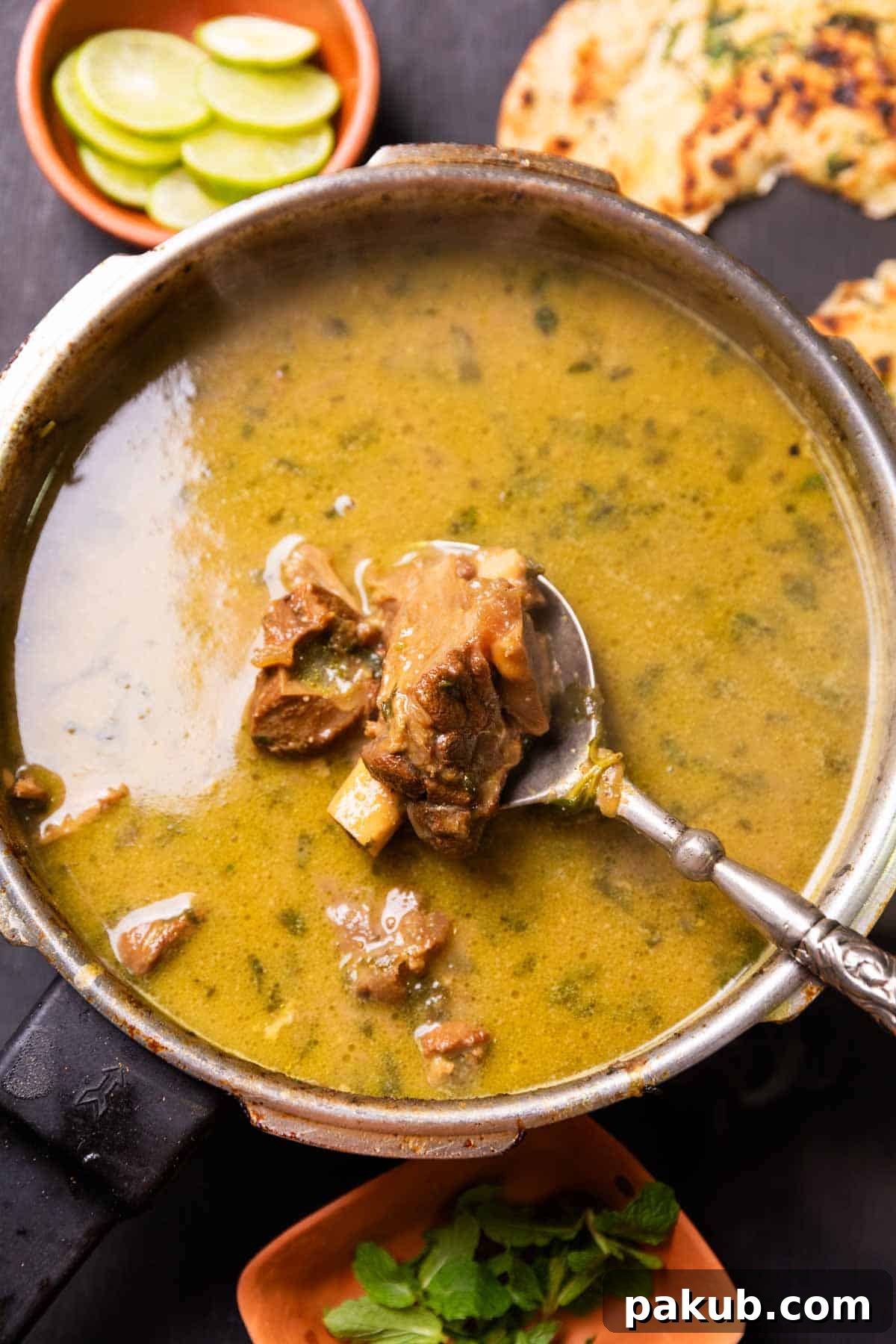
Serving Suggestions & Customizations
Serving Mutton Marag is an art in itself. While traditionally accompanied by bread, consider enhancing the experience with a wedge of fresh lime on the side, allowing each diner to add a burst of tanginess to their bowl. A sprinkle of crispy fried onions can add another layer of texture and a touch of sweetness. For a heartier meal, a small portion of fragrant basmati rice could also be served, absorbing the rich broth beautifully.
Beyond the classic recipe, adventurous home cooks might consider subtle variations. A pinch of saffron steeped in warm milk can be added towards the end for an even more luxurious aroma and subtle color. For those who enjoy a little heat, a finely chopped green chili can be stirred in just before serving, or a sprinkle of red chili flakes as a garnish. While traditionalists might shy away, a very small amount of coconut milk can also be experimented with for an extra creamy texture, though this will significantly alter the authentic Hyderabadi profile. Regardless of how you choose to serve it, ensure the Marag is piping hot to fully appreciate its comforting qualities.
From its origins as a royal banquet dish to its current status as a popular choice for both grand celebrations and intimate, cozy nights in, Hyderabadi Mutton Marag truly is a culinary masterpiece. With its irresistibly rich broth, exquisitely tender meat, and intoxicating aromatic spices, this recipe is guaranteed to become a cherished favorite in your kitchen. It’s more than just a dish; it’s an invitation to savor a piece of history and a taste of unparalleled comfort.
Have you tried this incredible recipe? We’d love to see your creations! Share your delicious bowls of Mutton Marag on Instagram and tag us @my_foodstory! 🍲✨
Watch How To Make Mutton Marag Video
Hyderabadi Mutton Marag | Aromatic Lamb Soup
Richa
5 minutes
50 minutes
55 minutes
4
persons
Rate Recipe
Print Recipe
Equipment
-
1 Pressure Cooker
Ingredients
- ▢ 2 tablespoons ghee
- ▢ 1 cinnamon stick
- ▢ 4 cloves
- ▢ 1 bayleaf
- ▢ 2 green cardamoms
- ▢ 1 ½ cups sliced onions, 3 medium, approx. 250 gms
- ▢ 1 tablespoon ginger garlic paste
- ▢ ½ kg bone-in mutton, 500 gms
- ▢ 2 ¼ teaspoons salt, divided
- ▢ 5 cups + 2 tablespoons water, divided
- ▢ 2 green chillies, whole
- ▢ ½ teaspoon turmeric powder
- ▢ 1 teaspoon garam masala powder
- ▢ ½ teaspoon cardamom powder
- ▢ 1 ½ teaspoons black pepper powder
- ▢ 4 tablespoons finely chopped coriander leaves, divided
- ▢ 2 tablespoons chopped mint leaves
- ▢ 2 tablespoons almond paste
- ▢ 2 tablespoons cashew paste
- ▢ 1 tablespoon lemon juice
Instructions
-
Heat ghee in a pressure cooker. Add the whole spices (cinnamon stick, cloves, bayleaf, green cardamoms) and sauté for a minute on low heat until fragrant. Add the sliced onions and sauté for 3-4 minutes on medium heat until they turn a light golden brown. Stir in the green chillies and ginger garlic paste along with 2 tablespoons of water to prevent burning, then sauté for another 2 minutes.2 tablespoons ghee,
1 cinnamon stick,
4 cloves,
1 bayleaf,
2 green cardamoms,
1 ½ cups sliced onions,
1 tablespoon ginger garlic paste,
5 cups + 2 tablespoons water,
2 green chillies -
Add the mutton and 1 teaspoon of salt. Sauté for 5-6 minutes, ensuring the mutton pieces are well-coated with the aromatics and turn a light golden color. This step helps to seal in the juices and build flavor.½ kg bone-in mutton,
2 ¼ teaspoons salt -
Stir in 2 tablespoons of chopped coriander leaves and 1 ½ cups of water. Secure the lid of the pressure cooker. After the first whistle, reduce the heat to low and continue cooking for 20 minutes. Allow the pressure to release naturally. At this point, the mutton should be perfectly cooked and tender, but still holding its shape without becoming overly mushy or falling completely off the bones.4 tablespoons finely chopped coriander leaves
-
Once the pressure has fully released, open the cooker and bring it back to high heat. Add the turmeric powder, garam masala powder, cardamom powder, black pepper powder, the remaining 1 ¼ teaspoon of salt, almond paste, cashew paste, lemon juice, the remaining 2 tablespoons of coriander leaves, and the chopped mint leaves. Pour in the remaining 2 ½ cups of water and mix everything thoroughly. Reduce the heat and simmer gently for 20 minutes, allowing the flavors to meld and the broth to thicken slightly. Serve hot and enjoy your authentic Hyderabadi Mutton Marag!½ teaspoon turmeric powder,
1 teaspoon garam masala powder,
½ teaspoon cardamom powder,
1 ½ teaspoons black pepper powder,
2 tablespoons almond paste,
2 tablespoons cashew paste,
1 tablespoon lemon juice,
2 tablespoons chopped mint leaves
Video
Notes
- Bone-in mutton is highly recommended for this recipe, as the bones and marrow contribute significantly to the rich flavor and body of the soup.
- Adding a small amount of water with the ginger-garlic paste during sautéing helps prevent it from burning, ensuring a clean flavor profile.
- Using a pressure cooker dramatically reduces the cooking time for the mutton. Cooking in a traditional pot could take twice or even three times as long, depending on the quality of the mutton.
Nutrition
Carbohydrates: 16g,
Protein: 23g,
Fat: 41g,
Saturated Fat: 18g,
Polyunsaturated Fat: 4g,
Monounsaturated Fat: 17g,
Cholesterol: 110mg,
Sodium: 1479mg,
Potassium: 482mg,
Fiber: 4g,
Sugar: 7g,
Vitamin A: 145IU,
Vitamin C: 10mg,
Calcium: 89mg,
Iron: 3mg
Like this recipe? Rate and comment below!
This article was meticulously researched and beautifully written by Harita Odedra.