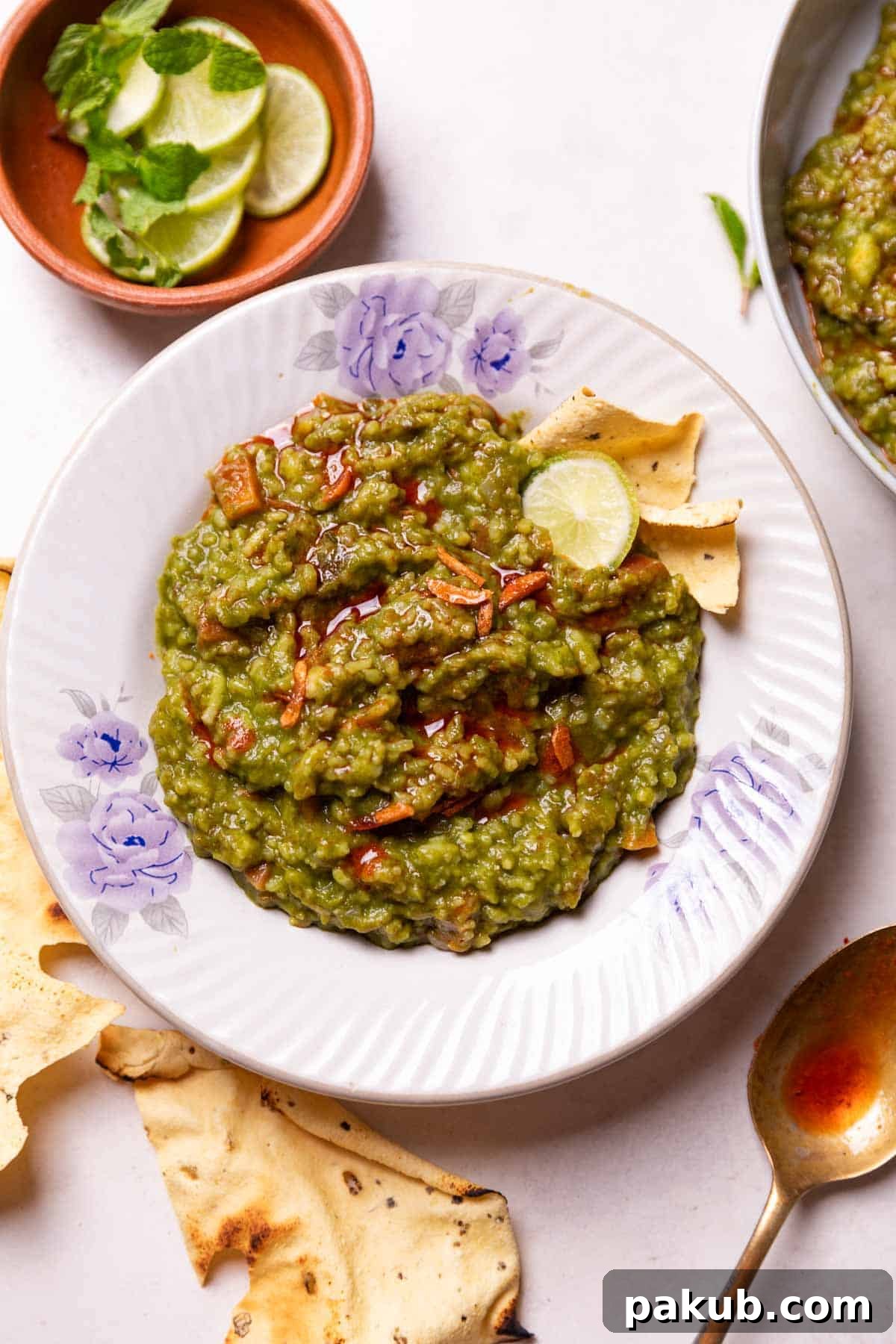
There’s no comfort meal quite like this Palak Khichdi! It takes the beloved classic dal khichdi and elevates it with nutrient-rich greens and a fragrant garlicky tadka, making it even more wholesome, incredibly delicious, and utterly satisfying.
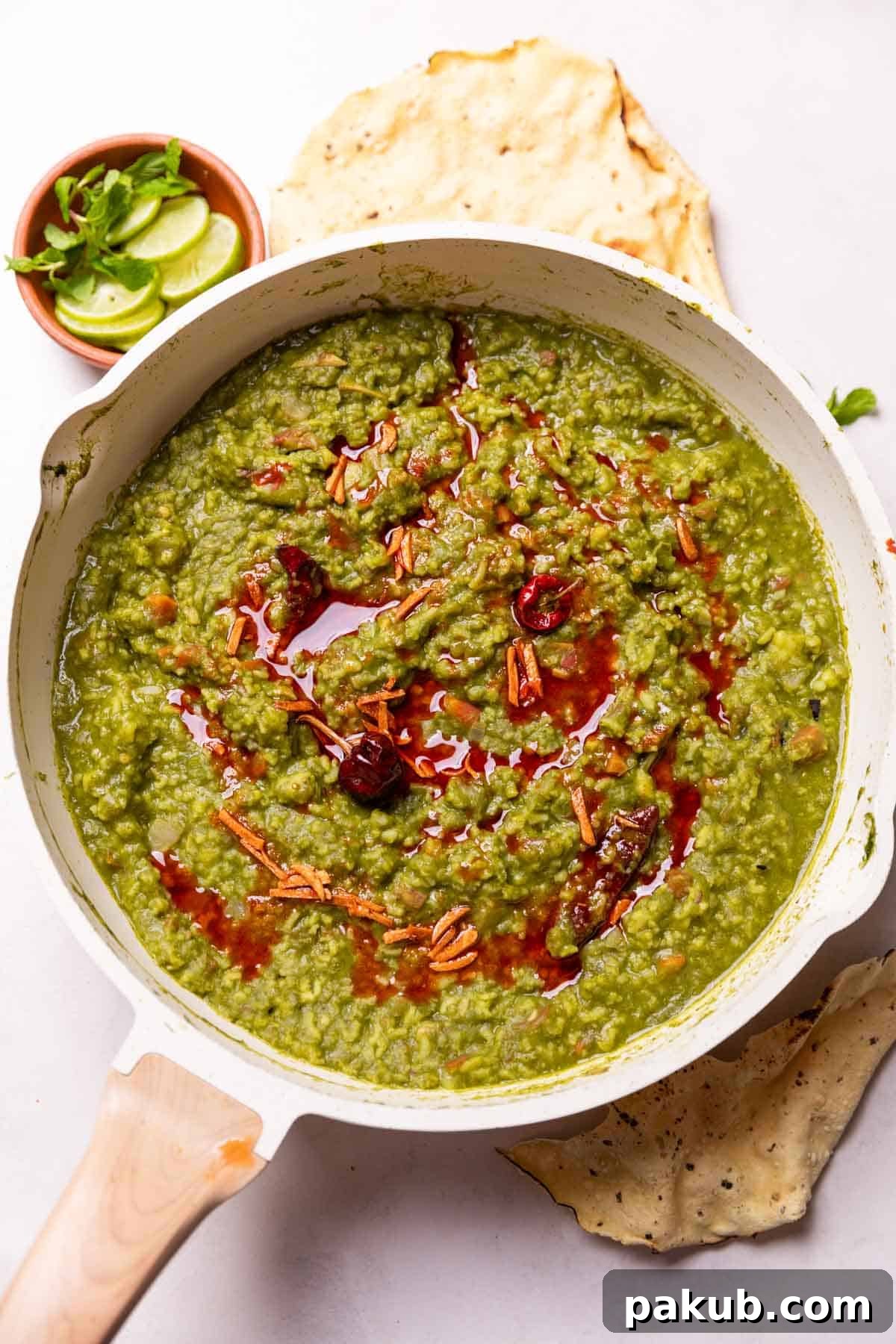
In the realm of Indian cuisine, if there’s one dish that truly embodies comfort and warmth, it’s khichdi. And for me, dal khichdi reigns supreme as the ultimate soothing meal. It’s quick to prepare, wonderfully cozy, and so incredibly wholesome – precisely what I crave on those days when I need a little pick-me-up.
But my latest culinary infatuation is this incredible Palak Khichdi, and it’s all thanks to its enhanced nutritional profile and vibrant flavors. Just one glance at the stunning green color of this khichdi is enough to brighten your day and make you feel a little healthier! This recipe isn’t just food; it’s a hug in a bowl, a nourishing embrace that satisfies both body and soul.
Table of Contents
- What is Palak Khichdi? A Wholesome Indian Delight
- The Nutritional Powerhouse: Benefits of Spinach & Lentils
- Key Ingredients for an Authentic Palak Khichdi
- Step-by-Step Guide to Making Perfect Palak Khichdi
- Customizing Your Palak Khichdi: Variations & Additions
- Serving Suggestions for a Complete Meal
- Expert Tips for the Best Palak Khichdi
- Frequently Asked Questions
- Watch How To Make Palak Khichdi Video
- Palak Khichdi Recipe Card
What is Palak Khichdi? A Wholesome Indian Delight
Khichdi is a foundational dish in Indian cuisine, typically made from rice and lentils (dal), cooked together with a tempering of spices. It’s renowned for being easy to digest, nutritious, and incredibly versatile. Palak Khichdi takes this beloved staple to the next level by incorporating fresh spinach, adding a beautiful green hue, a boost of vitamins, and a unique earthy flavor. It’s a testament to how simple ingredients can come together to create something truly extraordinary – a meal that feels both indulgent and incredibly good for you.
The Nutritional Powerhouse: Benefits of Spinach & Lentils
What makes Palak Khichdi such a standout choice for a healthy meal? It’s all in its star ingredients. Spinach, or ‘palak’, is celebrated for its incredible health benefits. It’s loaded with vitamins K, A, and C, as well as folate, iron, and magnesium. These nutrients support bone health, boost immunity, improve vision, and provide essential minerals. The greens not only impart a stunning color to the dish but also add a wealth of antioxidants, helping to combat oxidative stress in the body.
Lentils (dal), the other half of this dynamic duo, are an excellent source of plant-based protein, dietary fiber, and various B vitamins, iron, and zinc. The combination of rice and lentils creates a complete protein, making it an ideal meal for vegetarians and vegans alike. The fiber content aids digestion, promotes gut health, and helps in managing blood sugar levels. When these nutritional powerhouses come together, they form a dish that is not only delicious but also incredibly balanced and energy-boosting.
Key Ingredients for an Authentic Palak Khichdi
Crafting the perfect Palak Khichdi relies on a thoughtful selection of ingredients that build layers of flavor and texture. Here’s a closer look at what goes into this heartwarming dish:
Lentils and Rice: The Heart of Khichdi
- Moong Dal (Split Yellow Lentils): Light, easy to digest, and quick to cook, moong dal provides a creamy texture and mild flavor that is characteristic of good khichdi.
- Arhar Dal (Toor Dal / Split Pigeon Peas): Adding arhar dal brings a slightly more robust flavor and a pleasant granular texture, creating a balanced and satisfying consistency when combined with moong dal.
- Basmati Rice: Known for its long grains, aromatic fragrance, and fluffy texture when cooked, basmati rice is an excellent choice for khichdi, ensuring each bite is flavorful and distinct. You can substitute with any short-grain rice for a different, equally delicious texture.
Fresh Greens and Aromatic Spices
- Spinach (Palak): The hero ingredient, fresh spinach is blanched and pureed to create the vibrant green base, infusing the khichdi with its earthy goodness and nutritional benefits.
- Mint Leaves and Coriander Leaves: These herbs are crucial for enhancing the green color and adding a burst of fresh, bright flavor to the spinach puree. While optional, they are highly recommended for that extra layer of aromatic complexity.
- Green Chillies and Garlic Cloves: Essential for a subtle kick and pungent depth in the spinach puree.
- Everyday Masalas: Turmeric powder for color and its anti-inflammatory properties, coriander powder for an earthy, citrusy note, cumin powder for warmth, and garam masala for a signature aromatic finish.
The Essential Tadka Elements
The ‘tadka’ (tempering) is the soul of any Indian dish, and in Palak Khichdi, we use two! These aromatic infusions elevate the entire dish:
- Ghee (Clarified Butter): Provides a rich, nutty base for tempering, essential for authentic Indian flavors. You can use oil for a vegan option.
- Jeera (Cumin Seeds): A foundational spice for tempering, offering a warm and earthy aroma.
- Asafoetida (Hing): A pungent spice that aids digestion and adds a unique savory depth, especially beneficial when cooking lentils.
- Fresh Aromatics: Finely chopped ginger and garlic, along with whole red chillies, create an irresistible fragrance and flavor base.
- Onions and Tomatoes: These form the savory base of the first tempering, adding sweetness, acidity, and body to the khichdi.
- Vegetables: Adding chopped bottle gourd (lauki) and carrots (gajar) not only boosts nutrition but also adds a delightful texture and natural sweetness to the dish. Feel free to include other favorites like cauliflower, peas, or green beans.
- Lemon Juice: A final squeeze of lemon juice brightens the flavors and adds a tangy zest, balancing the richness of the khichdi.
These simple pantry staples come together to create a restaurant-style Palak Khichdi right in your home, demonstrating that wholesome eating can also be incredibly delicious and satisfying.
Step-by-Step Guide to Making Perfect Palak Khichdi
Follow these detailed steps to create a rich, flavorful, and perfectly textured Palak Khichdi:
Preparing the Dal and Rice
- Wash and Soak: Begin by thoroughly washing your chosen mix of moong dal, tur dal, and basmati rice. Soaking them for at least 30 minutes helps them cook evenly and become tender more quickly.
- Pressure Cook: Transfer the soaked dal and rice to a pressure cooker. Add salt, turmeric powder, and water. Pressure cook for 1 whistle on high heat, then reduce the flame to low and cook for another 10 minutes. This method ensures perfectly cooked, mushy khichdi.
- Natural Release: Allow the pressure cooker to depressurize naturally. Once safe to open, gently mix the contents to combine the dal and rice evenly, achieving that signature khichdi texture.
Crafting the Vibrant Spinach Puree
- Blanch the Spinach: Bring a pot of water to a rolling boil. Add the cleaned spinach and blanch for just 30 seconds. This quick blanching helps retain the spinach’s bright green color.
- Ice Bath: Immediately transfer the blanched spinach into a bowl of ice-cold water. This step, known as shocking, stops the cooking process and locks in that vivid green hue.
- Blend the Puree: Drain the spinach and transfer it to a mixer or blender. Add fresh mint leaves, coriander leaves, green chillies, and garlic cloves. Blend until you achieve a smooth, vibrant green puree. Set this aside.
Building Flavors with the First Tempering (Tadka)
- Heat Ghee and Spices: In a large pan or kadai, heat ghee over medium flame. Add jeera and let it sizzle for a few seconds until fragrant. Then add hing, finely chopped ginger, finely chopped garlic, and whole red chillies. Sauté for about a minute until the raw aroma disappears.
- Sauté Onions: Add the finely chopped onions and continue to cook, stirring occasionally, until they turn a light golden brown. This step is crucial for developing a rich flavor base.
- Cook Tomatoes and Spices: Stir in the finely chopped tomatoes, salt, coriander powder, cumin powder, and garam masala. Cook for 2-3 minutes. If the spices start to stick, add 1-2 tablespoons of water to prevent burning and help the tomatoes soften.
- Add Vegetables: Incorporate the roughly chopped bottle gourd and carrots. Cook for another 5-6 minutes, or until the vegetables are tender and the tomatoes have become mushy, creating a cohesive base.
- Combine with Spinach Puree: Pour in the prepared spinach puree and cook on a low flame for 2-3 minutes. This allows the spinach to absorb all the wonderful aromatic flavors from the tempering.
- Mix with Dal and Rice: Gently add the cooked dal and rice from the pressure cooker, along with 1 cup of boiling water. Stir everything carefully to combine. Cook for 10-12 minutes, allowing the flavors to meld and the khichdi to reach your desired consistency.
- Finish with Lemon: Stir in the fresh lemon juice, mixing it thoroughly for a bright, tangy finish.
Finishing Touches and the Second Aromatic Tadka
- Prepare Second Tadka: In a small pan, heat 1 tablespoon of ghee. Add thinly sliced garlic cloves and fry until they turn a light golden brown and become fragrant.
- Infuse with Spices: Quickly add hing, whole red chillies, and Kashmiri chilli powder to the pan. Sauté for a few seconds – be careful not to burn the spices.
- Pour and Serve: Immediately pour this sizzling aromatic tadka over the hot Palak Khichdi. The sound and aroma are delightful! Serve your delicious Palak Khichdi immediately, garnished with a little extra ghee if desired.
Customizing Your Palak Khichdi: Variations & Additions
One of the best things about khichdi is its adaptability. This Palak Khichdi recipe serves as a fantastic base for numerous customizations:
- Add More Vegetables: Don’t limit yourself to bottle gourd and carrots. Cauliflower florets, green peas, chopped green beans, bell peppers, or even mushrooms can be wonderful additions. Add them along with the bottle gourd and carrots, adjusting cooking time as needed.
- Different Lentils: While moong and arhar dal are traditional, you can experiment with other lentils. Yellow split peas (chana dal) or masoor dal (red lentils) can also be used, though they might alter the texture and cooking time slightly. Maintain the ratio recommended in the recipe for the best balance.
- Spice Level: Adjust the green chillies in the puree and the whole red chillies in the tadka according to your preferred spice level. For less heat, deseed the chillies or use fewer. For more, add a pinch of red chilli powder to the first tempering.
- Vegan Option: To make this dish completely vegan, simply replace the ghee with your preferred plant-based oil (e.g., coconut oil or vegetable oil). The flavors will still be rich and satisfying.
- Smoky Flavor: For a subtle smoky hint, you can try the “dhungar” method: place a small heat-proof bowl in the khichdi, put a piece of burning charcoal in it, drizzle a little ghee over the charcoal, and immediately cover the pot for a few minutes.
Serving Suggestions for a Complete Meal
Palak Khichdi is a hearty meal on its own, but it truly shines when served with traditional Indian accompaniments that complement its flavors and textures:
- A Squeeze of Fresh Lemon: Always finish your khichdi with a generous squeeze of fresh lemon juice. The acidity brightens the flavors and adds a refreshing tang.
- Cool Yogurt (Curd): A side of plain yogurt or raita (yogurt with cucumber or boondi) provides a cooling contrast to the warm spices of the khichdi and aids digestion.
- Tangy Pickle (Achaar): A small portion of your favorite Indian pickle adds a punch of sour and spicy flavor, elevating each bite.
- Crispy Papad: Roasted or fried papad (thin, crisp lentil wafers) offers a delightful crunch and salty contrast to the soft khichdi.
- Extra Ghee: For ultimate indulgence and authentic flavor, a dollop of extra ghee drizzled over the hot khichdi just before serving is highly recommended.
- Chutney: A fresh coriander or mint chutney can also be a wonderful addition, offering another layer of fresh, herbaceous flavor.
These simple additions transform a comforting bowl of Palak Khichdi into a complete and satisfying Indian meal experience.
Expert Tips for the Best Palak Khichdi
- Don’t Skip Soaking: Soaking the dal and rice is essential. It significantly reduces cooking time and helps achieve that perfectly soft, mushy texture that khichdi is known for.
- Blanching is Key for Color: The quick blanch and ice bath for the spinach are crucial steps to ensure your khichdi boasts a vibrant green color, preventing it from turning dull or brownish.
- Fresh Herbs Make a Difference: While optional, adding fresh coriander and mint leaves to the spinach puree greatly enhances the flavor and brightens the overall appeal of the dish.
- Layer Your Flavors: Take your time with the first tempering (tadka). Allowing the onions to caramelize slightly and the ginger-garlic to release their aroma builds a strong flavor foundation for the khichdi.
- Adjust Consistency: Khichdi consistency is a matter of personal preference. If you like it thinner, add a little more boiling water at the end until it reaches your desired texture. If it’s too thin, let it simmer uncovered for a few more minutes.
- Serve Immediately: Khichdi is always best enjoyed fresh and hot. The flavors are most vibrant, and the texture is perfect right off the stove.
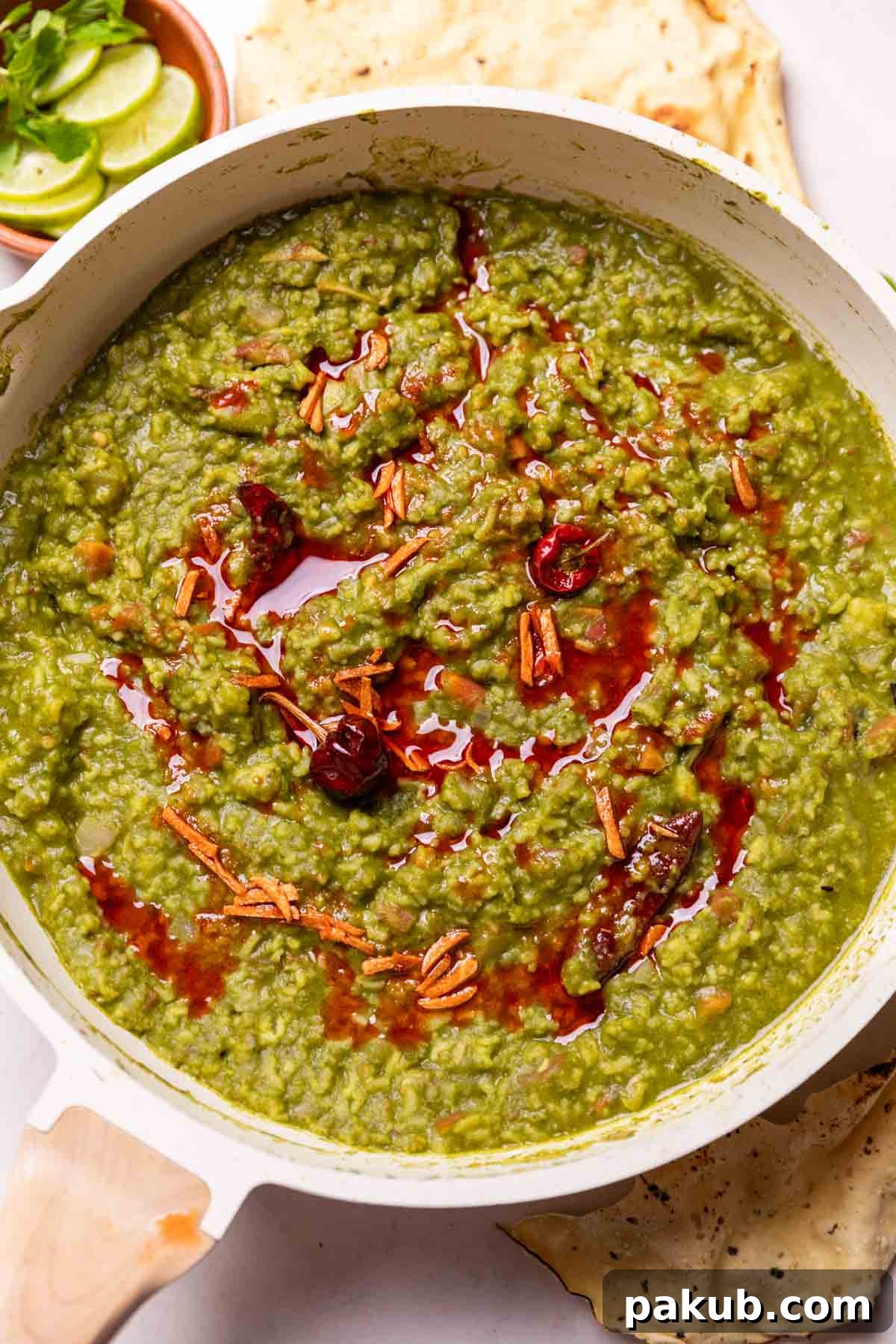
The next time you’re seeking a deeply comforting, wholesome, and incredibly flavorful meal, you absolutely have to try this Palak Khichdi recipe. It’s a true culinary gem that combines the simplicity of traditional khichdi with the nourishing power of spinach and an irresistible garlicky tadka. I’m craving it just writing this, and I know it will be a regular feature in my meal plan!
If you enjoyed crafting this green delight, be sure to explore my original khichdi recipe, which includes all my top tips for making the perfect classic comfort meal. It’s a fantastic foundation to further your khichdi journey.
If you whip up this delicious Palak Khichdi, I’d love to see your creations! Share them with me over on my Instagram @my_foodstory!
Frequently Asked Questions (FAQs) About Palak Khichdi
Absolutely! Palak Khichdi is incredibly versatile. Cauliflower florets, potato cubes, green peas, and chopped green beans are all excellent additions. You can also try adding chopped bell peppers or corn for extra color and sweetness. Incorporate them into the first tempering (tadka) and cook until tender.
This khichdi is traditionally made with moong dal due to its light texture and easy digestibility. The addition of arhar dal (tur dal) is optional but recommended for a balanced texture. You could experiment with other split lentils like masoor dal (red lentils) or chana dal (split chickpeas), but be aware that it might alter the final texture and cooking time. For the best authentic results, sticking to the suggested ratio of moong and arhar dal is recommended.
This Palak Khichdi is wonderfully satisfying on its own, but it pairs perfectly with a few traditional Indian accompaniments. A squeeze of fresh lemon juice on top is essential. Serve it alongside a cooling side of plain yogurt (curd) or raita, a tangy Indian pickle (achaar), and some crispy roasted or fried papad for added texture. A drizzle of extra ghee just before serving elevates the flavors even further.
You can store any leftover Palak Khichdi in an airtight container in the fridge for up to 2 days. When reheating, you might need to add a splash of water or vegetable broth, as khichdi tends to thicken upon cooling. Reheat gently on the stovetop or in the microwave until thoroughly warm.
Watch How To Make Palak Khichdi Video
Palak Khichdi Recipe Card
Richa
Cozy, comforting, and insanely wholesome, this Palak Khichdi, with its vibrant green color and garlicky flavors, will soon become your favorite lazy day meal.
10 mins
25 mins
35 mins
6 servings
Rate Recipe
Print Recipe
Equipment
-
1 Pressure Cooker
Ingredients
For pressure cooking
- ¼ cup moong dal
- ¼ cup tur dal
- 1 cup basmati rice
- 1 ½ teaspoon salt
- ¼ teaspoon turmeric powder
- 3 ½ cups water
For palak puree
- 3 cups water
- 2 bunches palak, 225 gms
- 3 cups ice cold water
- 3 tablespoons mint leaves
- 3 tablespoons coriander leaves
- 2 green chillies
- 2 garlic cloves
For 1st tempering / tadka
- 2 tablespoons ghee
- 1 teaspoon jeera
- ½ teaspoon asafoetida, hing
- 1 inch finely chopped ginger
- 2 tablespoons finely chopped garlic
- 2 red chillies, whole
- ¾ cup finely chopped onions, 95 gms
- ½ cup finely chopped tomatoes, 100 gms
- ½ teaspoon salt
- 1 tablespoon coriander powder
- 1 teaspoon cumin powder
- 1 teaspoon garam masala
- 2 tablespoons water
- ½ cup roughly chopped bottle gourd / lauki, 90 gms
- ½ cup roughly chopped carrots / gajar, 100 gms
- 1 teaspoon lemon juice
- 1 cup boiling water
For 2nd tempering / tadka
- 1 tablespoon ghee
- 4 garlic cloves, thinly sliced
- ½ teaspoon asafoetida, hing
- 2-3 red chillies, whole
- ½ teaspoon kashmiri chilli powder
Instructions
Cooking dal & rice
-
Wash dal & rice thoroughly and soak them for half an hour.
-
Once soaked, transfer them to the pressure cooker, add salt, turmeric powder, and 3 ½ cups of water. Pressure cook for 10 minutes on low heat after the first whistle.
-
Allow the pressure cooker to depressurize by itself. Once you open the lid, gently mix the dal and rice to combine them well.
Making palak puree
-
Set 3 cups of water to boil in a pot. Add the spinach and cook briefly for 30 seconds. Immediately remove and dip into a bowl of 3 cups ice-cold water to retain color.
-
Transfer the blanched spinach to a mixer. Add mint leaves, coriander leaves, green chillies, and garlic cloves. Blend to a smooth puree. Set aside.
1st tempering / tadka
-
Heat 2 tablespoons ghee in a pan. Add jeera and sauté for a few seconds. Add hing, 1 inch finely chopped ginger, 2 tablespoons finely chopped garlic, and 2 whole red chillies. Cook them for a minute on medium heat. Add ¾ cup finely chopped onions and continue to cook until they turn light golden.
-
Add ½ cup finely chopped tomatoes, ½ teaspoon salt, 1 tablespoon coriander powder, 1 teaspoon cumin powder, and 1 teaspoon garam masala. Cook for 2-3 minutes. Add 2 tablespoons of water to prevent the spices from burning. Cook for another 2 minutes, then add ½ cup roughly chopped bottle gourd and ½ cup roughly chopped carrots. Cook for 5-6 minutes until the vegetables are tender and the tomatoes get mushy.
-
Add the palak puree and cook for 2-3 minutes on low flame so the spinach absorbs all the aromatics. Add the cooked dal and rice, along with 1 cup boiling water. Stir gently and cook for 10-12 minutes, allowing flavors to meld. Add 1 teaspoon lemon juice and mix well.
Making 2nd tempering / tadka
-
Heat 1 tablespoon ghee in a separate pan. Add 4 thinly sliced garlic cloves and fry until they turn light golden. Add ½ teaspoon hing, 2-3 whole red chillies, and ½ teaspoon kashmiri chilli powder. Immediately pour this tadka over the khichdi. Serve immediately.
Video
Notes
- Blanched palak is dipped in ice-cold water so it retains its vibrant green color.
- You may adjust the consistency of khichdi as per your preference by adding more or less boiling water.
- Khichdi is best served immediately for optimal flavor and texture.
Nutrition
Carbohydrates: 43g,
Protein: 7g,
Fat: 8g,
Saturated Fat: 5g,
Polyunsaturated Fat: 1g,
Monounsaturated Fat: 2g,
Cholesterol: 19mg,
Sodium: 869mg,
Potassium: 345mg,
Fiber: 4g,
Sugar: 4g,
Vitamin A: 2399IU,
Vitamin C: 52mg,
Calcium: 78mg,
Iron: 2mg
Like this recipe? Rate and comment below!
This article was researched and written by Navya Khetarpal.