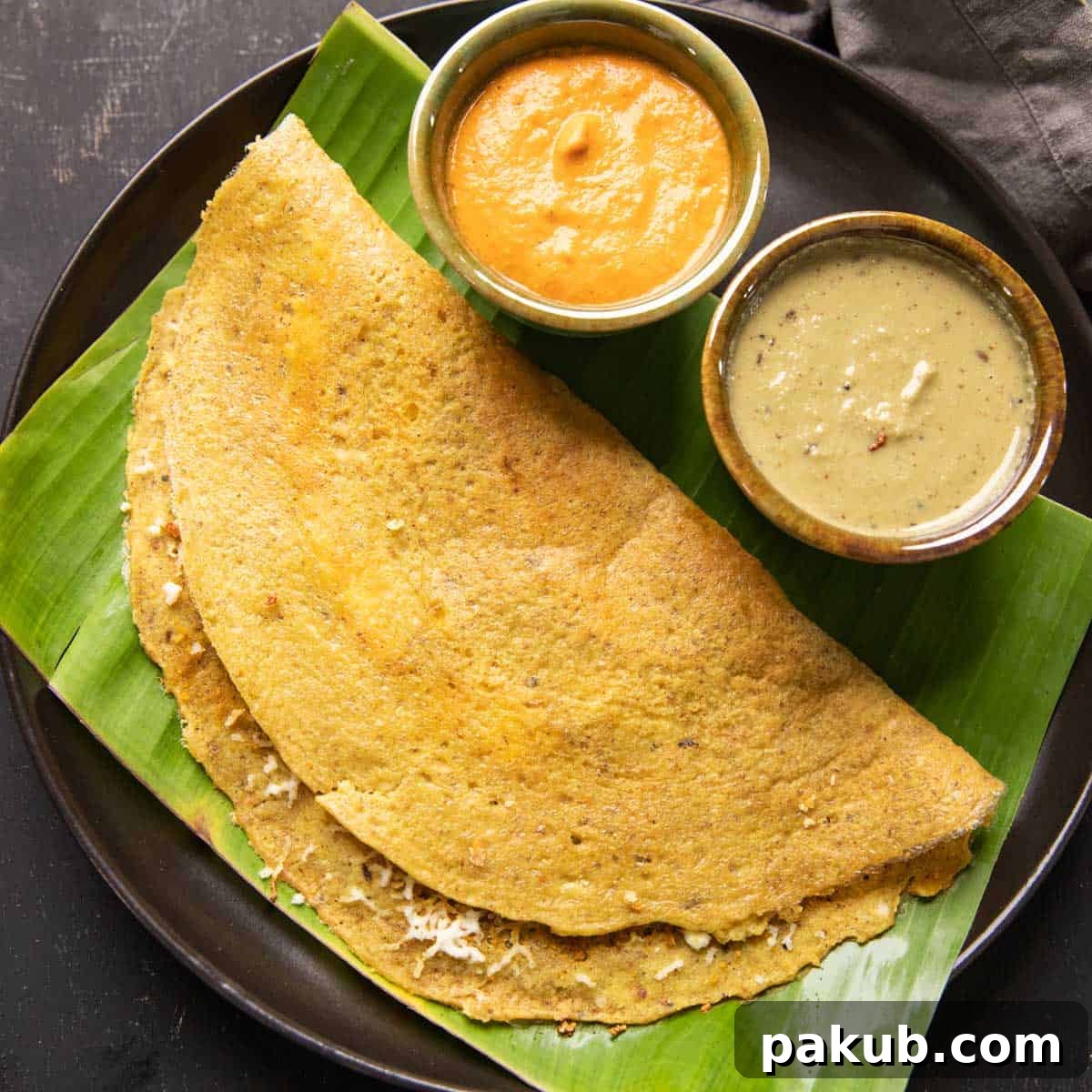
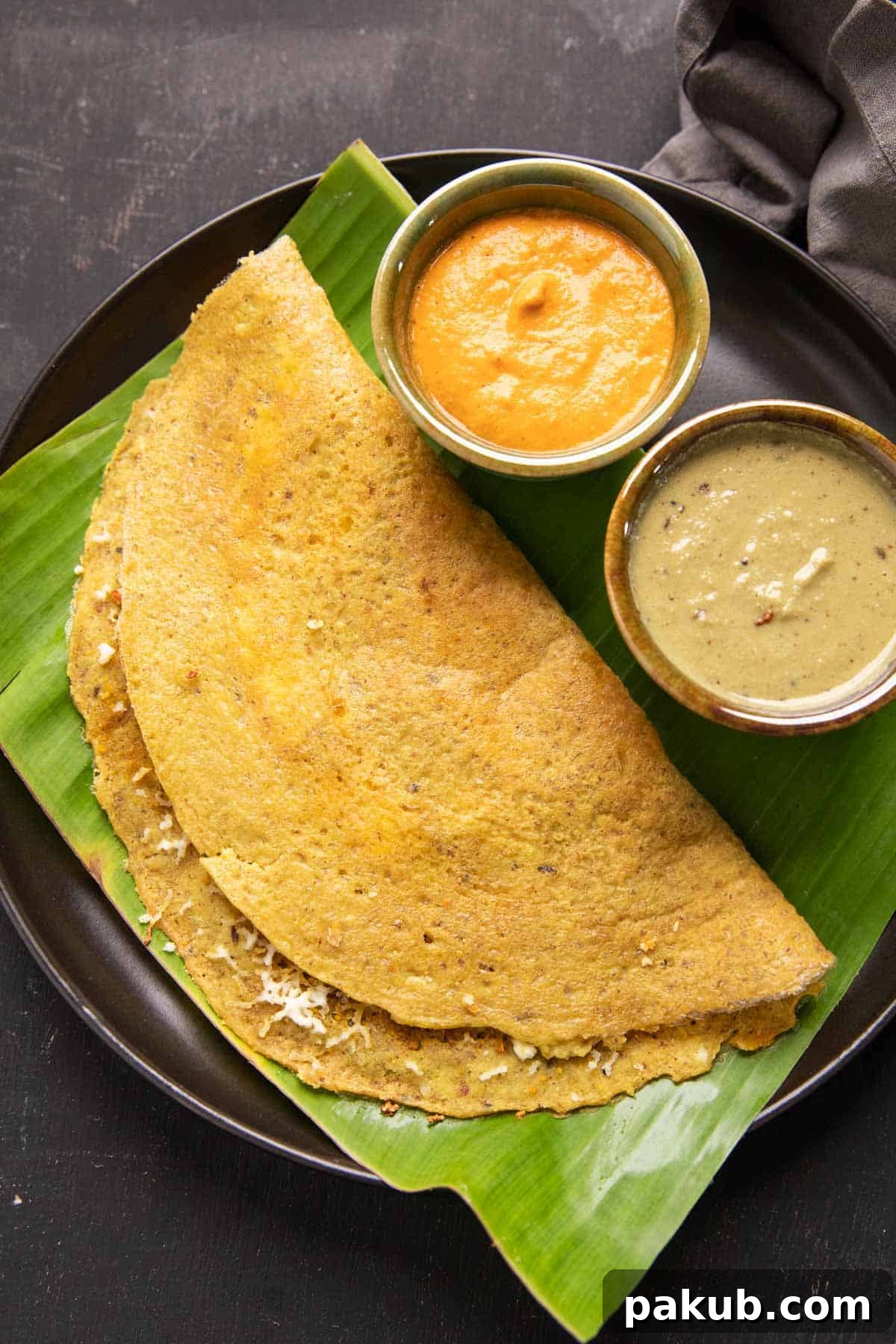
High Protein Dosa: Your Go-To Instant, No-Fermentation Multigrain Recipe
Kickstart your day with a truly power-packed breakfast that doesn’t compromise on taste or convenience. This high-protein dosa, often referred to as a dal chilla, is a game-changer for anyone seeking a healthy, quick, and immensely satisfying meal. What makes it truly exceptional? It’s an instant recipe, requiring no lengthy fermentation, and it’s crafted from a robust blend of six different dals (lentils) and rice, making it an undeniable nutritional powerhouse.
Forget the stress of planning ahead for fermented batters; with this recipe, a simple overnight soak is all it takes to prepare the base. The result is a delightfully soft yet wonderfully crispy dosa that is rich in flavor from aromatic spices like garlic, fresh coconut, fragrant curry leaves, zesty green chillies, earthy cumin seeds, and a hint of asafoetida (hing). Whether you enjoy it plain or with a medley of traditional accompaniments, this multigrain dosa promises to be a staple in your healthy eating repertoire.
Why This High Protein Dosa is a Must-Try
This isn’t just another dosa recipe; it’s a culinary hack for busy individuals who prioritize health without sacrificing authentic Indian flavors. Here’s why this no-fermentation, high-protein dosa stands out:
- Effortlessly Simple Preparation: The process couldn’t be easier. After the essential overnight soaking of the dals and rice, it’s a straightforward blend and cook affair. This streamlined approach saves you significant time and effort in the kitchen, making healthy eating accessible even on the busiest mornings.
- Instant Gratification, No Fermentation Required: Unlike traditional dosas that demand hours of fermentation, this recipe is ready to cook once the ingredients are blended. This means you can decide to make dosas in the morning without any advanced planning beyond the initial soak. For those moments you forget to soak overnight, a quick hack involves soaking the dals in hot water in a tightly shut casserole for a few hours, softening them rapidly.
- A Nutritional Powerhouse: Boasting an impressive blend of six different types of lentils and rice, this dosa is an excellent source of plant-based protein, dietary fiber, and complex carbohydrates. Each serving contributes significantly to your daily nutrient intake, promoting satiety and sustained energy throughout your morning. It’s a fantastic option for vegetarians, vegans, and anyone looking to boost their protein intake naturally.
- Incredibly Versatile & Flavorful: The mildly spiced batter allows for incredible versatility. You can enjoy these dosas plain, appreciating their inherent flavors, or pair them with a range of vibrant side dishes. They beautifully complement traditional South Indian chutneys, spicy chutney podi, or a comforting bowl of sambar. For an extra layer of richness and protein, sprinkling grated paneer or a variety of chopped vegetables into the dosa while cooking elevates the experience.
- Perfectly Cooked, Every Time: When prepared on a good quality dosa tawa and cooked with a fat of your choice—be it aromatic ghee, creamy butter, neutral oil, or healthy coconut oil—these dosas achieve a delightful balance of soft centers and crispy edges, making every bite a textural delight.
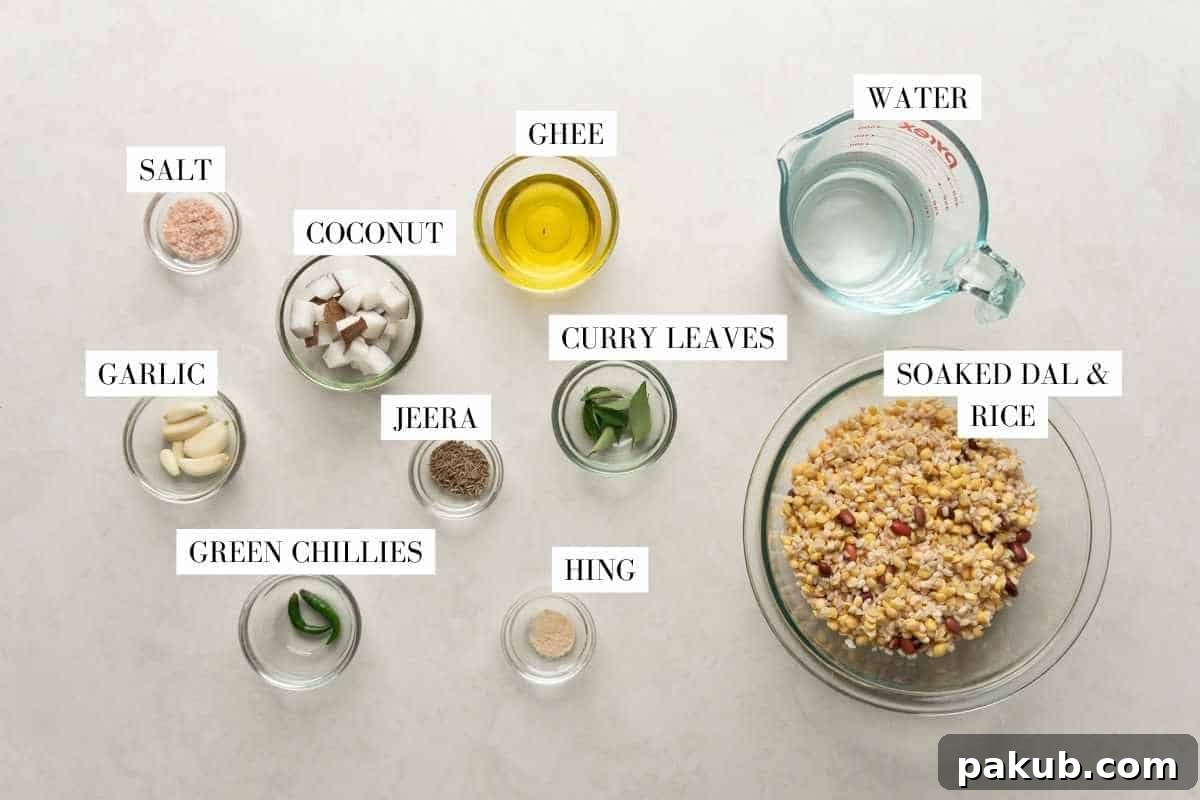
Essential Ingredients for Your High Protein Dosa
Crafting these nutritious dosas requires a selection of wholesome ingredients, primarily a diverse range of lentils and rice, complemented by fresh aromatics and spices. Here’s a detailed look at what you’ll need:
The Core Blend: Dals and Rice
- Lentils (Dals): The backbone of this high-protein recipe comes from a powerful mix of five distinct lentils, each contributing its unique flavor and nutritional profile.
- Urad Dal (Split Black Lentils): Adds a creamy texture and richness to the batter, crucial for authentic dosa consistency.
- Moong Dal (Split Yellow Mung Beans): Light and easily digestible, it contributes to the dosa’s delicate texture and mild flavor.
- Chana Dal (Split Bengal Gram): Imparts a nutty flavor and helps in achieving a crisp texture.
- Toor Dal (Split Pigeon Peas): A staple in Indian cuisine, it adds a wholesome flavor and significant protein.
- Rajma (Kidney Beans): An excellent source of protein and fiber, making this dosa even more hearty and nutritious. While typically used in curries, its inclusion here boosts the protein content significantly.
- Rice: We recommend using Idli Rice, which is parboiled and ideal for South Indian batters due to its ability to yield a soft texture. However, any short-grain rice can be used as a substitute, offering flexibility.
Aromatics and Spices for Flavor
- Fresh Coconut: Small pieces of fresh or frozen coconut are blended into the batter, lending a subtle sweetness and tropical aroma that elevates the overall flavor.
- Garlic: Essential for its pungent, savory depth, garlic is a non-negotiable for a truly flavorful dosa.
- Green Chillies: Optional, but highly recommended for a pleasant kick and vibrant freshness. Adjust the quantity according to your preferred spice level.
- Cumin Seeds (Jeera): These tiny seeds infuse the dosa with a warm, earthy aroma and flavor, a classic addition to Indian savories.
- Asafoetida (Hing): A pinch of hing is crucial for its distinct pungent aroma, which aids in digestion and enhances the overall flavor profile of the lentils.
- Curry Leaves: Fresh curry leaves provide a unique, slightly citrusy, and nutty aroma. They are integral to South Indian cuisine and can be swapped with fresh coriander leaves if unavailable, though the flavor profile will slightly change.
- Salt: To season the batter perfectly.
For Cooking and Serving
- Ghee: Clarified butter (ghee) is traditionally used for cooking dosas, imparting an unparalleled rich flavor and helping achieve a golden, crispy finish. You can substitute with butter, a neutral cooking oil (like vegetable or sunflower oil), or coconut oil for a vegan option.
- Grated Paneer (Optional): For an extra layer of protein and a creamy texture, sprinkling grated paneer on the cooking dosa is a delightful addition.
- Chutney Podi (Optional): A dry spice and lentil powder mix, chutney podi adds an intense burst of flavor and a slightly coarse texture when sprinkled on the dosa.
How to Master the Art of Making High Protein Dosa
Creating these wholesome high-protein dosas is a straightforward process once you understand the key steps. Follow this guide for a perfectly crispy and nutritious breakfast or meal:
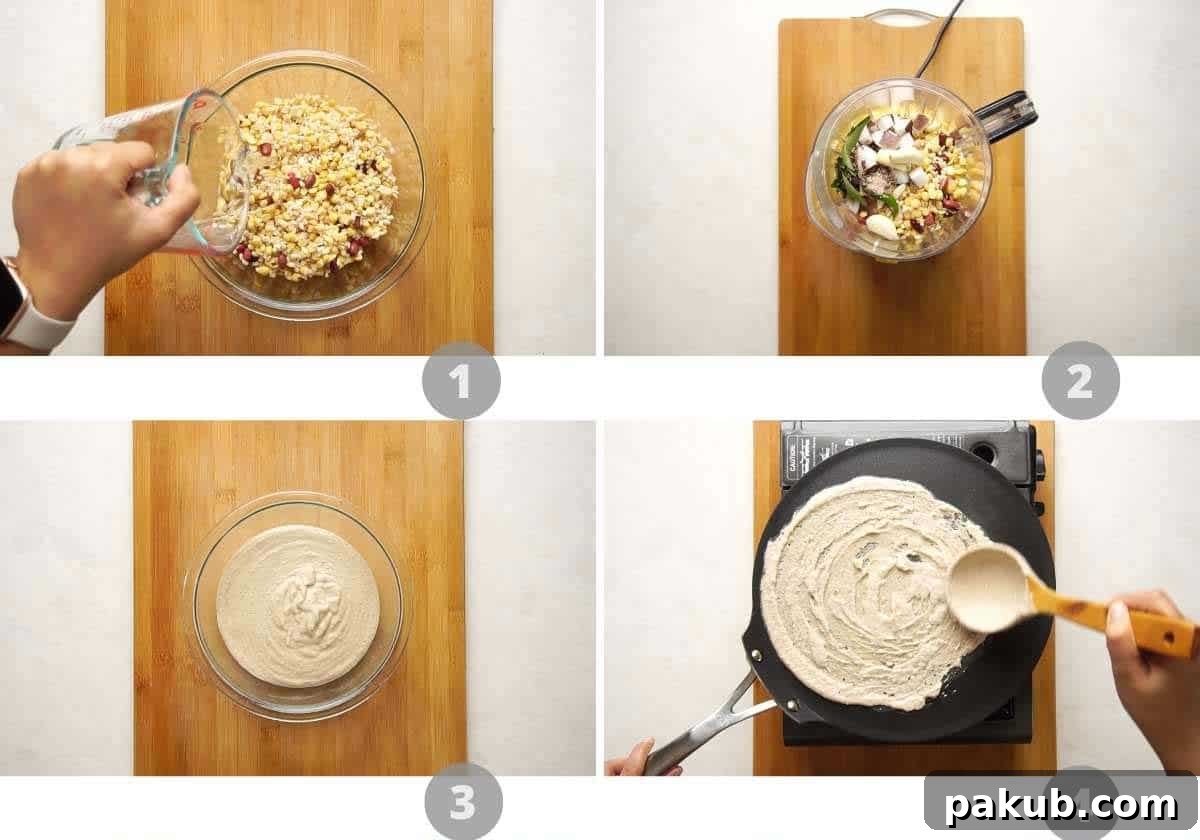
Step-by-Step Instructions:
- Prepare the Dals and Rice (Soaking): Begin by thoroughly washing all the dals (Urad Dal, Moong Dal, Dosa Rice, Chana Dal, Toor Dal, Rajma) and the rice under running water until the water runs clear. This removes impurities. Once cleaned, combine them in a large bowl and add enough fresh water to cover them by at least two inches. Let them soak overnight (for a minimum of 8 hours). Soaking is crucial as it aids in digestion, reduces cooking time, and softens the grains and lentils, ensuring they blend into a smooth batter.
- Blend the Batter: After overnight soaking, drain the dals and rice completely. Transfer the soaked and drained mixture to a high-speed blender. Add the remaining ingredients for the batter: hing, fresh coconut pieces, curry leaves, garlic cloves, green chillies, cumin seeds, and salt. Start by adding about 1/2 cup of water and blend. Gradually add more water, a tablespoon at a time, until you achieve a smooth, pourable batter consistency, similar to that of traditional dosa batter. Ensure there are no coarse bits remaining.
- Prepare the Dosa Tawa: Heat a non-stick dosa tawa (griddle) or a cast-iron skillet over medium-high heat. A well-heated tawa is essential for achieving a crispy dosa. You can test the temperature by sprinkling a few drops of water; if they sizzle and evaporate quickly, the tawa is ready. Lightly grease the tawa with a little oil, then wipe off any excess with a clean cloth or a piece of onion. This helps prevent sticking.
- Cook the Dosa (First Spread): Once the tawa is hot, reduce the heat to medium. Pour a ladleful of the batter (approximately 1/4 to 1/3 cup) onto the center of the tawa. Working quickly, use the back of the ladle or a circular motion with the spoon to spread the batter outwards in a thin, even circle, forming the classic dosa shape.
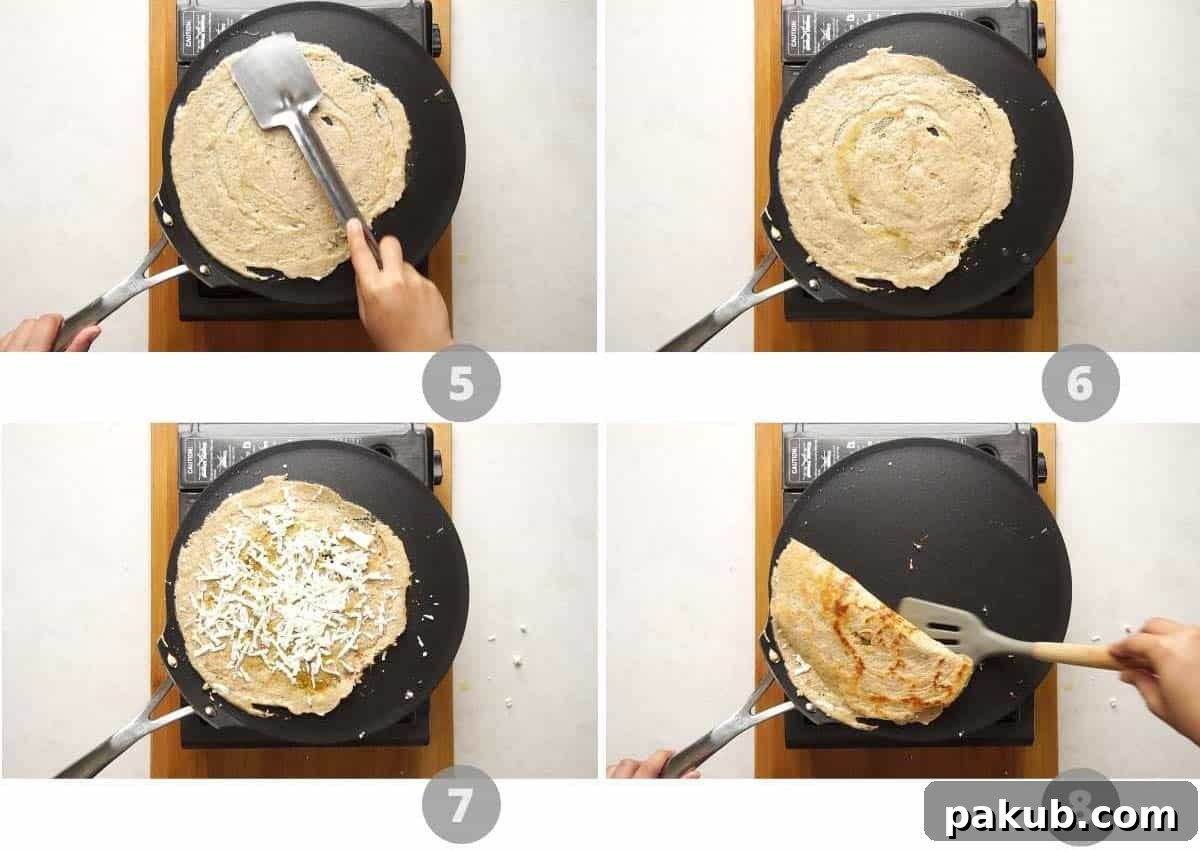
- Add Fat and Cook: Drizzle about half a teaspoon of ghee (or your chosen cooking fat) around the edges of the dosa and a small amount in the middle. This helps the dosa cook evenly and become crispy. Use the back of a spatula to gently press down on the dosa, ensuring even contact with the tawa.
- Achieve Golden Crispiness: Cook the dosa for 2-3 minutes, or until the bottom turns golden brown and becomes crisp. The edges should start to lift slightly. You can check by gently lifting a small portion with your spatula.
- Add Toppings (Optional): If adding grated paneer and chutney podi, sprinkle them evenly over the cooked surface of the dosa at this stage. Continue to cook for another 1-2 minutes, allowing the paneer to warm through and slightly soften/melt. The chutney podi will toast lightly, enhancing its aroma.
- Serve Immediately: Gently fold the dosa in half or roll it up. Transfer it to a plate and serve hot. Dosas are best enjoyed fresh off the tawa to retain their crispiness.
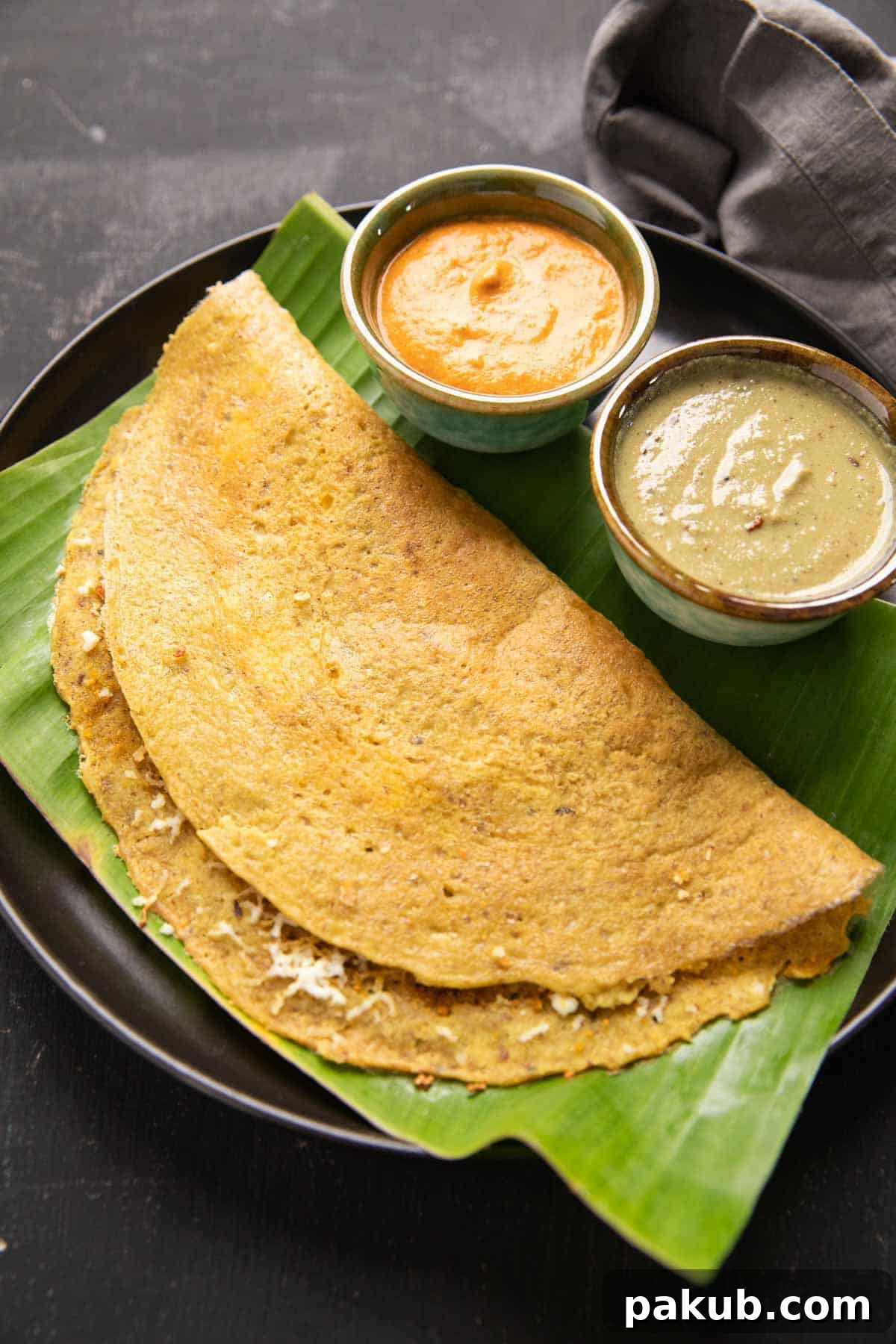
Serving Suggestions & Perfect Pairings
This high-protein dosa is incredibly versatile and pairs wonderfully with a variety of South Indian accompaniments. Its mild flavoring makes it a perfect canvas for bolder chutneys and curries. Here are some ideas to elevate your dining experience:
- Classic Chutneys: Serve with a fresh coconut chutney, a spicy tomato chutney, or a tangy peanut chutney. The creamy texture of coconut chutney, in particular, provides a lovely contrast to the crispy dosa.
- Sambar: A bowl of warm, aromatic sambar (a lentil and vegetable stew) is a quintessential pairing. Dunking pieces of dosa into sambar is a truly comforting experience.
- Chutney Podi: As suggested in the recipe, sprinkling chutney podi directly onto the dosa while it cooks adds a dry, spicy, and savory layer of flavor and texture.
- Grated Paneer: For an extra boost of protein and a creamy, cheesy element, paneer is a fantastic topping that melts slightly when cooked on the dosa.
- Spicy Potato Masala: For those who love the traditional dosa filling, a simple potato masala can be spread inside the dosa before folding.
- Plain with Yogurt/Curd: For a simpler, cooling option, serve the dosas with a side of plain yogurt or curd.
Don’t hesitate to experiment with your favorite sauces and dips! The beauty of this dosa lies in its adaptability.
Tips for the Crispiest and Most Delicious Dosa
- Soaking is Key: Ensure all dals and rice are soaked for the recommended time (8+ hours, or 3-4 hours in hot water) for proper softening and digestion. This also helps in achieving a smooth batter.
- Batter Consistency: The batter should be smooth and of pouring consistency, similar to pancake batter but slightly thinner. If it’s too thick, the dosas will be heavy; if too thin, they won’t spread well. Adjust with small amounts of water or a spoonful of rice flour if needed.
- Hot Tawa: A properly heated tawa is crucial. If it’s not hot enough, the dosa will stick. If it’s too hot, it will burn quickly. Medium-high heat is generally ideal. Using a bit of oil and wiping it off before each dosa helps create a non-stick surface.
- Even Spreading: Practice makes perfect! Use the back of a ladle to spread the batter evenly and thinly in a circular motion, starting from the center and working outwards.
- Don’t Rush the Cook: Allow the dosa to cook undisturbed until the edges start to crisp up and separate from the tawa. This ensures a beautifully golden and crispy finish.
- Batch Cooking & Storage: This batter can be stored in the refrigerator for up to 2-3 days in an airtight container. This makes it a great make-ahead option for quick meals throughout the week. You might need to add a splash of water and stir before making subsequent batches.
- Flavor Customization: Feel free to adjust the amount of green chilies, garlic, or even add a pinch of ginger for a different flavor profile. Finely chopped onions or grated carrots can also be mixed into the batter for added texture and nutrition.
Nutritional Benefits of This Power-Packed Dosa
This high-protein dosa is a nutritional powerhouse, making it an excellent choice for a balanced diet. Here’s a closer look at its health advantages:
- Rich in Plant-Based Protein: With six different dals, this dosa provides a complete spectrum of amino acids, crucial for muscle repair, growth, and overall bodily functions. It’s an ideal meal for vegetarians and vegans looking to increase their protein intake.
- High in Dietary Fiber: Lentils and rice are excellent sources of dietary fiber. Fiber is essential for digestive health, helps regulate blood sugar levels, and promotes a feeling of fullness, aiding in weight management.
- Complex Carbohydrates for Sustained Energy: The combination of rice and lentils provides complex carbohydrates that release energy slowly, preventing sudden spikes and crashes in blood sugar. This keeps you energized and focused throughout your morning.
- Packed with Vitamins and Minerals: Dals are a good source of essential vitamins and minerals, including B vitamins (folate, thiamine), iron, magnesium, phosphorus, and zinc, all vital for various metabolic processes and maintaining good health.
- Naturally Gluten-Free: Since this recipe uses rice and lentils, it is naturally gluten-free, making it a safe and delicious option for individuals with gluten sensitivities or Celiac disease.
- Boosts Gut Health: The fiber content also acts as a prebiotic, feeding beneficial gut bacteria and supporting a healthy microbiome. The soaking process further aids in breaking down anti-nutrients, making the nutrients more bioavailable.
Incorporating this dosa into your diet is a flavorful way to embrace healthier eating habits.
Watch the Recipe Video
This post is brought to you by our friends at Stahl Kitchens, renowned manufacturers of exceptional Pressure Cookers and Triple Ply Stainless Steel utensils, perfect for all your culinary adventures.
High Protein Dosa Recipe
An instant, no-fermentation recipe, this high-protein dosa is incredibly healthy and nutritious. Similar to a chilla, it makes for a delicious and fulfilling breakfast or light meal.
- Prep Time: 10 mins
- Cook Time: 20 mins
- Total Time: 30 mins
- Servings: 6 people
- Author: Richa
- Rating: 5 out of 5 stars (Based on 2 votes)
Ingredients
- 1/2 cup Urad Dal (split black lentils)
- 1/2 cup Moong Dal (split yellow mung beans)
- 1/2 cup Dosa Rice (parboiled rice)
- 1/2 cup Chana Dal (split Bengal gram)
- 1/2 cup Toor Dal (split pigeon peas)
- 1/4 cup Rajma (kidney beans)
- 2 pinches Hing (asafoetida)
- 3 Green Chillies (adjust to taste)
- 1/2 cup Fresh Coconut (small pieces)
- 1 Teaspoon Cumin seeds
- 5 cloves Garlic
- 1 sprig Curry leaves
- 1 teaspoon Salt (to taste)
- 3 tablespoons Ghee (or oil, for cooking)
- 1 cup grated Paneer (optional, for topping)
- 2 Tablespoons Chutney Podi (optional, for topping)
Instructions
- Wash and soak all the dals and rice together overnight (or a minimum of 8 hours). This ensures they soften and are easier to digest and blend.
- Drain the soaked dals and rice. Transfer them to a blender along with the hing, coconut, curry leaves, garlic, green chillies, cumin, and salt. Add water gradually, blending until you achieve a smooth, pourable batter consistency, similar to a traditional dosa batter.
- Heat a dosa tawa or a non-stick griddle over medium-high heat. Lightly grease it with a little oil and wipe off any excess. Pour a ladleful of batter onto the center and spread it outwards in a circular motion with the back of the spoon, forming a thin dosa or chilla.
- Drizzle ghee around the edges and in the center of the dosa. Cook until the bottom turns golden brown and becomes crisp. Gently flatten the dosa with the back of a spatula if needed to ensure even cooking.
- If using, sprinkle grated paneer and chutney podi over the dosa. Continue to cook for another 1-2 minutes, allowing the paneer to soften and melt slightly. Serve hot immediately.
Nutrition Information (per serving)
- Calories: 483 kcal
- Carbohydrates: 55g
- Protein: 21g
- Fat: 21g
- Saturated Fat: 12g
- Polyunsaturated Fat: 0.4g
- Monounsaturated Fat: 2g
- Cholesterol: 44mg
- Sodium: 492mg
- Potassium: 120mg
- Fiber: 14g
- Sugar: 2g
- Vitamin A: 66 IU
- Vitamin C: 8mg
- Calcium: 258mg
- Iron: 4mg
(Nutritional values are approximate and may vary based on specific ingredients and preparation methods.)
Enjoyed This Recipe?
If you loved making and eating this High Protein Dosa, please consider leaving a rating and a comment below! Your feedback helps us share more delicious and healthy recipes with our community.