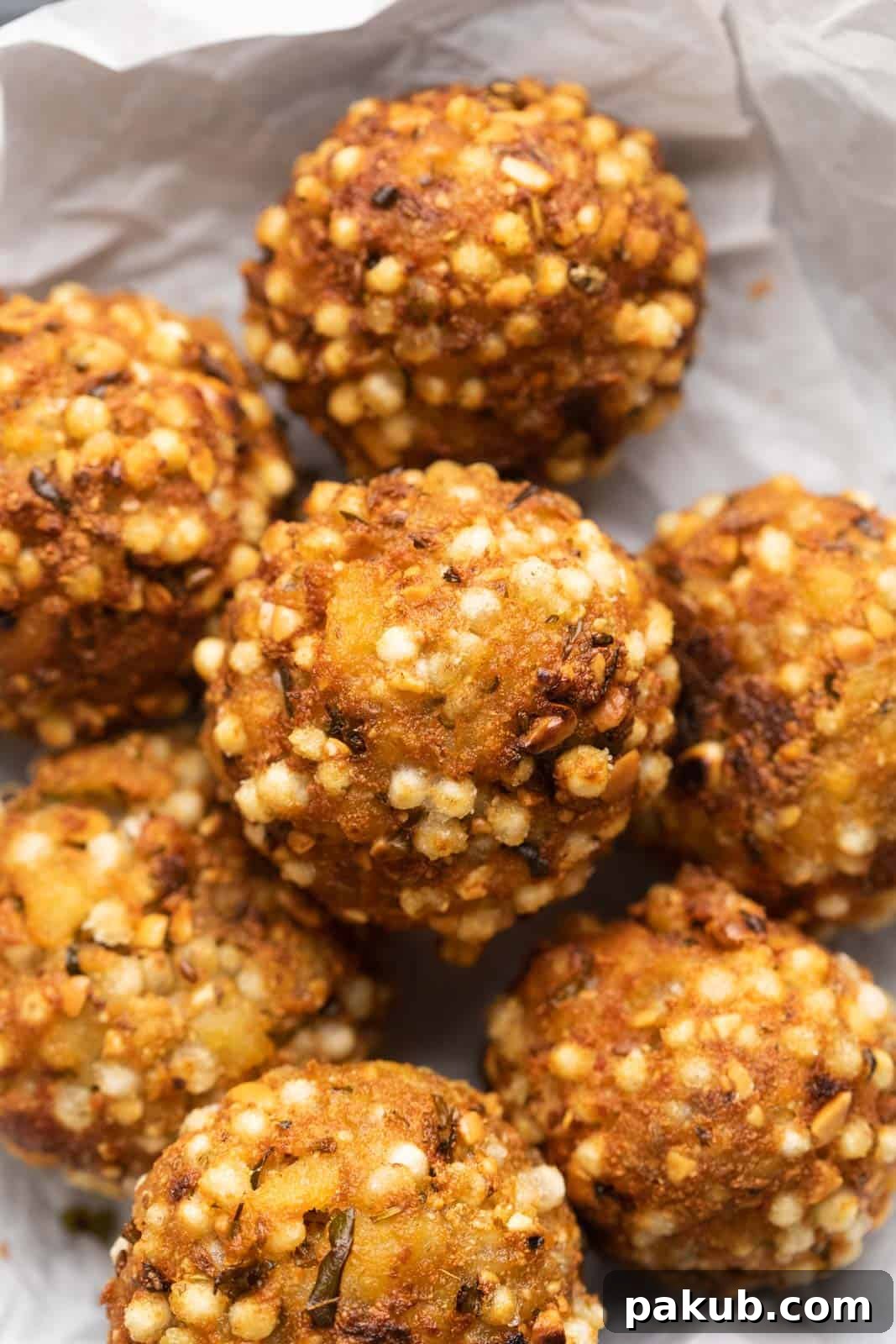
The Ultimate Paneer-Stuffed Sabudana Vada: Crispy, Chewy, and Absolutely Irresistible
Discover the secret to making the BEST sabudana vadas, elevated with a delightful paneer filling. These crunchy, chewy sabudana bombs are not just perfect for Navratri fasting but also make for an incredibly satisfying breakfast or snack for any occasion!
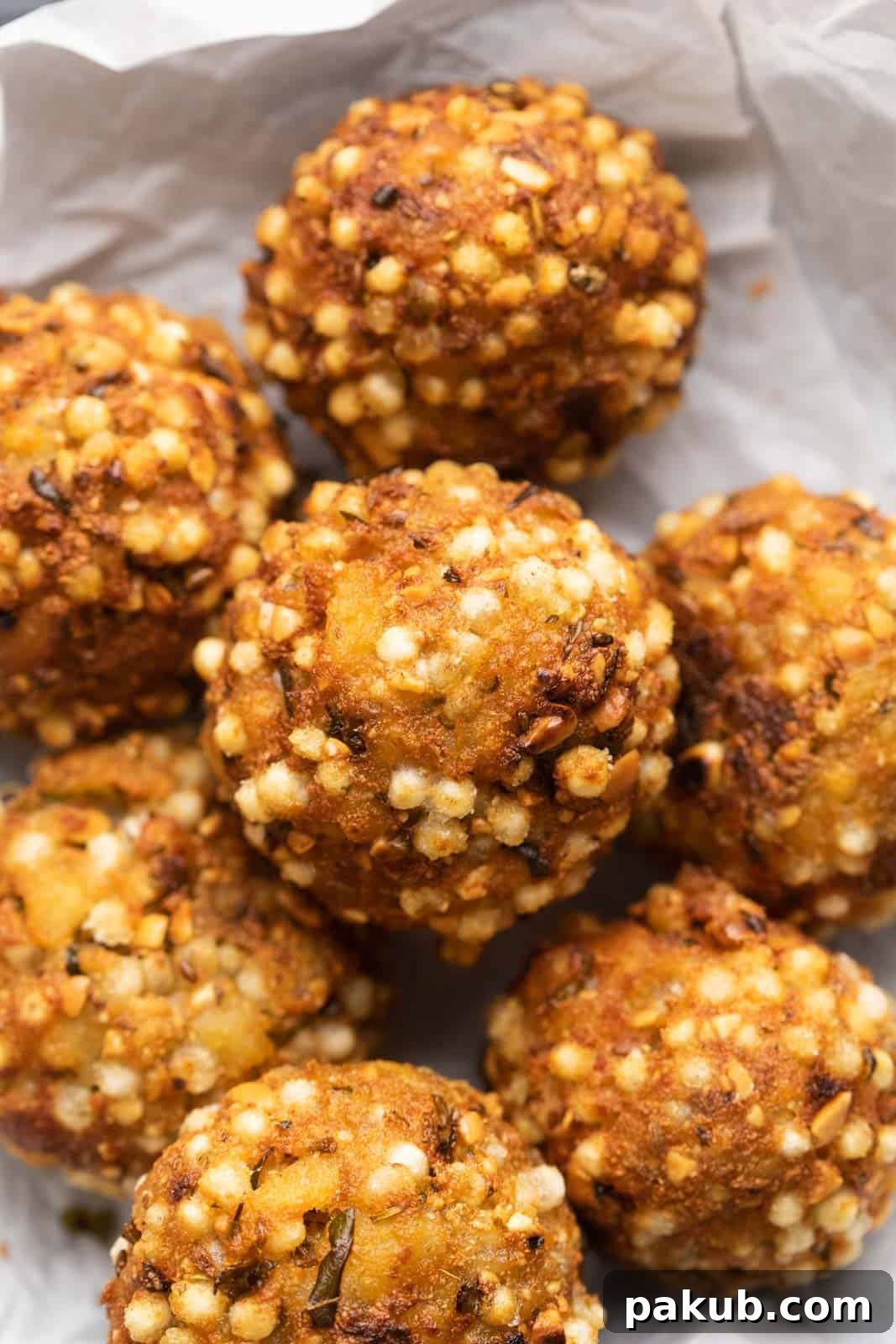
There’s nothing quite like the comforting crunch of a freshly made sabudana vada, especially when paired with a steaming cup of chai. This traditional Indian fritter, made from tapioca pearls, holds a special place in many hearts, particularly during fasting periods like Navratri. While classic sabudana vadas are delicious on their own, we’ve taken this beloved recipe to an extraordinary new level by introducing a luscious, creamy paneer filling. This innovative twist not only adds a burst of rich flavor and an exciting texture contrast but also makes these “sabudana bombs” incredibly hearty and fulfilling, truly perfect for sustaining energy during fasting days.
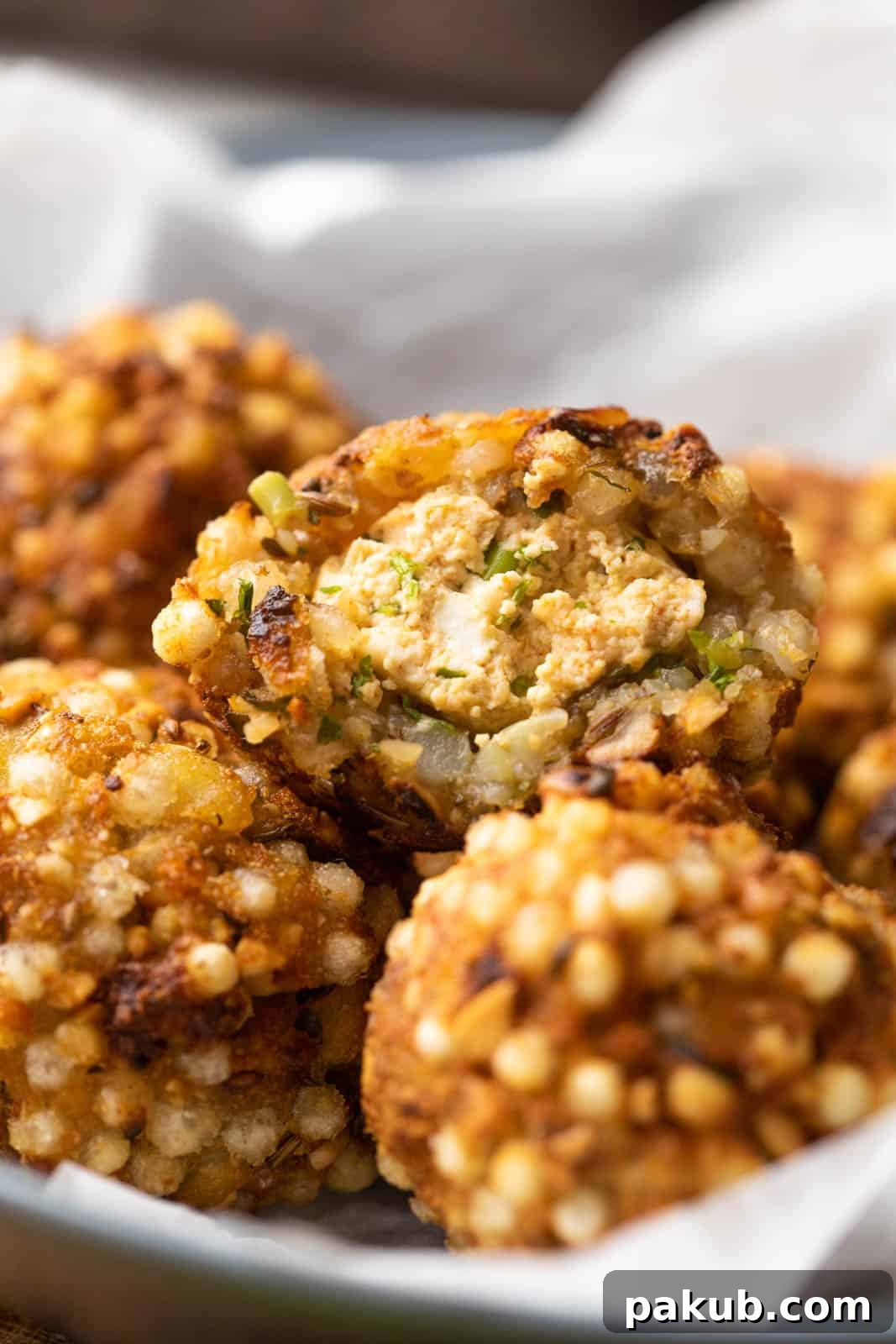
Whether you’re observing Navratri or simply craving a unique and satisfying snack, these paneer-stuffed sabudana vadas promise an unforgettable culinary experience. Imagine biting into a crisp exterior, followed by a soft, starchy sabudana interior, only to be met with a tender, spiced paneer core. It’s a symphony of textures and flavors that will tantalize your taste buds and leave you craving more. Let’s dive into the foolproof methods and expert tips to create these exceptional fritters right in your own kitchen.
Table of Contents
- The Art of Perfect Sabudana Soaking
- The Irresistible Paneer Filling: A Creamy Surprise
- Crafting Your Sabudana Vada Bombs: Expert Tips for Perfection
- Mastering the Cook: Three Delicious Methods
- Sabudana Vada Bombs Stuffed with Paneer Recipe
- Serving Suggestions & Festive Delight
- Watch Stuffed Sabudana Vada Bombs Video
- More Festive Snacks
The Art of Perfect Sabudana Soaking
The foundation of an excellent sabudana vada lies in the proper soaking of the tapioca pearls. This crucial initial step dictates the texture of your vadas – too much water, and they’ll be sticky; too little, and they’ll be hard and potentially burst during frying. Mastering the soak is key to achieving that desirable chewy yet non-sticky consistency. Here’s how to ensure your sabudana is perfectly prepared every time:
- Thorough Washing and Rinsing: Begin by washing the sabudana pearls thoroughly under running water in a fine-mesh sieve. This removes any excess starch, which can contribute to stickiness. Rinse until the water runs clear.
- The Golden Water Ratio: For soaking, the ideal water-to-sabudana ratio is 1:1. For every cup of sabudana, use exactly one cup of water. Pour the water evenly over the washed sabudana, ensuring just enough liquid to barely cover the pearls. It might seem like very little water, but sabudana expands significantly. Resist the urge to add more water than specified, as this is a common pitfall leading to overly sticky, mushy pearls.
- Patience is a Virtue: Soaking Time: Allow the sabudana to soak for a minimum of 6 hours, or ideally, overnight. Soaking overnight in the refrigerator is often the most foolproof method, ensuring the pearls fully hydrate and soften without becoming waterlogged. The extended soaking time allows the tapioca to absorb water slowly and evenly, resulting in perfectly tender pearls.
- The Finger Test for Readiness: After the recommended soaking time, perform a simple test to confirm readiness. Take a few sabudana pearls and gently press them between your thumb and forefinger. They should mash easily, without any hard, gritty, or grainy bits in the center. If you feel any resistance or hardness, continue soaking for another hour or two and retest. This ensures even cooking and prevents the vadas from absorbing excessive oil or, worse, bursting during frying.
Important Note: Sabudana pearls that are not properly soaked can lead to a messy and even dangerous frying experience. Under-soaked pearls contain hard centers that can rapidly expand when exposed to hot oil, causing them to burst. Always ensure your sabudana passes the finger test for safety and optimal results.
The Irresistible Paneer Filling: A Creamy Surprise
The paneer filling is what truly elevates these sabudana vadas from a simple fritter to a gourmet delight. Its light, soft, and moist texture provides a beautiful contrast to the crispy exterior and the chewy sabudana base. Stuffing these vadas with paneer infuses them with an incredible depth of flavor and a rich creaminess that balances the earthy notes of the tapioca. This thoughtful addition makes each bite a delightful experience, marrying the crunch with a tender, melt-in-your-mouth center.
For the best results, we highly recommend using fresh paneer. Store-bought paneer works, but if you have the time, making your own Homemade Paneer in just 15 minutes can make a significant difference. Homemade paneer is incredibly soft, creamy, and free from any preservatives, ensuring your filling is as fresh and delicious as possible. The inherent mildness of paneer also makes it an excellent canvas for subtle spices, allowing you to create a filling that complements the vada without overpowering it. The simple seasoning of cumin powder, chili powder, fresh coriander, and a touch of salt enhances the natural creaminess of the paneer, creating a savory core that perfectly harmonizes with the potato and sabudana mixture.
Crafting Your Sabudana Vada Bombs: Expert Tips for Perfection
While mixing the ingredients for sabudana vada is relatively straightforward, the art of stuffing and shaping is where precision truly pays off. Follow these expert tips to ensure your sabudana vada bombs are perfectly formed, evenly cooked, and utterly delicious:
- Achieving the Right Dough Consistency: The sabudana vada mixture must have the perfect consistency – neither too dry nor too watery. If the mixture is too dry, it will be crumbly and difficult to shape, leading to cracks during frying. If it’s too wet, it will be sticky and absorb too much oil. The ideal mixture should be pliable enough to form into a patty that can easily encase the paneer filling without crumbling or sticking excessively to your hands. Adjust by adding a spoonful of roasted peanut powder if too wet, or a tiny splash of water if too dry, until you reach a workable dough-like consistency.
- Even and Complete Paneer Coverage: When stuffing, ensure the paneer filling is completely and evenly encased within the sabudana mixture. Any exposed paneer can cause the filling to leak out during cooking, affecting both the texture and the appearance of your vadas. Take a golf-ball sized portion of the sabudana mixture, flatten it into a disc on your palm, place a small paneer ball in the center, and carefully bring the edges of the sabudana mixture around to completely seal the paneer. Pinch any seams firmly.
- Uniform Shape and Thickness: After stuffing, gently flatten and shape each vada into a uniform patty or a slightly rounded “bomb” shape. Consistency in thickness and shape is vital for even cooking. Vadas that are too thick might not cook through, while overly thin ones might become brittle. Aim for a consistent size and thickness across all your vadas to ensure they cook at the same rate and achieve that perfect golden-brown crispness simultaneously.
- Preventing Stickiness During Shaping: Sabudana mixture can sometimes be a bit sticky. Lightly moistening your palms with water or oil before handling and shaping each vada will prevent the mixture from sticking to your hands, making the process much smoother and easier.
- Resting the Vadas: If time permits, allowing the shaped vadas to rest in the refrigerator for 15-20 minutes before frying can help them firm up. This minor step can further reduce the chances of breakage during cooking and contribute to a crispier texture.
Mastering the Cook: Three Delicious Ways to Prepare Your Sabudana Tikki
Once your sabudana vadas are perfectly shaped and stuffed, it’s time to cook them to golden perfection. While deep-frying remains the traditional and arguably most delicious method, we also offer healthier alternatives for those who prefer to limit oil consumption. Choose the method that best suits your preference and equipment.
1. The Classic Deep-Fry Method
There’s a reason deep-frying is the original (OG) method for sabudana vadas – it yields an unbeatable crunch and a beautifully golden-brown crust. This is how many of us have seen our mothers and grandmothers prepare them, and the results are undeniably mouth-watering. The key to successful deep-frying is maintaining the correct oil temperature.
- Oil Temperature is Crucial: Heat oil (such as ghee, canola, rice bran, or sunflower oil) in a heavy-bottomed pan or kadhai over medium heat. The oil should be medium-hot, ideally between 170°C and 180°C (340°F – 350°F). To test the oil temperature, drop a small pinch of the sabudana mixture into the hot oil. If it immediately sizzles and floats to the top, the oil is ready. If it sinks and takes a while to rise, the oil isn’t hot enough (which will result in oily vadas). If it browns too quickly, the oil is too hot (leading to burnt exteriors and raw interiors).
- Frying Technique: Carefully slide the shaped vadas into the hot oil, frying a few at a time without overcrowding the pan. Overcrowding can drop the oil temperature and lead to soggy vadas. Fry until they turn a rich golden brown on all sides, usually 3-5 minutes per batch. Flip them gently to ensure even cooking. The medium-hot oil ensures that the vadas cook through without absorbing too much oil, giving you a crispy exterior and a soft, fluffy interior. Serve immediately for the best experience.
2. Healthier Baked Sabudana Vadas
If you’re looking for a lighter option without sacrificing flavor, baking your sabudana vadas is an excellent choice. While the texture won’t be identical to deep-fried, careful baking can still achieve a wonderfully crispy result.
- Preparation for Baking: Preheat your oven to 220°C (425°F). Lightly grease a baking tray or line it with parchment paper. Arrange the shaped sabudana vadas on the tray in a single layer, ensuring they don’t touch each other.
- Baking Process: Lightly brush each vada with oil or ghee. Bake for 10 minutes. Then, carefully flip the vadas, brush them again with oil or ghee, and bake for another 10 minutes. This double brushing and flipping helps achieve an even color and crispness.
- Achieving Extra Crispiness (Optional): For that coveted golden-brown, crispy outer layer, turn on the oven’s grill (broil) mode for the last 4-5 minutes. Keep a close eye on them during this stage, as they can brown very quickly. Remove when they reach your desired level of crispness.
3. Quick and Healthy Air-Fried Sabudana Vadas
The air fryer has become a favorite for its ability to deliver crispy results with minimal oil, making it an ideal tool for healthier versions of traditionally fried foods. Air-frying sabudana vadas is fast, efficient, and incredibly healthy.
- Air Frying Method: Lightly brush or spray the shaped vadas with oil. Preheat your air fryer to 180°C (350°F). Place the vadas in the air fryer basket in a single layer, making sure not to overcrowd it.
- Cooking Time: Air fry for 10-15 minutes, flipping them halfway through. The cooking time may vary slightly depending on your air fryer model and the size of your vadas. Continue to cook until they are golden brown and crispy on the outside. Air frying offers a fantastic balance of health and texture, making it a convenient option for a quick snack.
Sabudana Vada Bombs Stuffed with Paneer
This recipe yields hearty, filling cutlets that are perfect for breakfast or as a snack, and can be made for Navratri as a fasting dish.
- Prep Time: 20 mins
- Cook Time: 20 mins
- Total Time: 40 mins
- Servings: 5 people
Ingredients
For the Sabudana Vada Mixture:
- 1 cup Sabudana (Tapioca Pearls)
- 1 cup Water (to soak Sabudana)
- 4 boiled Potatoes
- 3 Green Chillies, finely chopped
- 1 teaspoon Jeera (Cumin seeds)
- 1 cup roasted Peanuts, skin removed and crushed
- 8-10 Curry leaves, finely chopped
- 2 tbsp chopped Coriander
- 1 teaspoon Jeera Powder (ground Cumin)
- ½ teaspoon Sugar
- ½ teaspoon Chilli Powder (or Paprika)
- Juice of 1 lime
- 1 ¼ teaspoon Salt
- 2 cups Oil for frying (Ghee, Canola, Rice Bran, or Sunflower)
For the Paneer Stuffing:
- 150 grams Paneer (Cottage Cheese), drained and crumbled
- ½ teaspoon Jeera Powder (ground Cumin)
- ½ teaspoon Chilli Powder (or Paprika)
- 1 tablespoon chopped Coriander
- ¼ teaspoon Salt
Instructions
- Wash the sabudana thoroughly with water in a sieve until the water runs clear. Soak the washed sabudana in exactly 1 cup of water for 6-8 hours, or preferably overnight. To check if the sabudana is properly soaked, press one pearl between your fingers; it should mash easily without any hard bits.
- To prepare the sabudana vada mixture, mash the boiled potatoes in a large bowl. Add the soaked sabudana, finely chopped green chillies, roasted crushed peanuts, chopped curry leaves, fresh coriander, jeera powder, sugar, chilli powder, lime juice, and salt. Mix all ingredients thoroughly with your hands until well combined and pliable.
- Next, prepare the paneer filling. In a separate bowl, combine the crumbled paneer, jeera powder, chilli powder, chopped coriander, and salt. Mash and mix it well with your hands until a soft, cohesive mixture forms. Divide the paneer mixture into small, lime-sized balls.
- To form the sabudana vada bombs, moisten your palms lightly with water. Take a golf-ball sized portion of the sabudana mixture and flatten it into a disc on your palm. Place one paneer ball in the center of the disc. Carefully bring the edges of the sabudana mixture up and around to completely cover the paneer ball, sealing it entirely. Gently shape it into a smooth, round or slightly flattened vada. Repeat this process until all paneer balls are encased and all sabudana vadas are formed.
- Heat the oil for frying in a deep pan or kadhai over medium heat. Ensure the oil is medium-hot (170°C – 180°C or 340°F – 350°F). Carefully slide the sabudana vadas into the hot oil, frying a few at a time to avoid overcrowding. Fry until the vadas are golden brown and crispy on all sides, turning occasionally for even cooking.
- Remove the fried vadas with a slotted spoon and place them on a plate lined with paper towels to drain excess oil. Serve immediately.
Notes
- The nutrition information provided is calculated for approximately 2 vadas per serving.
- These vadas can also be made without the paneer stuffing. Simply form the sabudana-potato mixture into flat cutlets and deep fry (or bake/air-fry) as instructed.
- To verify if the oil is at the correct temperature for frying, drop a tiny piece of the mixture into the oil. If it floats to the top and sizzles gently, the oil is hot enough. The ideal frying temperature is between 170°C – 180°C (340°F – 350°F).
- To check if the sabudana is properly soaked, press one pearl between your fingers. It should mash easily and feel soft, not gritty or hard in the center.
Nutrition Information (per serving, approx. 2 vadas)
Calories: 562 kcal,
Carbohydrates: 67g,
Protein: 16g,
Fat: 28g,
Saturated Fat: 7g,
Cholesterol: 20mg,
Sodium: 936mg,
Potassium: 965mg,
Fiber: 8g,
Sugar: 4g,
Vitamin A: 268 IU,
Vitamin C: 73mg,
Calcium: 215mg,
Iron: 3mg
Serving Suggestions & Festive Delight
These paneer-stuffed sabudana vadas are best enjoyed fresh and hot. Serve them alongside a vibrant Green Coriander Chutney for a tangy kick, or a refreshing bowl of plain yogurt for a cooling contrast. A warm cup of chai makes for the perfect accompaniment, especially if you’re enjoying them as a hearty breakfast or an evening snack. They are truly the star of any festive gathering, making your party extra special.
From our kitchen to yours, we wish you and your loved ones a very Happy Navratri and joyful celebrations filled with delicious food and cherished moments!
Watch Stuffed Sabudana Vada Bombs Video
See the entire process come to life with our step-by-step video tutorial. Visual guidance can make all the difference, especially for key techniques like sabudana soaking and vada shaping. Watch how easily these amazing paneer-stuffed sabudana vadas come together and get ready to impress your family and friends!
More Festive Snacks to Explore
If you loved these sabudana vada bombs, be sure to explore more delightful Indian snacks that are perfect for festivals, gatherings, or simply a comforting treat. Here are some of our favorites:
- Paneer Pakora
- Vegetable Pakora
- Onion Pakora
- Crispy Veg Nuggets
- Aloo Paneer Tikkis
- Favourite Festive Party Snacks