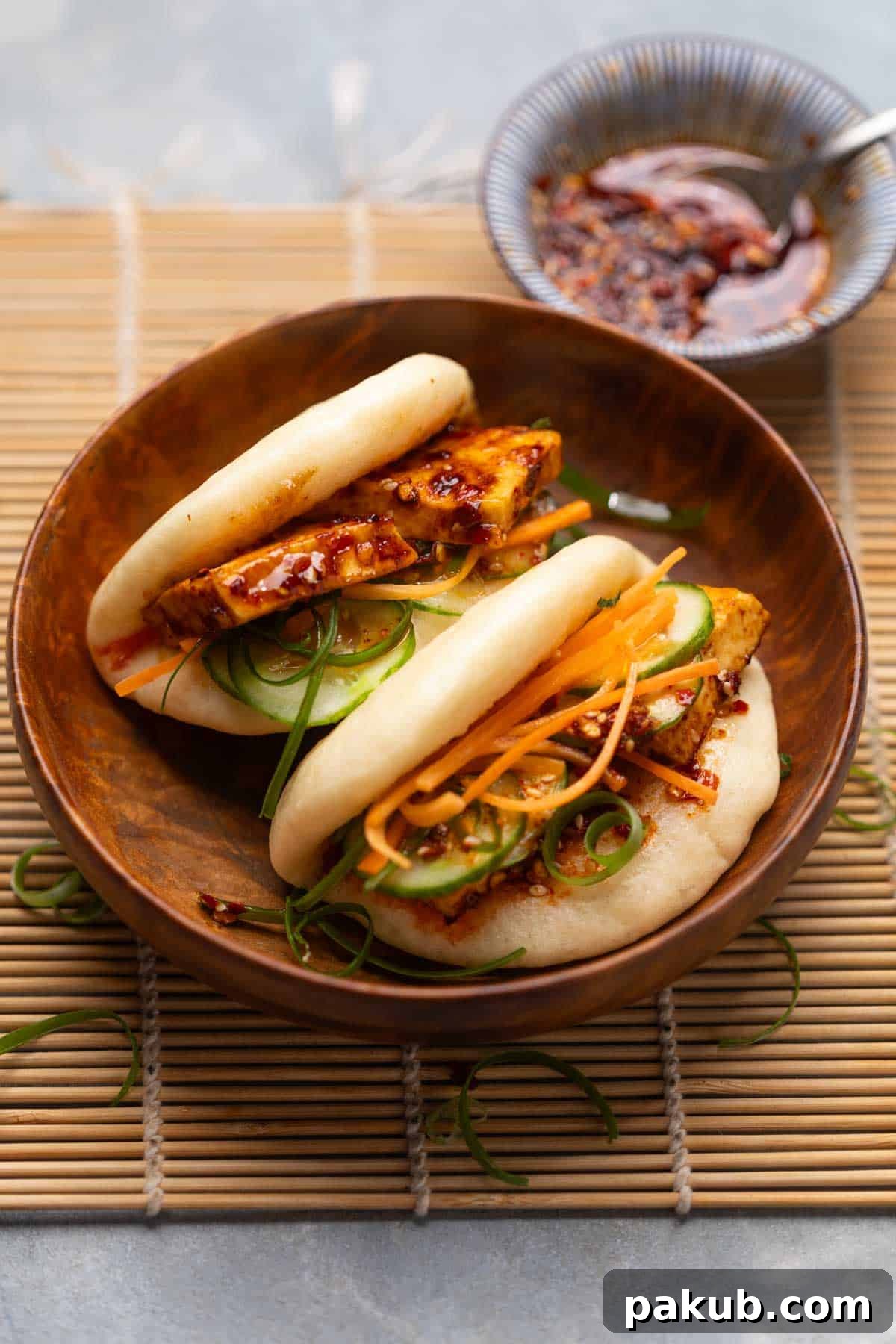
Mastering Steamed Bao Buns (Gua Bao): Your Ultimate Guide to Fluffy Perfection at Home
Craving those impossibly soft, slightly sweet, and utterly delightful steamed buns you find in Asian restaurants? Look no further! Our comprehensive guide reveals how simple it is to create perfect Steamed Bao Buns, also known as Gua Bao, right in your own kitchen. Made with a straightforward, milk-based dough and steamed to pillow-y perfection, these homemade Chinese steamed buns are not only delicious but also a healthier alternative to many fried options!
There’s an undeniable magic to Steamed Bao Buns. Whether it’s their delicate, slightly sweet aroma or their irresistibly soft, cloud-like texture, these Chinese culinary treasures have captivated palates worldwide. For years, like many of you, a visit to an Asian restaurant wasn’t complete without indulging in a plate of these heavenly pockets. The thought of recreating them at home often seemed daunting, conjuring images of complex techniques and specialized equipment.
However, my culinary journey, especially during the development of my Indo-Chinese Ebook, led me to embark on an adventure to demystify the art of homemade bao. The results were nothing short of a revelation! This recipe isn’t just easy; it’s a complete game-changer that will transform your perception of home cooking. You’ll discover that achieving restaurant-quality steamed buns is well within your reach, demanding only a few basic ingredients and a touch of patience.
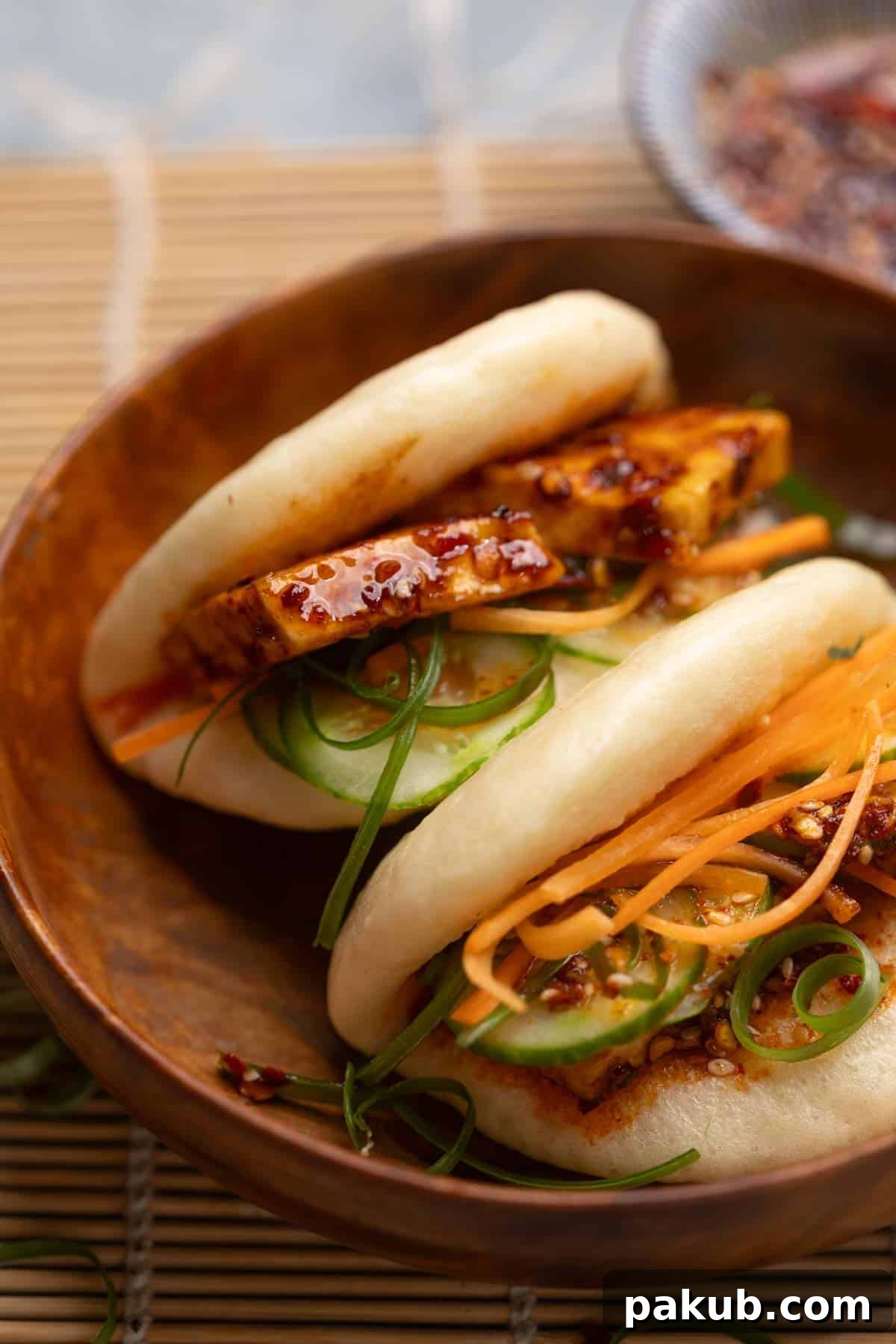
Prepare yourself for a batch of steamed baos that are incredibly soft, wonderfully fluffy, and boast a subtle sweetness that perfectly complements any filling. Once you master this foundational dough, a world of culinary creativity opens up. While my personal favorite pairing is a vibrant, spiced paneer filling, these versatile buns are a blank canvas, ready to embrace everything from savory meats and crisp vegetables to sweet dessert fillings.
Table of Contents
- Introduction to Steamed Bao Buns
- Why Make Bao Buns at Home?
- Essential Chinese Bao Bun Ingredients
- Richa’s Expert Tips for Perfect Bao
- Step-by-Step Steamed Bao Bun Recipe
- Frequently Asked Questions
- Storage and Reheating Tips
- Creative Serving Ideas
- Printable Recipe Card
- Watch the Recipe Video
Introduction to Steamed Bao Buns
Steamed Bao Buns, or Gua Bao as they are traditionally known in some regions, are a popular street food and dim sum staple throughout Asia. These pillowy soft, yeast-leavened buns are distinct from other breads due to their steaming process, which results in a tender, moist texture rather than a crispy crust. Often folded like a taco and filled with savory ingredients, they offer a delightful contrast of textures and flavors. Originally, bao buns were a way to serve hearty fillings in a portable, edible wrapper, evolving over centuries into the beloved delicacy we enjoy today.
Why Make Bao Buns at Home?
Making bao buns at home might seem like a project, but the rewards are immense. Firstly, you gain complete control over the ingredients, ensuring freshness and quality that can surpass many commercial options. You can avoid unnecessary additives and adjust the sweetness or richness to your preference. Secondly, the sheer satisfaction of pulling perfectly puffed, snowy-white buns from your steamer is unparalleled. The aroma that fills your kitchen is intoxicating, promising a truly authentic experience. Finally, homemade bao buns are incredibly versatile. You can experiment with an endless array of fillings, catering to dietary needs, seasonal ingredients, or simply your current cravings, making each batch a unique culinary adventure.
Essential Chinese Bao Bun Ingredients
Crafting the perfect bao bun begins with understanding the role of each ingredient. This simple list combines to create a dough that is both pliable and produces that signature airy texture.
- All-purpose flour (maida) – This forms the structural foundation of our steamed buns. For that signature soft and tender crumb, all-purpose flour is ideal. Its moderate protein content allows for good gluten development without making the buns tough. We highly recommend sticking to all-purpose flour for this specific recipe to achieve the desired results.
- Instant yeast – This crucial leavening agent is responsible for the dough’s rise, creating the beautiful, airy, and light texture characteristic of perfect bao buns. Instant yeast is convenient as it can be mixed directly with dry ingredients without prior activation.
- Baking powder – While yeast provides the primary rise, a touch of baking powder acts as a supplementary leavening agent. It contributes to an extra layer of lightness and fluffiness, ensuring your buns are truly pillow-soft. This combination of leaveners is key to the bao’s unique texture.
- Sugar – Beyond adding a subtle sweetness that perfectly balances the savory fillings, sugar plays a vital role in feeding the yeast. This helps activate the yeast, promoting a robust and consistent rise.
- Salt – Essential for seasoning, salt enhances the overall flavor profile of the dough, preventing it from tasting bland. It also helps to balance the sweetness from the sugar and control yeast activity.
- Milk (cold or room temperature) – Milk is the liquid of choice for this recipe, contributing significantly to the dough’s softness and richness. The fats and sugars in milk yield a more tender and flavorful bun compared to water. Using it cold or at room temperature helps control the dough’s temperature during kneading.
- Cooking oil – A small amount of cooking oil is used strategically in two ways: it’s brushed onto the dough during shaping to prevent sticking and helps create distinct, folded bao shapes, and it can also be added to the dough itself for extra tenderness.
Richa’s Expert Tips for Perfect Bao
Achieving consistently perfect bao buns requires a few key insights. Follow these tips for consistently soft, fluffy, and beautifully shaped steamed buns every time:
- Measure flour carefully. Precision in measuring flour is paramount. Too much flour can lead to a dense, tough dough that won’t rise properly. Avoid scooping flour directly from the bag with your measuring cup, as this compacts it. Instead, spoon the flour into your measuring cup until it overflows, then level it off with the back of a knife or a straight edge. This method ensures you have just the right amount for an airy dough.
- Allow the dough to rise until visibly puffy in a warm place. Don’t rely solely on the clock when proofing dough; ambient temperature varies significantly. Instead, observe the dough’s volume. It should double in size and appear distinctly puffy. Under-proofed dough will result in tight, heavy, and less flavorful bao, while over-proofed dough can sometimes collapse during steaming. A warm spot, like a slightly warmed oven (turned off), a sunny windowsill, or near a warm appliance, works best.
- Keep the dough covered at all times. Bao dough is susceptible to drying out, which can create a tough skin and inhibit a good rise. Always keep your dough covered with plastic wrap or a clean, damp kitchen towel during proofing and while you are working on individual pieces. This maintains moisture and ensures a smooth, pliable dough.
- A thin brush of oil is enough. When brushing oil onto the rolled-out dough before folding, remember that less is more. A very thin, even layer of cooking oil is sufficient to prevent the folded sides from sticking together and allows them to open up beautifully after steaming. Too much oil can weigh down the dough and make the buns greasy.
- Steam the buns over medium heat. High heat and aggressive boiling can cause the bao buns to cook too quickly on the outside, leading to an uneven texture or a wrinkled surface. Maintain a steady medium heat to allow the buns to cook gently and evenly, resulting in a smooth, unblemished, and perfectly puffed exterior.
- Always rest before opening the lid. This final, often overlooked, step is crucial for maintaining the bao’s structure and fluffiness. Once the steaming time is complete, turn off the heat but leave the lid on the steamer for an additional 5 minutes. This allows the internal temperature and pressure to stabilize, preventing the buns from deflating due to a sudden temperature drop or cold air exposure.
Frequently Asked Questions About Steamed Bao Buns
Yeast is a fundamental ingredient in this bao bun recipe, providing the essential lift, flavor, and signature airy structure. While some quick bread recipes might use only baking powder, for authentic steamed bao, yeast is irreplaceable. Skipping it would result in a dense bun that lacks the characteristic texture and depth of flavor.
While water can be used as a substitute, we highly recommend sticking to milk for superior results. Milk contributes significantly to the bao’s tenderness, richness, and slight sweetness due to its fat and sugar content. Using water will yield buns that are slightly less soft and may have a chewier texture. If using water, consider adding a teaspoon of extra sugar and a tablespoon of vegetable oil to the dough to compensate for some of the richness.
Bao buns often deflate if the steamer lid is opened immediately after cooking. This sudden exposure to colder air causes a rapid temperature and pressure drop, leading to the collapse of the delicate internal structure. The crucial 5-minute resting period in the steamer (with the heat off) allows the buns to stabilize, ensuring they hold their fluffy shape.
No, a bamboo steamer is not strictly necessary, although it’s a traditional and excellent choice due to its ability to absorb excess moisture. Any steamer setup that can effectively trap steam and prevent water from dripping onto the buns will work. This could be a metal steamer basket, a colander placed over boiling water and covered tightly, or even a deep pot with a heat-proof plate elevated on rings, all covered with a tight-fitting lid and perhaps a kitchen towel. Ensure there’s enough space for steam to circulate.
To achieve that pristine white color, use a low-protein flour (like bleached all-purpose or bao flour if available), avoid over-kneading which can oxidize the dough, and ensure consistent steaming over medium heat. Placing a kitchen towel between the lid and steamer basket to absorb condensation also helps prevent water spots.
Storage and Reheating Tips for Bao Buns
Once you’ve made a batch of these delectable steamed buns, proper storage ensures you can enjoy their freshness for longer. Reheating them correctly brings them back to their original soft and fluffy glory.
- Store any leftover steamed baos in an airtight container at room temperature for up to 24 hours, or in the fridge for up to 4 days. Ensure they are completely cool before storing to prevent condensation.
- To reheat refrigerated baos, the best method is to steam them again for about 2 minutes, or until warmed through and soft. Alternatively, you can microwave them. For microwave reheating, place the bao buns on a plate, cover them with a damp paper towel or place a small cup of water next to them, and microwave for 30-60 seconds, or until soft. This prevents them from drying out.
- If you wish to make them ahead for a longer period, freeze plain (unfilled) baos. After steaming and cooling completely, place them on a baking sheet lined with parchment paper and freeze until solid. Once frozen, transfer them to a freezer-safe bag or airtight container. They can be stored for up to 1-2 months.
- To reheat frozen baos, you can steam them directly from frozen for 5-7 minutes, or until they are soft and heated through.
- Avoid freezing baos after filling, especially with watery fillings, as this can affect the texture of both the bun and the filling upon reheating.
Creative Serving Ideas for Your Homemade Bao Buns
The beauty of homemade bao buns lies in their incredible versatility. They are a perfect vessel for a myriad of fillings, allowing you to get creative with flavors and textures. Here are some inspiring serving ideas:
- Spiced Paneer Filling: A fantastic vegetarian option! Stir-fried paneer cubes tossed with your favorite Indo-Chinese sauces like schezwan, soy, and chili, along with crunchy julienned bell peppers, onions, and spring onions, makes for a delicious and wholesome dish. Garnish with fresh cilantro and a drizzle of spicy mayo.
- Crispy Chicken Bao: Pair these soft buns with a non-vegetarian protein like crispy fried chicken or succulent grilled chicken. Toss the chicken in a sweet and spicy glaze, add some quick-pickled cucumbers and carrots for crunch, and a dollop of sriracha mayo for a satisfying meal. Pulled pork or hoisin duck are also classic choices!
- Fusion Falafel Bao: For a unique fusion experience, stuff your bao buns with homemade falafel. Add a generous spoonful of creamy hummus, a sprinkle of fresh herbs, and your favorite julienned Mediterranean veggies like tomatoes, lettuce, and red onion. This unexpected combination is surprisingly delightful.
- Mushroom & Tofu Stir-Fry: Create a savory plant-based filling with sautéed mushrooms, firm tofu, ginger, garlic, and a savory soy-sesame sauce. Add shredded cabbage and a sprinkle of toasted sesame seeds for an extra layer of flavor and texture.
- Sweet Dessert Bao: Don’t limit yourself to savory! Use your bao buns as a sweet treat. Fill them with red bean paste, a dollop of Nutella, or even simply steam and serve with condensed milk or a dusting of powdered sugar for a delightful, comforting dessert.
Once you venture into making steamed buns at home using this straightforward and simple recipe, you’ll likely find yourself thinking twice before ordering them out again. The ease of preparation, combined with the endless possibilities for customization, makes this a truly rewarding culinary skill. That signature pillow-y soft texture is incredibly addictive – be warned, you’ll be reaching for seconds, thirds, and quite possibly even more!
If you give this amazing Gua Bao recipe a try in your own kitchen, don’t hesitate to share your wonderful creations with me! Send pictures of your masterpieces to my Instagram DMs @my_foodstory. I can’t wait to see what delicious fillings you come up with!
Watch Steamed Buns Recipe Video
Classic Chinese Steamed Bao Buns
Richa
10 mins
20 mins
1 hr 15 mins
1 hr 45 mins
11 Buns
Equipment
- 1 steamer (bamboo or metal)
- Large mixing bowl or stand mixer
- Rolling pin
- Parchment paper
Ingredients
- 2 cups all-purpose flour (maida)
- 1 teaspoon instant yeast
- 1 teaspoon baking powder
- 2 teaspoons sugar
- ⅛ teaspoon salt
- 1 cup milk (cold or at room temperature)
- 1 teaspoon cooking oil for brushing
Instructions
Kneading the Dough
- In a large mixing bowl or the bowl of a stand mixer, combine the all-purpose flour, instant yeast, baking powder, sugar, and salt. Whisk these dry ingredients together thoroughly to ensure even distribution.
- Slowly pour in the milk. Using a spatula or the dough hook attachment of your stand mixer, mix the ingredients until a shaggy dough forms.
- Begin kneading the dough. If kneading by hand, transfer the dough to a lightly floured surface and knead for about 10-12 minutes. If using a stand mixer, knead on medium-low speed for 8-10 minutes. Continue until you achieve a smooth, elastic, and non-sticky dough. It should spring back when gently poked.
Proofing the Dough
- Lightly grease the mixing bowl with a tiny bit of oil. Place the kneaded dough ball into the bowl and turn it once to coat with oil.
- Cover the bowl tightly with plastic wrap or a clean, damp cloth. Place the bowl in a warm place (like a turned-off oven with the light on) and let the dough rise until it has visibly doubled in size. This usually takes about 1 hour, but can vary depending on the ambient temperature.
Rolling and Shaping the Bao
- While the dough is proofing, prepare 11 square pieces of parchment paper, approximately 7cm x 7cm (2.75 inches x 2.75 inches). These will prevent the bao from sticking to the steamer.
- Once the dough has doubled, gently punch it down with your hand to release the air. Transfer the dough to a lightly floured surface and knead it for another minute to remove any remaining large air bubbles.
- Divide the dough into two equal pieces. Then, divide each of those pieces into 5-6 smaller, equal-sized portions, aiming for 11 buns in total.
- Take each small piece of dough and roll it into a smooth ball. Place the dough balls on a large plate or baking sheet, making sure to keep them covered with a damp cloth to prevent them from drying out as you work.
- Working with one dough ball at a time, use a rolling pin to roll it into an oval shape, about ¼ inch (0.5 cm) thick. Flip the oval over and lightly roll again to ensure a smooth, even surface.
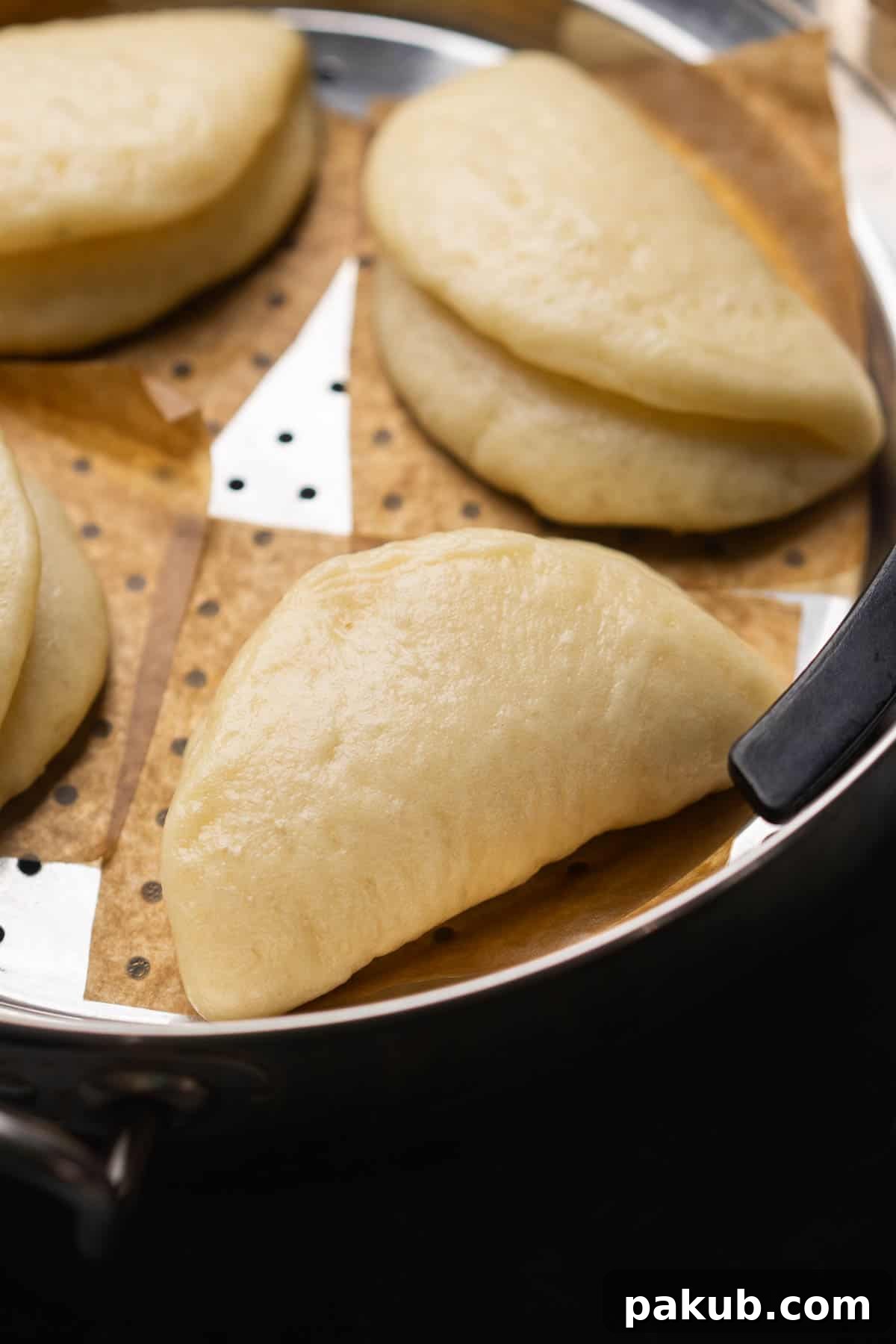
- Brush the entire top surface of the dough oval with a thin layer of cooking oil. This step is crucial as it prevents the folded sides from sticking together and allows the bao to open up easily after steaming (refer to Note 1).
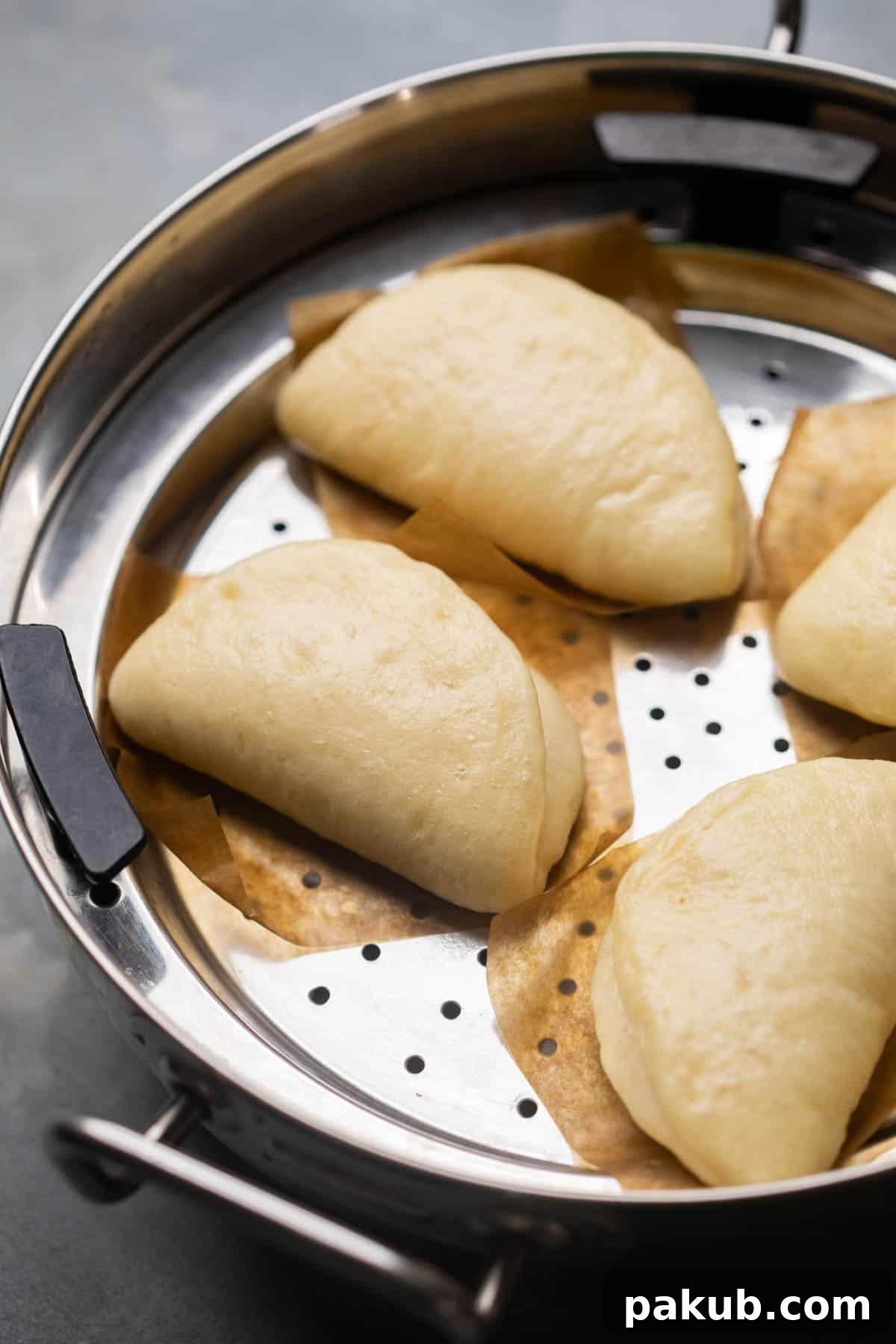
- Carefully fold the oiled dough oval in half, creating a semi-circle shape. Place this folded bao onto one of the prepared parchment paper squares.
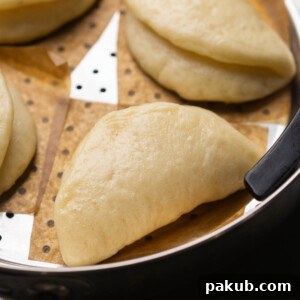
- Arrange the shaped baos, still on their parchment squares, onto a steamer plate or rack. Ensure there is adequate space between each bao, as they will expand significantly during the second proofing and steaming. Do not overcrowd the plate; steam in batches if necessary.
- Cover the assembled baos on the steamer plate with a damp cloth and let them rise for a second proofing, for 15 to 30 minutes, or until they have visibly increased to about 1.5 times their original size.
Steaming the Bao
- Fill your steamer pot with water and bring it to a rolling boil over high heat.
- Once the water is boiling, reduce the heat to medium. Carefully place the steamer plate with the risen baos into the steamer. To prevent water from dripping onto the buns and affecting their texture, you can place a clean kitchen towel or cheesecloth between the steamer plate and the lid, ensuring it doesn’t touch the water.
- Cover the steamer tightly and cook the bao buns over medium heat for 10-12 minutes. The cooking time may vary slightly depending on the size of your buns and the efficiency of your steamer.
- After 10-12 minutes, turn off the heat. This is a critical step: leave the lid on the steamer for another 5 minutes without opening it. This resting period allows the bao buns to stabilize and prevents them from deflating (refer to the FAQs and Richa’s Tips for more details).
- After the 5-minute rest, carefully remove the lid. Transfer the freshly steamed baos to a wire rack to cool slightly.
- Repeat the steaming process with the remaining batches of bao buns. While one batch is steaming, keep the unsteamed baos covered with a damp cloth on a lightly greased plate to prevent them from drying out.
- Once all the baos are steamed and slightly cooled, stuff them with your filling of choice and serve immediately for the best experience.
Notes
- The thin layer of cooking oil brushed onto the dough before folding is essential. It acts as a barrier, preventing the two halves of the bun from sticking together, allowing them to open up beautifully into pockets for your fillings.
- For optimal freshness, store any leftover steamed baos in an airtight container in the fridge for up to 4 days.
- To reheat refrigerated baos, steam them for 2 minutes or microwave them with a small cup of water to maintain their softness and prevent drying.
Nutrition
Carbohydrates: 20g,
Protein: 4g,
Fat: 1g,
Saturated Fat: 0.5g,
Polyunsaturated Fat: 0.2g,
Monounsaturated Fat: 0.4g,
Trans Fat: 0.002g,
Cholesterol: 3mg,
Sodium: 74mg,
Potassium: 68mg,
Fiber: 1g,
Sugar: 2g,
Vitamin A: 36IU,
Vitamin C: 0.004mg,
Calcium: 52mg,
Iron: 1mg
This article was researched and written by Urvi Dalal. Additional content and recipe details provided by [Your Name/Site Name, if applicable].