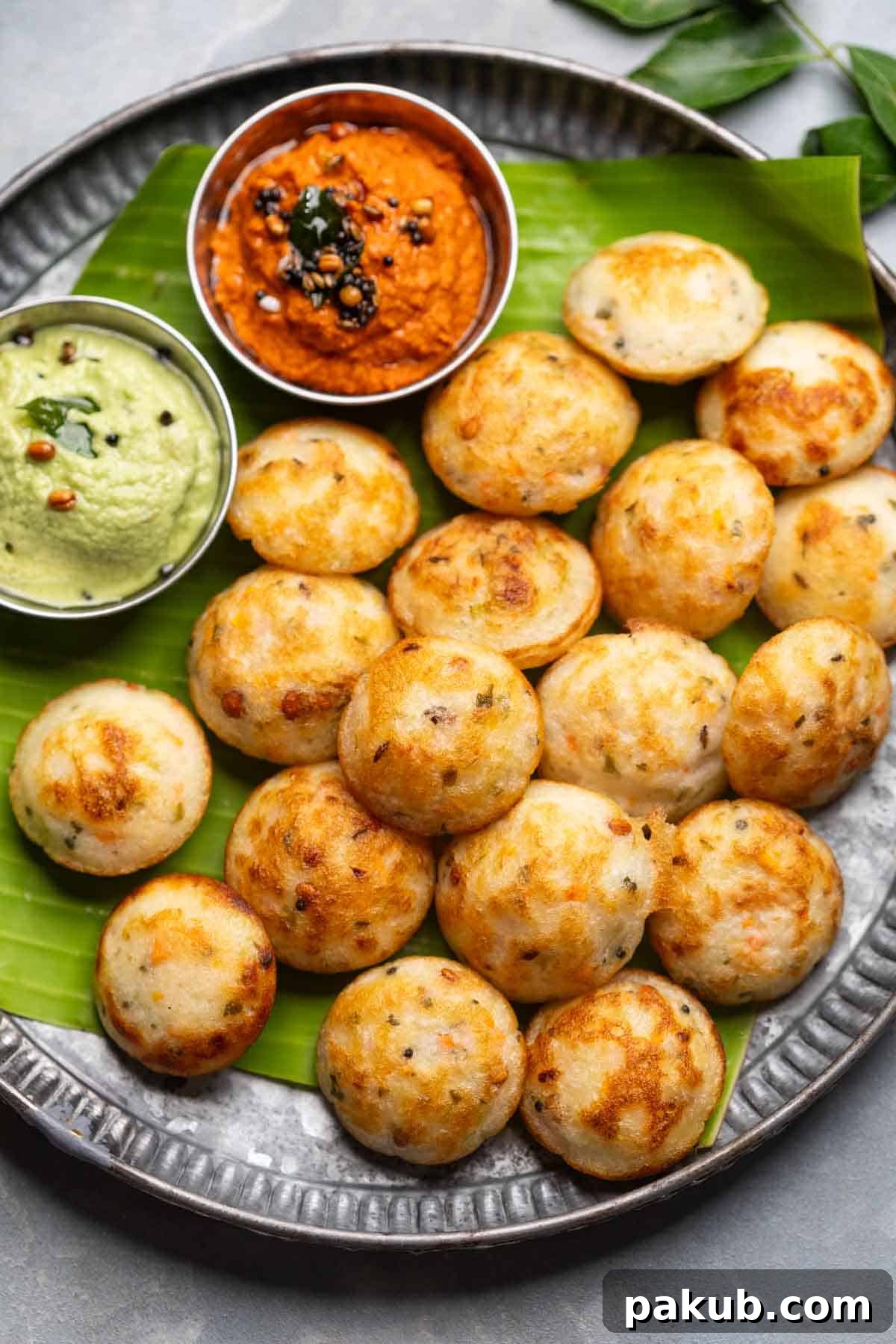
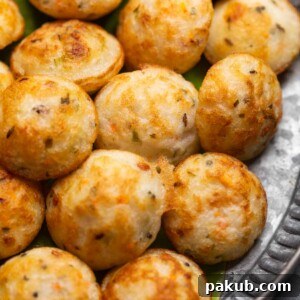
Crispy on the outside, soft on the inside, these appe are going to be your snack-time best friend.
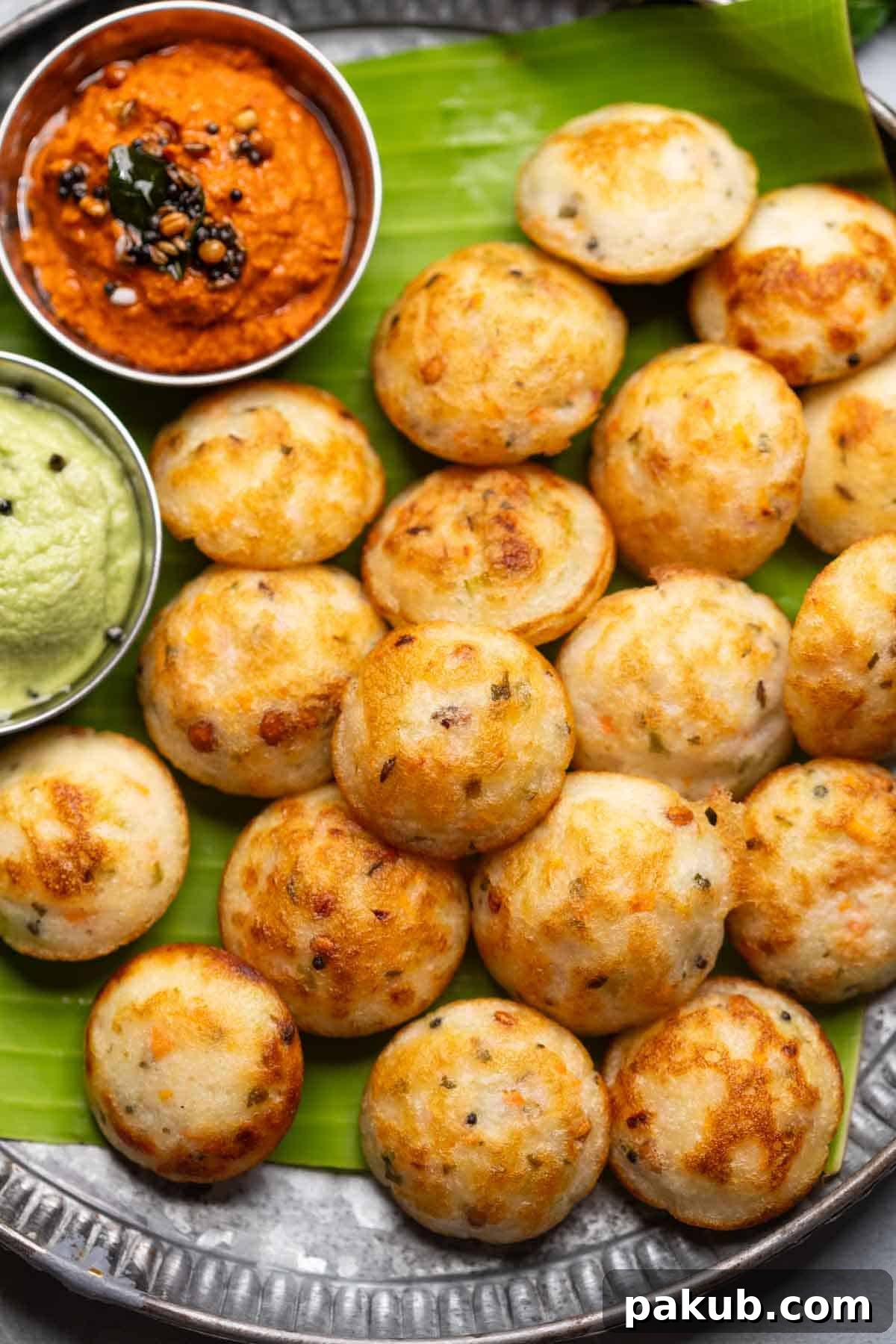
Appe, also known as Paddu or Paniyaram, is one of those culinary delights that reward smart planning. If you often find yourself with some extra idli or dosa batter lingering in the fridge, you’re already halfway to creating a batch of golden, crispy, and wonderfully soft little dumplings. These delectable rounds are a quintessential comfort food from South India, perfect for any time of day.
I’ve been preparing appe for countless years, finding them ideal for a quick, wholesome breakfast or a delightful addition to lunchboxes. While incredibly satisfying on their own, their true charm lies in their versatility. They act as a blank canvas, eagerly welcoming an array of vegetables, aromatic spices, or even a hint of cheese. In our household, a single batch rarely lasts beyond the hour, a testament to their irresistible appeal!
Jump to Section: Appe Recipe Guide
- Why You Should Make Appe Today
- Essential Ingredients for Appe
- Step-by-Step: How to Make Appe
- Richa’s Expert Tips for Fluffy & Crispy Appe
- Frequently Asked Questions About Appe
- Choosing Your Appe Pan: Cast Iron vs. Non-Stick
- Storing & Reheating Appe for Best Results
- Creative Serving Ideas for Appe
- Endless Customization Options for Appe
- More Recipes Using Dosa Batter
- Did You Know? The History of Appe
- Watch the Appe Recipe Video
Why You Should Make Appe Today
Beyond being simply delicious, appe offers a multitude of reasons to become a regular feature in your kitchen. First, it’s an ingenious way to utilize leftover idli or dosa batter, minimizing food waste and maximizing flavor. Second, they are incredibly quick to prepare, especially if your batter is already fermented and ready. This makes them perfect for busy mornings or unexpected hunger pangs. Furthermore, appe are generally healthy; made from fermented rice and lentil batter, they offer good gut health benefits and are typically cooked with minimal oil. Their bite-sized nature also makes them ideal for children’s lunchboxes or as a crowd-pleasing party appetizer. Whether you call them appe, paniyaram, or paddu, these little delights are a testament to simple, flavorful, and versatile South Indian cooking that brings joy to every bite.
Essential Ingredients for Appe
To whip up a delightful batch of appe, the star of the show is undoubtedly the fermented idli or dosa batter. Here’s a breakdown of what you’ll need, along with some suggested additions:
- Idli/Dosa Batter: The foundation of perfect appe. Opt for well-fermented batter; its slight sourness and airy texture are key to achieving the signature light and fluffy interior. You can use homemade batter or a good quality store-bought one. Approximately 1.5 cups will yield about 25 appe.
- Fresh Vegetables (Optional, but highly recommended): Enhance both flavor and nutrition. Finely chopped onions (¼ cup), grated carrots (¼ cup), finely diced capsicum (¼ cup), or even a handful of fresh grated coconut can add wonderful texture and taste.
- Aromatic Tempering (Tadka – optional but enriches flavor): A quick sauté of spices adds depth and aroma. You’ll need:
- 1 teaspoon oil (for tempering)
- ½ teaspoon mustard seeds (rai)
- ¼ teaspoon cumin seeds (jeera)
- ½ teaspoon chana dal (split chickpeas)
- 1 teaspoon urad dal (split black gram)
- Finely chopped green chilies (1, adjust to taste)
- Finely chopped ginger (½ teaspoon)
- Fresh curry leaves (10 leaves, finely chopped)
- Seasoning: Salt (¼ + ⅛ teaspoon, adjust to taste) to balance the flavors, and a pinch of sugar (¼ teaspoon) to enhance browning and overall taste.
- Cooking Oil: A minimal amount (2-3 tablespoons, such as sunflower or any neutral-flavored oil) is needed to grease the appe pan molds, ensuring crispy, golden edges and easy release.
Step-by-Step: How to Make Appe
Creating these delightful appe is a simple and rewarding process. Follow these steps for the perfect crispy-soft texture:
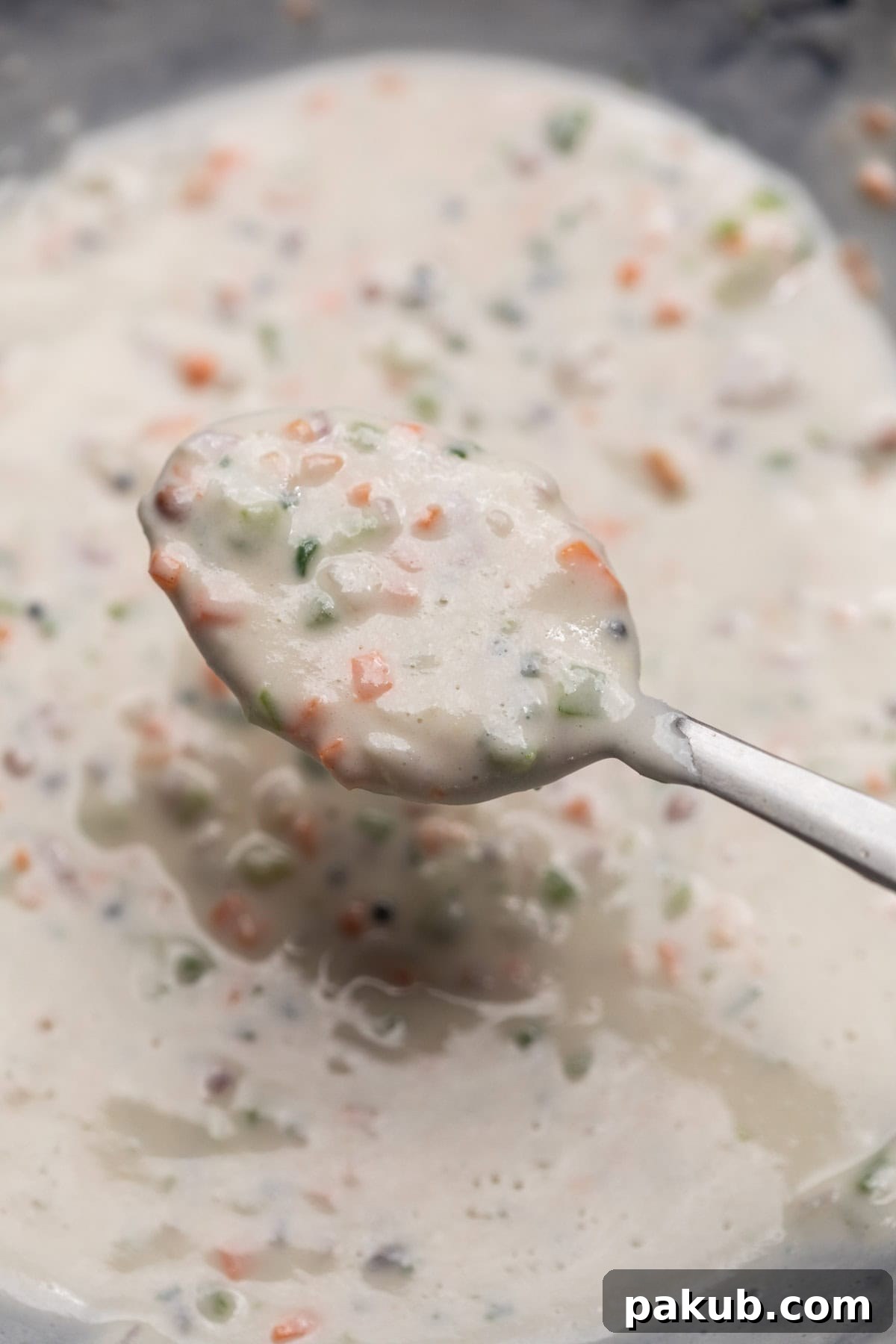
- Prepare the Batter: Begin with your fermented idli/dosa batter. If it’s straight from the fridge, allow it to come to room temperature for about 20-30 minutes; this helps achieve a lighter, airier texture. Stir in salt and sugar if not already added.
- Incorporate Add-ins: Now is the time to mix in your finely chopped vegetables (capsicum, carrots, onions, ginger, green chili, curry leaves). These additions elevate the flavor and nutritional profile of your appe.
- Prepare the Tempering (Tadka): In a small pan, heat 1 teaspoon of oil. Add mustard seeds and cumin seeds, allowing them to crackle. Then, add chana dal and urad dal, roasting them on low heat for a few seconds until they turn a light golden color. Pour this hot tempering mixture directly into your prepared appe batter and mix everything thoroughly. This step is optional but highly recommended for an authentic burst of flavor.
- Heat the Appe Pan: Place your appe pan on medium heat. Add just a few drops of oil into each mold, ensuring the entire cavity is lightly greased. This prevents sticking and promotes a beautiful golden crust.
- Cook the Appe: Using a spoon or small ladle, carefully pour the batter into each mold, filling them almost to the top. Cover the pan with a lid and cook on low heat for 1-2 minutes. This initial covered cooking allows the appe to steam and puff up, developing its soft interior.
- Flip and Crisp: Once the edges appear firm and the bottom is golden, use a skewer or a small spatula to carefully flip each appe. Continue cooking uncovered for another 2-3 minutes on low to medium heat, allowing the second side to crisp up and turn golden brown.
- Serve Fresh: Once cooked to perfection, remove the appe from the pan and serve hot immediately. Repeat the process with the remaining batter.
Richa’s Expert Tips for Fluffy & Crispy Appe
- Utilize Well-Fermented Batter: The secret to truly exceptional appe lies in using properly fermented idli or dosa batter. The fermentation process introduces a slight sourness and creates tiny air pockets, which are essential for that characteristic fluffiness on the inside and crispy edges on the outside. Don’t rush this step!
- Allow Batter to Reach Room Temperature: If your batter has been refrigerated, let it rest at room temperature for at least 20-30 minutes before cooking. Cold batter can result in dense and chewy appe, whereas room temperature batter yields a much lighter and airier texture, allowing it to puff up beautifully.
- Generously Grease the Appe Pan: Before spooning in the batter, ensure each cavity of your appe pan is well-greased with a few drops of oil. This not only prevents the appe from sticking but also contributes significantly to developing that desirable golden, crispy crust and makes flipping them a breeze.
- Cook Covered Initially, Then Uncover for Crispiness: For optimal texture, begin by cooking the appe with the pan covered. This traps steam, helping the batter cook through evenly and puff up. Once flipped, continue cooking uncovered. This allows any trapped moisture to escape, resulting in a wonderfully crisp exterior.
- Maintain Ideal Batter Consistency: The perfect batter consistency for appe is medium to medium-thick, much like a good idli or pancake batter. It should be thick enough to hold its shape when poured into the molds but still flow smoothly. If your batter is too thick, add a tablespoon or two of water to thin it out slightly. If it’s too thin, it might spread excessively and not form properly.
Frequently Asked Questions About Appe
While both are South Indian delicacies made from fermented rice batter, they differ significantly in texture and preparation. Appam is a delicate, lacy, and bowl-shaped fermented rice pancake, typically soft and spongy in the center with crispy edges. It’s cooked on a flat griddle or a specific appam pan. Paniyaram (or appe/paddu), on the other hand, are small, spherical, bite-sized dumplings. They are cooked in a special appe pan with multiple hemispherical molds, resulting in a crispy, golden crust and a soft, fluffy interior. They share a similar base batter but offer distinct culinary experiences.
Sticky appe often indicate that the batter was either too thick or too cold. Ensure your batter is at room temperature and has a medium-thick, pourable consistency. Another common reason is undercooking. Make sure to cover the pan during the initial cooking phase to allow the steam to cook the interior, and then flip and cook uncovered until both sides are golden and crisp, ensuring the inside is fully cooked and fluffy.
The distinctive spherical shape and crisp-on-the-outside, soft-on-the-inside texture of appe are best achieved with an appe pan (also known as a paniyaram pan or aebleskiver pan). If you absolutely don’t have one, you might try using a mini muffin tray in the oven, but the results won’t be quite the same in terms of crispiness and overall texture, as they won’t get the direct heat contact that creates the signature crust.
Absolutely! Leftover appe can be stored effectively. Allow them to cool completely before transferring them to an airtight container. They will keep fresh in the refrigerator for up to 2 days. For reheating, avoid the microwave as it can make them rubbery. Instead, warm them in an appe pan, air fryer, or oven to help restore some of their original crispiness.
Yes, you can certainly use readymade idli or dosa batter for convenience. However, for the most authentic flavor and superior texture, homemade dosa batter is often preferred. Homemade batter, when fermented perfectly, tends to yield appe that are lighter, fluffier, and boast a more complex, slightly tangy flavor profile.
Indeed, appe are generally considered a healthy snack or meal option. They are made from fermented rice and lentil batter, which is beneficial for gut health and aids in nutrient absorption. Furthermore, they are pan-cooked with minimal oil, making them light, easy to digest, and a great alternative to deep-fried snacks. Incorporating vegetables also boosts their nutritional value, making them a well-rounded choice.
Choosing Your Appe Pan: Cast Iron or Non-Stick?
The choice between a cast iron and a non-stick appe pan often comes down to personal preference, cooking habits, and desired results. Both types have their distinct advantages:
Cast Iron Appe Pans: These are the traditional choice and often favored by seasoned cooks for several compelling reasons. Cast iron excels at even heat distribution, which is crucial for cooking appe uniformly and achieving that coveted deep golden, crispy crust. Cooking in cast iron can also naturally fortify your diet with a small amount of iron. However, cast iron pans require a bit more attention; they need to be seasoned regularly to maintain their non-stick properties and prevent rust, and they can be heavier to handle. For those who appreciate a rustic crisp and are willing to put in the maintenance effort, cast iron delivers unparalleled results.
Non-Stick Appe Pans: These are a fantastic option for beginners and anyone prioritizing convenience. Non-stick pans require significantly less oil for cooking, which can be a healthier choice, and they are remarkably easy to clean. Their inherent non-stick surface makes flipping appe effortless, saving time and frustration. This makes them ideal for quick breakfasts or when preparing meals for children. To prolong the life of a non-stick coating, it’s essential to use soft, non-abrasive utensils and avoid excessively high heat. If you’re new to making appe or value ease of use above all else, a good-quality non-stick pan is an excellent starting point. Ultimately, both can produce delicious appe, but your cooking style will dictate which pan suits you best.
Storing & Reheating Appe for Best Results
- Refrigeration: For best quality, allow your freshly cooked appe to cool completely to room temperature before storing. Place them in an airtight container and refrigerate for up to 2 days. This prevents them from becoming soggy or developing off-flavors.
- Freezing: Appe can be successfully frozen for longer storage. Arrange the cooled appe in a single layer on a baking tray and freeze until solid. Once frozen, transfer them to a freezer-safe ziplock bag or container, removing as much air as possible. They can be stored for up to a month.
- Reheating: To restore their delightful texture, avoid reheating appe in the microwave, as this tends to make them soft and rubbery. Instead, warm them gently in an appe pan over medium heat, in an air fryer, or in a preheated oven (at about 350°F or 175°C) until heated through and slightly crispy on the exterior. This method helps bring back their original appeal.
Creative Serving Ideas for Appe
These versatile little bites are incredibly adaptable and pair beautifully with an array of chutneys and savory sides, making them perfect for any meal or snack:
- Traditional Coconut Chutney: For a classic South Indian experience, dip your appe into a fresh, vibrant Coconut Chutney. The creamy texture and subtle sweetness of the coconut perfectly complement the savory appe.
- Spicy Green Chutney: If you prefer a fresher, tangier kick, serve them with a zesty Green Chutney, often made with coriander and mint. This pairing offers a delightful contrast of flavors.
- Hearty Breakfast Thali: Elevate your breakfast by creating a mini thali. Pair appe with fluffy Idlis and a steaming bowl of Sambar for a truly satisfying and wholesome start to your day.
- Creamy Peanut Chutney: For a uniquely satisfying snack, enjoy appe with a rich and nutty Peanut Chutney. Its smooth texture and earthy flavor provide a wonderful balance.
- Lunchbox Delight: Pack appe into lunchboxes alongside flavorful Lemon Rice or Tamarind Rice for a complete, fun, and fuss-free meal that holds up well.
- South Indian Brunch Spread: Create an impressive brunch spread by serving appe alongside wholesome Veggie Upma and a selection of your favorite chutneys. This offers a delightful mix of textures and aromatic flavors.
Endless Customization Options for Appe
One of the joys of making appe is their incredible adaptability. Feel free to get creative and tailor them to your taste preferences or whatever ingredients you have on hand:
- Amplify the Spice: For those who love a bit of heat, mix in extra finely chopped green chilies, a generous sprinkle of crushed black pepper, or a spoonful of spicy podi (gunpowder) directly into the batter.
- Load with Veggies: Boost the nutrition and texture by adding an assortment of finely chopped vegetables. Popular choices include onions, grated carrots, capsicum (bell peppers), cabbage, or even nutrient-rich spinach. Ensure vegetables are finely diced so they cook evenly within the appe.
- Indulge in a Cheesy Twist: For a delightful surprise, stuff a tiny cube of cheese (like cheddar or mozzarella) into the center of each appe before pouring the batter. As it cooks, the cheese melts, creating a gooey, irresistible bite.
- Authentic South Indian Masala Style: For an even more traditional flavor, prepare a separate tadka (tempering) with mustard seeds, curry leaves, and urad dal, then stir this aromatic mixture into the batter just before cooking. This adds an extra layer of crunch and flavor.
- Sweet Version for Kids (or the Young at Heart): Transform savory appe into a sweet treat by adding jaggery (or brown sugar), mashed banana, and a hint of cardamom powder to the idli batter. Cook as usual. This makes for a fantastic and healthy dessert or breakfast option, especially appealing to children.
More Recipes Using Dosa Batter
Dosa batter is a versatile staple in South Indian kitchens, offering a base for a myriad of delicious dishes beyond just dosas. Here are some other fantastic creations you can whip up with your leftover batter:
- Dhokla
- Idli
- Dosa
- Appe / Paniyaram
- Mysore Masala Dosa
- Uttapam
- Dosa Waffle
- Schezwan Idli Fry
Stay tuned! I’m excited to share detailed recipes for many of these dishes, along with an easy one-pot sambar and coconut chutney, over the coming weeks. Make sure to check back for more culinary inspiration!
Did You Know? The History of Appe
Appe (or paniyaram) is a beloved South Indian snack known by various names across different regions, reflecting its widespread popularity and cultural significance. It’s affectionately called paddu in Karnataka, ponganalu in Andhra Pradesh, and kuzhi paniyaram in Tamil Nadu. Historically, this humble snack was often prepared in sturdy cast iron appe pans over traditional wood fires, imparting a unique smoky flavor and rustic charm. In modern kitchens, however, its preparation has evolved, making use of convenient non-stick or even electric appe makers. Despite these adaptations, the essence of appe remains the same: a versatile dish that beautifully showcases the ingenuity of South Indian cuisine, which expertly transforms simple base ingredients like fermented rice and lentils into a diverse array of distinct and delicious creations.
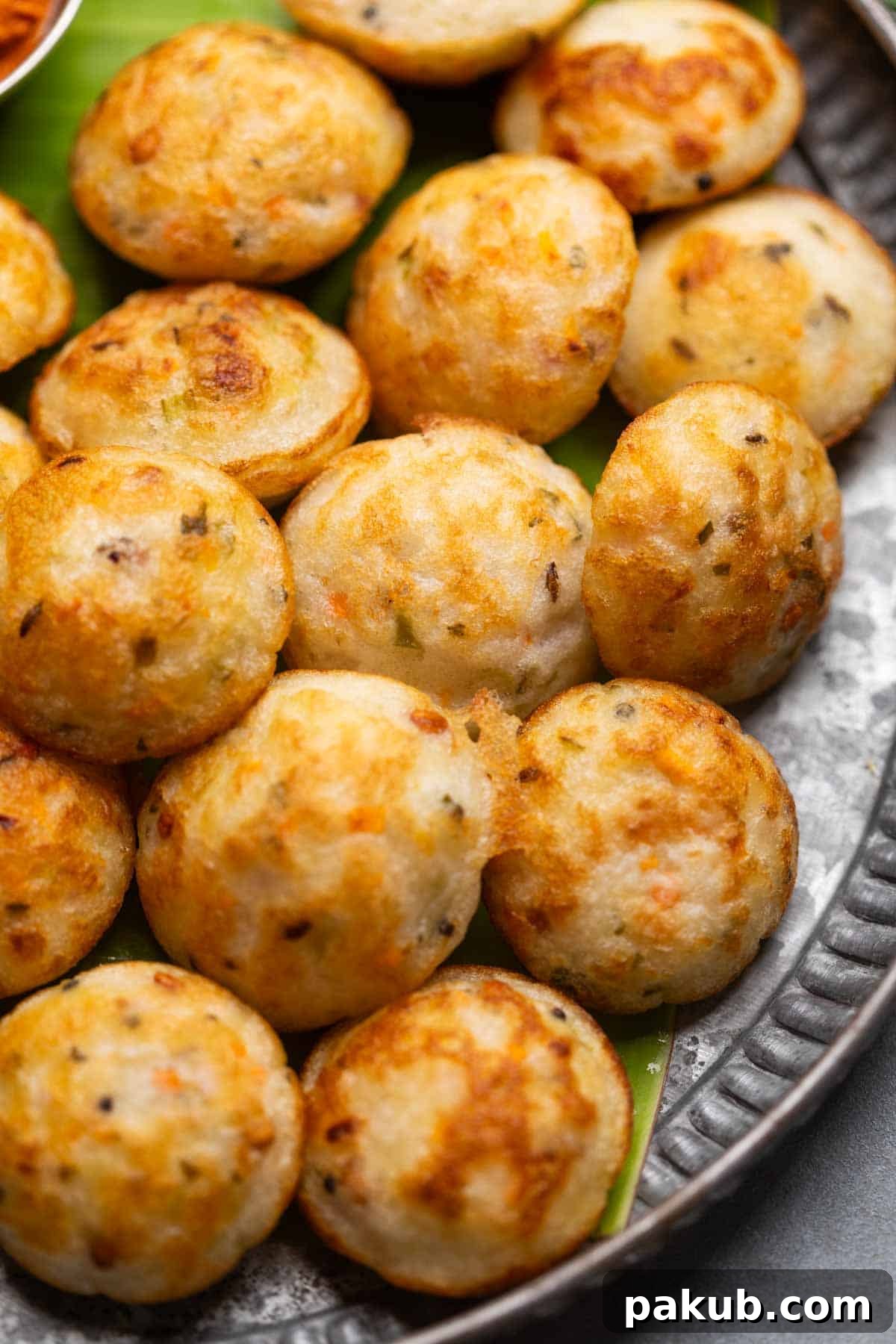
If you have idli or dosa batter readily available, making appe is genuinely one of the most effortless and satisfying snacks you can prepare. Whether you prefer them plain and classic or choose to jazz them up with various fillings and dipping sauces, they consistently deliver on flavor and provide a comforting culinary experience. Moreover, their versatility makes them perfect for every occasion, from a quick breakfast to an afternoon tea-time treat or a convenient addition to school lunchboxes.
Ready to give them a try? I’d love to see your appe creations! Tag me on Instagram @my_foodstory and share what exciting mix-ins you added or how you chose to serve them.
Watch the Appe Recipe Video
Appe | Paniyaram | Paddu
Richa
5
10
15
25 appe
Pin Recipe
Rate Recipe
Print Recipe
Equipment
-
1 Appe pan
Ingredients
Appe batter mix
- 1 ½ cups idli dosa batter, MFS link
- ¼ cup finely chopped capsicum
- ¼ cup finely chopped carrots
- ¼ cup finely chopped onions
- ½ teaspoon finely chopped ginger
- 1 green chilli, finely chopped
- 10 curry leaves, finely chopped
- ¼ + ⅛ teaspoon salt
- ¼ teaspoon sugar
Tempering / tadka
- 1 teaspoon oil
- ½ teaspoon mustard seeds, rai
- ¼ teaspoon cumin seeds, jeera
- ½ teaspoon chana dal
- 1 teaspoon urad dal
Other
- 2-3 tablespoons sunflower oil or any neutral flavored oil
Instructions
Prepping appe batter mix
-
Take the idli dosa batter in a bowl. Add capsicum, carrots, onions, ginger, green chilli, curry leaves, salt, sugar and give a good mix.
Tempering
-
Heat oil in a pan, add mustard seeds, cumin seeds and once they crackle, add chana dal, urad dal & roast on low heat for a few seconds till the dals turn light golden. Add the tempering to the appe batter and mix well.
Making Appe
-
Heat appe pan & add a few drops of oil to each cavity. Using a spoon or ladle, pour the batter to fill the cavities almost to the top. Cover with a lid and cook on low for 1-2 minutes until the base is firm and golden.
-
Using a skewer or spatula, turn over each appe and cook the other side without covering the pan. Cook on low to medium for 2-3 minutes on this side till they are golden and crisp from the outside. Remove and serve.
-
Repeat the same steps to make the rest of the appe.
Video
Notes
- Always add oil to the appe cavities before cooking. This prevents sticking and ensures they roast evenly to a perfect golden crisp.
- Be careful not to overfill the cavities, as appe will naturally rise and expand as they cook. Filling them about ¾ full is usually ideal.
- For the best taste and texture, serve appe immediately while they are hot and fresh off the pan. The contrast between the crispy exterior and soft interior is most pronounced at this point.
Nutrition
Calories: 15kcal
,
Carbohydrates: 1g
,
Protein: 0.1g
,
Fat: 1g
,
Saturated Fat: 0.1g
,
Polyunsaturated Fat: 0.1g
,
Monounsaturated Fat: 1g
,
Trans Fat: 0.001g
,
Sodium: 7mg
,
Potassium: 10mg
,
Fiber: 0.2g
,
Sugar: 0.3g
,
Vitamin A: 235IU
,
Vitamin C: 10mg
,
Calcium: 3mg
,
Iron: 0.1mg
Like this recipe? Rate and comment below!
This article was researched and written by Harita Odedra.