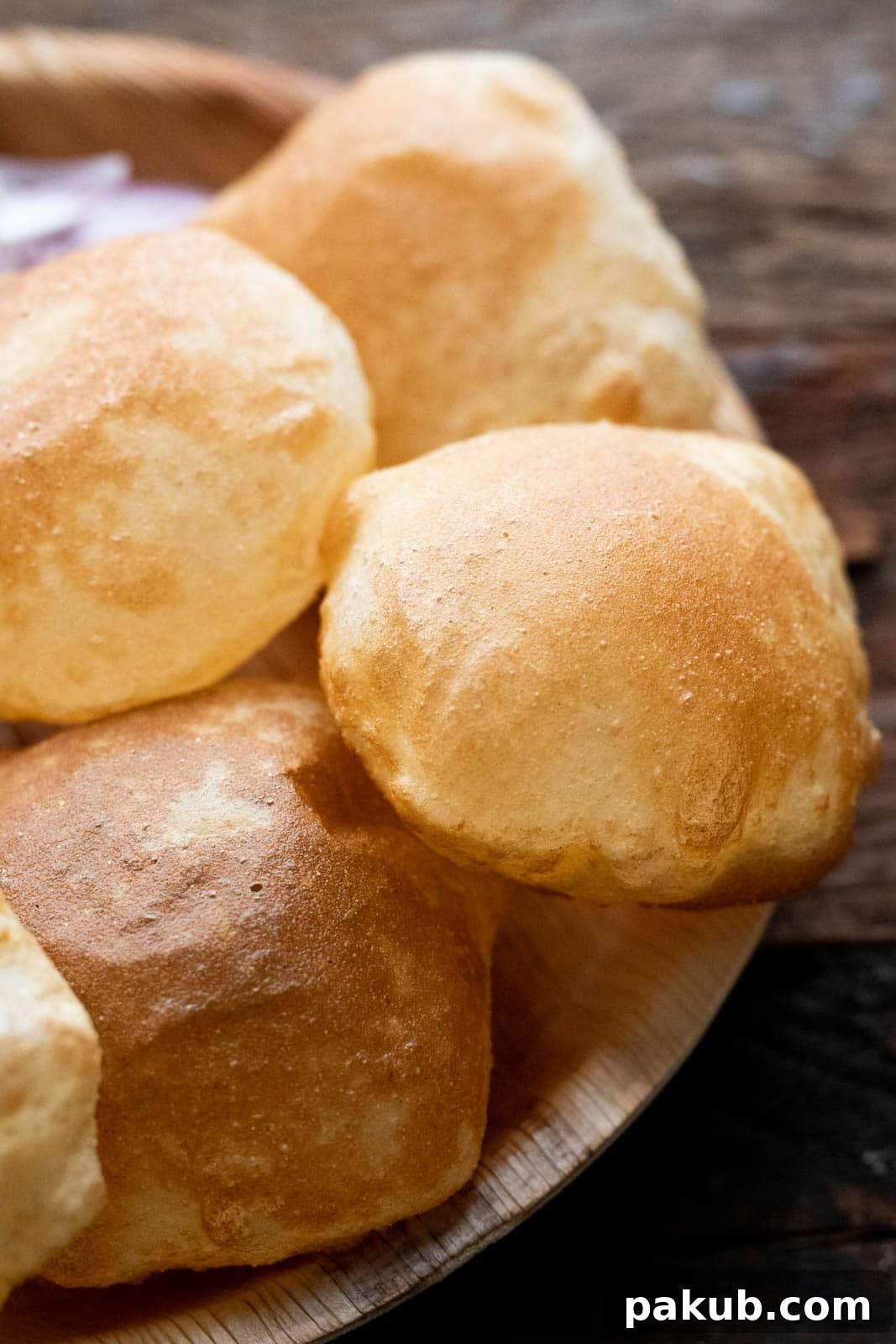
Ever wondered how Indian restaurants achieve those irresistibly puffed-up pooris, golden and light as air, every single time? The secret lies in a few simple tricks that will transform your homemade pooris from flat to flawlessly fluffy.
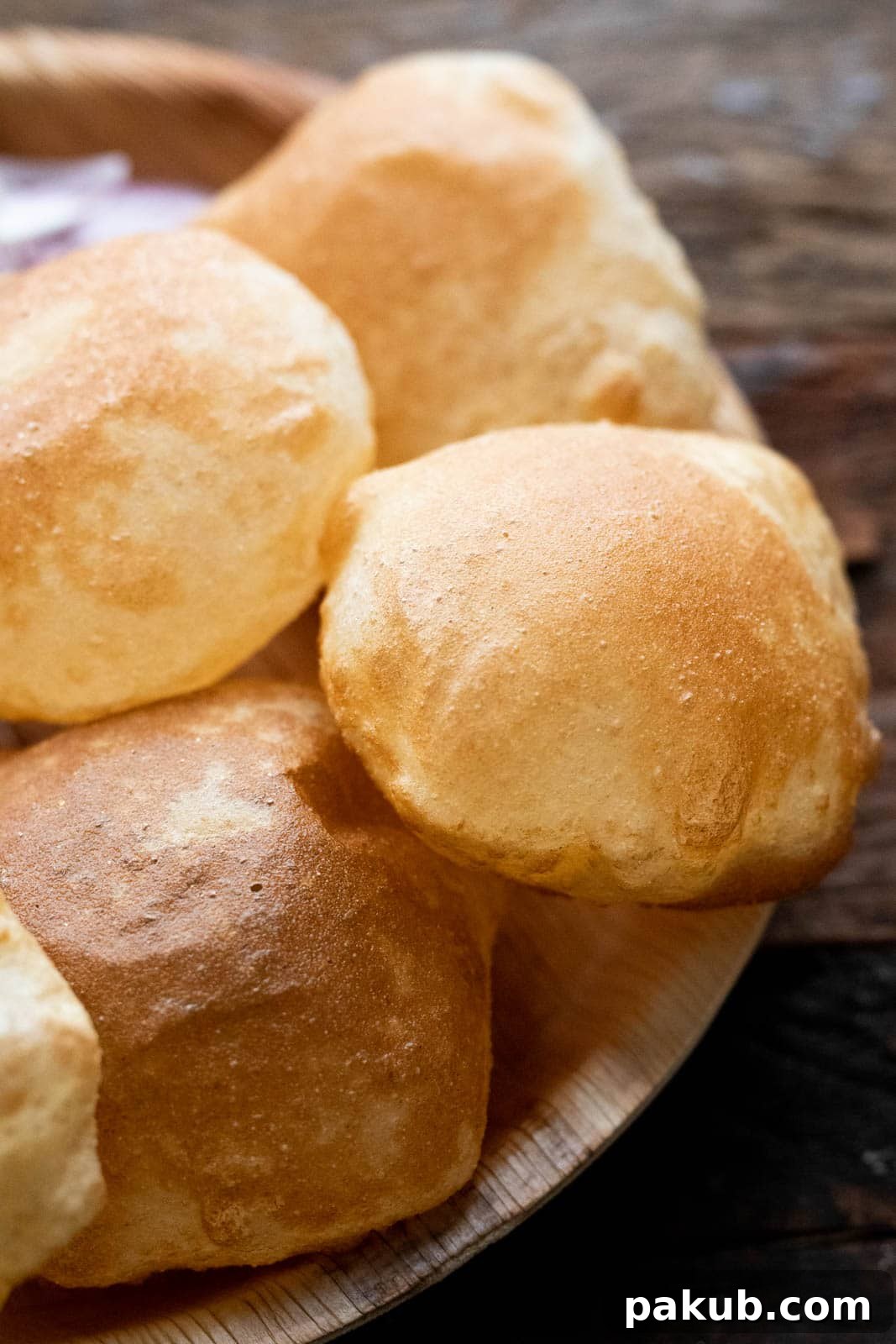
There’s an undeniable joy in watching a poori rapidly expand and float like a golden balloon in hot oil. If you’ve always believed that making perfect pooris is a skill reserved for expert chefs or seasoned home cooks, prepare to be delightfully surprised. This is your definitive guide, proving that achieving light, airy pooris that are crisp on the outside and wonderfully soft within is absolutely within your reach.
Contrary to popular belief, preparing pooris is far simpler than it appears. With the correct dough consistency, a few straightforward rolling methods, and oil maintained at the ideal temperature, you’ll soon be impressing everyone with your perfectly puffed Indian fried bread. This comprehensive, step-by-step tutorial is designed to empower even absolute beginners to master the art of poori making.
Table of Contents: Your Journey to Perfect Pooris
- Dough Perfection: The Foundation of Fluffy Pooris
- Essential Poori Ingredients
- Mastering the Poori Dough
- The Art of Rolling Pooris
- Frying for Fluffiness: Achieve Crispy, Puffed Pooris
- Expert Tips for Poori Success
- Common Poori Questions Answered
- Storing and Reheating Pooris
- Creative Poori Variations
- Perfect Poori Pairings: What to Serve
- Watch: How to Make Perfect Pooris
- Full Recipe Card: Perfect Pooris
- More Delightful Bread Recipes
Dough Perfection: The Foundation of Fluffy Pooris
Through numerous trials and refinements, we’ve pinpointed the core elements that ensure truly exceptional pooris. The secret to consistently great results, whether you’re a novice or experienced cook, lies in mastering these three crucial aspects:
- Dough Preparation & Resting Time: Understanding the right consistency and the importance of a brief rest.
- Precise Rolling Techniques: Ensuring uniform thickness for even puffing and keeping your frying oil clean.
- Optimal Frying Method: Achieving that signature puffed texture without your pooris becoming excessively oily.
Essential Poori Ingredients
Crafting delicious pooris requires just a few basic ingredients, readily available in most kitchens:
For the Dough:
- Whole Wheat Flour (Atta): The fundamental ingredient, providing structure and a wholesome flavor.
- Sooji (Semolina): An optional but recommended addition. A small amount of fine semolina contributes to a crisper texture and helps the pooris remain puffed for a longer duration. Many restaurants incorporate sooji for this very reason.
- Salt: A pinch of salt enhances the overall flavor of the poori.
- Water: Used sparingly to bind the flour into a stiff dough. The key here is to add just enough to achieve the desired firmness.
- Oil (for the dough): A small amount kneaded in towards the end helps create a smooth, pliable dough that’s easier to roll.
For Frying:
- Cooking Oil for Deep Frying: You’ll need approximately 1½ to 2 cups of oil. Opt for oils with a high smoke point, such as sunflower oil, canola oil, or rice bran oil. These oils ensure your pooris fry crisp without burning or absorbing too much oil, contributing to a lighter, less greasy result.
Mastering the Poori Dough
The dough for pooris shares similarities with that of rotis, but with a critical difference: it uses significantly less water, resulting in a distinctly stiffer texture. This firmness is paramount for pooris, in contrast to the soft, pliable dough required for rotis.
The primary components of poori dough are simple: whole wheat flour (atta) and water. Yet, the method of combining them is where the magic happens.
The golden rule for poori dough is stiffness. It must be thoroughly kneaded, but with minimal water. This stiff consistency is what facilitates easy rolling and is crucial for the pooris to puff up beautifully when fried. A soft dough will absorb more oil and lead to flat, soggy pooris.
More Tips for Perfecting Your Poori Dough:
- Hydration Control: If your dough feels too dry and struggles to come together, add water in very small increments, about a teaspoon at a time, until it forms a cohesive mass. Avoid adding too much at once, as it’s easier to add more water than to correct an overly wet dough.
- Smooth Finish with Oil: Once the dough is well-kneaded and firm, add a teaspoon of oil. Knead it in for another minute or two. This step is vital for achieving a smooth, elastic dough that rolls out easily without cracking, contributing to a consistent texture in your finished pooris.
- Mindful Resting Time: Unlike some doughs that benefit from long rests, poori dough requires only a short resting period – typically five to ten minutes is sufficient. This brief rest allows the gluten to relax just enough for easier rolling without making the dough overly soft, which could lead to increased oil absorption during frying.
Recipe Tip: The Role of Sooji (Semolina)
Adding a small amount of sooji (fine semolina) to your poori dough can make a noticeable difference. Sooji enhances the crispiness of the pooris and helps them stay puffed and fresh for longer periods. This is a common technique employed by many restaurants for their puris or bhatura dough. While included in the video demonstration, it’s perfectly fine to omit sooji if you prefer a softer texture, as we often do when making pooris at home for everyday meals. Experiment to find your preferred texture!
The Art of Rolling Pooris
While ideally pooris should be perfectly round or elegantly oval, don’t stress about achieving absolute geometric precision. Even with years of practice, it’s common to produce pooris in various charming shapes! The key to successful puffing lies in consistency of thickness, not necessarily perfection in form.
- Ideal Thickness: Each poori should be rolled to an approximate thickness of 1 mm. Think of it as slightly thicker than a tortilla but thinner than a regular roti. If they are rolled too thin, they won’t have enough structural integrity to trap steam and puff up properly. Conversely, if they are too thick, they will cook unevenly and might remain raw or doughy in the center, failing to achieve that desired light texture.
- Greasing for Smooth Rolling: Before rolling out each dough ball, lightly dip it in a tiny amount of oil. This oil acts as a lubricant, making the dough easier to roll without sticking to the rolling pin or work surface. This method creates a smooth, non-sticky surface for rolling. Crucially, avoid using dry flour for dusting (a common practice for rotis). When dry flour comes into contact with hot oil during frying, the flour particles rapidly burn, leaving unpleasant dark bits in your oil and imparting a burnt, bitter taste to subsequent pooris. Maintaining clean frying oil is essential not only for taste but also for the aesthetic appeal of your pooris.
- Fun Shapes for Kids: Pooris are a delightful treat for children! If you’re looking to make the cooking experience extra special or to entertain little ones, don’t hesitate to use fun-shaped cookie cutters on your rolled-out dough. This is a fantastic way to engage kids in the kitchen and make mealtime more exciting.
Frying for Fluffiness: Achieve Crispy, Puffed Pooris
The frying process is where the magical transformation of the poori truly happens. Paying meticulous attention to a few technical details will ensure your pooris emerge light, crispy, and beautifully golden, swelling with pride:
- Optimal Oil Temperature: Pooris must be fried in thoroughly hot oil. This is crucial for two primary reasons: firstly, it ensures they puff up rapidly and completely, creating that characteristic hollow interior. Secondly, it prevents them from soaking up excessive oil, keeping them deliciously light and non-greasy. To accurately test the oil temperature, drop a tiny piece of dough into the hot oil. It should immediately sizzle vigorously and rise to the surface within a second or two. If it sinks or merely simmers slowly, your oil isn’t hot enough. If it browns too quickly, the oil is too hot and could burn your pooris before they cook through. Adjust the heat accordingly. A tiny pinch of salt added to the oil before heating can also subtly help reduce oil absorption by the pooris.
- Choosing the Best Frying Oil: Given that pooris require very high frying temperatures, it’s imperative to use cooking oils with a high smoke point. Sunflower oil, canola oil, rice bran oil, or even vegetable oil are excellent choices as they can withstand intense heat without smoking excessively, breaking down, or imparting off-flavors. This keeps your frying oil clean throughout the batch and ensures your pooris taste pure and crisp.
- Safe Dropping Technique: Never simply “plop” or drop the rolled-out poori flat into the hot oil – this can be dangerous, causing oil to splash back. Instead, adopt a safer and more controlled method: hold the poori vertically just above the edge of your deep pan (kadhai) and gently slide it into the oil from one side. This controlled entry minimizes splashing, ensures the poori starts cooking evenly, and prevents accidental burns.
- The “Fluff Factor” Technique: This is the most exciting and crucial step for achieving that signature puff! As soon as the poori begins to sizzle and shows signs of rising in the oil, use the back of a slotted spoon or skimmer to gently press down on the center of the poori. This light, even pressure traps steam inside, encouraging the poori to rapidly puff up like a perfect balloon. As soon as it fully inflates, gently flip it over and press lightly again on the other side. Continue to fry, turning once or twice, until the poori develops a beautiful, even golden brown color on both sides. Each poori typically cooks very quickly, taking only about 20-25 seconds in total. For efficiency, you can roll out several pooris in advance and fry them one after another, or if you have an extra pair of hands, one person can roll while the other expertly fries.
Expert Tips for Poori Success
Gathered from years of experience and countless batches, these are the top tips to guarantee your pooris are nothing short of perfect – light, fluffy, and absolutely delicious:
- Firm Dough is Key: Always aim for a stiff dough, noticeably firmer than what you would prepare for rotis. This robust consistency is absolutely essential for the pooris to puff up properly when exposed to hot oil and, equally important, to prevent them from soaking up excess oil, ensuring they remain light and non-greasy.
- Don’t Skimp on Resting: While the rest time is short, it’s critical. A brief resting period of just 5–10 minutes is crucial. This allows the gluten in the flour to relax just enough, making the dough pliable and easier to roll without tearing or excessive elasticity. Skipping this step can make the dough difficult to work with, while resting too long can make it too soft.
- Oil, Not Flour, for Rolling: This is a game-changer! Instead of dusting your dough with dry flour (which will inevitably burn in hot oil, leaving unsightly specks and a bitter taste), lightly dip each dough ball in a small amount of oil before rolling. This ingenious trick prevents sticking to the rolling pin and surface, ensures smooth rolling, and keeps your precious frying oil clear and clean throughout the process.
- Precision in Thickness: Roll each poori to an even thickness of approximately 1 mm. This uniformity is vital. Too thin, and the poori won’t have enough structure to trap steam and puff. Too thick, and it will cook unevenly, potentially remaining doughy in the center and absorbing more oil. Consistency in thickness is the secret to a uniform puff and perfect texture.
- Verify Oil Temperature: This step cannot be overstated. Before you begin frying your first poori, test your oil temperature by dropping a tiny piece of dough into it. It should sizzle vigorously and rise instantly to the surface. If the dough sinks and takes time to rise, the oil is too cold, leading to oily, flat pooris. If it browns immediately and aggressively, the oil is too hot, causing the pooris to burn outside before cooking inside. Adjust your heat until the test dough responds perfectly. (For more detailed guidance on achieving the ideal frying temperature, refer to our comprehensive guide to testing oil for frying).
Common Poori Questions Answered
Is it puri or poori?
Both spellings are widely accepted and correct in English! “Puri” is the more common transliteration from Hindi, while “poori” is its anglicized counterpart, particularly prevalent in certain regions. Regardless of spelling, they refer to the exact same delightful Indian fried bread, celebrated for its light, puffed texture.
Can I prepare the dough in advance?
For the freshest and best results, it’s highly recommended to make the dough just before you plan to fry the pooris. However, if you need to prepare it slightly ahead of time, you can knead the dough 2–3 hours in advance. It’s crucial to ensure it’s tightly covered with a damp cloth or plastic wrap to prevent it from drying out, and keep it at room temperature. Avoid refrigerating poori dough, as the cold can stiffen it too much and prevent the pooris from puffing well during frying.
Why aren’t my pooris puffing up?
This is a common concern and usually stems from one of three primary reasons: the dough might be too soft (lacking the necessary stiffness), the pooris were rolled too thin (insufficient mass to trap steam), or most frequently, the frying oil wasn’t hot enough (failing to create instant steam). To overcome this, ensure your dough is firm, roll the pooris to an even 1mm thickness, and always verify your oil temperature before you start frying.
Why is my poori dough hard to roll or cracking?
If your dough feels unmanageably tough, stiff, or develops cracks during the rolling process, it typically indicates that it’s either too dry (not enough water was incorporated during kneading) or it hasn’t rested sufficiently to allow the gluten to relax. To remedy this, allow the dough to rest for the recommended 5–10 minutes. If it’s still difficult, knead it briefly with a few extra drops of oil to smooth it out and improve its elasticity, making it much easier to roll.
What’s the best oil for frying pooris?
For optimal results, opt for cooking oils with a high smoke point. Excellent choices include sunflower oil, canola oil, vegetable oil, or rice bran oil. These oils can be heated to the high temperatures required for frying pooris without smoking excessively, breaking down, or imparting unwanted flavors. They remain stable at high heat, ensuring your pooris turn out light, crisp, and beautifully golden without absorbing too much grease.
Storing and Reheating Pooris
Pooris, like most fried foods, are undoubtedly best enjoyed fresh, hot, and straight out of the oil. However, if you find yourself with delightful leftovers, here’s how to manage them to retain as much of their appeal as possible:
- Room Temperature: Freshly fried pooris can be stored in an airtight container for up to 1 day. To minimize sogginess and absorb any residual oil, line the container with a layer of paper towels before placing the pooris inside. Be aware that they will inevitably lose some of their characteristic crispness over time.
- Fridge: While refrigeration is not ideal for maintaining the desired crisp texture of pooris, cooled pooris can be stored in an airtight container in the refrigerator for up to 2 days. It’s important to note that chilling will cause them to become noticeably soft and chewy, so manage your expectations for reheated texture.
- Freezer: The most effective way to “freeze” pooris for future enjoyment is at the dough stage, rather than freezing them after they’ve been fried or rolled. Freeze individual dough balls for up to 1 month in an airtight container or freezer bag. When ready to use, thaw them completely in the refrigerator, bring them to room temperature, then roll and fry fresh. This method yields the best possible texture, mimicking freshly made pooris.
- Reheating: To reheat pooris and revive some of their warmth and puff, gently warm them on a hot tava (flat griddle) or in a dry frying pan for about 20–30 seconds on each side. This dry heat helps to crisp them up slightly. Avoid microwaving pooris at all costs, as the microwave’s moisture will render them tough, chewy, and disappointingly limp.
Creative Poori Variations
Want to add an exciting twist to your pooris without overcomplicating the classic recipe? Try these simple customization ideas to introduce new flavors, vibrant colors, and aromatic dimensions to your fried bread:
- Spiced Pooris: Infuse your pooris with a gentle kick and aromatic depth by mixing a pinch of turmeric powder for color, a dash of red chilli powder for subtle heat, and a sprinkle of freshly crushed black pepper into the dough during preparation. This creates a beautifully fragrant and mildly spiced poori that tantalizes the taste buds.
- Ajwain (Carom Seeds) Infusion: For a unique and traditional flavor, knead a pinch of ajwain or carom seeds directly into the dough. These tiny seeds impart a distinctive, earthy, slightly bitter, and pungent flavor that is characteristic of many Indian savory snacks. Beyond their taste, ajwain seeds are also traditionally known for aiding digestion, making them a thoughtful addition.
- Vibrant Spinach Pooris: For a strikingly vibrant green color and an extra boost of nutrients, replace a portion of the water with smooth spinach purée when kneading the dough. Simply blanch and blend fresh spinach, then use the purée as part of your liquid. These healthy and visually appealing pooris are a fantastic way to incorporate vegetables, particularly appealing to those looking for healthier options or a way to encourage picky eaters.
- Naturally Pink Beetroot Pooris: Create stunning, naturally pink pooris by substituting all or part of the water with fresh beetroot juice. The earthy sweetness of beetroot complements the simple poori dough, and the resulting vivid pink hue makes these pooris absolutely perfect for festive platters, celebratory meals, or simply to add a touch of unexpected visual delight to your everyday dining.
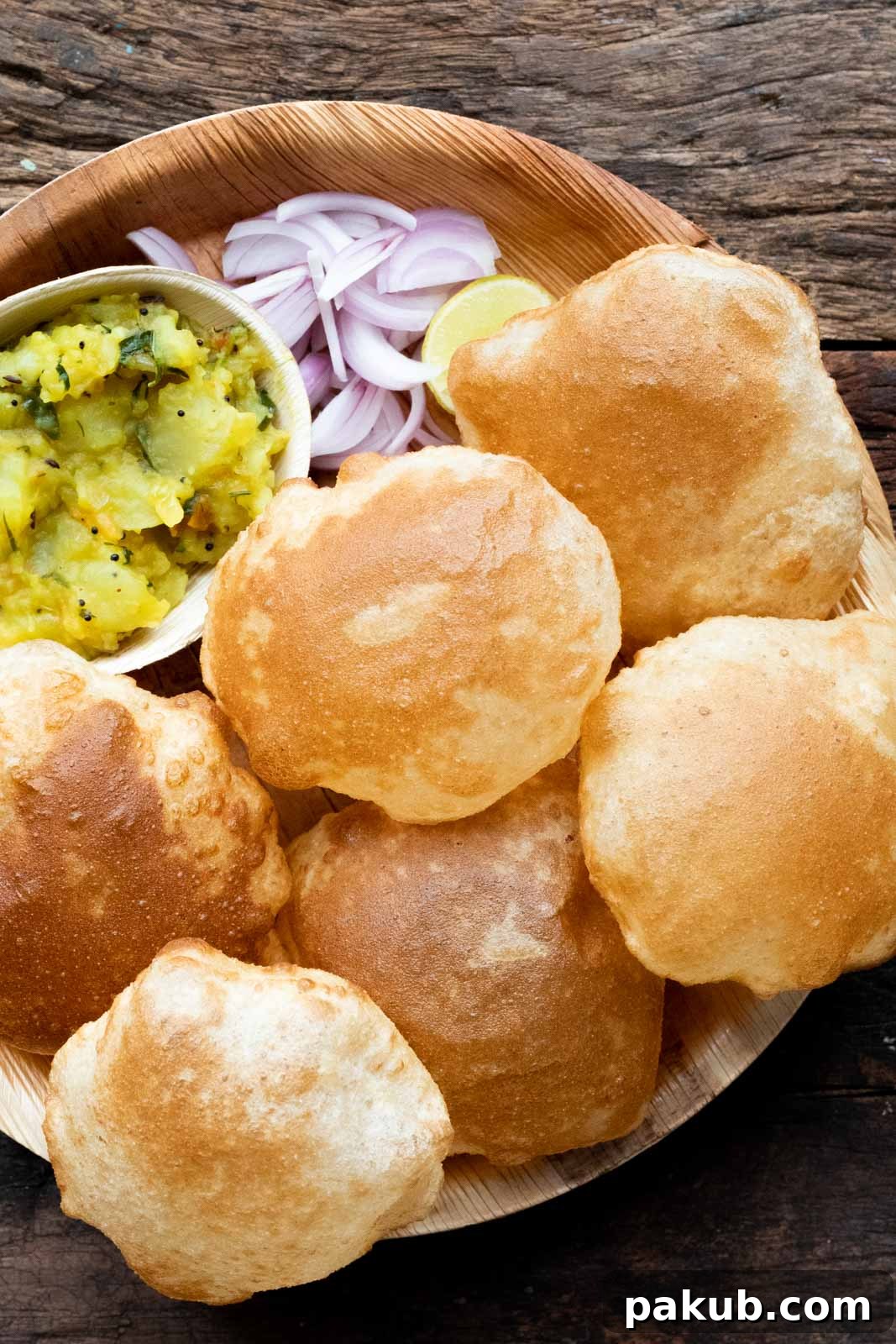
Perfect Poori Pairings: What to Serve
Pooris are incredibly versatile and pair wonderfully with a wide array of Indian dishes, ranging from hearty savory curries to delightful sweet treats. Here’s a curated list of our absolute favorite accompaniments, some of which are universally beloved classics, while others offer a unique and memorable taste experience:
- Chana Masala: This spicy, tangy, and robust North Indian chickpea curry is arguably the quintessential accompaniment for pooris. The rich, complex flavors of chana masala perfectly complement the lightness of the pooris, making for a truly satisfying and hearty meal that requires a healthy appetite.
- Poori Bhaji: A timeless and universally beloved combination, especially for breakfast or brunch. This simple, comforting potato-vegetable curry, often gently spiced, offers a mild yet incredibly flavorful contrast to the fried bread. It’s a classic for a reason.
- Poori Aloo: For those who truly embrace the joy of carbohydrates, this sinfully satisfying dry side dish features spiced potatoes, often sautéed with onions and peas. It’s a comforting and incredibly delicious pairing that’s hard to resist.
- Poori Chutney: A surprisingly addictive and popular choice in many South Indian restaurants, serving pooris with fresh, creamy coconut chutney. The refreshing, slightly tangy, and herbaceous notes of the chutney offer a delightful counterpoint to the crispy pooris.
- Poori Korma: A richer and more luxurious variant compared to a simple potato bhaji, a creamy and aromatic vegetable korma is often reserved for special occasions or when you desire a more decadent and celebratory meal. Its complex flavors and rich texture elevate the humble poori.
- Poori Aamras: This combination is deliciously underrated and a seasonal delight! During the peak of mango season, pairing hot, fresh pooris with sweet, chilled aamras (pureed mango pulp) is a heavenly experience. For many, this literally becomes a complete meal during summer months.
- Poori Shrikhand: A sweet and creamy strained yogurt dessert, often flavored with saffron and cardamom, shrikhand with pooris is a delectable treat for anyone with an insatiable sweet tooth. The delightful contrast between the savory poori and the sweet, cool shrikhand is simply divine.
- Quick & Easy: Achar and Raita: If you’re craving pooris but don’t have the time or inclination to prepare a dedicated accompaniment, an effortless yet surprisingly satisfying pairing is to simply grab a jar of your favorite Indian pickle (achar) and a refreshing bowl of raita (yogurt dip). This combination offers quick flavor and textural contrast.
Making perfect pooris might seem daunting at first, but with the right dough consistency and properly heated oil, it truly becomes a joyous culinary adventure, watching them puff up like golden, edible balloons. Serve them immediately, fresh from the oil, while they are at their fluffiest and crispiest, and be sure to pair them with a delicious side dish from the suggestions above. Enjoy the rewarding experience of creating this beloved Indian classic!
If you try this recipe, we’d love to see your beautiful poori plates! Share your creations on Instagram and tag me @my_foodstory.
Watch: How to Make Perfect Pooris
How to make the Perfect Pooris
By: Richa
Unlock the secrets to making restaurant-quality fluffy and crispy pooris at home. This comprehensive guide covers everything from dough preparation and resting to rolling techniques and frying tips for perfectly puffed pooris every time.
Ingredients
- 2 cups Whole Wheat Flour (Atta)
- ½ tablespoon Sooji (Semolina), optional
- ½ tsp Salt
- ½ cup Water + extra if required (added gradually)
- 1 ¼ teaspoon Oil, for the dough
- 1 ½ – 2 cups Oil, for deep frying (high smoke point recommended)
Instructions
- In a large bowl, combine whole wheat flour, sooji (if using), and salt. Gradually add ½ cup water, a little at a time, mixing until a stiff dough forms. The dough should be firmer than roti dough but cohesive, with no dry bits. If it’s too dry, add water in ½ teaspoon increments. Once the dough is well-formed, add 1 ¼ teaspoon of oil and knead for another 1-2 minutes until smooth. Cover the dough with a damp cloth and let it rest for 5-10 minutes.
- After resting, gently knead the dough briefly. Roll it into a log and divide it into small, uniform balls, roughly the size of a gooseberry (slightly smaller than a lime). Roll each piece into a smooth ball, then slightly flatten it. Cover the formed dough balls and set them aside.
- Heat the deep frying oil in a kadhai or a deep, heavy-bottomed pan over medium-high heat. To roll out each poori, take one dough ball, dip it lightly in a small amount of oil, and roll it out into a circular disc about 1 mm thick. Aim for even thickness; perfect roundness is less important than uniform thinness.
- Verify the oil temperature: Drop a tiny piece of dough into the hot oil. It should immediately sizzle and float to the surface. If it sinks, the oil isn’t hot enough; if it burns quickly, it’s too hot.
- Carefully slide the rolled-out poori into the hot oil. Hold it vertically near the edge of the kadhai and gently release it. The poori should immediately start to sizzle and rise. Using a slotted spoon or skimmer, gently press down on the center of the poori. As it begins to puff up, flip it over gently and press again from the other side. Fry until golden brown on both sides, which usually takes about 20-25 seconds per poori. Remove the fried poori and place it on a paper towel-lined plate to drain excess oil. Repeat with the remaining dough balls. Serve immediately.
Notes
- Adding ¼ teaspoon of salt to the frying oil can help prevent the pooris from absorbing too much oil.
- Always use an oil with a high smoke point for deep frying, such as sunflower or rice bran oil, to ensure clean frying and crispy pooris.
- Consistent and even thickness when rolling out the dough is crucial for proper puffing.
- Sooji (semolina) is an optional ingredient. It helps make pooris crisper and keeps them puffed for longer, but you can omit it if you prefer a softer texture.
Nutrition Facts (per serving)
Calories: 284 kcal, Carbohydrates: 45 g, Protein: 8 g, Fat: 10 g, Saturated Fat: 1 g, Sodium: 293 mg, Potassium: 218 mg, Fiber: 6 g, Sugar: 1 g, Calcium: 20 mg, Iron: 2 mg
This article was researched and written by Harita Odedra.
More Delightful Bread Recipes
Indian Recipes
No Yeast Naan in 30 minutes (on the stovetop)
Side Dishes
Lachha Paratha | Flaky Layered Flatbread
Vegetarian Recipes
Whole Wheat Pita Bread Recipe
Breakfast
Kasuri Methi Parathas | Fenugreek Flatbread