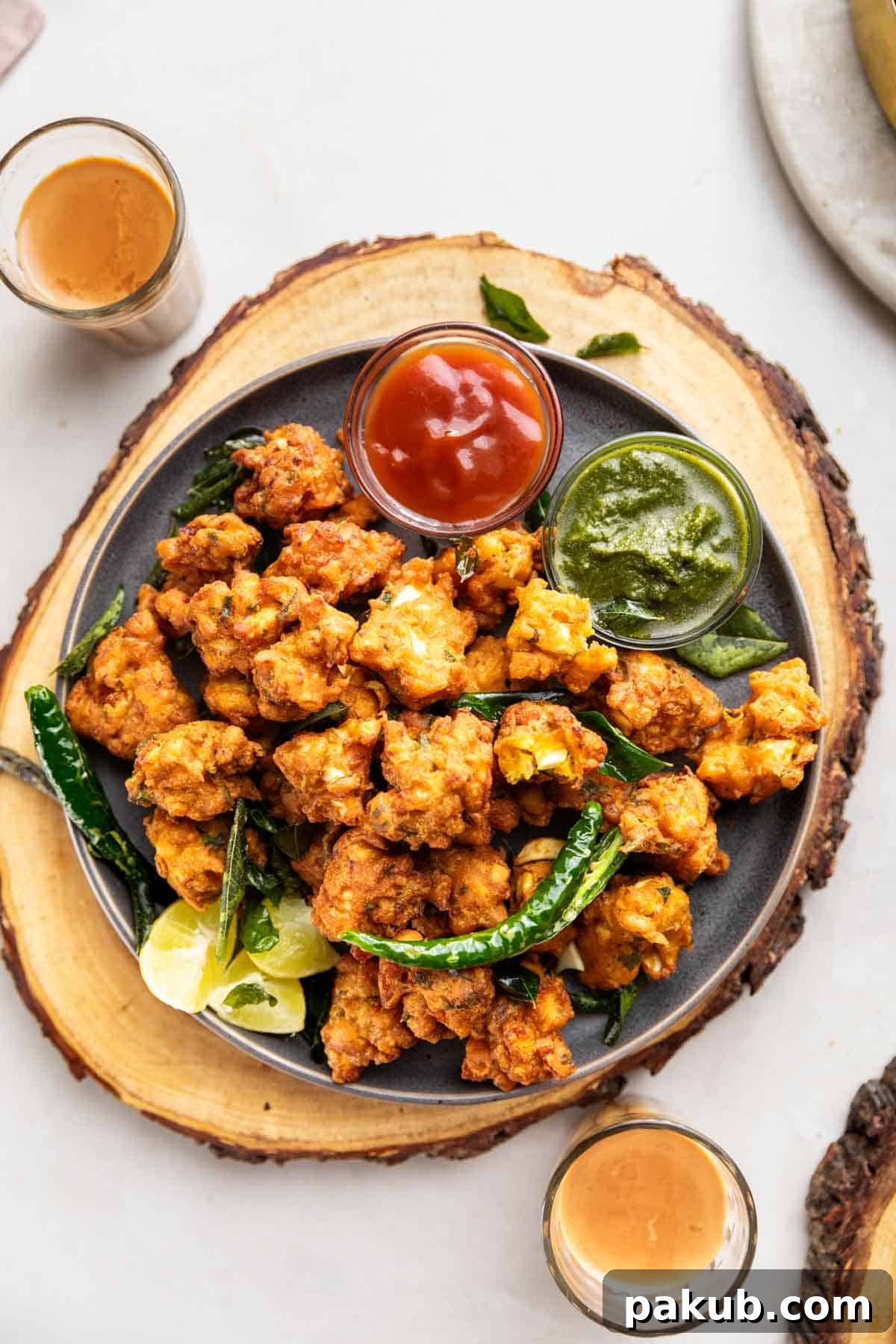
Craving a unique, crispy snack? These Egg Pakodas are unlike any fritter you’ve ever tasted! Extra crispy with delightful bits of egg in every bite – truly addictive and absolutely perfect for the rainy season.
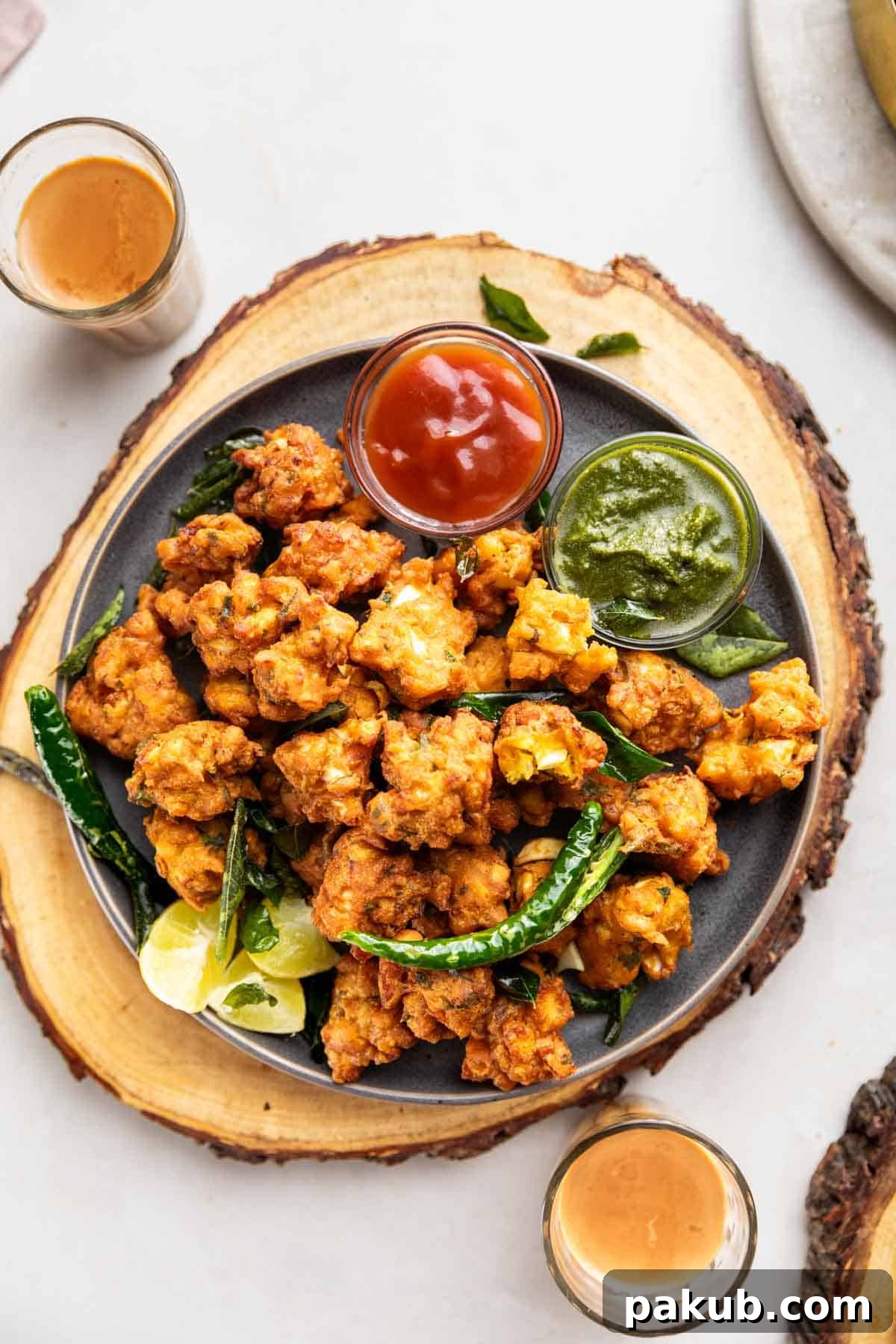
Love pakodas? Don’t miss out on my other popular recipes: Paneer Pakodas Two Ways and Crispy Onion Pakodas!
The Ultimate Crispy Egg Pakoda Recipe: Your Perfect Rainy Day Snack
As the skies open up and the monsoon season arrives, there’s nothing quite as comforting and satisfying as a plate of piping hot, crispy pakodas. While onion and potato pakodas often steal the spotlight, I’m here to introduce you to a hidden gem that deserves all the attention: the Egg Pakoda. If you haven’t tried these before, prepare to be amazed. They are, without a doubt, the ultimate rainy day snack that will elevate your monsoon experience.
Imagine perfectly hard-boiled eggs, chopped into delectable, bite-sized pieces, then lovingly coated in a rich, spiced chickpea flour (besan) batter. These egg-infused clusters are then deep-fried to a golden perfection, resulting in an incredibly crispy exterior that gives way to a creamy, flavorful interior. Each bite offers a delightful crunch followed by the soft texture of egg, infused with aromatic spices. They are so incredibly delicious, you’ll find yourself reaching for just one more, and then one more… Trust me, the moment you taste these, you’ll be planning your next batch!
Serving these unique egg fritters with a side of zesty green coriander chutney, a dollop of classic tomato ketchup, and a steaming cup of chai creates an unforgettable culinary experience. It’s the quintessential monsoon indulgence – a snack that warms the soul and tantalizes the taste buds. Get ready to embrace the magic of monsoon snacking with this incredible Egg Pakoda recipe!
Jump to Section: Egg Pakoda Recipe and Tips
- Essential Ingredients for Perfect Egg Pakodas
- How to Make Egg Pakodas: A Step-by-Step Guide
- Frequently Asked Questions About Egg Pakodas
- Expert Tips for the Crispiest Egg Pakodas
- Delightful Serving Ideas for Egg Pakodas
- Storage and Preparation Tips
Essential Ingredients for Perfect Egg Pakodas
One of the many joys of preparing this exquisite egg pakoda dish is the simplicity and accessibility of its ingredients. You likely have most of these staples in your pantry already! The core components for these flavorful fritters are, of course, fresh eggs, besan (chickpea flour), a vibrant mix of common Indian spices, and oil for deep frying.
To truly elevate the texture and achieve that coveted extra crispiness, we incorporate a touch of rice flour into our batter. This is a game-changer that ensures a perfect crunch with every bite. Beyond the primary ingredients, we enhance the flavor profile with finely chopped onions, which add a subtle sweetness and texture, fresh coriander for its bright, herbaceous notes, and fragrant curry leaves, offering an authentic South Indian aroma that is simply irresistible. Each ingredient plays a crucial role in creating the unique and addictive taste of these egg pakodas.
How to Make Egg Pakodas: A Step-by-Step Guide
Making crispy egg pakodas at home is surprisingly straightforward, and with a few key techniques, you’ll be enjoying these delightful fritters in no time. This guide covers everything from preparing the eggs to mastering the perfect fry, ensuring your pakodas are golden, crunchy, and bursting with flavor.
Preparing the Eggs: The Foundation of Flavor
The journey to perfect egg pakodas begins with the eggs themselves. You’ll need hard-boiled eggs for this recipe. Achieving the ideal hard-boiled egg is essential – we’re looking for firm yolks without that unappetizing greenish-gray ring that indicates overcooking. For a comprehensive guide on how to consistently cook perfect hard-boiled eggs every single time, check out our detailed blog post on how to cook perfect hard-boiled eggs.
Once your eggs are perfectly boiled and cooled, the next step is to prepare them for coating. For these crispy egg pakodas, I recommend chopping the eggs into small, bite-sized pieces, roughly ½ cm in size. This method allows the egg pieces to cluster together beautifully within the batter, similar to how onion pakodas are made, creating a more intricate and satisfying texture in the final product. While you can also slice eggs into disks or halves, or even keep them whole, smaller pieces tend to be more forgiving during frying and are less prone to bursting. If opting for larger pieces, a clever trick is to gently poke a few holes into the egg with a fork before coating to help prevent them from bursting in the hot oil.
Crafting the Perfect Batter: The Key to Crispiness
The batter is the heart of any pakoda, and for egg pakodas, its consistency is paramount. In a large mixing bowl, combine the besan (chickpea flour), rice flour (for that extra crispiness!), finely chopped green chilies, onions, salt, turmeric powder, Kashmiri chili powder, fresh coriander, and curry leaves. Using your hands is often the best way to ensure all the ingredients are thoroughly combined and evenly distributed, allowing the flavors to meld beautifully.
Now, here’s a crucial tip for the batter: do NOT add all the water at once. This is a common mistake that can lead to a lumpy, thin, and unmanageable batter. Instead, add water one tablespoon at a time, mixing continuously until you achieve a thick, smooth, and cohesive batter. The ideal consistency should be thick enough to generously coat the egg pieces without dripping off. A thin batter will not only fail to adhere properly to the eggs but can also cause them to burst when they hit the hot oil, as the egg won’t be sufficiently protected by the coating. Once your batter is perfect, gently fold in your chopped hard-boiled eggs, ensuring each piece is well-coated.
Frying for Golden Perfection: Techniques for the Crispiest Finish
With your eggs coated in the flavorful batter, it’s time for the final, exciting step: frying! Heat about 2 inches of cooking oil in a deep kadai or heavy-bottomed pan over medium heat. The temperature of the oil is critical here. It should be medium hot – not too low, which would result in greasy, soggy pakodas that absorb too much oil, and not too high, which would burn the exterior before the interior cooks through.
To test the oil temperature, drop a tiny speck of batter into the oil. If it sizzles gently and rises to the surface within a few seconds, your oil is ready. Once the oil reaches the correct temperature, carefully take approximately a tablespoon of the egg and batter mixture (about the size of a small lime or golf ball) and gently drop it into the hot oil. Avoid overcrowding the pan; fry the pakodas in small batches. Overcrowding lowers the oil temperature, leading to less crispy pakodas and potentially causing them to stick together. Frying in batches ensures consistent temperature and even cooking.
Fry the pakodas on medium heat, turning them occasionally, until they achieve a beautiful golden-brown color and are crispy all over. This medium heat is essential for ensuring the pakodas are cooked through from the inside while developing a wonderfully crisp crust on the outside. If fried on high heat, the exterior will brown quickly, but the inside might remain undercooked. Once golden and crisp, carefully remove the pakodas using a slotted spoon and transfer them to a plate lined with paper towels to drain any excess oil. Repeat this process with the remaining batter until all your delicious egg pakodas are fried. Serve them immediately while they are still hot and at their crispiest!
Frequently Asked Questions About Egg Pakodas
Yes, “Egg bonda,” “Egg pakoda,” and “Egg bajji” are often used interchangeably to refer to the same delicious deep-fried, besan-coated egg snack. While the names might vary regionally, particularly in South India where “bonda” or “bajji” are commonly used, they all point to this popular and delightful fritter.
The most common reason for soggy pakodas is incorrect oil temperature. Ensure your oil is medium hot before you start frying. If the oil isn’t hot enough, the pakodas will absorb excessive oil and won’t develop that desirable crisp exterior. Also, avoid overcrowding the pan, as this significantly drops the oil temperature.
Egg pakodas usually burst during frying if the egg is not sufficiently coated by the batter, often indicating the batter’s consistency is too thin. The key is a thick, smooth batter that completely encases the egg. When making the batter, add water gradually, just one tablespoon at a time, mixing thoroughly until it reaches the correct thick consistency. Additionally, for larger egg pieces, gently poking holes in the egg before coating can help release steam and prevent bursting.
Expert Tips for the Crispiest Egg Pakodas
- Perfect Hard-Boiled Eggs: Always use hard-boiled eggs for this recipe. For a flawless result every time, without the unappealing greenish-yellow yolk, refer to our guide on how to cook perfect hard-boiled eggs.
- Batter Consistency is Key: When preparing the batter, resist the urge to pour all the water in at once. This will almost certainly lead to a lumpy and runny batter. Instead, add water gradually, one tablespoon at a time, mixing until you achieve a thick, smooth, and homogenous consistency.
- Ensure Thick Coating: The batter’s consistency is crucial; it must be thick enough to thoroughly coat each piece of egg. A thin, watery batter will spread in the oil, sizzle excessively, and leave the egg exposed, making it prone to bursting during frying.
- Medium Heat for Optimal Frying: Always fry the pakodas on medium heat. This ensures that they cook evenly, becoming perfectly crispy on the outside and thoroughly cooked inside. Frying on high heat will result in a quickly browned exterior with an undercooked interior.
- Chop for Best Texture: I personally find that chopping the hard-boiled eggs into bite-sized pieces (similar to how we prepare onion pakodas) yields the crispiest and most satisfying egg pakodas. The small egg bits get wonderfully incorporated into the crunchy batter. While you can cut eggs into disks or halves, or even keep them whole, smaller pieces are generally less likely to burst during frying and offer a better texture balance with the batter.
Important Note for Frying
The total frying time for your pakodas will depend on the size and surface area of the egg pieces. A reliable indicator is to fry them until they turn a beautiful, consistent golden brown. If you choose to use larger pieces of egg for your pakodas, it’s highly recommended to gently poke a few holes into the egg with a fork before coating them in batter. This simple step helps to release steam during frying and significantly reduces the risk of the eggs bursting in the hot oil, ensuring a safer and more successful cooking experience.
Delightful Serving Ideas for Egg Pakodas
Egg Pakodas are incredibly versatile and pair wonderfully with a variety of accompaniments. Here are some ideas to make your pakoda experience even more delightful:
- The Classic Monsoon Pairing: Serve your fresh, hot pakodas with a comforting cup of steaming tea, along with small bowls of tangy ketchup, spicy green chutney, and sweet-and-sour imli (tamarind) chutney. This combination is unbeatable!
- As a Crispy Side Dish: Elevate your main course by serving egg pakodas as a crispy, flavorful side. They are an excellent complement to hearty Indian meals like dal, fragrant rice, and your favorite curry.
- With Your Favorite Dips: Feeling adventurous? These anda pakodas are fantastic with a range of dips beyond traditional chutneys. Explore our list of 15 simple dip recipes to find your perfect match. A creamy mint yogurt dip or a spicy sriracha mayo could be interesting twists!
- As a Game Day Snack: These crispy fritters are perfect for entertaining! Serve them at your next gathering or game night for a crowd-pleasing appetizer that’s easy to make and universally loved.
Storage and Preparation Tips
While egg pakodas are best enjoyed immediately, there are ways to manage preparation and storage to make your cooking process smoother.
- Best Eaten Fresh: For maximum crispiness and flavor, these egg pakodas are truly best when served fresh, straight out of the frying pan. The crunchy texture is at its peak during this time.
- Advance Preparation: To save time, you can certainly prep the main components in advance. Hard-boil the eggs and prepare the batter, storing them separately in airtight containers in the refrigerator. When you’re ready to eat, simply combine the eggs and batter, then fry and serve hot.
- Batter Shelf Life: It’s important to note that the batter tends to get thinner and more watery if left to sit for too long, as the salt draws moisture from the onions and other ingredients. For the best results, mix the egg into the batter and fry the pakodas shortly after preparing the batter.
- Not Freezer Friendly: Unfortunately, these delightful egg fritters are not suitable for freezing. Freezing and reheating would compromise their texture, especially the desired crispiness, making them less enjoyable.
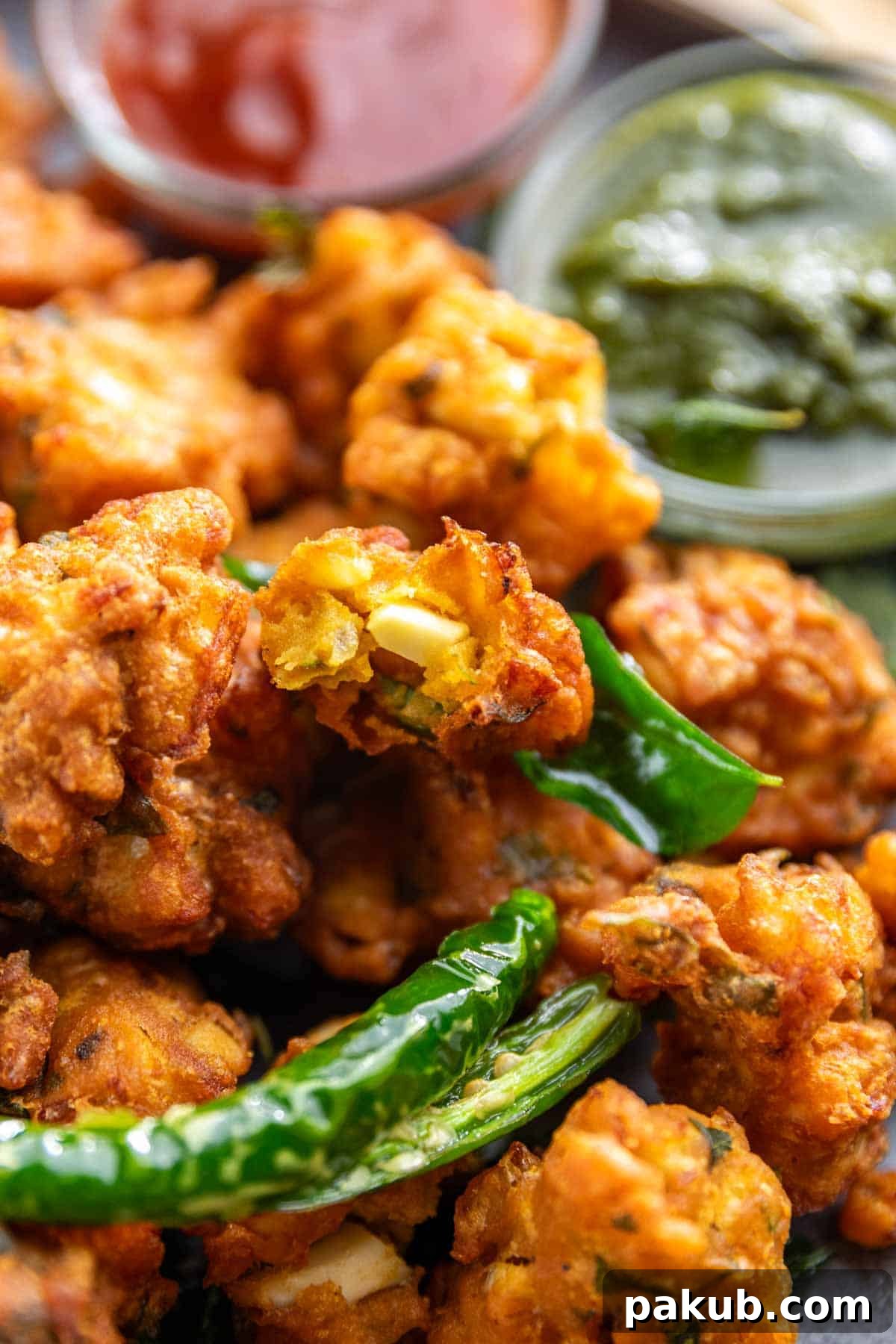
So, the forecast for this week is calling for rain, and I predict a 100% chance of a cozy Egg Pakoda and chai session! There truly isn’t a more delightful snack to savor during the monsoons. If you’ve never experienced the joy of Egg Pakodas before, consider this your official invitation to try them. Whip up a batch, enjoy them amidst the sound of falling rain, and don’t forget to share your delicious creations with me over on my Instagram @my_foodstory. Happy snacking!
Egg Pakoda (Crispy Indian Egg Fritters)
Richa
10 minutes
20 minutes
30 minutes
3
Rate Recipe
Print Recipe
Ingredients
- 3 hard boiled eggs
- ¼ cup gram flour, besan
- 1 tablespoon rice powder
- 1 finely chopped green chilli
- ¼ cup finely chopped onions
- ⅛ teaspoon salt
- ¼ teaspoon turmeric powder
- ¼ teaspoon kashmiri chilli powder
- 1 tablespoon finely chopped coriander
- 1 tablespoon finely chopped curry leaves
- ¾ teaspoon chat masala
- 4 tablespoons water
- cooking oil for deep frying
Instructions
-
Chop hard-boiled eggs into ½ cm pieces. Set aside in a bowl.3 hard boiled eggs
-
In a separate mixing bowl, combine gram flour (besan), rice powder, finely chopped green chili, finely chopped onions, salt, turmeric powder, Kashmiri chili powder, finely chopped coriander, and finely chopped curry leaves. Mix these dry ingredients well, preferably with your hand, to ensure an even distribution of spices. Then, add the chopped eggs to this bowl and gently mix until the eggs are well-coated.¼ cup gram flour, 1 tablespoon rice powder, 1 finely chopped green chilli, ¼ cup finely chopped onions, ⅛ teaspoon salt, ¼ teaspoon turmeric powder, ¼ teaspoon kashmiri chilli powder, 1 tablespoon finely chopped coriander, 1 tablespoon finely chopped curry leaves, ¾ teaspoon chat masala
-
Gradually add water, one tablespoon at a time, mixing continuously to achieve a thick and smooth batter that fully coats the egg pieces. Ensure the consistency is not too thin, which could cause the eggs to burst during frying.4 tablespoons water
-
Heat about 2 inches of cooking oil in a deep kadai or pan over medium heat. Once the oil is medium hot (you can test by dropping a tiny bit of batter – it should sizzle and rise), take about a tablespoon of the egg and batter mixture (roughly the size of a small lime) and carefully drop them into the hot oil.cooking oil for deep frying
-
Do not overcrowd the pan. Fry in batches to maintain oil temperature and prevent the pakodas from sticking to each other.
-
Fry on medium heat, turning occasionally, until they are beautifully golden brown and crispy all over. Transfer the fried pakodas to a plate lined with paper towels to drain excess oil. Repeat with the remaining batter until all pakodas are fried. Serve hot immediately for the best taste and crispiness.
Notes
- For optimal crispiness, prepare the batter and mix in the eggs just before frying. If the batter sits for too long, it can become too watery.
- Pay close attention to the consistency of the batter. It must be thick enough to completely coat the eggs; otherwise, the eggs may burst during frying.
- The oil should always be maintained at a medium hot temperature for consistent frying results.
- Fry the pakodas on medium heat to ensure they become crispy on the outside and are thoroughly cooked through. If fried on high heat, the exterior will brown too quickly, leaving the inside potentially undercooked.
Nutrition
Carbohydrates: 10g,
Protein: 9g,
Fat: 6g,
Saturated Fat: 2g,
Polyunsaturated Fat: 1g,
Monounsaturated Fat: 2g,
Cholesterol: 187mg,
Sodium: 220mg,
Potassium: 175mg,
Fiber: 2g,
Sugar: 3g,
Vitamin A: 695IU,
Vitamin C: 200mg,
Calcium: 75mg,
Iron: 1mg
Like this recipe? Rate and comment below!
This article was written by Navya Khetarpal.