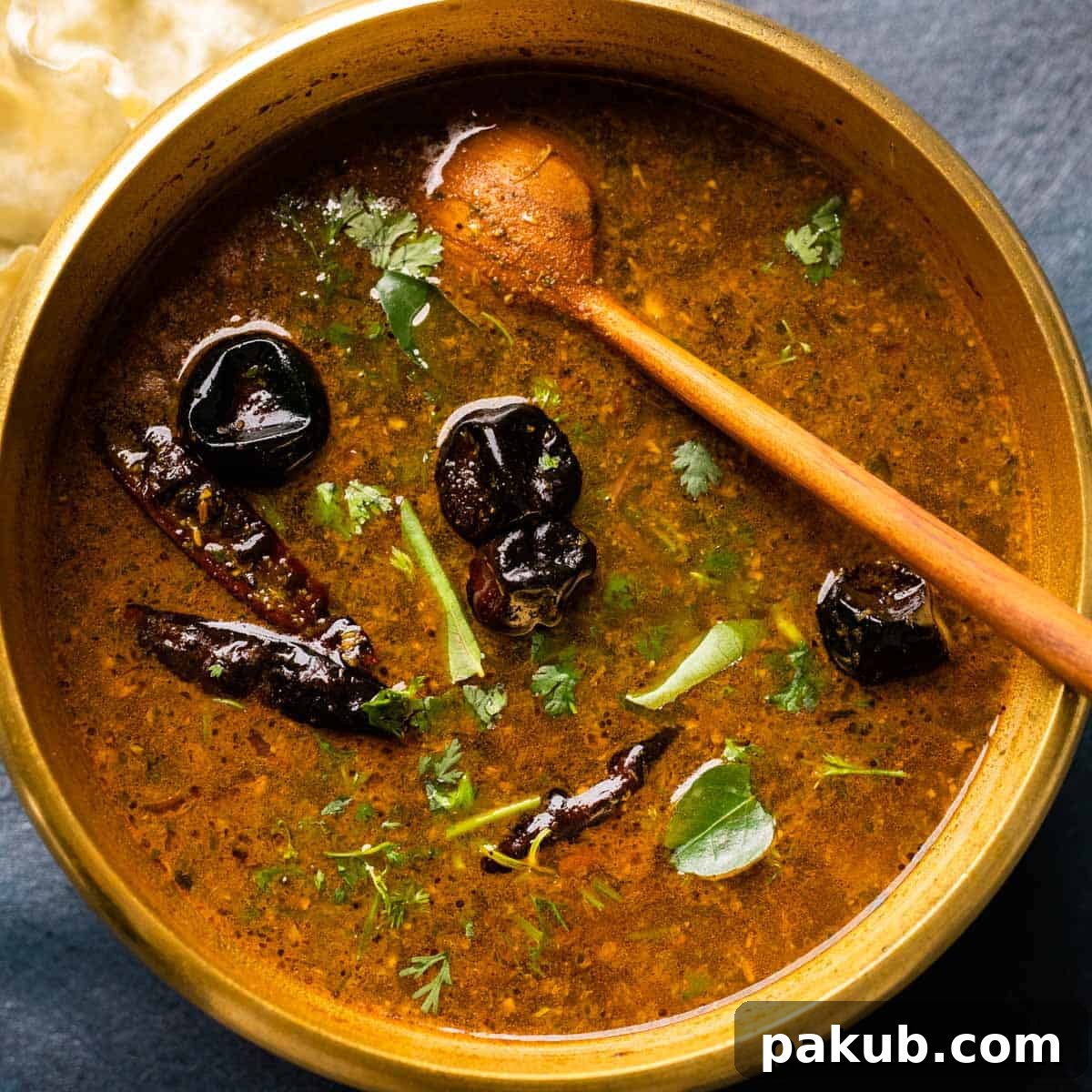
Jesse’s Authentic Tomato Rasam: A Soul-Soothing South Indian Elixir
Discover the magic of a deeply flavorful and incredibly comforting tomato rasam recipe that’s wonderfully simple to prepare. This particular rendition, affectionately known as ‘Jesse’s Rasam,’ comes from my daughter’s beloved nanny, and I truly believe it’s the absolute best. It’s the perfect nourishing meal to turn to, especially when you’re feeling under the weather or simply crave a hug in a bowl.
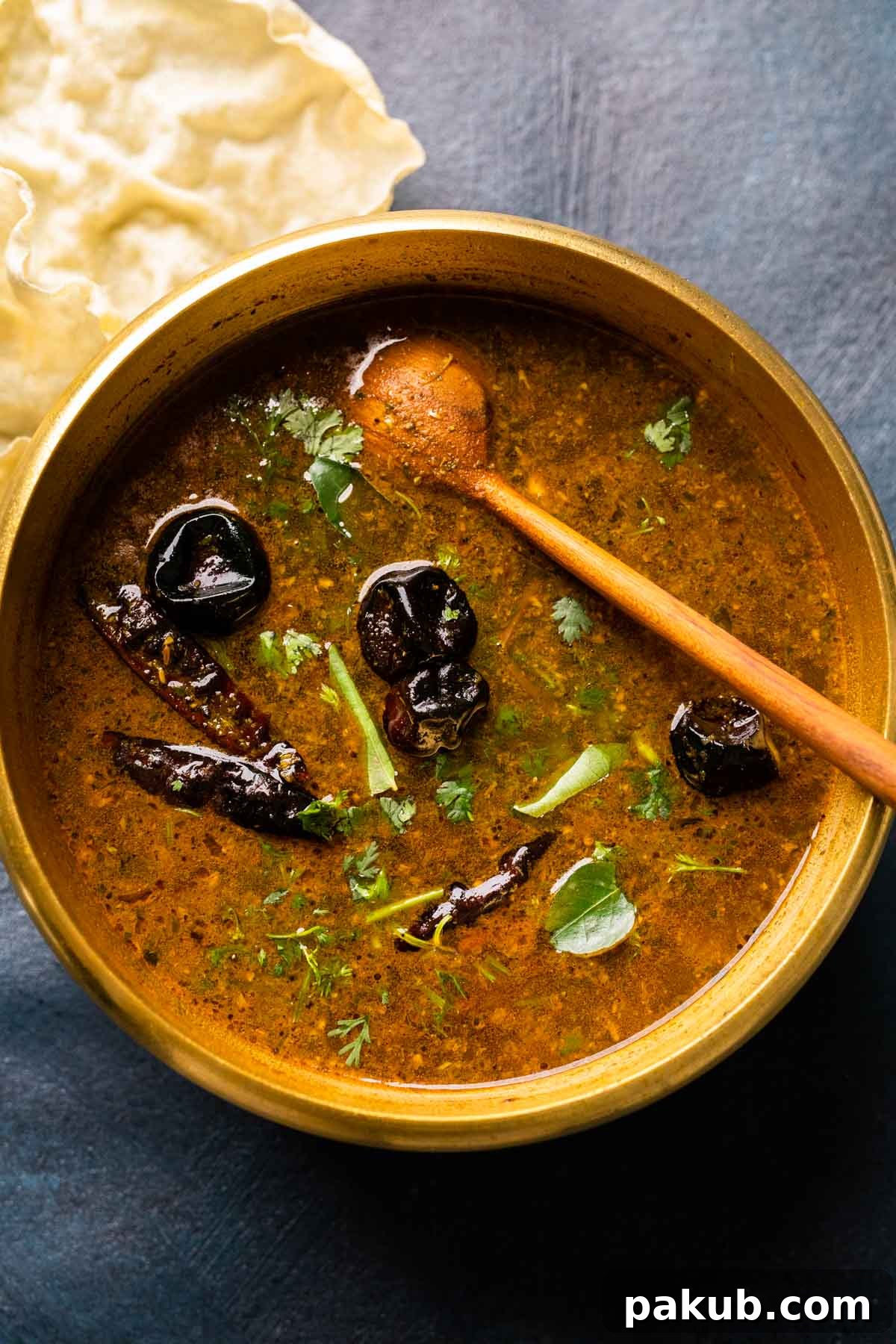
Rasam holds a cherished place in South Indian households, a culinary staple renowned for its ability to warm the body and soothe the soul. This light, tangy, and aromatic soup is typically served piping hot, either enjoyed on its own as a comforting beverage or paired with fluffy steamed rice for a more substantial meal. While there are numerous variations of rasam across different regions and families, this specific recipe focuses on the vibrant and inviting flavors of a classic tomato rasam.
Beyond its delightful taste, rasam is celebrated for its remarkable digestive properties, a key reason why it often concludes meals in South Indian traditions. For my family, this recipe is a trusted go-to whenever anyone falls ill. Its unique blend of warming spices and light texture makes it incredibly easy on the stomach, providing much-needed comfort and nourishment without being heavy. It’s truly a testament to the healing power of simple, wholesome ingredients.
Why You’ll Love This Quick & Comforting Tomato Rasam
What makes Jesse’s Tomato Rasam truly exceptional isn’t just its incredible flavor, but also its remarkable ease of preparation. You’ll find that this dish comes together effortlessly using everyday ingredients likely already stocked in your pantry – primarily fresh tomatoes, aromatic spices, and a few essential tempering items. It’s designed to be fuss-free, which is a major bonus when you’re seeking comfort and warmth without the culinary complexity.
If you take a few moments to grind the spices beforehand, this entire recipe can be prepared in a single pot, minimizing both prep time and cleanup. In just about 30 minutes, you can have a steaming bowl of this homemade goodness ready to enjoy. It’s a testament to the beauty of traditional cooking::
- Speedy Preparation: From start to finish, this dish is ready in just 30 minutes, making it ideal for busy weeknights or when you need a quick comfort fix.
- Pantry-Friendly: No need for special trips to the grocery store! This recipe relies on common spices and vegetables you likely already have on hand.
- One-Pot Wonder: Simplify your cooking and cleanup. Most of the magic happens in a single pot, making it incredibly convenient.
- Immune-Boosting Properties: Packed with powerful spices like garlic, pepper, and turmeric, this rasam offers natural medicinal benefits, perfect for fending off colds or aiding recovery.
- Authentic Homestyle Flavor: Crafted from a cherished family recipe, it delivers a genuine taste of South Indian comfort that’s hard to beat.
Essential Ingredients for Jesse’s Tomato Rasam
Gathering your ingredients is the first step towards creating this delightful rasam. Here’s a breakdown of everything you’ll need, along with tips on how each component contributes to the exquisite flavor:
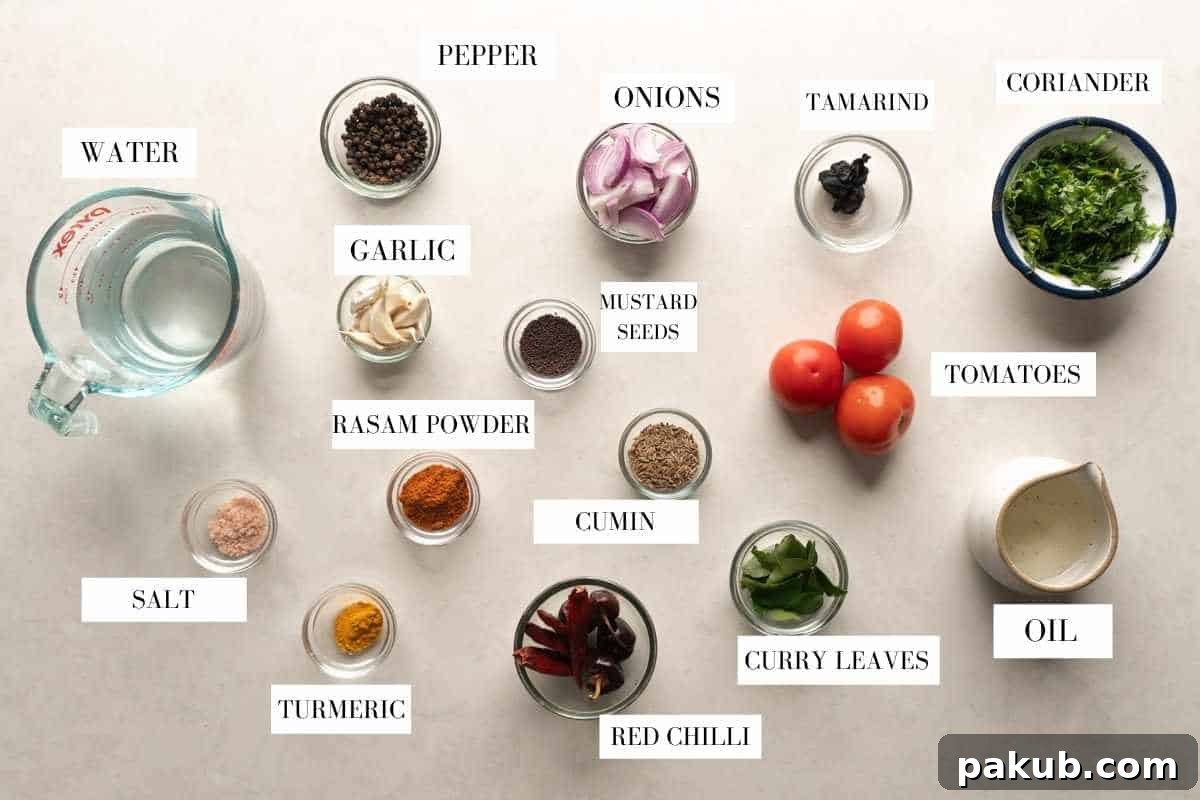
- Tomatoes (2-3 medium, approx 120 grams): The undisputed star of our rasam! Ripe, juicy tomatoes are crucial for providing that characteristic sour and subtly tangy flavor that defines this soup. Choose firm, red tomatoes for the best results.
- Garlic (1 bulb unpeeled for grinding, 3-4 cloves smashed for tempering): A foundational aromatic that brings depth and a pungent sharpness. Beyond its incredible flavor, garlic is well-known for its powerful healing and immunity-boosting properties, making it an unbeatable addition, especially for a wellness soup. Using unpeeled garlic for grinding adds a rustic touch and distinct aroma.
- Tamarind (1 lemon-sized piece, approx 12 grams): Tamarind is a common ingredient across most rasam variations, offering an irreplaceable sour tang that elevates the broth. While fresh tamarind pulp is ideal, a high-quality tamarind paste (about 1 teaspoon) can be used as a convenient substitute. Remember to soak fresh tamarind in hot water to extract maximum pulp.
- Curry Leaves (1 sprig for grinding, extra for tempering): These fragrant leaves are another rasam staple, infusing the soup with a subtle, earthy, and uniquely Indian herbal aroma. Don’t skip them!
- Rasam Powder (1 ½ teaspoons): This special spice blend is key to achieving the most authentic taste. I generally recommend using a good quality store-bought brand like MTR Rasam Powder, which is widely available and delivers consistent results.
- Dry Red Chillies (3 Byadgi, 4 small round): Rasam is meant to have a delightful kick! Don’t shy away from the dried red chillies, as their heat perfectly balances the tangy and sour notes, creating a truly heavenly flavor profile. Byadgi chillies offer a beautiful color and mild-to-medium heat, while the smaller round ones pack a more intense punch.
- Black Pepper (2 Tablespoons whole): This offers a distinct kind of warmth and heat, different from red chillies. It’s particularly soothing for the throat and adds a peppery zing that complements the other spices beautifully.
- Cumin Seeds (1 Tablespoon): An essential spice for the dry mixture, providing an earthy, warm undertone.
- Fresh Coriander (¼ cup with stems for grinding, 2 tablespoons for topping): Fresh coriander, including the stems, is vital for rounding off all the complex flavors in this recipe, adding a burst of freshness and aroma.
- Turmeric Powder (½ teaspoon): For its vibrant color, earthy flavor, and powerful anti-inflammatory properties.
- Salt (1 ½ teaspoons): To taste, enhancing all the other flavors.
- Oil (2 teaspoons): For tempering the spices, typically sesame oil or vegetable oil.
- Mustard Seeds (1 teaspoon): Crucial for the initial tempering, providing a nutty, pungent aroma when they splutter.
- Onion (1 medium, sliced): Adds a subtle sweetness and body to the rasam.
Crafting Jesse’s Tomato Rasam: Step-by-Step Guide
Making delicious, authentic rasam at home is much simpler than you might imagine. By following these clear steps, you’ll have a steaming pot, or even a comforting mug, of rasam ready to savor in under an hour. Precision in preparation ensures the harmonious blend of flavors that makes this soup so special.
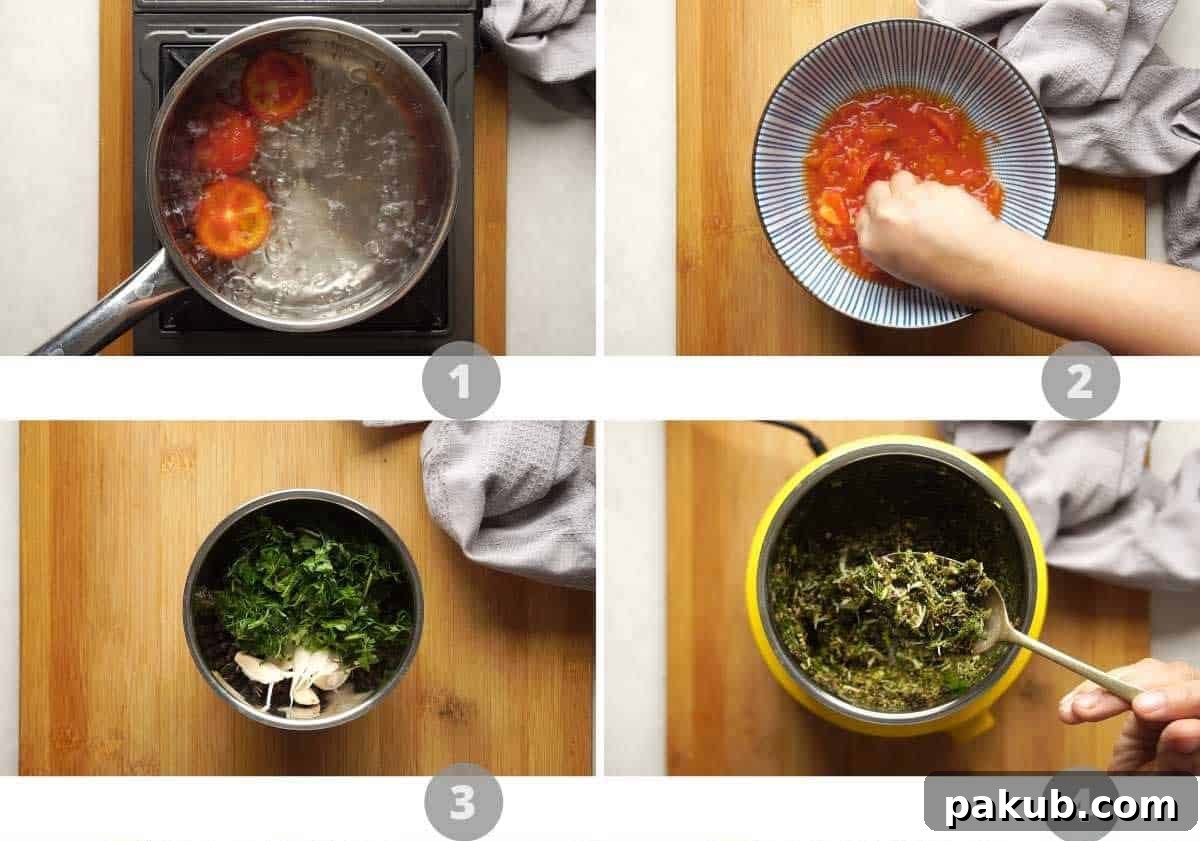
Phase 1: Preparing the Base and Spice Mixture
- Boil Tomatoes: In a medium pot, bring 5 cups of water to a boil. Add the 2-3 tomatoes and continue to boil for 10-15 minutes, or until the tomatoes are very soft and their skins begin to peel. This ensures they’ll mash easily and release their full flavor.
- Cool and Mash Tomatoes: Carefully remove the boiled tomatoes from the water using a slotted spoon and set them aside to cool completely. Crucially, reserve the tomato-infused water in the pot – this will form the flavorful base of your rasam. Once cooled, mash the tomatoes with your hands or a potato masher to a chunky pulp. Avoid pureeing them in a blender; retaining some texture is key for the best taste.
- Prepare Tamarind Water: While the tomatoes cool, take the lemon-sized piece of tamarind and soak it in ¼ cup of hot water. Let it sit for at least 10 minutes to soften, then squeeze it thoroughly to extract the pulp and discard any fibrous bits. This tamarind water will add a crucial tang.
- Grind Dry Spice Mixture: In the small jar of a mixer grinder or a dedicated spice grinder, combine the whole black pepper, cumin seeds, coriander leaves (with stems), the unpeeled garlic bulb, and one sprig of curry leaves. Pulse a few times until the ingredients are roughly broken down into a coarse, chunky dry mix. Do not add any water at this stage, and avoid making a smooth puree – a rustic texture is desired for optimal flavor release.
Phase 2: Tempering and Simmering
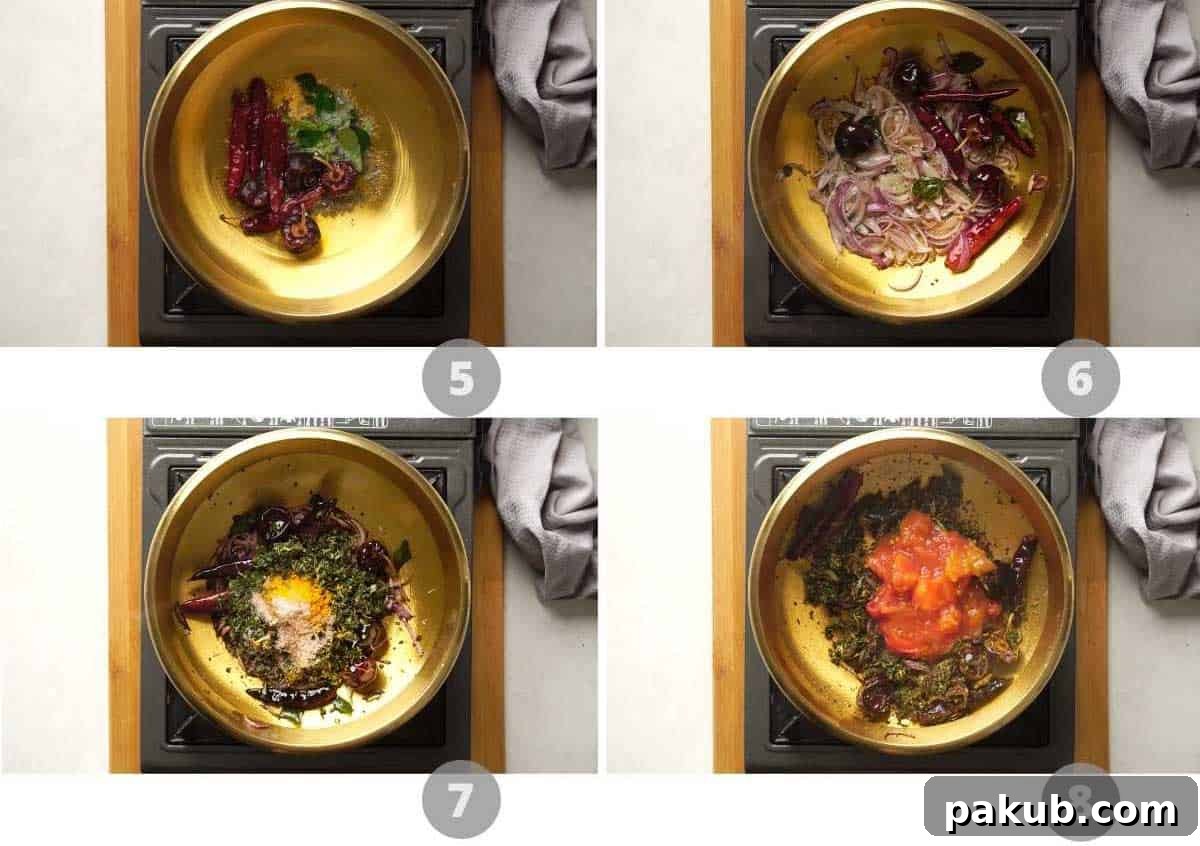
- Start the Tempering: Heat 2 teaspoons of oil in a clean pot or a heavy-bottomed kadhai over medium heat. Once the oil is hot, add the mustard seeds. Cook until they begin to splutter vigorously – this indicates they are perfectly toasted and fragrant.
- Add Chillies and Curry Leaves: Immediately add the whole dry red chillies (both Byadgi and small round) and the remaining curry leaves. Sauté for about 30 seconds to a minute until they become fragrant and the chillies slightly darken, but be careful not to burn them.
- Sauté Onions and Garlic: Add the sliced onions to the pot and cook on medium-high heat for 2-3 minutes, stirring occasionally, until they turn light golden brown. Then, add the lightly smashed garlic cloves and sauté for another minute until aromatic.
- Incorporate Ground Spices: Stir in the coarsely ground coriander-garlic-pepper mixture, turmeric powder, and salt. Cook this masala for 2-3 minutes, stirring continuously, allowing the spices to toast and their flavors to deepen.
- Add Tomato Pulp and Liquids: Pour the mashed tomato pulp into the pot. Mix well, then add the reserved tomato boiling water, the rasam powder, and the extracted tamarind water. Stir everything thoroughly to combine. If you prefer a thinner consistency, you can add another cup of water at this point.

Phase 3: Finishing and Serving
- Bring to a Gentle Boil: Bring the rasam to a quick, rolling boil. Let it simmer gently for just 1-2 minutes to allow the flavors to meld.
- Rest and Garnish: Turn off the heat. Garnish generously with freshly chopped coriander leaves. Cover the pot and let the rasam rest for 10-15 minutes before serving. This crucial resting period allows the spices and juices to fully marry, deepening the flavor profile significantly. Trust me, it’s worth the wait! Interestingly, rasam often tastes even better the next day as the flavors continue to develop.
Expert Tips for the Perfect Rasam
Achieving a truly exceptional rasam lies in a few key techniques. Follow these expert tips for a consistently delicious and aromatic soup:
- Tomato Mashing Technique: Always mash your boiled tomatoes by hand, aiming for a slightly chunky consistency. Avoid using a mixer grinder for this step, as it can over-process the tomatoes, resulting in a thin, pureed texture that diminishes the rustic charm and depth of the soup. The small tomato chunks add delightful bursts of flavor and body. Most importantly, remember to reserve all the water used for boiling the tomatoes; incorporating this back into the broth significantly enhances the overall flavor.
- Gentle Simmering: Once you’ve added the rasam powder and all the liquids, bring the rasam to a quick boil, then immediately reduce the heat and let it simmer for just 1-2 minutes. Over-boiling after adding the rasam powder can diminish its delicate flavors and aroma. The goal is to gently warm and meld the spices, not cook them out.
- The Art of Resting: This step is non-negotiable for an unforgettable rasam. After turning off the heat and garnishing, allow the rasam to sit, covered, for at least 10-15 minutes before serving. This resting period allows the myriad of spices and aromatic juices to slowly infuse and marry together, developing a richer, more complex flavor profile. You’ll notice a remarkable difference.
- Tamarind Preparation: To ensure maximum flavor extraction from block tamarind, always soak it in hot water for at least 10 minutes. This softens the pulp, making it easier to squeeze and release its full tartness into the rasam. If using tamarind paste, ensure it’s well-dissolved in a little hot water before adding.
- Spice Level Adjustment: Feel free to adjust the number of dry red chillies and black pepper according to your preference for heat. For a milder rasam, use fewer chillies; for a spicier kick, add a couple more.
- Ingredient Quality Matters: The fresher your tomatoes, garlic, and coriander, the more vibrant and flavorful your rasam will be. Always opt for fresh ingredients when possible.
Frequently Asked Questions About Rasam
How do I serve rasam?
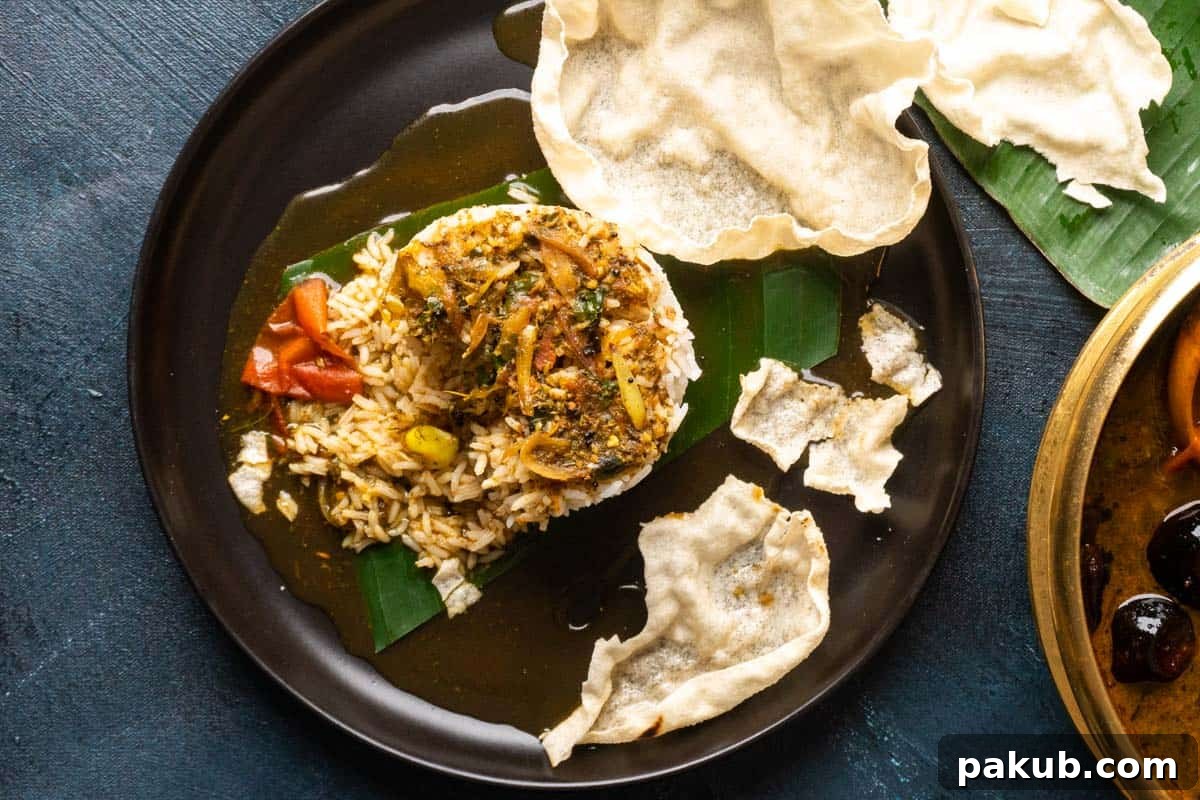
Rasam is incredibly versatile. You can enjoy it on its own as a comforting, light soup, especially when you’re feeling unwell. Traditionally, it’s a perfect accompaniment to fluffy steamed rice, often mixed in a little at a time. It also pairs wonderfully with South Indian breakfast staples like idlis and vadas.
Is rasam a full meal?
Rasam can absolutely be served as part of a meal. When paired with steamed rice and a simple vegetable side dish, it becomes a wholesome and filling meal. Alternatively, it serves as an excellent digestive soup at the end of a larger meal, or simply as a light, nourishing supper by itself.
What is the difference between rasam and other soups?
While rasam is a type of soup, it distinguishes itself with its typically clear, thin, and intensely flavorful broth. It’s characterized by its unique blend of tangy (from tamarind and tomatoes), spicy (from chillies and pepper), and aromatic (from curry leaves and various spices) notes. Unlike many Western soups that might be creamy or very thick, rasam maintains a lighter consistency, focusing on the vibrancy of its broth.
Is rasam healthy?
Yes, rasam is renowned for its health benefits. The spices and aromatics used in its preparation, such as turmeric, garlic, and pepper, possess natural detoxification and anti-inflammatory properties that stimulate digestion and boost immunity. When served alongside complex carbohydrates like rice and fresh vegetables, it forms a balanced and very healthy meal.
What does rasam taste like?
Rasam offers a complex and invigorating flavor profile. It’s predominantly tangy and sour from the tomatoes and tamarind, balanced by a comforting warmth and subtle heat from the red chillies and black pepper. There are also earthy notes from cumin and coriander, and a fresh, herbal undertone from curry leaves, making each spoonful a delightful experience.
Can I substitute fresh tamarind with tamarind paste?
Yes, you can easily substitute fresh tamarind with tamarind paste. For this recipe, use approximately 1 teaspoon of good quality tamarind paste, dissolved in a little hot water to create a smooth liquid before adding to the rasam.
How long can rasam be stored for?
Freshly made rasam can be refrigerated in an airtight container for up to 2-3 days. It also freezes exceptionally well for up to a month. It reheats beautifully on the stovetop, often with its flavors even more pronounced the next day!
I find immense comfort in warm, nourishing meals, especially during the colder months or when I’m feeling under the weather, and this rasam recipe is undoubtedly one of my absolute favorites. It’s so utterly soothing and delicious, I often find myself sipping it straight from the bowl – no spoon needed! This isn’t just a recipe; it’s my ultimate feel-good potion, and I’m confident it will become yours too.
For a complete South Indian feast, consider pairing this rasam with my super soft idlis. If you enjoy the vibrant tangy tamarind flavors in this rasam, you might also love my Spicy Fish Curry with Coconut and Tamarind. And for another beloved wintertime South Indian favorite, don’t forget to check out my Sambar recipe!
Watch the Recipe Video
LOVE THIS RECIPE? Subscribe to my newsletter and be the first to receive all new recipes and culinary inspiration!
Jesse’s Tomato Rasam Recipe
By: Richa
Rasam is a staple dish in South Indian homes – it’s a light and tangy soup served piping hot, either on its own or with rice. This tomato rasam recipe is a soul soother and definitely the best thing to sip on, on sick days. Its fast, easy with peppery, spicy flavors.
Pin Recipe |
Rate Recipe (Scroll to comments) |
Print Recipe
Ingredients
Dry Mixture (for grinding)
- 2 Tablespoons whole Black Pepper
- 1 Sprig Curry Leaves
- 1 Tablespoon Cumin Seeds
- 1/4 Cup Coriander Leaves with stems
- 1 Bulb Garlic, unpeeled
Boiling Ingredients
- 5 Cups Water
- 2-3 Tomatoes, approx 120 grams
Tempering Ingredients
- 2 Teaspoons Oil
- 1 Teaspoon Mustard Seeds
- 3 Byadgi Dry Red Chillies
- 4 Small Round Dry Red Chillies
- 1 medium Onion, sliced
- 3-4 Garlic cloves, unpeeled and smashed lightly
- 1/2 Teaspoon Turmeric Powder
- 1 1/2 Teaspoon Salt
- 1 1/2 Teaspoons Rasam Powder
- 1 Piece Tamarind, lemon sized approx 12 grams (or 1 tsp tamarind paste)
- 2 tablespoons fresh Coriander, for topping
Instructions
Dry Mixture Preparation
- Add all the ingredients mentioned under ‘Dry Mixture’ to the chutney jar of a mixer grinder or to a spice grinder. Grind to a chunky, dry mix consistency. Do not add any water while grinding.
Tomato and Tamarind Preparation
- Heat 5 cups of water in a pot and add tomatoes. Boil for 10-15 minutes till the tomatoes soften. Remove the tomatoes and reserve the water.
- Once the tomatoes cool down slightly, mash them with your hands. You can also use a potato masher to do this. Keep them chunky and don’t mash them to a smooth pulp.
- In a different bowl, soak tamarind in ¼ cup hot water and set aside for at least 10 minutes, then extract the pulp.
Tempering and Simmering
- In a pot or kadhai, heat oil and add mustard seeds. Once they start spluttering, add all the dried red chillies and curry leaves. Sauté for about 30 seconds until fragrant.
- Add sliced onions and fry till light golden. Add smashed garlic cloves and sauté. Then, add the ground coriander-garlic mixture, turmeric, and salt and sauté for 2-3 minutes.
- Add the mashed tomatoes, all the reserved tomato water, rasam powder, and tamarind water. Add another cup of water if you want the consistency to be thinner. Bring this to a boil and simmer for 2 minutes. Turn off the heat, top with fresh coriander leaves, cover, and let it rest for 10-15 minutes before serving.
Notes
- Tomatoes: Mash the tomatoes slightly with your hands, keeping them chunky – it never works as well with a mixer grinder. We want the soup to have some tomato chunks for the best taste. Make sure to reserve the leftover tomato water to add to the broth! This will add more flavor.
- Don’t boil the rasam too much after adding rasam powder. Just a quick boil and turn off the heat.
- Resting: Let the rasam sit for 10-15 minutes before serving to allow the spices and juices to slowly marry together. Trust me, it’s worth the wait.
- Tamarind: Make sure to soak the tamarind in hot water for at least 10 minutes so that maximum pulp can be extracted from it.
- Serving Suggestions: You can serve rasam on its own as a soup or with steamed rice. You could also serve it with idlis and vada.
- Tamarind Substitute: If using tamarind paste, substitute with 1 teaspoon dissolved in a little hot water.
- Storage: Rasam can be refrigerated for up to 2-3 days or frozen for up to a month. It reheats well!
Nutrition Information (Per Serving, based on 6 servings)
Calories: 49kcal, Carbohydrates: 8g, Protein: 2g, Fat: 2g, Saturated Fat: 1g, Polyunsaturated Fat: 1g, Monounsaturated Fat: 1g, Trans Fat: 1g, Sodium: 598mg, Potassium: 218mg, Fiber: 2g, Sugar: 2g, Vitamin A: 594IU, Vitamin C: 15mg, Calcium: 46mg, Iron: 1mg
This article has been researched and written by Navya Khetarpal