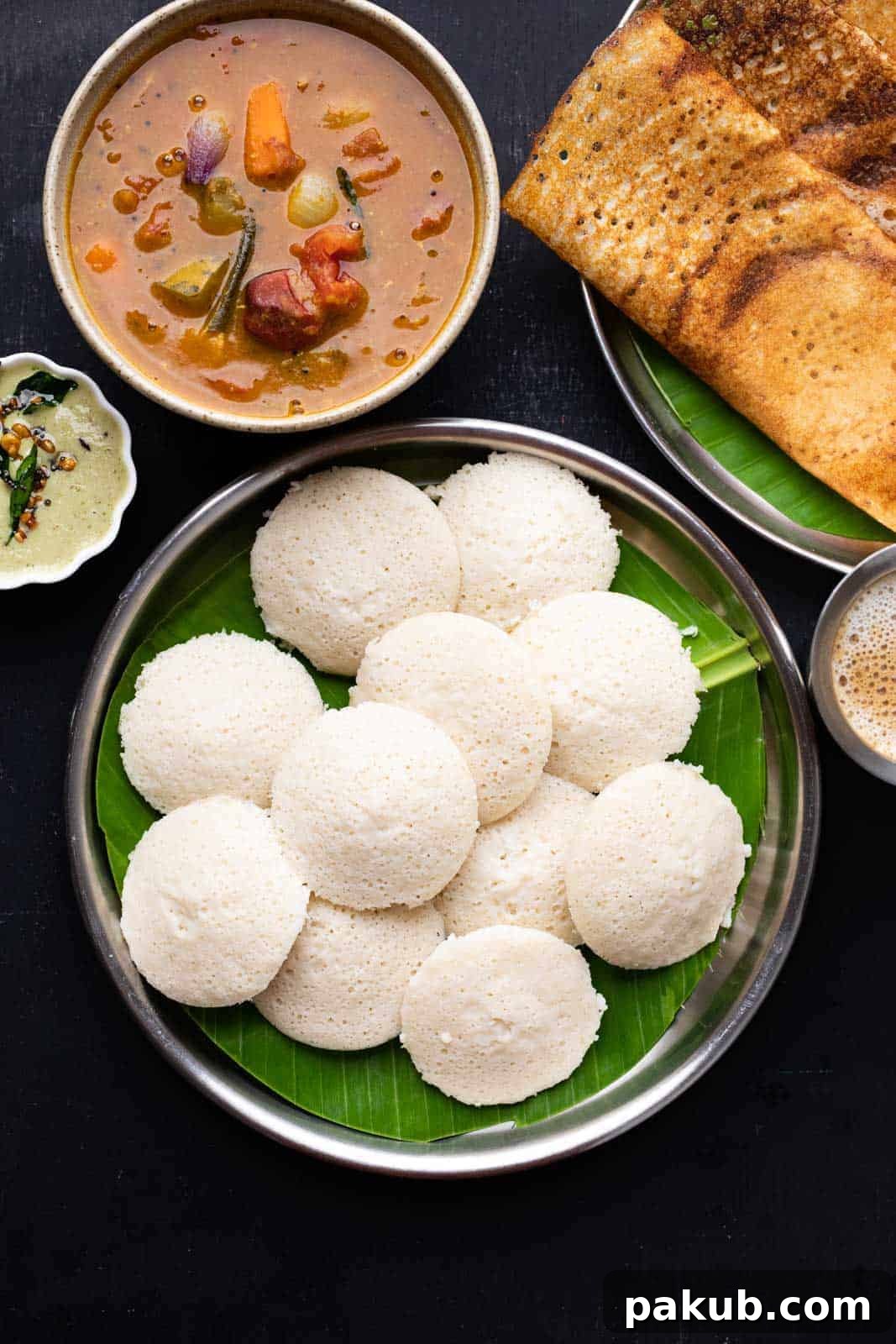
Mastering the art of making idli dosa batter at home is simpler than you imagine! With just 10 minutes of active prep in the morning and another 10 in the evening, you can achieve the lightest, fluffiest, and most delicious batter for your favorite South Indian staples.
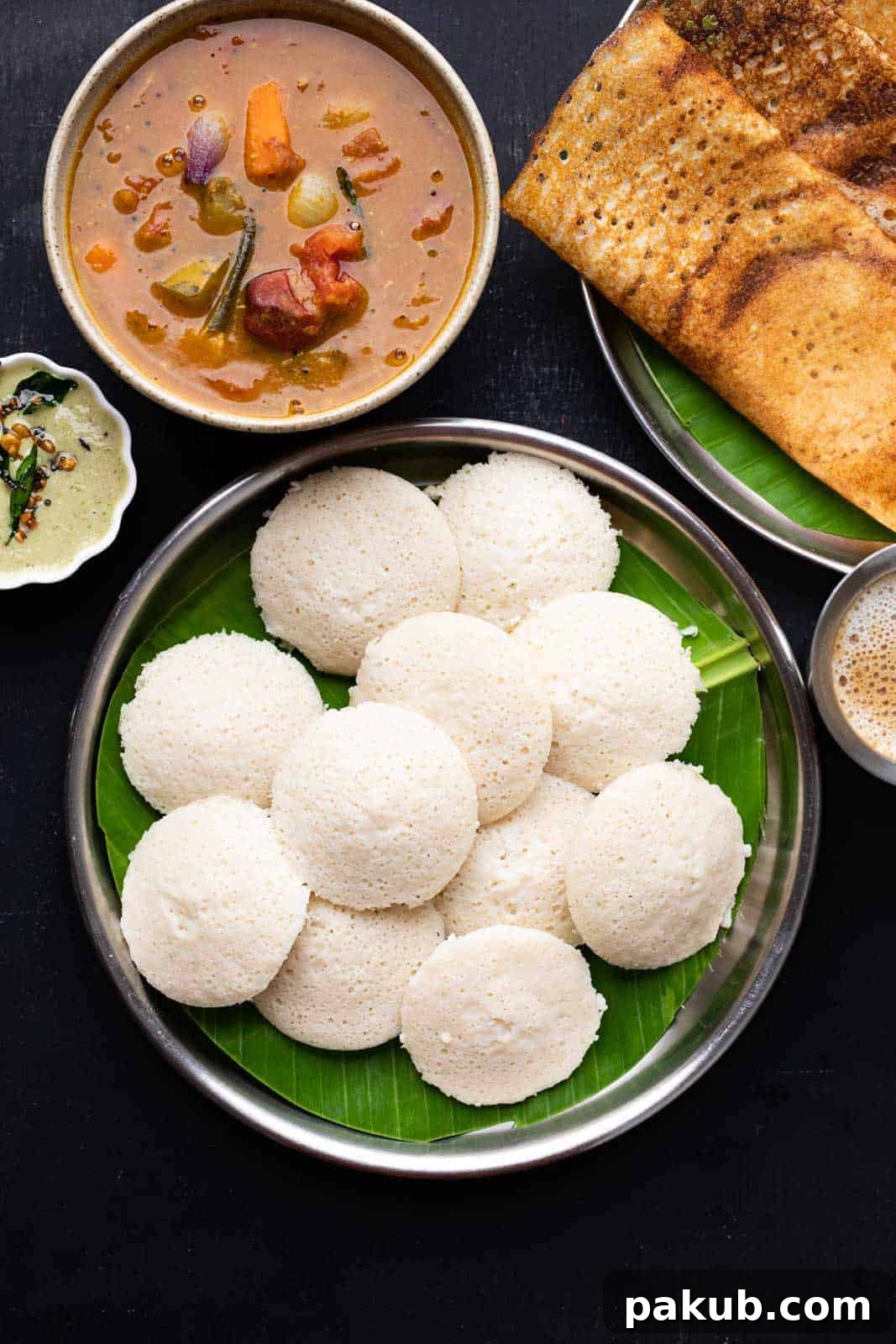
In a world where convenience often dictates our choices, it’s tempting to grab readymade idli dosa batter from the store. Many of us have been there, myself included, until I experienced a culinary awakening in Bangalore. It was there that I truly understood the profound difference in taste and texture that homemade idli and dosa batter offers. The freshness, the purity, and the incredible flavor profile of a lovingly prepared homemade batter simply cannot be matched by its store-bought counterparts.
Believe it or not, crafting your own idli dosa batter from scratch is an incredibly straightforward process, requiring minimal active time. Dedicate just 20 minutes of active preparation over a full day, and you’ll be rewarded with a dosa batter that’s not only cleaner and more economical but also guarantees the most delectable idlis and dosas you will ever savor. This comprehensive guide will walk you through every step, ensuring your success.
Beyond its primary uses, this versatile batter is a culinary chameleon, opening up a world of gastronomic possibilities! Imagine an entire week of diverse, exciting meals from a single batch of batter. You can effortlessly transform it into crispy appe (paniyaram), savory dhokla, innovative dosa waffles, or classic uttapam. Stay tuned, as detailed recipes for these delightful dishes will be shared soon, inspiring you to explore the full potential of your homemade idli dosa batter!
Jump to Section: Perfect Idli Dosa Batter
- Key Ingredients for Homemade Idli Dosa Batter
- Step-by-Step: How to Make Idli Dosa Batter
- Ensuring Success: How to Tell If Your Batter is Fermented
- Choosing the Best Grinder for Idli Dosa Batter
- Expert Recommendations
- Frequently Asked Questions About Idli Dosa Batter
- Essential Equipment for Idlis & Dosas
- Pro Tips for the Best Idlis & Dosas
- Delicious Recipes Using Idli Dosa Batter
- Watch the Idli Dosa Batter Recipe Video
Key Ingredients for Homemade Idli Dosa Batter
Crafting the perfect idli dosa batter starts with a selection of simple, readily available pantry staples. Each ingredient plays a crucial role in achieving that ideal texture and flavor. Here’s a detailed look at everything you’ll need:
- Idli Rice (Parboiled Short-Grained Rice): This is the cornerstone of authentic idli and dosa batter. Idli rice, which is parboiled, provides a unique softness and fermenting quality, resulting in the best possible texture. While idli rice is highly recommended for superior results, you can also use other short-grained rice varieties like Sona Masoori or Kollam (non-parboiled), though the final texture may vary slightly.
- Urad Dal (Skinned Whole Black Gram): Urad dal is indispensable for imparting that characteristic creamy, airy texture to the batter. It’s the protein powerhouse that facilitates proper fermentation and contributes to the fluffy nature of idlis and the crispiness of dosas. Both skinned whole urad dal and skinned split urad dal (urad dal dhuli) work exceptionally well.
- Poha (Flattened Rice): A small addition of poha makes a significant difference. It acts as a natural leavening agent and ensures your idlis remain incredibly light and soft, preventing them from becoming dense. For dosas, it contributes to a delicate crispness.
- Cooked Rice: This secret ingredient is a game-changer! Adding a small amount of cooked rice to your batter yields the softest idlis imaginable and contributes to achieving those coveted, exquisitely crispy dosas. It helps with binding and gives a beautiful texture.
- Methi Seeds (Fenugreek Seeds): These tiny seeds are mighty contributors to the fermentation process. Methi seeds not only aid in creating the perfect environment for fermentation but also add a subtle, distinct flavor and aroma to the batter. A little truly goes a long way here.
- Ice Cold Water: This is a critical element during the grinding phase. Using ice-cold water is essential to prevent the batter from heating up excessively while being ground. Overheating can negatively impact the fermentation process and the final texture of your idlis and dosas.
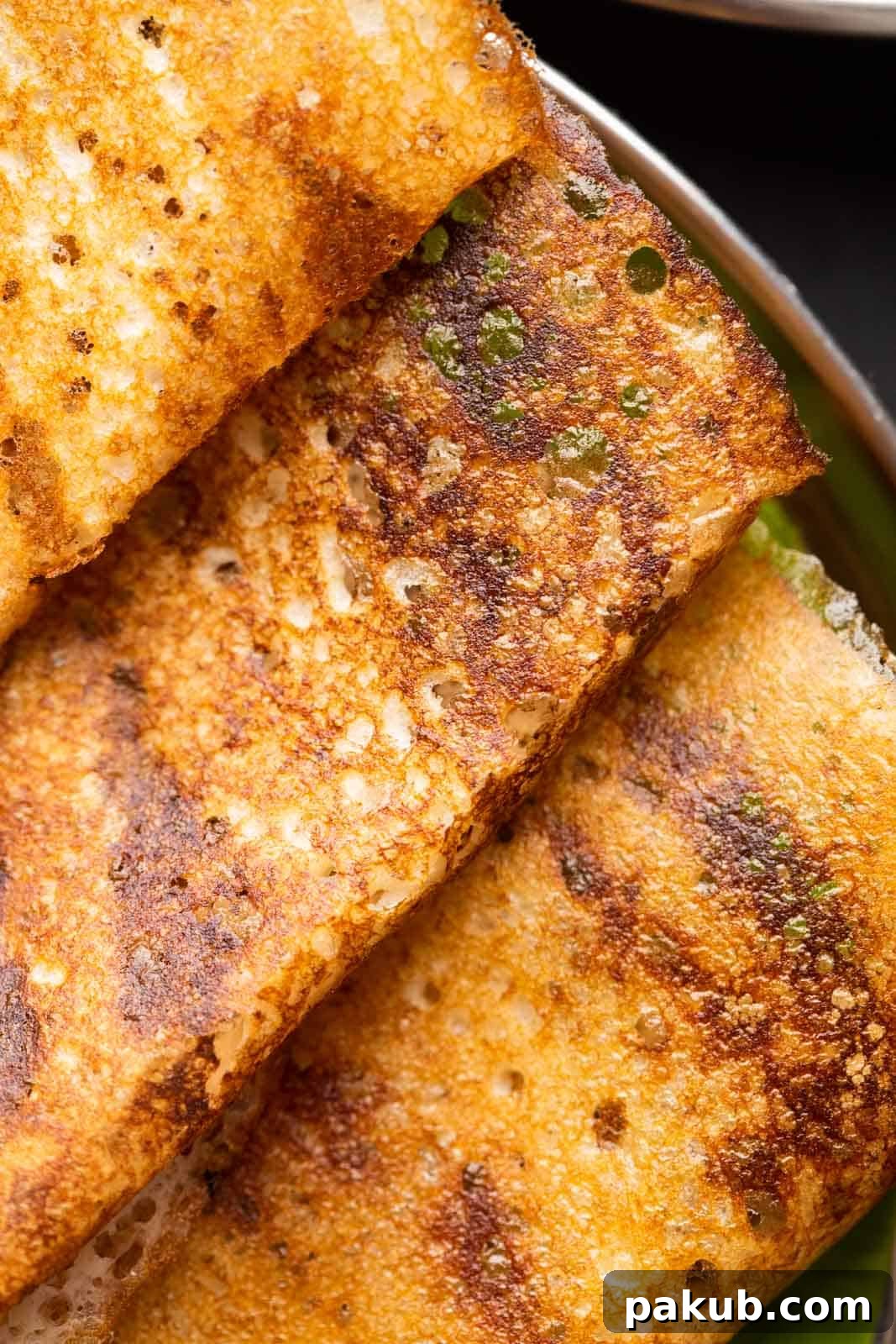
In a rush and craving quick dosas without fermentation? Explore these fantastic options: Neer Dosa | Lacy Rice Crepes and Instant Oats Dosa (Crispy Oats Crepes).
Step-by-Step: How to Make Idli Dosa Batter
Creating your own idli dosa batter is a rewarding journey that unfolds over approximately 20 minutes of active work spread across a day. This timeline is designed for simplicity and efficiency, leading to consistently perfect results.
DAY 1 (Morning) – Washing and Soaking for Optimal Fermentation
The first step involves meticulously washing and soaking your rice and lentils. While seemingly straightforward, these crucial initial steps lay the foundation for successful fermentation and the desired batter consistency. Here are some essential tips to keep in mind:
- When washing the idli rice and urad dal, it’s important to gently rub them between your fingers. This action helps dislodge any dust, impurities, and excess starch that can hinder proper fermentation and impact the final texture. Rinse the grains thoroughly in clean water 3-4 times until the water runs almost clear.
- Once washed, soak the rice, lentils, poha, and methi seeds in ample clean water. Ensure they are completely submerged, with at least an inch of water covering them. Adequate soaking is vital as it rehydrates the grains, making them easier to grind into a smooth batter and contributing significantly to the desired light and fluffy texture, which is paramount for both idlis and dosas. Aim for a soaking period of 6-8 hours.
DAY 1 (Evening) – Grinding and Initiating Fermentation
As evening approaches, it’s time to transform your soaked ingredients into a smooth, ready-to-ferment batter. This phase requires attention to detail to ensure optimal results:
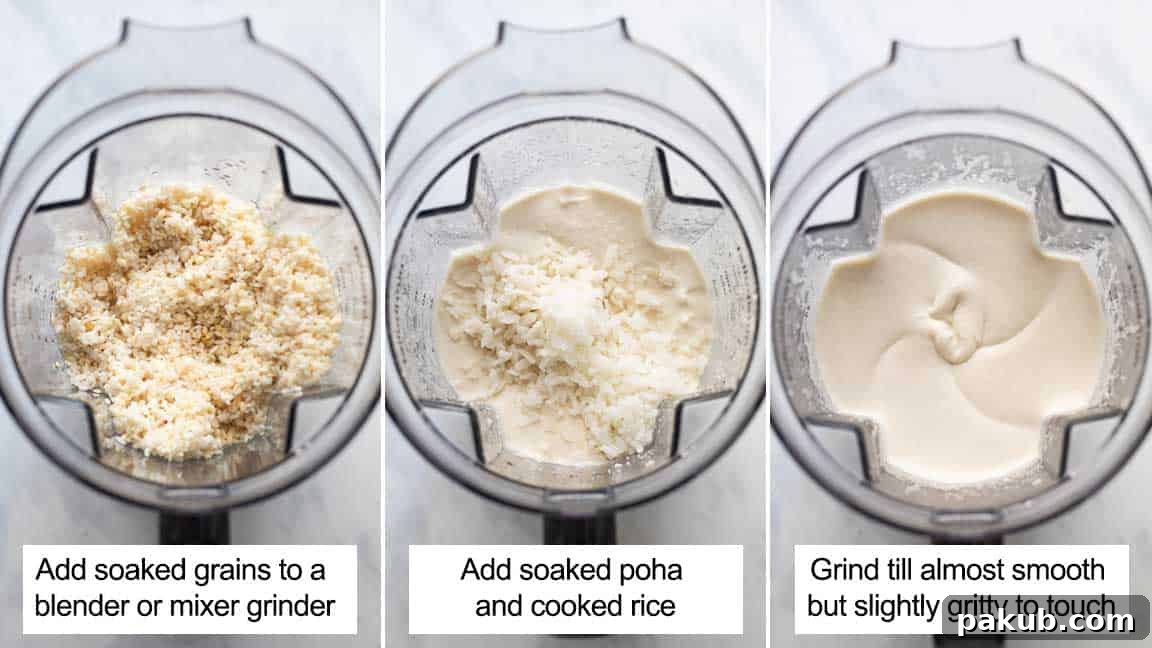
- After the soaking period, meticulously drain all the excess water from the rice and lentils. Transfer the mixture to a high-quality mixer grinder. During the grinding process, friction can generate heat, which can negatively affect the batter’s flavor and subsequent fermentation. To counteract this, always incorporate ice-cold water (and a few ice cubes) while grinding. This helps maintain a low temperature, crucial for successful fermentation.
- The desired consistency of the ground batter is key. It should be thick enough to leave a substantial coat on the back of a spoon, yet fluid enough to fall in a smooth, ribbon-like consistency when poured with a ladle. When felt between your fingers, the batter should have a very slight, almost imperceptible grittiness, ensuring perfect texture for both idlis and dosas.
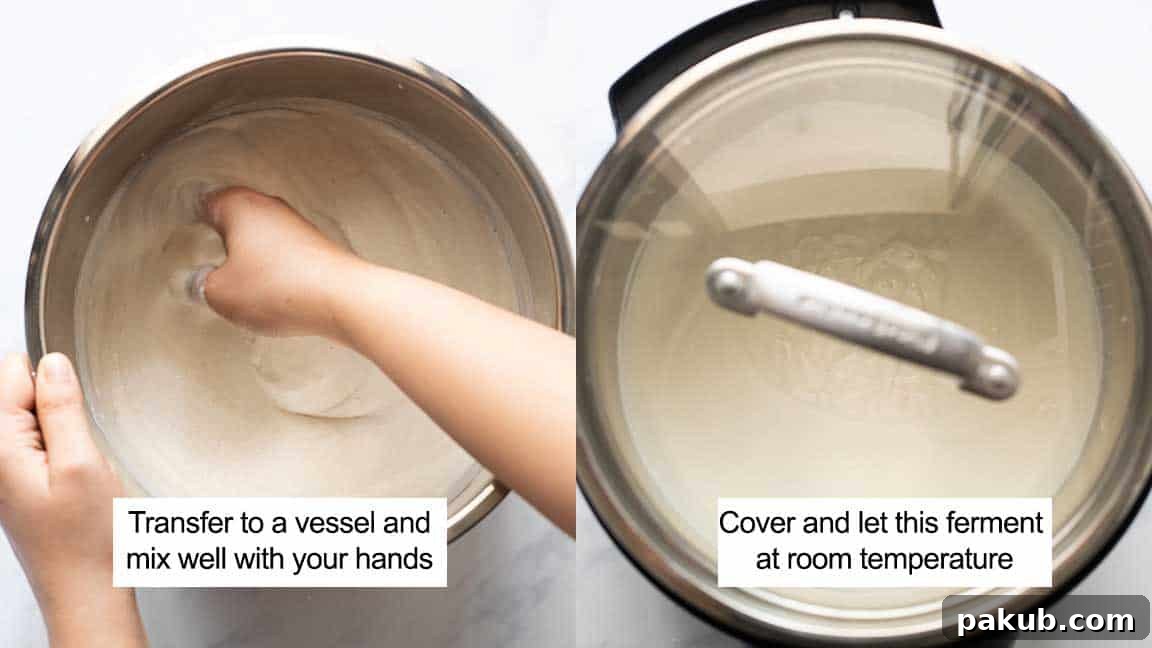
- Once ground, transfer the batter to a large bowl, ensuring there is ample room for expansion. The batter will rise significantly during fermentation, often doubling in volume. Next, and this is a crucial step for authentic flavor and fermentation, mix the batter thoroughly with clean hands. The natural microbes on your hands contribute to kick-starting the fermentation process. Do not skip this traditional technique!
- Finally, cover the bowl loosely (allowing some air exchange) and set it aside to ferment. Choose a warm, dry spot away from direct sunlight. The ambient temperature and humidity heavily influence fermentation time, which can range from 12 to 24 hours. In warmer climates, fermentation will be faster, while colder environments may require more time.
DAY 2 (Morning) – Ready to Use or Store
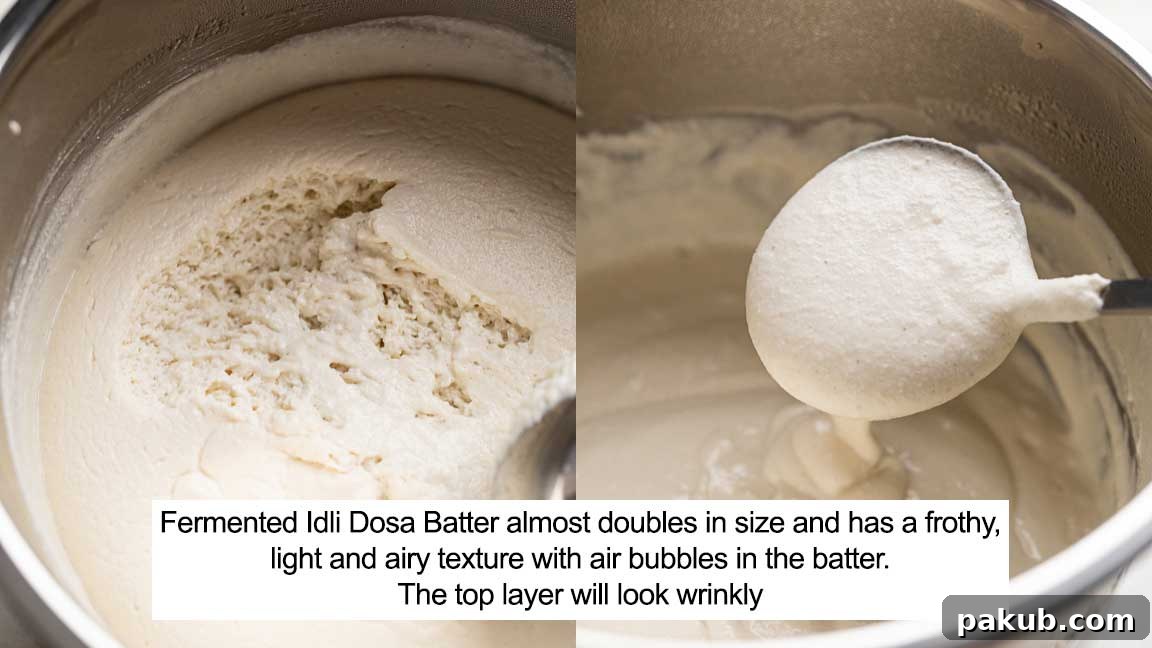
By the next morning (or after 12-24 hours), your patience will be rewarded. The batter should have visibly increased in volume, typically by about 1.5 times its original size, with a distinct frothy, bubbly texture at the top. This is your sign of successful fermentation and indicates the batter is perfectly ready for use. Following this recipe’s precise measurements, you should yield approximately 1.75 liters (about 6-7 cups) of high-quality idli and dosa batter. As a general guide, one cup of this magnificent batter can produce 6-7 soft idlis or 4-6 crispy dosas, depending on your preferred size.
Ensuring Success: How To Tell If Your Batter Is Perfectly Fermented
Knowing when your idli dosa batter has reached its peak fermentation is crucial for achieving the best results. Here are the key indicators to look for:
- Volume Increase: The most obvious sign is a significant expansion. Your batter should have nearly doubled in size, exhibiting a light and airy consistency. You might even notice a slight dome shape on the surface.
- Bubbles Galore: When you gently stir the batter, you should clearly see a multitude of tiny air bubbles trapped within. These bubbles are a direct result of the yeast and bacteria activity during fermentation, indicating a light and frothy texture. (Refer to the recipe video for a visual guide!)
- Aromatic Scent: A properly fermented batter will emit a mildly yeasty or pleasantly sour aroma. This is a desirable smell, reminiscent of good sourdough bread, and signifies active fermentation.
- Texture Transformation: The batter should feel light and airy, not dense. Its consistency will be slightly thinner than when it was first ground, but still hold its shape enough to be spooned for idlis or spread for dosas.
- Caution: Over-Fermentation: Be mindful of the fermentation duration. If the batter develops a very strong, intensely sour, or unpleasant “off” smell, it likely means it has over-fermented or gone bad. Unfortunately, an over-fermented batter cannot be salvaged for idlis or dosas, so timely monitoring is essential.
Choosing the Best Grinder for Idli Dosa Batter
The choice of grinding equipment significantly impacts the final texture of your idli dosa batter. For those who frequently make these South Indian delicacies, investing in an electrical wet grinder is highly recommended. These specialized grinders are designed to produce an exceptionally light and fluffy batter without generating excessive heat, which is vital for proper fermentation. The main drawback is their size; wet grinders tend to be bulky and occupy considerable counter space.
Expert Recommendations
At home, I regularly use both a blender and a mixer grinder. While the Nutribullet shown in the video is effective, my personal favorite for consistency and power is the Sujata Dynamix Mixer Grinder. A key consideration when using a standard mixer grinder is its tendency to heat up the batter during grinding. As discussed earlier, this heat can negatively affect fermentation. To mitigate this, I always incorporate ice-cold water, and often ice cubes, into the mixture while blending, ensuring the batter remains cool.
Frequently Asked Questions About Idli Dosa Batter
1. What is the ideal rice to dal ratio for idli dosa batter?
After extensive testing, I’ve found that the optimal ratio for idli rice to urad dal is 3:1. This particular proportion consistently yields the softest, most pillowy idlis. While a slightly higher ratio of urad dal can still produce good results, it may lead to idlis that are marginally denser. Interestingly, for dosas, this ratio difference tends to be less noticeable, as their thinness is the primary characteristic.
2. Can I soak dal and rice together?
Absolutely, you can soak dal and rice together! Some traditional recipes might suggest separate soaking due to perceived differences in grinding times. However, in my experience, soaking idli rice, urad dal, poha, and methi seeds all together in a single bowl, and then grinding them simultaneously, yields a perfectly consistent and textured batter without any discernible negative impact. This method streamlines the process and saves time.
3. How To Ferment Idli Dosa Batter in Cold Weather?
Fermenting idli dosa batter in colder climates can be a challenge, but there’s a clever hack to ensure success. The trick is to create a warm, consistent environment for your batter. Preheat your oven to a low temperature, around 80-90°C (175-195°F), then turn it off. Immediately place your covered batter bowl inside the slightly warm, turned-off oven overnight. The residual heat will keep the batter warm and snug, facilitating proper fermentation even in chilly conditions.
4. Is idli and dosa batter the same?
While idli and dosa batter originate from the same core ingredients – typically rice and urad dal – they are distinctly different in their ideal preparation and consistency. The primary distinction lies in their texture: dosa batter is generally ground to a slightly thinner, more spreadable consistency, allowing it to be easily spread into a crisp crepe. In contrast, idli batter is intentionally thicker and scoopable, designed to yield fluffy, soft steamed cakes. Though they share a base, their ideal textures for their respective dishes vary.
Essential Equipment To Make Idlis & Dosas
Having the right tools can make all the difference in preparing perfect idlis and dosas. Here’s a breakdown of the essential equipment:
For Idlis: The traditional way to make idlis is using an idli stand, which fits perfectly into a dedicated idli steamer. Alternatively, you can place the idli stand inside a regular pressure cooker, ensuring you remove the whistle (vent weight) to allow steam to escape freely. Don’t own an idli stand? No problem! You can get creative and make delicious idlis in small, greased stainless steel tumblers or ramekins that are heat-safe. Simply place them in any large pot with a little water at the bottom, cover, and steam.
For Dosas: A well-seasoned cast iron tawa (flat griddle or pan) is hands-down the best choice for making dosas. Cast iron conducts and retains heat beautifully, ensuring even cooking and delivering exquisitely crispy dosas every time. A seasoned cast iron tawa, if cared for properly, can last a lifetime, but it’s often best to reserve it exclusively for dosas and uttapams to maintain its non-stick properties. While a non-stick tawa offers an easier alternative, especially for beginners, cast iron’s superior heat retention makes it my preferred choice for that ultimate crispness. Non-stick pans can sometimes overheat unevenly, making it challenging to spread the dosa batter consistently after a few attempts.
Pro Tips to Make the Best Idlis & Dosas
Achieving consistently perfect idlis and dosas requires a few insider tricks. Incorporate these expert tips into your routine for exceptional results every time:
- Prevent Over-Fermentation: This is crucial. Leaving your batter at room temperature for too long, particularly in warm climates, can lead to over-fermentation. In tropical regions like India, an optimal fermentation time is generally 10-12 hours. However, in colder environments, it might take up to 24 hours. Keep an eye on the batter’s rise and smell to avoid it turning excessively sour.
- Season Just Before Use: Always season your batter right before you are ready to cook, not before fermentation. For dosa batter, add a touch of salt and a pinch of sugar to enhance flavor and promote crispness. For idli batter, simply adding salt is sufficient. Adding salt too early can inhibit fermentation.
- The “Test Dosa” Method: Before committing to a full batch, always make a small “test dosa” or idli. This allows you to check the consistency, seasoning, and tawa temperature. Adjust as needed. For crispy dosas, spread the batter thinly; for soft and fluffy ones, spread it a bit thicker.
- Thorough Greasing: Whether you’re using an idli stand or steel tumblers, always grease them thoroughly with ghee or oil before pouring in the batter. This essential step prevents the idlis from sticking to the molds and crumbling when you try to demould them, ensuring beautifully formed idlis.
- Patient Demoulding for Idlis: Once the idlis are steamed and cooked, resist the urge to immediately remove them from the mold. Take the idli stand out of the steamer and let it rest for 5-10 minutes. This resting period allows the idlis to firm up slightly and cool, making them much easier to demould without sticking or tearing.
- Choose an Ample Vessel for Fermentation: Always select a large vessel for fermenting your idli dosa batter. The container should have at least double the capacity of the batter to comfortably accommodate its rise. This prevents the batter from overflowing during fermentation and ensures it has enough space to aerate properly.
- Cooked Rice Precaution in Warm Climates: While cooked rice is excellent for texture, it can accelerate the batter going bad, especially in very warm environments. If you reside in a hot climate and use cooked rice in your batter, aim to consume the batter within 3 days to ensure freshness and prevent spoilage.
Delicious Recipes Using Idli Dosa Batter
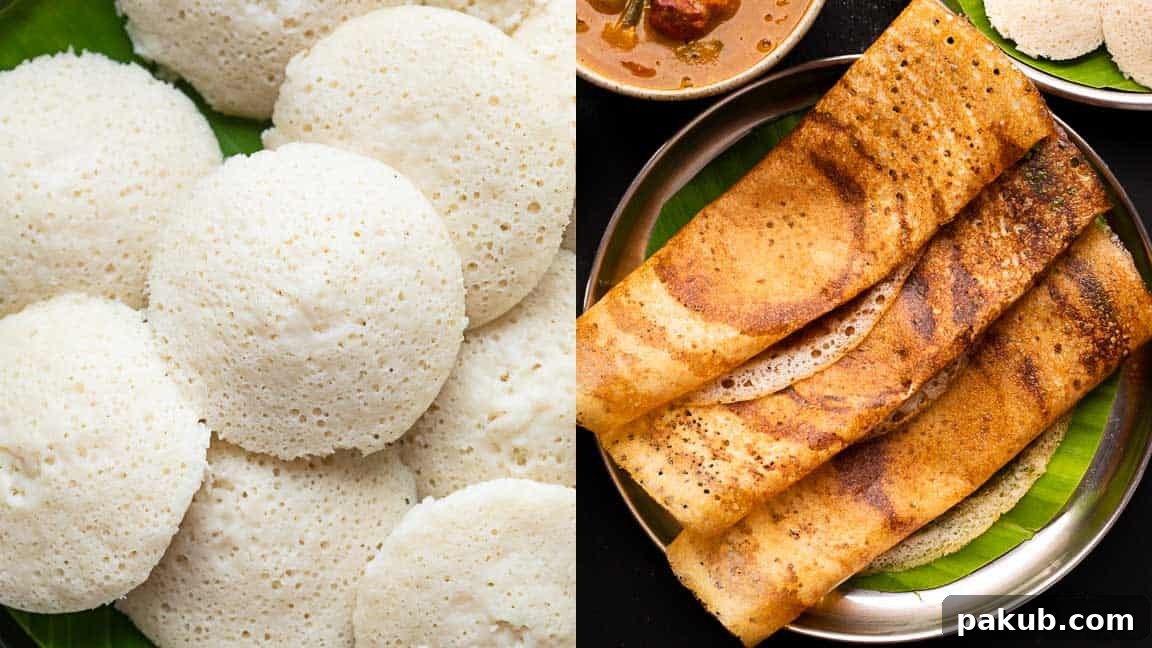
The versatility of a well-fermented idli dosa batter extends far beyond just idlis and dosas. It serves as a fantastic base for a variety of other delectable South Indian dishes. Here are some of the exciting creations you can prepare:
- Dhokla (a savory steamed cake)
- Classic Idli (steamed rice cakes)
- Crispy Dosa (savory crepes)
- Appe / Paniyaram (pan-fried savory dumplings)
- Mysore Masala Dosa (a richer, spicier dosa variant)
- Uttapam (thick savory pancakes with toppings)
- Dosa Waffle (a fun, modern twist on dosa)
- Schezwan Idli Fry (a spicy, Indo-Chinese fusion dish)
Get ready for an exciting culinary journey! Over the next 11 days, I will be sharing detailed recipes for all these incredible dishes, along with an easy one-pot sambar and a classic coconut chutney. Make sure to tune in so you don’t miss out on these delicious additions to your meal repertoire!
The first time I successfully prepared idli and dosa batter from scratch, I was genuinely astonished by how straightforward and fuss-free the entire process truly was. That initial success six years ago sparked a tradition, and since then, I’ve consistently made my own dosa batter at home every single week. It’s not just easy; it’s a commitment to cleaner eating and, in my honest opinion, yields the most superior idlis and dosas imaginable.
If you embark on this wonderful journey of making your own homemade idli dosa batter, please share your creations! I would absolutely love to see your culinary triumphs. Be sure to upload your pictures to your social media stories and tag me @my_foodstory. Happy cooking!
Watch the Idli Dosa Batter Recipe Video
Rating: 4.84 from 31 votes
Idli Dosa Batter | How to Make Dosa Batter
By: Richa
Making idli dosa batter at home is incredibly easy if you follow this timeline. This recipe consistently produces super soft idlis and incredibly crispy dosas every single time, ensuring a delightful South Indian breakfast.
Prep: 10 mins
Cook: 30 mins
Total: 40 mins
Servings: 8 people
Rate Recipe
Print Recipe
Ingredients
For grinding
- 1 ½ cups idli rice or parboiled rice
- ½ cup skinned urad dal
- ¼ cup poha, or flattened rice
- ¼ cup cooked rice
- 1 teaspoon methi seeds, fenugreek seeds
- 1 ½ cups water
- 4-5 ice cubes
Other
- 1 ½ teaspoon salt, divided
Instructions
Day 1 – Morning
- Wash and soak idli rice, urad dal, poha, and methi seeds in enough water so that there is at least an inch of extra water over the rice and dal. Allow to soak for 6-8 hours.
Day 1 – Evening
- Once the grains have soaked for about 8 hours, carefully drain the excess water from both the bowls (if soaked separately, though together is fine).
- Grind the idli rice-urad dal mix along with the cooked rice until almost smooth. Use approximately 1 ½ cups of ice-cold water and 4-5 ice cubes in a mixer grinder to prevent heating. Add additional water sparingly if required to achieve the desired consistency. The batter should be thick enough to leave a thick coat on the back of a spoon and fall in a ribbon-like consistency when poured. It should feel very slightly gritty between your fingers.
- Pour the ground batter into a large bowl, ensuring there is ample room for the batter to rise during fermentation (at least double the batter’s volume). Mix the batter thoroughly with clean hands; this step is crucial for kickstarting fermentation and should not be skipped.
- Cover the bowl loosely and set it aside to ferment. Place it in a warm, dry place away from direct sunlight. Fermentation typically takes between 12-24 hours, depending on the humidity and temperature of your environment. Warmer conditions will result in faster fermentation.
Day 2 – Morning or Afternoon
- Once fermented, the batter should have increased to almost 1.5 times its original size, displaying a slight dome shape and a wrinkled, bubbly layer on top. You should notice a pleasant, mild sourness in the batter’s aroma, indicating successful fermentation. If the smell is excessively sour, it may have over-fermented. When stirred, the batter’s texture should be visibly frothy with numerous air bubbles.
- When ready to cook, take out approximately 2 cups of the fermented batter into a separate bowl, add ½ teaspoon of salt, and mix well. This portion is now ready to be used for making delicious idlis, dosas, or any other dish. Store the remaining unsalted batter as directed in the notes.
Video
Notes
- Ice cubes are added during grinding specifically to prevent the batter from overheating due to friction, which is crucial for optimal fermentation.
- Salt should be added ONLY to the specific quantity of batter you plan to use immediately. Adding salt to the entire batch of batter before storage can accelerate souring and hinder fermentation if you plan to store it for longer.
- If you are not using all of the freshly fermented batter, store the remaining unsalted batter in an airtight container in the refrigerator for up to 3 days. For longer preservation, you can freeze the batter for up to one month. Thaw in the refrigerator before use.
Like this recipe? We’d love to hear from you! Please rate and leave a comment below!
This article was thoroughly researched and written by Urvi Dalal.