Don’t let those delicious leftovers go to waste! Reheating mashed potatoes is not only possible but incredibly easy, ensuring they taste as good as freshly made. Discover 3 foolproof methods to transform your leftover mash into a creamy, flavorful side dish once more!
The holiday season, family gatherings, or even just a comforting weeknight meal often means one thing: an abundance of mashed potatoes. It’s a culinary staple that graces tables worldwide, bringing joy with its creamy texture and rich flavor. However, the sheer volume often leads to a common predicament – leftovers. Many home cooks worry that reheating mashed potatoes will result in a dry, lumpy, and unappetizing dish. But fear not! You absolutely *can* reheat mashed potatoes, and with the right techniques, they can emerge from your fridge or freezer tasting just as glorious as they did on day one.
Gone are the days of relegating leftover mash to the bin or only using it in secondary recipes (though those are great too!). This comprehensive guide will equip you with three easy-to-follow, foolproof methods to bring your mashed potatoes back to life, complete with essential tips to preserve their velvety texture and delectable flavor. Get ready to enjoy every last spoonful!
Looking for creative ways to utilize your leftover mashed potatoes beyond reheating? Dive into these delightful and cheesy Leftover Mashed Potato Ham Cakes for a fun meal idea!
Jump to Section: The Ultimate Guide to Reheating Mashed Potatoes
- Why Reheat Mashed Potatoes?
- The Science Behind Reheating Mashed Potatoes
- Before You Reheat: Essential Preparation Steps
- Method 1: The Gentle Double Boiler
- Method 2: The Quick Microwave Fix
- Method 3: The Even Oven Bake
- Expert Tips for Perfect Mashed Potato Reheating
- Elevate Your Reheated Mashed Potatoes with Flavor Boosters
- Watch Our Guide: How To Make Mashed Potatoes From Scratch
- More Irresistible Mashed Potato Recipes 🥔
Why Reheat Mashed Potatoes? Beyond Just Avoiding Waste
While the primary reason for reheating leftovers is often to prevent food waste, there are several other compelling benefits to mastering the art of bringing mashed potatoes back to life:
- Convenience and Time-Saving: Having pre-made mashed potatoes ready to go significantly cuts down on cooking time for future meals. It’s perfect for busy weeknights or when you need a quick, comforting side dish without the effort of peeling and boiling fresh potatoes.
- Budget-Friendly: Making a large batch of mashed potatoes once and enjoying it over several days is an excellent way to stretch your food budget. You get more meals out of your initial ingredients and effort.
- Satisfying Cravings: Sometimes, you just crave that specific creamy goodness! Being able to reheat your favorite mash means instant gratification for those comfort food desires, without waiting for a fresh batch.
- Versatility: Reheated mashed potatoes aren’t just for serving as a side. They can be incorporated into other dishes, like Shepherd’s Pie, croquettes, or even as a thickener for soups, demonstrating their incredible culinary versatility.
The Science Behind Reheating Mashed Potatoes: Understanding Texture Changes
Ever wondered why mashed potatoes can become dry and pasty after a stint in the fridge? It primarily comes down to starch retrogradation and moisture loss. As mashed potatoes cool, the starch molecules within them recrystallize, releasing trapped water. This process results in a thicker, denser, and sometimes crumbly texture. When reheating, if not done correctly, this lost moisture isn’t replenished, leading to a less desirable mouthfeel.
The key to successful reheating lies in reintroducing moisture and fat, along with gentle, even heat. Adding ingredients like milk, cream, butter, or even broth helps to rehydrate the starch molecules and restore the smooth, creamy consistency we all love. Gentle heating methods also prevent the potatoes from “breaking” or becoming gluey by not overcooking the starches.
Before You Reheat: Essential Preparation Steps
Proper storage and preparation are paramount to achieving perfectly reheated mashed potatoes. Follow these steps for the best results:
- Proper Storage is Key: Always store leftover mashed potatoes in an airtight container in the refrigerator immediately after they have cooled to room temperature. This prevents bacterial growth and keeps them fresh for up to 3-4 days. For longer storage, mashed potatoes can be frozen (see expert tips below).
- Assess Initial Consistency: Before you even begin reheating, take a moment to look at your refrigerated mash. Is it already very thick and dry? Or did you make it extra runny initially (a pro tip discussed later)? This assessment will help you decide how much extra liquid and fat you’ll need to add.
- Consider Bringing to Room Temperature (Optional but Recommended): While not strictly necessary for all methods, allowing your mashed potatoes to sit out on the counter for 20-30 minutes before reheating can help them heat more evenly. This reduces the risk of cold spots or overcooking the edges. However, for food safety, avoid leaving them out for more than two hours.
Method 1: The Gentle Double Boiler – For Velvety Smooth Results
The double boiler method is arguably the best way to reheat mashed potatoes, especially if you prioritize maintaining their original creamy, fluffy texture. This method uses indirect, gentle heat, which slowly warms the potatoes without drying them out or causing them to scorch. It’s perfect for those who want restaurant-quality results every time.
- Prepare the Setup: Fill a saucepan with about 2 cups of water and bring it to a gentle boil over medium heat. Once boiling, reduce the heat to low, allowing the water to simmer steadily.
- Combine Ingredients: Transfer your mashed potatoes to a heatproof bowl. This bowl should be large enough to comfortably sit on the rim of the saucepan without touching the simmering water. Add 1-2 tablespoons of unsalted butter and 1-2 tablespoons of milk or cream for every 2 cups of mashed potatoes. These additions are crucial for reintroducing moisture and richness.
- Steam and Stir: Place the bowl containing the mashed potatoes over the simmering water. Cover the bowl tightly with aluminum foil or a lid to trap the steam, which helps to rehydrate the potatoes. Cook for 10-12 minutes, stirring gently halfway through. Continue to stir every few minutes until the potatoes are thoroughly heated through and have regained their silky-smooth consistency. You can adjust the cooking time based on the quantity and your desired temperature.
- Serving Suggestion: Once hot, give the potatoes a final vigorous stir to whip them back to peak fluffiness. Taste and adjust seasoning if needed.
Method 2: The Quick Microwave Fix – For Speed and Convenience
When time is of the essence, the microwave is your best friend for reheating mashed potatoes. While it might not offer the same nuanced texture as a double boiler, proper technique can still yield excellent results, preventing the dreaded dry and lumpy outcome. This method is ideal for smaller portions and busy schedules.
- Prepare for Microwaving: Place your mashed potatoes in a microwave-safe bowl with a lid or a plate that can cover it. For every 2 cups of mash, add 1 tablespoon of butter and 1-2 tablespoons of milk or cream. These liquids are vital for reintroducing moisture and preventing dryness during the rapid heating process.
- Initial Heating: Cover the bowl and microwave on high for 1 minute. The exact power settings may vary by microwave, but a high setting usually works best initially.
- Stir and Continue: Remove the bowl, stir the potatoes thoroughly to distribute the heat and moisture evenly, breaking up any clumps. Re-cover the bowl and microwave in 30-second intervals, stirring well after each interval. This staggered approach helps prevent hot spots and ensures a consistent texture.
- Achieving Perfection: Continue microwaving and stirring until the mashed potatoes are steaming hot and have reached your desired creaminess. For a typical 2-cup portion, this usually takes about 2 to 3 minutes of total microwave time (e.g., 1 minute initial + three 30-second intervals). Adjust the time based on your microwave’s wattage and the quantity of potatoes. Add more butter or cream if the potatoes appear too dry during the process.
Method 3: The Even Oven Bake – Great for Large Batches and a Crispy Top
The oven method is a fantastic choice for reheating larger quantities of mashed potatoes or if you prefer a slightly crispier, browned top. It provides even heating throughout and can be a hands-off option, allowing you to focus on other parts of your meal preparation. It’s also an excellent way to prepare mashed potatoes ahead of time for entertaining.
- Preheat Your Oven: Start by preheating your oven to 170°C (325°F). This moderate temperature helps to warm the potatoes gently without overcooking them.
- Prepare the Baking Dish: Transfer your mashed potatoes to an ovenproof dish. Spread the potatoes out evenly using the back of a spoon or a spatula. This crucial step ensures uniform heating and prevents cold spots.
- Add Moisture and Cover: If your mash is on the drier side, or even as a preventative measure, drizzle 1-2 tablespoons of melted butter and 2-3 tablespoons of milk, cream, or even vegetable broth over the top of the potatoes. Gently mix it in, or just let it sit on top if you prefer. Cover the dish tightly with aluminum foil. The foil traps steam, which is essential for rehydrating the potatoes and keeping them moist.
- Bake to Perfection: Bake in the preheated oven for 20-30 minutes. The exact time will depend on the quantity of mashed potatoes and how cold they were to begin with. You’ll know they’re ready when they are thoroughly hot throughout. For a slightly golden-brown, crispy top, remove the foil for the last 5-10 minutes of baking.
- Optional Flavor Boost: Consider sprinkling some grated Parmesan or cheddar cheese on top before the final uncovered bake for an extra layer of flavor and a beautiful golden crust.
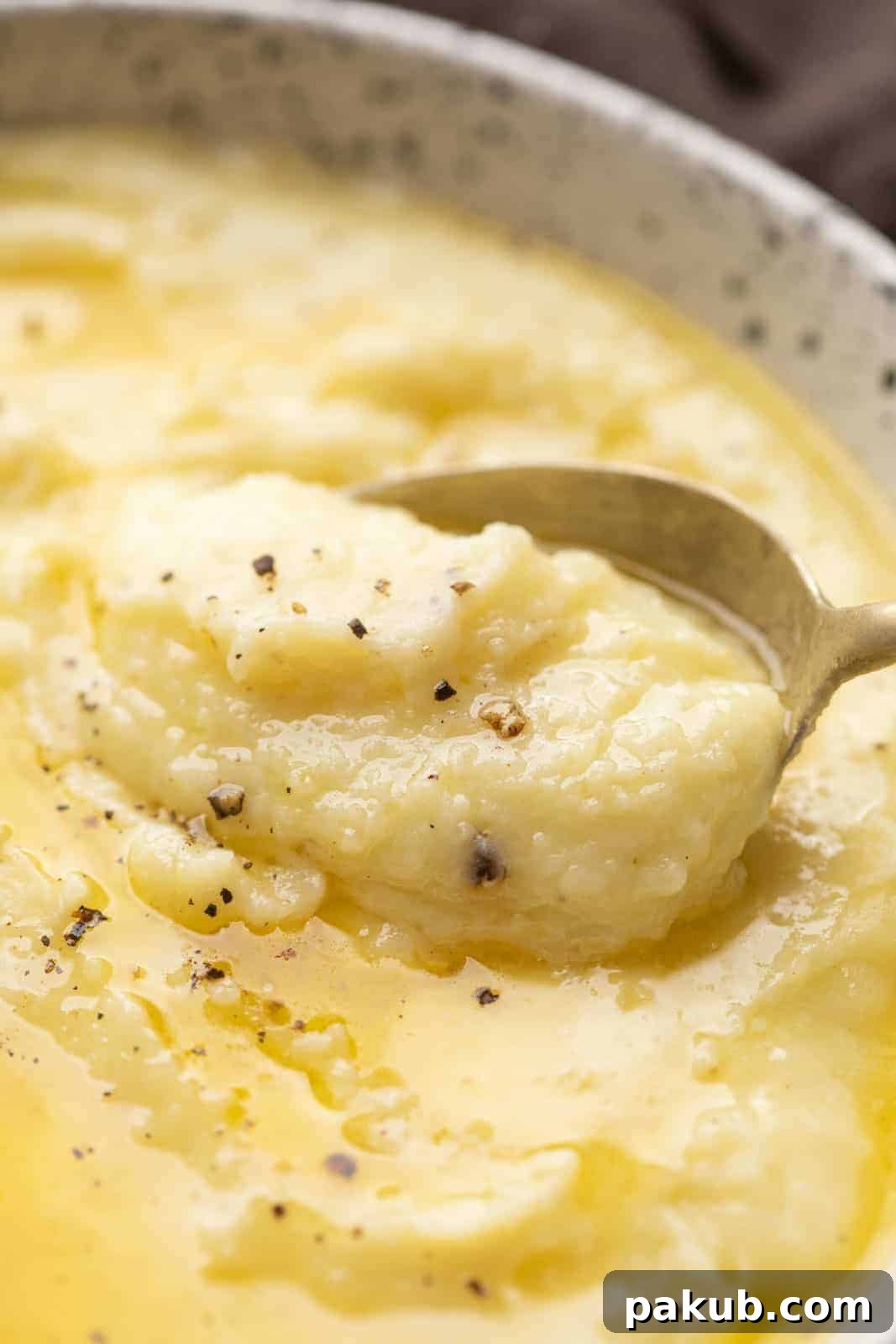
Expert Tips for Perfect Mashed Potato Reheating
Beyond the core methods, a few insider tricks can make all the difference in turning good reheated mashed potatoes into truly spectacular ones. These tips, inspired by years of kitchen experience, will ensure your mash is always on point.
- Adjusting for Quantity: The liquid and fat ratios mentioned in our methods (1-2 tablespoons butter/cream per 2 cups) are guidelines for smaller batches. If you’re reheating larger quantities, remember to double or triple these additions accordingly to maintain the desired creaminess. Don’t be shy with moisture!
- Freezing for Long-Term Storage: Mashed potatoes freeze remarkably well, extending their shelf life significantly. To freeze, ensure they are completely cooled. Transfer them into freezer-friendly ziplock bags, pressing out as much air as possible, or into airtight containers. For best results, freeze in individual portions to make thawing easier.
- Freezer Lifespan: Frozen mashed potatoes can maintain their quality in the freezer for up to one month. Beyond this period, they might start to develop ice crystals, leading to a slight change in texture where they become less cohesive and more prone to separating when thawed. While still edible, regaining their original creamy consistency might be challenging.
- The Art of Thawing: For frozen mashed potatoes, always transfer them to the refrigerator one day before you plan to reheat them. This slow thawing process helps to minimize cellular damage and allows them to thaw gently, which is crucial for preserving their texture. Avoid rapid thawing at room temperature for food safety reasons.
- Making Mash Ahead of Time (The “Runnier” Secret): If you know you’ll be making mashed potatoes specifically for reheating later, consider preparing them with a slightly looser, creamier consistency than normal. Adding a little extra milk or cream during the initial preparation will ensure they remain moist even after refrigeration and reheating, preventing them from becoming too stiff or dry.
- Rescuing Dry or Thick Mash: If your mashed potatoes are already thick or dry from the refrigerator, don’t despair! Before reheating, thoroughly mix in some additional liquid and fat. Options include warm milk, heavy cream, melted butter, vegetable broth, or even a dollop of sour cream. Start with a tablespoon or two and add more until you reach your desired consistency.
- Fresh Seasoning Boost: Reheating can sometimes mellow out original flavors. For an extra kick, consider sautéing some finely chopped garlic in melted butter until fragrant. Add this garlic butter mixture to your cold mashed potatoes before reheating. The fresh aroma and flavor will infuse beautifully into the mash as it warms up.
Elevate Your Reheated Mashed Potatoes with Flavor Boosters
Reheating isn’t just about restoring texture; it’s also a fantastic opportunity to inject new life and exciting flavors into your mash. Don’t settle for dull! A few simple additions can transform your leftovers into a gourmet experience:
- Dairy Delights: Stir in a dollop of sour cream or Greek yogurt for a tangy depth and extra creaminess. A sprinkle of freshly grated Parmesan or aged cheddar cheese can add a wonderfully savory, umami note that melts beautifully into the warm potatoes.
- Herbaceous Freshness: Finely chopped fresh chives, parsley, or rosemary stirred in at the end can provide a burst of freshness and color. Sage or thyme can also complement the potato flavor beautifully.
- Spicy Kicks: A generous crack of freshly crushed black pepper is a classic enhancement. For those who like a little heat, a pinch of red pepper flakes or a dash of hot sauce can awaken the palate.
- Savory Add-ins:
- Bacon Bits: Crispy cooked bacon bits mixed into your reheated mash add incredible texture and a smoky, savory punch. This is a perpetual crowd-pleaser!
- Caramelized Onions and Gruyere: For a sophisticated twist reminiscent of French onion soup, fold in beautifully caramelized onions and grated Gruyere cheese. The sweet and savory notes are simply divine.
- Cheddar Cheese: A timeless classic! Melted sharp cheddar cheese turns simple mashed potatoes into a comforting, cheesy delight.
- Brown Butter: Take your mash to the next level by browning some butter until it’s nutty and fragrant, then stirring it into your reheated potatoes. This adds a layer of rich, complex flavor that is truly irresistible.
- Roasted Garlic: If you love garlic, consider roasting whole garlic cloves until soft and sweet, then mashing them into your potatoes. It offers a milder, sweeter garlic flavor than raw or sautéed garlic.
- Nutmeg’s Secret: For a touch of traditional European flavor, a tiny pinch of freshly grated nutmeg can warm and enhance the potato’s natural taste.
- A Splash of Something Extra: A teaspoon of white truffle oil can add an incredibly luxurious aroma and flavor. For a more subtle boost, a splash of white wine or dry vermouth can add depth.
Watch Our Guide: How To Make Mashed Potatoes From Scratch
More Irresistible Mashed Potato Recipes 🥔
If you’re always on the hunt for delicious potato dishes, explore these fantastic recipes:
Side Dishes
Creamy Garlic Mashed Potatoes
Slow Cooker Recipes
Best Slow Cooker Mashed Potatoes (No Boiling Required)
Vegetarian Recipes
Instant Pot Garlic Mashed Potatoes (Pressure Cooker Recipe)
Appetizers