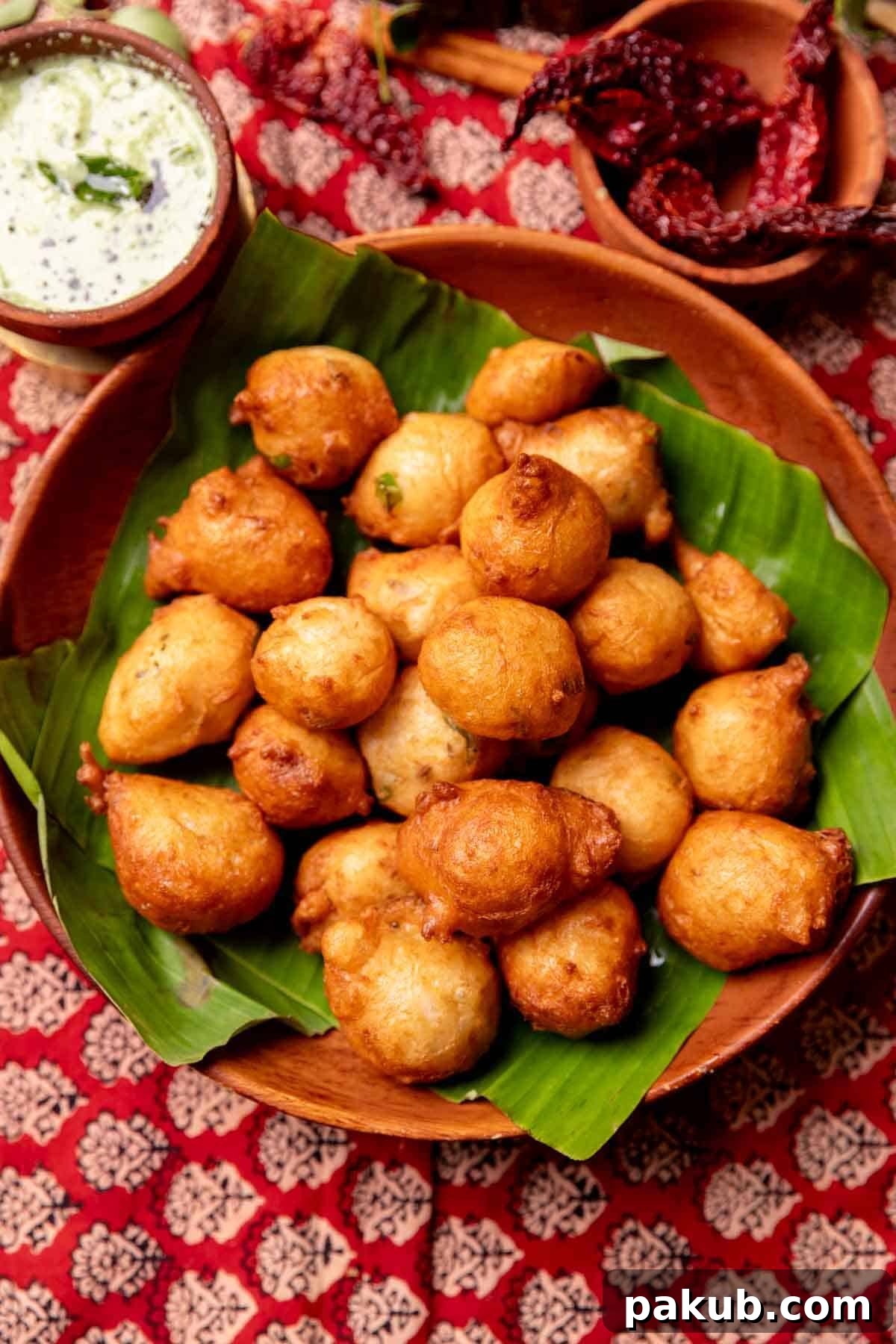
Goli Bajji: Mangalore’s Beloved Crispy, Light & Fluffy Snack
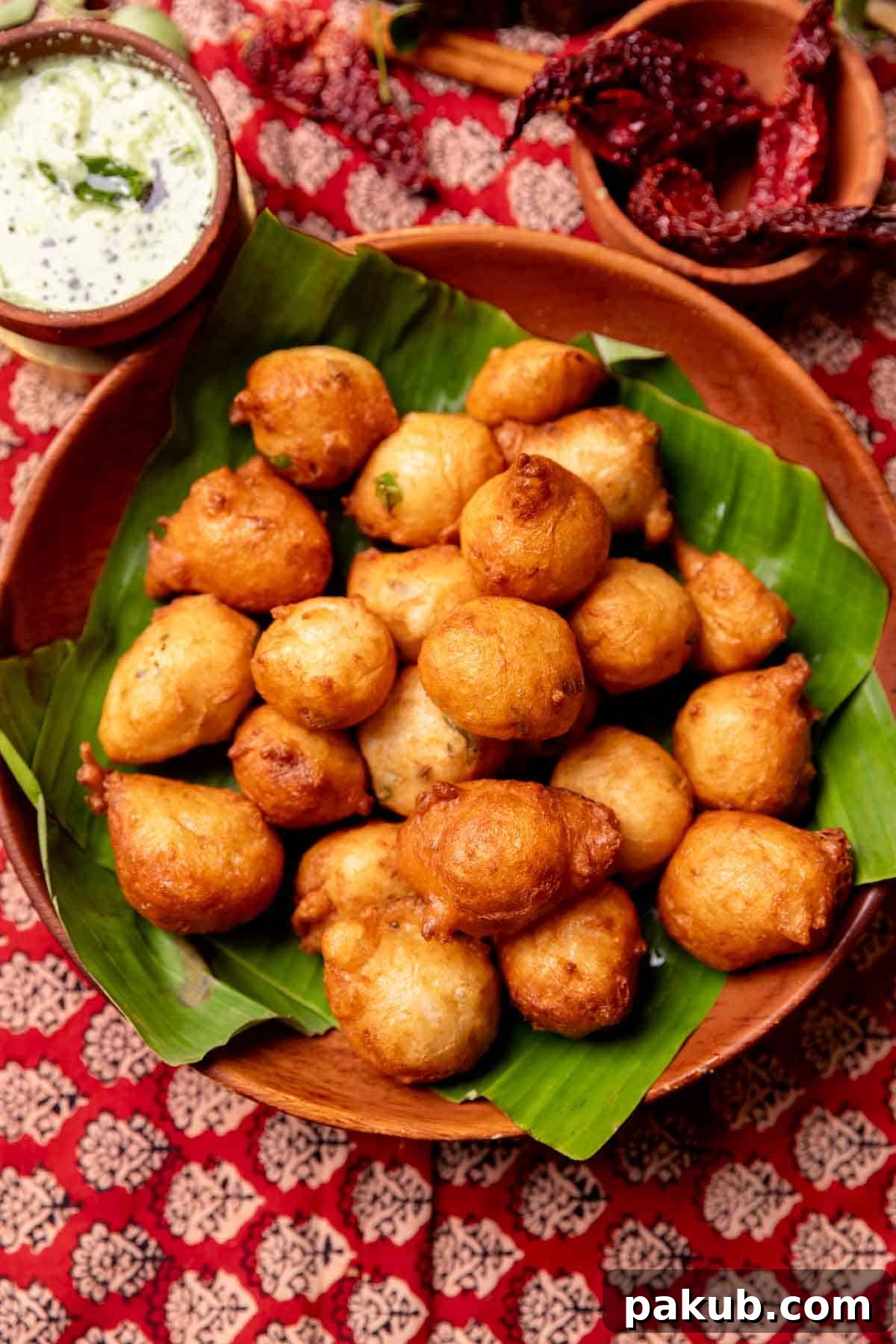
Step into the vibrant culinary world of Mangalore, and you’ll quickly encounter a snack that holds a special place in the hearts of locals: Goli Bajji. Known by several endearing names such as goli baje and Mangalore bonda, these deep-fried fritters are more than just a dish; they are a cherished tradition, especially around 5 PM when the aroma of freshly fried snacks fills the air. Imagine small, golden-brown spheres that are incredibly crispy on the outside, yet delightfully light and pillow-soft within – that’s the magic of Goli Bajji. This classic South Indian street food deserves to be celebrated globally, offering a unique blend of textures and flavors that are simply irresistible.
Traditionally, preparing the perfect Goli Bajji batter involves an overnight fermentation process, which is key to achieving its signature pillowy interior. However, in our modern, fast-paced lives, waiting overnight isn’t always feasible. That’s why we’re thrilled to share a fantastic shortcut that delivers the same incredible texture and taste in a fraction of the time: by incorporating a secret ingredient – leftover dosa batter! This ingenious trick accelerates the fermentation, allowing you to whip up a batch of these delectable fritters whenever the craving strikes.
Whether you’re a seasoned chef or a beginner in the kitchen, this Goli Bajji recipe is surprisingly easy to follow and guarantees a truly satisfying result. Serve these crispy delights alongside a zesty coconut chutney and a steaming hot cup of chai, and you’ll understand why this snack is a regional favorite. It’s the ultimate comfort food, perfect for an evening treat, a festive gathering, or simply a cozy afternoon at home. Once you try this recipe, we’re confident it will become a go-to in your culinary repertoire.
Table of Contents
- The Essence of Goli Bajji
- Ingredients Overview
- Mastering the Batter: Tips and Tricks
- Frequently Asked Questions
- Watch How To Make Goli Bajji Video
- Goli Bajji Recipe Card
The Essence of Goli Bajji: A Culinary Gem from Mangalore
Goli Bajji represents more than just a snack; it embodies the spirit of Mangalorean culinary traditions – simple ingredients transformed into something extraordinary. Its popularity stems from its unique texture and the burst of subtle, savory flavors. Each bite offers a satisfying crunch followed by a tender, airy interior, making it incredibly addictive. This snack is often enjoyed during monsoon evenings, accompanied by lively conversations and the comforting warmth of a hot beverage.
The beauty of Goli Bajji lies in its balance. It’s not overly spicy, allowing the freshness of the herbs and the tang of the curd to shine through. The inclusion of ingredients like curry leaves, green chillies, and cumin (jeera) provides an aromatic depth that elevates the simple flour mixture into a delightful symphony of tastes. It’s this delicate balance that makes Goli Bajji a truly memorable experience and a staple in Mangalorean households and street food stalls alike.
Ingredients Overview: Crafting the Perfect Goli Bajji Batter
Creating the perfect Goli Bajji batter involves a harmonious blend of flours, a touch of tang, and an array of fresh aromatics. Our recipe combines all-purpose flour (maida) and gram flour (besan) to form the base, providing both structure and a delicate texture. The tang comes from fresh, sour curd (yogurt), which is crucial for the bajji’s characteristic flavor and also aids in fermentation. The secret weapon for speed and enhanced texture is a generous portion of leftover dosa batter, which contributes to the lightness and slight tang, mimicking the long fermentation process.
To these foundational ingredients, we add everyday essentials like salt and a pinch of sugar to balance the flavors. The true soul of Goli Bajji, however, comes from its vibrant additions: finely chopped curry leaves for their distinctive aroma, minced green chillies for a gentle kick of heat, whole cumin seeds (jeera) for an earthy warmth, and grated fresh coconut for an optional but highly recommended subtle sweetness and textural contrast. Just before the final step of deep-frying, a touch of baking soda is introduced. This magical ingredient reacts with the fermented batter, causing these little ‘golis’ to puff up beautifully and float to the surface of the hot oil, transforming into crispy, golden spheres.
The selection and freshness of these ingredients play a pivotal role in the final outcome. Opt for fresh, sour curd for the best results, and make sure your herbs are vibrant and fragrant. The synergy of these components is what gives Goli Bajji its signature taste and irresistible appeal.
Mastering the Batter: Tips and Tricks for Fluffy Goli Bajji
The success of Goli Bajji hinges significantly on the quality and consistency of its batter. While the ingredients are simple, their combination and preparation are an art form. Here are some essential tips to help you achieve perfect, restaurant-quality Goli Bajji every time:
- Batter Consistency is Key: The ideal batter should be thick, sticky, and of a “dropping” consistency, not a “pouring” or “flowing” one. This means when you lift a spoonful, it should drop slowly and in dollops, rather than running off. If it’s too thick, the bajjis will be hard and dense. If it’s too thin, they will spread out in the oil and absorb too much fat. Adjust with small amounts of water or flour until you reach the perfect consistency.
- Embrace the Rest: Even with the dosa batter shortcut, resting the batter for at least 3-4 hours is crucial. This period allows the ingredients to meld, the flavors to develop, and the fermentation process to work its magic, contributing significantly to the light and airy texture. Don’t skip this step!
- The Magic of Baking Soda: Baking soda (cooking soda) is added just before frying, and it’s essential for achieving that delightful puffiness. Whisking it vigorously into the rested batter in a circular motion for about 30 seconds helps activate it, creating air pockets that expand beautifully when fried.
- Optimal Oil Temperature: This is a non-negotiable step for crispy, evenly cooked bajjis. Heat your oil in a deep kadai or pan until it’s sufficiently hot, but not smoking. A good test is to drop a tiny speck of batter into the oil. It should sizzle immediately and rise to the surface without browning too quickly. If it sinks, the oil isn’t hot enough; if it browns too fast, it’s too hot. Adjust the flame accordingly to medium heat.
- Don’t Overcrowd the Pan: Fry the bajjis in small batches. Overcrowding the kadai will drop the oil temperature, leading to soggy, oily bajjis that don’t cook evenly or crisp up properly. It also makes them more prone to sticking together. Give each little “goli” enough space to expand and fry freely.
- The Role of Coconut: While optional, finely chopped fresh coconut adds an exquisite bite and a delicate sweetness that truly enhances the Goli Bajji experience. If you love coconut, don’t hesitate to include it!
Frequently Asked Questions about Goli Bajji
Goli Bajji is primarily made from a fermented batter consisting of all-purpose flour (maida), gram flour (besan), and curd (yogurt), enriched with aromatic herbs and spices such as curry leaves, green chillies, cumin seeds, and sometimes grated fresh coconut. Our quick recipe incorporates dosa batter to aid in rapid fermentation, resulting in a wonderfully light and fluffy texture.
While it might seem like a healthier alternative, replacing all-purpose flour (maida) with whole wheat flour is not recommended for Goli Bajji. The unique light and fluffy texture of these Mangalore bajjis comes directly from the specific flour blend and precise measurements in the recipe. Whole wheat flour has a different gluten structure and will result in bajjis that are significantly denser and heavier, lacking the desired airy and soft interior.
The recipes for Goli Bajji and Mysore Bonda are quite similar in concept – both are beloved South Indian fritters. The primary difference often lies in regional variations and familiarity rather than a stark change in ingredients. While Goli Bajji typically uses a flour-and-curd-based batter, Mysore Bonda sometimes incorporates urad dal and raw rice in its batter, similar to our recipe which uses dosa batter for added lightness. You’ll find this dish goes by many names across different regions, from ‘bajji’ to ‘bonda’ to ‘punugulu,’ all referring to these delightful fried snacks.
Several factors can lead to hard bajjis. The most common reasons include an incorrect batter consistency (too thick), insufficient resting time, or oil that isn’t hot enough for frying. Ensure your batter has a thick, dropping consistency, where it holds its shape slightly when scooped but still drops easily. Crucially, allow the batter to rest for the recommended 3-4 hours to ensure proper fermentation, which is vital for a soft interior. Lastly, make sure your oil is at the right temperature before you start frying, allowing the bajjis to cook evenly and puff up.
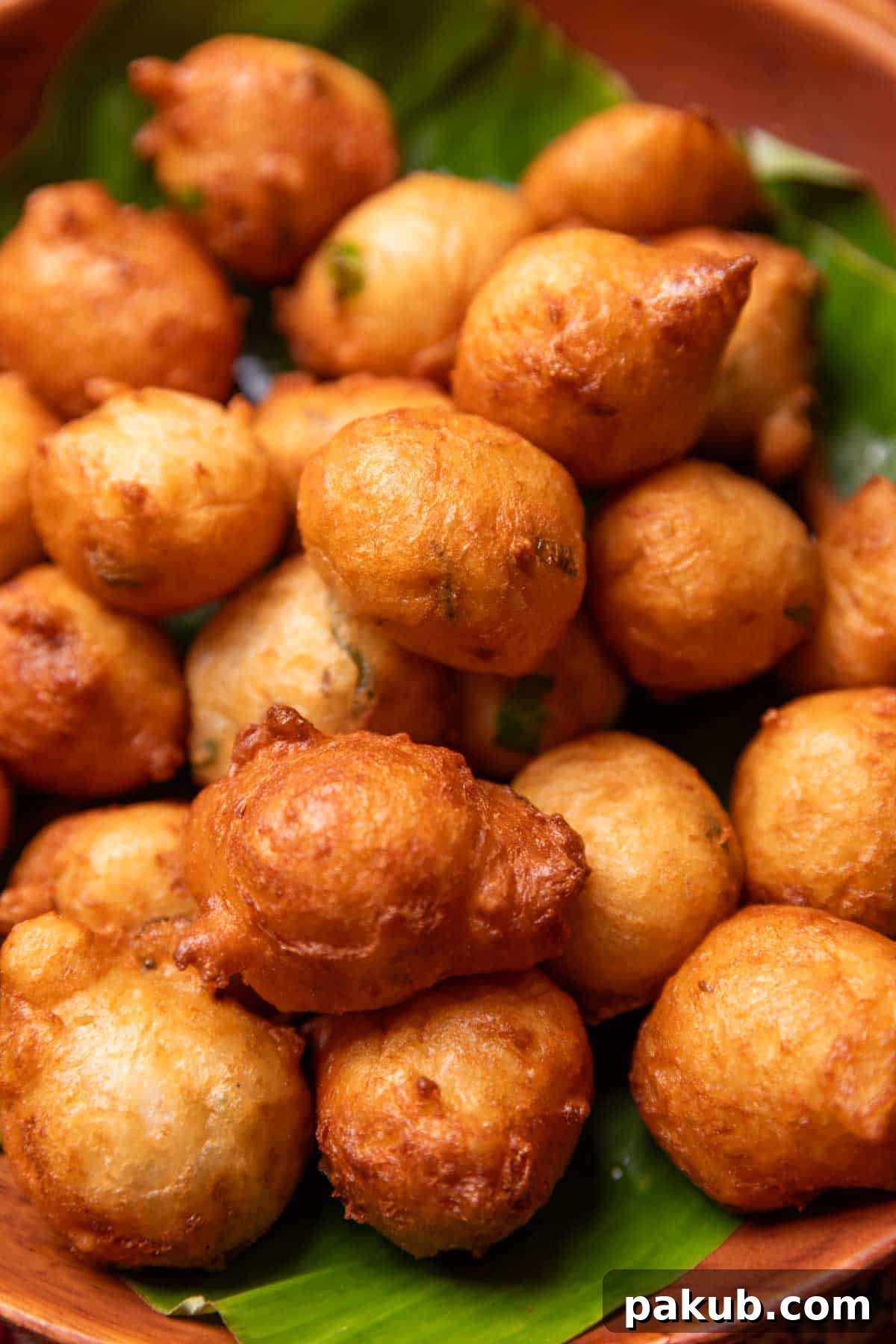
Why You Need to Try This Mangalore Snack
If you’re looking to explore the rich and diverse flavors of South Indian cuisine, Goli Bajji is an absolute must-try. This humble yet incredibly satisfying snack offers a perfect balance of crispy texture and fluffy interior, infused with aromatic spices and fresh herbs. It’s the kind of dish that transports you straight to the bustling streets and warm hospitality of Mangalore with every bite. The ease of this recipe, particularly with our clever dosa batter hack, means that you don’t need to be an expert to recreate this authentic taste in your own kitchen.
Beyond its deliciousness, Goli Bajji is a versatile snack that fits perfectly into any occasion. Whether it’s an impromptu evening snack, a delightful appetizer for guests, or a comforting treat on a rainy day, it never disappoints. Its relatively quick preparation time, thanks to our streamlined method, makes it an ideal choice when you crave something special without spending hours in the kitchen.
We are incredibly excited for you to experience this Mangalore favorite. Get ready to impress your family and friends with a snack that’s packed with flavor and tradition. And this is just the beginning! This month, we’ll be diving deeper into the culinary treasures of Mangalore, sharing more exquisite recipes like the aromatic Mangalore Crab Curry. Make sure to stay tuned, give these recipes a try, and don’t forget to share your delicious creations with us over on my Instagram @my_foodstory! Your culinary adventures inspire us!
Watch How To Make Goli Bajji Video
Goli Bajji | Goli Baje
Richa
10 mins
15 mins
4 hrs
4 hrs 25 mins
4 people
Rate Recipe
Print Recipe
Ingredients
- 1 cup all-purpose flour (maida)
- 1 teaspoon gram flour (besan)
- ½ – ¾ cup curds (yogurt), sub with Greek yogurt
- ⅓ cup dosa batter
- ¾ teaspoon salt
- 1 teaspoon sugar
- ½ teaspoon jeera (cumin seeds)
- 2-3 green chillies, finely chopped
- 20 curry leaves, finely chopped
- 3 tablespoons finely chopped fresh coconut (optional)
- ½ teaspoon cooking soda (baking soda)
Instructions
Preparing the Batter
-
In a large mixing bowl, combine the all-purpose flour (maida), gram flour (besan), curds (yogurt), and dosa batter.
-
Mix these ingredients thoroughly to form a thick and sticky batter. Ensure there are no lumps and the mixture is well combined.
-
Next, add the salt, sugar, jeera (cumin seeds), chopped green chillies, chopped curry leaves, and the optional finely chopped coconut. Mix everything together until all the aromatic ingredients are evenly distributed throughout the batter.
-
Cover the bowl with a lid or cling film and let the batter rest at room temperature for a minimum of 3-4 hours. This resting period is crucial for proper fermentation and achieving the characteristic light texture of Goli Bajji.
Frying the Bajji
-
After the batter has rested, add the cooking soda (baking soda) to it. Whisk the batter very well in a circular motion for about 30 seconds. This step activates the soda and helps incorporate air, ensuring the bajjis puff up beautifully.
-
Check the batter consistency: it should be thick enough to be scooped and dropped, not thin and free-flowing. It should slowly fall from a spoon.
-
Heat oil in a deep kadai or heavy-bottomed pan over medium heat until it is hot. To test, drop a tiny portion of batter into the oil; it should sizzle immediately and rise to the surface without turning brown. If it sinks, the oil needs to be hotter. If it browns too quickly, the oil is too hot (reduce heat).
-
Once the oil is at the correct temperature, carefully take a tablespoon of batter (or small portions with your fingers) and gently drop them into the hot oil. Remember, the bajjis will double in size as they fry, so avoid making them too large initially.
-
Do not overcrowd the pan. Fry a limited number of bajjis per batch to maintain oil temperature and prevent them from sticking together. Fry on medium heat, turning occasionally, until they turn golden brown and uniformly crisp on all sides.
-
Using a slotted spoon, remove the fried bajjis from the oil and transfer them onto a plate lined with a kitchen towel to drain any excess oil.
-
Continue frying the remaining batter in batches until all the Goli Bajji are cooked. These fritters are best served piping hot, as they tend to lose some crispness and turn slightly soggy upon cooling. Enjoy immediately with your favorite chutney!
Video Tutorial
Recipe Notes
- Using finely chopped fresh coconut is optional, but it truly elevates the flavor and adds a pleasant textural bite to the Goli Bajji.
- The resting time for the batter is extremely important to achieve the best results. It allows the flours to hydrate fully and the batter to ferment properly, which is key to light and airy fritters. Do not shorten this time.
Nutrition Information (per serving)
Carbohydrates: 28 g,
Protein: 7 g,
Fat: 6 g,
Saturated Fat: 4 g,
Polyunsaturated Fat: 0.2 g,
Monounsaturated Fat: 0.1 g,
Cholesterol: 15 mg,
Sodium: 741 mg,
Potassium: 62 mg,
Fiber: 2 g,
Sugar: 2 g,
Vitamin A: 193 IU,
Vitamin C: 103 mg,
Calcium: 130 mg,
Iron: 2 mg
Nutritional information is an estimate and may vary based on specific ingredients and preparation methods.
Enjoyed this Goli Bajji recipe?
We’d love to hear from you! Please consider leaving a rating and sharing your thoughts in the comments section below. Your feedback helps us improve and encourages other home cooks!