
Unlock the secrets to safely defrosting chicken with four foolproof methods. Whether you’re short on time or planning ahead, we’ve got the perfect technique to ensure your chicken is thawed safely and ready for delicious meals.

Looking for more essential defrosting advice? Explore our guides on How to Defrost Fish Safely and How to Defrost Prawns Safely for comprehensive food safety tips!
We’ve all been there: dinner plans involving chicken, only to find that precious poultry still a solid block of ice in the freezer. It’s a common kitchen dilemma that can throw a wrench into even the best-laid meal plans. As someone who’s faced this situation more times than I care to admit, I’ve made it my mission to master the safest and most efficient methods for defrosting chicken. And today, I’m thrilled to share these invaluable techniques with you.
Properly defrosting chicken is not just about convenience; it’s a critical step in food safety. Thawing chicken correctly minimizes the risk of bacterial growth, ensuring that your meals are both delicious and healthy. From slow and steady to quick and urgent, these methods are completely safe and incredibly useful to have in your culinary arsenal. Imagine the satisfaction of seamlessly preparing restaurant-style butter chicken or a comforting bowl of chicken shorba, even when starting with frozen ingredients!
Jump to Section: Safe Chicken Defrosting Guide
- Is Frozen Chicken Better Than Fresh?
- Method #1: The Refrigerator – Slow & Safe
- Method #2: Cold Water Immersion – Faster & Reliable
- Method #3: Running Cold Water – Quickest Passive Thaw
- Method #4: Microwave – The Last Resort
- Essential Chicken Thawing Tips for Food Safety
- Frequently Asked Questions About Defrosting Chicken
- Chef’s Expert Defrosting Advice
- Your Next Chicken Favorites 🫶
Is Frozen Chicken Better Than Fresh? Debunking the Myths
For years, many of us harbored misconceptions about frozen chicken, often believing it to be inferior in nutritional value, less healthy, or simply not as safe as its fresh counterpart. It’s time to set the record straight: these beliefs are largely myths. Today, I confidently purchase both fresh and frozen chicken, selecting based on convenience, availability, and specific meal planning needs. But here’s why keeping a supply of frozen chicken in your freezer is a smart move:
- Extended Shelf Life & Cost-Efficiency: Frozen chicken boasts a significantly longer shelf life, making it an economical choice. It also frequently comes at a lower price point than fresh chicken, allowing you to stock up without breaking the bank.
- Ultimate Convenience: Having frozen chicken readily available means you’re always prepared for impromptu meals, unexpected guests, or those sudden cravings. It eliminates the stress of last-minute grocery runs.
- Nutrient Retention & Superior Safety: Commercially frozen chicken is typically flash-frozen immediately after processing at extremely low temperatures. This rapid freezing process locks in nutrients, preventing degradation and ensuring the chicken retains its quality. When thawed correctly, it is absolutely safe for consumption and can be just as nutritious as fresh chicken.
Understanding that frozen chicken is a perfectly safe and often practical choice empowers you to make smarter decisions in the kitchen. Now that we’ve established its safety and benefits, let’s dive into the safest methods to defrost it effectively.
Method #1: The Refrigerator – The Safest & Most Hands-Off Approach
This method is the gold standard for food safety and perfect for those who plan their meals a day or two in advance. While it requires patience, it’s by far the safest and most recommended way to defrost chicken, especially according to food safety experts.
- Preparation is Key: Start by removing the frozen chicken from its original packaging (if desired, or ensure packaging is sealed) and placing it in a large bowl, on a plate, or in a shallow dish. This container will diligently catch any drips or condensation as the chicken thaws, preventing cross-contamination in your refrigerator.
- Overnight Chill: Place the covered bowl or dish in the refrigerator, preferably on the bottom shelf to avoid any potential drips onto other foods. Allow it to thaw overnight or for at least 24 hours. Depending on the size and thickness of the chicken (e.g., a single breast versus a whole five-pound bird), complete thawing can take anywhere from 1 to 2 days.
While this is undoubtedly the slowest method, taking anywhere from 7 to 12 hours for smaller cuts and up to 48 hours for a whole chicken, its primary advantage is unparalleled safety. The constant cold temperature of the refrigerator keeps the chicken below the “danger zone” (40°F to 140°F / 4°C to 60°C), where harmful bacteria multiply rapidly. Furthermore, once thawed in the refrigerator, chicken can remain safely stored for an additional 1-2 days before cooking, offering valuable flexibility. This hands-off process requires minimal attention until you’re ready to cook, making it ideal for busy schedules when pre-planning is possible.
Method #2: Cold Water Immersion – When You Need It Sooner
This method strikes an excellent balance between speed and safety, making it a highly popular choice when you don’t have an entire day to spare. It’s my personal preferred method because it’s significantly quicker than refrigerator thawing without compromising on safety, provided you follow the steps diligently.
- Secure Packaging is Crucial: First, ensure your frozen chicken is in a completely airtight, leak-proof bag. The original packaging often suffices if it’s intact, but if there’s any doubt, transfer it to a heavy-duty zip-top bag, pressing out as much air as possible before sealing. This prevents water from contacting the chicken, which could affect its texture and safety.
- Prepare the Water Bath: Fill a large bowl or your sink with cool tap water. The water must be genuinely cool to the touch, not lukewarm or warm, especially during warmer months. If the tap water feels too warm, add a few ice cubes to bring down the temperature and maintain it below 40°F (4°C).
- Submerge and Refresh: Place the sealed bag of frozen chicken into the cool water, ensuring it is fully submerged. The continuous exposure to cold water helps transfer heat more efficiently than air. Crucially, you must change the water every 30 minutes. This prevents the water from warming up and keeps the chicken out of the bacterial “danger zone.”
This cold water method can defrost chicken completely in approximately 1 to 3 hours, depending on the cut and weight of the chicken. For instance, a pound of chicken breasts might thaw in an hour, while a larger whole chicken could take 2-3 hours. The consistent changing of water is vital; warm water rapidly promotes bacterial growth, making the chicken unsafe for consumption. This method requires a bit more active involvement than refrigerator thawing but delivers thawed chicken much faster, perfect for those times you forgot to plan ahead but still have a few hours.
Method #3: Under Running Cold Water – The Commercial Kitchen Secret
Often favored by professional kitchens for its speed and consistent results, this method uses a constant flow of cold water to rapidly thaw chicken. It’s efficient and highly recommended by chefs for its reliability in quick thawing, though it comes with environmental considerations.
- Waterproof Packaging: Just like with the cold water immersion method, your chicken must be in a secure, leak-proof package or a heavy-duty zip-top bag. This prevents water from saturating the meat and maintains food safety standards.
- Continuous Flow Setup: Place the packaged chicken in a large bowl or directly in a clean sink. Position it under a kitchen tap and allow a thin, steady stream of cold tap water to run continuously over the chicken. The running water ensures a constant cold temperature around the chicken, which accelerates the thawing process compared to stagnant water.
This method can defrost chicken even faster than intermittent cold water immersion because the constant flow prevents the water temperature from rising, thereby maintaining optimal thawing conditions. A pound of chicken can thaw in about 30 minutes, while larger pieces or a whole chicken might take an hour or two. The primary drawback, and why I personally tend to use it less, is the significant water wastage. While incredibly effective for speed, especially in a professional setting where time is money, conscious home cooks might prefer less water-intensive alternatives. If you do use this method, ensure the water remains cold and cook the chicken immediately after thawing.
Method #4: The Microwave – The Absolute Last Resort
When time is truly of the essence and every minute counts, the microwave can be an option. However, it’s crucial to understand that this method should be considered a last resort due to potential impacts on texture, evenness of thaw, and safety risks if not handled correctly. This method is ONLY acceptable if you plan to cook the chicken immediately after defrosting.
- Prepare for Thawing: Remove the chicken from its original packaging and place it in a microwave-safe dish. This prevents any chemical residue from packaging materials from leaching into your food and facilitates even thawing.
- Use the Defrost Setting: Select your microwave’s “defrost” setting, if available, which typically operates at a lower power level. If your microwave doesn’t have this setting, use 30% power. Defrost the chicken in short intervals, usually 1 to 2 minutes at a time.
- Flip and Rotate: After each interval, check the chicken. Flip it, separate any pieces that have thawed, and rearrange them to ensure more even exposure to the microwave energy. This helps prevent hot spots where the chicken might start to cook, while other parts remain frozen.
- Cook Immediately: The most critical rule for microwave-thawed chicken is to cook it immediately after defrosting. Do not let it sit at room temperature, and never refreeze it.
While the microwave can thaw chicken rapidly, often in minutes, it comes with significant downsides. The high heat can quickly start to cook the edges of the chicken, leading to an uneven texture – some parts might be rubbery, while others are still icy. This uneven heating also creates prime conditions for bacteria to multiply, making immediate cooking an absolute necessity to kill any potential pathogens. For the best culinary results and safety, explore the other methods first.
Essential Chicken Thawing Tips for Food Safety
Understanding and implementing proper food safety practices when handling raw chicken is paramount to preventing foodborne illness. Here are critical guidelines to ensure your chicken is safe and delicious:
- Immediate Cooking After Microwave Thawing: If you use the microwave to defrost chicken, it is imperative to cook it immediately afterward. The microwave’s uneven heating can bring parts of the chicken into the “danger zone” (40°F to 140°F / 4°C to 60°C), where bacteria multiply rapidly. Cooking thoroughly right away eliminates these risks.
- Never Refreeze Thawed Chicken: Once chicken has been fully defrosted, it should not be refrozen. Refreezing can degrade the chicken’s texture, making it tough and dry upon subsequent cooking. More importantly, each thawing cycle allows bacteria to multiply. Freezing again doesn’t kill these bacteria; it merely makes them dormant. When thawed a second time, they can multiply to unsafe levels.
- Avoid Thawing at Room Temperature: Never leave frozen chicken on the kitchen counter or in warm water to thaw. The exterior of the chicken will quickly warm up to the danger zone long before the interior has defrosted, creating a perfect breeding ground for harmful bacteria like Salmonella and E. coli. The core might still be frozen, while the surface is teeming with pathogens.
- Prevent Cross-Contamination: Always keep thawing chicken separate from other foods, especially ready-to-eat items. Use dedicated dishes and utensils, and thoroughly wash your hands, cutting boards, and any surfaces that come into contact with raw chicken.
- Check for Full Thaw: Before cooking, ensure your chicken is completely defrosted. Press on the thickest part; it should feel soft and pliable, not hard or icy. Partially frozen chicken will cook unevenly, potentially leaving unsafe raw spots.
Frequently Asked Questions About Defrosting Chicken
The safest and most recommended way to defrost cooked chicken is to transfer it from the freezer to the refrigerator overnight. Allow it to thaw completely. Once fully defrosted, reheat it thoroughly on the stovetop, in the oven, or in the microwave until it reaches an internal temperature of 165°F (74°C). Defrosting time will vary based on the quantity and cut. For convenience, it’s advisable to freeze cooked chicken in smaller, single-serving portions to avoid defrosting large batches unnecessarily.
While some ovens have a dedicated defrost function, using the oven to merely defrost cooked chicken isn’t generally recommended as it can dry out the meat. If your oven has a “defrost” setting, you could place the frozen cooked chicken in an oven-safe dish and use this function for about 10-15 minutes, flipping every few minutes. However, it’s best to reheat directly from frozen or after thawing in the refrigerator if you want to maintain moisture and texture. Always ensure it’s heated through to 165°F (74°C) to be safe.
To check if chicken is fully defrosted, gently press on the thickest part of the meat. It should feel pliable and soft, with no hard, icy spots remaining. If you feel any resistance or hardness, it means there are still frozen sections, and the chicken needs more time to thaw. Visually, the chicken should also have its natural raw color throughout, without any opaque, frozen patches.
The “danger zone” for food, including chicken, is the temperature range between 40°F (4°C) and 140°F (60°C). Within this range, harmful bacteria can multiply rapidly, potentially reaching dangerous levels in just a few hours. It is crucial to keep chicken below or above this zone during thawing and cooking to ensure safety.
Chef’s Expert Defrosting Advice
- Prioritize the Refrigerator Method: While other methods offer speed, the refrigerator thaw remains the safest. Plan ahead whenever possible to utilize this method, as it ensures even thawing and maximum flexibility.
- Always Use a Drip Pan: No matter which method you choose, always place thawing chicken in a bowl or on a plate. This simple step prevents raw chicken juices from contaminating other foods or surfaces, a critical aspect of kitchen hygiene.
- Cook Promptly: Chicken defrosted using the cold water or microwave methods should be cooked immediately. Refrigerator-thawed chicken offers a window of 1-2 days, but fresh is always best.
- Temperature is Key: Invest in a reliable food thermometer. It’s your best tool for ensuring chicken reaches a safe internal temperature of 165°F (74°C) during cooking, eliminating any lingering safety concerns.
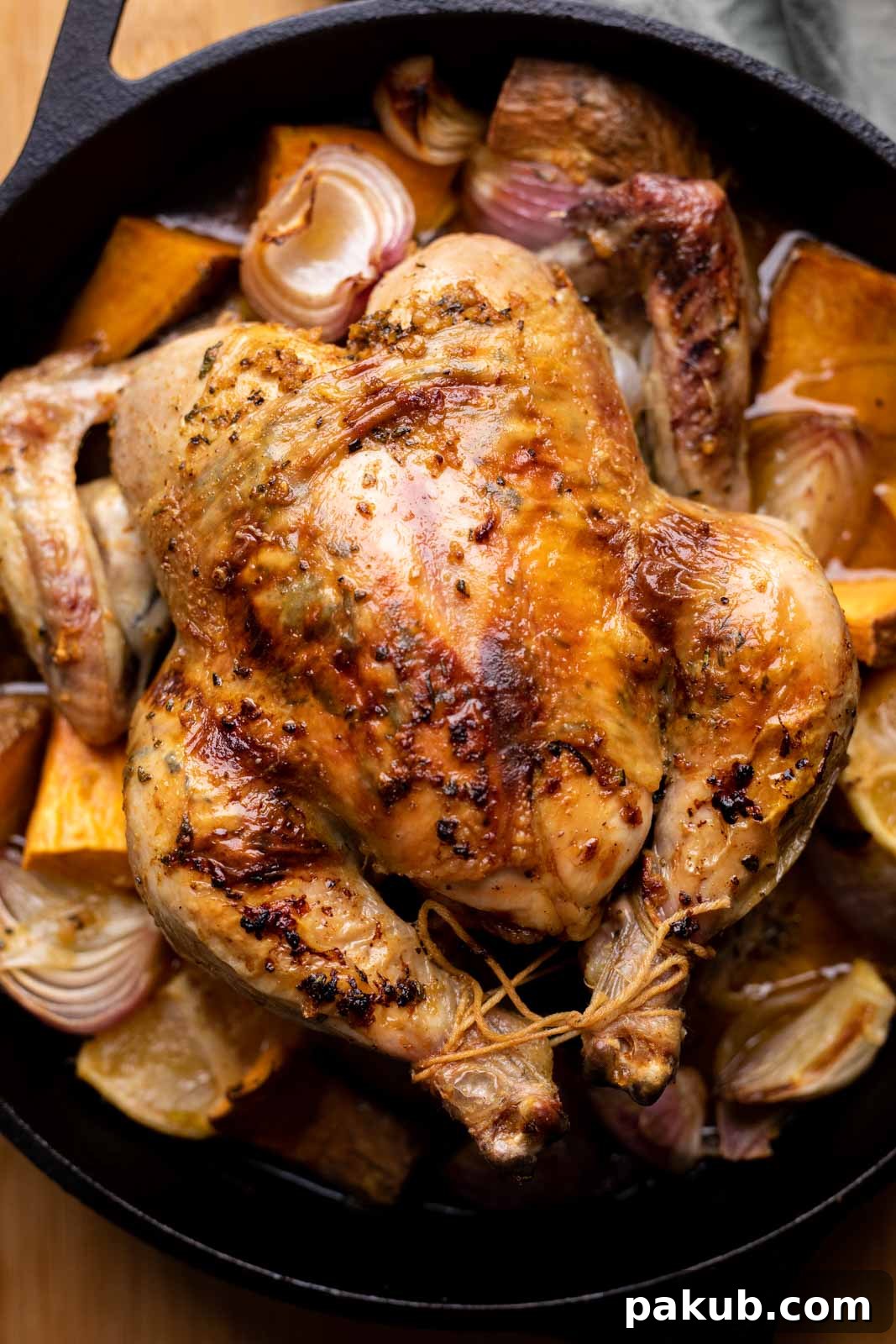
Now that your chicken is perfectly defrosted and safe, the culinary possibilities are endless! If you’re seeking inspiration for your next meal, explore some of my absolute favorite chicken recipes below. They are sure to delight your taste buds and impress your family and friends:
Your Next Chicken Favorites 🫶
Indian Recipes
Dhaba Style Chicken Curry
Indian Recipes
The Best Chicken Biryani (Step by step video recipe)
Curry
Restaurant Style Butter Chicken Masala (Murgh Makhani)
Slow Cooker Recipes
Slow Cooker Chicken Curry
For even more culinary inspiration, I have tonnes of quick, easy, and fun chicken recipes available right here on the blog! Simply use the search bar to type “chicken” and explore a vast collection of dishes to suit every taste and occasion. Happy cooking!