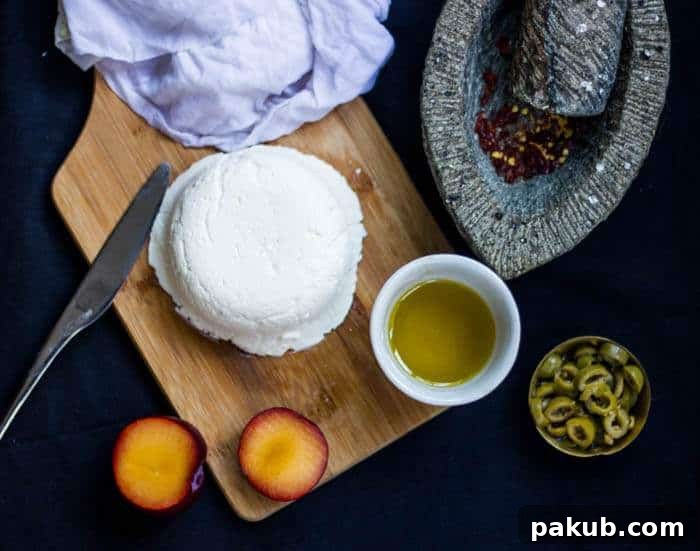
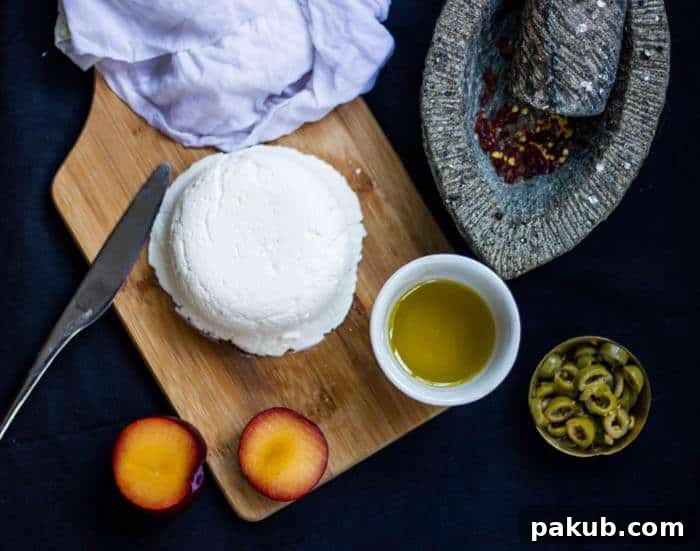
Homemade Cream Cheese: Unlock Creaminess with This Two-Ingredient Labneh Method
It might seem astonishing, but until just last week, I had never once attempted to bake a cheesecake. As an enthusiastic home baker who relishes trying all manner of recipes, the thought of creating a cheesecake from scratch always presented an intimidating mental hurdle, causing me to hesitate. Looking back, it feels quite ridiculous, doesn’t it?
Yet, such scenarios are not uncommon. There are moments when, for some inexplicable, elusive reason, you find yourself unable to take that initial step towards a task, even when you possess the knowledge and capability. And then, the day you finally decide to confront it, you realize all your fears were unfounded. The process unfolds with unexpected ease, almost as if it were second nature.
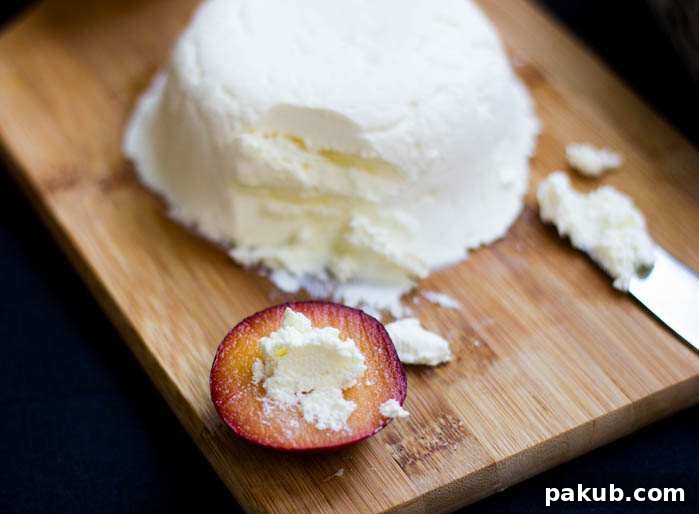
This exact revelation occurred for me last week. My journey began with a successful endeavor to craft cream cheese entirely from scratch. Indeed, that incredible process is precisely what I’m excited to share with you today. But first, allow me to complete the story of my cheesecake triumph.
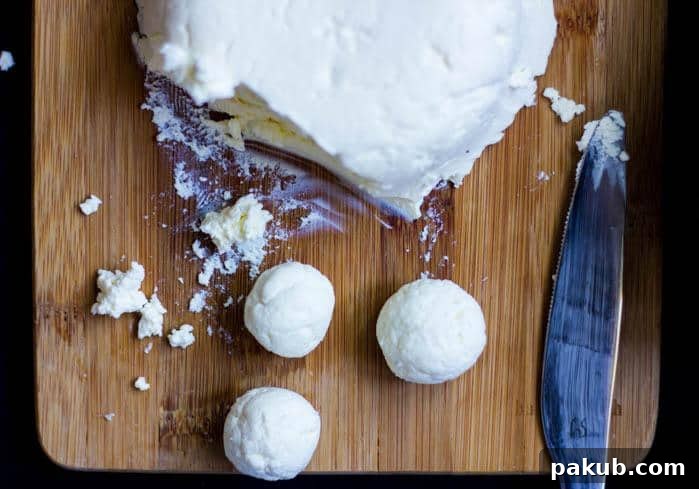
After my initial forays into making homemade cream cheese, which, to my delight, were all met with great success, I found myself with a generous quantity of this delicious creation. It was a testament to simple ingredients yielding impressive results. I enjoyed it in various ways: generously spread on warm, crusty toast, scooped up with soft pita bread dipped in fragrant olive oil (a heavenly combination I still crave!), and even surprisingly paired with slices of ripe plums and crisp apples (don’t knock it until you’ve tried it – the contrast is truly amazing!). Despite all these wonderful applications, I still had a substantial amount of cream cheese remaining. Naturally, the thought turned to cheesecake. But even with my fresh cream cheese, the concept of baking a cheesecake from the ground up still felt like staring down a formidable culinary challenge.

Seeking expertise, I reached out to my friend Aditi, whom I’ve dubbed “The Cheesecake Queen.” Her Instagram feed is consistently adorned with breathtaking cheesecake photos, a visual feast for which I playfully hold her accountable! True to her title, she came through with a recipe that was an absolute sensation. I shared the cheesecake with friends, and it was met with rave reviews! Light, exquisitely creamy, perfectly tart, and so much more – precisely what a superb cheesecake should be. And just like that, my long-standing fear of cheesecakes vanished into thin air. In fact, as we speak, another batch of homemade cream cheese is diligently draining, awaiting its destiny as the star of yet another perfectly baked cheesecake.

Why Make Cream Cheese at Home? The Unbeatable Advantages of DIY
While I could endlessly extol the virtues of my delicious cheesecake, it’s time to shine a spotlight on its unsung hero: homemade cream cheese. The true magic of this recipe lies in its sheer simplicity and the exceptional quality of the final product. With absolutely no cooking required, the result is a phenomenal cream cheese that is strikingly similar to, if not superior than, popular store-bought brands like Philadelphia. Crafting your own cream cheese at home offers a myriad of advantages that elevate your culinary endeavors.
First and foremost, the flavor profile is simply incomparable. When you prepare cream cheese yourself, you gain complete command over the freshness and quality of every ingredient. Utilizing good quality, full-fat yogurt and a hint of salt yields a clean, bright, tangy, and deeply rich flavor that often surpasses the more generic, sometimes processed taste of commercial versions. You’ll notice a distinct creaminess and a delightful tartness that genuinely awakens the taste buds.
Secondly, homemade cream cheese is inherently free from the artificial stabilizers, preservatives, and obscure ingredients frequently found in mass-produced products. You have transparent knowledge of exactly what goes into your food, making it a more natural, wholesome, and often healthier alternative for you and your family. This level of ingredient control is a significant benefit for anyone prioritizing a clean diet.
Moreover, it proves to be surprisingly economical. The main ingredient, a large container of quality yogurt, typically costs less than an equivalent amount of premium store-bought cream cheese. Over time, for regular cream cheese users, these savings can accumulate substantially. Beyond the practical benefits, there’s an immense sense of satisfaction and accomplishment derived from transforming basic ingredients into something so versatile and utterly delicious.
The Labneh Connection: An Ancient, Simple Straining Technique
The method employed for creating this homemade cream cheese is deeply rooted in the traditional preparation of Labneh, a beloved strained yogurt cheese prominent in Middle Eastern cuisine. While the process requires a degree of patience due to its extended resting periods, the active preparation time is remarkably short and incredibly rewarding. Historically, Labneh is made by lightly salting full-fat yogurt and then meticulously straining it through a fine-weave cloth, allowing the excess liquid, or whey, to slowly drip away. This natural dehydration concentrates the yogurt’s milk solids, transforming it into a thick, lusciously spreadable cheese characterized by its distinct tangy flavor and velvety-smooth texture.
Our homemade cream cheese recipe cleverly adopts this ancient, time-tested technique. By permitting the yogurt to drain for an ample duration, we efficiently remove the excess moisture, which is the key step that converts runny yogurt into a firm, rich, and spreadable consistency, mirroring that of conventional cream cheese. The initial straining phase extracts a considerable amount of liquid, and a subsequent pressing period ensures an even denser, firmer, and more refined product. This approach is wonderfully straightforward, relying more on natural gravity and time than on complex culinary skills or specialized kitchen gadgets, making it perfectly accessible for home cooks of all experience levels.
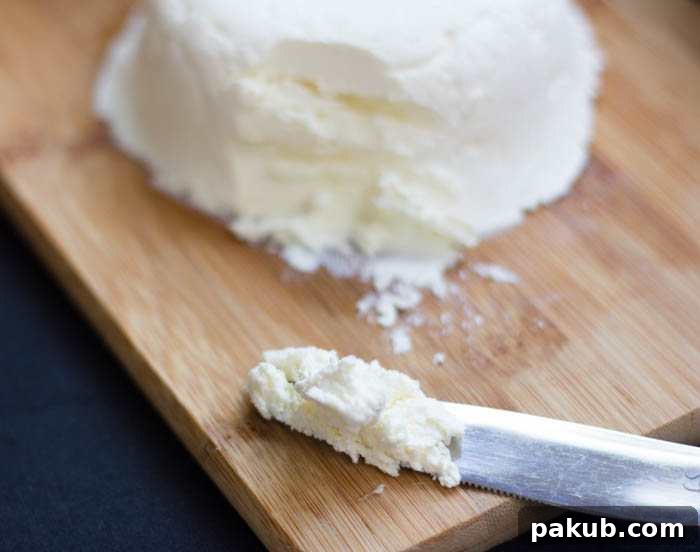
For another simple and quick dairy project, be sure to explore my tutorial on How To Make Homemade Paneer (Cottage Cheese) In 15 Minutes!
Homemade Cream Cheese: The Two-Ingredient Recipe
Homemade Cream Cheese
By: Richa
Learn to craft your own velvety smooth, creamy, and wonderfully tangy homemade cream cheese with just two simple ingredients. This versatile cheese is perfect for elevated cheesecakes, delectable frostings, or simply as a fresh spread.
Prep time: 20 minutes
Resting Time: 3 days
Total time: 3 days 20 minutes
Yields: 2 Portions (approx. 2 cups)
Ingredients
- 1 Kilogram (approx. 2.2 lbs) Full-Fat Yogurt (commercially available plain curds work well)
- 1 teaspoon Salt (adjust to taste)
- Several layers of Muslin Cloth or Cheesecloth
Instructions
- Prepare the Draining Station: Begin by layering several sheets of clean muslin cloth or cheesecloth over a colander or a fine-mesh sieve. Position this colander over a deep bowl, ensuring there’s ample space beneath for the whey to collect without touching the colander. Carefully pour the entire kilogram of yogurt into the cloth-lined colander. You will immediately observe a clear, yellowish liquid, known as whey, beginning to drip into the bowl below.
- Initiate the First Drain: Gently gather all the edges of the muslin cloth, bringing them together to form a secure bag around the yogurt. Tie this bag tightly with a piece of string or kitchen twine. To suspend the yogurt, tie the string around the center of a wooden spoon. Place the wooden spoon across the rim of the deep bowl, allowing the yogurt bag to hang freely above the collected whey. This arrangement ensures continuous drainage.
- First Refrigeration (24 Hours): Place the entire draining apparatus (bowl with whey, colander, and suspended yogurt bag) into the refrigerator. It is crucial to maintain cold temperatures throughout this process to prevent spoilage. Over the next 24 hours, periodically check the bowl and discard any accumulated whey. The key is to prevent the yogurt bag from becoming submerged in the whey, which would halt the straining. Remember, the whey is a valuable byproduct; you can save it to use in baking (e.g., kneading dough for bread), smoothies, or even for lacto-fermentation.
- Season and Mix: After the initial 24 hours of draining, remove the yogurt bag from the refrigerator and untie it. At this point, the yogurt should have significantly thickened, taking on a texture similar to soft cream cheese. Transfer this thickened yogurt into a clean mixing bowl. Add the 1 teaspoon of salt (or adjust according to your preference for a sweeter or saltier cheese) and mix thoroughly until the salt is evenly incorporated.
- Second Pressing (1-2 Days): Take the same clean muslin cloth (or use a fresh one) and line a clean bowl with it. Transfer the salted, thickened cream cheese into this lined bowl. Wrap the excess cloth neatly over the top, completely covering the cheese. Now, place a heavy weight directly on top of the wrapped cream cheese. This could be a heavy dinner plate, a smaller bowl filled with water, or even a brick wrapped in plastic wrap. This pressing step is vital for extracting additional moisture, resulting in a much firmer, denser cream cheese. Return this weighted setup to the refrigerator for an additional 1 to 2 days. The longer it presses, the firmer your final cream cheese will be.
- Reveal and Enjoy: Once the pressing period is complete (typically 2 full days for optimal firmness), remove the heavy weight, carefully unwrap your creation, and behold – your beautifully rich, homemade cream cheese is ready to be savored!
- Yield: This recipe typically yields approximately 2 cups of delicious finished cream cheese.
Nutrition Information (Per Serving, Estimated)
- Calories: 305 kcal
- Carbohydrates: 23g
- Protein: 17g
- Fat: 16g
- Saturated Fat: 10g
- Cholesterol: 65mg
- Sodium: 1393mg
- Potassium: 775mg
- Sugar: 23g
- Vitamin A: 495IU
- Vitamin C: 3mg
- Calcium: 605mg
- Iron: 1mg
Tips for Crafting the Perfect Batch of Homemade Cream Cheese
Achieving the ideal consistency and exquisite flavor for your homemade cream cheese is quite simple when you keep a few crucial considerations in mind:
- Select Premium Yogurt: The cornerstone of exceptional homemade cream cheese is the quality of your yogurt. Always opt for full-fat, plain, and unsweetened yogurt. Full-fat varieties provide the necessary richness and creaminess. While Greek yogurt can be used, be aware that it is already strained, so you might need to adjust the draining times to prevent it from becoming overly dry. Steer clear of low-fat or flavored yogurts, as they will not yield the desired creamy texture or pure taste.
- Utilize High-Quality Cheesecloth or Muslin: The straining cloth is paramount. Ensure you use a clean, tightly woven muslin cloth or a good quality cheesecloth. If your cloth feels too thin, layer several pieces together to prevent any yogurt solids from seeping through during the draining process.
- Maintain Consistent Cold Temperatures: It is absolutely essential that the entire draining and pressing procedure occurs within the cold environment of your refrigerator. This critical step not only prevents the yogurt from spoiling but also ensures that the cream cheese develops its texture and flavor properly.
- Embrace Patience: Do not rush the draining process. The extended resting and pressing times are fundamental for extracting sufficient whey, which is key to achieving that signature firm, spreadable, and thick cream cheese consistency. If you desire an even firmer cheese, simply allow it to drain and press for a longer duration.
- Preserve the Whey: As mentioned previously, the drained whey is a remarkably versatile and nutritious byproduct. Instead of discarding it, consider repurposing it in your kitchen. It can be an excellent substitute for water in baking recipes (like kneading dough for bread or chapatis), a healthy addition to smoothies, or even a starter for various fermentation projects.
- Adjust Salt to Personal Preference: While the recipe suggests 1 teaspoon of salt, this is merely a guideline. Feel empowered to adjust the amount to suit your personal taste. If your primary use for the cream cheese will be in sweet desserts, you might opt for slightly less salt. Conversely, if you plan to use it predominantly in savory dishes, a little extra salt can enhance its tangy profile.
Creative Ways to Enjoy Your Versatile Homemade Cream Cheese
Once you’ve savored the unparalleled freshness and creamy goodness of your homemade cream cheese, you’ll discover an endless array of possibilities for incorporating it into your culinary repertoire. Its remarkable versatility is truly one of its most appealing attributes:
- Elevate Cheesecakes and Desserts: This is arguably where homemade cream cheese shines brightest! Its rich, distinctively tangy profile is absolutely perfect for crafting classic baked cheesecakes, delicate mini mango cheesecakes, indulgent caramel pumpkin pie cheesecake dips, light no-bake mousse jars, vibrant passion fruit cheesecake jars, or fresh strawberry cheesecake recipes. The superior flavor of homemade cream cheese will unquestionably elevate any dessert.
- Gourmet Savory Spreads and Dips: Bid farewell to ordinary store-bought spreads. Your homemade cream cheese is magnificent when generously spread on toasted bagels, crusty artisanal bread, or crispy crackers. For a savory delight, blend in fresh herbs such as finely chopped chives, dill, or parsley, minced garlic, a pinch of freshly ground black pepper, or a dash of red chili flakes. Serve it as an elegant dip alongside fresh vegetable crudités or warm, fluffy pita bread, perhaps with a luxurious drizzle of high-quality olive oil, just as I so deliciously discovered.
- Enhance Baking and Frostings: Substitute commercial cream cheese with your homemade version in your cherished frosting recipes for cupcakes, moist carrot cakes, or decadent red velvet cakes. The outcome will be a lighter, more vibrant, and fresher-tasting frosting with a truly superb texture. It can also be cleverly incorporated into savory tarts, quiches, or even creamy pasta sauces for added richness and depth.
- Discover Unique Pairings: My adventurous discovery of pairing the tangy cream cheese with sweet, ripe plums and crisp apples might sound unconventional, but trust me, the creamy and tart notes of the cheese create a perfect symphony with the natural sweetness of fresh fruits. Don’t hesitate to experiment with other fruits like juicy berries, tender peaches, or even grilled pineapple for an exciting flavor combination.
- Boost Your Breakfast: Swirl a generous dollop of homemade cream cheese into your morning oatmeal or a bowl of plain yogurt for an added protein kick, enhanced creaminess, and a delightful tang. For a truly decadent start to your day, incorporate it into scrambled eggs, making them exceptionally rich and fluffy.
Conclusion: Embrace the Delight of Homemade Cream Cheese
Making cream cheese at home is far more than just a means to save money or avoid artificial additives; it’s an enriching journey into a simple, deeply satisfying culinary process that consistently yields a superior product. The transformation from humble yogurt to a rich, tangy, and wonderfully versatile cream cheese is a beautiful testament to the power of traditional techniques and the virtue of patience. With just two basic ingredients and a little dedicated time, you gain the ability to create an indispensable culinary component that will undoubtedly elevate your baking, cooking, and everyday meals to new heights. So, cast aside any lingering store-bought fears and embark on your own delightful homemade cream cheese adventure today!
More Cream Cheese Inspired Recipes to Explore:
- Mini Mango Cheesecakes
- Caramel Pumpkin Pie Cheesecake Dip
- No Bake Mango Cheesecake Mousse Jars
- 8 ingredient Passion Fruit Cheesecake Jars
- No Bake Strawberry Cheesecake Jars
If you decide to give this incredible homemade cream cheese recipe a try, I would absolutely love to hear your thoughts and experiences! Please feel free to connect with me on Facebook and Twitter to share your culinary successes.
And for a continuous stream of drool-worthy updates, inspiring recipes, and behind-the-scenes culinary adventures, make sure to follow me on Instagram! Enjoy your homemade creations!
Did you enjoy this recipe? We encourage you to rate it and share your feedback in the comments section below!