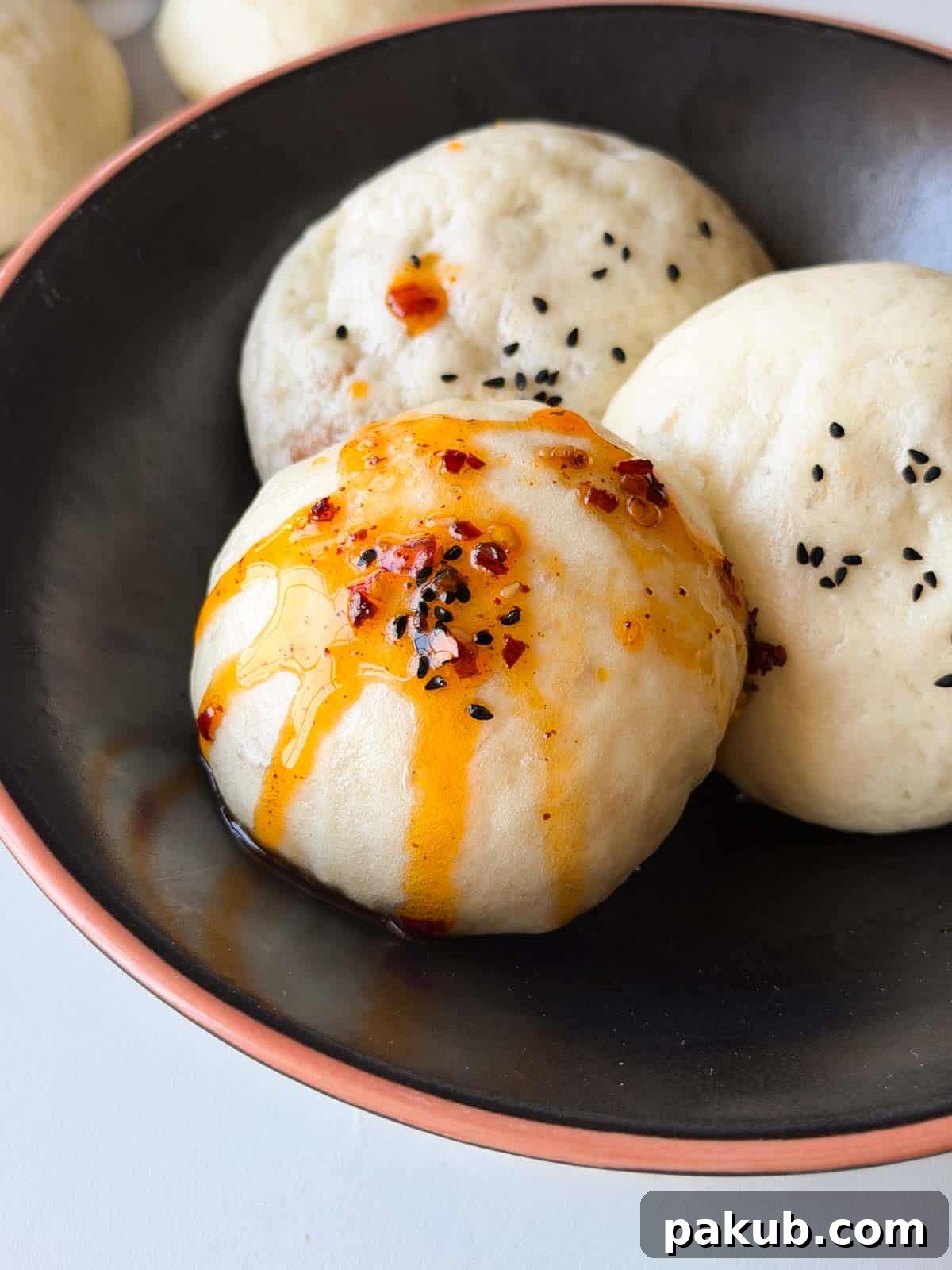
Steamed buns or Baozi are pillow-y soft, cloud-like buns with a delicious filling. These are easy to make, come together quickly, delicious, and the filling options are endless!
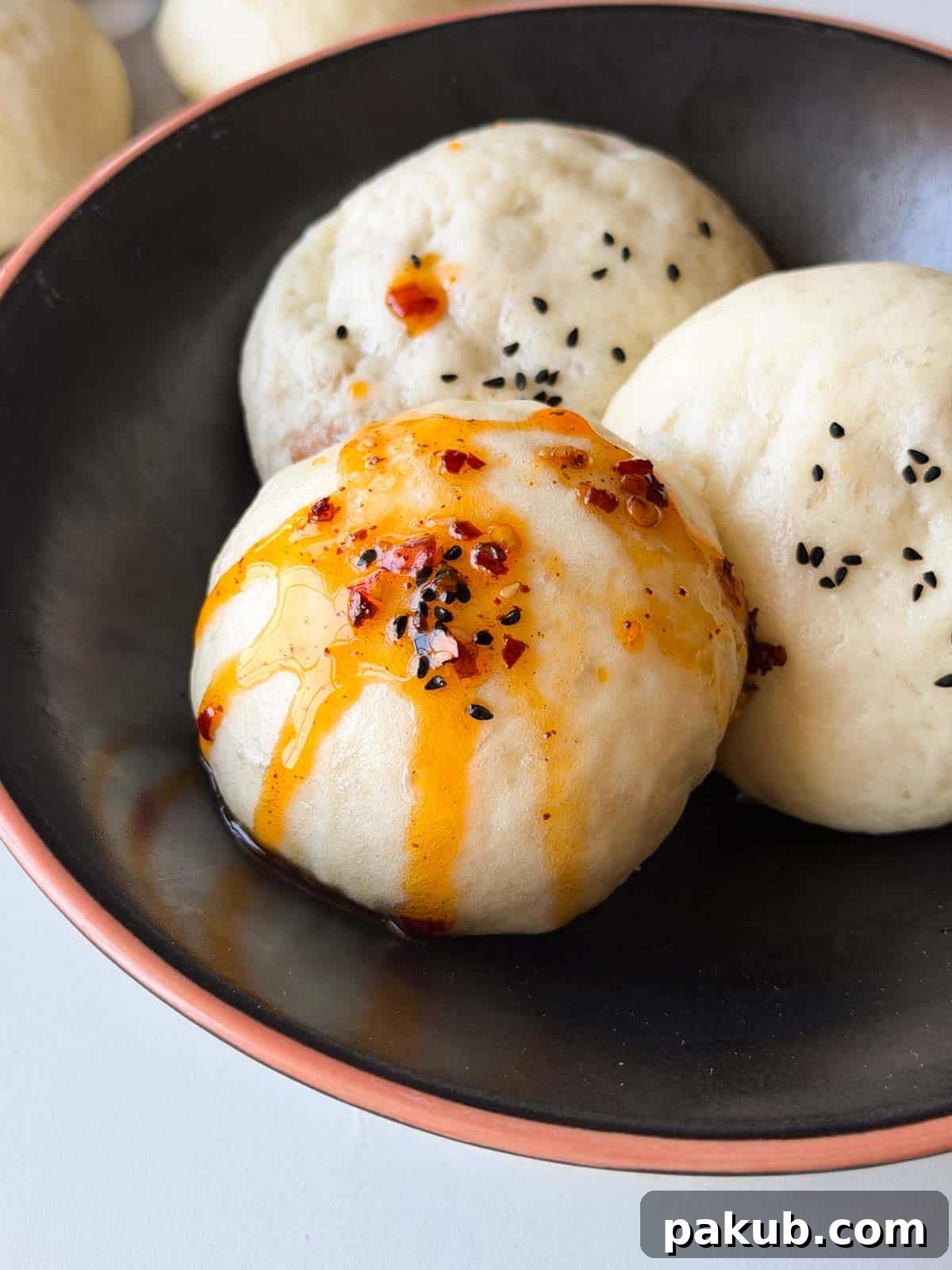
Mastering Homemade Steamed Buns (Baozi): Your Ultimate Guide to Fluffy Perfection
Chinese Steamed Buns, affectionately known as Baozi, are a culinary masterpiece that, once experienced, often become an instant favorite. These delightful buns are a beloved staple across various Asian cuisines, celebrated for their incredibly soft, airy, and cloud-like texture, perfectly complementing a myriad of flavorful fillings. While their delicate appearance might suggest a complex process, embarking on the journey of making homemade baozi is surprisingly straightforward and immensely satisfying.
Forget the notion that gourmet steamed buns are only for restaurant tables. With just a few common pantry ingredients and this comprehensive, easy-to-follow guide, you’ll be able to craft perfect, fluffy baozi right in your own kitchen. This article will equip you with all the knowledge, from understanding the core ingredients and their roles to mastering the art of dough preparation, precise shaping techniques, and foolproof steaming methods, ensuring your baozi consistently turn out soft, plump, and utterly delicious.
What Exactly Are Steamed Buns (Baozi)?
Baozi refers to a broad category of filled, leavened buns prevalent throughout Chinese gastronomy. Distinct from open-faced steamed buns like gua bao, baozi are entirely enclosed, encasing their savory or sweet fillings within a soft, white dough. The magic behind their signature texture lies in the wheat-based, yeast-leavened dough, which, when steamed, expands to create a wonderfully light and tender crumb. Steaming, as opposed to baking or frying, contributes to their unique delicate texture and moist interior. These versatile buns are enjoyed at any meal of the day – from a quick breakfast to a hearty lunch, a satisfying dinner, or even as a delightful snack – and their popularity continues to grow globally.
A Journey Through Time: The Brief History of Baozi
The origins of baozi are steeped in ancient Chinese history and fascinating legends. One popular tale attributes the invention of the steamed bun to Zhuge Liang, a renowned military strategist during China’s Three Kingdoms period (220-280 AD). According to the legend, while Zhuge Liang’s army was returning from a victorious campaign, they encountered a treacherous river whose crossing was hindered by a plague. Local customs dictated that human sacrifices were necessary to appease the river god for safe passage. To spare his men, Zhuge Liang devised a clever alternative: he ordered his soldiers to craft buns shaped like human heads, filled with meat, and offered them to the river. These “barbarian’s head” buns, or “mán tóu” (蠻頭), are believed to be the precursor to today’s mantou (plain steamed buns) and baozi (filled steamed buns). Over the centuries, baozi have evolved, giving rise to countless regional variations across China, each reflecting local ingredients and culinary traditions, solidifying their status as a beloved and enduring comfort food.
The Joy of Homemade: Why Make Your Own Steamed Buns?
While excellent baozi can be found in specialty Asian markets and restaurants, the experience of making them from scratch at home offers a multitude of benefits:
- Unparalleled Freshness: There’s simply no comparison to the taste and aroma of a warm, freshly steamed bun straight from your kitchen. The dough is at its most tender, and the filling is bursting with vibrant flavors that only fresh preparation can deliver.
- Complete Customization: Homemade baozi put you in the driver’s seat. You have full control over every ingredient, allowing you to tailor the seasonings, select your preferred meats or vegetables, and even experiment with unique sweet fillings. This is especially beneficial for accommodating dietary preferences or restrictions.
- Economical Cooking: Crafting baozi from scratch is often significantly more cost-effective than purchasing them ready-made, particularly if you plan on preparing a larger batch for family meals, entertaining guests, or weekly meal prep.
- A Rewarding Culinary Skill: Learning the art of baozi making is a deeply satisfying endeavor. It’s a fun and engaging kitchen project that hones your dough-handling and shaping techniques, boosting your confidence as a home cook.
- Healthier Choices: By preparing your own steamed buns, you can ensure the use of high-quality, fresh ingredients and avoid artificial additives, preservatives, or excessive amounts of unhealthy fats that might be present in commercially produced options.
Essential Ingredients for Your Fluffy Baozi Dough
The secret to perfect, pillow-soft steamed buns lies in a few humble, yet crucial, ingredients. Each component plays a specific and vital role in creating that desirable airy and tender dough texture. Here’s a detailed look:
- All-Purpose Flour (Maida): This is the foundation of our baozi dough. Its moderate protein content strikes the perfect balance, allowing the dough to develop enough gluten for elasticity without becoming overly chewy, resulting in a tender crumb. For optimal results in this recipe, it is highly recommended to use all-purpose flour.
- Instant Yeast: The primary leavening agent, instant yeast is responsible for generating the carbon dioxide that makes the dough rise and creates the fluffy, airy pockets characteristic of baozi. Instant yeast is convenient because it can be mixed directly with other dry ingredients without needing to be proofed in liquid beforehand.
- Baking Powder: While yeast performs the main leavening, a small amount of baking powder acts as a supplementary leavener. It provides an extra boost of lift, contributing to a finer crumb and an even lighter, more delicate texture in the finished buns.
- Sugar: Beyond adding a subtle sweetness, sugar is crucial for several reasons. It serves as food for the yeast, which helps activate it and encourages robust rising. Furthermore, sugar helps tenderize the dough and contributes to a beautiful, subtle flavor balance that complements both savory and sweet fillings.
- Salt: A fundamental seasoning, salt enhances the overall flavor of the dough and balances the sweetness. It also plays a critical role in regulating yeast activity, ensuring a controlled and consistent rise for the perfect texture.
- Lukewarm Milk: Opting for milk instead of water is a key step towards achieving richer, softer, and more tender baozi. The milk’s fat content adds a delicate richness to the dough. It’s vital that the milk is lukewarm (around 105-115°F or 40-46°C); this temperature is ideal for activating the yeast without being hot enough to kill it.
- Cooking Oil: Used sparingly, a small amount of cooking oil is applied during the process. Primarily, it’s brushed onto the buns or parchment paper to prevent them from sticking to the steamer basket. It also helps achieve a slightly smooth and glossy exterior on the finished baozi.
Unleash Your Creativity: Diverse Baozi Filling Ideas
One of the most exciting aspects of making homemade steamed buns is the boundless potential for fillings. While traditional pork baozi are a timeless favorite, don’t hesitate to explore a wide array of options to suit every palate and dietary need. Here are some inspiring ideas to get your culinary creativity flowing:
Savory Meat Fillings:
- Classic Pork Baozi: This universally loved filling typically consists of seasoned ground pork, often mixed with finely chopped napa cabbage or bok choy, fresh ginger, minced garlic, green onions, a splash of soy sauce, sesame oil, and a hint of oyster sauce or Shaoxing wine for depth. For a convenient and delicious starting point, the savory base of my chicken momos filling translates beautifully into a pork or chicken baozi filling.
- Spicy Chicken Baozi: A flavorful alternative, using ground chicken seasoned with aromatic ginger and garlic, a kick of chili flakes or a touch of sriracha, and finely diced vegetables such as carrots and bell peppers. This offers a delightful zing.
- Hearty Beef and Mushroom: Lean ground beef paired with sautéed onions, earthy mushrooms, and a rich sauce made with soy sauce, black pepper, and a subtle infusion of five-spice powder for an umami-rich experience.
- Delicate Shrimp and Chive: A light yet incredibly flavorful option, featuring finely chopped shrimp combined with fresh chives, minced ginger, and a simple seasoning of soy sauce and white pepper to highlight the seafood’s natural sweetness.
- BBQ Pork (Char Siu Bao): A renowned Cantonese dim sum favorite. This involves dicing succulent roasted char siu pork and tossing it in a signature sweet and savory barbecue sauce. While it requires preparing the char siu separately, the result is truly exceptional.
Vegetarian and Vegan Fillings:
- Earthy Mushroom and Tofu: A hearty and satisfying plant-based option. It combines finely chopped dried shiitake mushrooms (rehydrated), crimini or oyster mushrooms, crumbled firm tofu, soy sauce, fresh ginger, and plenty of fresh green onions.
- Vibrant Mixed Vegetable Medley: A colorful and nutritious filling featuring finely shredded cabbage, grated carrots, rehydrated wood ear mushrooms, and glass noodles, all seasoned with soy sauce, toasted sesame oil, and a pinch of white pepper. My vegetarian momos with soya filling provides an excellent and flavorful base for a completely plant-based baozi.
- Curried Potato and Pea: A delightful fusion twist, incorporating diced, cooked potatoes mixed with aromatic curry powder, sweet green peas, finely chopped carrots, and fresh cilantro for a comforting and subtly spiced bun.
- Spicy Cabbage and Carrot: A simple yet flavorful choice, featuring julienned cabbage and carrots stir-fried with fragrant garlic, ginger, and a touch of chili oil for a gentle heat.
Sweet Fillings for Dessert Baozi:
- Classic Red Bean Paste: A traditional and beloved sweet filling made from sweetened adzuki beans, offering a wonderfully smooth texture and a distinctively Asian sweetness that beautifully complements the fluffy dough.
- Creamy Custard (Lai Wong Bao): A popular choice in dim sum, this indulgent filling features a rich, smooth egg custard that becomes molten and creamy when steamed, providing a luxurious sweet treat.
- Nutty Black Sesame Paste: Ground black sesame seeds mixed with sugar and a touch of oil create an aromatic, nutty, and distinctly flavorful sweet paste.
When preparing any filling, remember to chop all ingredients finely for even texture and cooking. Ensure your filling is well-seasoned to stand out against the mild dough. It should be moist but not overly wet, as excessive liquid can make sealing the buns challenging and may result in soggy bottoms.
Quick Navigation
- What Exactly Are Steamed Buns (Baozi)?
- A Journey Through Time: The Brief History of Baozi
- The Joy of Homemade: Why Make Your Own Steamed Buns?
- Essential Ingredients for Your Fluffy Baozi Dough
- Unleash Your Creativity: Diverse Baozi Filling Ideas
- Expert Tips for Perfect Steamed Buns
- How to Make Steamed Buns – Step by Step
- Common Questions About Steamed Buns
- Storage and Reheating Tips
- Watch Steamed Buns (Baozi) Recipe Video
- Complete Steamed Buns (Baozi) Recipe Card
Expert Tips for Perfect Steamed Buns
Crafting consistently fluffy, beautifully shaped, and deliciously filled baozi involves understanding a few key techniques and nuances. Incorporate these expert tips into your process to achieve homemade steamed buns that could easily be mistaken for those from your favorite dim sum establishment:
- Measure Flour Accurately: The consistency of your dough is paramount. Using too much flour will result in dense, dry, and heavy buns, while too little will make the dough excessively sticky and challenging to work with. To ensure precision, always spoon your all-purpose flour into the measuring cup and level it off with the back of a knife or a straight edge. Avoid scooping directly from the bag, as this can compact the flour and lead to over-measurement.
- Prioritize Proper Dough Proofing: Patience is truly a virtue when working with yeast dough. The dough requires sufficient time to rise until it is visibly puffy and has at least doubled in size, rather than adhering strictly to a clock time. Proofing conditions, such as room temperature and humidity, can vary significantly. Always rely on visual cues: the dough should feel light and airy. Under-proofed dough will produce tight, heavy, and tough baozi, lacking that desirable cloud-like texture. Find a consistently warm, draft-free spot in your kitchen for optimal rising.
- Keep Your Dough Covered and Moist: Baozi dough has a tendency to dry out quickly, which can lead to a tough exterior and cracks during the steaming process. It is crucial to always keep your dough covered with a clean, damp kitchen towel or plastic wrap, whether it’s resting, proofing, or when you’re working with individual portions. This simple step makes a noticeable difference in maintaining the dough’s elasticity and achieving a superior final texture.
- Be Judicious with Oil Before Steaming: While a light application of oil helps prevent the buns from sticking, resist the temptation to over-oil them. Just a thin brush of cooking oil on the base of each bun or on the parchment paper is perfectly sufficient. Applying excessive oil can weigh down the delicate dough, potentially hindering its rise and affecting its overall lightness and texture.
- Steam Gently Over Medium Heat: Steaming is a delicate cooking method that requires a gentle touch. Avoid aggressively boiling water, which can cause the buns to cook unevenly, become wrinkled, or even collapse. Maintain a steady medium heat throughout the steaming process. This allows the buns to expand slowly and evenly, ensuring they cook through perfectly while retaining their smooth, plump appearance.
- The Crucial Post-Steaming Rest: This often-overlooked tip is vital for preserving the beautiful shape and fluffiness of your steamed buns. Once the steaming time is complete, turn off the heat but leave the lid on the steamer for an additional 5 minutes. This brief resting period allows the internal temperature and pressure within the steamer to gradually stabilize. This prevents the sudden shock of cold air from causing your perfectly risen baozi to deflate or develop wrinkles.
- Avoid Overstuffing the Buns: While it might be tempting to maximize the filling, overstuffing your baozi can make them incredibly difficult to seal properly and may cause them to burst open during steaming. A good general guideline is to use about one tablespoon of filling per bun, ensuring there’s enough dough to create a secure seal.
- Parchment Paper is Indispensable: Always place your individual buns on small squares of parchment paper before arranging them in the steamer basket. This essential step prevents the buns from sticking to the steamer and to each other, making them effortless to remove without tearing or damaging their delicate structure.
How to Make Steamed Buns – A Step-by-Step Guide
Follow these detailed instructions to create delicious, fluffy, and perfectly shaped steamed buns from scratch.
Step 1: Preparing the Baozi Dough
- In a large mixing bowl or the bowl of a stand mixer fitted with a dough hook, combine all the dry ingredients: all-purpose flour, instant yeast, baking powder, sugar, and salt. Use a whisk to thoroughly mix them, ensuring even distribution.
- Gradually add the lukewarm milk to the dry ingredients. Start with about three-quarters of the recommended milk quantity, mixing with a spatula or on low speed with the dough hook until a shaggy dough begins to form. Add more milk, little by little, only if needed, until the dough comes together.
- Knead the dough vigorously for approximately 10 minutes if using a stand mixer (on medium-low speed) or for about 15 minutes if kneading by hand. Continue kneading until the dough transforms into a smooth, elastic, and non-sticky ball that springs back slowly when gently poked.
Step 2: First Proofing – Allowing the Dough to Rise
- Form the thoroughly kneaded dough into a neat ball. Lightly grease the mixing bowl with a tiny bit of cooking oil to prevent the dough from sticking as it expands. Place the dough ball back into the greased bowl.
- Cover the bowl tightly with plastic wrap or a clean, damp kitchen towel. This creates a warm, humid environment that is ideal for yeast activity and promotes optimal rising.
- Allow the dough to proof in a warm, draft-free spot until it has significantly doubled in size. This process typically takes about 1 to 2 hours, but the exact time can vary depending on the ambient temperature and humidity in your kitchen. It is crucial to rely on visual cues (doubled in size, visibly puffy) rather than strict timing.
Step 3: Preparing and Shaping the Dough Portions
- Once the dough has successfully doubled in size, gently punch it down with your fist to release the accumulated air. Transfer the dough to a clean, lightly floured work surface and knead it lightly for about one minute to redistribute the yeast and achieve a uniform texture.
- Divide the dough into two equal portions. Take one portion and, using a rolling pin, roll it out into a thick disc. Now, fold this disc over once, roll it out again, and repeat this folding and rolling process one more time. This specialized technique helps to develop layers within the dough, which contributes significantly to an even fluffier and softer interior in the finished buns.
- Cut the conditioned dough portion into 5 to 6 equal strips, then gently roll each strip into a smooth, round ball. Place these individual dough balls onto a plate and cover them immediately with a damp cloth to prevent them from drying out. Repeat the entire process (rolling, folding, cutting, and shaping) for the second portion of dough. You should yield a total of 10-12 dough balls.
- Allow these shaped dough balls to rest, still covered with a damp cloth, for an additional 30 minutes. During this brief rest, they will slightly increase in size, indicating they are now ready for either plain steaming or to be stuffed with your chosen filling.
Step 4: Stuffing the Buns (Optional, for Stuffed Baozi)
- If you are making stuffed baozi, work with one dough ball at a time. Using a rolling pin, flatten the ball into a circular disc, approximately 4 inches (10 cm) in diameter. If the dough feels too sticky, you may lightly dust your work surface and rolling pin with a minimal amount of dry flour. Be cautious not to use too much flour, as this can make the finished buns dry.
- Hold the rolled dough circle securely in your non-dominant hand. Place about 1 tablespoon of your pre-prepared filling (refer back to the “Diverse Baozi Filling Ideas” section for inspiration) directly in the center of the dough circle.
- With your dominant hand, gently begin gathering the edge of the dough circle, creating small, even pleats all around the circumference. Carefully bring all these pleats together at the very top and firmly pinch them to completely seal the stuffing within the bun. Ensure there are no gaps for the filling to escape during steaming.
- Place each meticulously stuffed bun onto an individual 7cm x 7cm (approx. 2.75 inches square) piece of parchment paper. Arrange them on a plate, making sure they are not touching each other, and cover them again with a damp cloth. Allow these stuffed buns to rest for at least 30 minutes before steaming; this is their crucial second proofing, which allows them to become wonderfully light and airy.
Step 5: Steaming Your Perfect Baozi
- Prepare your steamer by filling its base with water and bringing it to a rapid, rolling boil over medium-high heat.
- Once the water is boiling vigorously, reduce the heat to a steady medium. Carefully arrange the steamer plate (with the buns, each on its parchment paper square) into the steamer. If your steamer lid does not have a vent hole, it is highly recommended to wrap the lid with a clean kitchen towel. This will absorb any excess condensation and prevent water droplets from dripping onto your buns, which can cause them to become soggy or discolored.
- Steam the buns over medium heat for 10–12 minutes. During this critical cooking phase, it is imperative to resist the urge to peek or lift the lid, as this can disrupt the internal steaming environment and potentially cause the delicate buns to deflate.
- After the 10-12 minute steaming time has elapsed, turn off the heat. This next step is crucial: leave the lid securely on the steamer for an additional 5 minutes. This essential resting period allows the internal temperature and pressure within the steamer to gradually equalize and stabilize, preventing a sudden shock of cold air from causing your beautifully risen baozi to deflate or wrinkle.
- Once the resting period is complete, carefully and gently transfer the perfectly steamed baozi from the steamer to a wire rack. Allow them to cool slightly for a few minutes before serving to prevent burning and to let their texture set.
- If you have additional batches of buns waiting to be steamed, repeat the entire steaming process. Ensure that any unsteamed buns remain covered with a damp cloth on a lightly greased plate to prevent them from drying out while they wait their turn.
Common Questions About Steamed Buns
Can I make this recipe without yeast?
Yeast is an indispensable ingredient in traditional baozi, playing a pivotal role in developing their characteristic flavor, structure, and the signature fluffy, airy texture. While it’s possible to create unleavened steamed doughs, they will not achieve the same pillow-soft and light result that defines authentic baozi. For the best and most traditional outcome, yeast should not be skipped.
Can I use water instead of milk for the dough?
Yes, you can substitute water for milk in this recipe. However, incorporating milk into the dough significantly enriches it, leading to a noticeably softer, more tender, and slightly richer final product. If you are aiming for the most luxurious and delicate texture, sticking with milk is highly recommended. For those avoiding dairy, plant-based milks can be used, though the final texture might vary slightly.
Why did my steamed buns deflate after steaming?
The deflating of buns immediately after steaming is a common issue, most frequently caused by an abrupt change in temperature and atmospheric pressure. The primary culprit is often opening the steamer lid too soon after cooking is complete. To prevent this, always allow your baozi to rest in the covered steamer for at least 5 minutes after turning off the heat. This gradual cooling and pressure equalization period helps to stabilize their delicate internal structure, preventing them from collapsing or wrinkling when exposed to the cooler air outside the steamer.
Do I need a bamboo steamer to make baozi?
While a bamboo steamer is a traditional and excellent choice for steaming (due to its ability to absorb excess moisture and create an ideal steaming environment), it is not strictly necessary. Any type of food steamer that can effectively trap steam and is equipped with a tightly fitting lid will work perfectly. You can confidently use a metal steamer basket, a multi-tier electric steamer, or even a large pot with a secure lid and a heat-proof rack placed inside.
Storage and Reheating Tips for Baozi
Steamed buns are undoubtedly at their best when enjoyed fresh and warm. However, if you find yourself with leftovers, they can be stored and reheated effectively, retaining much of their original deliciousness. Proper storage techniques are key to ensuring they remain soft and flavorful.
- Refrigeration: To store leftover steamed buns, first ensure they have cooled completely to room temperature. Then, place them in an airtight container and store them in the refrigerator for up to 4 days. Cooling them completely before storage is important to prevent condensation from forming inside the container, which can lead to soggy buns.
- Reheating: The optimal method for reheating refrigerated baozi is steaming. Place the buns back into a steamer over simmering water and steam for approximately 2-3 minutes, or until they are thoroughly heated through and have regained their characteristic soft and fluffy texture. Alternatively, you can use a microwave, but exercise caution not to overheat, as this can cause the buns to become tough and chewy. If using a microwave, place a small cup of water alongside the buns to create a moist environment, which helps prevent them from drying out. Heat in short 30-second intervals until warmed.
- Freezing Plain Buns: If you’re planning to prepare a large batch for future enjoyment, it’s generally best to freeze plain (unfilled) baozi. You can freeze the dough balls after their first proofing, or freeze freshly steamed, unfilled buns once they are completely cooled. For best results, wrap each bun individually in plastic wrap, then transfer them to an airtight freezer bag. They can be stored in the freezer for up to 1-2 months.
- Freezing Stuffed Buns: While it is possible to freeze already stuffed buns, be aware that the texture of the filling upon reheating might differ slightly compared to freshly made ones. If you do choose to freeze stuffed buns, follow the same individual wrapping procedure. When reheating frozen stuffed buns, place them directly into a steamer over simmering water and steam for 8-10 minutes, or until they are heated through to the center.
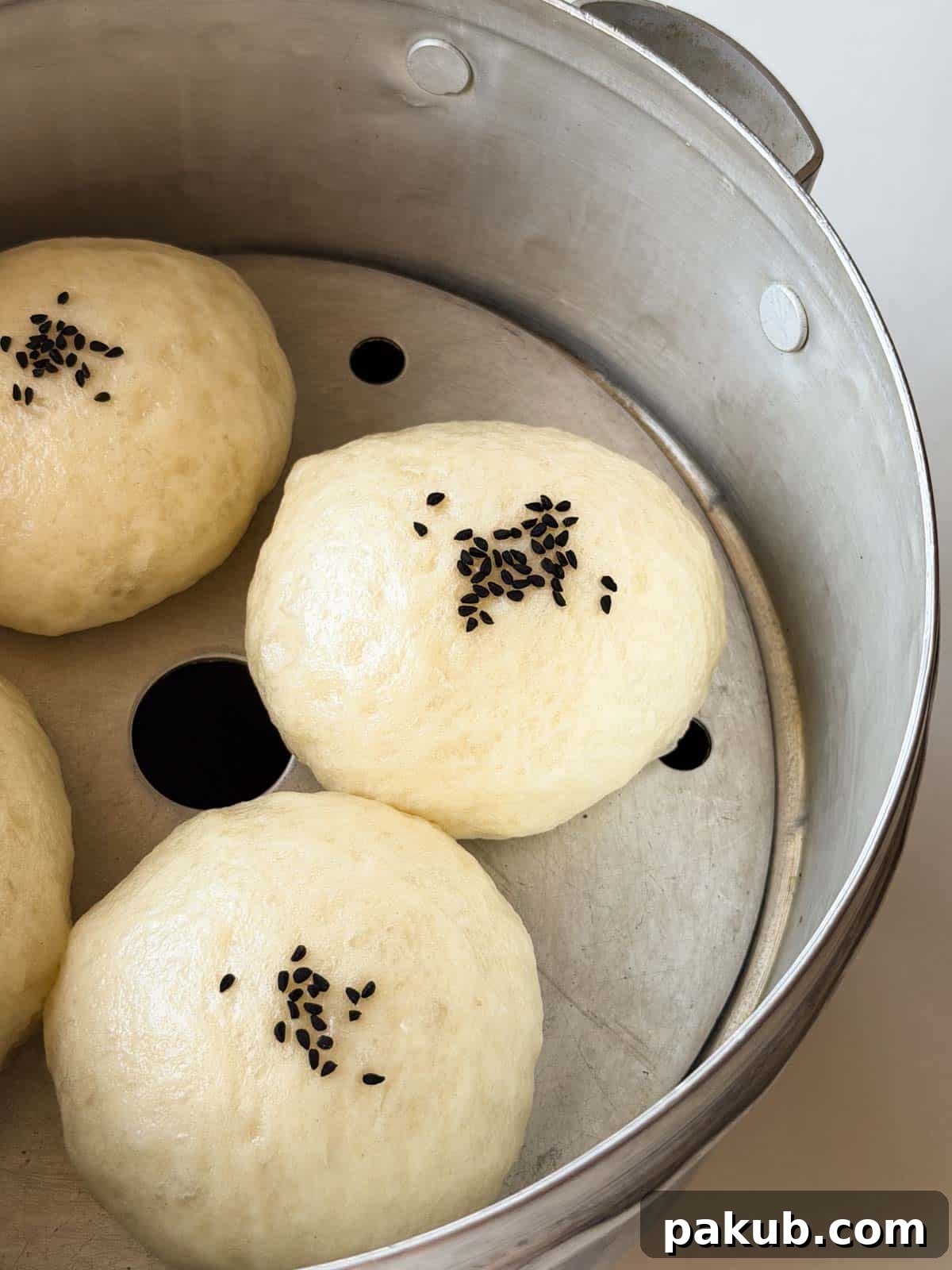
Once you’ve successfully created these incredible homemade steamed buns with this detailed recipe, you’ll undoubtedly find yourself thinking twice before opting for takeout. The sheer ease of preparation, coupled with the exciting and endless opportunities for customization, and that utterly irresistible pillow-y soft texture, will have you reaching for not just seconds, but thirds, and perhaps even more! There’s a profound sense of accomplishment and culinary joy in crafting these cloud-like delights yourself, knowing exactly what wholesome goodness goes into each delectable bite.
If you embark on this delightful culinary adventure and try this Baozi recipe at home, I would absolutely love to see your amazing creations! Please don’t hesitate to share pictures of your delicious steamed buns with me over on my Instagram DMs @my_foodstory. Happy cooking!
Watch the Steamed Buns (Baozi) Recipe Video
The Complete Steamed Buns (Baozi) Recipe Card
Steamed Buns | Baozi
By: Richa
Steamed buns or Baozi are pillow-y soft, cloud-like buns with a delicious filling. These are easy to make, come together quickly, delicious with endless filling options.
Prep Time: 10 mins
Cook Time: 20 mins
Resting Time: 1 hr 15 mins
Total Time: 1 hr 45 mins
Servings: 12 buns
Equipment
- 1 steamer
Ingredients
For the Buns
- 2 cups all-purpose flour (maida)
- 1 teaspoon instant yeast
- 1 teaspoon baking powder
- 2 teaspoons sugar
- ⅛ teaspoon salt
- 1 cup lukewarm milk
- 1 teaspoon cooking oil for brushing (for steamer/buns)
For the Stuffing (Suggestions)
- For a savory chicken filling, you can adapt my Chicken Momos recipe.
- For a vegetarian soya filling, refer to my Vegetarian Momos recipe.
- Alternatively, explore other delicious filling ideas detailed in the “Diverse Baozi Filling Ideas” section above in this article.
Instructions
Kneading the Dough
- In a large mixing bowl, combine the lukewarm milk and sugar. Sprinkle the instant yeast over the mixture and let it sit for 10-12 minutes until it becomes foamy and active.
- Add the all-purpose flour, baking powder, and salt to the foamy yeast mixture. Knead the dough for approximately 15 minutes by hand, or 10 minutes if using a stand mixer with a dough hook, until the dough is smooth, elastic, and no longer sticky.
First Proofing the Dough
- Form the kneaded dough into a ball and place it in a lightly oiled bowl.
- Cover the bowl securely with plastic wrap or a clean, damp kitchen towel. Let the dough rise in a warm, draft-free place until it significantly doubles in size. This usually takes between 1 to 2 hours, depending on the room temperature.
Rolling and Shaping Dough Portions
- Once the dough has doubled, gently punch it down to release the air. Transfer it to a clean surface and knead lightly for about one minute.
- Divide the dough into 2 equal pieces. Take one portion, shape it into a ball, and roll it into a thick disc with a rolling pin. Fold the disc once, roll again, and repeat this fold-and-roll process one more time. This technique helps achieve a fluffier interior.
- Cut the conditioned dough into 5-6 equal strips, then roll each strip into a smooth, round ball. Place these dough balls on a plate and keep them covered with a damp cloth to prevent drying. Repeat the entire process for the second dough portion.
- Allow these shaped dough balls to rest, covered, for at least 30 minutes. They will slightly increase in size, becoming ready for either plain steaming or stuffing.
For Stuffed Buns (if desired)
- Working with one dough ball at a time, use a rolling pin to flatten it into a 4-inch (10 cm) diameter circle. Dust lightly with dry flour if the dough is too sticky, but avoid excess flour.
- Hold the rolled dough circle in your non-dominant hand and place about 1 tablespoon of your chosen stuffing in the center.
- Using your dominant hand, gently gather the edge of the dough, making small pleats all around the circumference. Bring all the pleats together at the top and firmly pinch them to seal the stuffing completely within the bun.
- Place each stuffed bun on a separate 7cm x 7cm square of parchment paper. Arrange them on a plate (not touching) and cover with a damp cloth. Let the stuffed buns rest for at least 30 minutes before steaming for their second proofing.
Steaming the Baozi
- Cut 10-12 square pieces of parchment paper (approx. 7cm x 7cm) to place under each bun.
- Bring water in your steamer to a rolling boil. Carefully place the prepared buns (on their parchment paper squares) onto the steamer plate. If your steamer lid does not have a vent, place a kitchen towel between the steamer plate and the lid to absorb condensation.
- Cook the buns over medium heat for 10-12 minutes. During this time, do not lift the lid.
- After 10-12 minutes, turn off the heat but leave the lid on for an additional 5 minutes. This crucial resting period prevents the buns from deflating or wrinkling.
- Carefully remove the steamed buns and transfer them to a wire rack to cool slightly before serving.
- Steam any remaining buns in batches, ensuring unsteamed buns remain covered to prevent drying.
Notes
- This recipe typically yields 10-12 steamed buns, depending on the size you choose to make them.
- You have the flexibility to steam these buns plain (without any filling) or stuffed, according to your preference.
- Cooled steamed buns can be stored in an airtight container in the refrigerator for up to 4 days.
- To reheat refrigerated buns, steam them for 2 minutes or microwave them with a cup of water to maintain their moisture and softness.
Nutrition (per serving, estimated)
Calories: 97kcal, Carbohydrates: 18g, Protein: 3g, Fat: 1g, Saturated Fat: 0.4g, Polyunsaturated Fat: 0.2g, Monounsaturated Fat: 0.4g, Trans Fat: 0.002g, Cholesterol: 2mg, Sodium: 68mg, Potassium: 62mg, Fiber: 1g, Sugar: 2g, Vitamin A: 33IU, Vitamin C: 0.003mg, Calcium: 48mg, Iron: 1mg
This article was researched and written by Urvi Dalal.