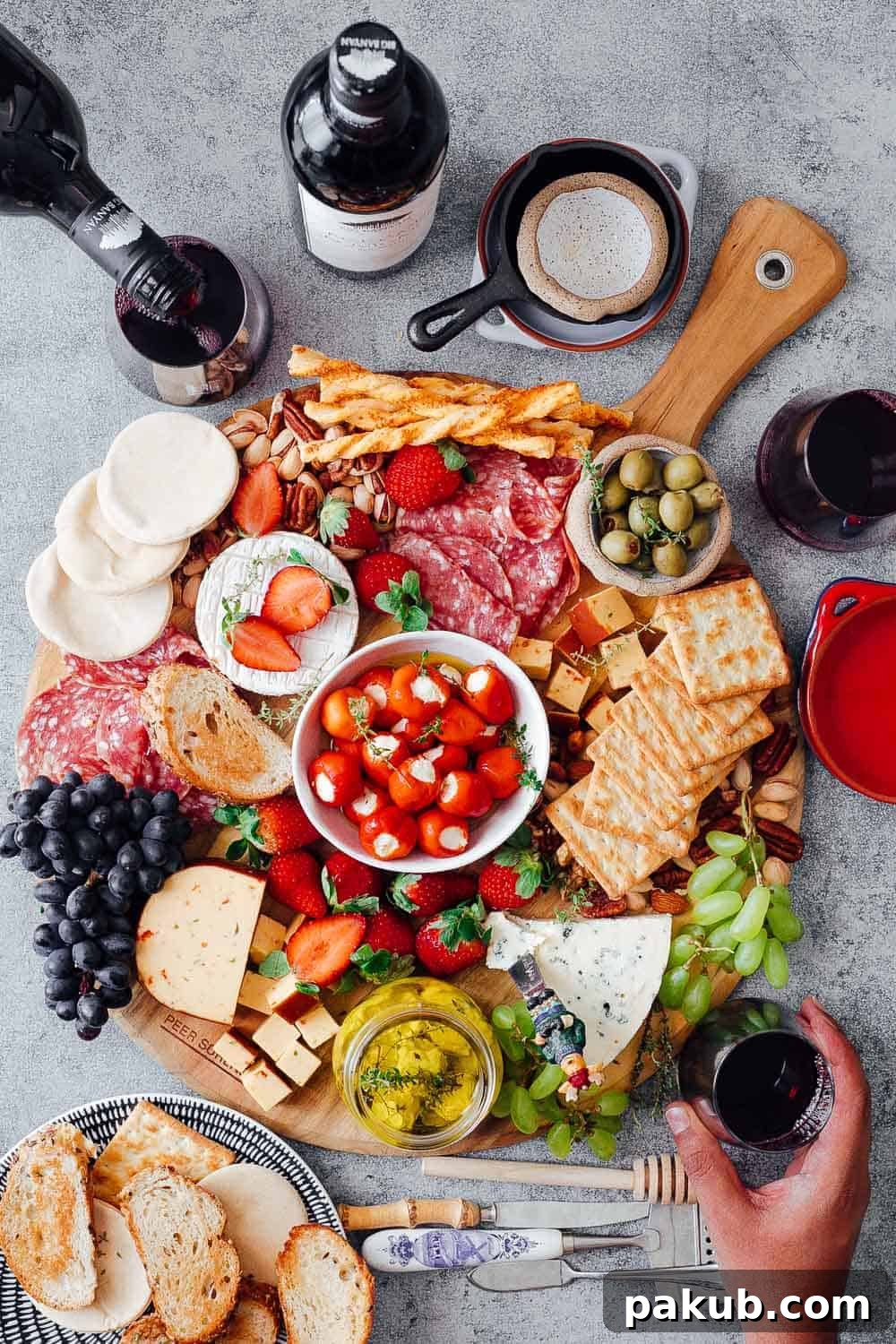
Discover how to craft an exquisite yet affordable wine and cheese board that will impress without breaking the bank. This comprehensive guide turns you into a DIY cheeseboard expert, perfect for holiday gatherings, elegant parties, or a cozy romantic evening.
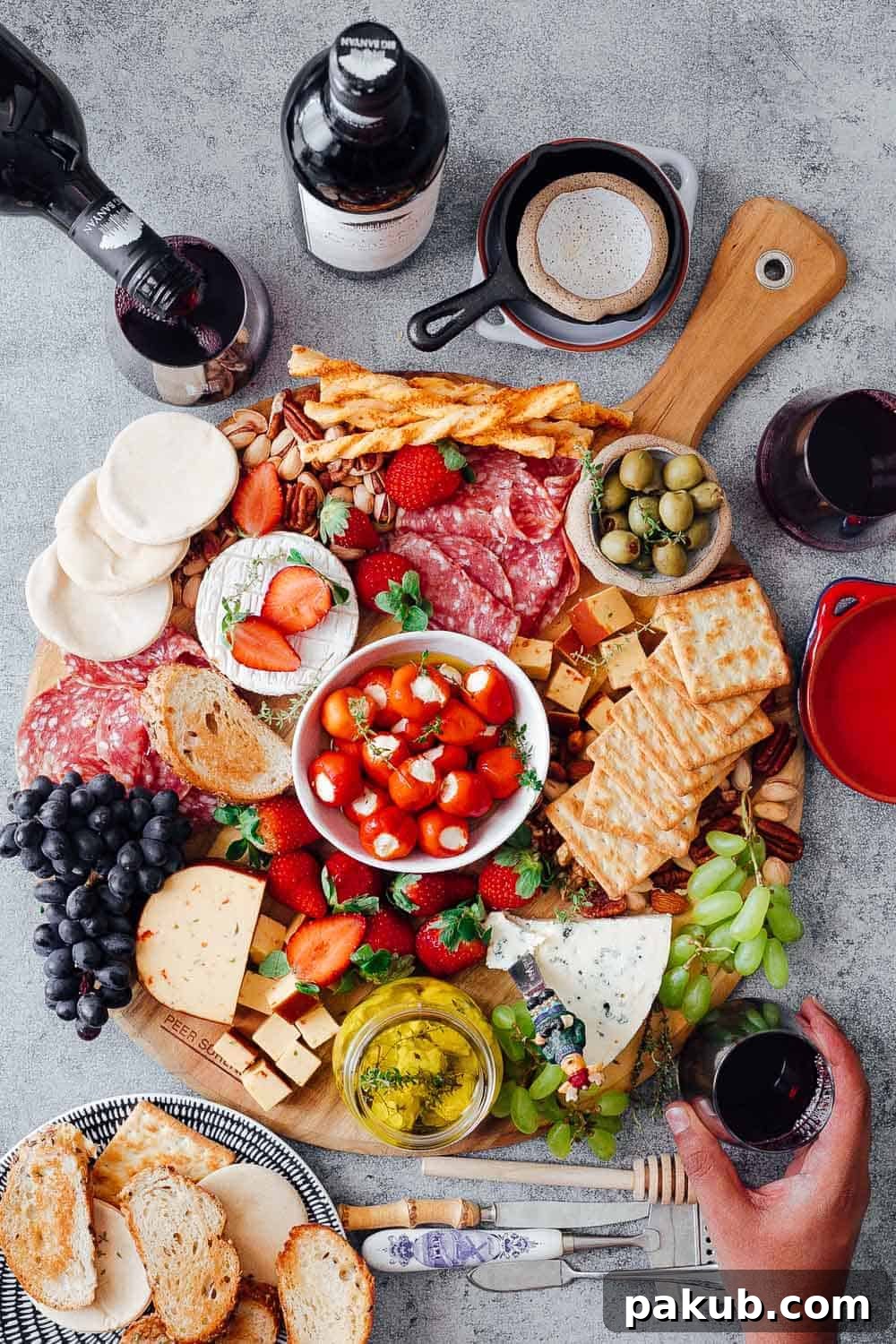
For years, I admired the stunning wine and cheese platters that graced magazine covers and social media feeds, believing they were masterpieces requiring immense skill and an even bigger budget. These culinary displays always seemed effortlessly beautiful, an art form reserved for seasoned hosts or those with unlimited funds. However, my perception shifted dramatically the day I decided to create my own.
To my surprise, assembling a gorgeous cheese board was not only effortless but also incredibly enjoyable and took far less work than I had imagined. The real challenge, I discovered, was making it look luxurious without emptying my wallet. That revelation sparked a journey of experimentation, trying countless combinations to bring you this definitive guide: “How to Build the Ultimate Wine & Cheese Board on a Budget.”
Many believe that a spectacular cheese board must be an expensive affair, seemingly out of reach for everyday entertaining. But I’m here to tell you that’s simply not true! With a few clever strategies, smart shopping, and a dash of creativity, you can assemble an affordable, utterly delicious, and visually stunning cheese board that will have your guests convinced you’ve mastered the art of elegant hosting.
Prepare to unlock the secrets to creating a show-stopping wine and cheese experience that’s both economical and unforgettable. Let’s dive into the simple yet impactful tips and tricks that will transform you into a true cheeseboard connoisseur, no matter your budget!
Table of Contents: Crafting Your Perfect Wine & Cheese Board
- Essential Considerations for Your Board
- Step #1: Select Your Base
- Step #2: Curate and Arrange Your Cheeses
- Step #3: Incorporate Charcuterie and Nuts
- Step #4: Add Savory Bites from Your Pantry
- Step #5: Introduce Sweetness and Fresh Fruits
- Step #6: Provide Crackers and Breads
- Step #7: Select Complementary Wines
- More Delightful Appetizer Recipes
Essential Considerations for Your Ultimate Budget-Friendly Cheese Board
Before you embark on your cheeseboard creation journey, taking a moment for thoughtful planning can make all the difference, both for your guests’ enjoyment and your budget. Here are some key questions to ask yourself:
How many guests are you expecting? This is crucial for determining the quantity of ingredients you’ll need. Remember, not everyone may gravitate towards a cheese board; some guests might prefer more traditional party snacks. Tailor your guest list if this is the primary focus of your culinary offering. If your cheese board serves as an appetizer or a precursor to other dishes, aim for approximately 20-30 grams (1 to 1.5 ounces) of cheese per person. If it’s intended to be the main attraction, double that amount to around 40-60 grams (2-3 ounces) per person, accounting for charcuterie, crackers, and other accompaniments.
Are there any cheeses you particularly love or wish to avoid? As the host, your preferences matter! Feel free to include your absolute favorite cheeses or omit any that you or your guests might dislike. This personal touch ensures you’ll also enjoy the spread and can confidently recommend selections to your friends. Also, consider any dietary restrictions or allergies among your guests (e.g., lactose intolerance, nut allergies) to offer inclusive options.
Will you be serving other appetizers? A well-stocked cheese board can be surprisingly filling. Many times, I’ve seen other appetizers go largely untouched when a lavish cheese platter is present. An ultimate cheese board offers a complete gastronomic experience: an array of cheeses, a selection of crackers and breads, cured meats (charcuterie), an assortment of salty nibbles, and fresh fruits. If this board is your star attraction, you might find that other appetizers are simply unnecessary, saving you time and money.
What wines will you be serving? The synergy between wine and cheese is undeniable; even a humble wine can taste exquisite when paired with the right cheese. Conversely, a fantastic wine can be elevated by a thoughtful cheese selection. Consider your wine choices early on, whether you pick them first to guide your cheese selection or vice-versa. This ensures a harmonious balance where your wines and cheeses complement, rather than clash, enhancing the overall tasting experience. Providing options for both red and white wine is always a good idea.
What is your budget for this endeavor? Our primary focus here is to craft an impressive wine and cheese board without overspending. Knowing your budget beforehand is essential. It prevents impulse buys and helps you make strategic decisions, allowing you to prioritize and find value. It’s remarkably easy to get carried away when shopping for a cheese board, as there truly is no upper limit to how expensive it can become.
Once you’ve thoughtfully considered these points, you are well-prepared to build a spectacular and affordable wine and cheese board. Let’s gather your ingredients and begin the delightful assembly process!
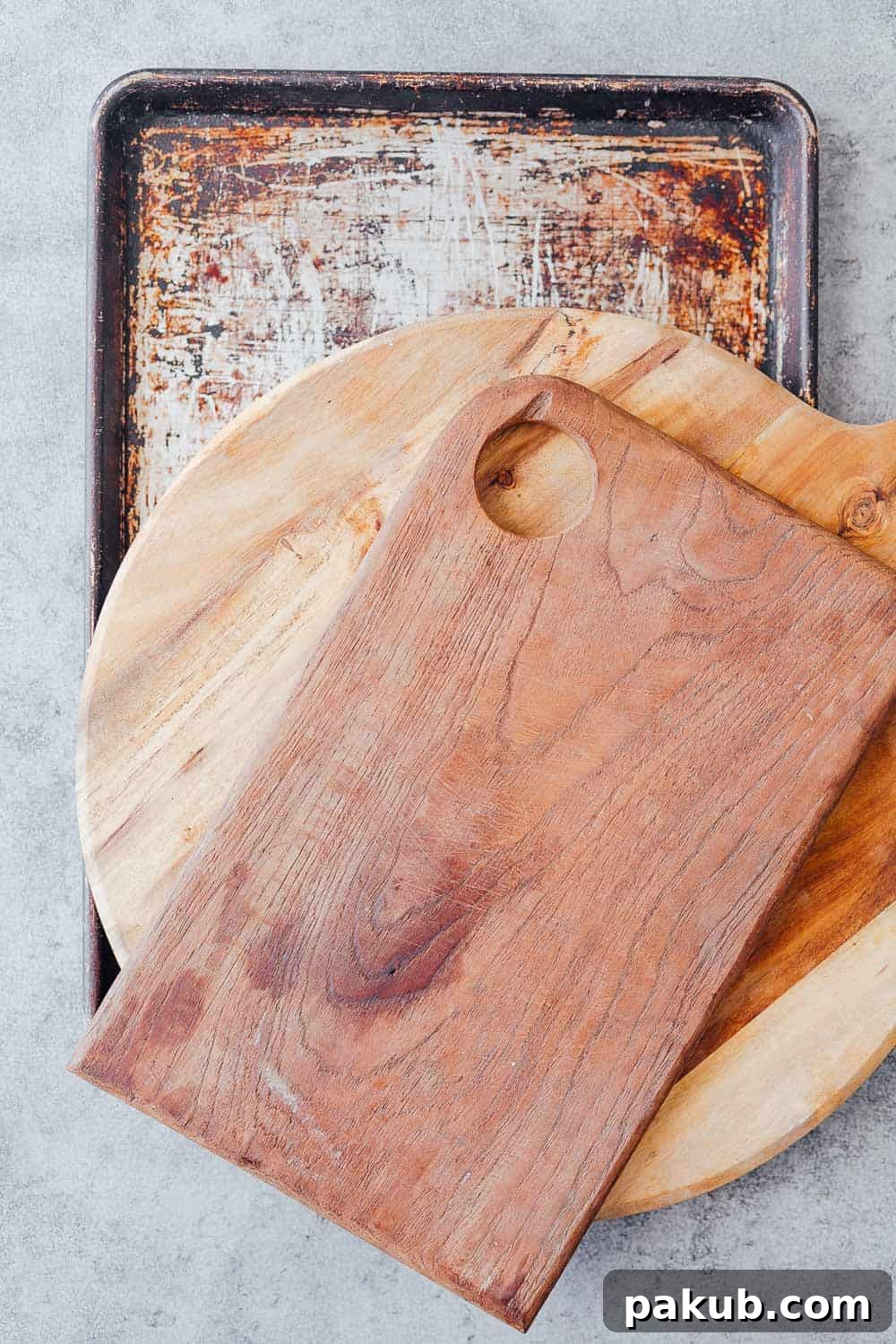
Step #1: The Foundation – Selecting Your Board Base
Forget the notion that you need a pricey, specialized slate or marble board for a professional-looking cheese spread. The beauty of a budget-friendly cheese board starts with resourcefulness. Take a look around your home – you’ll likely find several suitable options. An old wooden cutting board, a sturdy pizza peel, a clean baking sheet, or even a large, flat serving platter can serve as an excellent base. I personally love using my round, handled pizza board; its rustic charm adds character, and the handle makes it incredibly easy to carry and serve.
The key is to choose a surface that is large enough to accommodate your chosen elements without looking sparse, yet not so large that it feels overwhelming to fill. Remember, the goal is abundance and visual appeal, not expensive equipment.
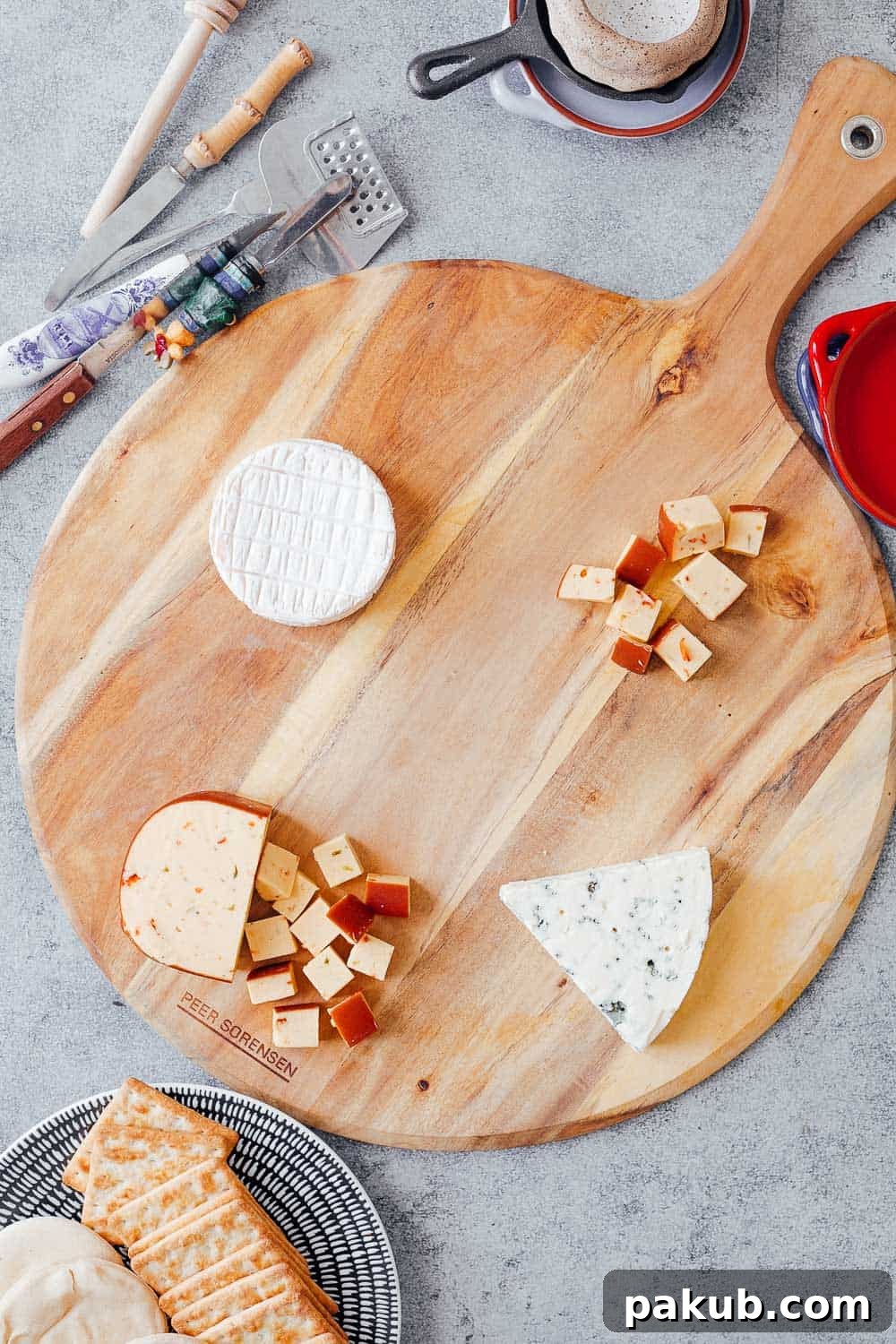
Step #2: Curating Your Cheeses for Maximum Impact and Value
This is arguably the most exciting part, and potentially the most expensive, so smart shopping is paramount. To secure the best deals, head to larger supermarkets or specialty stores with dedicated cheese counters. Explore both the fresh cheese counter and the pre-packaged cold storage sections. Prices can vary significantly between these areas, often finding unexpected bargains in the packaged sections.
Aim for a diverse selection of three to four cheeses to offer a range of flavors and textures. A classic combination includes:
- A Soft, Mild Cheese: Think creamy and approachable. Options like Brie, Camembert, fresh Mozzarella, Burrata, or even a gourmet cream cheese work wonderfully. These provide a smooth, buttery counterpoint to stronger flavors.
- A Crumbly, Pungent Cheese: Introduce a bolder flavor with something like Danish Blue, Gorgonzola, or Roquefort. These “stinky” cheeses are often a favorite for adventurous palates and pair beautifully with sweet accompaniments.
- A Hard, Full-Bodied Cheese: Offer a firm, aged cheese with a complex flavor profile, such as aged Cheddar, Gouda, Parmesan, or Edam. These cheeses provide a satisfying chew and nutty notes.
- An Unexpected or Flavored Cheese (Optional): Sometimes, flavored cheeses (e.g., smoked cheddar, cheese with herbs or peppers) can be surprisingly cheaper than their unflavored counterparts, possibly due to processing or promotional pricing. These can add an interesting twist to your board.
Don’t be shy about asking for samples at the cheese counter; most reputable supermarkets will let you taste before you buy. Also, inquire about “odds and ends” or leftover wedges. Stores often sell smaller, irregularly shaped pieces at a discount to clear inventory, which are perfect for a budget-conscious board.
When arranging, I personally love the aesthetic of keeping whole blocks or large wedges of cheese on the board. It looks more generous and inviting than pre-cut cubes. Arrange your cheeses with ample space between each variety. This prevents flavors from mingling and makes it easier for guests to slice their desired portions without disturbing other cheeses. Provide small cheese knives or spreaders for guests to serve themselves.
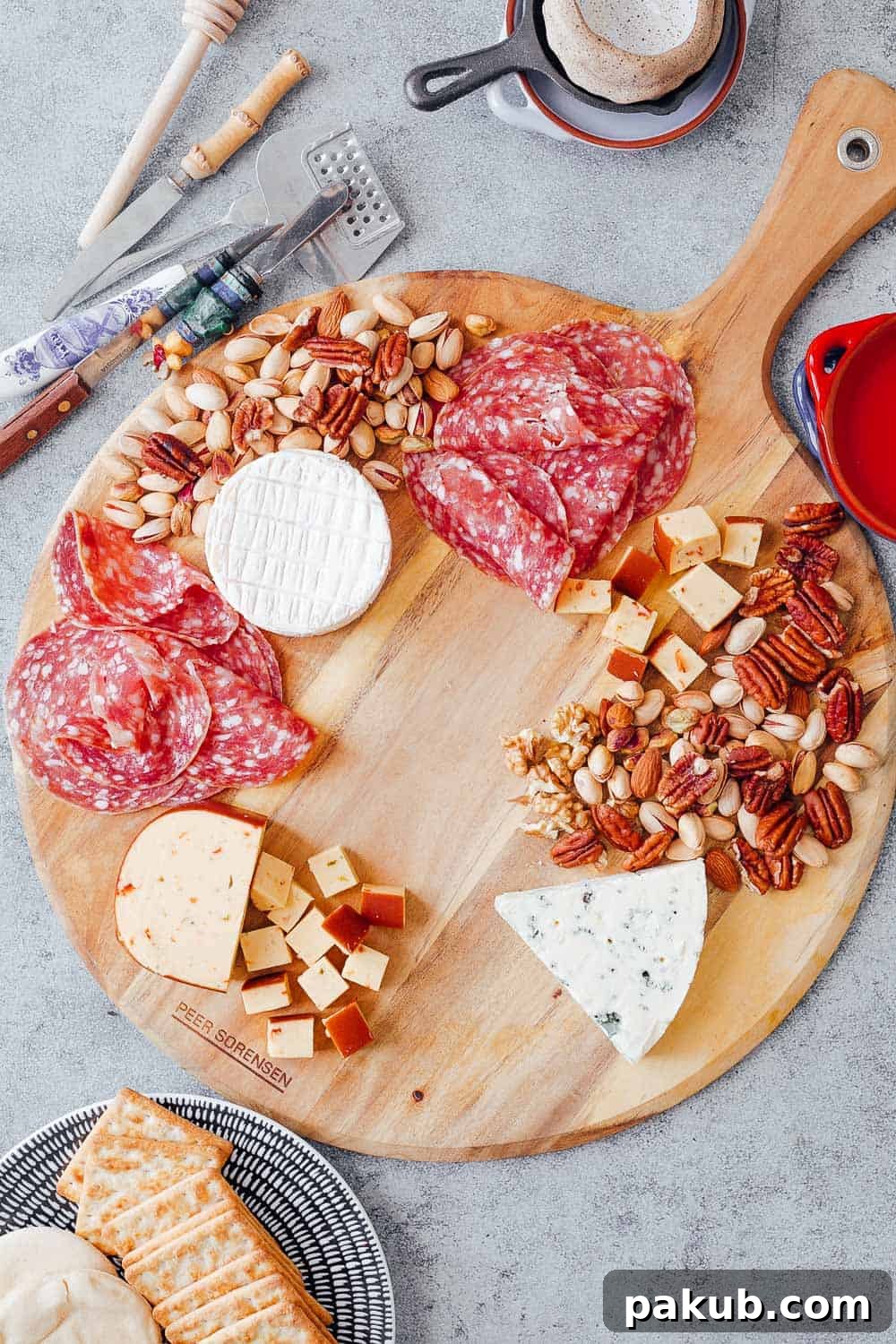
Step #3: Elevating Your Board with Budget-Friendly Charcuterie & Nuts
Charcuterie, or cured meats, can quickly become an expensive addition to a cheese board. To keep costs down while still offering a savory element, focus on one or two affordable varieties. Salami is often the most economical choice; ask your butcher to slice it very thinly, or look for pre-packaged, pre-sliced options which can sometimes be cheaper. Presenting a single variety in two different spots on the board can give the impression of more selection without doubling your cost. Keep an eye out for supermarket deals or discounts at the deli counter.
Nuts are another fantastic and often overlooked addition. They are excellent for filling in gaps on your board, adding crunch, and providing a healthy snack. After indulging in cheese and charcuterie, guests often appreciate the contrasting texture and flavor of nuts. Plus, shelling pistachios or cracking walnuts can be a fun, relaxed activity. Don’t feel pressured to buy expensive gourmet nuts; simply raid your pantry! Any variety works – salted, unsalted, roasted, raw. Almonds, walnuts, pecans, cashews, and pistachios are all great options. Arrange them in small clusters or in charming little bowls to add visual appeal.
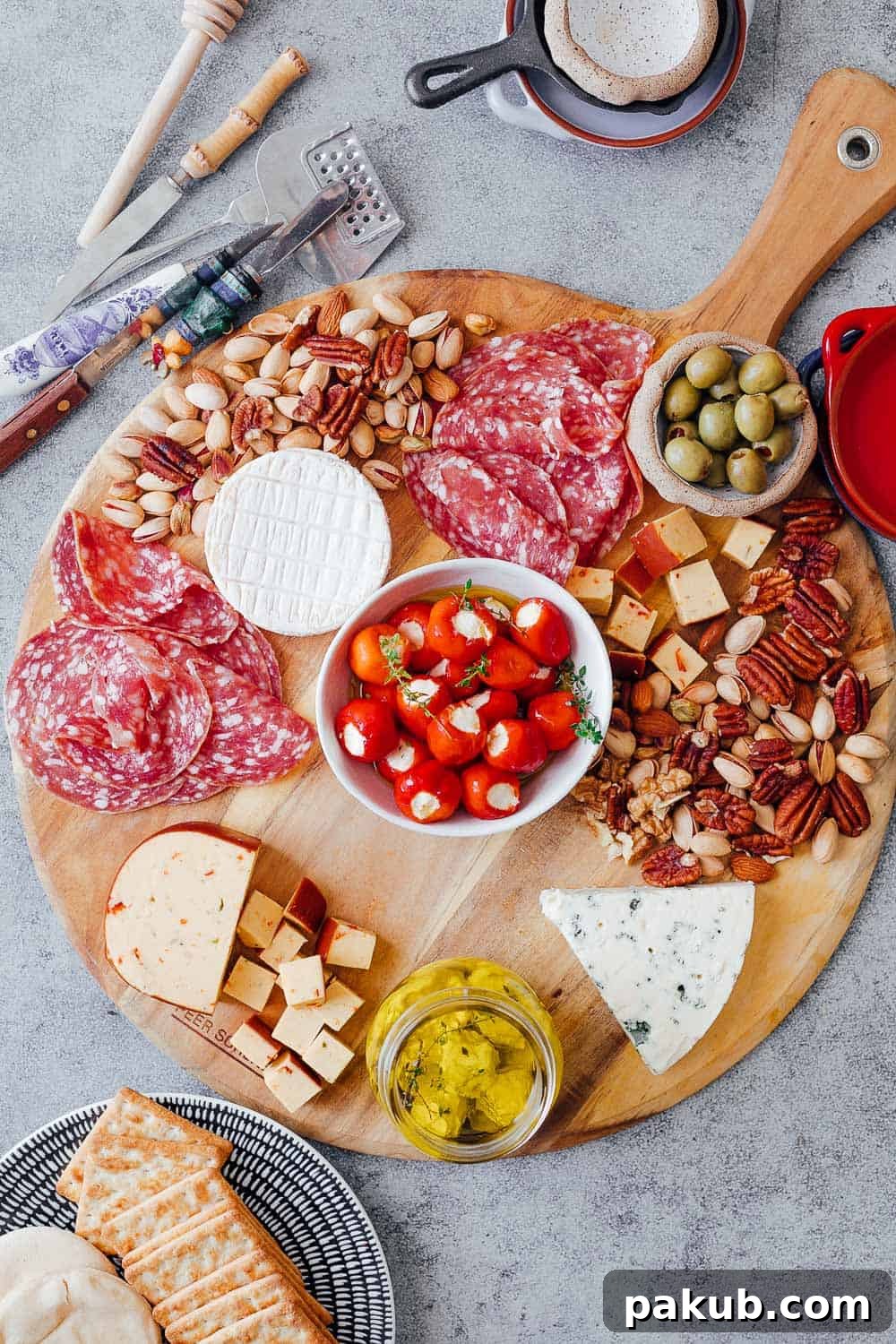
Step #4: Smart Snacking with Savory Bites from Your Pantry
At this stage, your board should be taking shape, about half-full and looking impressive. Now it’s time to get creative and resourceful by incorporating salty nibbles you likely already have on hand. This is a brilliant way to add variety and flavor without spending extra money.
Explore your refrigerator and pantry for unfinished jars of olives, pickles (cornichons are excellent!), marinated artichoke hearts, roasted red peppers, or even various stuffed peppers. These acidic and briny additions provide a refreshing contrast to the richness of the cheeses and meats. Simply drain them well, transfer them into small, aesthetically pleasing bowls or ramekins, and artfully arrange them on your board. They don’t need to be gourmet quality; their purpose is to stimulate the palate and encourage continued snacking, adding depth and interest to the spread.
Quick tip for an extra touch: Consider making homemade labneh balls! By straining Greek yogurt overnight with a pinch of salt, you can create delicious, tangy labneh. Roll it into small balls and store them in olive oil (perhaps with some herbs for flavor). This is an incredibly cheap and easy way to add another unique “cheese-like” element to your board, offering a creamy, slightly tart counterpoint to the richer options. You can find a simple recipe for labneh balls here.
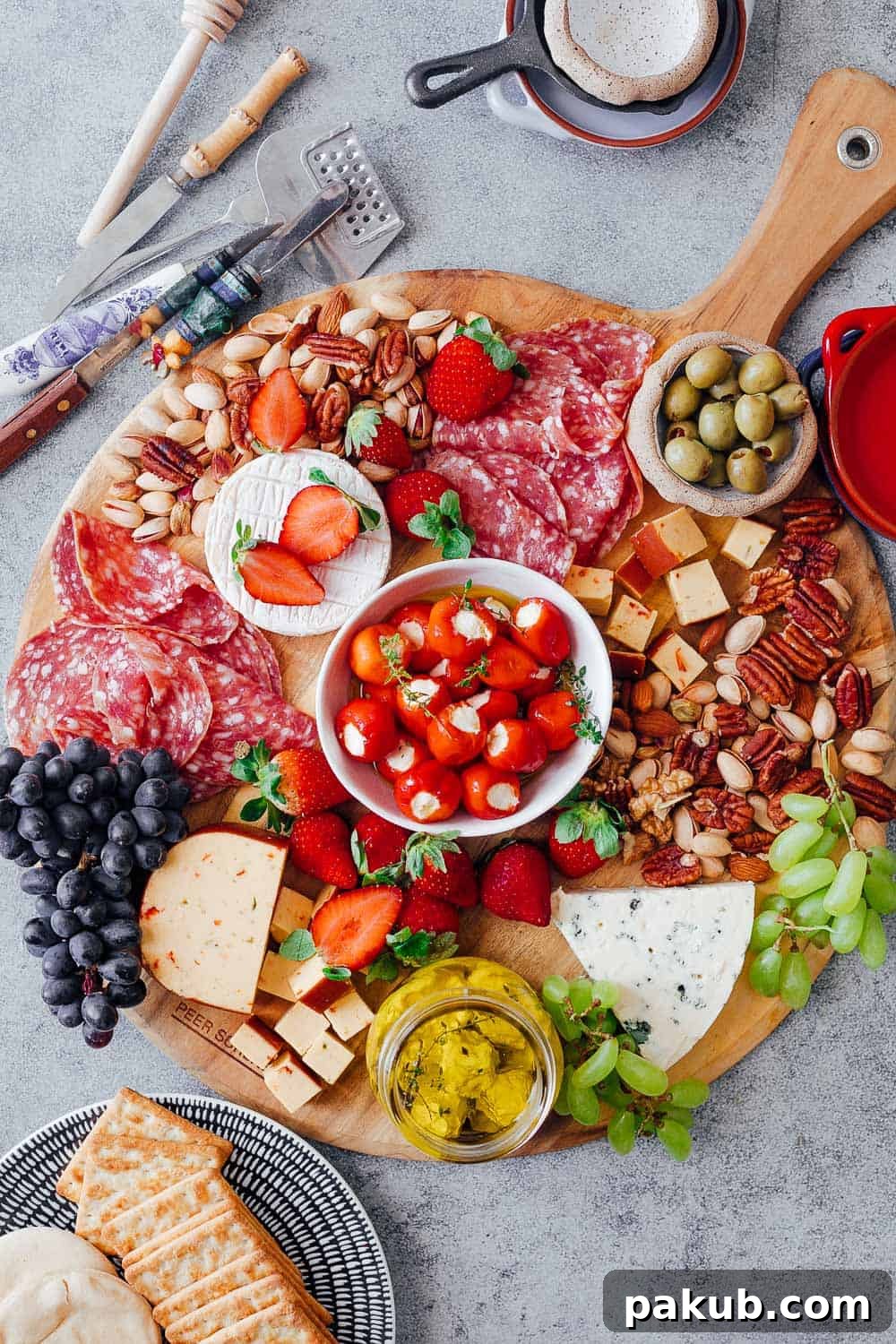
Step #5: Introducing Sweetness and Freshness with Fruits and Spreads
In my experience, fresh fruits are an indispensable component of any cheese board. After indulging in the rich and savory elements, the bright, refreshing sweetness of fruit is incredibly welcome and provides a crucial balance to the palate. To maintain your budget, prioritize fruits that are in season and locally available. Seasonal fruits are not only more affordable but also boast superior flavor and freshness compared to imported or exotic varieties. Avoid expensive out-of-season produce that often lacks taste.
Grapes are a classic choice and always a hit; offering two different colors (e.g., red and green) adds visual appeal. Strawberries, blackberries, blueberries, and raspberries are also fantastic, especially when in season. Consider slicing apples or pears (toss them lightly with lemon juice to prevent browning) for a crisp texture. Figs, when available, are a luxurious but often budget-friendly addition that pairs exceptionally well with various cheeses. You can leave smaller fruits whole or cut larger ones into manageable pieces for easy snacking.
Beyond fresh fruit, consider adding dried fruits like apricots, figs, or cranberries for concentrated sweetness and chewiness. A small pot of honey, fig jam, or a fruit preserve can also provide a delightful sweet counterpoint, especially for stronger, saltier cheeses. Arrange these elements around the cheeses, filling in any remaining gaps and adding pops of vibrant color.
Quick Tip: Always wash and thoroughly pat your fruits dry before placing them on the board. This prevents excess moisture from staining the board or making other ingredients soggy.
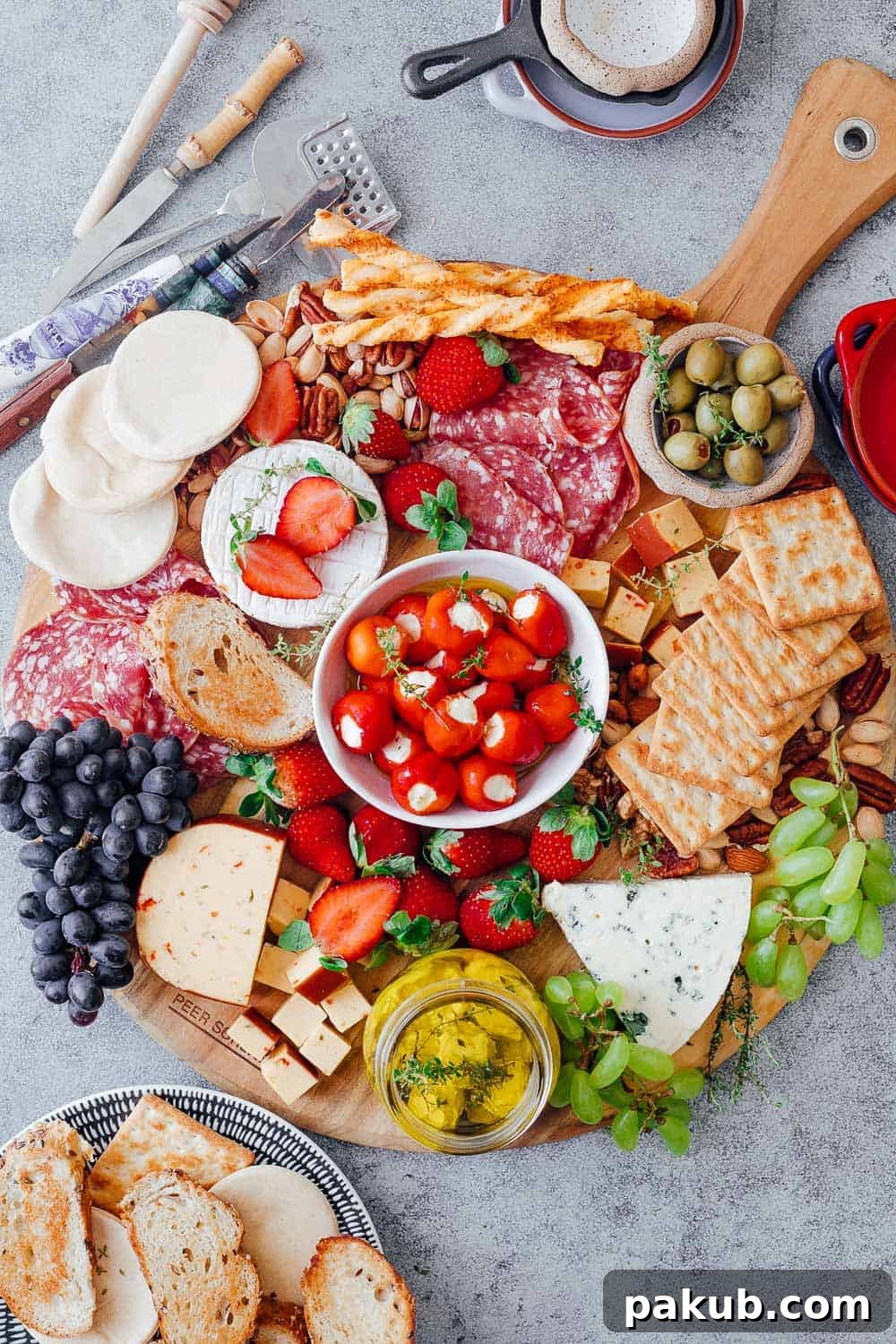
Step #6: The Perfect Scoops – Crackers and Breads for Every Bite
You don’t need to splurge on an array of artisanal crackers to complete your cheese board. The goal here is to provide a neutral vessel that complements the flavors of your cheeses and accompaniments, rather than competing with them. Focus on affordability and accessibility.
Simple, mildly flavored crackers are your best friend. Look for classic cream crackers, water biscuits, or plain entertainment crackers that can be found cheaply at any supermarket. These allow the cheese to be the star. Avoid crackers with strong herb, garlic, or cheese flavors, as they can overpower the delicate nuances of your selected cheeses.
In addition to crackers, consider offering some bread. A baguette, sliced thinly and lightly toasted, is always a sophisticated choice. Alternatively, a rustic loaf of seeded multigrain bread, sliced and quickly pan-toasted with a drizzle of olive oil, adds wonderful texture and flavor without significant cost. Breadsticks are another excellent, affordable option that adds height and crunch to your board.
For guests with dietary restrictions, consider having a small portion of gluten-free crackers available. Arrange your crackers and breads in attractive stacks or fanned out around the cheeses, making them easily accessible for scooping up all the delicious elements.
Step #7: Harmonizing Your Board with Thoughtful Wine Pairings
This step can be tackled either at the very beginning when selecting your cheeses or as the grand finale. Personally, I find it easiest to select my cheeses first, then choose wines that will beautifully complement them. Offering both red and white wine options is always recommended to cater to diverse preferences. A little research into classic pairings can elevate the entire experience.
For this ultimate budget-friendly board, we’ve sourced a variety of excellent wines from Big Banyan, including their Merlot, Cabernet Sauvignon, Chardonnay, and their delightful dessert wine, Bellissima. Here’s why these, or similar styles, work so well:
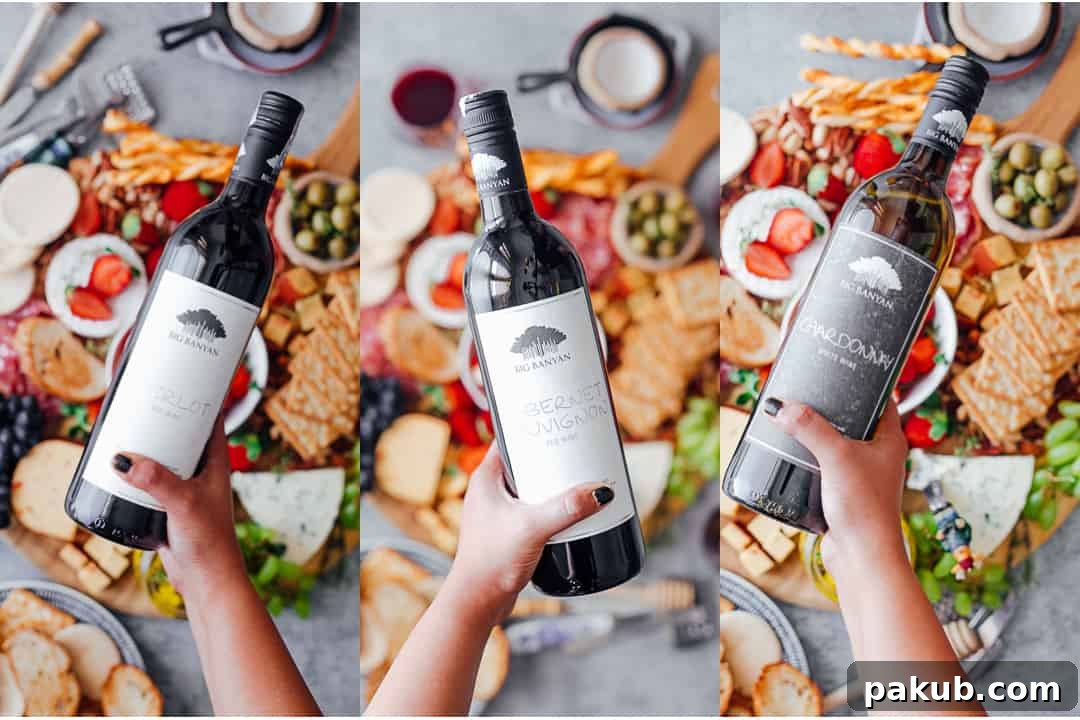
Merlot: A dry, medium-bodied red wine, Merlot is incredibly versatile. It pairs well with a broad range of foods, making it a fantastic “crowd-pleaser” for your cheese board. Its soft tannins and fruity notes (often plum and cherry) are excellent with semi-hard cheeses like Gouda, Edam, or even a milder cheddar. It’s a safe and satisfying choice that most guests will enjoy.
Cabernet Sauvignon: This full-bodied, dry red, often featuring hints of eucalyptus, dark fruit, and oak, is perfect for standing up to bolder flavors. It creates a sensational pairing with strong, pungent cheeses such as Danish Blue or aged Cheddar. The wine’s robust structure and firm tannins can cut through the richness of these cheeses, creating a balanced and memorable experience.
Chardonnay: A popular white wine, Chardonnay typically offers fruity tropical aromas, often with notes of hazelnut and a creamy finish reminiscent of crème brûlée (especially oaked varieties). It’s an ideal partner for soft, mild cheeses like Brie, Camembert, or fresh goat cheese. Its brightness also complements fruits, nuts, and even smoked cheeses, offering a refreshing contrast to heavier options.
Bellissima (Dessert Wine): A truly special addition, a dessert wine like Bellissima, with its fruity fragrances of apricots and pears and a soft, velvety finish, is a revelation with cheese. The inherent sweetness of the wine creates a stunning contrast with the salty tartness of many cheeses, particularly blue cheeses or other pungent varieties. This “sweet with salty” pairing is a classic for a reason and will be a highlight for your guests.
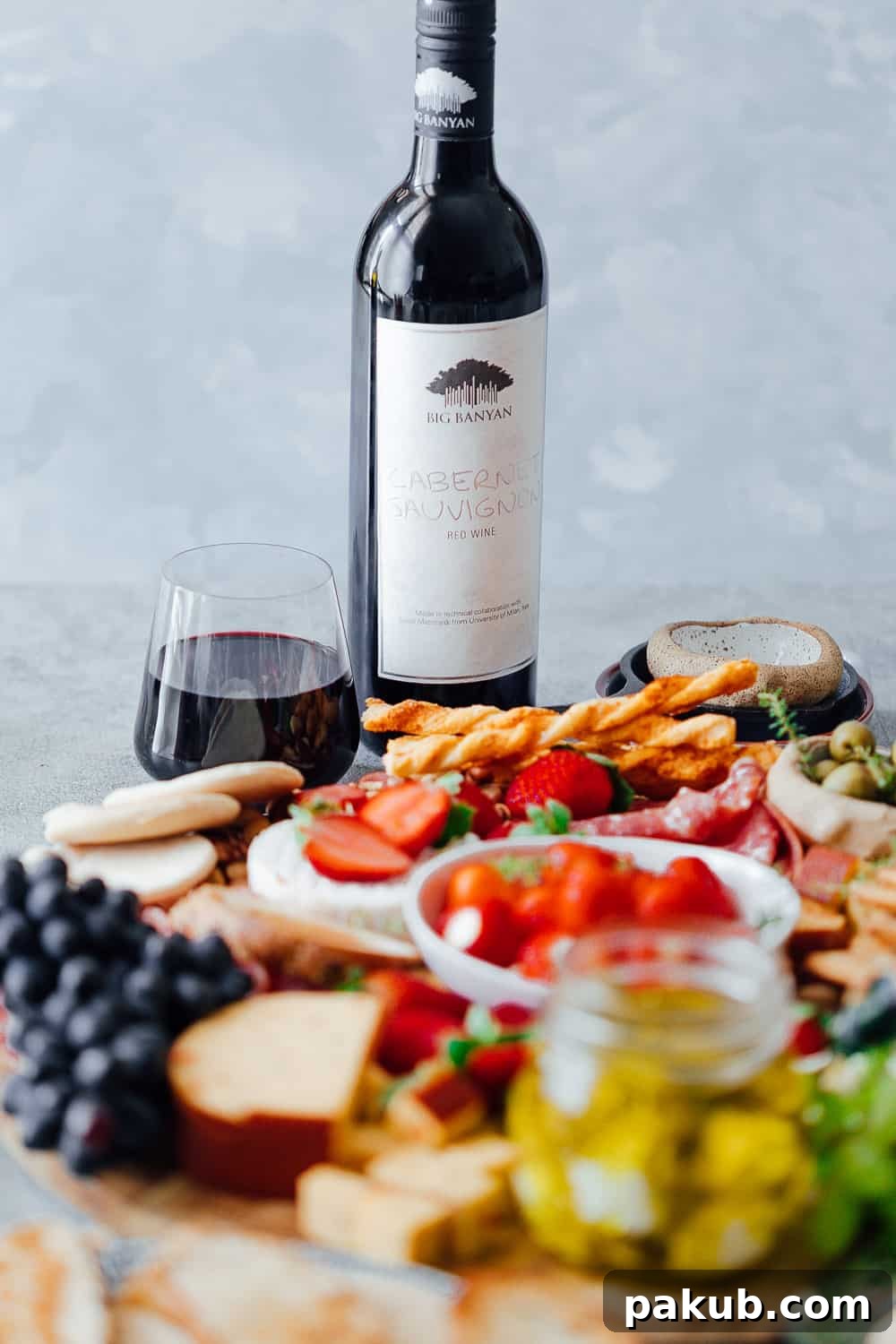
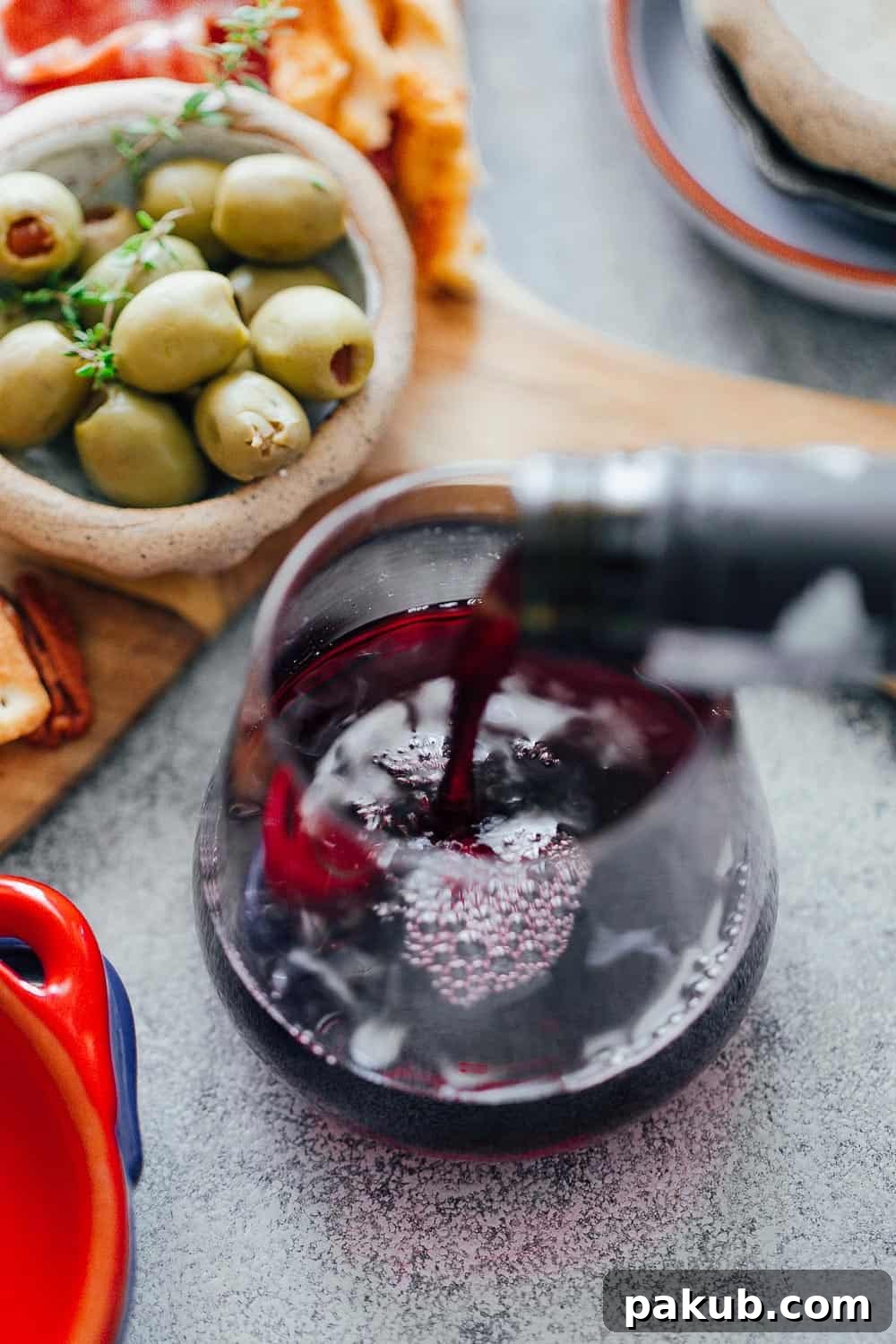
If you’ve made it this far, congratulations! You are now more than ready to embark on building your own ultimate wine and cheese board on a budget. As you’ve seen, creating an amazing cheese platter doesn’t require extravagant ingredients or a hefty price tag. It’s all about thoughtful selection, smart budgeting, and a touch of artistic arrangement.
Embrace a little creativity, infuse your board with elements you genuinely love, and select some good wines to complement your choices. The result will be a stunning spread that will leave everyone impressed and saying “wow!” If you use these tips to craft your next party’s showstopper, please capture the moment and tag me (@my_foodstory) on Instagram. I’d love to marvel with you at how simple and beautiful it was to create!
More Delightful Appetizer Recipes to Explore:
- Easy Cheese Fondue
- Crispy Honey Chilli Potatoes
- Delectable Mashed Potato Ham Cakes
- Irresistible Pepperoni Cheese Bombs
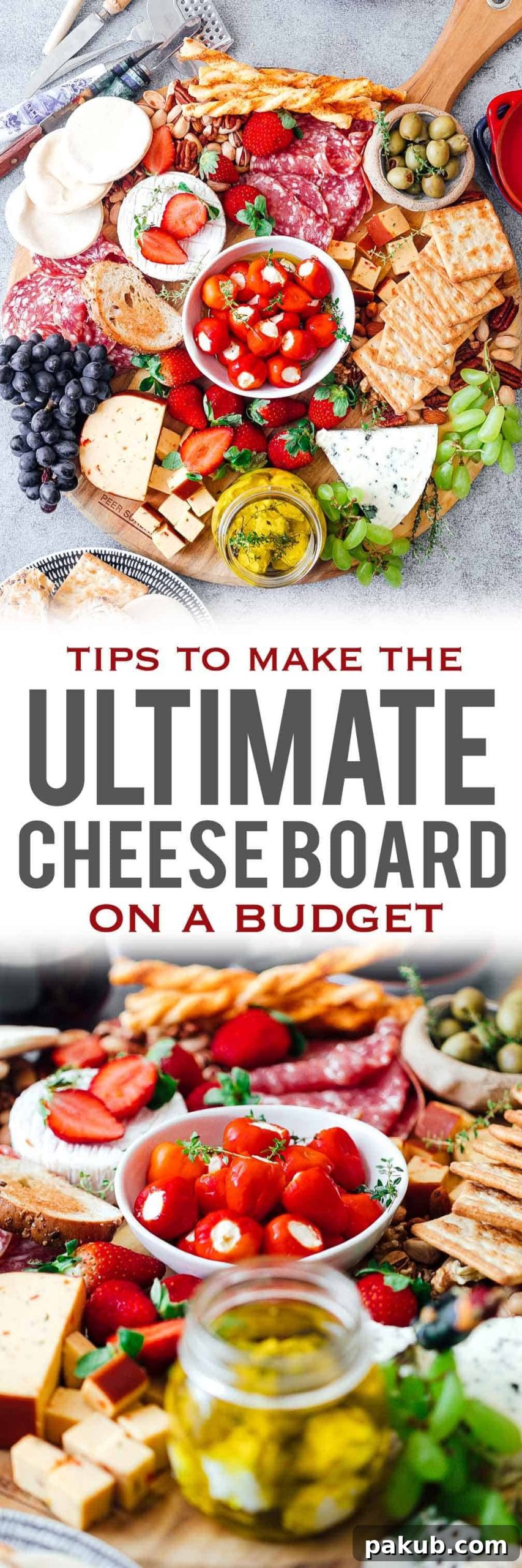
PIN THIS INSPIRATION TO YOUR APPETIZER BOARD!
A special thank you to our wonderful friends at Big Banyan for sponsoring this recipe and providing such delicious wines!