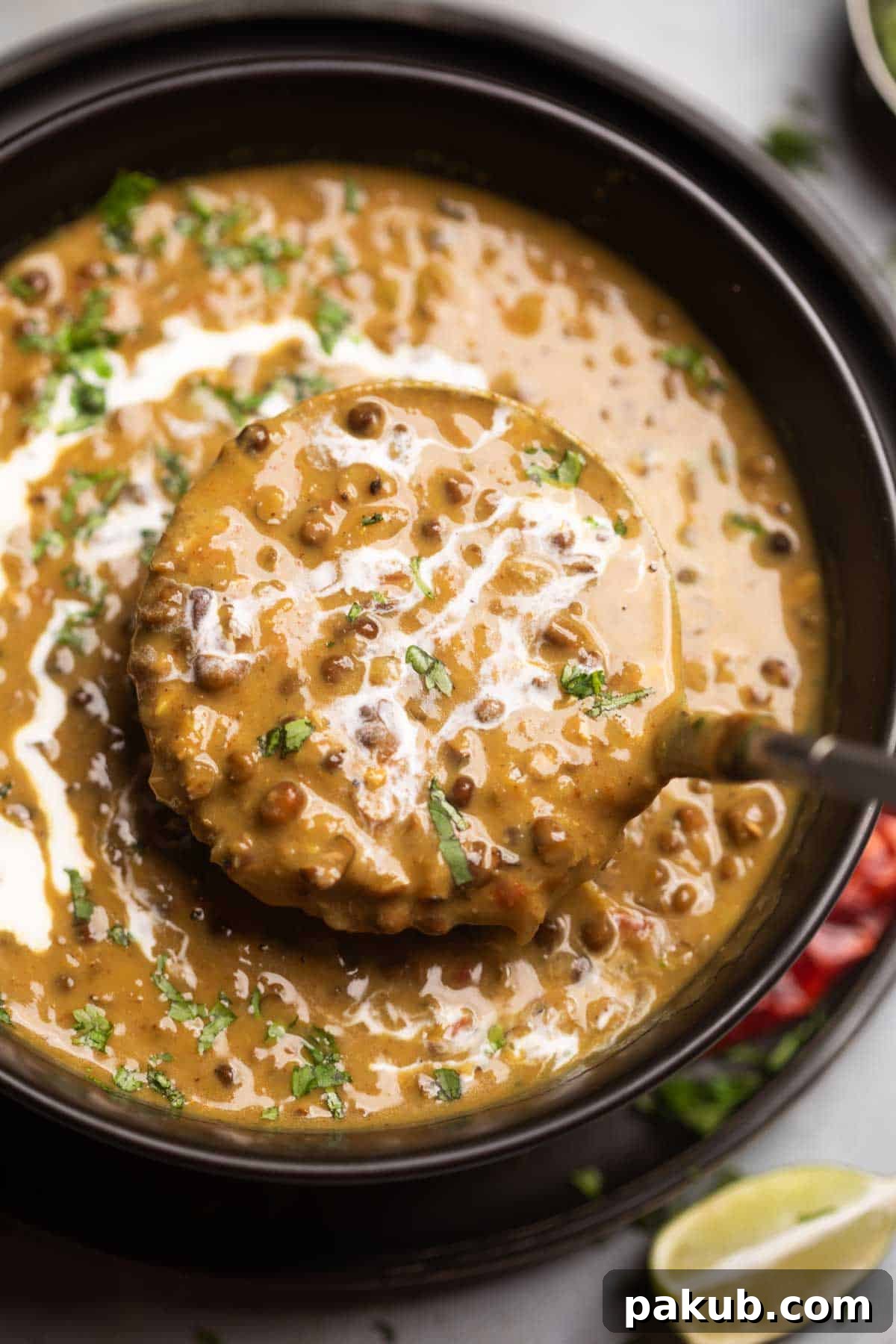
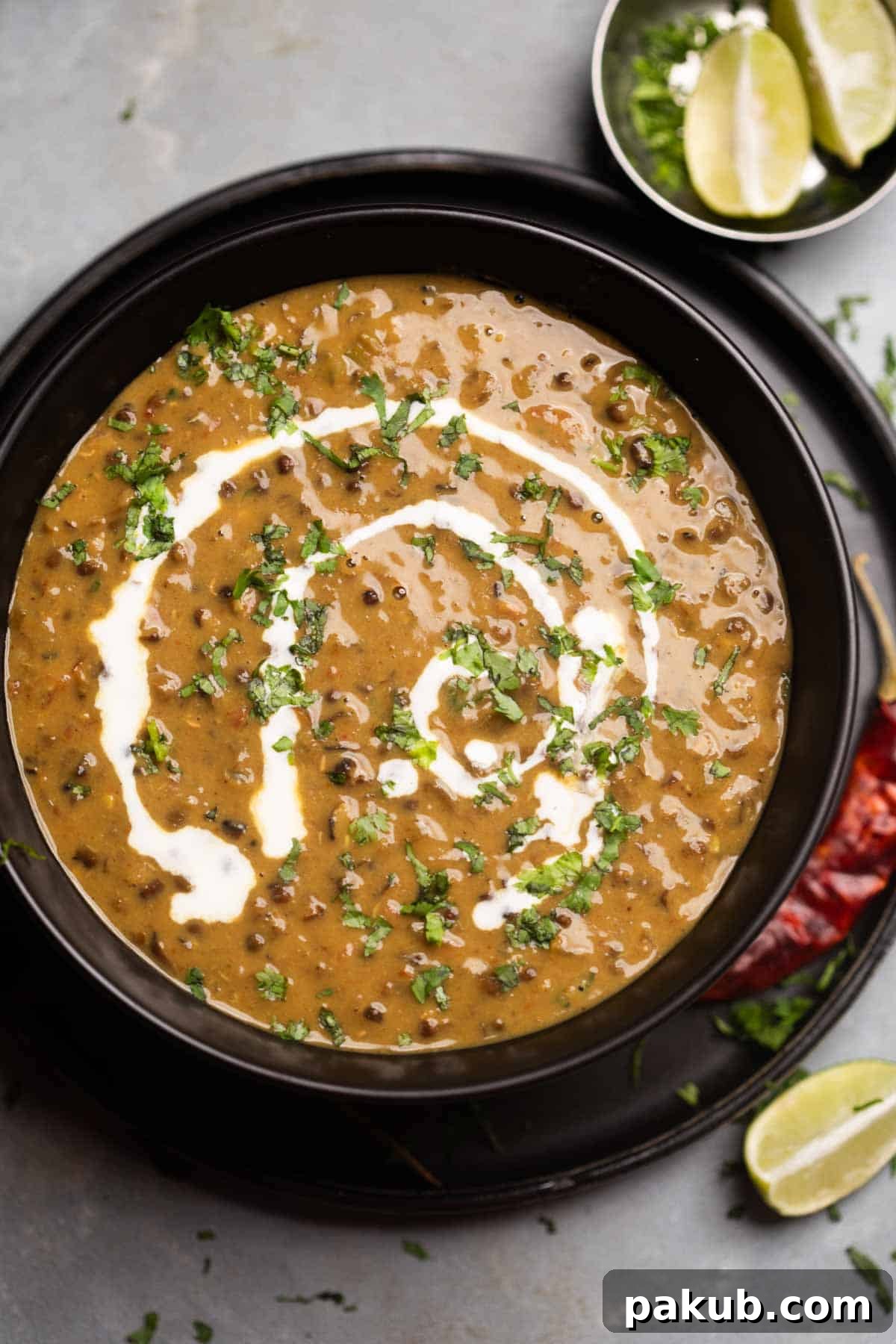
Experience the unparalleled richness and bold flavors of this Amritsari Dal – a deceptively simple recipe that delivers a truly indulgent dining experience. With its heavenly blend of cream, ghee, and butter, this dish is crafted to perfection, making it the ideal centerpiece for any special occasion!
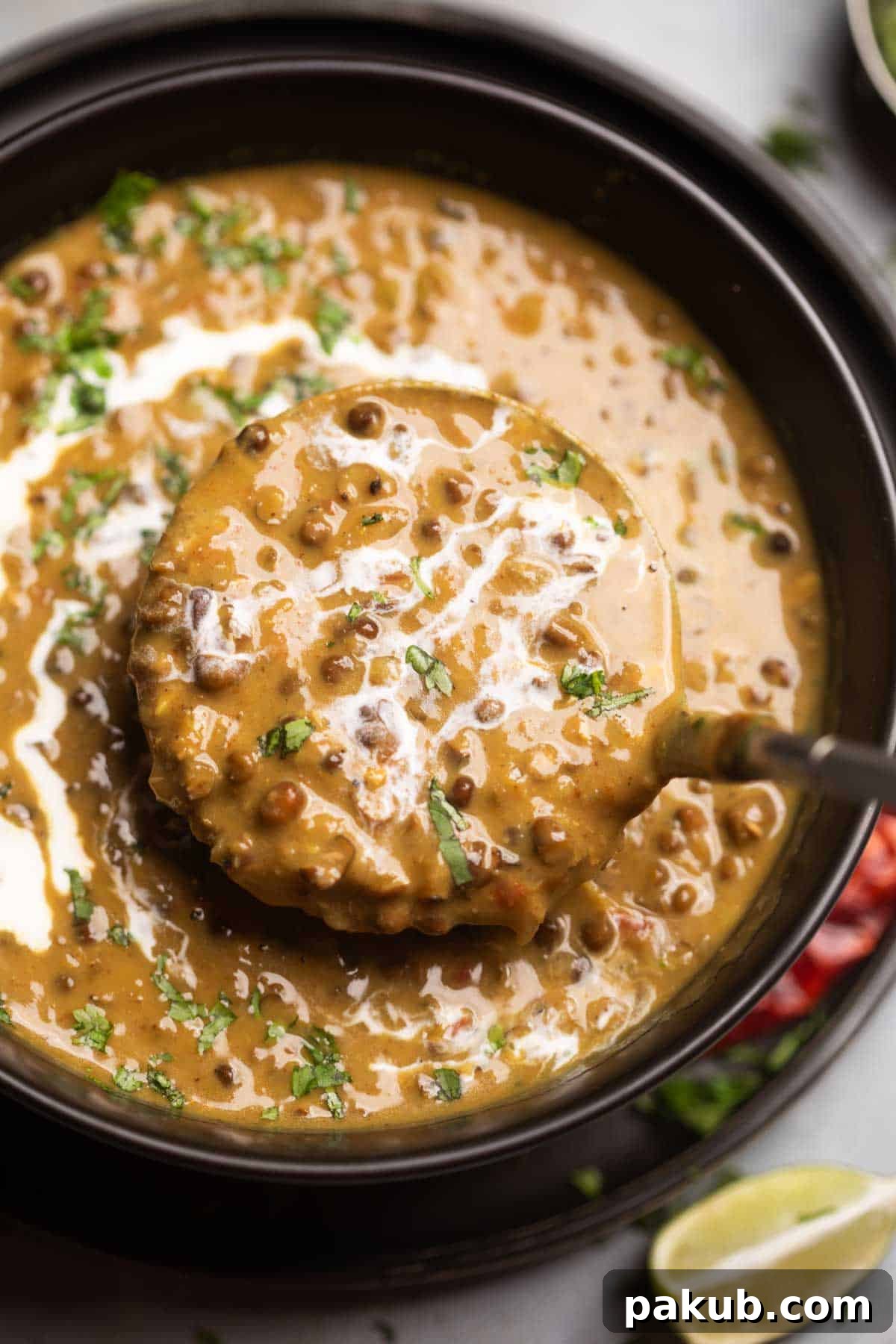
Authentic Amritsari Dal: A Culinary Gem from Punjab
For those who follow my culinary journey, my deep affection for lentils, or ‘dal,’ is no secret. From the wholesome Langar Wali Dal (Maa ki Dal) to the robust Dhaba Dal Tadka with Double Tadka, the comforting Andhra Pappu, and the quick Dhaba Style Moong Dal, dals are an integral part of Indian cuisine. They are celebrated for their nourishing qualities, high protein content, and incredible ability to provide warmth and comfort. Each dal tells a unique story, offering a diverse palette of flavors and textures.
Today, we embark on a journey to Amritsar, the heart of Punjab, to discover one of the most revered lentil preparations: Amritsari Dal. This isn’t just another dal; it’s a testament to the rich culinary heritage of Punjab, known for its hearty, flavorful, and often indulgent dishes. Crafted from humble ingredients and cooked with patience, the result is a dish that is luxuriously aromatic, profoundly creamy, and utterly delicious. Its signature dhaba-style flavor and unparalleled creaminess are what set it apart. The generous use of ghee imparts a stunning glossy finish and a rich, deep taste, while the thick, velvety texture makes it absolutely perfect for scooping up with some warm, pillowy garlic naan or a fragrant plate of jeera rice.
What Makes Amritsari Dal So Special?
Amritsari Dal, often referred to as ‘Maa di Dal’ in Punjabi households, is a traditional black lentil (Urad Dal) preparation unique to the city of Amritsar. Unlike its cousin, Dal Makhani, which often incorporates kidney beans (rajma) and a more pronounced tomato base, Amritsari Dal primarily focuses on whole black gram, slow-cooked to a creamy consistency and finished with a robust tempering (tadka). The secret to its distinctive flavor lies in its preparation: minimal spices during the initial boil, allowing the natural earthy flavor of the lentils to shine, followed by a rich tempering of onions, ginger, garlic, and a medley of aromatic spices, all generously cooked in ghee. The final touch of fresh cream elevates its texture, making it undeniably opulent.
This dal is not merely food; it’s an experience. It embodies the essence of Punjabi hospitality – rich, flavorful, and deeply satisfying. Whether it’s a festive gathering or a cozy family dinner, Amritsari Dal brings a touch of warmth and culinary excellence to any table.
Table of Contents: Amritsari Dal
- Key Ingredients for Authentic Amritsari Dal
- Step-by-Step Guide to Making Amritsari Dal
- Expert Tips for the Perfect Amritsari Dal
- Customization Ideas & Variations
- Serving Suggestions
- Frequently Asked Questions
- Storage and Reheating Tips
Key Ingredients for Authentic Amritsari Dal
Crafting the perfect Amritsari Dal relies on a balance of fresh, high-quality ingredients. Here’s a closer look at what you’ll need and why each component is crucial:
- Whole Urad Dal (Black Gram): This is the star of our dish, also known as kali dal. Its unique texture and earthy flavor are fundamental to Amritsari Dal’s signature creaminess and body. Soaking it properly is key to achieving that melt-in-your-mouth consistency.
- Aromatics (Onions, Ginger, Garlic, Green Chillies): These form the aromatic backbone of the dal. Generous amounts of finely chopped onions, ginger, and garlic, along with the subtle heat of green chillies, create a complex flavor profile that is both robust and inviting. They are essential for building the authentic ‘dhaba-style’ taste.
- Tomatoes: A touch of finely chopped tomatoes adds a delightful hint of tanginess, perfectly balancing the richness of the cream and ghee. They also contribute to the dal’s vibrant color and depth of flavor.
- Essential Indian Spices: A carefully selected blend of ground spices brings warmth and complexity. We use turmeric powder for its earthy notes and color, red chilli powder for a gentle warmth, amchur (dry mango) powder for an extra layer of tang, coriander powder for citrusy undertones, cumin powder for its distinctive aroma, and aromatic garam masala for its signature blend of warming spices.
- Salt: A fundamental seasoning, salt enhances all the other flavors, bringing them into harmonious balance. Always adjust to your taste.
- Fresh Cream: This is where the luxuriousness comes in! Fresh cream contributes significantly to the dal’s velvety texture and richness, while also mellowing the spice levels and adding a decadent finish.
- Oil and Ghee: The combination of a neutral-flavored oil (such as vegetable, sunflower, or canola) and traditional Indian ghee is crucial. Ghee provides that unmistakable authentic Punjabi flavor and a glossy sheen, adding immense depth and aroma that cannot be replicated with just oil.
- Water: Used for soaking the dal and for pressure cooking, ensuring the lentils become tender and creamy. Its quantity is adjusted to achieve the desired consistency.
Step-by-Step Guide to Making Amritsari Dal
Creating this flavorful Amritsari Dal is a labor of love that promises a rewarding experience. Follow these detailed steps to achieve a restaurant-quality dish in your own kitchen:
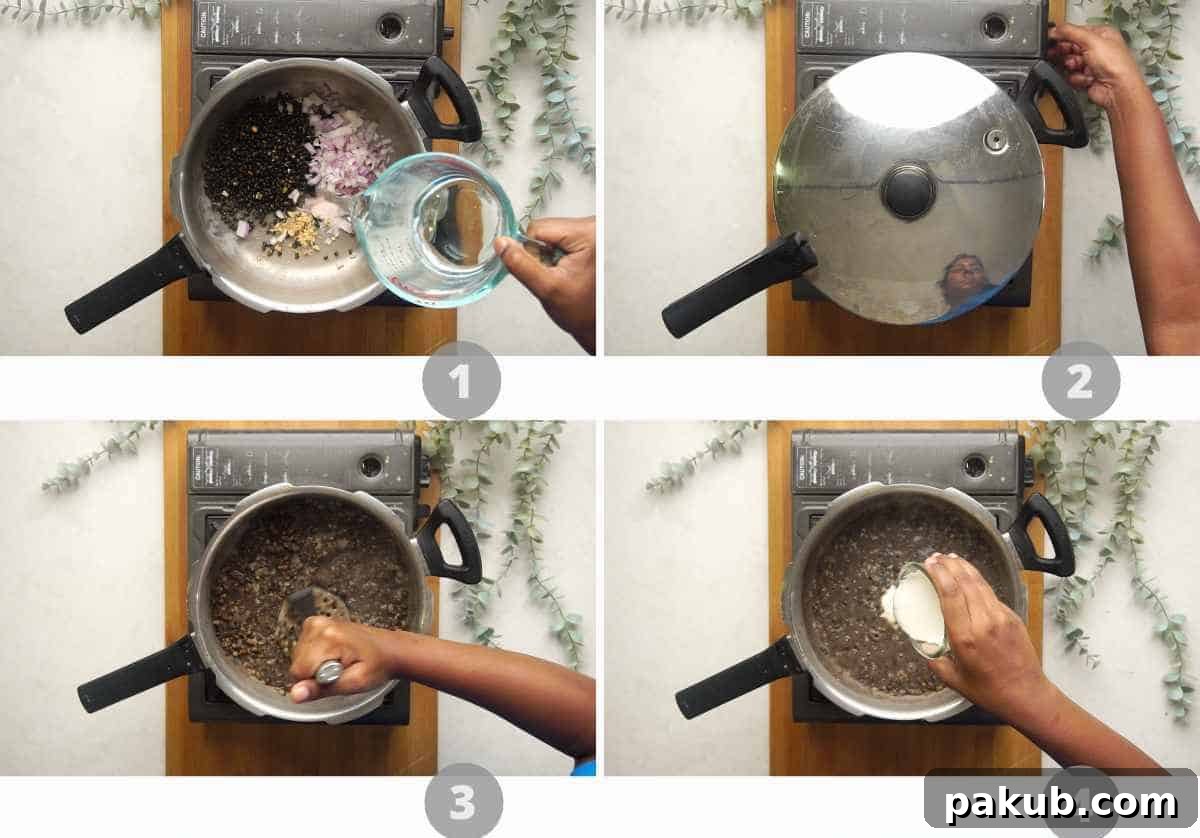
- Prepare the Dal: Begin by thoroughly cleaning and washing 3/4 cup of whole Urad Dal (black gram). It’s crucial to remove any impurities. Once clean, soak the dal in ample water overnight, or for at least 6-8 hours. This step significantly reduces cooking time and aids in digestion, resulting in a softer, creamier dal. After soaking, drain the water completely.
- Pressure Cook the Dal: In a pressure cooker, combine the drained soaked dal with 1/2 cup of finely chopped onions, 1 teaspoon of chopped ginger, and salt to taste. Add 2 1/2 cups of fresh water. Close the lid and pressure cook over medium flame for approximately 15 to 20 minutes, or until the Urad Dal is perfectly cooked and tender. Allow the pressure to release naturally before carefully opening the lid. This ensures the dal is thoroughly cooked through.
- Mash and Simmer: Once cooked, the dal might still have some whole lentils. Using a potato masher or the back of a ladle, gently mash a portion of the cooked dal directly in the cooker. This step is vital for achieving the characteristic creamy and thick texture of Amritsari Dal. Stir in 1/4 cup of fresh cream. Continue to cook the dal on a low flame for about 10 minutes, stirring occasionally to prevent it from sticking to the bottom. This simmering period allows the flavors to meld and the dal to thicken further. If the dal becomes too thick, you can add a little hot water to reach your desired consistency. Set the dal aside while you prepare the tempering.
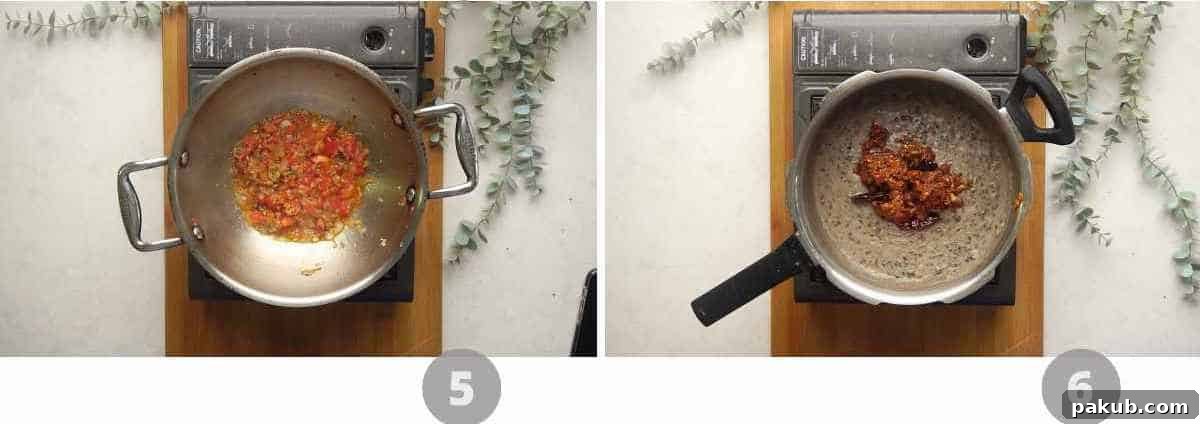
- Prepare the Tempering (Tadka): In a separate small pan or a tempering spoon, heat 1 tablespoon of oil and 1 tablespoon of ghee over medium heat. Once hot, add the remaining 1/2 cup of finely chopped onions, 2 teaspoons of finely chopped garlic, 1 teaspoon of finely chopped ginger, and 1 teaspoon of finely chopped green chillies. Sauté this mixture until the onions turn translucent and light golden brown, and the raw aroma of ginger and garlic disappears.
- Add Tomatoes and Spices to Tempering: Stir in 1/2 cup of chopped tomatoes and continue to sauté for 3-4 minutes. Cook until the tomatoes soften and the mixture begins to release oil from the sides, indicating that it’s well cooked. Now, add the dry spices: 1/2 teaspoon chilli powder, 1/2 teaspoon turmeric powder, 1/2 teaspoon amchur (dry mango) powder, 1/2 teaspoon coriander powder, 1/2 teaspoon cumin seed powder, and 1/2 teaspoon garam masala. Add a pinch of salt here as well to enhance the spice flavors. Sauté the spices for another 2-3 minutes, ensuring they are fragrant but do not burn.
- Combine and Simmer: Carefully pour the prepared tempering mixture into the cooked dal. Stir everything well to ensure the tempering is evenly distributed throughout the dal. Allow the dal to simmer on low heat for another 5 minutes, letting the robust flavors of the tempering infuse into the creamy lentils. During this final simmer, check the consistency and adjust by adding ¼ to ½ cup of hot water if you prefer a thinner dal.
- Serve: Ladle the hot Amritsari Dal into serving bowls. Garnish generously with an extra swirl of fresh cream and a sprinkle of fresh coriander leaves for freshness and visual appeal. Serve immediately and enjoy!
Expert Tips for the Perfect Amritsari Dal
Achieving the authentic taste and texture of Amritsari Dal requires a few key techniques and considerations. Here are Richa’s top tips to help you master this recipe:
- Quality of Lentils: Always use fresh, high-quality lentils for the best flavor and texture. Older lentils can be harder to cook, taking longer to soften and sometimes developing a slightly altered flavor profile.
- Overnight Soaking is Non-Negotiable: This step is critical! Soaking whole Urad Dal overnight (or for at least 6-8 hours) is essential for two main reasons: it drastically reduces the pressure cooking time, making the lentils tender faster, and it significantly improves digestibility. The texture of Amritsari Dal is paramount – it should be incredibly soft and creamy – and proper soaking is the first step to achieving this. Do not skip this!
- Mash for Creaminess: After pressure cooking, a crucial step for Amritsari Dal is to mash the cooked lentils. Unlike many other dal recipes where whole lentils are desired, for Amritsari Dal, we aim for a smooth, velvety consistency with some texture. Use a regular hand potato masher directly in the cooker. If you prefer an even smoother texture, an immersion blender can be used briefly. This mashing releases starch and contributes to the dal’s characteristic richness and thickness.
- Patience During Simmering: Amritsari Dal tends to thicken as it cools. Therefore, be mindful not to over-thicken it during the final simmering stages. A little bit of patience here goes a long way. Allow the dal to simmer on low heat with the cream and tempering; this gentle cooking allows the flavors to deepen and the dal to achieve its perfect creamy, thick consistency. Stir occasionally to prevent sticking.
- The Power of Ghee: Don’t skimp on the ghee! While oil is used, ghee is what truly imparts the rich, nutty flavor and glossy finish characteristic of authentic Punjabi dals. Using a good quality ghee will make a significant difference to the aroma and taste.
- Adjust Consistency Gradually: If your dal appears too thick after simmering, gradually add small amounts of hot water (¼ to ½ cup at a time) until you reach your preferred consistency. Remember, it will continue to thicken slightly upon cooling.
Customization Ideas & Variations
- Make it Vegan: To adapt this recipe for a vegan diet, simply omit the ghee and replace it with a plant-based oil (like coconut oil or vegetable oil). Substitute the fresh cream with an equal amount of homemade cashew cream (soaked and blended cashews) or a good quality dairy-free cream alternative. The flavor profile will be slightly different but still incredibly delicious and satisfying.
- Lentil Alternatives: While Amritsari Dal is traditionally made with whole black gram (Urad Dal) for its distinct flavor and texture, you can experiment with other lentils. A blend of Urad Dal and split Bengal gram (Chana Dal) could offer a different texture and taste. Just be sure to adjust the soaking and cooking times accordingly, as different lentils have varying cooking durations.
- Spice Level Adjustment: This recipe offers a moderate spice level. If you prefer a spicier dal, increase the amount of green chillies and red chilli powder. For a milder version, reduce the chillies and red chilli powder or opt for Kashmiri chilli powder for color without excessive heat.
- Smoky Flavor (Dhaba Style): For an authentic dhaba-style smoky flavor, try the ‘dhungar’ method. After the dal is cooked, place a small heat-proof bowl in the center of the dal. Heat a piece of charcoal until it’s glowing red, place it in the bowl, pour a teaspoon of ghee over it, and immediately cover the dal tightly for 5-10 minutes. This will infuse a wonderful smoky aroma.
Serving Suggestions
- With Bread: A warm, flaky butter garlic naan, fresh off the stove, is an iconic pairing with this creamy Amritsari Dal. The soft, chewy bread is perfect for soaking up every drop of the rich curry. Other excellent choices include soft rotis, instant naan, or layered lachha parathas.
- With Rice: For a comforting and wholesome meal, serve Amritsari Dal with a steaming plate of fragrant jeera rice or plain basmati rice. The simplicity of the rice allows the complex flavors of the dal to shine.
- Complete Meal Platter: Transform your Amritsari Dal into a grand feast by serving it as part of a traditional North Indian thali. Complement it with Aloo Gobi (potato and cauliflower curry), crispy papad, cooling raita, and a fresh green salad with sliced onions and a squeeze of lemon. Add some pickled pink onions and green chutney on the side for an authentic touch. For non-vegetarian lovers, a side of tandoori chicken would be a perfect addition.
Frequently Asked Questions
Dal Makhani typically uses a mix of whole black gram (urad dal) and kidney beans (rajma), often with a rich tomato-based gravy. Amritsari Dal, on the other hand, is primarily made with just whole black gram, focusing on its unique texture and flavor, usually with a less pronounced tomato base and a more direct tempering of aromatics and spices.
While you technically could, authentic Amritsari Dal, similar to Langar Wali Dal, is traditionally made with just lentils and aromatics. Adding vegetables would alter its classic flavor and texture, and is generally not recommended if you’re aiming for authenticity. Instead, consider serving a vegetable side dish (sabji) alongside the dal to make it a more wholesome and varied meal.
Absolutely! Amritsari Dal often tastes even better the next day as the flavors have more time to meld and deepen. It’s a fantastic dish for meal prepping or entertaining. Simply store it properly and reheat as needed.
If you don’t have a pressure cooker, you can cook the soaked Urad Dal in a heavy-bottomed pot. It will take significantly longer, potentially 1.5 to 2 hours, depending on the lentils’ freshness and soaking time. Ensure you add enough water and keep it on a low simmer until the lentils are completely tender and can be easily mashed. You might need to add water periodically during cooking.
Urad Dal (black gram) is a powerhouse of nutrition, rich in protein, fiber, iron, and B vitamins. While Amritsari Dal is prepared with ghee and cream, making it a richer dish, it still offers significant nutritional benefits from the lentils. You can adjust the amount of ghee and cream to your preference to make it slightly lighter, without compromising too much on flavor.
Storage and Reheating Tips
- Storage: Store leftover Amritsari Dal in an airtight container in the refrigerator for up to 3-4 days. For longer storage, you can freeze it in freezer-safe containers for up to 2-3 months. Thaw frozen dal in the refrigerator overnight before reheating.
- Reheating: When reheating, Amritsari Dal will likely have thickened considerably. Transfer the dal to a saucepan and reheat over low to medium heat, stirring frequently. Add a splash of hot water or milk to adjust the consistency back to your liking. Bring it to a gentle simmer. You can also add a fresh dollop of cream or a small fresh tadka for renewed flavor.
Watch Recipe Video
Amritsari Dal
Richa
15 mins
40 mins
55 mins
6 people
Ingredients
- 3/4 Cup Whole Urad Dal (Black Lentils)
- 1 Cup Chopped Onions, divided
- 1 Teaspoon Chopped Ginger (for pressure cooker)
- Salt To Taste (for initial cooking)
- 1 Tablespoon Oil (for tempering)
- 1/4 Cup Fresh Cream, + extra for garnishing
- 1 Tablespoon Ghee (for tempering)
- 2 Teaspoons Finely Chopped Garlic (for tempering)
- 1 Teaspoon Finely Chopped Ginger (for tempering)
- 1 Teaspoon Finely Chopped Green Chillies (for tempering)
- 1/2 Cup Chopped Tomatoes (for tempering)
- 1/2 Teaspoon Chilli Powder
- 1/2 Teaspoon Turmeric Powder
- 1/2 Teaspoon Amchur (Dry Mango Powder)
- 1/2 Teaspoon Coriander Powder
- 1/2 Teaspoon Cumin Seed Powder
- 1/2 Teaspoon Garam Masala
- 1/2 to 1 Cup Water (for adjusting consistency)
Instructions
-
Clean, wash, and soak whole urad dal in water overnight. Drain the water. In a pressure cooker, add the soaked dal, 1/2 cup of onions, chopped ginger, salt, and 2 1/2 cups of water.
-
Pressure cook the dal mixture over medium flame for 15 to 20 minutes until the urad dal is cooked. Allow the pressure to release naturally before opening the lid.
-
Mash the cooked dal and add fresh cream. Cook the dal on low flame for 10 minutes to thicken it. Stir occasionally to ensure the bottom doesn’t burn. Add more water if you feel the dal is too thick. Set aside.
-
For tempering, heat oil and ghee in a small pan. Add the remaining 1/2 cup of onions, finely chopped garlic, finely chopped ginger, and finely chopped green chillies. Sauté until the onions turn translucent. Add the chopped tomatoes and sauté for 3-4 minutes until the mixture starts releasing oil.
-
Stir in the chilli powder, turmeric powder, amchur, coriander powder, cumin seed powder, garam masala, and salt. Sauté for 2-3 minutes until fragrant.
-
Add the tempering mixture to the dal and simmer for 5 minutes. Adjust the consistency by adding ¼ to ½ cup of water as needed.
-
Serve the dal garnished with fresh cream and fresh coriander.
Video
Notes
- Make sure to clean, wash, and soak the whole urad dal in water overnight. Texture is really important in this recipe so make sure you don’t skip this step.
- Mash the dal when it is cooked – this isn’t a common step when making most dals but we want this Amritsari Dal to be smooth and creamy. I just use a regular hand potato masher but you could use an immersion blender to do this as well.
- The dal will thicken up more when you cook it on low flame with the cream – a little bit of patience will go a long way here!
Nutrition Information (per serving)
Carbohydrates: 17g
Protein: 7g
Fat: 9g
Saturated Fat: 4g
Polyunsaturated Fat: 1g
Monounsaturated Fat: 3g
Trans Fat: 0.01g
Cholesterol: 18mg
Sodium: 234mg
Potassium: 106mg
Fiber: 6g
Sugar: 2g
Vitamin A: 255IU
Vitamin C: 6mg
Calcium: 39mg
Iron: 2mg
If you’re planning to host friends soon or simply looking to impress your family with a truly lip-smacking meal, this creamy Amritsari Dal absolutely deserves a spot on your culinary radar!
I often enjoy creating a lavish spread featuring this delightful dal alongside succulent tandoori chicken, aromatic basmati rice, fluffy garlic naan, and crispy lachha paratha. Complementing this feast with some tangy pickled pink onions, fiery green chillies, and a refreshing green chutney on the side truly elevates the entire dining experience.
Stay tuned for more exciting dal recipes, as our humble lentils prove time and again how incredibly versatile and impressive they can be. As always, if you try this recipe, be sure to share your creations and tag me on Instagram – I love seeing your culinary adventures!
This article was researched and written by Urvi Dalal.