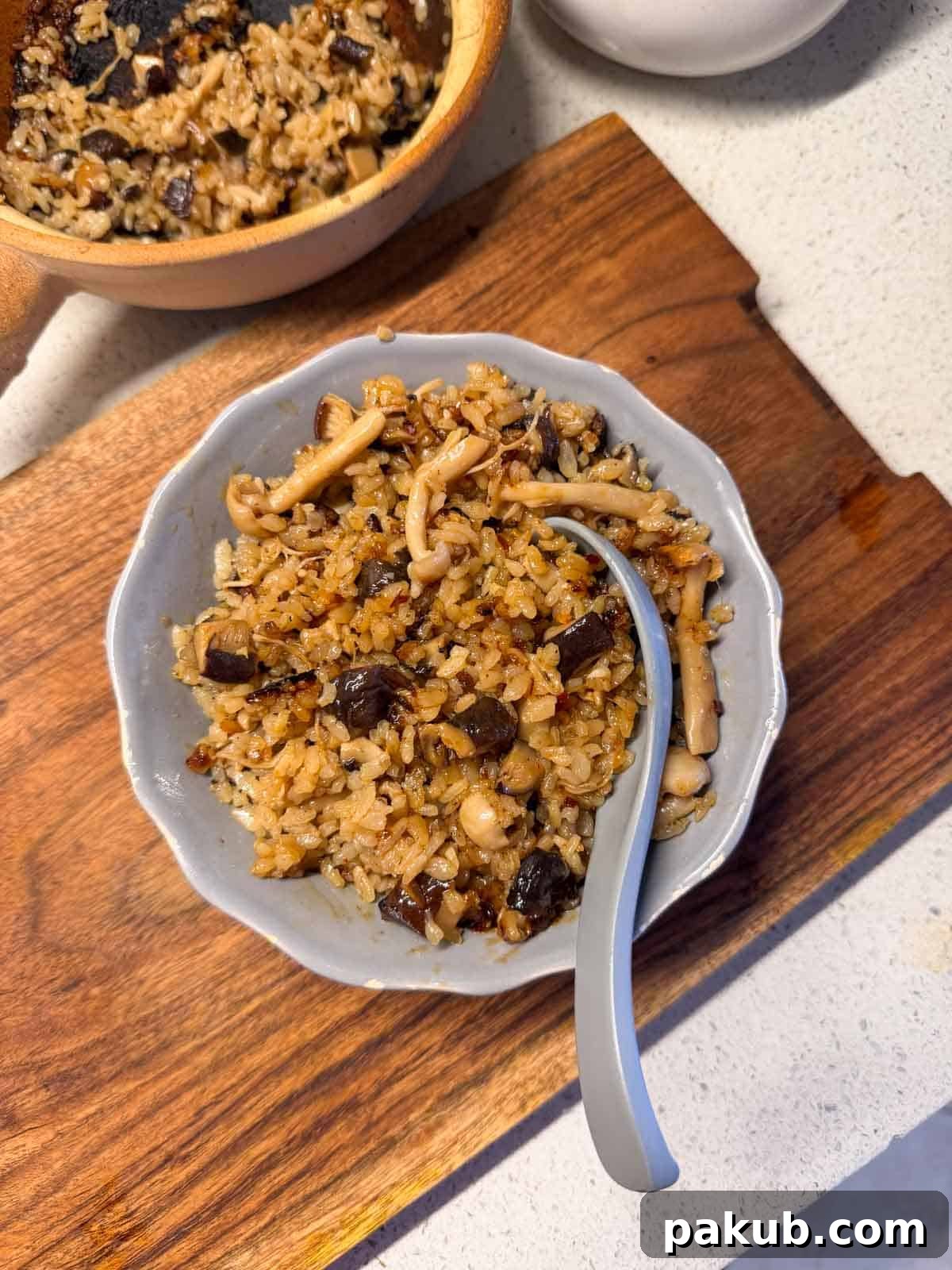
Ultimate Claypot Mushroom Rice: Your Go-To Vegetarian Weeknight Meal
This Claypot Mushroom Rice isn’t just a recipe; it’s an experience. Imagine a comforting, deeply flavorful one-pot meal that comes together in about 25 minutes, filling your kitchen with an irresistible aroma. It’s the perfect weeknight dinner solution for anyone craving authentic Asian flavors with a vegetarian twist.
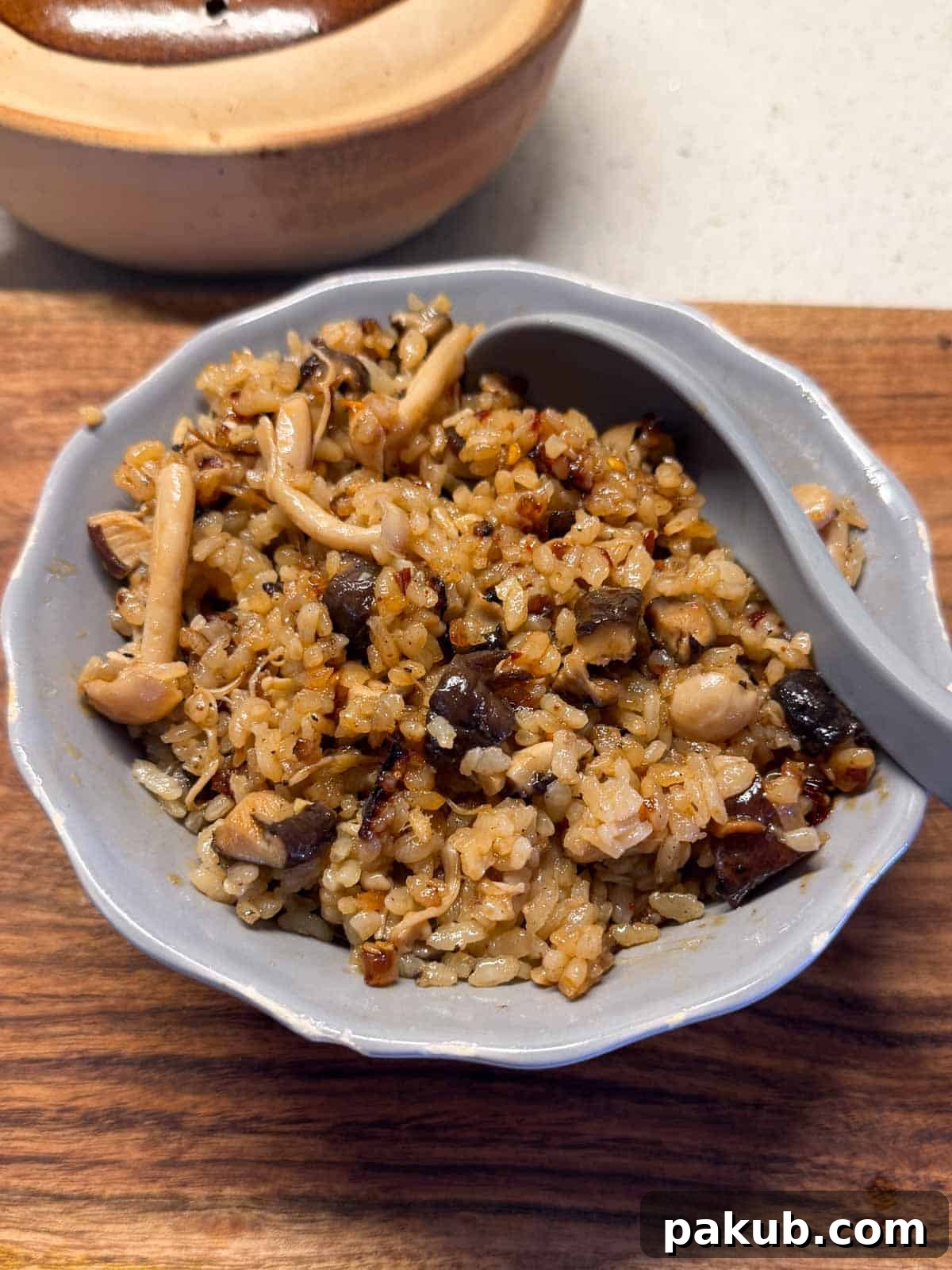
Inspired by the beloved Asian-style claypot chicken rice, this vegetarian version stands proudly on its own, offering an equally compelling depth of flavor and umami. We achieve this richness by incorporating a medley of diverse mushrooms, each contributing its unique profile to create a dish that feels sophisticated enough for a restaurant, yet simple enough for your home kitchen. The moment this dish starts cooking, your kitchen will be enveloped in the most incredible fragrance, a promise of the deliciousness to come.
Beyond its fantastic taste, the true beauty of this recipe lies in its efficiency. It’s quickly become a regular fixture in our household because it delivers maximum flavor with minimal effort and time. If you’re new to the world of claypot rice, prepare to be amazed – this dish is an absolute treat for the senses.
Key Ingredients for a Flavorful Claypot Mushroom Rice
Creating an extraordinary claypot mushroom rice starts with selecting the right ingredients. Each component plays a vital role in building the dish’s complex flavor profile and irresistible texture.
- Sushi Rice: Not just for sushi! This short-grain rice variety is ideal because it cooks up wonderfully sticky, allowing it to absorb all the savory sauces and rich mushroom flavors beautifully. Remember to soak it for 20 minutes before cooking to ensure even cooking and optimal texture.
- A Symphony of Mushrooms:
- Dried Shiitake: The cornerstone of umami in this dish. Their concentrated flavor is released when rehydrated, and crucially, their soaking water becomes a flavor-packed liquid for the rice.
- Cremini (Baby Bella): Adds an earthy, robust flavor and a meaty texture that complements the other mushrooms.
- Shimeji (Beech Mushrooms): Contributes a subtle nutty note and a pleasing delicate chewiness.
- Enoki: Known for their delicate, slightly crunchy texture and mild flavor, they add a fantastic textural contrast when cooked.
- Aromatic Base: Freshly minced garlic, finely chopped ginger, and thinly sliced shallots are sautéed in sesame oil to create an incredibly fragrant and savory foundation for the entire dish. This trio is essential for that authentic Asian aroma.
- The All-Important Sauce Mix:
- Oyster Sauce: A key ingredient for its rich, savory, and slightly sweet umami notes. (For a strictly vegan version, you can use a vegetarian mushroom-based oyster sauce alternative).
- Light Soy Sauce: Provides essential saltiness and depth of flavor.
- Vinegar: A touch of vinegar brightens the flavors and adds a subtle tang, balancing the richness.
- White Pepper Powder: Offers a gentle, earthy heat that is characteristic of many Asian dishes.
- Salt: Adjusts the overall seasoning.
- Cornflour (Cornstarch): Used to lightly thicken the mushroom marinade, ensuring the flavors cling beautifully to the mushrooms and create a slightly glossy finish.
- MSG (Monosodium Glutamate): Just a small pinch. It works synergistically with the natural glutamates in the mushrooms and soy sauce to elevate the overall umami, making the dish truly sing and taste like your favorite restaurant creation. We’ll dive deeper into MSG later!
- Chilli Oil Mix: A simple blend of 1 teaspoon of oyster sauce with our homemade chili oil (or your favorite store-bought variety). Drizzled on top just before serving, it provides a gentle, aromatic kick of heat and a beautiful sheen.
- Sesame Oil: Used for sautéing the aromatics and mushrooms. Its distinct nutty aroma instantly sets the tone for this comforting Asian dish.
The Magic of Claypot Cooking: Why It Makes All the Difference
While you can certainly prepare this recipe in a heavy-bottomed pot or cast-iron pan, using a traditional claypot truly elevates the experience and the flavor. The porous nature of a claypot allows it to absorb and retain heat differently from metal cookware. This unique characteristic contributes to several distinct advantages:
- Unparalleled Heat Retention: Claypots hold heat incredibly well, allowing the rice to cook evenly and gently, resulting in perfectly tender grains.
- Subtle Smoky & Earthy Notes: Over time, a seasoned claypot can impart a delicate, earthy, almost smoky flavor to the rice that is difficult to replicate in other vessels. It’s part of the authentic claypot charm.
- The Coveted Crispy Bottom (Guoba or Socarrat): One of the most prized elements of claypot rice is the crispy, caramelized layer of rice that forms at the bottom of the pot, known as “guoba” in Chinese cuisine or “socarrat” in Spanish paella. The claypot’s ability to maintain high, even heat on the bottom is crucial for achieving this delightful texture.
- Enhanced Aroma: The gradual cooking process in a claypot allows the flavors of the mushrooms, sauces, and aromatics to meld and infuse into the rice more deeply, creating a more aromatic and integrated dish.
Embracing the claypot tradition transforms a simple rice dish into a culinary masterpiece, celebrated for its texture, aroma, and profound depth of flavor.
How to Make the Ultimate Claypot Mushroom Rice
Follow these detailed steps to create a show-stopping claypot mushroom rice that will impress everyone at your table.
1. Hydrating the Shiitake Mushrooms
- Begin by placing the 5 dried shiitake mushrooms in a heatproof bowl. Pour ¾ cup of boiling hot water over them, ensuring they are fully submerged. Let them soak for 10-12 minutes until they are plump and soft.
- Once rehydrated, carefully remove the mushrooms from the water, reserving the precious soaking liquid. This liquid is packed with umami and will be used to cook the rice. Slice the rehydrated shiitake mushrooms lengthwise into thin strips.
2. Marinating the Mushrooms
- In a medium-sized bowl, combine the sliced rehydrated shiitake, thinly sliced cremini mushrooms (approx. 50 gms), trimmed shimeji mushrooms (approx. 60 gms or 1 cup), and trimmed enoki mushrooms (approx. 30 gms or ½ cup).
- Add 1 ½ tablespoons of oyster sauce, 1 tablespoon of light soy sauce, 1 teaspoon of vinegar, ¼ teaspoon of salt, ½ teaspoon of white pepper powder, and ½ tablespoon of cornflour to the mushrooms.
- Toss everything together thoroughly, making sure all the mushrooms are well coated with the marinade. Let the mixture marinate for at least 10 minutes. This step is crucial for infusing the mushrooms with flavor before cooking.
3. Preparing the Chili Oil Mix
- In a small separate bowl, combine 1 teaspoon of oyster sauce with 2 teaspoons of chili oil. Stir well until thoroughly combined. Set this aside; it will be drizzled over the cooked rice just before serving for an extra layer of flavor and a beautiful glossy finish.
4. Cooking the Claypot Mushroom Rice
- Heat 2 tablespoons of toasted sesame oil (or any neutral-flavored oil if you prefer a milder aroma) in your claypot or a heavy-bottomed cooking pot over medium heat.
- Add 1 ½ teaspoons of finely chopped garlic, 1 ½ teaspoons of finely chopped ginger, and 5 finely sliced shallots to the hot oil. Sauté for about 1 minute until the aromatics become fragrant and slightly softened, being careful not to burn them.
- Introduce the marinated mushrooms to the pot. Sauté for 1-2 minutes over low heat, stirring occasionally, until they are well roasted and have developed a deeper color and aroma. This step further concentrates their delicious flavors.
- Add the ½ cup of sushi rice (which should have been washed and soaked for 20 minutes) to the pot. Sauté the rice with the mushrooms and aromatics for another 1-2 minutes, allowing the grains to lightly toast and absorb the flavors.
- Carefully pour in 1 cup of the reserved shiitake mushroom soaking water. Bring the mixture to a boil over medium-high heat.
- Once boiling, reduce the heat to low, cover the pot tightly with its lid, and let it cook undisturbed for 12 minutes. During this time, the rice will absorb the liquid and cook through.
- After 12 minutes, gently lift the lid (the aroma will be incredible!). Add a small pinch of MSG (monosodium glutamate) to the rice. Using a spatula or spoon, carefully mix the MSG into the rice, making sure not to mush the grains. This will amplify the umami beautifully.
- Cover the pot again and let the claypot rice rest off the heat for 3-4 minutes. This resting period allows the flavors to settle and helps create that desirable crispy layer at the bottom of the pot.
- Finally, remove the lid, drizzle the prepared chili oil mix evenly over the top of the rice. Rest for another 2 minutes to let the chili oil permeate the dish.
- Serve hot directly from the claypot, making sure to scrape up the crispy bits from the bottom. Enjoy your homemade, restaurant-quality Claypot Mushroom Rice!
Frequently Asked Questions About Claypot Mushroom Rice
What is special about claypot rice?
Claypot rice offers a distinct culinary experience, primarily due to the unique properties of the claypot itself. The porous surface of the pot absorbs and retains heat differently from metal cookware, leading to a subtle smoky, earthy taste in the rice that is truly inimitable. It also creates a highly sought-after crispy rice layer at the bottom, known as “guoba,” which adds a delightful textural contrast.
I don’t have a claypot. What can I use instead?
No claypot? No problem! A heavy-bottomed pot, a Dutch oven, or even a cast-iron pan will work wonderfully as alternatives. While you might not achieve the exact smoky clay flavor, the rice will still cook perfectly and taste incredibly delicious. The key is a pot that retains heat well to ensure even cooking.
Which other vegetables taste good in this dish?
This recipe is quite versatile when it comes to adding more vegetables. Bok choy, baby corn, snap peas, and broccoli florets are all excellent choices. For best results, add them alongside the mushrooms, allowing them to steam gently on top of the rice. This method ensures they cook through without becoming overdone, retaining their vibrant color and slight crunch.
How can I make this recipe more protein-rich?
To boost the protein content, consider adding cubed firm tofu or edamame along with the mushrooms. If you consume eggs, a classic claypot rice addition is to crack one or two eggs directly over the rice in the last few minutes of cooking, then quickly replace the lid. The steam will gently cook the egg, creating a runny yolk that mingles beautifully with the rice, making the dish much more filling.
Can I use other types of mushrooms?
Absolutely! Feel free to experiment with other mushroom varieties like button, oyster, or king oyster mushrooms. However, we highly recommend keeping the dried shiitake mushrooms in the mix. Their soaking water is indispensable for imparting that deep, rich umami flavor that truly defines this dish.
How do I achieve the crispy rice layer (guoba)?
The crispy bottom, or “guoba,” is a prized element of claypot rice. To achieve it, make sure your pot is well-heated before adding the aromatics. After the rice has cooked and absorbed the liquid (the 12-minute cooking time), increase the heat to medium-high for the last 2-3 minutes (listening for sizzling) before letting it rest. This brief blast of heat at the end helps to caramelize the bottom layer of rice. Don’t lift the lid during this final step!
Expert Tips for a Perfect Claypot Mushroom Rice
Follow these insights to ensure your claypot mushroom rice is nothing short of spectacular, bursting with flavor and perfect texture every time.
- Don’t Skip Soaking Shiitake Mushrooms – And Save the Water! Rehydrating dried shiitake mushrooms is non-negotiable for their deep umami. But more importantly, never discard the soaking water! This rich, dark liquid is packed with concentrated mushroom flavor and glutamates, which go directly into the rice, becoming a major contributor to the dish’s incredible depth of flavor. Think of it as liquid gold for your rice.
- Pre-Soak Your Rice for Optimal Texture. Soaking your sushi rice for at least 20 minutes before cooking is a small step that yields big results. This helps the grains cook more evenly, prevents them from clumping excessively, and allows them to better absorb all the savory flavors from the sauce and mushroom water. It ensures each grain is perfectly plump and infused with taste.
- Marinate the Mushrooms for Flavor Penetration. Even a quick 10-minute marinade makes a significant difference. By coating the mushrooms in the oyster sauce, soy, and vinegar mixture ahead of time, they soak up these flavors, ensuring that when they hit the hot pot, they are already rich and savory. This prevents bland mushrooms and contributes to an overall more cohesive and delicious dish.
- Don’t Overcrowd the Pot. If you double the recipe, consider using a larger claypot or two smaller ones. Overcrowding can lead to steaming rather than sautéing, preventing the mushrooms from developing their delicious roasted flavor and hindering the crispy rice formation.
- Listen for the Sizzle! When aiming for that coveted crispy rice bottom (guoba), pay attention to the sounds coming from your claypot during the last few minutes of cooking. A gentle sizzling indicates the formation of that delicious crust. A quick burst of higher heat at the very end (as described in the FAQ) can help achieve this, but don’t burn it!
Storage and Reheating Tips
- In the Fridge: Store any leftover claypot mushroom rice in an airtight container in the refrigerator for up to 2 days. The rice will naturally firm up as it cools, but the flavors will hold up remarkably well, often tasting even better the next day as they continue to meld.
- Freezing: We generally do not recommend freezing cooked rice for this dish. Freezing and thawing can significantly alter the texture of the rice, making it mushy or grainy, and you’ll lose the delightful consistency that makes this dish so enjoyable.
- Reheating Tip: To reheat, gently warm the rice on the stovetop over low heat or in the microwave. For best results, add a splash of water (about a tablespoon per serving) to help loosen the rice and prevent it from drying out. Cover the container or pot while reheating to allow the steam to revitalize the grains and bring the wonderful aromas back to life.
Perfect Serving Ideas for Your Claypot Mushroom Rice
This Claypot Mushroom Rice is a wonderfully complete and satisfying meal on its own. However, if you’re looking to expand your dinner spread or simply add a fresh side, these pairings from our blog complement its rich flavors beautifully:
- With Asian Slaw: The vibrant crunch and refreshing tang of an Asian slaw provide a perfect counterpoint to the richness of the rice. It’s light, fresh, and can be prepared in about 10 minutes, making it an ideal speedy side.
- With Wonton Soup: For the ultimate comforting dinner, especially on a chilly evening, pair your claypot rice with a warm bowl of brothy wonton soup. The delicate dumplings and savory broth create a harmonious and deeply satisfying meal.
- With Crispy Tofu Broccoli Stir Fry: If you’re aiming to incorporate more protein and greens into your meal, this stir-fry is an excellent choice. Its flavors align perfectly with the claypot rice, keeping the entire dinner in the same delicious Asian culinary family.
- With Chilli Paneer: For a more indulgent and celebratory spread, serve your claypot mushroom rice alongside a plate of saucy chili paneer. This combination elevates the meal to a restaurant-quality feast that’s sure to impress.
- Garnish: A sprinkle of freshly chopped green onions (scallions) or cilantro, along with a few toasted sesame seeds, adds a lovely fresh finish and visual appeal.
The Umami Factor: A Deep Dive into MSG (Monosodium Glutamate)
For decades, MSG has suffered from an undeserved bad reputation, often mistakenly linked to various adverse reactions. However, modern scientific understanding has thoroughly debunked these myths, revealing MSG to be a perfectly safe and incredibly effective flavor enhancer, particularly when aiming for that elusive “umami” taste.
At its core, MSG is simply the salt form of glutamic acid, one of the most abundant amino acids found naturally in countless foods we consume every day. Think of the rich, savory depth in ripe tomatoes, aged Parmesan cheese, fermented soy sauce, or even human breast milk – all are naturally rich in glutamates. MSG merely isolates and concentrates this natural compound, allowing us to harness its pure umami power.
The widespread fear surrounding MSG originated from a single letter published in a medical journal in 1968, which described subjective symptoms experienced after consuming Chinese food. This anecdotal account, quickly dubbed “Chinese Restaurant Syndrome,” gained traction despite a lack of scientific rigor. Since then, extensive research, including numerous double-blind, placebo-controlled studies by reputable organizations like the FDA, the World Health Organization, and the American Medical Association, has consistently found no definitive link between MSG and widespread adverse health effects in the general population. For the vast majority of people, MSG is simply a non-allergenic food additive that enhances flavor.
In a dish like our Claypot Mushroom Rice, where you’re already building layers of umami from natural sources like dried shiitake mushrooms, soy sauce, and oyster sauce, a tiny pinch of MSG acts as a powerful amplifier. It doesn’t add its own distinct flavor but rather boosts and harmonizes all the existing savory notes, making them more pronounced and cohesive. You won’t “taste” the MSG on its own, but you will absolutely notice a more profound, well-rounded, and utterly addictive flavor profile when it’s present. It transforms a good dish into a truly unforgettable one, mimicking the complexity often found in professional kitchens.
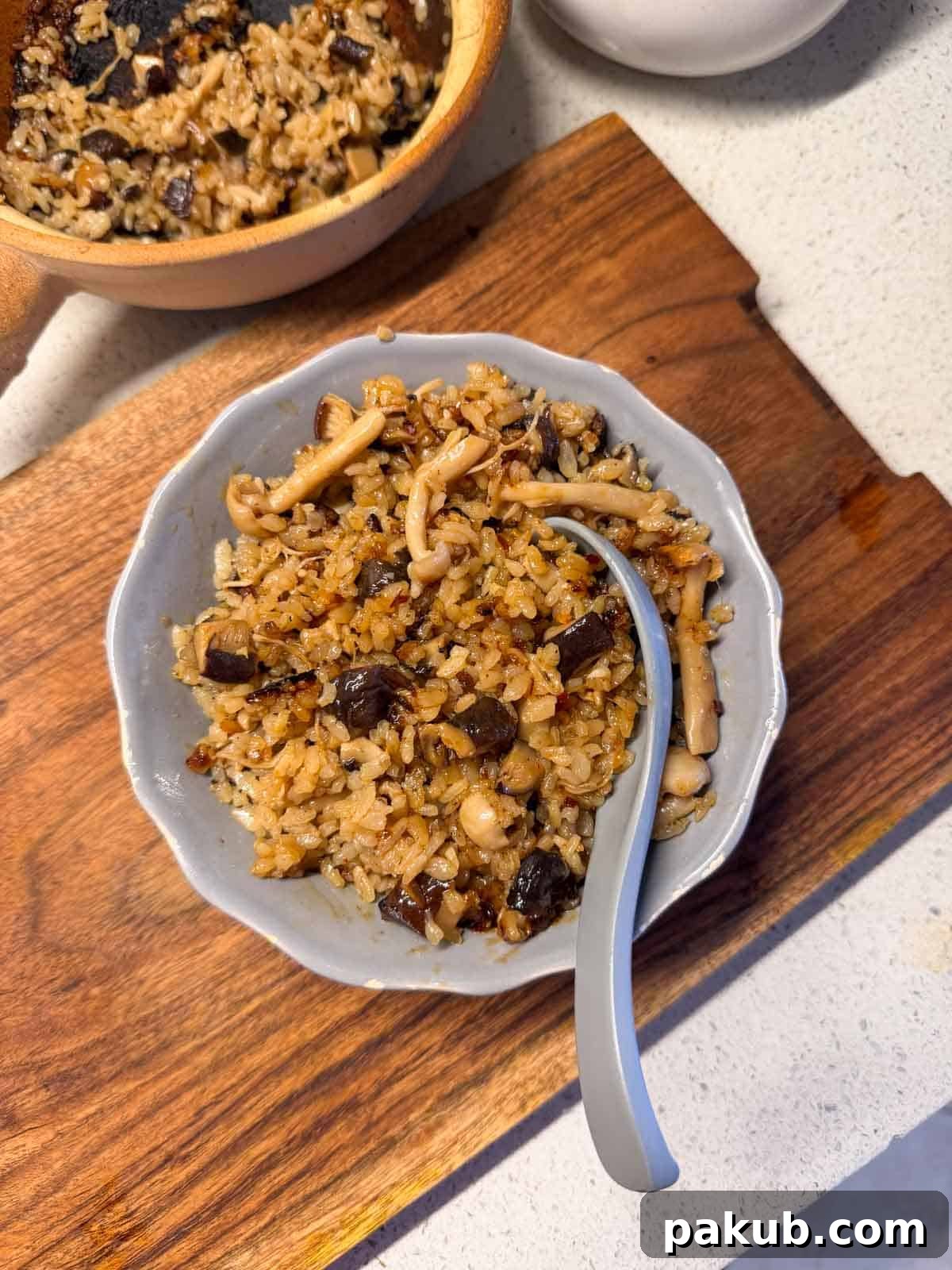
If you’ve been eager to try your hand at making claypot rice at home, this vegetarian mushroom version is the perfect starting point. With just 25 minutes of your time and a handful of quality ingredients, you can create a meal that’s both deeply satisfying and incredibly impressive. Don’t hesitate to give it a try! If you make this delicious dish, we’d love to see your creations. Share your pictures with us on Instagram @my_foodstory and let us know your thoughts!
Watch the Claypot Mushroom Rice Recipe Video
Claypot Rice with Mushroom: Full Recipe
Claypot Rice with Mushroom
By: Richa
This claypot mushroom rice is my idea of a perfect weeknight dinner. Everything cooks in one pot, the flavor is incredible, and it takes about 25 minutes from start to finish.
Cook: 20 mins
Total: 25 mins
Servings: 2
Rate Recipe
Print Recipe
Ingredients
- 5 shiitake mushrooms
- ¾ cup hot water
- 3 cremini mushrooms, thinly sliced (approx. 50 gms)
- 60 gms shimeji mushrooms, roots trimmed (approx. 1 cup)
- 30 gms enoki mushrooms, roots trimmed (approx. ½ cup)
- 1 ½ tablespoons + 1 teaspoon oyster sauce, divided
- 1 tablespoon light soy sauce
- 1 teaspoon vinegar
- ¼ teaspoon salt
- ½ teaspoon white pepper powder
- ½ tablespoon cornflour (cornstarch)
- 2 tablespoons toasted sesame oil or any neutral flavored oil
- 1 ½ teaspoons finely chopped garlic
- 1 ½ teaspoons finely chopped ginger
- 5 shallots, finely sliced
- ½ cup sushi rice, washed and soaked for 20 minutes (105 gms)
- 1 pinch MSG (monosodium glutamate)
- 2 teaspoons chili oil
Instructions
Hydrating Shiitake Mushrooms
- Soak 5 shiitake mushrooms in ¾ cup of boiling hot water for 10-12 minutes. Drain, reserving the water, and slice the mushrooms lengthwise.
Marinating
- In a bowl, mix together sliced shiitake, sliced cremini, shimeji & enoki mushrooms, 1 ½ tablespoons of oyster sauce, soy sauce, vinegar, salt, white pepper powder & cornflour. Marinate for 10 minutes.
Chili Oil Mix
- Combine 1 teaspoon of oyster sauce and 2 teaspoons of chili oil in a small bowl, mix well and set aside.
Making the Rice
- Heat 2 tablespoons of sesame oil in a claypot or thick-bottomed cooking pot. Add garlic, ginger, and shallots, and sauté for a minute until fragrant.
- Add the marinated mushrooms and sauté for 1-2 minutes on low heat until they are well roasted.
- Add the drained sushi rice, sauté for 1-2 minutes. Pour in 1 cup of the reserved shiitake mushroom soaking water and bring to a boil. Cover and cook on low heat for 12 minutes until the rice is cooked through. Add a pinch of MSG and mix well.
- Rest for 3-4 minutes off the heat, then drizzle the chili oil mix on top. Rest for another 2 minutes, then serve hot.
Recipe Video
Nutrition (per serving)
- Calories: 435 kcal
- Carbohydrates: 60 g
- Protein: 9 g
- Fat: 19 g
- Saturated Fat: 3 g
- Polyunsaturated Fat: 7 g
- Monounsaturated Fat: 9 g
- Sodium: 1299 mg
- Potassium: 605 mg
- Fiber: 6 g
- Sugar: 7 g
- Vitamin A: 3 IU
- Vitamin C: 6 mg
- Calcium: 52 mg
- Iron: 3 mg
Like this recipe? Rate and comment below!