Unlock the secrets to perfectly deep-fried food! Discover three ingenious methods to check your oil temperature without a thermometer, making deep frying easy and stress-free.
There’s something undeniably comforting and utterly satisfying about biting into a piece of perfectly deep-fried food. That golden-brown crispness, the delightful crunch, and the tender, flavorful interior can transform an ordinary meal into an extraordinary culinary experience. Whether you’re craving savory cheese balls, aromatic pakoras, or sweet, sugary churros, the key to achieving this deep-fried nirvana lies in one crucial element: the precise temperature of your cooking oil.
The right oil temperature is not just a recommendation; it’s a fundamental principle of successful deep frying. Too cold, and your food becomes a greasy, soggy mess. Too hot, and you’re left with a burnt exterior and an undercooked interior. While a reliable kitchen thermometer is, without a doubt, the most accurate tool for monitoring oil temperature, many home cooks don’t own one. And that’s perfectly okay! You don’t need fancy gadgets to master the art of deep frying. This comprehensive guide will equip you with three time-tested, practical methods to ensure your oil is always at the optimal temperature, even without a thermometer.
The Gold Standard: Why Oil Temperature Matters and How a Thermometer Helps
Before diving into alternative methods, let’s quickly acknowledge the undisputed champion of oil temperature measurement: the food thermometer. For most deep-frying recipes, the ideal oil temperature typically falls between 350°F (175°C) and 375°F (190°C). This range allows food to cook through evenly, developing a beautifully crisp crust without absorbing excessive oil. A thermometer provides an exact reading, taking the guesswork out of the equation. For instance, when frying delicate items or large batches, maintaining a consistent temperature is vital, and a thermometer offers that precision.
However, there are exceptions. Some recipes, like traditional samosas or kachoris, require a lower and slower frying process. This ensures that the pastry cooks completely from the inside out, preventing a raw or doughy center. In such cases, the oil might be maintained around 325°F (160°C). Understanding these nuances is crucial, but don’t fret if you don’t have a thermometer; the visual cues we’re about to explore are incredibly effective once you know what to look for.
No Thermometer? No Problem! 3 Ingenious Ways to Check Oil Temperature
Forget the stress of not having a thermometer. Here are three incredibly effective, traditional methods to accurately gauge your deep-frying oil temperature. These techniques have been passed down through generations of home cooks for a reason – they work!
-
The Food Test (Dough, Batter, or Crumb Method): This is arguably the most common and intuitive method, often used by seasoned cooks.
- How to do it: Gently drop a tiny, blueberry-sized piece of the mixture, batter, or dough you intend to fry (or even a small breadcrumb) into the hot oil.
- What to look for:
- Oil is just right (350-375°F / 175-190°C): If the piece quickly sizzles, bobs up to the surface, and begins to turn golden brown within 20-30 seconds, your oil is perfectly heated and ready for frying. The bubbling around it should be vigorous but not frantic.
- Oil is too hot (above 375°F / 190°C): If the piece sizzles violently, browns instantly, or even burns upon contact, your oil is too hot. Immediately reduce the heat, or turn it off for 2-3 minutes to allow the oil to cool down slightly. Test again before adding food. Frying in excessively hot oil will result in food that’s burned on the outside and raw in the middle.
- Oil is too cold (below 350°F / 175°C): If the piece sinks to the bottom and takes a long time to surface, or surfaces with very minimal, lazy bubbling, your oil isn’t hot enough. Increase the heat and wait a few minutes before testing again. Frying in cold oil leads to greasy, soggy food as it absorbs too much oil before a crust can form.
-
The Bread Cube Test: A classic for a reason, this method provides a reliable visual indicator.
- How to do it: Drop a small piece of bread (about a 1-inch cube) into the hot oil. Any plain white or whole wheat bread will work effectively.
- What to look for:
- Oil is just right (350-375°F / 175-190°C): The bread should take approximately 30-40 seconds to turn a beautiful golden brown. This indicates your oil is at the ideal temperature for most deep-frying tasks. The bubbling should be consistent and active around the bread.
- Oil is too hot: If the bread browns or burns in less than 20 seconds, the oil is too hot. Adjust the heat down and let it cool slightly.
- Oil is too cold: If the bread takes longer than 45 seconds to brown, or barely changes color, the oil needs more time to heat up.
-
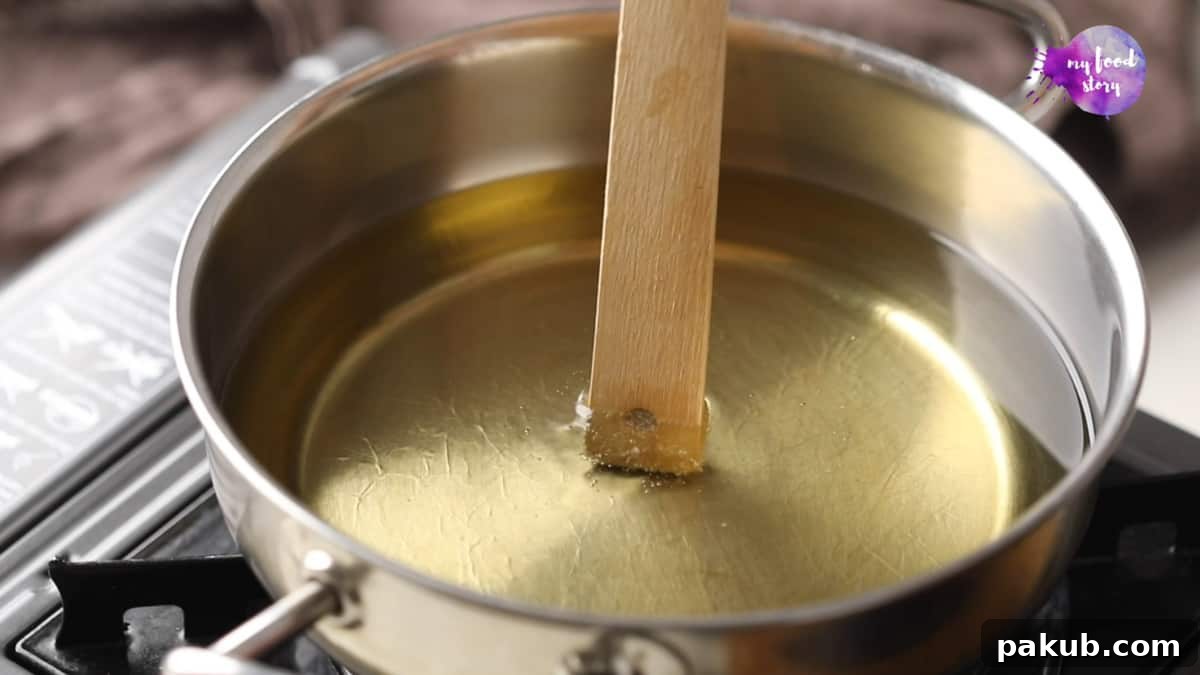
The Wooden Spoon or Chopstick Test: This method leverages the interaction between the porous surface of wood and hot oil.
- How to do it: Carefully dip the end of a dry wooden spoon or a wooden chopstick into the center of the hot oil, ensuring it reaches the bottom of the pan.
- What to look for:
- Oil is just right (350-375°F / 175-190°C): If the oil immediately starts sizzling and forming numerous small, consistent bubbles around the wood, your oil is at the perfect deep-frying temperature. The more furious and rapid the bubbles, the hotter the oil, providing a useful gauge.
- Oil is too hot: If the oil is smoking or the bubbling around the spoon is extremely violent and the oil appears to be rapidly breaking down, it’s too hot. Remove the spoon, turn down the heat significantly, and let the oil cool before retesting. Smoke is a clear sign that the oil is past its optimal frying point and beginning to break down.
- Oil is too cold: If there are no bubbles, or only a few slow, sparse bubbles form, the oil is not hot enough. Continue heating the oil and retest in a few minutes.
Why Oil Temperature Matters: The Science of Crispiness and Flavor
Understanding *why* oil temperature is so critical elevates your deep-frying skills from guesswork to mastery. When food is immersed in hot oil at the correct temperature, several scientific processes occur simultaneously to create that desirable crispy texture and perfectly cooked interior:
- Moisture Release and Crust Formation: When cold food hits hot oil, the intense heat instantly vaporizes the surface moisture, creating steam. This steam pushes outwards, preventing oil from soaking into the food and forming a crisp, golden crust.
- Maillard Reaction: This chemical reaction, responsible for the browning and complex flavors in many cooked foods, occurs rapidly at high temperatures. The correct oil temperature ensures this reaction happens evenly, developing rich flavors and a beautiful golden color.
- Preventing Greasiness: If the oil is too cold, the steam formation is slow and insufficient. This allows the food to absorb a significant amount of oil before a crust can form, resulting in a heavy, greasy, and unappetizing product. The crust won’t develop properly, leading to a pale, limp exterior.
- Ensuring Even Cooking: If the oil is too hot, the exterior of the food will brown and crisp up far too quickly, often burning, while the interior remains raw or undercooked. The rapid crust formation also traps moisture inside, which might not be desirable for all types of food.
In essence, perfect deep frying is a delicate balance. The goal is to cook the food thoroughly, develop a golden-brown, crispy exterior, and minimize oil absorption – all achieved by maintaining the right oil temperature.
Beyond Temperature: Essential Tips to Ace Deep Frying Every Time
While mastering oil temperature is paramount, a few other crucial tips will elevate your deep-frying game and ensure consistently delicious results:
- Choose Oils with a High Smoke Point: The smoke point is the temperature at which an oil begins to burn and produce smoke, breaking down and imparting unpleasant flavors to your food. Always opt for oils with a high smoke point for deep frying. Excellent choices include vegetable oil, sunflower oil, canola oil, rice bran oil, groundnut oil (peanut oil), and even ghee. These oils can withstand the high temperatures required for frying without degrading quickly, ensuring cleaner flavor and safer cooking. Avoid olive oil or butter for deep frying, as their low smoke points make them unsuitable.
- Always Check the Oil Temperature: Whether you use a food thermometer or one of the three clever methods outlined above, always verify the oil temperature *before* adding any food. This simple step is your best defense against greasy, soggy, or burnt outcomes. Patience here pays off immensely.
- Fry in Small Batches: This is a golden rule for deep frying. When you add food to hot oil, the food’s naturally colder temperature causes the oil temperature to drop. Overcrowding the pan with too much food at once will drastically lower the oil’s temperature, leading to slow cooking, excessive oil absorption, and a lack of crispness. Fry in smaller batches to help maintain a more consistent oil temperature throughout the process, ensuring each piece cooks perfectly.
- Keep the Oil Clean: As food fries, small crumbs, batter bits, or seasonings can break off and burn in the hot oil. These burnt particles not only impart a bitter flavor to subsequent batches of food but also lower the oil’s smoke point and accelerate its degradation. Use a slotted spoon or fine-mesh skimmer to remove any burnt bits and debris from the oil at regular intervals between batches. This keeps your oil cleaner, extends its usability, and ensures a better flavor for everything you fry.
- Pat Food Dry: Excess moisture on the surface of your food can cause the oil to splatter violently and significantly lower its temperature. Always pat your food dry with paper towels before deep frying. This reduces splattering, promotes better crust formation, and helps maintain a stable oil temperature.
- Don’t Overfill Your Pot: Ensure your pot is only filled about one-third to one-half full with oil. This leaves ample room for the oil to bubble up when food is added, preventing dangerous boil-overs and splatters. Safety first!
How to Discard or Reuse Cooking Oil Responsibly
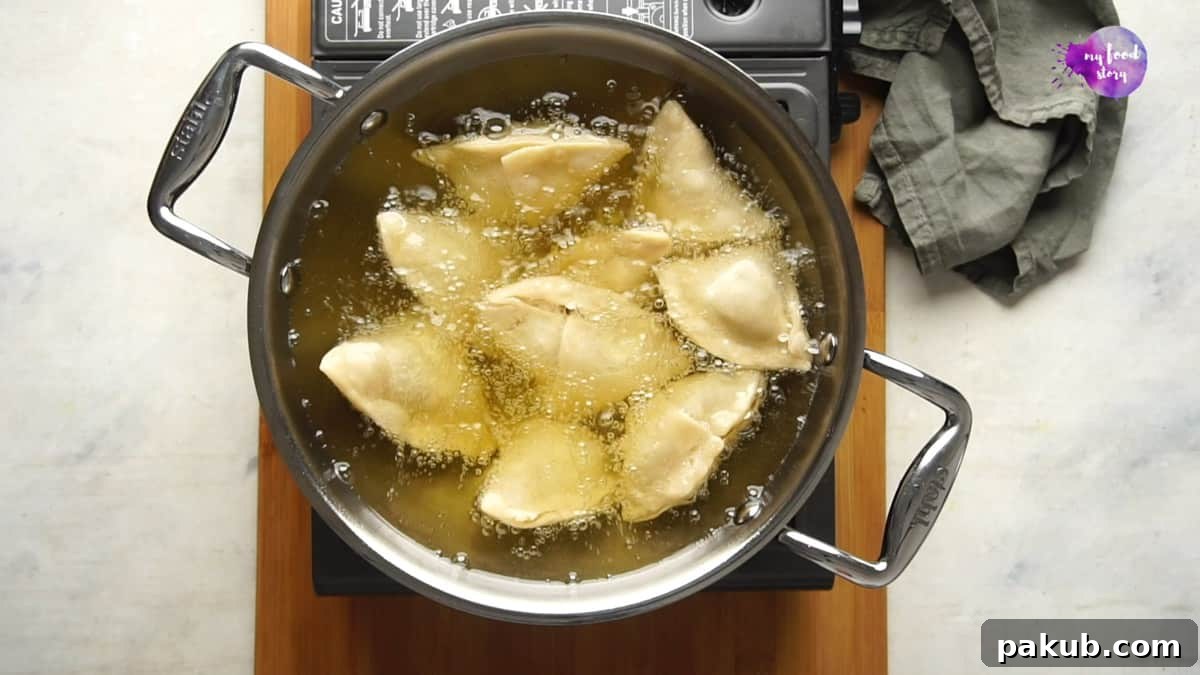
After a session of deep frying, you’ll inevitably be left with a quantity of used oil. How you handle this is important for both your plumbing and the environment. Never, under any circumstances, pour used cooking oil down the drain. As it cools, the oil will solidify and cling to your pipes, eventually causing significant clogs that can be costly and difficult to fix.
To discard oil:
- First, let the oil cool completely in the pan. This is crucial for safety.
- Once cool, strain it through a fine-mesh sieve lined with cheesecloth or a coffee filter into an old, non-recyclable container like an empty milk carton, plastic bottle, or jar with a lid.
- Seal the container tightly and place it in your regular trash. Many communities also offer specific recycling programs for used cooking oil, often at local transfer stations or recycling centers. Check with your local waste management services for options in your neighborhood.
To reuse oil:
If the oil is still relatively clean, has not been heated to its smoke point repeatedly, and doesn’t smell rancid or like the food you just fried (e.g., strong fish odor), you can often reuse it.
- Let it cool completely.
- Strain it through a fine-mesh sieve lined with cheesecloth or a coffee filter to remove all food particles.
- Store the strained oil in an airtight container in a cool, dark place or in the refrigerator. Depending on the oil type and what was fried, it can usually be reused 2-3 times. Always check for off-smells or signs of spoilage before reusing.
Deep frying doesn’t have to be a daunting task. With these practical tips and thermometer-free methods, you can confidently achieve restaurant-quality results in your own kitchen. I hope these insights help you become a deep-frying maestro! If you have any other kitchen tips or hacks you’d love to learn about, please don’t hesitate to leave a comment below.
Super Crispy Deep-Fried Recipes to Try!
Ready to put your newfound deep-frying skills to the test? Explore some of our favorite crispy, flavorful deep-fried recipes:
Appetizers
Super Crispy Masala Vada (Dal Vada/ Paruppu Vadai)
Appetizers
Veg Cutlets with Potatoes and Beetroot | Veg Croquettes
Appetizers
Mirchi Bajji – 2 Ways (Mirchi Bhajiya)
Appetizers
Chicken 65 – Spicy & Crispy
Appetizers
The Best Indian Punjabi Samosa
Appetizers
Jalapeno Three Cheese Samosa
Appetizers
Crispy Veg Nuggets with Sichuan Sauce
Vegetarian Recipes
Perfect Pooris – Fluffy and Light as air!