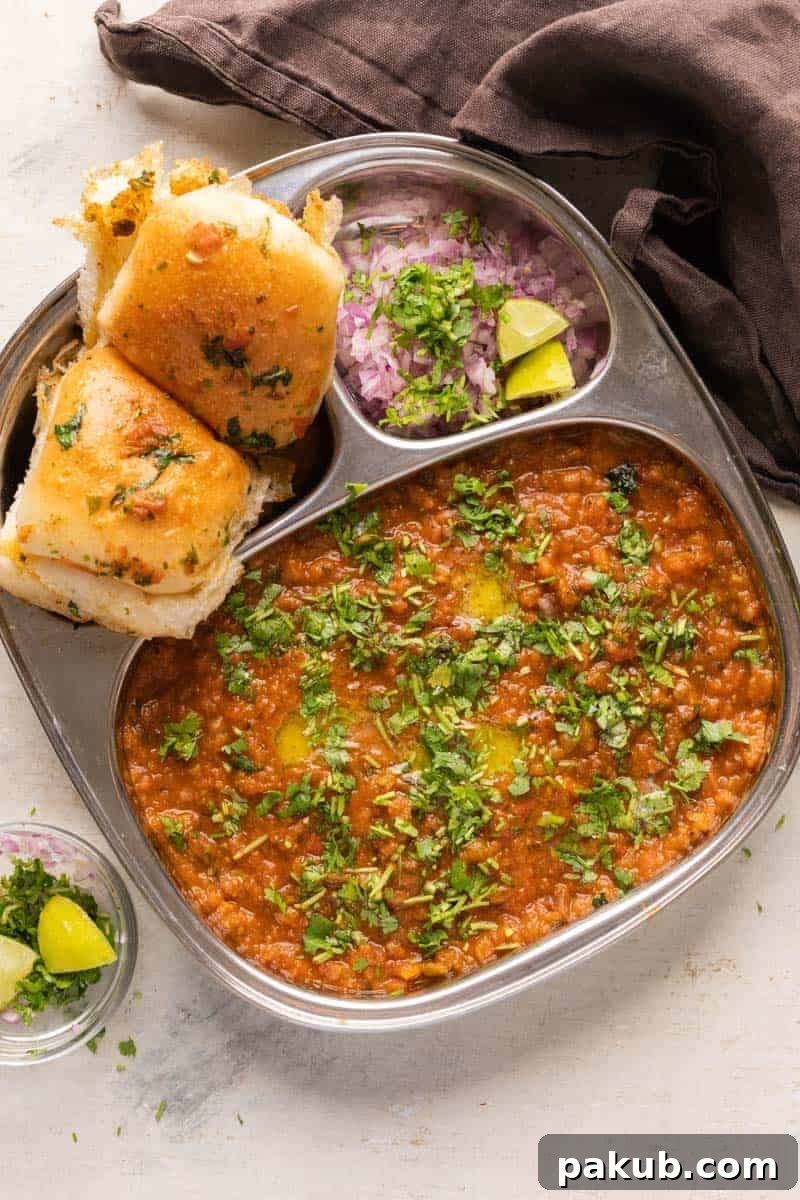
Mastering Authentic Mumbai-Style Pav Bhaji at Home: Your Ultimate Recipe Guide
Step into the vibrant culinary world of Mumbai with a dish that embodies its bustling streets and rich flavors: Pav Bhaji. This iconic Indian street food is more than just mashed vegetables; it’s an explosion of taste, a symphony of spices, and a testament to the city’s innovative spirit. Essentially, Pav Bhaji is a hearty medley of perfectly cooked and mashed vegetables, generously tempered with aromatic spices and a lavish amount of butter, then finished with fresh coriander and a squeeze of zesty lime. Traditionally served with soft, butter-laden ladi pav (special Mumbai-style bread buns), this dish promises an unparalleled flavor journey that will transport your taste buds straight to the heart of India.
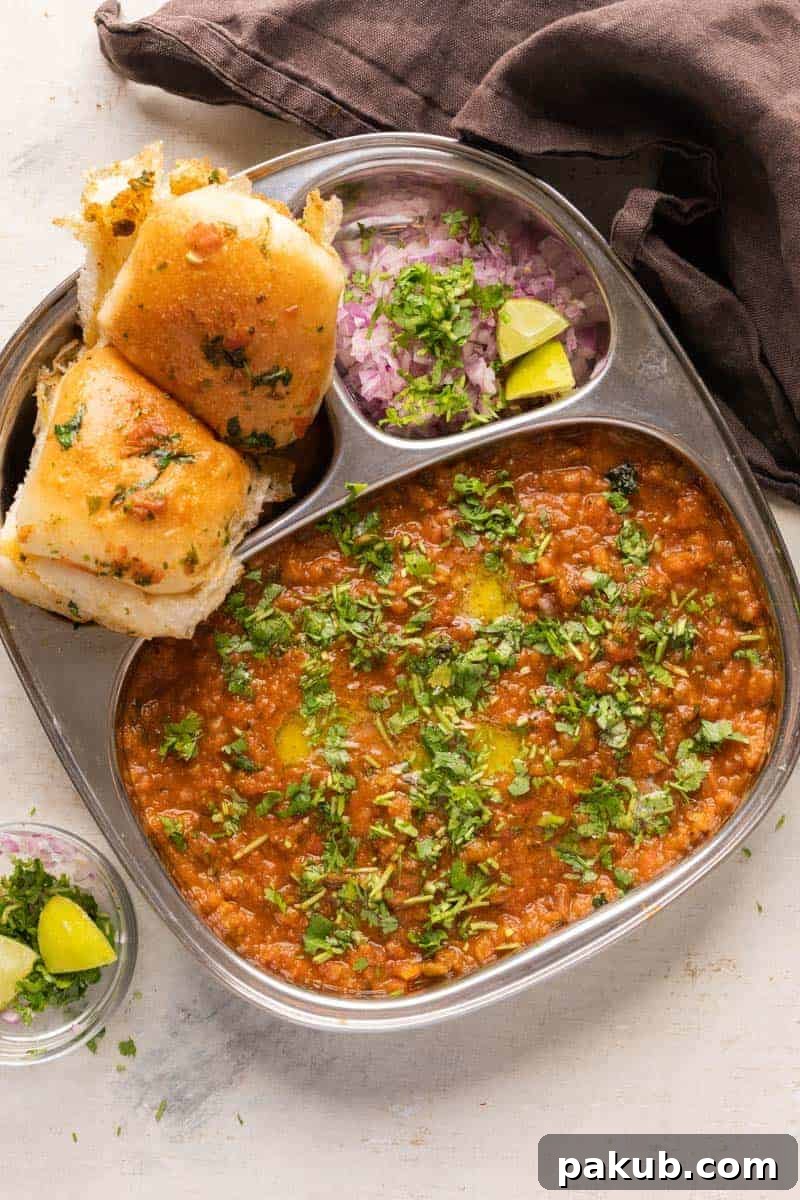
The Irresistible Allure of Pav Bhaji
For anyone who has experienced the culinary landscape of India, Pav Bhaji holds a special place. It’s a dish with a cult following, a beloved staple found on every street corner, from humble carts to bustling restaurants. The magic happens right before your eyes: a skilled vendor swiftly mashes vegetables on a giant tawa (griddle), infusing them with spices and butter, before toasting the soft pav buns to golden perfection on the very same hot surface. The aroma alone is enough to captivate, a heady blend of spices and butter that promises pure indulgence.
Growing up, the ritual of enjoying steaming hot Pav Bhaji fresh off the street vendor’s pan was an unbeatable experience. That unique smoky, buttery, and spicy flavor is incredibly difficult to replicate in a home kitchen, often leaving enthusiasts longing for the authentic taste. Many attempts fall short, missing that distinctive street-style texture and depth. However, after extensive testing, countless variations, and a deep dive into the essence of what makes street Pav Bhaji so special, we’ve finally perfected a recipe that brings that amazing, authentic taste right into your home. Get ready to impress your family and friends with a homemade version that rivals the best of Mumbai’s street food scene.
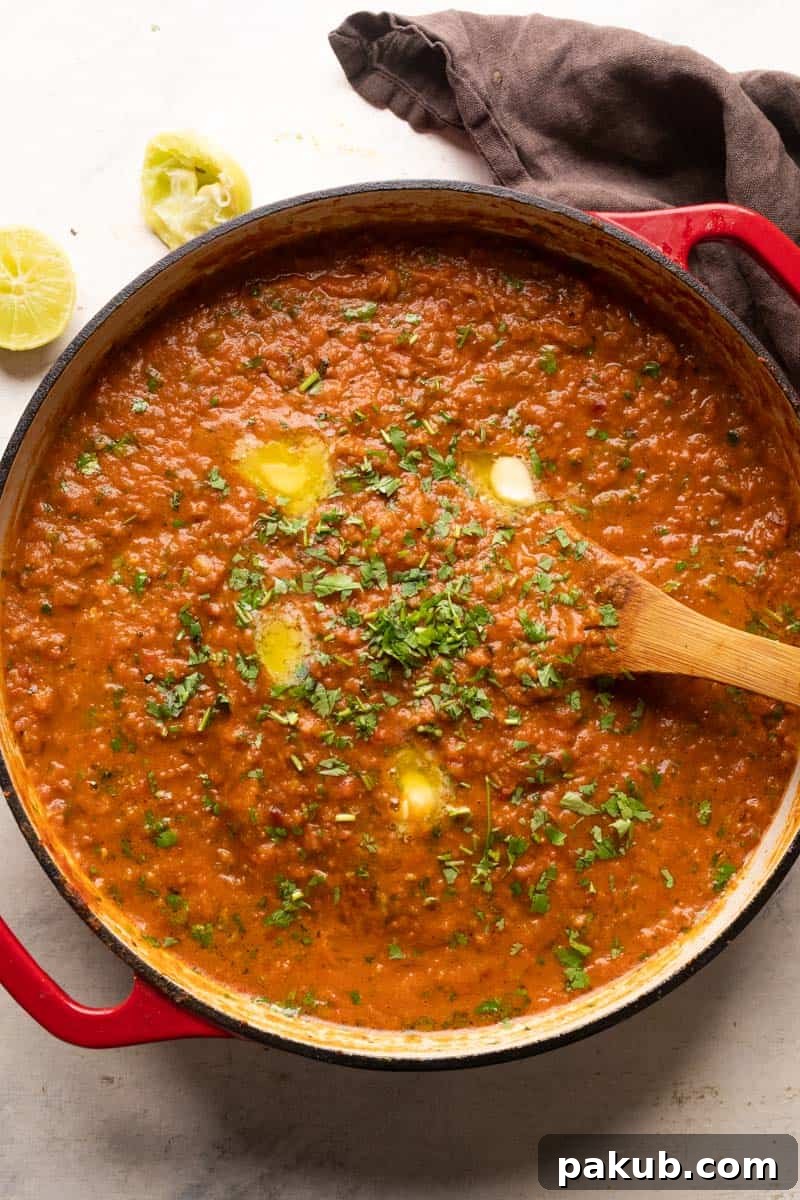
What Makes This Pav Bhaji Recipe Exceptional?
Our meticulously crafted Pav Bhaji recipe stands out for several compelling reasons, guaranteeing a dish that’s not just good, but truly extraordinary:
- An Explosion of Flavors: This recipe delivers a robust, spicy, and deeply flavorful bhaji. We guide you through maximizing the potential of readily available, store-bought pav bhaji masala, transforming it into a complex and irresistible base. Every bite is packed with the vibrant taste of Indian spices, balanced perfectly to create a memorable culinary experience.
- Velvety Smooth Texture: The secret to an outstanding bhaji lies in its texture. Our method emphasizes mashing the vegetables progressively as they cook. By gradually adding water and continuously mashing the tender cooked vegetables, you achieve a harmonious consistency that is wonderfully creamy yet retains a delightful, slight coarseness. It’s homogenous without being completely smooth, offering a satisfying mouthfeel that’s characteristic of authentic street-style Pav Bhaji.
- Unapologetically Buttery Indulgence: There is no true Pav Bhaji without an abundance of butter. This recipe embraces butter not just as an ingredient, but as a core component of the dish’s identity. The liberal use of butter, particularly Amul Butter – an Indian brand renowned for its unique salty flavor – is essential. It contributes significantly to the signature richness, creaminess, and distinct taste that makes Pav Bhaji so incredibly addictive. This isn’t just a recipe; it’s a buttery celebration!
Essential Ingredients for Authentic Pav Bhaji
Crafting the perfect Pav Bhaji begins with selecting the right ingredients and preparing them with care. Each component plays a vital role in building the layered flavors and achieving that signature street-style taste. Here’s a detailed look at everything you’ll need, along with tips for preparation and why each ingredient is important.
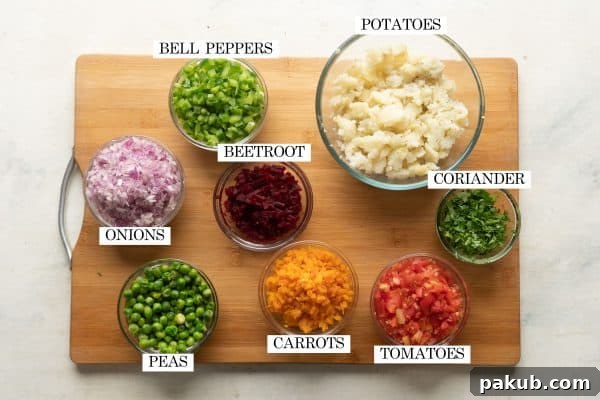
The Heart of the Bhaji: Vegetables
The foundation of Pav Bhaji is its medley of tender, mashed vegetables. Proper preparation ensures they are soft enough to break down easily, creating a smooth yet textural bhaji. You can prep these up to a day in advance to save time.
We recommend boiling or pressure cooking your vegetables separately. This allows for optimal tenderness, as each vegetable has a different cooking time. For instance, potatoes and carrots take longer than peas. However, if time is a constraint, you can roughly chop all the vegetables and cook them together in a pressure cooker or pot until uniformly tender, then drain any excess water before mashing.
For the most authentic flavor and texture, focus on these hardy vegetables:
- Potatoes: The primary base, providing bulk and creamy texture.
- Carrots: Add a touch of natural sweetness and vibrant color.
- Green Capsicum (Bell Peppers): Crucial for infusing a fresh, slightly pungent aroma and flavor early in the cooking process.
- Onions: Form the aromatic base, adding depth and a savory sweetness when caramelized.
- Beetroot: Our secret ingredient for a natural, appealing reddish-orange hue and a subtle earthy sweetness, eliminating the need for artificial colors.
- Green Peas: Offer delightful pops of texture and a burst of fresh flavor.
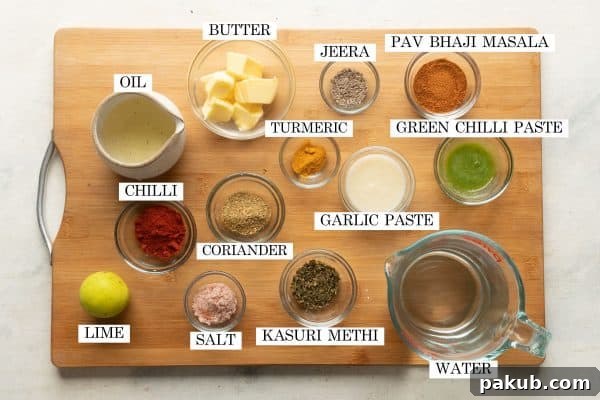
The Flavor Powerhouses: Spices and Fats
The characteristic taste of Pav Bhaji comes from a harmonious blend of spices and the generous use of fat, particularly butter. Don’t shy away from the quantities specified – the vegetables absorb the butter as they cook, preventing the dish from tasting overly oily, instead making it wonderfully rich.
- Oil & Butter: A neutral-flavored vegetable oil provides the initial cooking medium, while a substantial amount of butter is essential for both texture and flavor. If possible, procure Amul Butter for its distinctive salty taste, which is key to an authentic Pav Bhaji experience.
- Aromatic Spices:
- Jeera (Cumin Seeds): For a foundational earthy aroma, added as the first tempering spice.
- Pav Bhaji Masala: This pre-blended spice mix is the soul of the dish. While homemade is an option, a good quality store-bought masala (like Everest, a personal favorite) can yield stellar results.
- Kashmiri Red Chilli Powder: Used not just for a mild heat, but primarily for its vibrant red color, contributing to the bhaji’s inviting appearance.
- Coriander Powder: Adds a warm, citrusy, and slightly sweet undertone.
- Turmeric Powder: Provides an earthy note and a hint of yellow color.
- Kasuri Methi (Dried Fenugreek Leaves): A magical addition, offering a distinct bitter-sweet, aromatic nuance that elevates the overall flavor profile.
- Fresh Pastes: Unlike many Indian dishes, authentic street-style Pav Bhaji often omits ginger. We stick to these two for a cleaner, more focused flavor:
- Garlic Paste: Fresh garlic ground with a little water forms a thick paste, providing a pungent and essential aromatic base.
- Green Chilli Paste: Fresh green chilies ground with water deliver the primary heat and a fresh, bright flavor.
- Citrus Brightness:
- Lime (or Lemon) Juice: A generous squeeze of fresh lime juice at the end is non-negotiable. It cuts through the richness, brightens all the flavors, and adds a crucial tangy finish.
Step-by-Step Guide to Making Mumbai-Style Pav Bhaji
Creating authentic Pav Bhaji is a labor of love that rewards patience and attention to detail. Follow these steps meticulously, and you’ll achieve that coveted street-style flavor and texture.
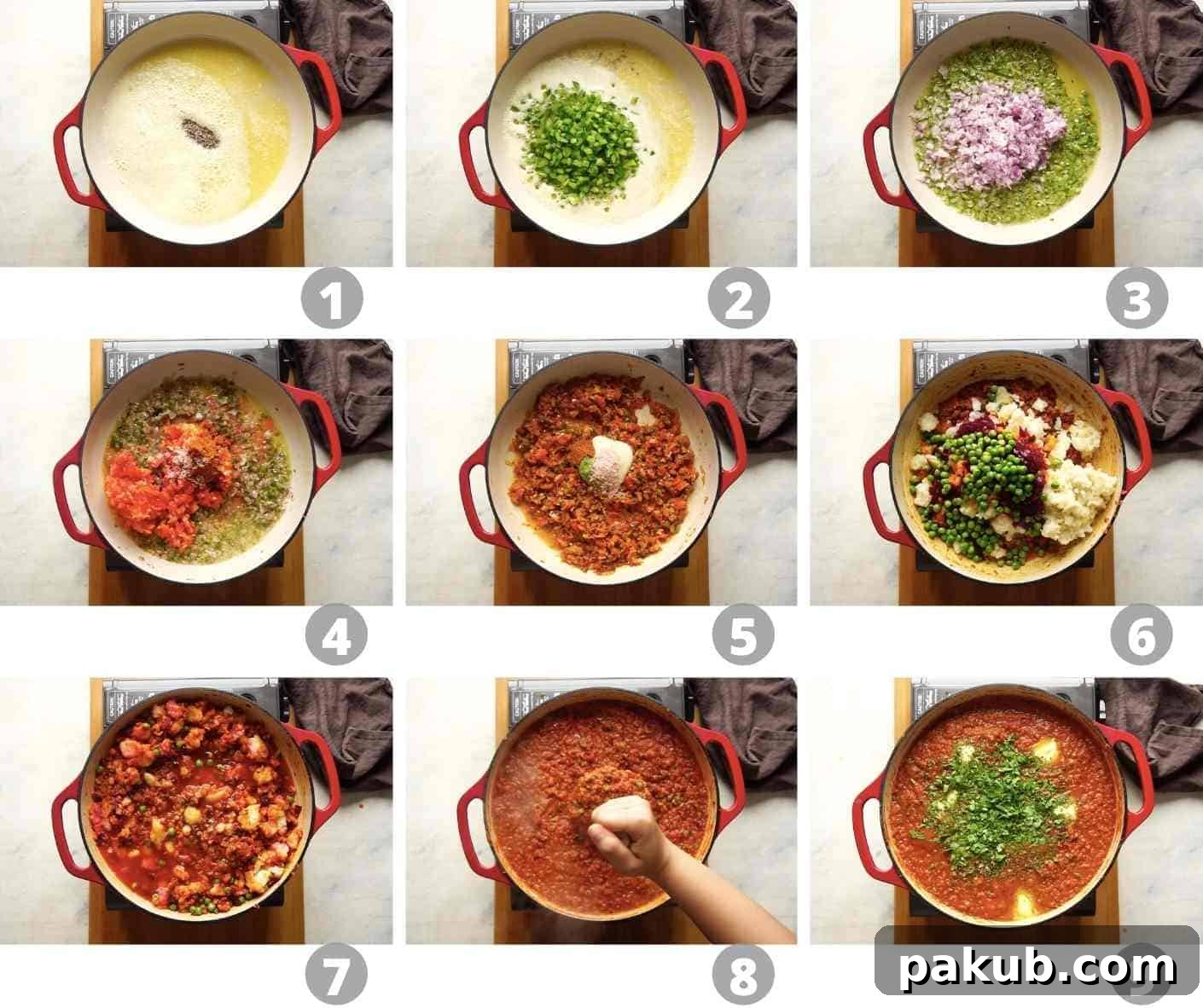
- Start with Fats and Cumin: Heat a wide, shallow skillet or pan over medium-high flame. Add vegetable oil and a generous portion of butter. Once the butter has melted and the mixture is hot, add cumin seeds (jeera) and allow them to splutter, releasing their aromatic oils.
- Infuse Capsicum Flavor: Add the finely chopped capsicum to the pan and sauté for a few minutes on medium heat until slightly softened. This initial step is critical as it infuses the entire dish with the distinct, fresh flavor of bell peppers, a hallmark of good Pav Bhaji.
- Caramelize Onions: Introduce the finely chopped onions to the pan. Cook them patiently, stirring occasionally, until they turn translucent and become wonderfully soft. Avoid browning them too much, as we want sweetness, not bitterness.
- Build the Tomato Base: Add the finely chopped tomatoes, along with half of the total pav bhaji masala and a teaspoon of salt. Mix everything well, then cover the pan and cook on low heat for 8-10 minutes. This allows the tomatoes to soften completely and the spices to meld, creating a rich base.
- Develop Deep Masala Flavors: Uncover and add the remaining spices: Kashmiri red chili powder (for color and gentle heat), coriander powder, turmeric powder, the rest of the pav bhaji masala, garlic paste, green chili paste, and the remaining salt. Sauté this mixture vigorously for 3-4 minutes, mashing slightly with your spoon, until the oil begins to separate from the sides of the masala. This indicates that the spices are thoroughly cooked and their flavors are fully developed.
- Incorporate Cooked Vegetables: Add all your pre-boiled and mashed vegetables (potatoes, carrots, beetroot, green peas) to the fragrant masala. Stir everything to combine thoroughly, ensuring the vegetables are coated with the spice mixture.
- First Water Addition and Simmer: Pour in about one cup of water and mix well. Bring the bhaji to a gentle simmer, allowing the flavors to meld and the vegetables to further soften within the liquid.
- The Art of Mashing: This is where the magic happens for texture. Begin mashing the vegetables with a potato masher directly in the pan as they cook. The vegetables will gradually absorb the water. Repeat this process: add another cup of water, bring to a simmer, and continue mashing. Continue adding water in ½ to 1-cup increments (up to 3 cups total, depending on your desired consistency) and mashing until the texture is almost creamy and homogenous, but still retains a slight rustic character. This iterative mashing helps create a smooth, velvety bhaji without making it a completely uniform paste.
- Final Touches and Serve: Once your desired consistency is achieved, add another knob of butter, the kasuri methi (crush it lightly between your palms before adding to release its aroma), and a generous amount of fresh coriander leaves. Stir to combine and allow it to simmer for 1-2 minutes until the butter melts through and the aromas are fully integrated. Finally, squeeze in fresh lemon or lime juice to brighten the flavors and add the remaining fresh coriander. Serve hot straight from the pan, garnished with extra coriander, chopped onions, and lime wedges.
While this recipe does require a bit of time, patience, and some initial prep work, the extraordinary result is absolutely worth the effort. This recipe makes a generous batch, easily enough to serve 6-8 people, which means you’ll likely have delicious leftovers. And here’s a secret many Mumbaikars swear by: day-old Pav Bhaji often tastes even better as the flavors have more time to deepen and meld!
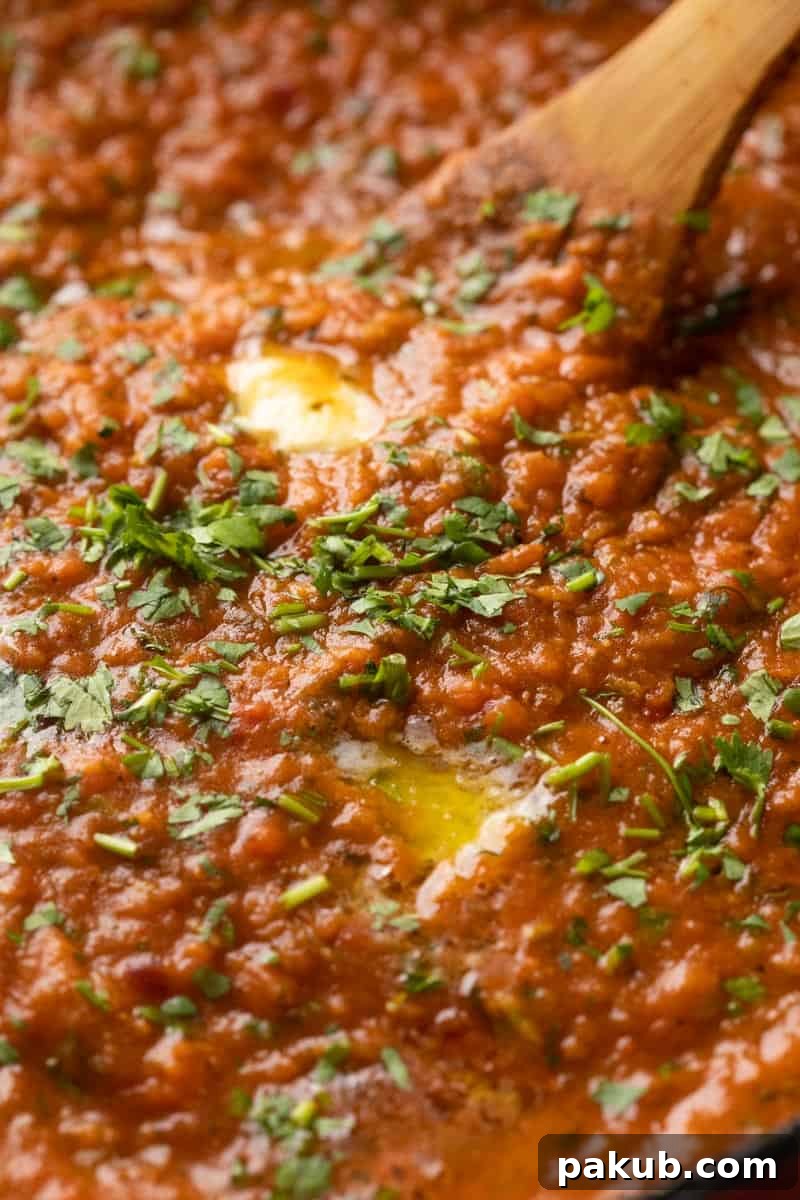
Expert Tips for Your Perfect Pav Bhaji
Achieving the authentic taste and texture of Mumbai street-style Pav Bhaji involves a few key techniques and considerations. Follow these expert tips to elevate your homemade dish to perfection:
- Choosing Your Vegetables Wisely: For the best results and flavor balance, stick to hardy vegetables like potatoes, carrots, capsicum (bell peppers), onions, beetroot, and green peas. While some recipes suggest cauliflower, its strong flavor can often overpower the delicate balance of the bhaji. If you insist on using it, limit it to about ½ cup to prevent it from dominating the profile. The goal is a cohesive, harmonious vegetable blend, not a chunky medley.
- The Magic of Pav Bhaji Masala: While making your own pav bhaji masala from scratch is a commendable endeavor for the ambitious, this recipe proves that a high-quality store-bought masala can yield absolutely stellar results. Our top recommendation is Everest Pav Bhaji Masala, which consistently delivers that authentic flavor profile. Don’t underestimate the power of a good pre-blended mix when expertly used.
- Achieving Natural Red Color: Street vendors often use food coloring to give Pav Bhaji its distinct reddish-orange hue. Our secret for achieving this vibrant color naturally, without any artificial additives, is the addition of cooked beetroot. It imparts a beautiful, deep reddish tint and a subtle earthy sweetness that complements the other flavors perfectly.
- The Right Cooking Vessel: The choice of pan makes a significant difference. Pav Bhaji should ideally be cooked in a wide, shallow dish or a large tawa (griddle). A 14-inch shallow pan, for instance, provides ample surface area, making it much easier to sauté the ingredients evenly and, crucially, to mash the vegetables thoroughly without making a mess. A deep kadhai or wok is not ideal as it restricts the mashing motion and makes it harder to achieve the desired consistency.
- Gradual Water Addition is Key: Don’t add all the water at once. Adding water in smaller parts and continually mashing the vegetables as you go is a vital technique. This progressive addition allows the vegetables to absorb the liquid more effectively, enhancing the flavor and contributing to a more homogenous, creamy texture. It also gives you greater control over the final consistency of your bhaji, allowing you to make it as thick or as slightly runny as you prefer.
- Embrace the Butter: This is perhaps the most crucial tip: do not skimp on the butter! Pav Bhaji is an indulgent dish, and its signature rich taste and velvety texture are inextricably linked to the generous use of butter. This is not a “healthy” recipe in the traditional sense, but rather a flavorful treat that truly requires that buttery richness to be authentic. Think of it as a celebratory dish where butter is the star, not merely an afterthought.
Serving Suggestions for Your Homemade Pav Bhaji
The experience of Pav Bhaji is incomplete without its traditional accompaniment. Pav Bhaji is best enjoyed piping hot, served with freshly chopped onions, a scattering of fresh coriander, generous lime wedges, and, most importantly, buttery ladi pav or Mumbai-style pav buns. These soft, pillowy buns are typically butter-toasted on the same griddle as the bhaji, absorbing some of its fragrant spices, creating an irresistible pairing. If authentic ladi pav isn’t available, don’t let that stop you! Soft dinner rolls, Hawaiian rolls, or even regular burger buns can serve as excellent substitutes in a pinch. The goal is to get this incredible bhaji into your belly!
We genuinely hope that all you Pav Bhaji enthusiasts out there try this meticulously developed recipe. It’s designed to bring the authentic, vibrant flavors of Mumbai street food right to your dining table. We’re confident you’ll love it as much as we do!
Watch the Recipe Video for Visual Guidance
Pav Bhaji – Mumbai Style Recipe
A unique and flavorful Indian street food, Pav Bhaji features a medley of mashed vegetables cooked with aromatic spices and generous amounts of butter, creating a creamy and delicious dish.
Recipe Summary:
- Author: Richa
- Prep Time: 20 mins
- Cook Time: 30 mins
- Total Time: 50 mins
- Servings: 6 people
Ingredients
- 2 Tablespoons Vegetable Oil
- 60 Grams Butter
- 1 Teaspoon Cumin Seeds (Jeera)
- 2 Green Capsicum, finely chopped (approx 130 Grams)
- 2 Onion, finely chopped (approx 150 Grams)
- 5 Tomatoes, finely chopped (approx 360 Grams)
- 4 Teaspoons Pav Bhaji Masala, divided
- 1 ½ – 2 Teaspoons Salt, divided
- 2 Teaspoons Kashmiri Red Chilli Powder
- 1 Tablespoon Coriander Powder
- ½ Teaspoon Turmeric Powder
- 2 Tablespoons Garlic Paste
- 2 ½ Tablespoons Green Chilli Paste
- 500 Grams Potato, boiled and mashed
- 2 Carrots, finely chopped and cooked (approx 110 Grams)
- ½ Beetroot, finely chopped and cooked (approx 90 Grams)
- ½ Cup Green Peas, cooked (approx 130 Grams)
- 1 Teaspoon Kasuri Methi
- 1 Lemon, freshly squeezed
- 2-3 Cups Water (approx 500-750 Millilitres)
- ½ Cup Coriander Leaves, chopped
- 60 Grams Butter (for finishing)
Instructions
- Add vegetable oil and butter to a large tawa or heavy bottomed pan and allow to heat on a medium-high flame. Once hot, add cumin seeds and let them splutter. Add capsicum and sauté for 5 minutes on medium flame or until slightly softened.
- Add chopped onion and allow to fry on medium flame for 6-7 minutes until translucent and soft. Then, add chopped tomatoes, 2 teaspoons of pav bhaji masala, and 1 teaspoon of salt. Stir to combine, cover, and cook on low heat for 8-10 minutes or until the tomatoes are very soft and pulpy.
- Uncover and add Kashmiri red chilli powder, coriander powder, turmeric powder, the remaining 2 teaspoons of pav bhaji masala, 1 ½ tablespoons of garlic paste, green chilli paste, and ½ a teaspoon of salt. Stir and mix thoroughly. Cook on medium heat for 3-4 minutes, mashing gently, or until the oil begins to separate from the masala.
- Add the pre-boiled mashed potato, carrots, beetroot, and green peas to the pan. Stir to combine all the ingredients with the spices. Add 1 cup of water and mix well. Allow it to come to a boil, then immediately begin mashing the mixture vigorously using a potato masher. Let the bhaji reduce and cook on a medium flame.
- Once the first cup of water is mostly absorbed and the bhaji has thickened, add another cup of water along with an additional half a teaspoon of salt (or to taste). Repeat the thorough mashing process. Ensure all the vegetables are fully cooked and mashed together to achieve a creamy, desired consistency.
- Taste and adjust the salt and spice levels accordingly. You can add a third cup of water if you prefer a looser or more runny consistency; the recipe is typically prepared with 2 to 3 cups of water in total, depending on desired thickness.
- Finally, add the finishing butter, kasuri methi (crushed between your palms), ½ a tablespoon of garlic paste, and ¼ cup of chopped coriander leaves. Stir to combine and simmer for 1-2 minutes or until the butter has completely melted and incorporated. Just before serving, stir in the freshly squeezed lemon juice and the remaining coriander leaves. Serve hot alongside chopped onion, lemon wedges, and hot, butter-toasted pav.
Tips on how to toast the pav:
- 8-10 Pieces Pav (Mumbai-style bread buns)
- 2-3 Tablespoons Butter
- ½-1 Teaspoon Bhaji (a small amount of the prepared bhaji for flavor)
- 1 Teaspoon Coriander Leaves, chopped, divided
Heat a pan or tawa on a medium flame. Once hot, add a generous blob of butter (as per your liking), a pinch of pav bhaji masala, and some chopped coriander leaves. Slice a piece of pav across the middle, horizontally, and place it on the tawa with the flat side facing down. Gently move the pav piece around to allow it to soak up all the flavorful butter and masala.
Toast on medium flame for 1-2 minutes on each side or until lightly toasted and golden brown. The buns should be soft on the inside with a slightly crisp, buttery exterior.
Serve immediately along with the hot bhaji, fresh chopped onion, and slices of lemon for squeezing.
Nutrition Facts (per serving)
- Calories: 337 kcal
- Carbohydrates: 33g
- Protein: 5g
- Fat: 22g
- Saturated Fat: 14g
- Polyunsaturated Fat: 1g
- Monounsaturated Fat: 5g
- Trans Fat: 1g
- Cholesterol: 43mg
- Sodium: 1571mg
- Potassium: 924mg
- Fiber: 8g
- Sugar: 9g
- Vitamin A: 5291 IU
- Vitamin C: 84mg
- Calcium: 78mg
- Iron: 2mg