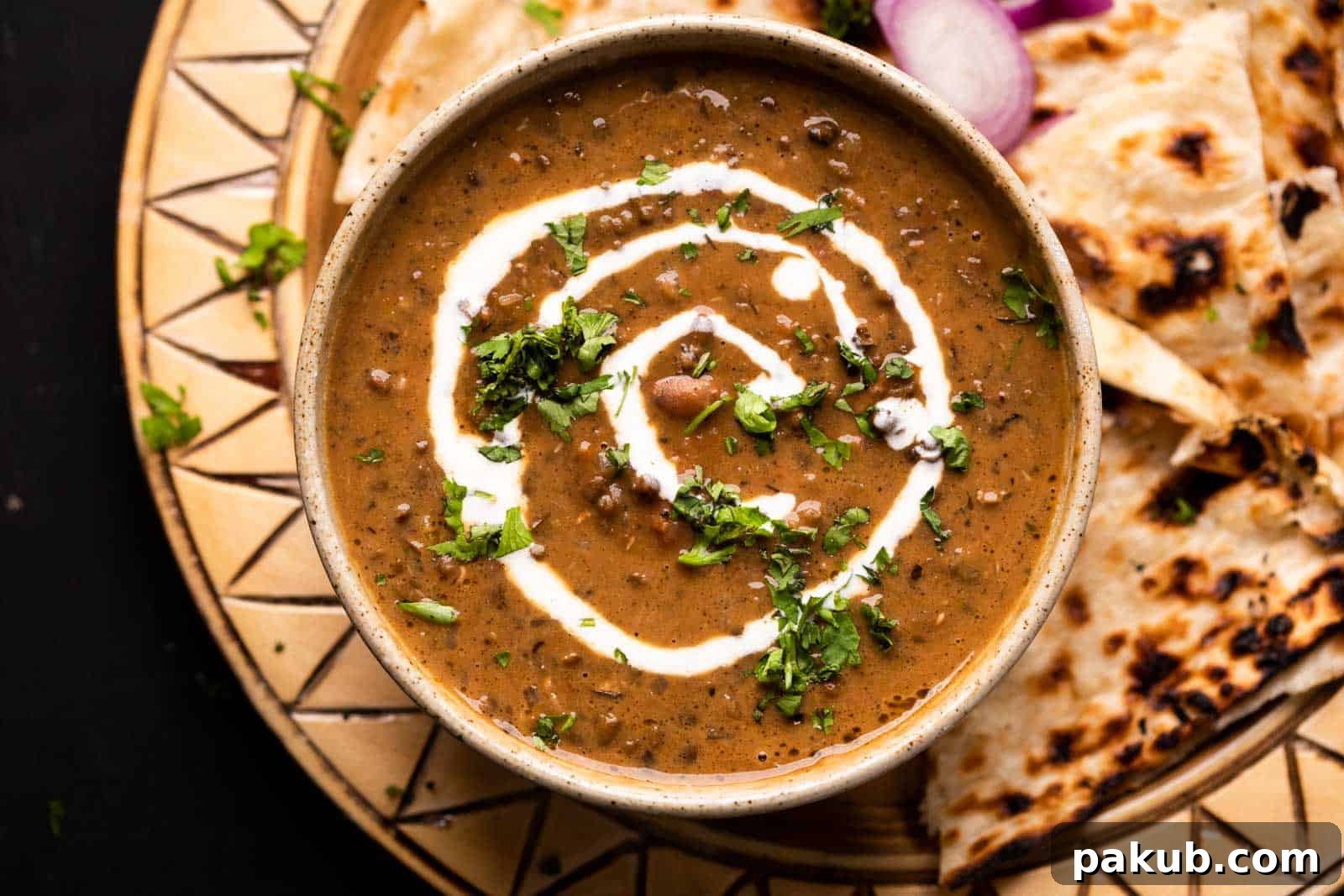
Experience the rich tradition and incredible flavor of Langar Wali Dal – a truly comforting and protein-packed lentil stew! This authentic recipe brings the soulful taste of the dal prepared in Gurudwaras right to your kitchen, featuring a healthy blend of urad dal, chana dal, and rajma.
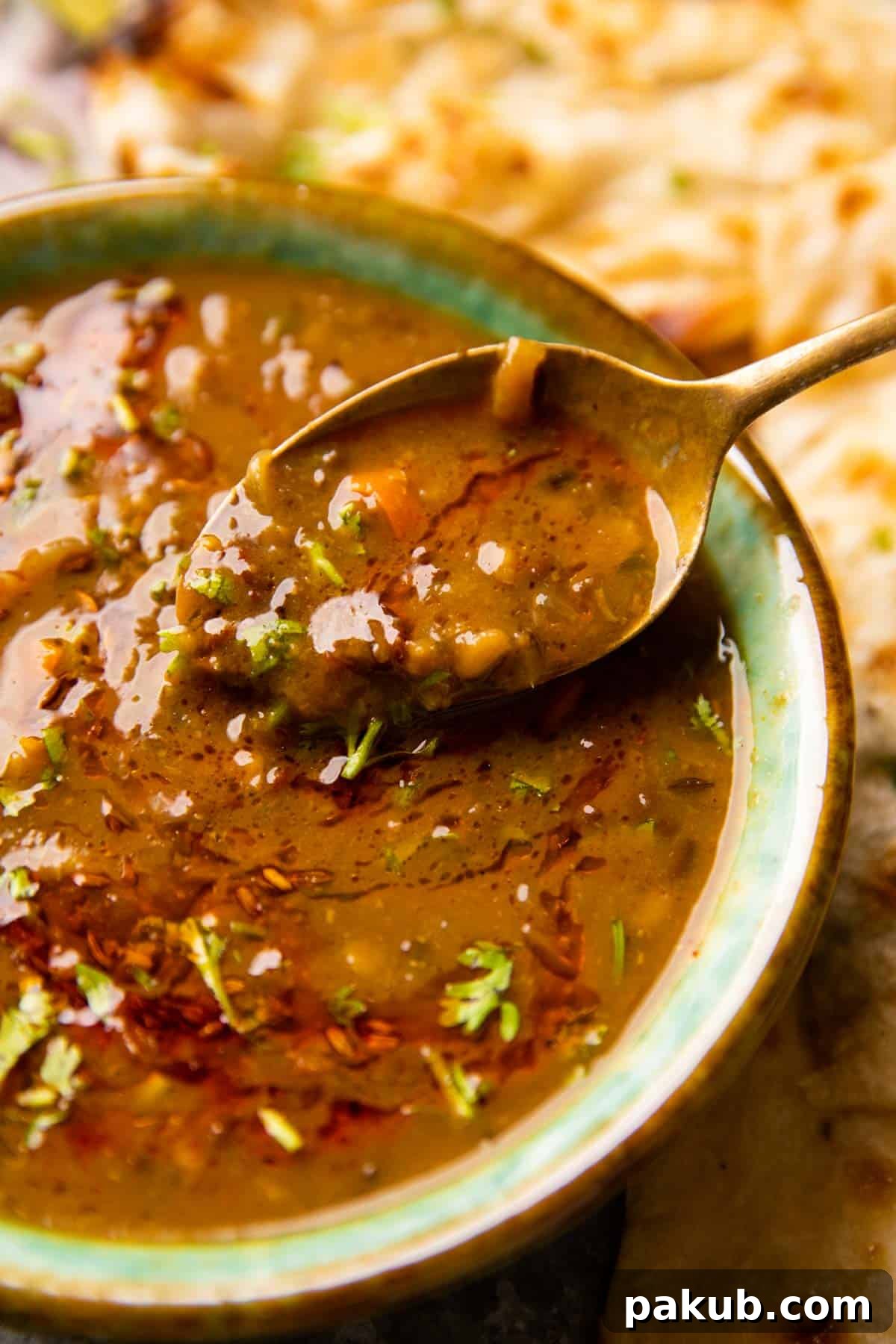
For me, dal isn’t just a dish; it’s a culinary embrace. It consistently ranks among my top five favorite foods, offering unparalleled comfort and satiety. The first time I tasted Langar Wali Dal, it was an instant connection—a unique flavor profile unlike any other lentil preparation I had ever encountered. What makes this particular dal so profoundly special is not just its taste, but its origin. It’s patiently prepared and served with immense dedication by volunteers in Gurudwaras, Sikh places of worship, who generously donate their time to nourish countless people.
This heartwarming dish evokes a deep sense of nostalgia for me. Growing up, dal was a staple, prepared in myriad ways using various pulses, each with its distinctive character. Yet, Langar Wali Dal holds a special place, a testament to its comforting texture and deeply layered flavors. It’s the kind of meal that consistently leaves you feeling utterly content, a true balm for the soul that transcends mere sustenance.
What is Langar Wali Dal? A Journey into Community & Cuisine
The term Langar refers to the community kitchen system intrinsic to every Gurudwara. More than just a kitchen, Langar is a cornerstone of Sikh philosophy, embodying the principles of equality, selfless service (Seva), and community sharing. Here, everyone, regardless of background, sits together as equals to partake in a wholesome, freshly prepared meal. The food served at Langars is renowned for its delicious simplicity and nourishing quality, and this particular dal is a shining example. Hence, it’s affectionately known as Langar Wali Dal – quite literally, “Langar-style dal.”
This isn’t just any lentil dish; it’s a culinary experience steeped in tradition and flavor. Here’s what makes Langar Wali Dal truly stand out:
- It is a **remarkably simple dish**, yet profoundly elevated by a rich, aromatic tempering (tadka) of carefully chosen spices and masalas. This final touch is what transforms humble lentils into an extraordinary feast for the senses.
- Despite its depth of flavor, it **comes together surprisingly quickly**, especially with the aid of a pressure cooker. The primary time commitment is the overnight soaking of the dals, which is crucial for perfect texture and digestibility. Forgot to soak? A clever trick involves soaking the dals in hot water in a tightly sealed casserole for a few hours – a reliable “fast soaking” method.
- **Pressure cooking** is the ideal method for achieving the signature creamy yet textured consistency of this dal. It significantly cuts down on cooking time, making this nutritious meal accessible even on busy days. Using a high-quality pressure cooker, such as the Stahl Versatil Pressure Cooker, can make the process even more efficient. Its tri-ply stainless steel construction ensures even heating and durability, and its elegant finish means it can transition beautifully from stove to table, making serving a breeze.
- This versatile dal **pairs exceptionally well** with a variety of accompaniments. Imagine a steaming bowl of hot rice drizzled with ghee, or warm, fluffy tandoori rotis, and soft, leavened kulchas. Each pairing brings out a different facet of the dal’s rich flavor.
- For an extra layer of decadence, don’t shy away from adding generous dollops of fresh desi ghee or a knob of butter just before serving. This enhances the dal’s richness and introduces an irresistible aroma that truly completes the experience.
Essential Ingredients for Authentic Langar Wali Dal
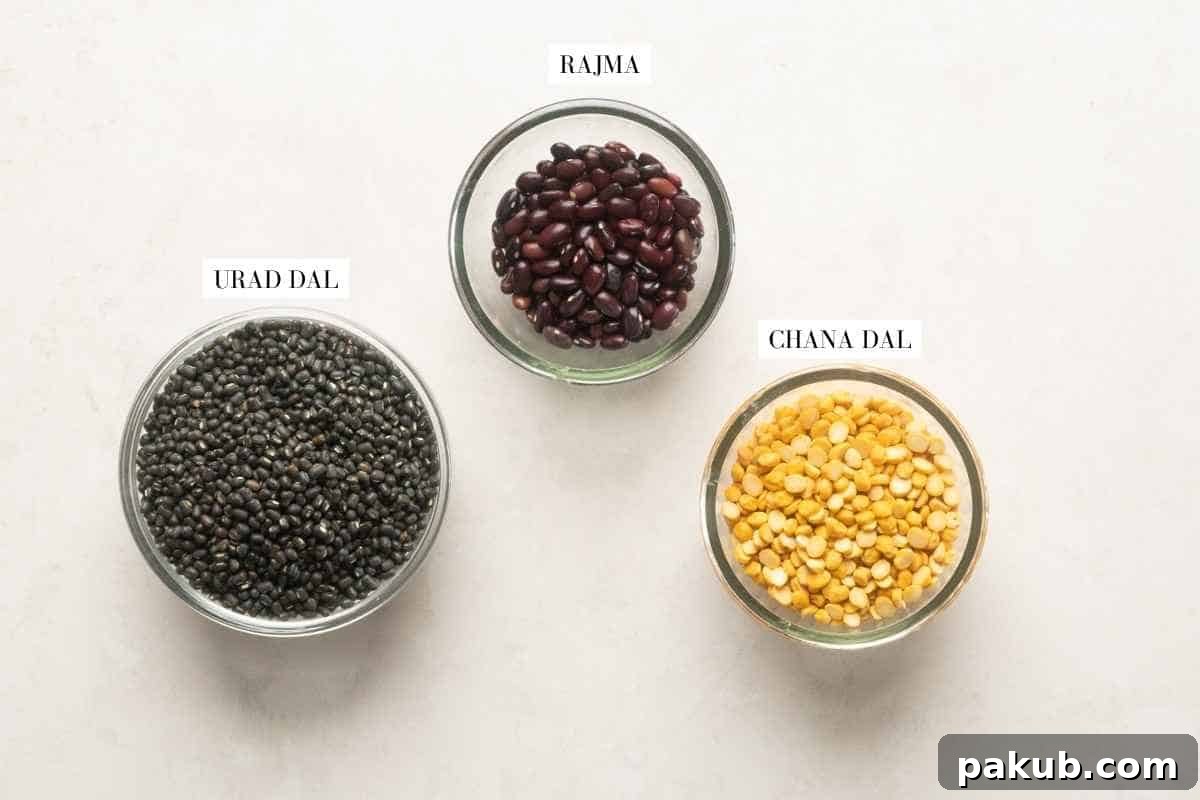
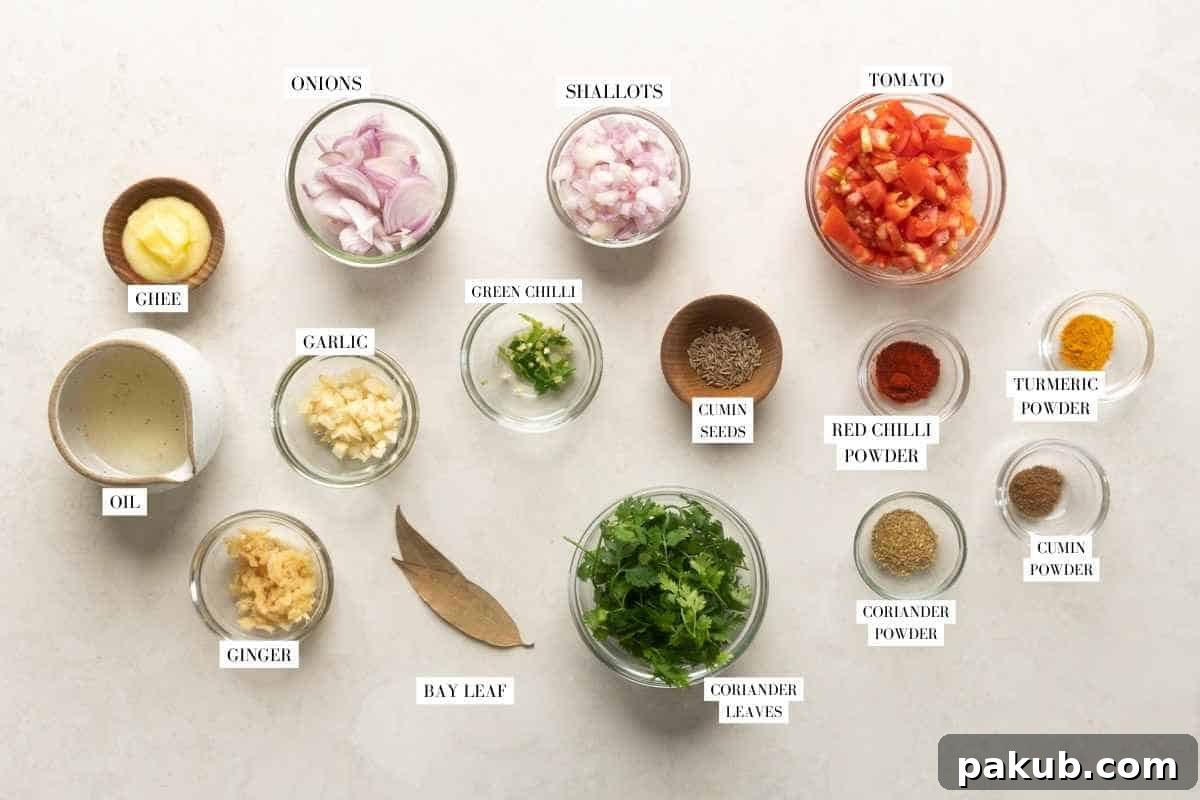
Crafting the perfect Langar Wali Dal requires a specific blend of lentils and an array of aromatic spices. While the ingredient list might seem extensive, each component plays a vital role in building the dal’s distinctive flavor profile and creamy texture. Sourcing fresh, high-quality ingredients will always yield the most authentic and delicious results.
Step-by-Step Guide: How to Make Langar Wali Dal
Follow these detailed steps to recreate the magic of Langar Wali Dal in your own kitchen. The process is divided into two main phases: pressure cooking the lentils and preparing the flavorful tempering.
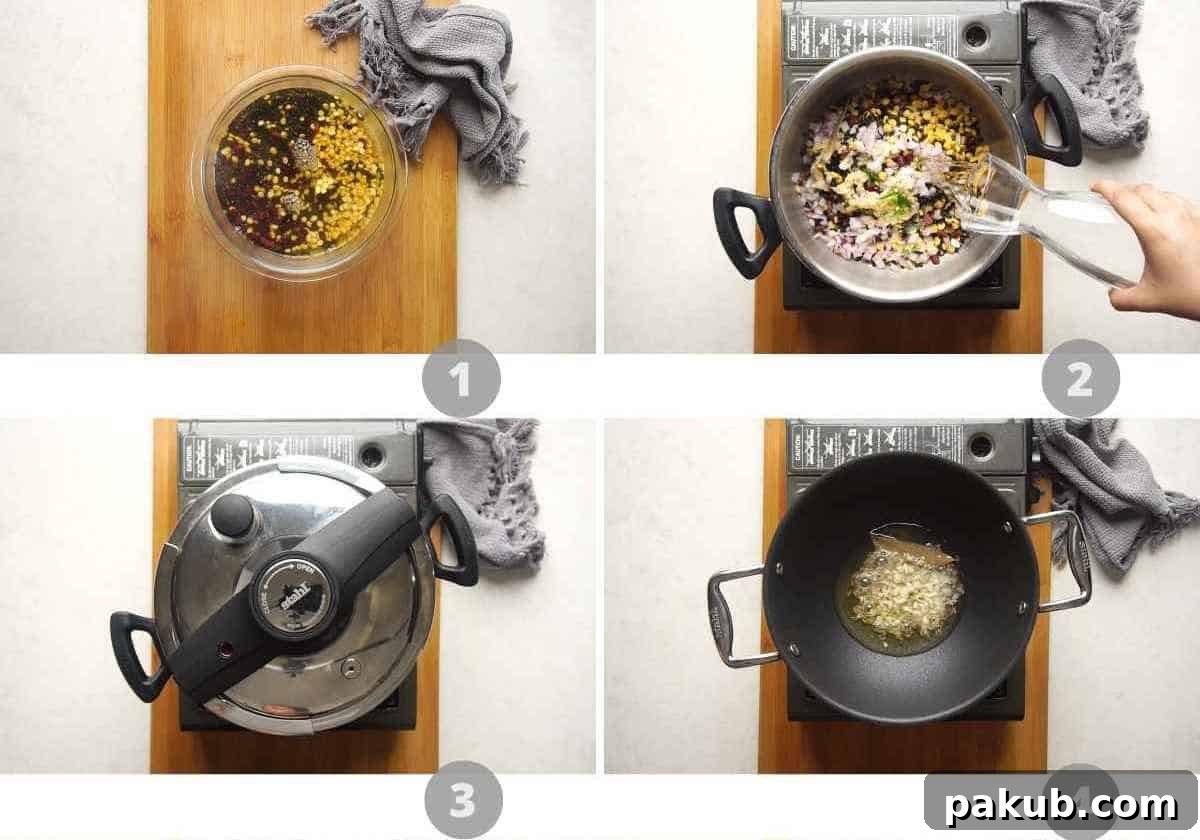
Phase 1: Pressure Cooking the Dal
- Begin by soaking the urad dal, chana dal, and rajma in a large bowl with plenty of water overnight (at least 8-10 hours). This crucial step helps in faster cooking and better digestibility. Once soaked, drain the water thoroughly and set the pulses aside.
- Transfer the soaked and drained lentils (urad dal, chana dal, rajma) to a pressure cooker. Add the crushed ginger, finely chopped onion, crushed green chillies, salt, one bay leaf, and 5 cups of fresh water.
- Close the lid of the pressure cooker and ensure the whistle (vent weight) is properly secured. Turn the heat to medium-high and cook until the first whistle blows. Immediately reduce the heat to low and allow the dal to cook gently for another 20-25 minutes. This slow cooking ensures the lentils become incredibly tender.
- Once the cooking time is complete, turn off the heat. Allow the pressure to release naturally from the cooker – do not force it open. After the pressure has fully released, remove the whistle, open the lid, and use a ladle or potato masher to lightly mash a portion of the dal. This creates a creamy texture while still retaining some whole lentils. Set the cooked dal aside.
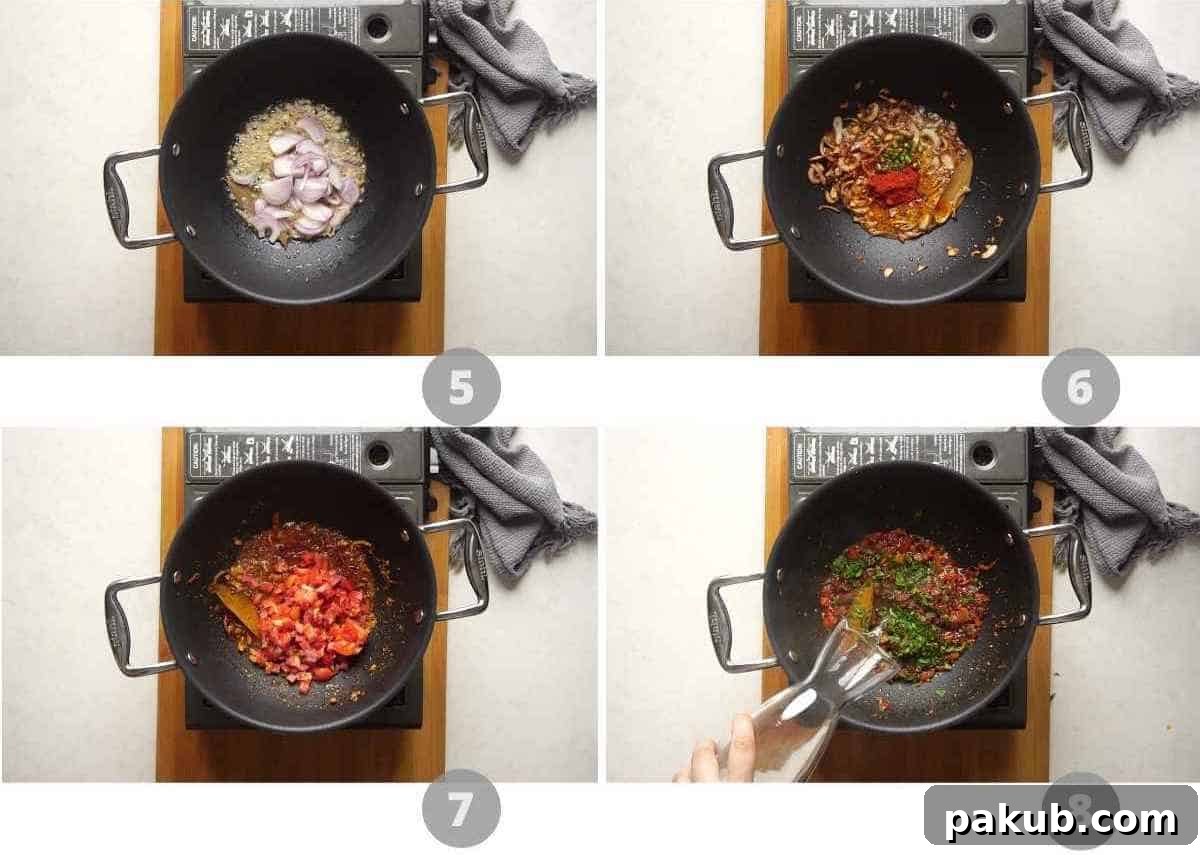
Phase 2: Preparing the Aromatic Tempering (Tadka)
- Heat oil and ghee in a heavy-bottomed pan or kadai over a medium flame. Once hot, add the cumin seeds and let them splutter and turn golden brown, releasing their pungent aroma. This usually takes about 15-20 seconds.
- Add the remaining bay leaf, roughly chopped garlic, and roughly chopped ginger to the pan. Sauté for 1-2 minutes until they become fragrant and lightly golden. Be careful not to burn the garlic.
- Introduce the sliced onion to the pan. Fry the onions patiently, stirring occasionally, until they turn a beautiful golden brown. This step is crucial for developing the depth of flavor in the tadka and can take 5-6 minutes.
- Reduce the heat to low and add the powdered spices: coriander powder, turmeric powder, and red chilli powder. Add the chopped green chillies. Cook the spices for 2-3 minutes, stirring constantly, until their raw smell disappears and they become fragrant. If the mixture starts to stick, add a tablespoon of water to prevent burning.
- Add the roughly chopped tomatoes and a portion of the chopped coriander leaves (reserve some for garnish). Cook for 7-8 minutes, stirring occasionally, until the tomatoes have softened completely and the oil begins to separate from the masala. Mash the tomatoes lightly with your spoon as they cook.
- If the masala mixture starts sticking to the bottom of the pan, add about ¼ cup of water and mix well. Continue to cook for another minute, allowing the flavors to meld into a rich, thick gravy.
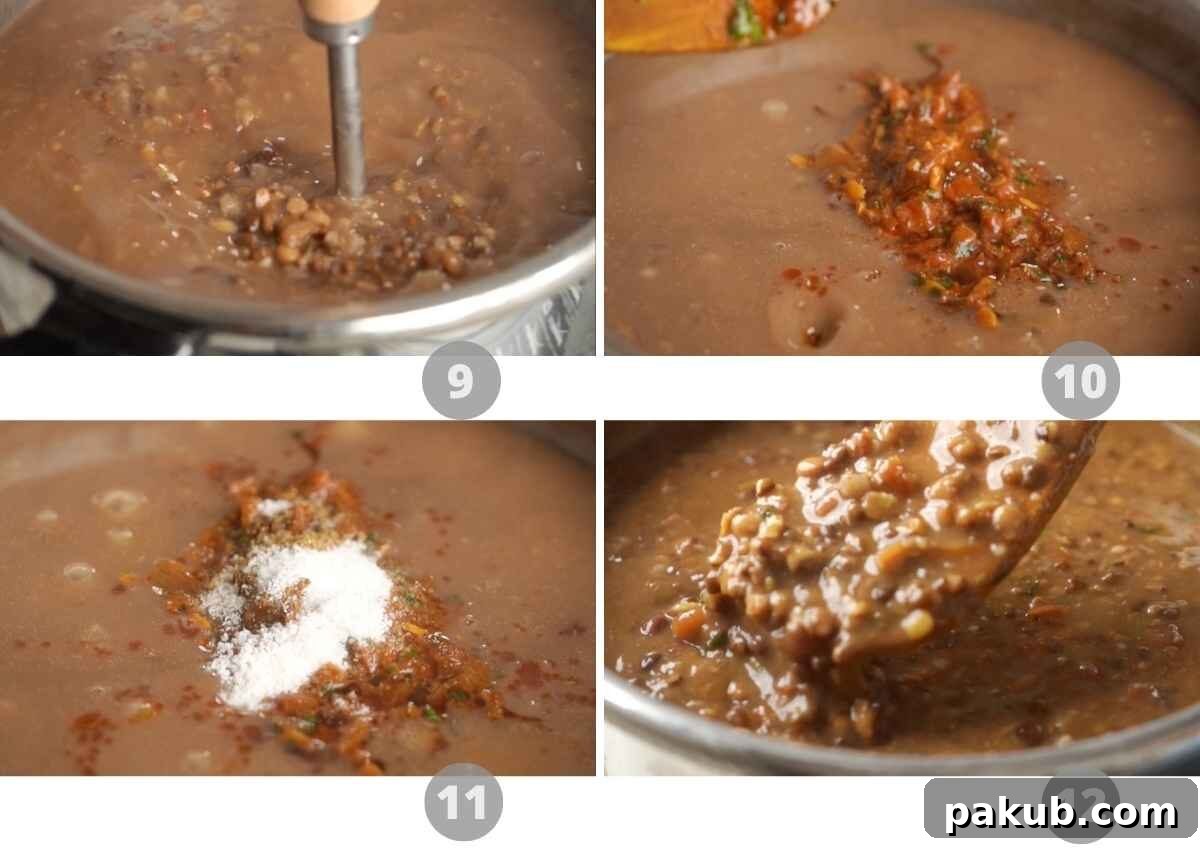
Phase 3: Combining and Simmering
- Carefully transfer the prepared tempering (tadka) into the pressure cooker with the mashed dal. Stir thoroughly to combine all the flavors.
- Add garam masala and adjust salt to taste (remember you added some when pressure cooking). Bring the dal to a gentle boil over medium heat, stirring occasionally.
- Once boiling, reduce the heat to low and let the dal simmer for another 2-3 minutes. This allows the flavors of the tempering to fully infuse into the lentils. Stir in the remaining fresh coriander leaves.
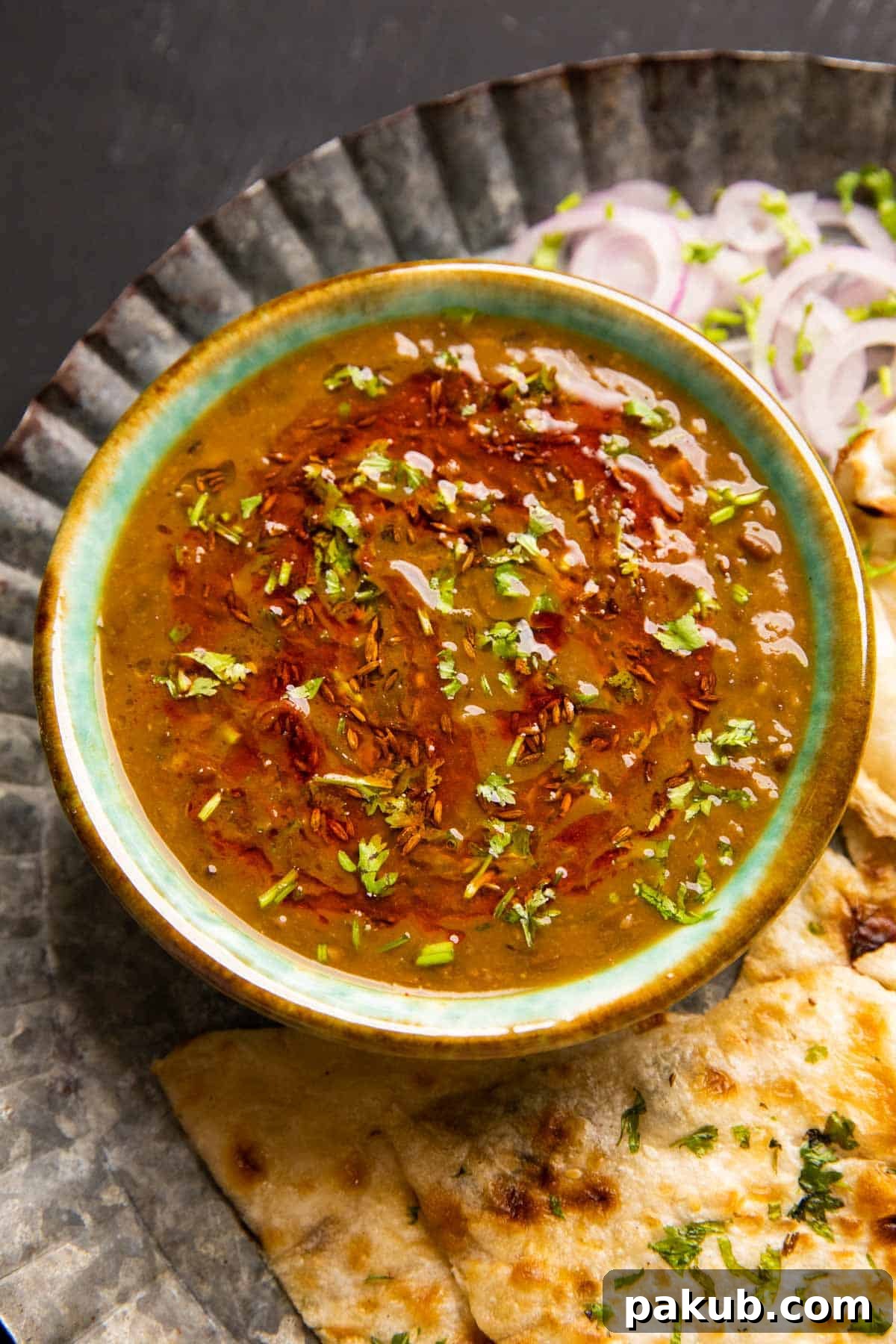
- Serve your authentic Langar Wali Dal hot, ideally with an extra drizzle of ghee or a pat of butter, and your choice of rice or Indian breads.
The Art of the Tadka: Elevating Your Dal’s Flavor
The tempering, or tadka, is arguably the most vital step in preparing Langar Wali Dal, as it’s responsible for infusing the dal with its signature depth and aroma. It’s an art form in Indian cooking, and mastering it is key to a truly unforgettable dal. The combination of pungent garlic, sweet onions, fiery chillies, tangy tomatoes, and earthy cumin, all fried to perfection in fragrant ghee, elevates this simple lentil stew from merely good to absolutely amazing.
To ensure your tadka is packed with flavor, patience is paramount. Begin by allowing your cumin seeds to splutter gently, releasing their essential oils. Then, meticulously sauté the onions until they achieve a rich, golden-brown hue. This caramelization process develops a profound sweetness and umami that forms the backbone of the tadka. Similarly, cook the tomatoes until they completely soften and break down, releasing their juices and acidity, which balances the spices beautifully. Don’t rush this process; taking the time to cook each ingredient properly will yield a tadka that is robust, fragrant, and utterly delicious.
Pro Tip: For the most vibrant and authentic flavor, always use fresh ginger, grated or crushed, when pressure cooking the dal. The subtle heat and fragrant notes from fresh ginger make an incredible difference compared to pre-made pastes.
Pro Tips for a Truly Exceptional Langar Wali Dal
- Soaking is Non-Negotiable: While the “fast soak” method works in a pinch, overnight soaking (8-10 hours) for all three pulses is highly recommended. It not only reduces cooking time but also helps in making the dal more digestible and gives it a superior texture.
- Fresh Aromatics Make a Difference: As mentioned, fresh ginger and garlic are superior. Crush them just before use for maximum flavor and aroma.
- Patience with Onions: Don’t rush frying the onions for the tadka. Cooking them until they are deeply golden brown brings out their sweetness and adds a crucial depth of flavor to the dal.
- Slow Simmer for Flavor Infusion: After adding the tadka to the cooked dal, allow it to simmer on low heat for at least 5-10 minutes. This crucial step lets the flavors meld and deepen, resulting in a more cohesive and delicious dish.
- Garnish Generously: A final flourish of fresh coriander leaves and a swirl of ghee or a pat of butter before serving isn’t just for aesthetics; it significantly enhances the aroma and richness of the dal.
- Adjust Consistency: If your dal is too thick after simmering, add a little hot water and bring it to a boil again until it reaches your desired consistency. If it’s too thin, simmer it uncovered for a few more minutes to reduce.
Serving Suggestions & Storage
Langar Wali Dal is incredibly versatile and forms the centerpiece of a nourishing Indian meal. It’s traditionally enjoyed with simple steamed Basmati rice, allowing the dal’s robust flavors to shine. A drizzle of ghee over the rice and dal is a classic combination. It also pairs wonderfully with a variety of Indian breads such as fresh tandoori rotis, fluffy naan, or buttered kulchas. For a complete meal, serve it alongside a crisp kachumber salad (cucumber, tomato, onion salad) and a dollop of plain yogurt or raita.
This dal is also excellent for meal prep. It can be stored in an airtight container in the refrigerator for up to 3-4 days. When reheating, you may need to add a splash of water or vegetable broth to thin it out to the desired consistency, as dals tend to thicken upon cooling. Gently reheat on the stovetop over low heat, stirring occasionally, or in the microwave. Freezing is also an option; it holds well for up to 2 months. Thaw overnight in the refrigerator before reheating.
This post is proudly sponsored by our friends at Stahl Kitchens, renowned manufacturers of exceptional Pressure Cookers and high-quality Triple Ply Stainless Steel utensils. Their commitment to excellence ensures a superior cooking experience.
Watch the Recipe Video
LOVE THIS RECIPE? Subscribe to my newsletter and be the first to receive all new recipes!
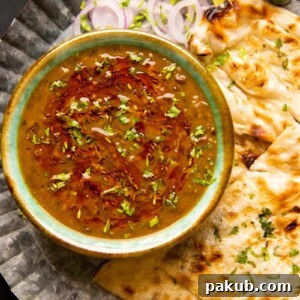
Langar Wali Dal
By: Richa
Langar Wali Dal is the soulful lentil dish served at Gurudwaras worldwide. It’s known for its creamy texture, rich flavors from a well-made tempering, and a comforting smokiness. This dal holds a special place due to its preparation by dedicated volunteers, symbolizing community and selfless service.
Prep Time: 15 mins
Cook Time: 50 mins
Total Time: 1 hr 5 mins
Servings: 6 people
Ingredients
For Pressure Cooking
- 1 Cup Urad Dal, soaked overnight and drained
- ½ Cup Chana Dal, soaked overnight and drained
- ¼ Cup Rajma, soaked overnight and drained
- 1 Tablespoon Crushed Ginger
- 1 Onion, finely chopped
- 2 Green Chillies, crushed
- 1 Teaspoon Salt
- 1 Bay Leaf
- 5 Cups Water
For Dal Tempering
- 2 Tablespoons Oil
- 2 Tablespoons Ghee
- 2 Teaspoons Cumin Seeds
- 1 Bay Leaf
- 1 Large Onion, sliced
- 1 Tablespoon roughly chopped Ginger
- 1 1/2 Tablespoon roughly chopped Garlic
- 2 Tomatoes, roughly chopped
- 1 ½ Tablespoon Coriander Powder
- ½ Teaspoon Turmeric Powder
- 1 Tablespoon Red Chilli Powder
- 2 Green Chillies, chopped
- 4 Tablespoons chopped Coriander Leaves, divided
- ½ Teaspoon Salt (adjust to taste)
- ¼ Cup Water (for cooking masala)
- ¾ Teaspoon Garam Masala
Instructions
Pressure Cook
- Add soaked urad dal, chana dal, rajma, crushed ginger, finely chopped onion, crushed green chillies, salt, bay leaf, and 5 cups of water to a pressure cooker. Secure the lid and whistle.
- Cook on medium heat until the first whistle, then reduce heat to low and cook for 20-25 minutes.
- Turn off heat and let pressure release naturally. Open the lid and lightly mash the dal for a creamy consistency. Set aside.
Dal Tempering
- Heat oil and ghee in a kadai (or heavy-bottomed pan) over medium flame. Add cumin seeds and let them splutter. Add bay leaf, chopped garlic, and chopped ginger, then sauté until fragrant (1-2 minutes).
- Add sliced onion and fry until golden brown (5-6 minutes).
- Stir in coriander powder, turmeric powder, red chilli powder, and chopped green chillies. Cook for 2-3 minutes until the raw smell disappears.
- Add roughly chopped tomatoes and half of the chopped coriander leaves. Cook for 7-8 minutes until tomatoes soften. If the mixture sticks, add ¼ cup water and mix.
- Transfer this tempering mix into the cooked dal in the pressure cooker and stir well to combine.
- Add garam masala and check for salt, adjusting if needed. Bring the dal to a boil over medium heat.
- Reduce heat to low and simmer for 2-3 minutes. Stir in the remaining fresh coriander leaves. Serve hot!
Nutrition
Calories: 293kcal, Carbohydrates: 38g, Protein: 12g, Fat: 11g, Saturated Fat: 4g, Polyunsaturated Fat: 2g, Monounsaturated Fat: 5g, Trans Fat: 1g, Cholesterol: 13mg, Sodium: 722mg, Potassium: 258mg, Fiber: 14g, Sugar: 4g, Vitamin A: 768IU, Vitamin C: 15mg, Calcium: 92mg, Iron: 5mg
Like this recipe? Rate and comment below!